Hamadan rugs originate from one of the oldest cities in the Middle East, a regional hub that has been a centre for weaving for centuries. These rugs are known for their diversity in design, as they are often produced in the hundreds of villages surrounding the city, each contributing its own unique tribal influence and local flair to the broader Hamadan tradition.
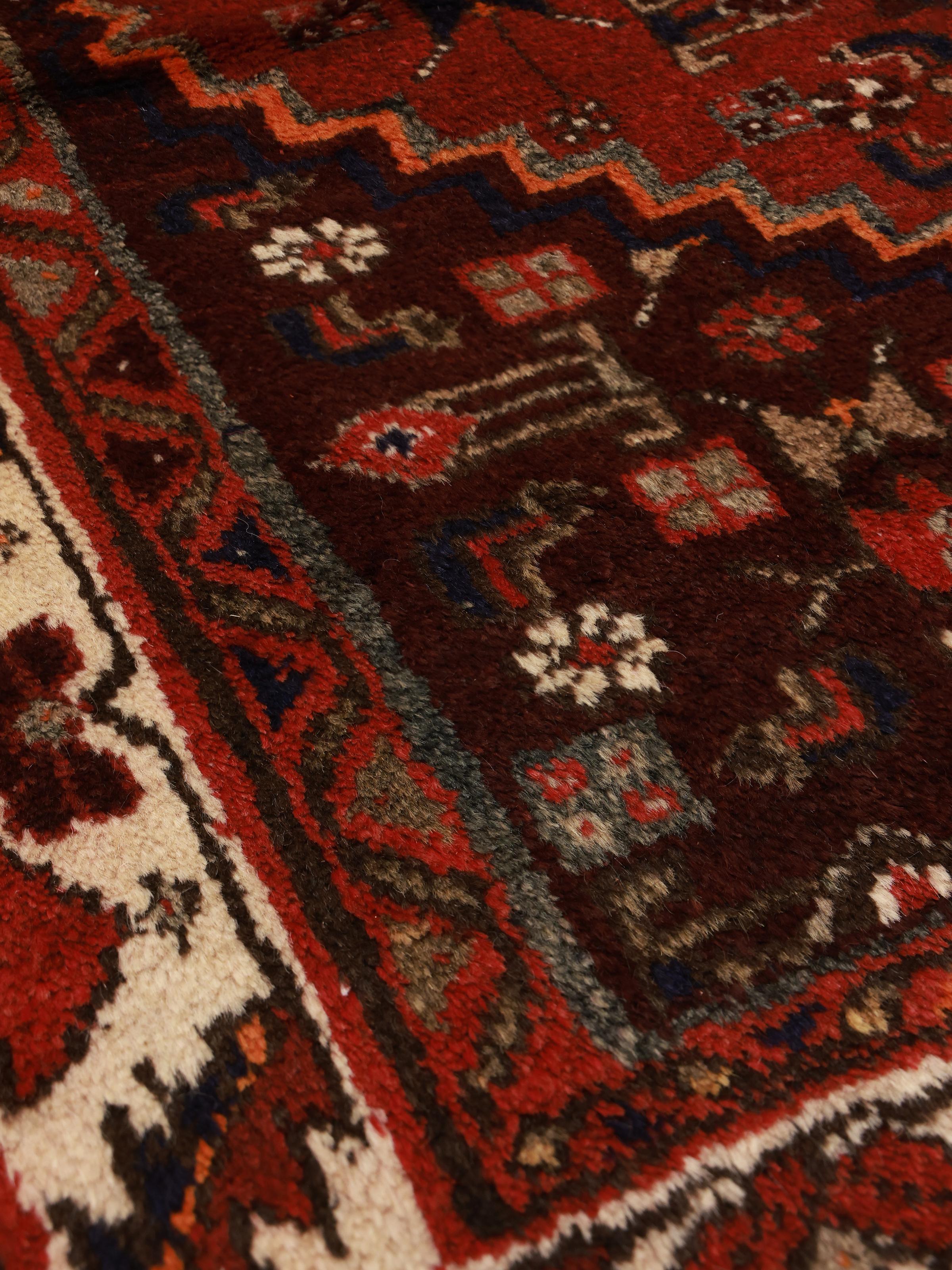
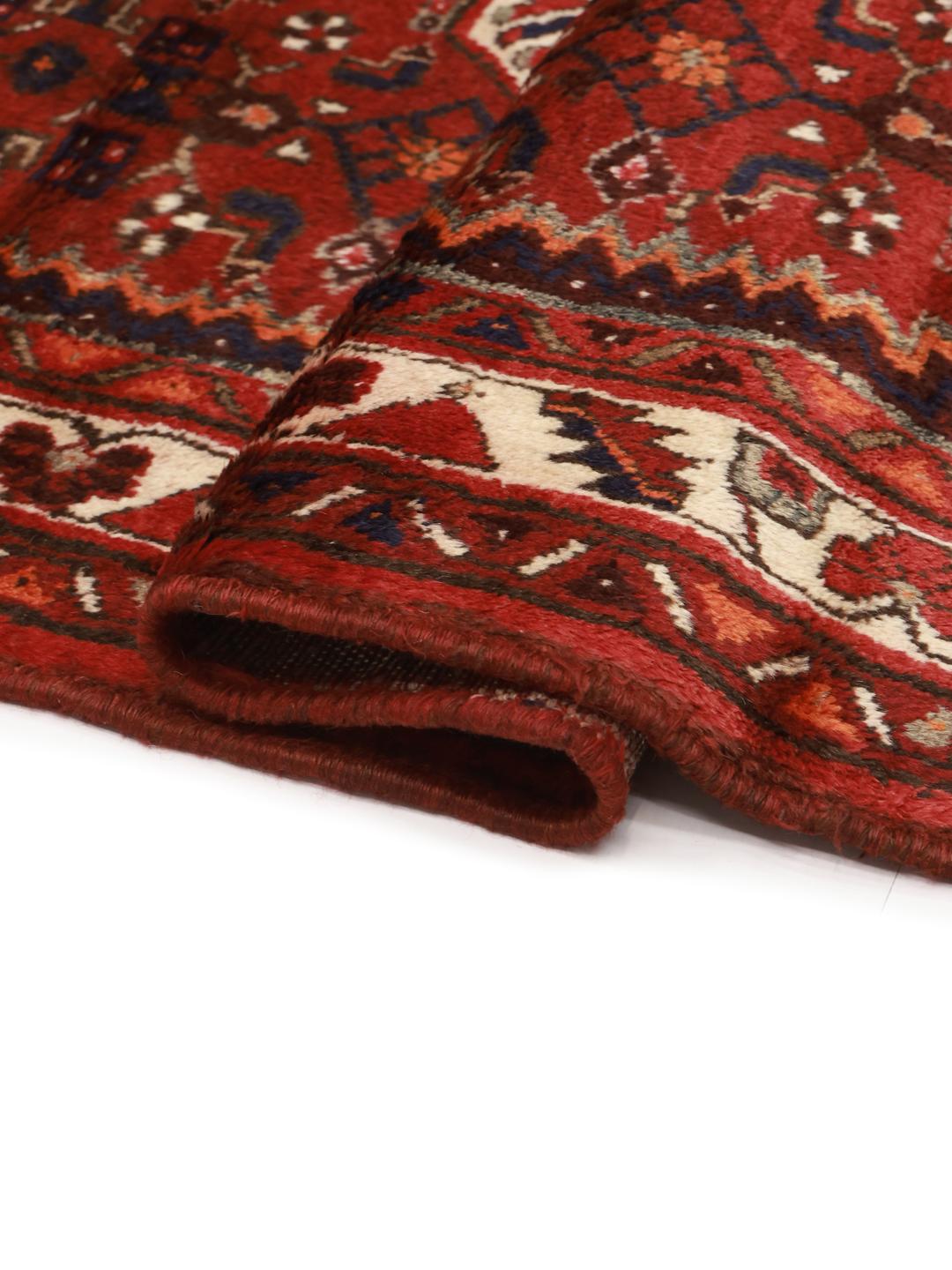
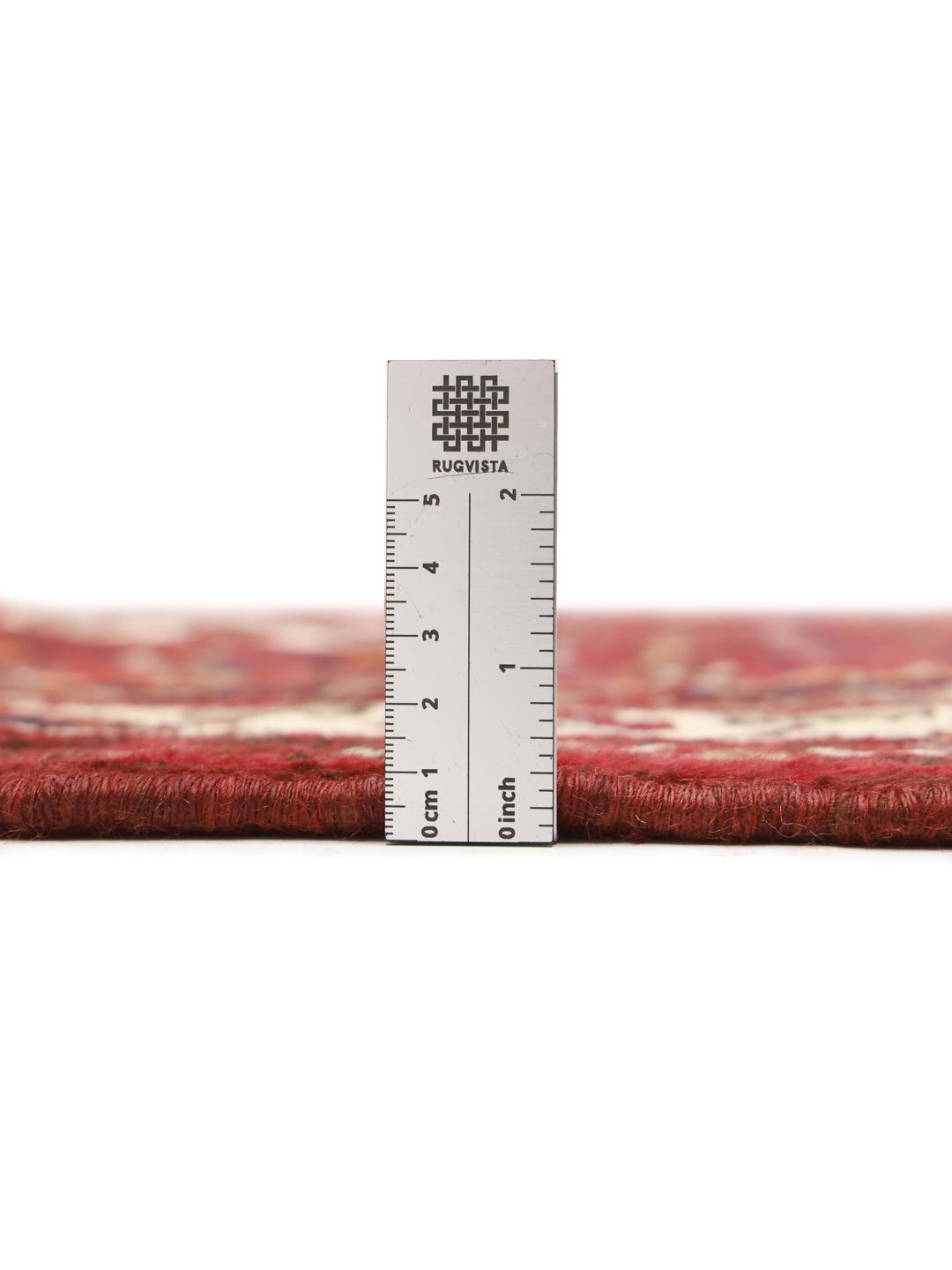
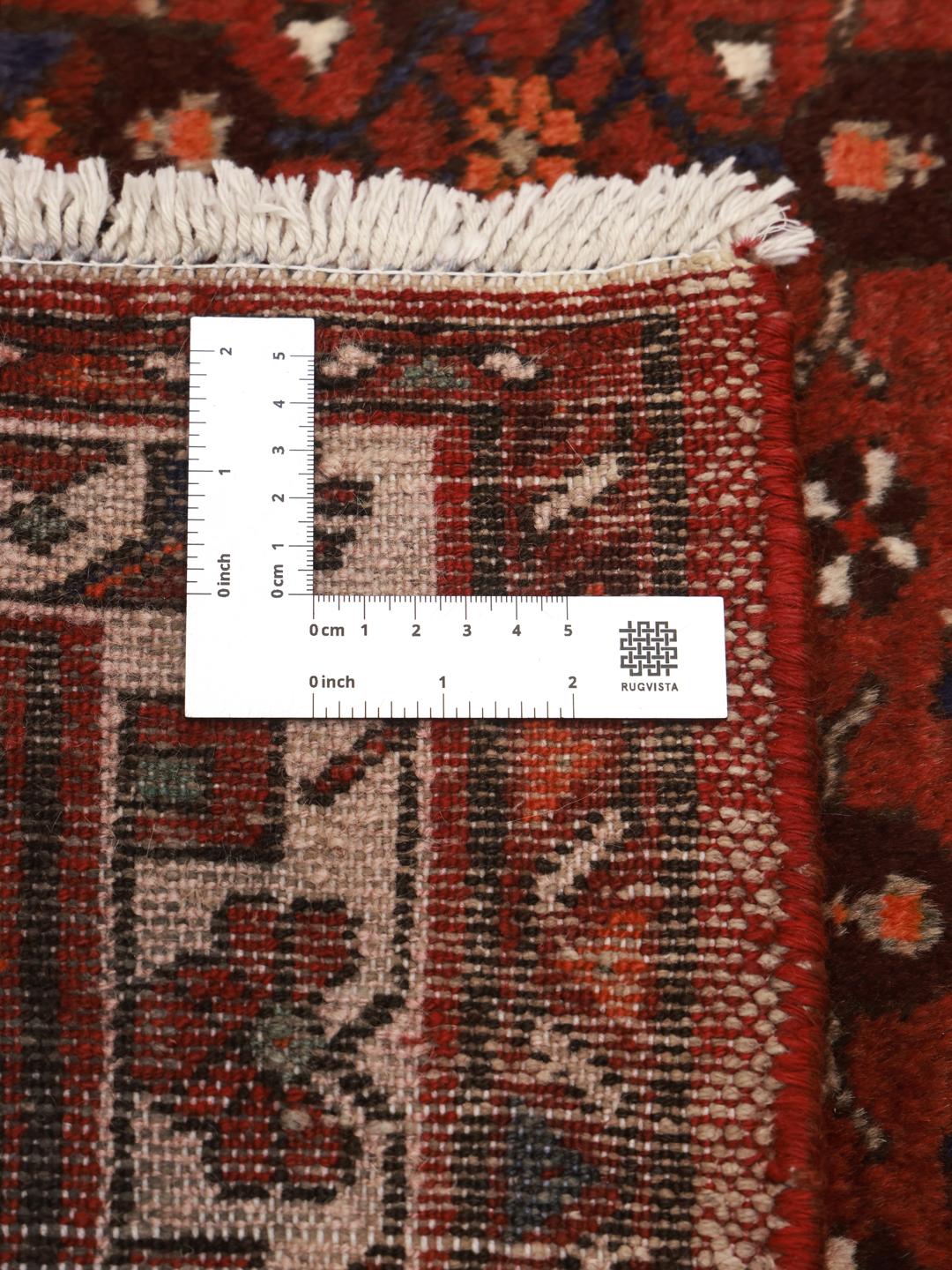
The term Hamadan refers not to a single style, but to a vast collection of weaving traditions. These rugs typically use a sturdy construction method that emphasises durability, making them highly practical for daily use while still maintaining the intricate aesthetic that collectors look for in authentic, hand-knotted pieces.
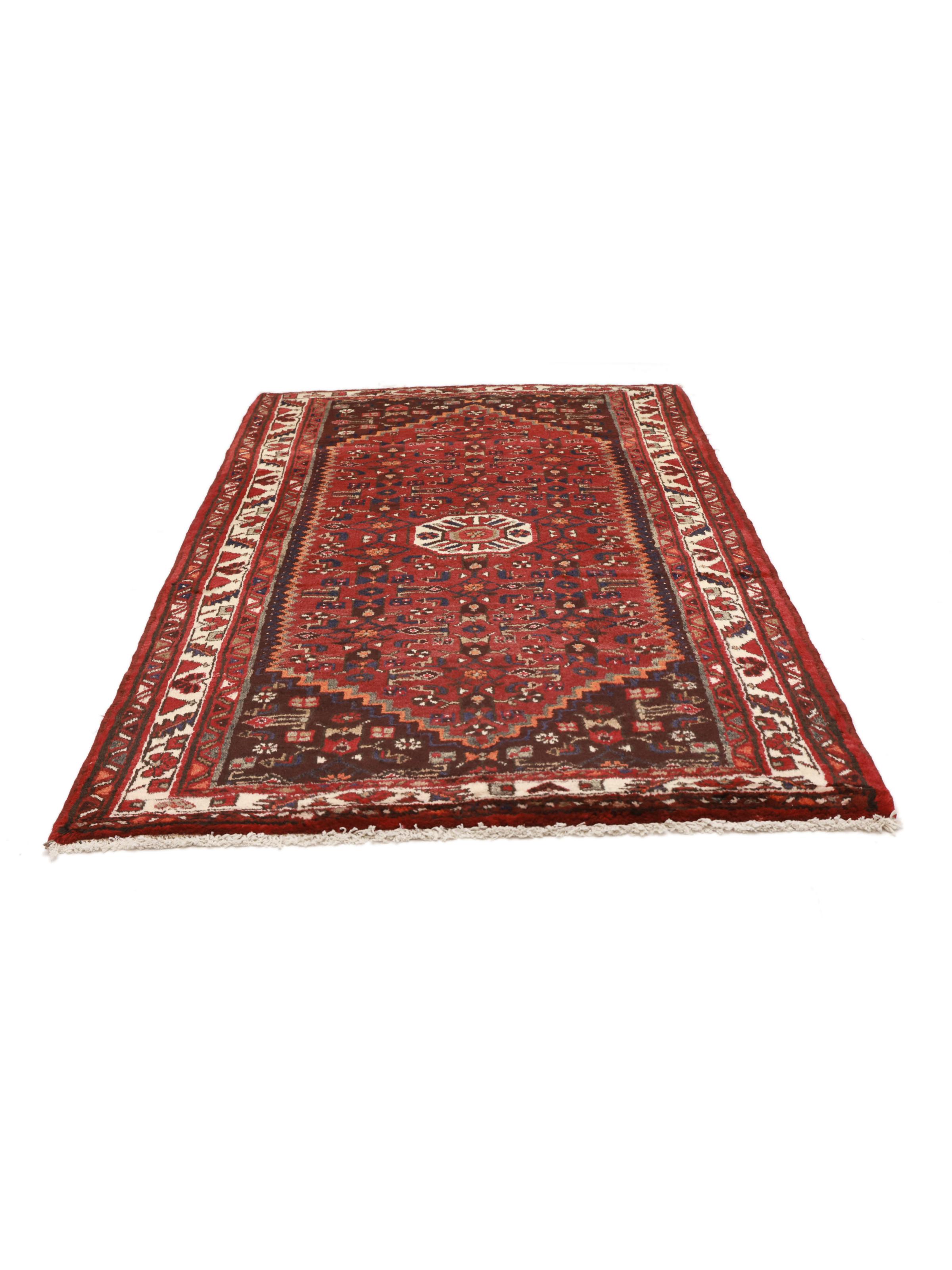
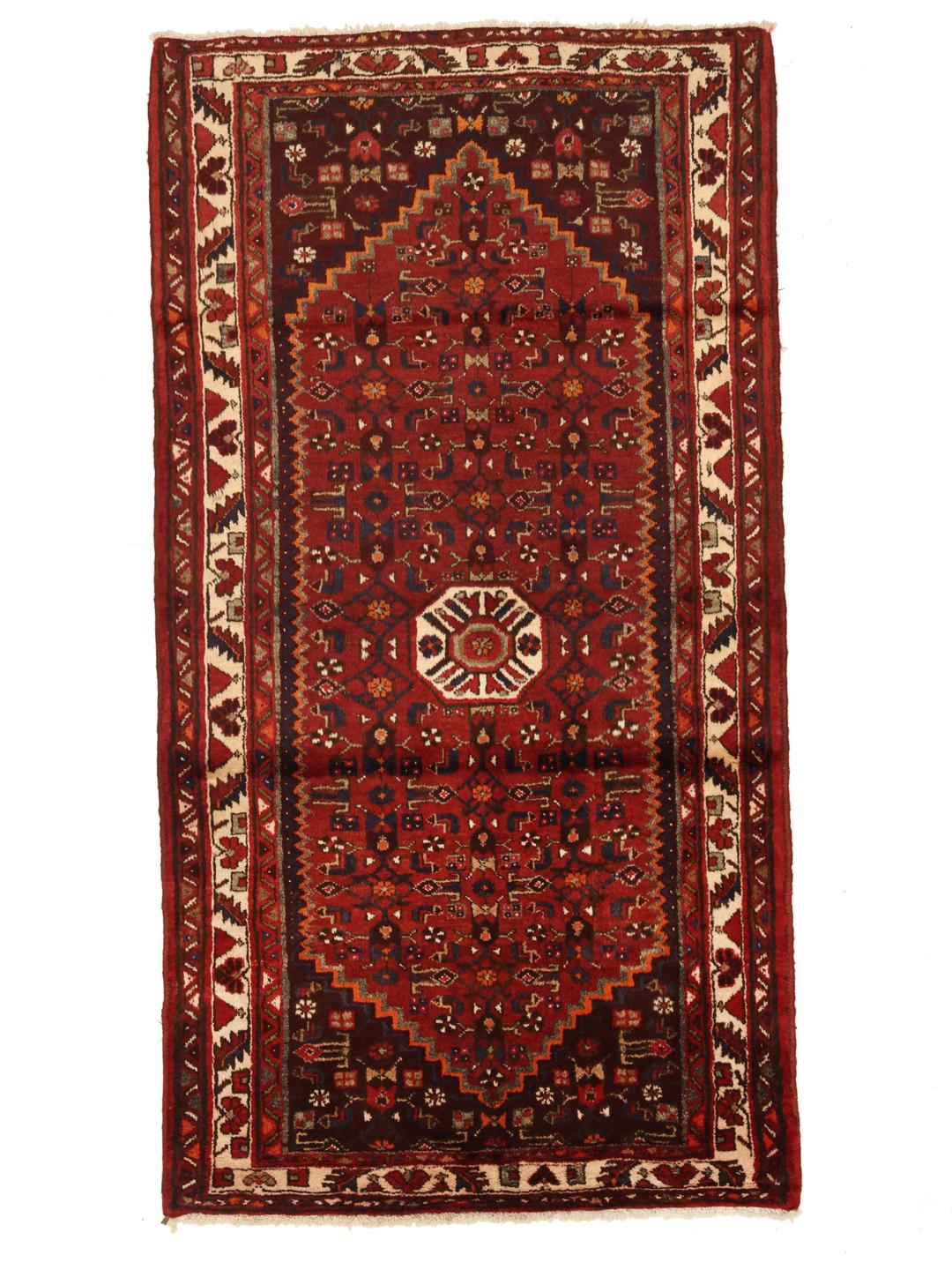
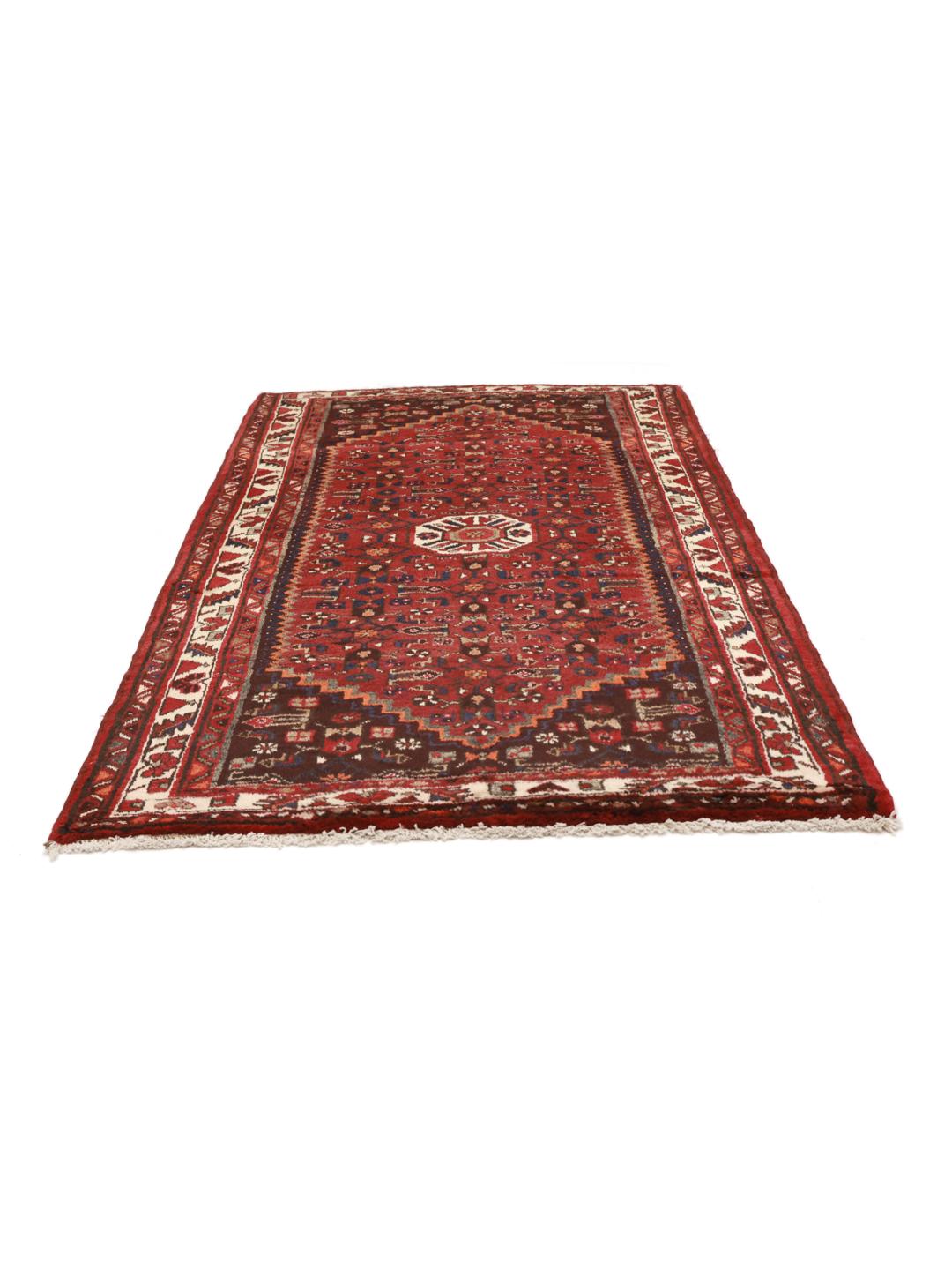
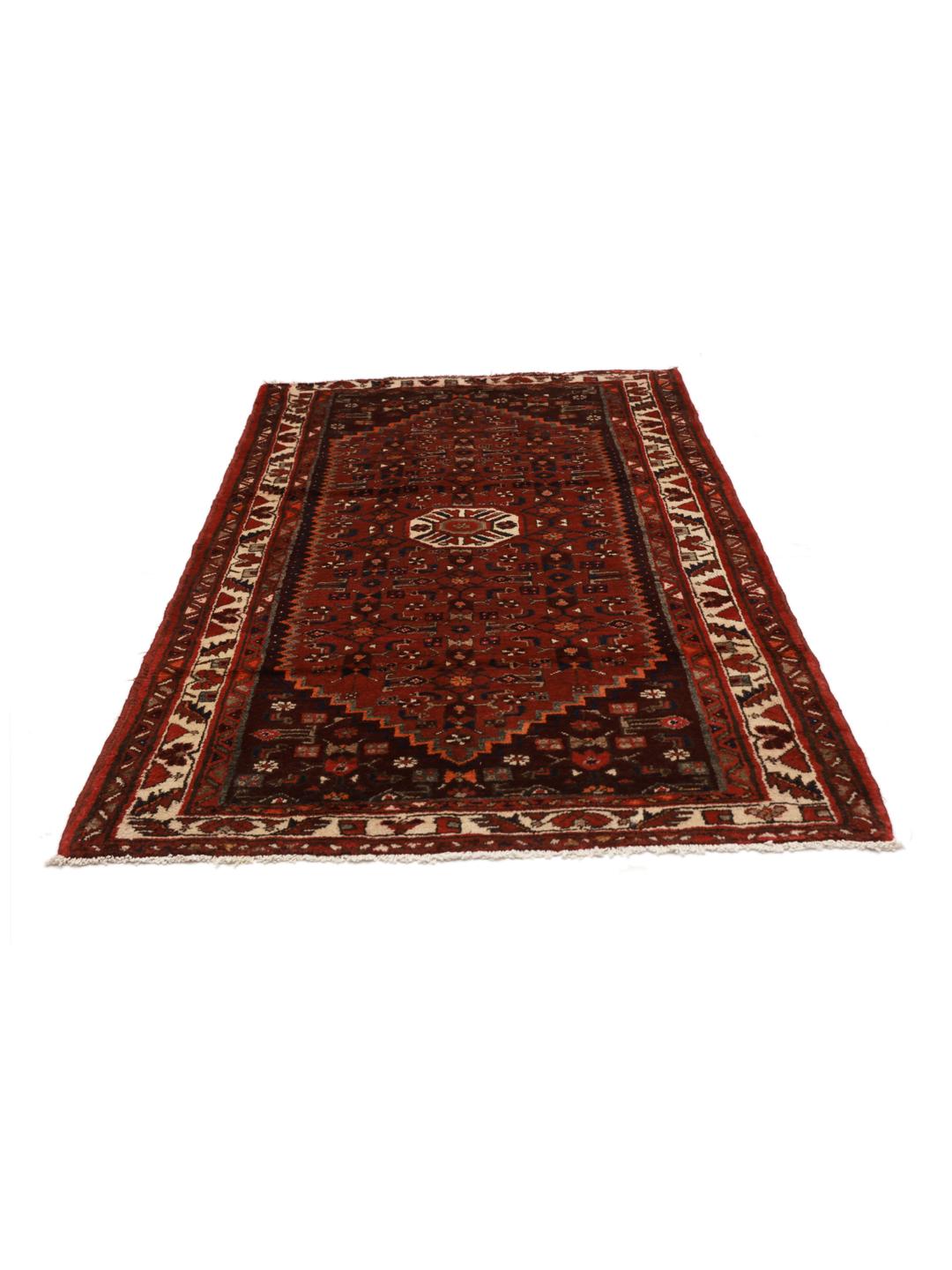
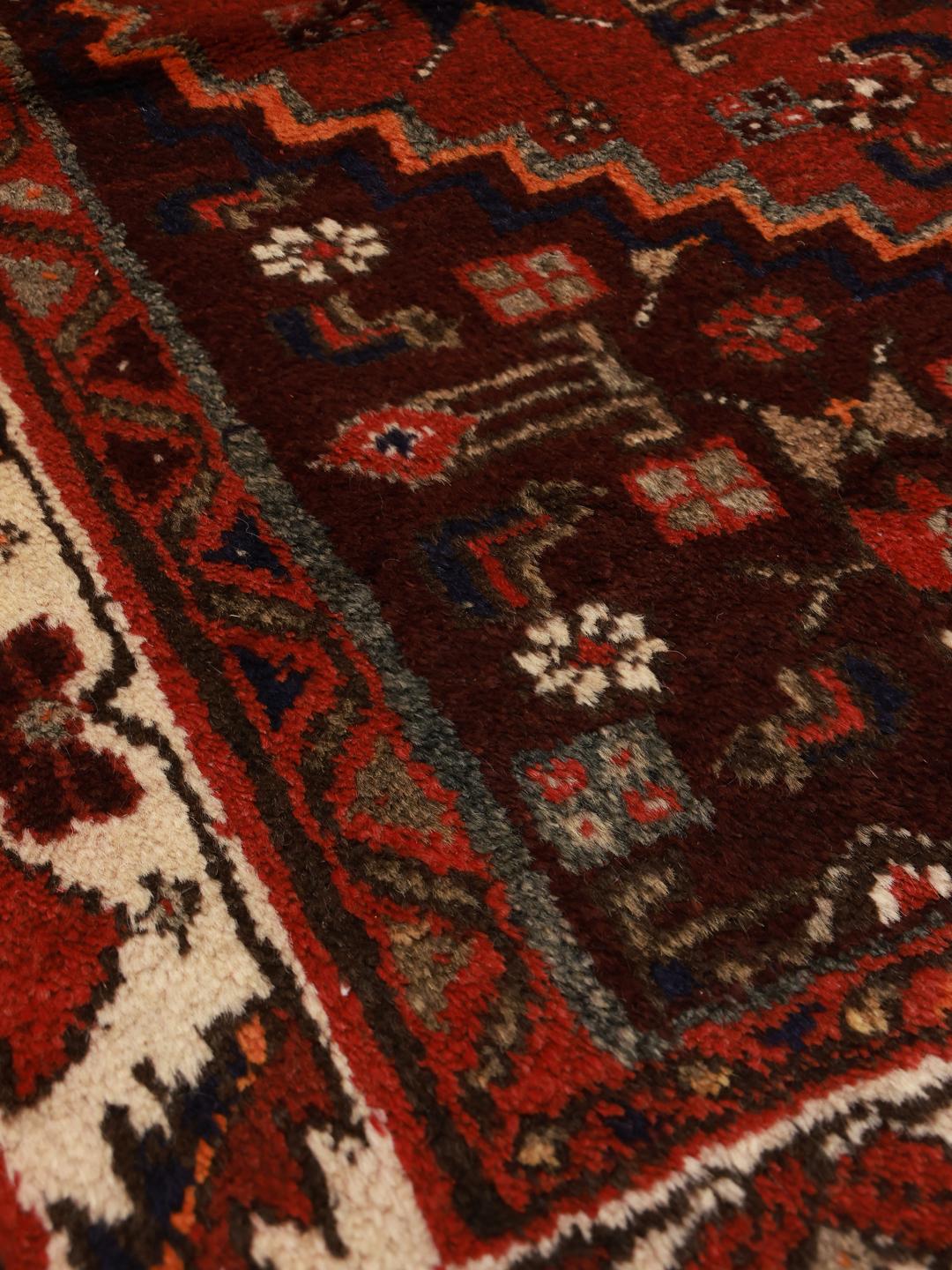
Design-wise, these rugs are famous for their bold geometric patterns and the creative use of medallions. While many feature a classic central medallion, the surrounding field is often filled with stylized floral motifs, vines, and tribal symbols. The use of deep red and blue tones is a hallmark of the region, creating a warm and sophisticated atmosphere that complements many different interior styles.
Owning a Hamadan rug is a way to connect with a long-standing cultural heritage. These pieces are valued for their resilience and the undeniable skill required to weave them. By choosing a one-of-a-kind example, you are preserving a tradition that has been passed down through generations of families, ensuring that this craft continues to be appreciated for its beauty and utility.