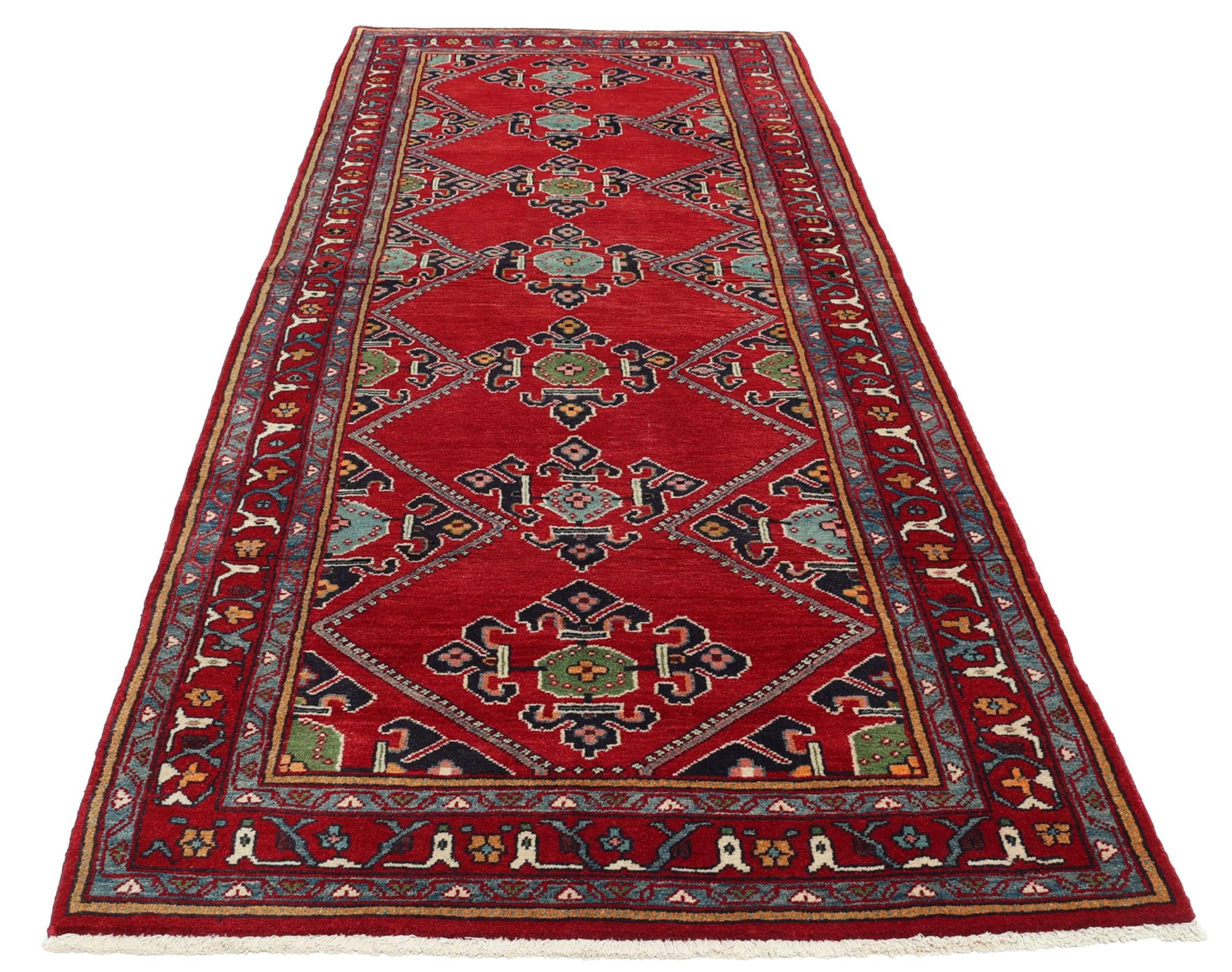
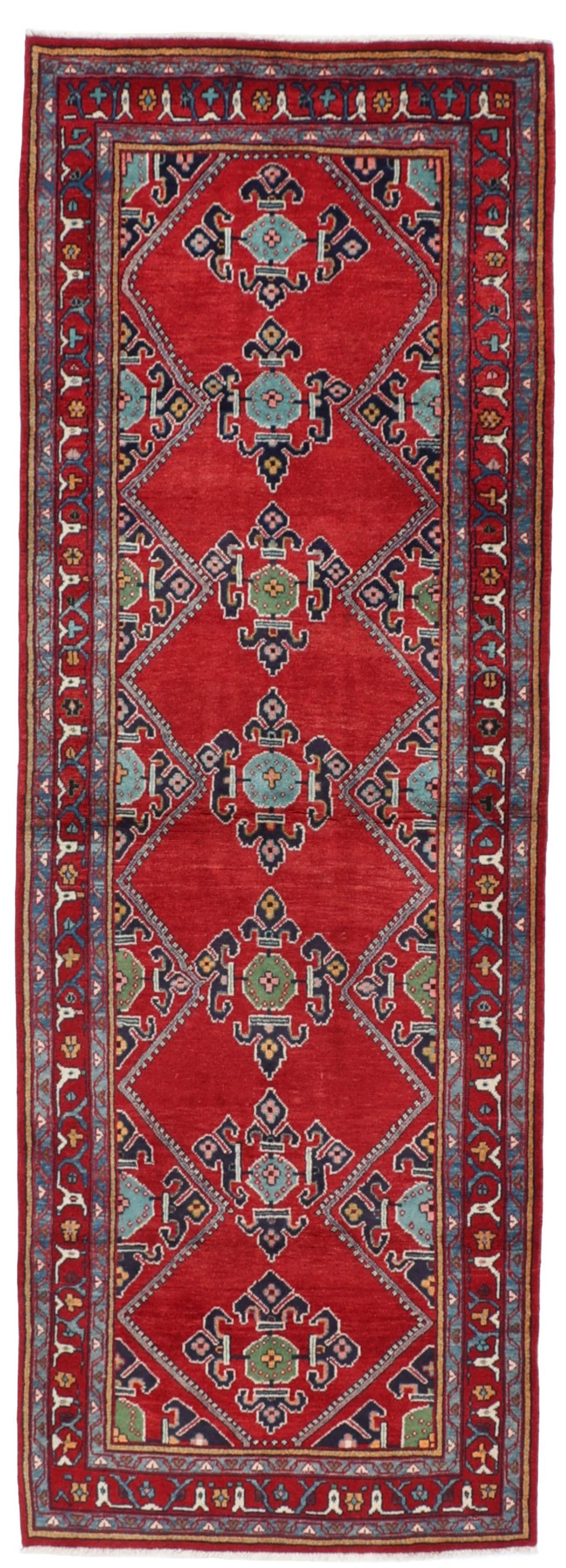
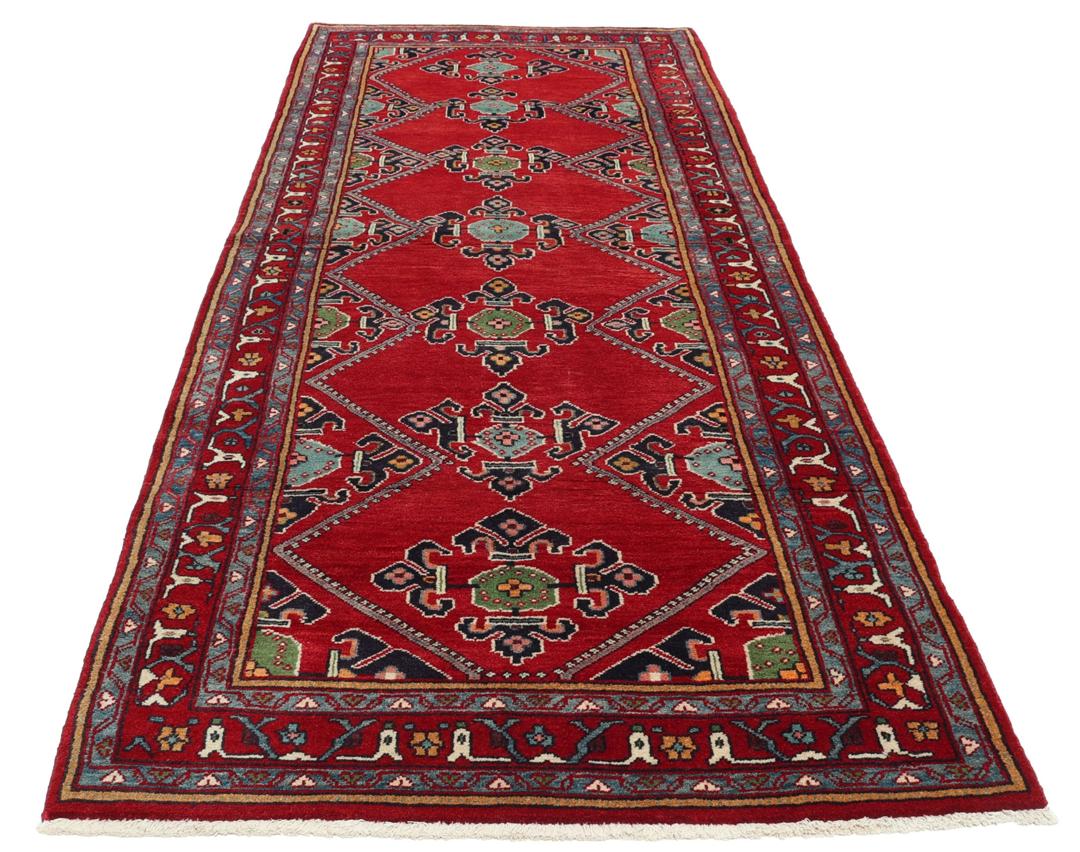
Hamadan rugs originate from one of the oldest cities in the Middle East, a historic hub located in the rugged highlands of the region. This area has long been a center for weaving, where diverse tribes and village communities have contributed to a rich, evolving textile tradition. The rugs produced here are celebrated for their versatility and the distinct, often geometric, visual language that reflects the local cultural heritage.
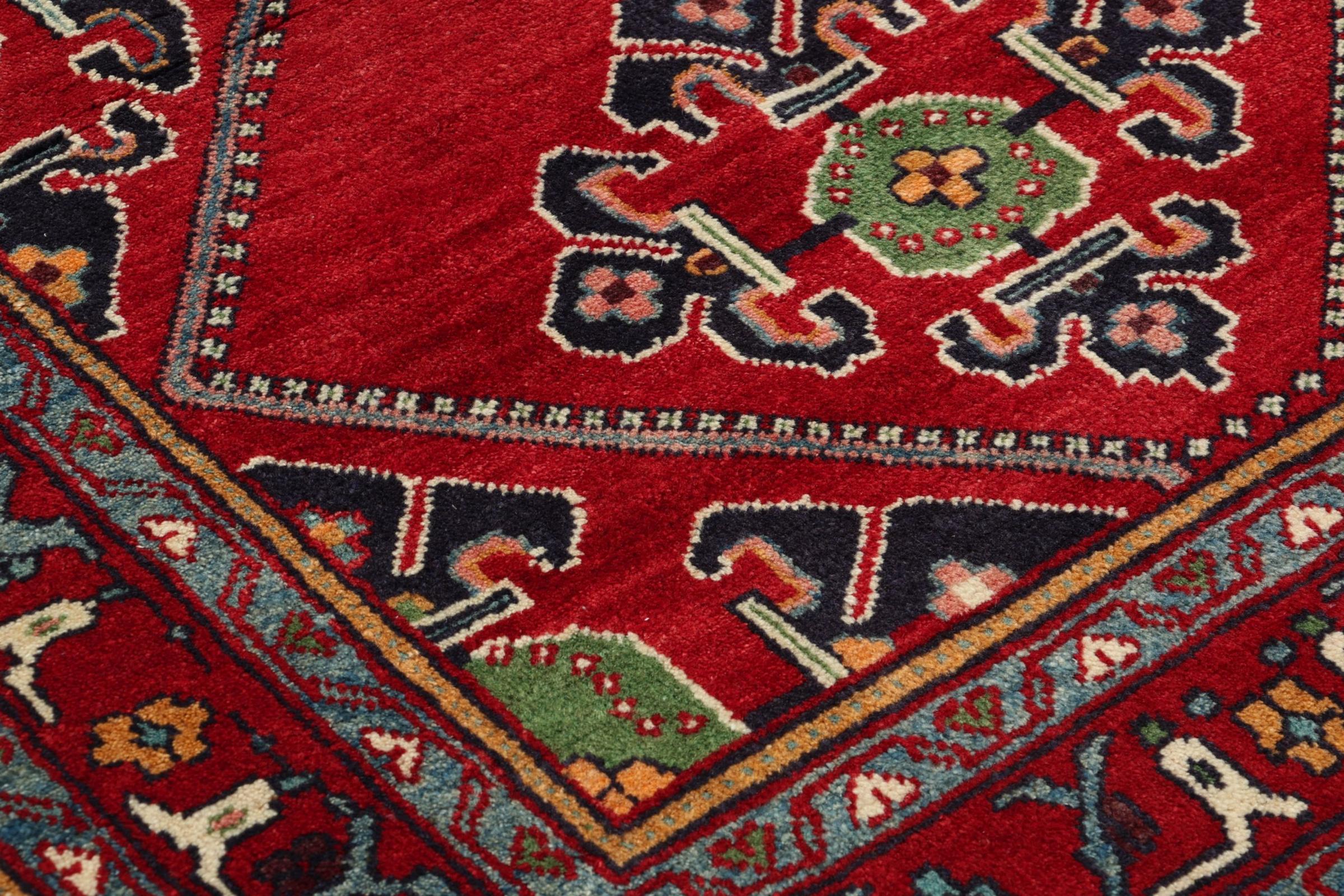
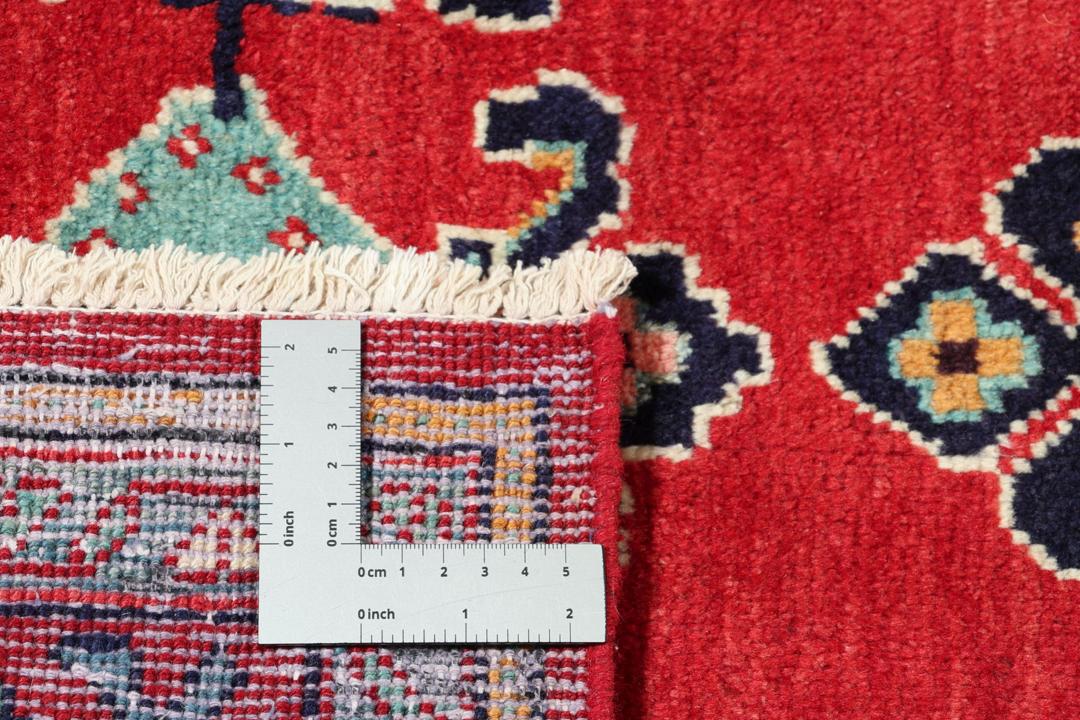
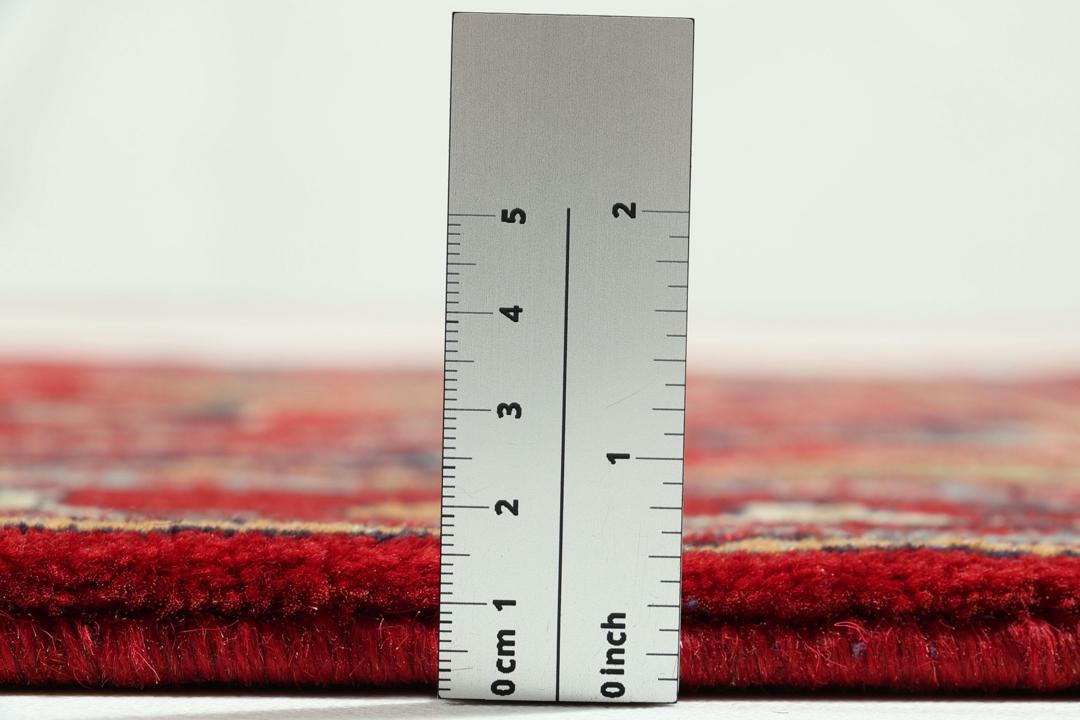
The term Hamadan refers to a wide family of rugs that share a common origin, though designs can vary greatly from one village to the next. These rugs are typically crafted with a sturdy construction, often utilising wool sourced from local flocks. The knotting technique used in this region is known for its reliability, resulting in a firm, durable pile that is well-suited for the demands of everyday life.
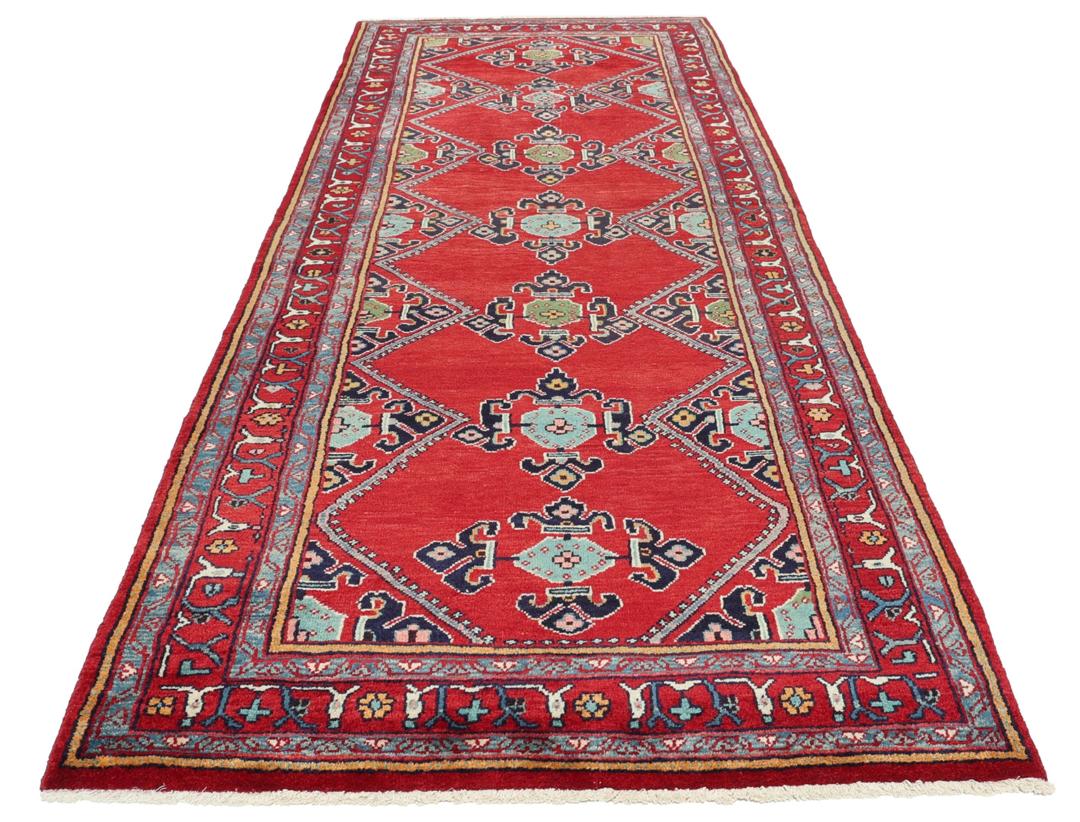
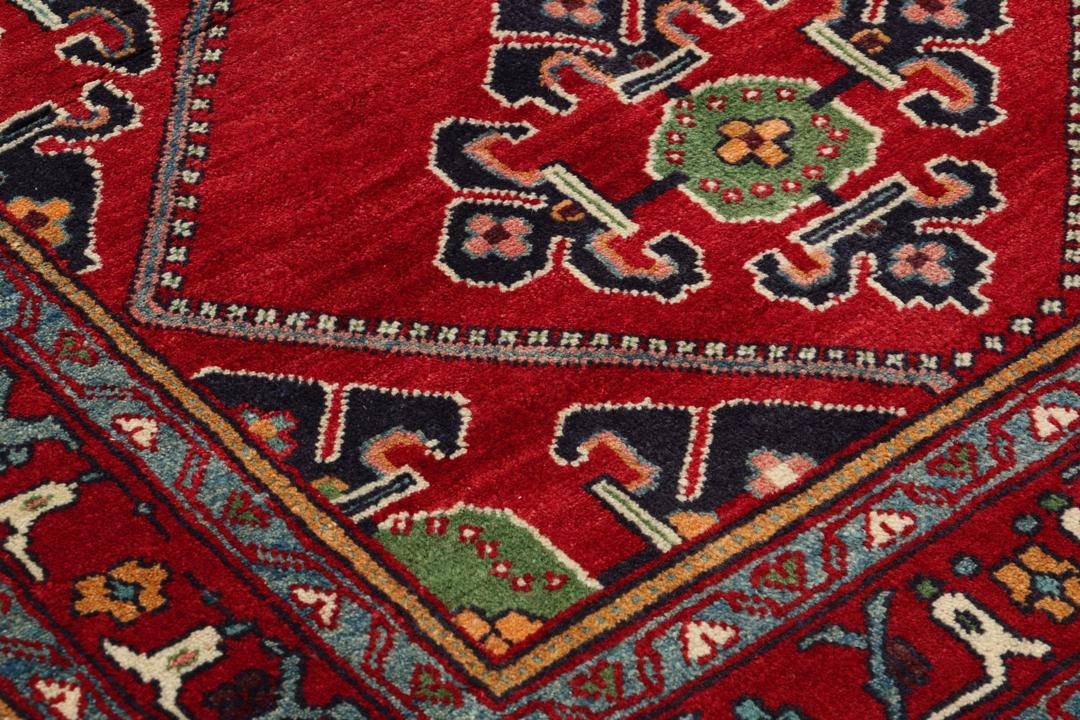
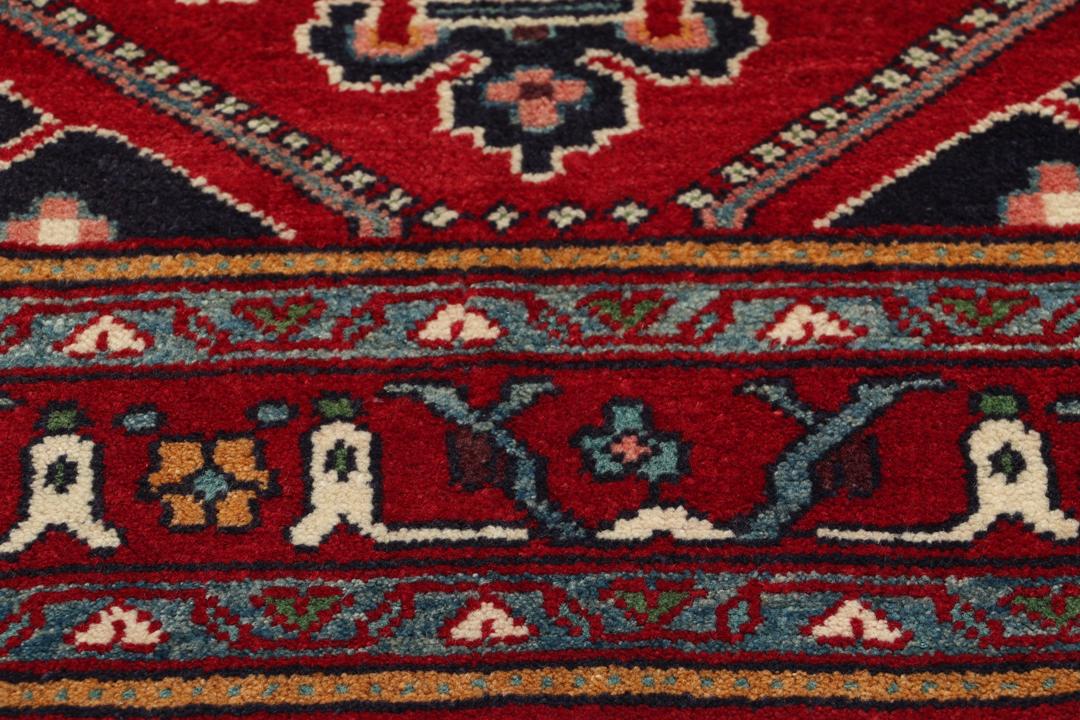
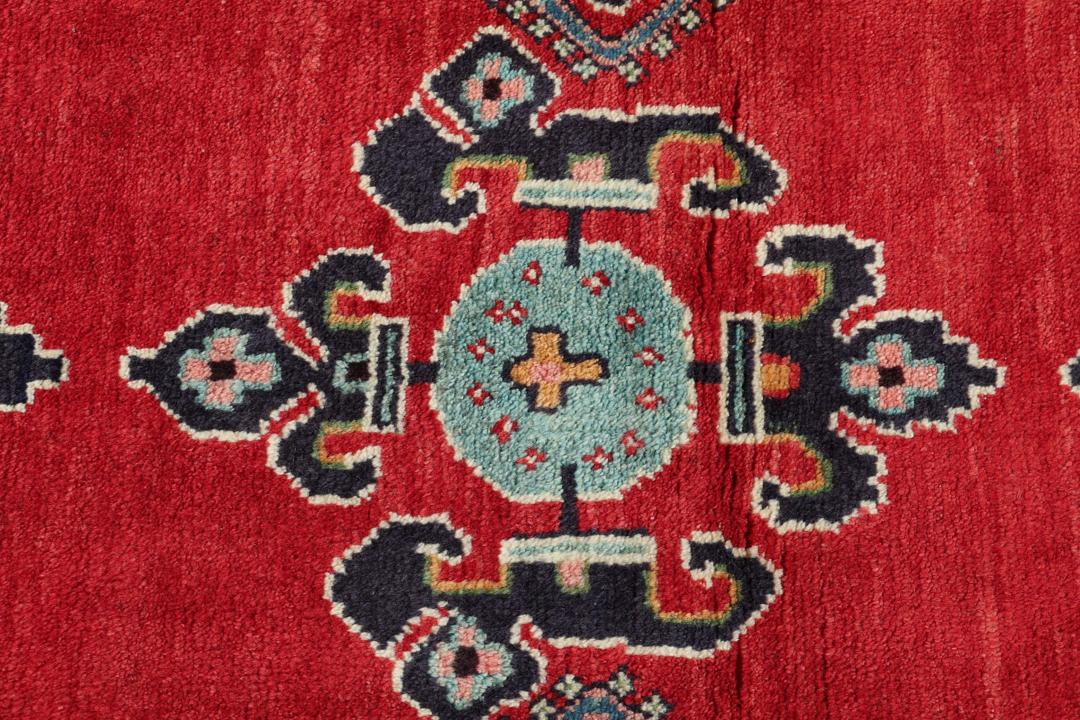
Visually, these rugs are often recognised by their bold, repeating motifs and deep, earthy colour palettes. While they can feature a variety of patterns, the medallion design seen here is a classic hallmark of the tradition. The use of vibrant reds, accented by blues and other natural tones, creates a striking contrast that has become iconic to the style. Each rug serves as a canvas for the weaver's interpretation of traditional symbols and geometric forms.
Collecting a Hamadan runner is an invitation to own a piece of history that bridges the gap between ancient craft and modern living. These rugs are valued not only for their aesthetic beauty but for the human story embedded in every knot. By choosing this runner, you are supporting a legacy of skill and tradition, ensuring that these time-honoured techniques continue to be appreciated in contemporary homes.