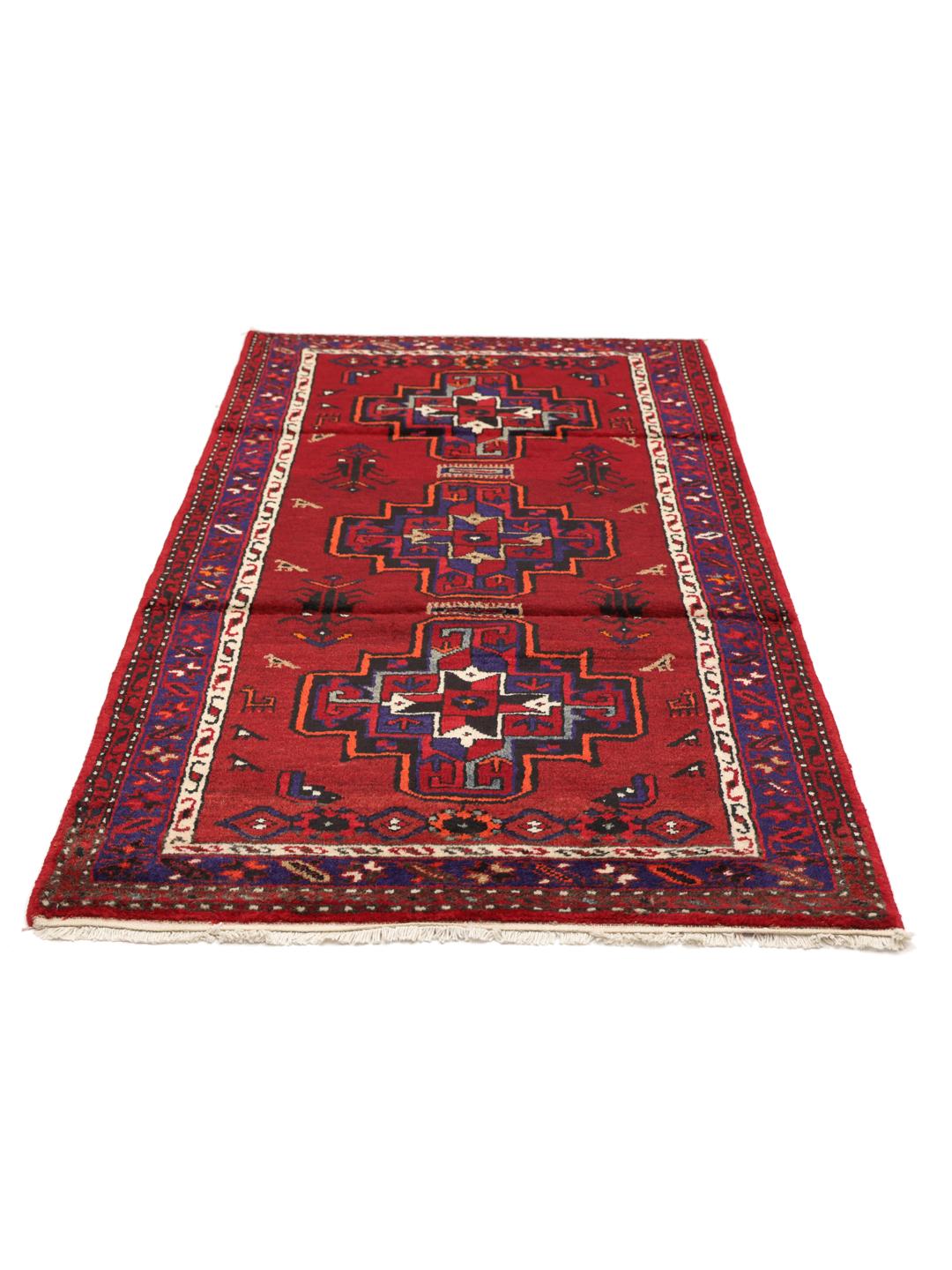
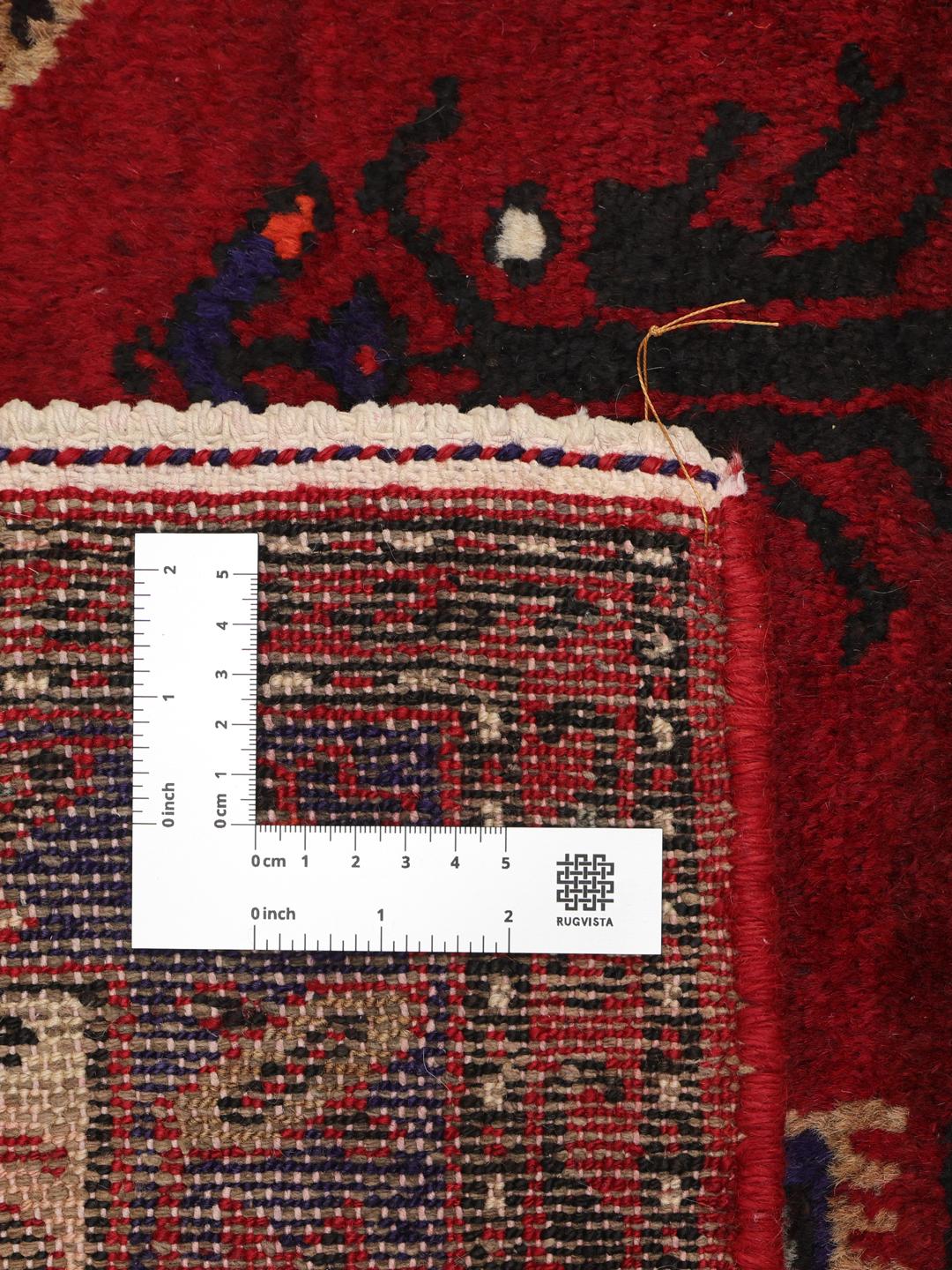
Hamadan rugs originate from one of the oldest cities in the Middle East, a historic hub located in the western part of the region. For centuries, this area has served as a central marketplace and production centre for nomadic and village tribes. The rugs from this region are celebrated for their diversity, as they often incorporate a wide range of local tribal designs, reflecting the rich cultural tapestry of the surrounding mountain communities.
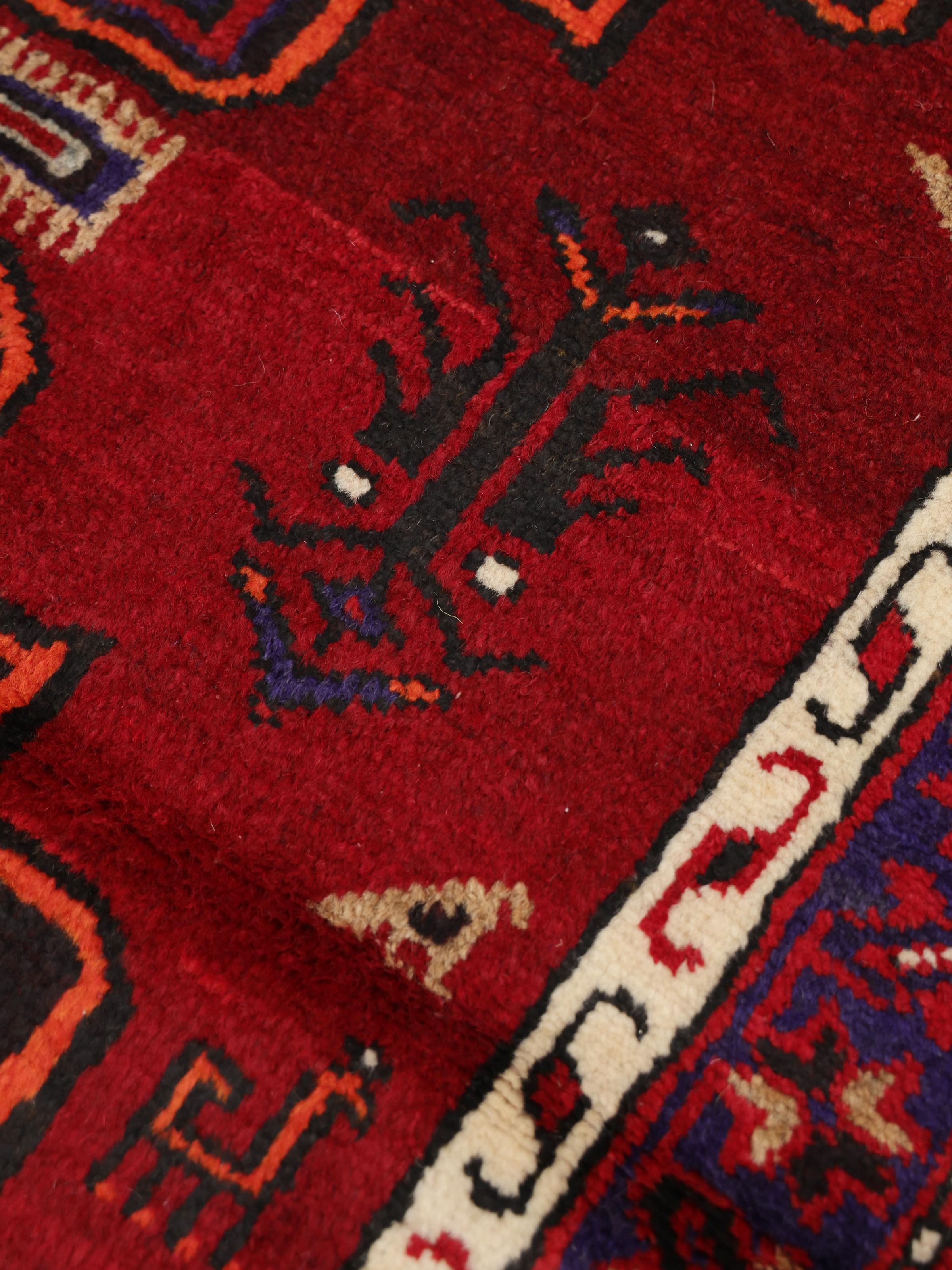
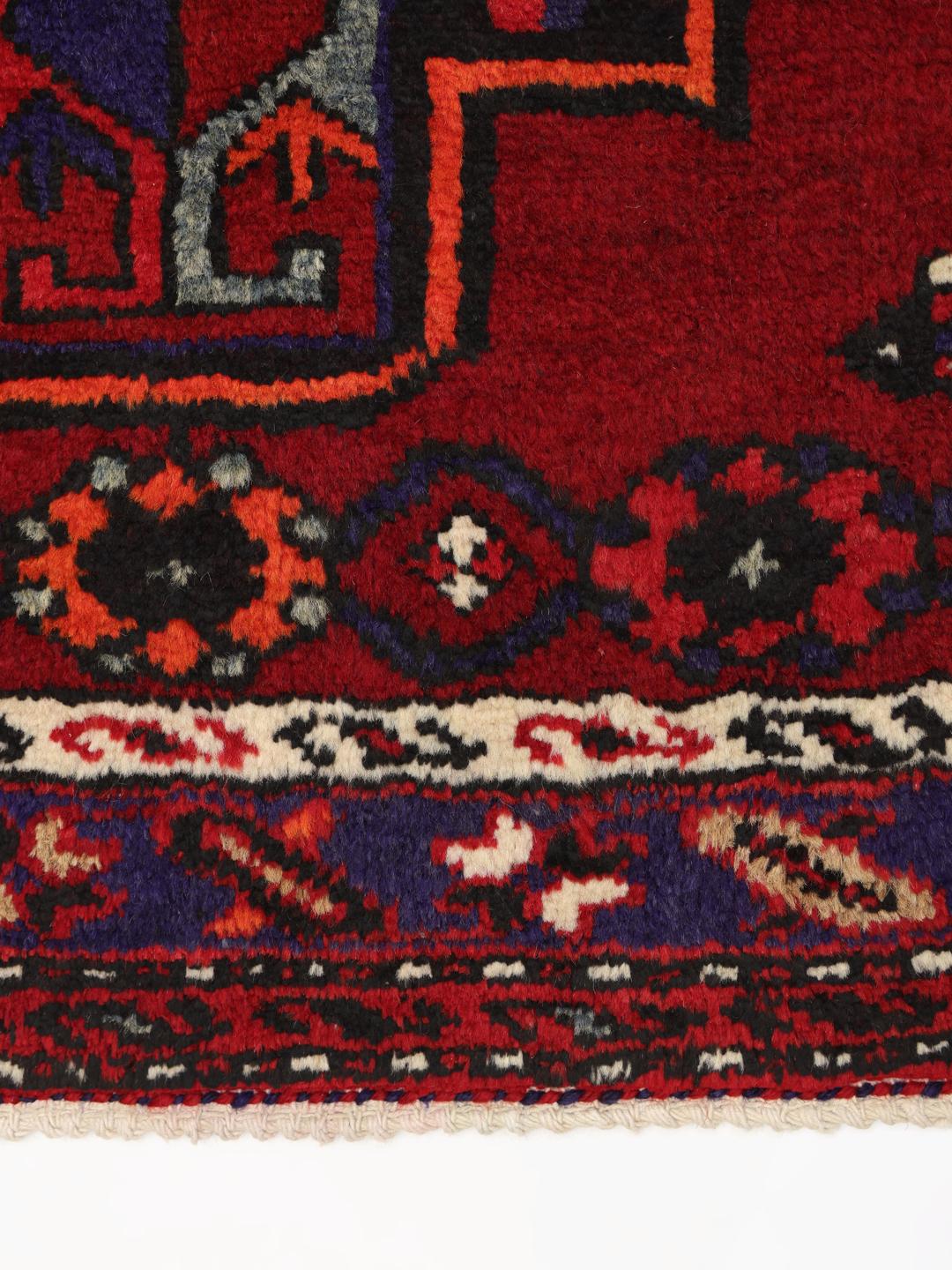
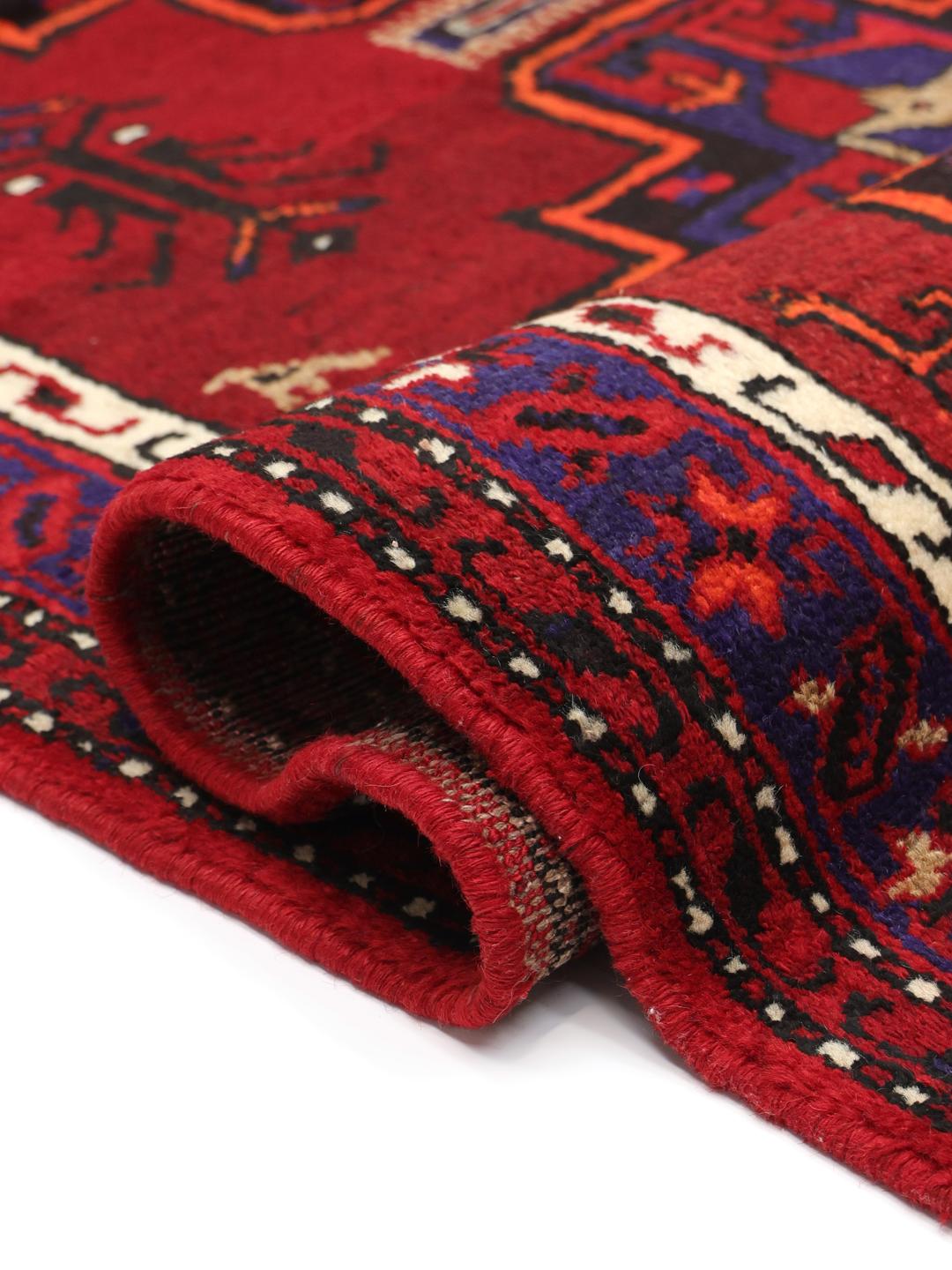
The term Hamadan refers to a broad family of rugs, and while they vary in pattern, they are united by a shared dedication to durability. Traditionally, these rugs are woven with a sturdy foundation, often using a combination of wool and cotton to ensure they can withstand the rigours of daily life. This robust construction is what has earned these rugs a reputation for being some of the most reliable and long-lasting floor coverings in the world.
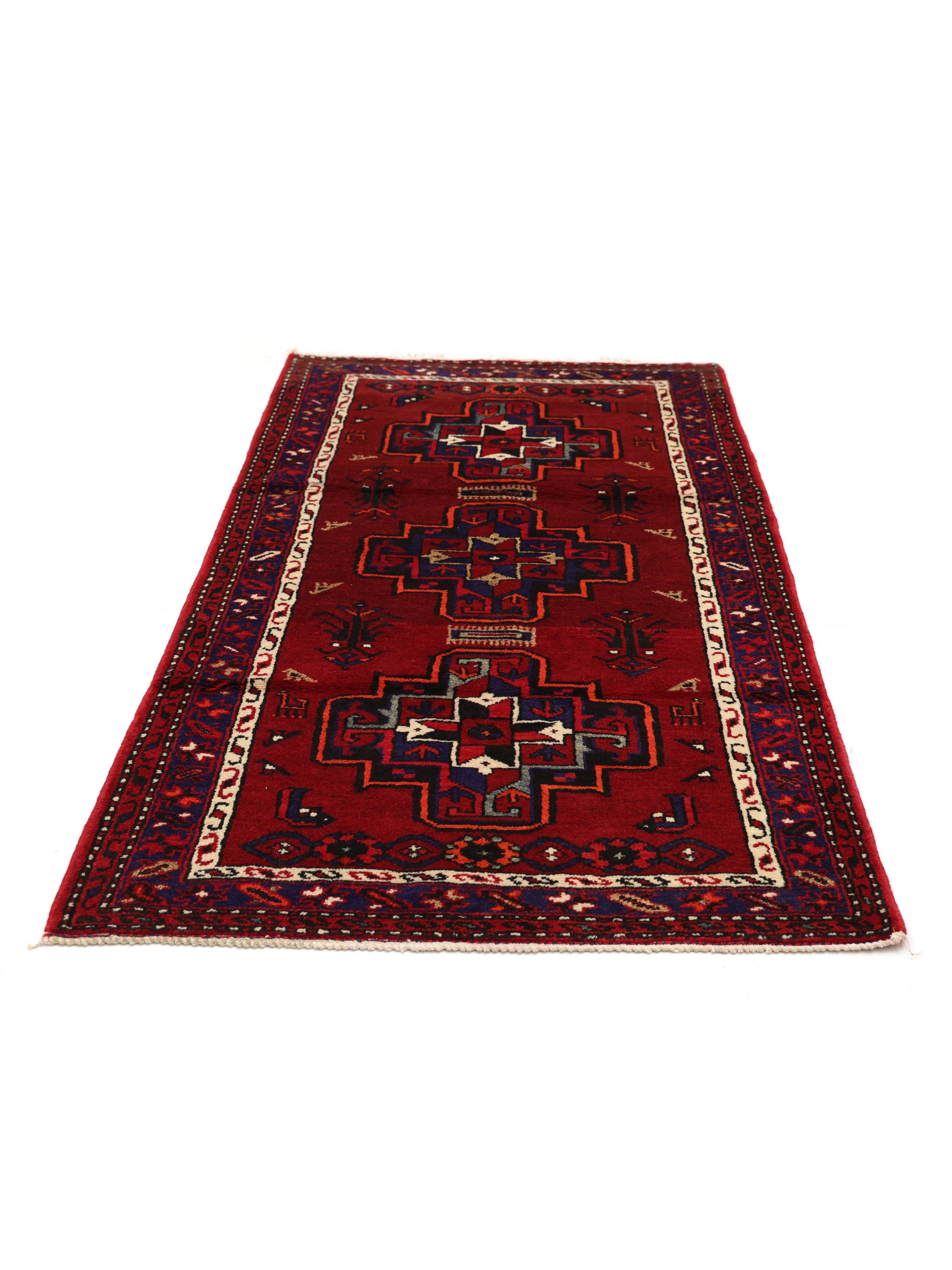
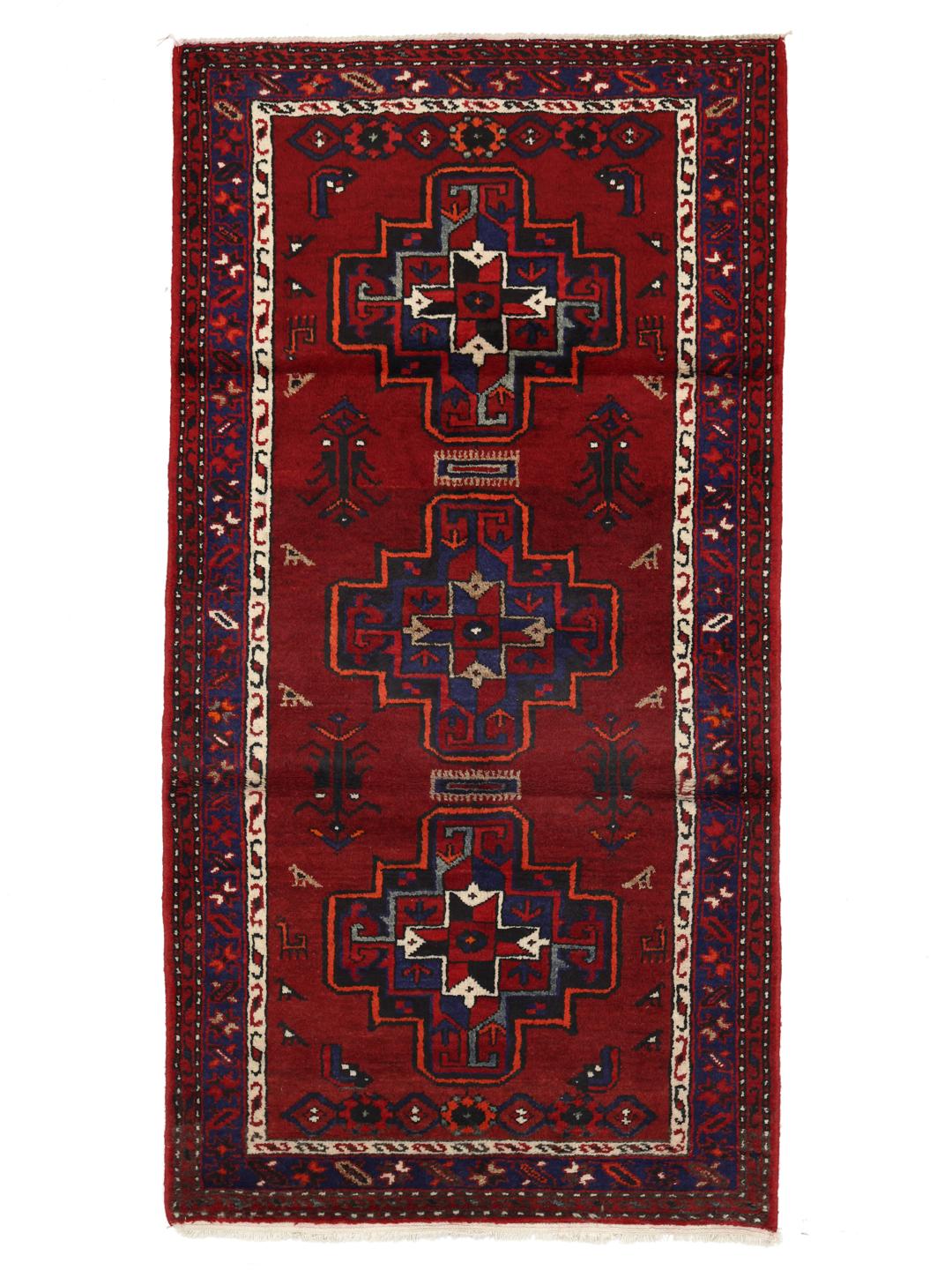
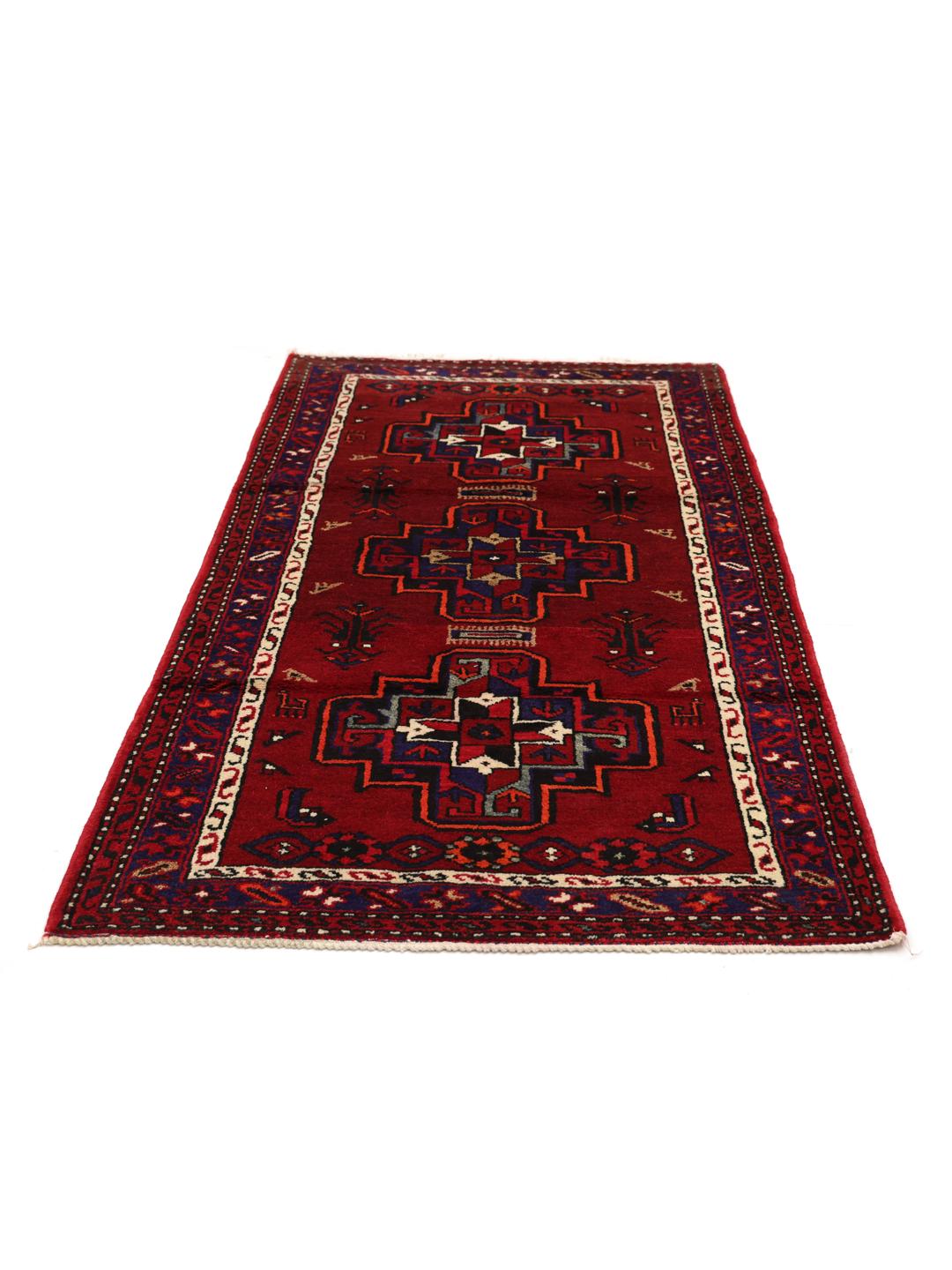
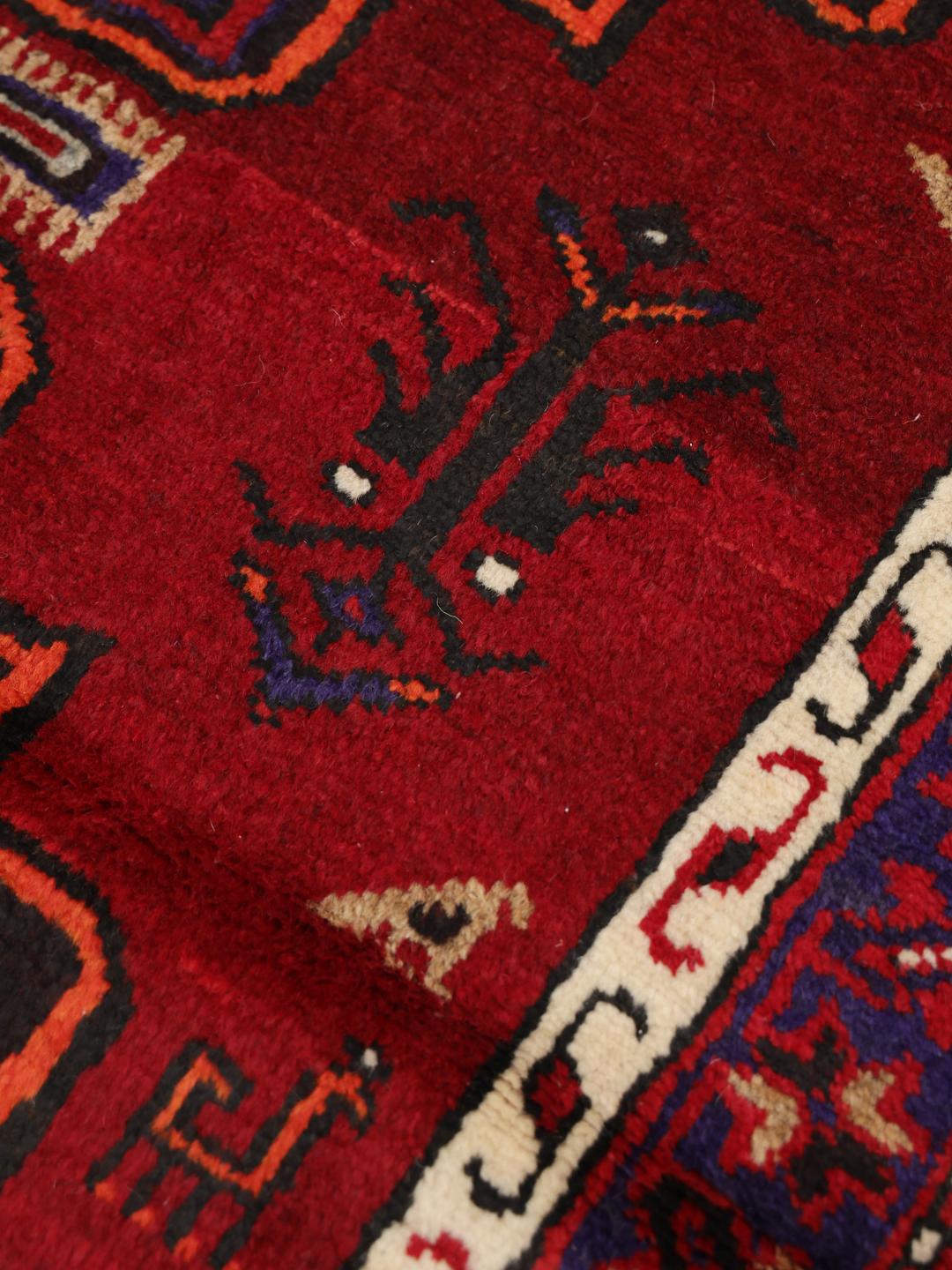
Visually, Hamadan rugs are known for their geometric sensibilities and bold, symbolic motifs. You will often see large, central medallions or repeating patterns that draw inspiration from the natural world, such as stylised flowers and leaves. The borders are typically well-defined, framing the field with intricate, repetitive designs that provide a sense of balance and harmony to the overall composition.
Collectors value these rugs because they represent a living history of craft and community. Owning a piece from this tradition is an opportunity to connect with a legacy of skill that has been refined over many generations. Each rug serves as a document of the weaver's personal expression, making it a significant addition for anyone who appreciates the cultural weight and enduring beauty of authentic handmade textiles.