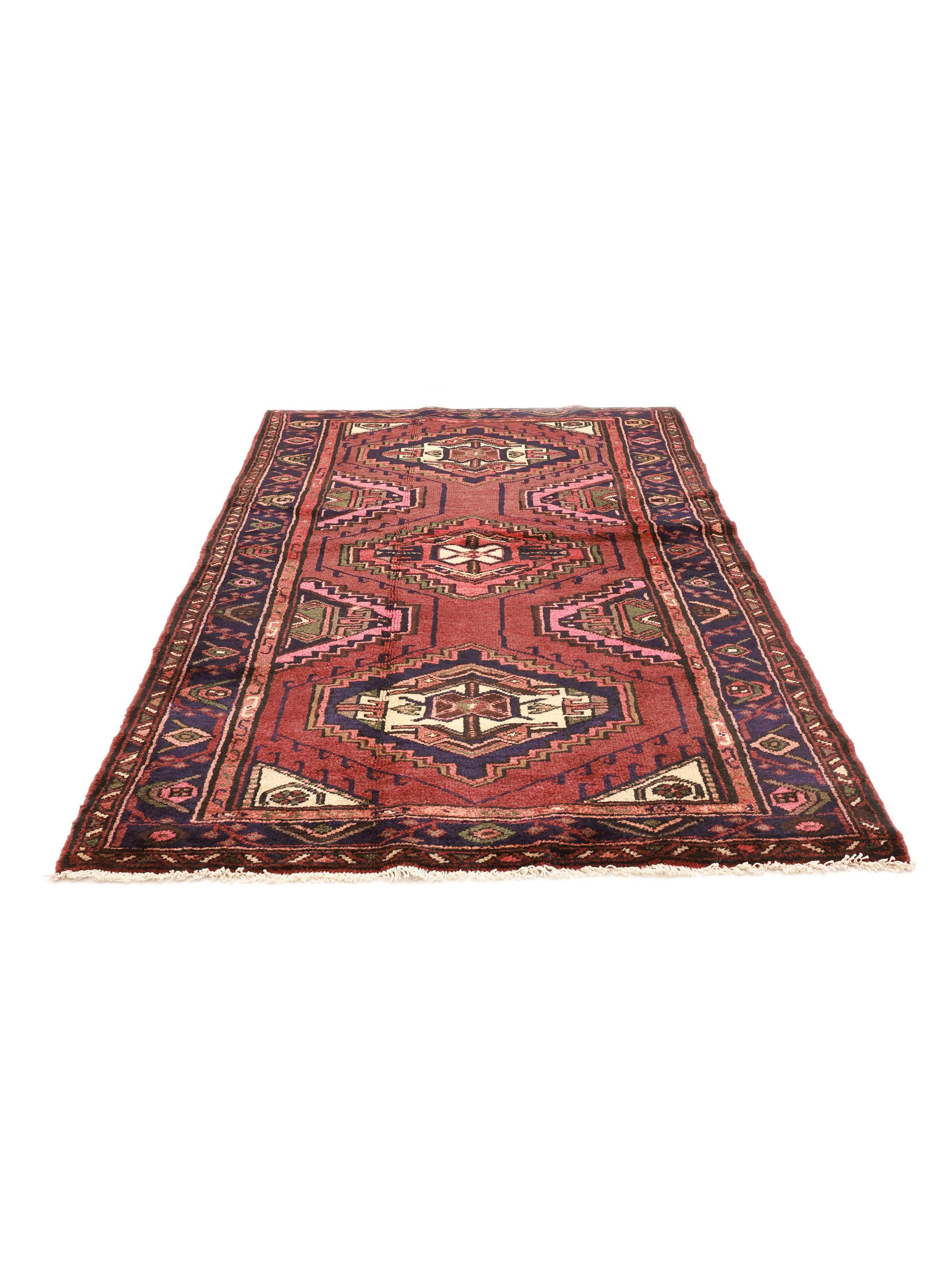
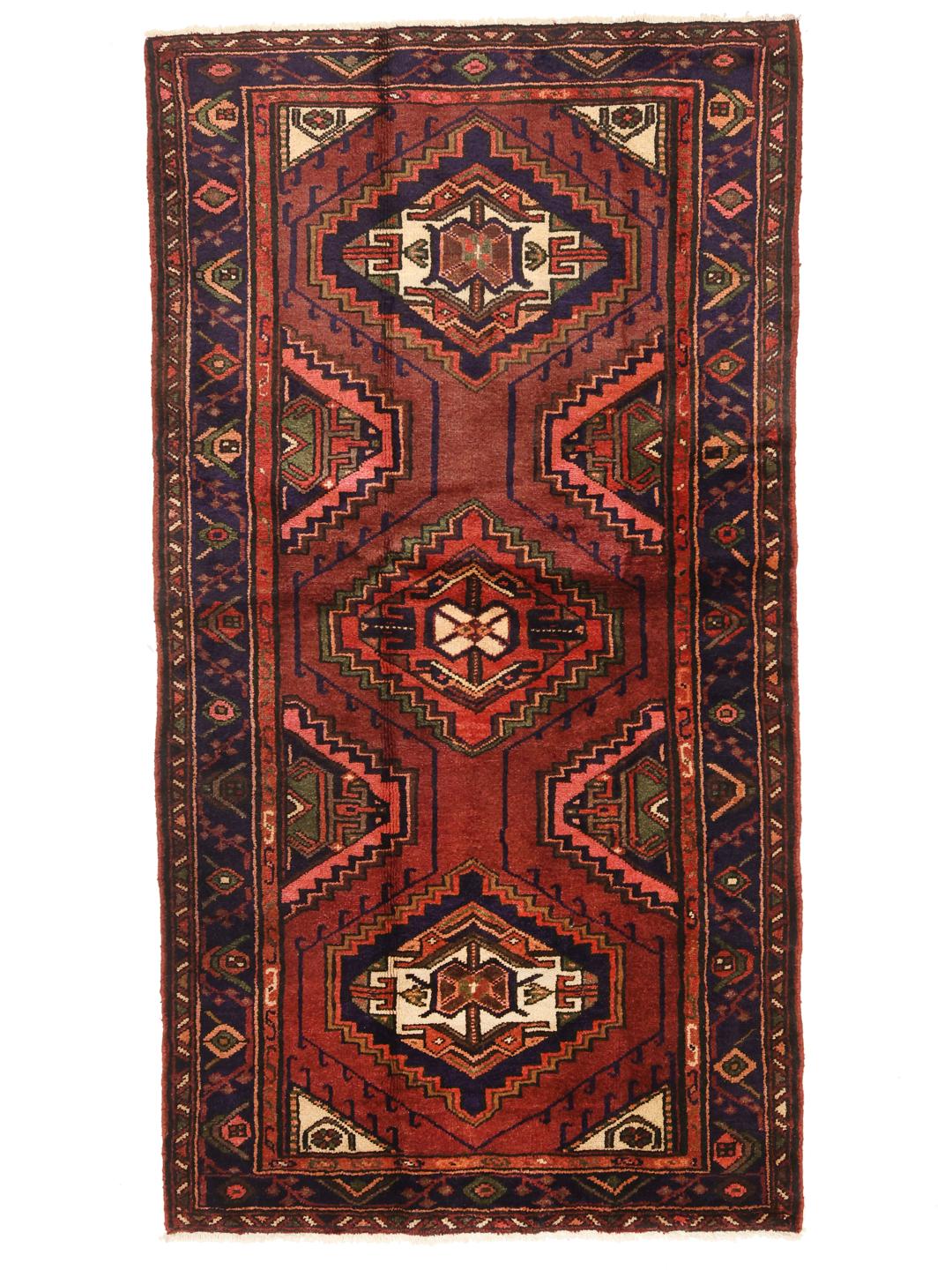
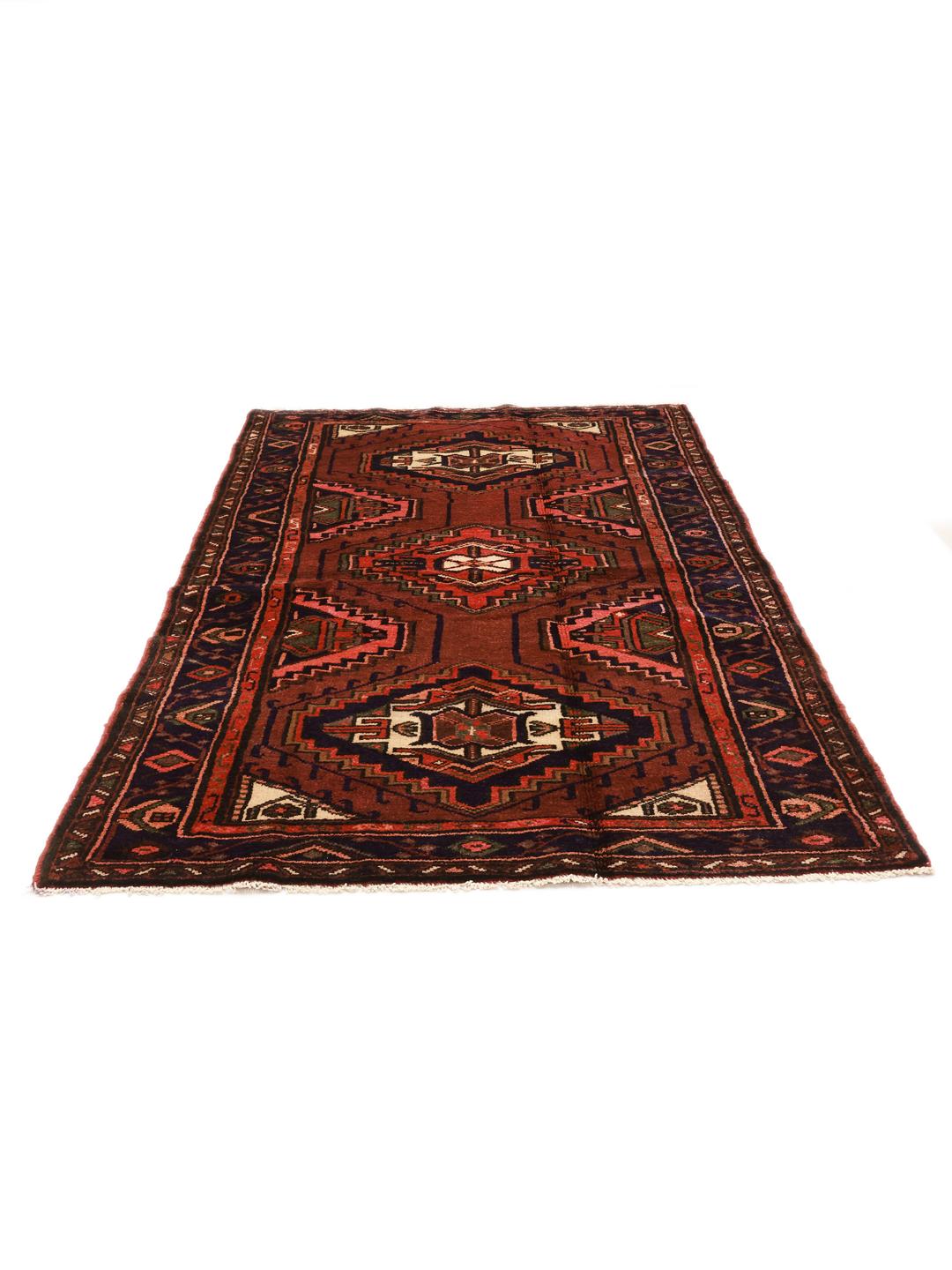
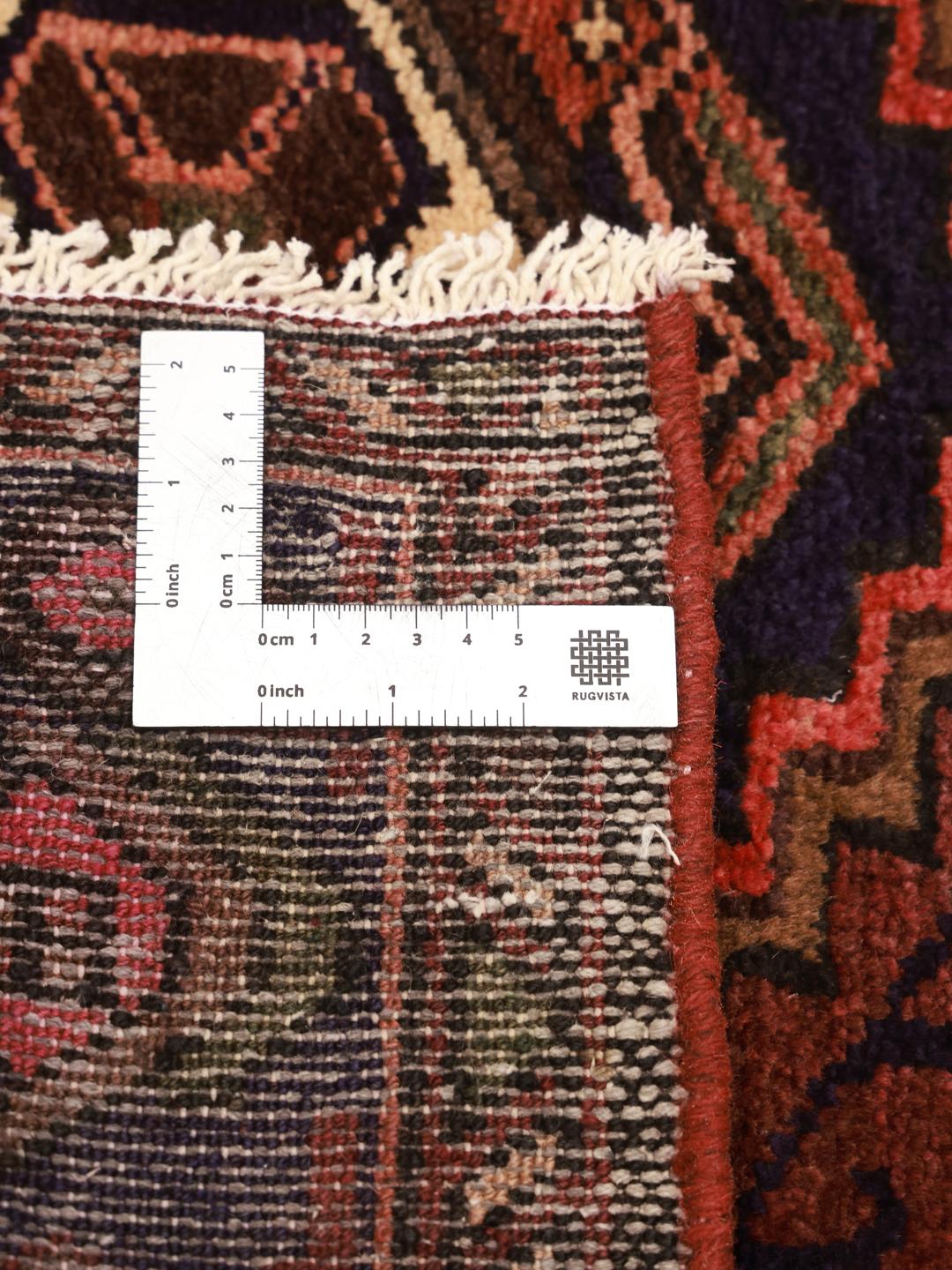
The Hamadan region in the Middle East is renowned for its vast and diverse tradition of rug weaving. Unlike many other regions that focus on a singular, rigid style, Hamadan is a hub where numerous villages and tribal groups contribute their own specific motifs and interpretations, resulting in an incredible variety of designs.
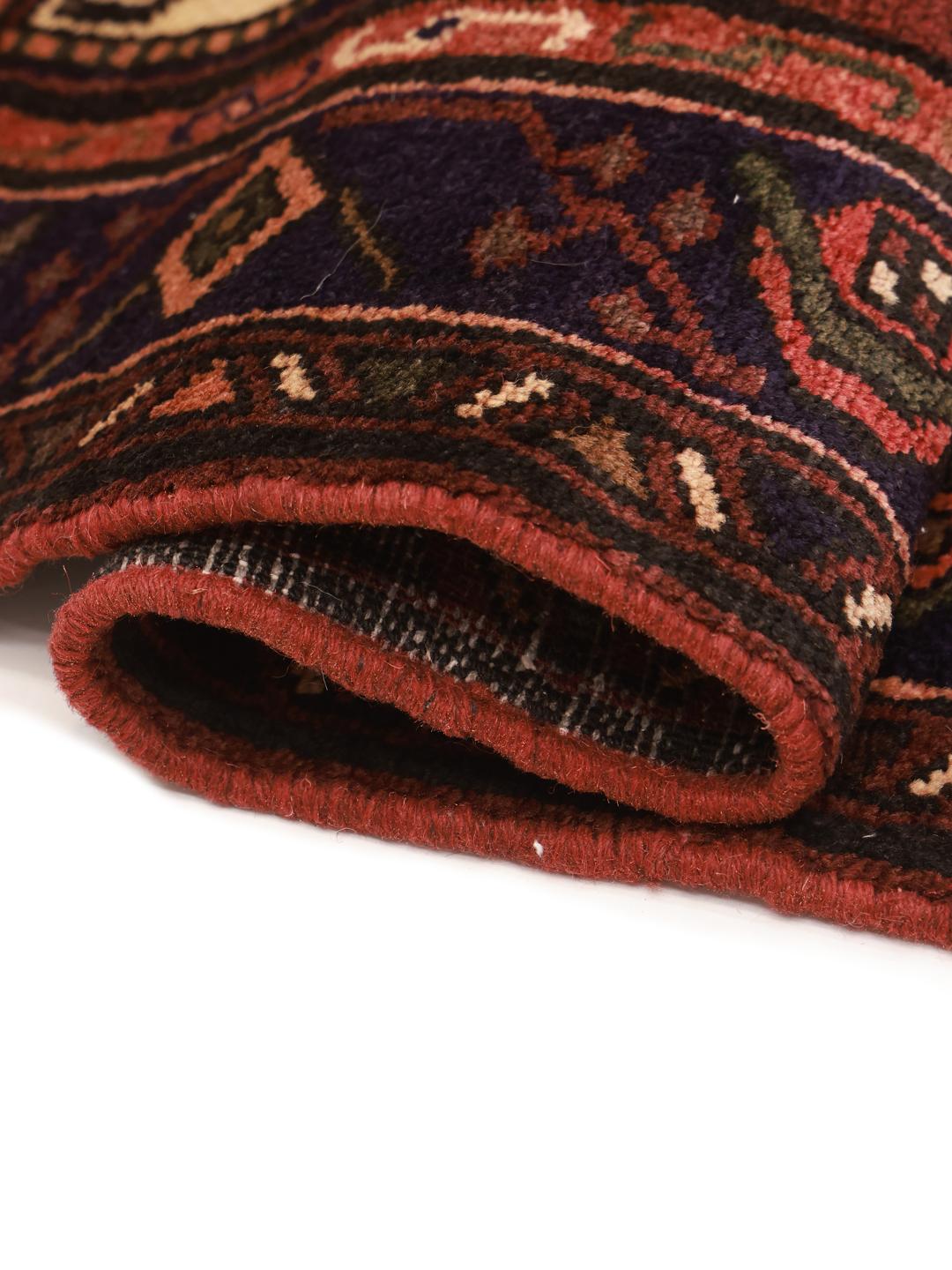
The term Hamadan refers to this broad category of rugs, which are often characterised by their sturdy construction and the use of high-quality local wool. These rugs are highly regarded for their practicality and their ability to act as a bridge between nomadic tribal artistry and the more formal, structured designs found in urban weaving centres.
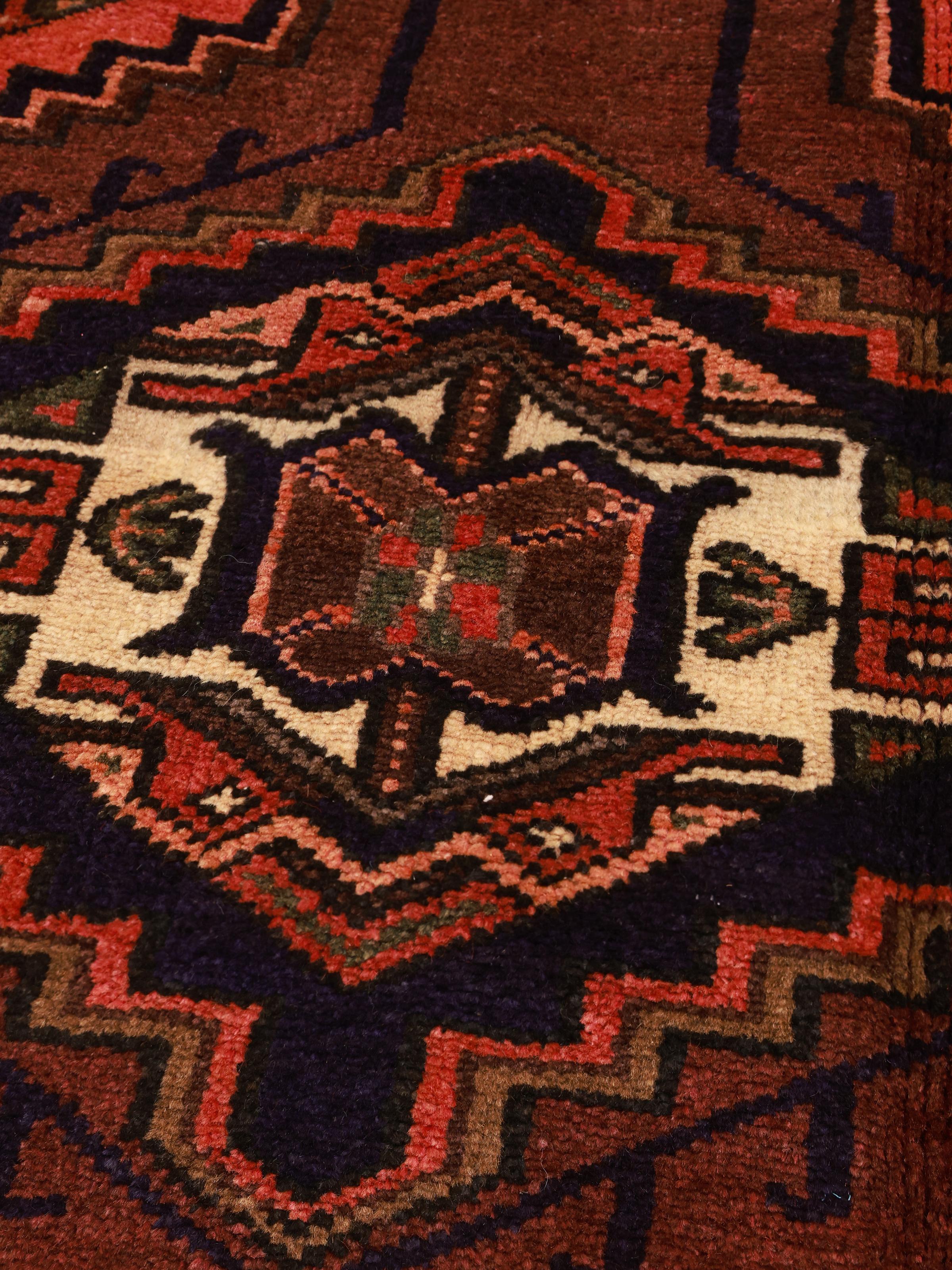
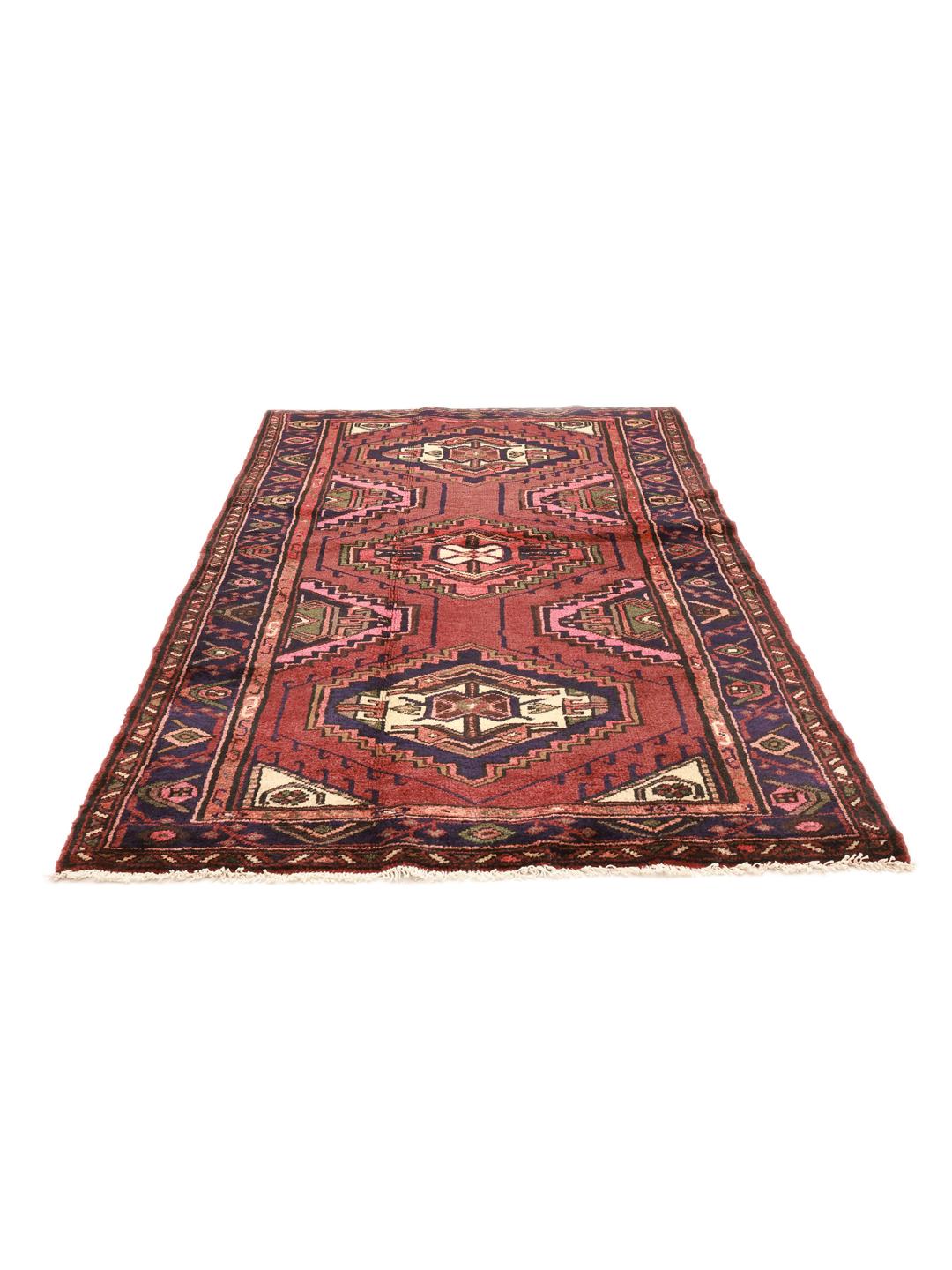
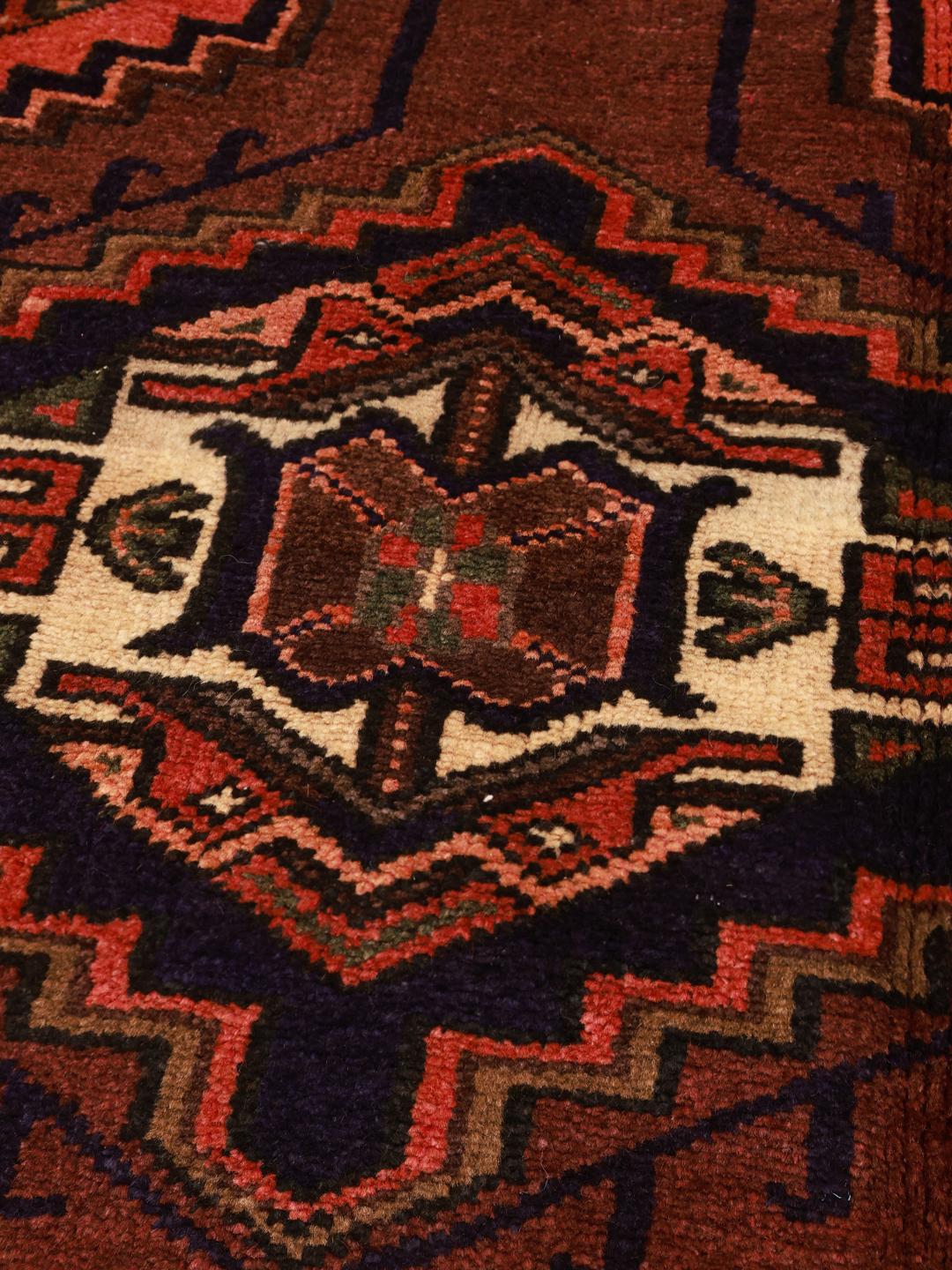
Visually, these rugs often feature bold, geometric medallions and stylised floral motifs, frequently framed by intricate borders. The colour palettes are typically deep and earthy, utilising traditional dyes that have been used by weavers in this region for generations. This specific piece displays a classic arrangement that highlights the balance and symmetry central to the region's aesthetic.
Owning a piece from this tradition is an opportunity to connect with a long-standing cultural legacy of craftsmanship. Collectors and homeowners alike value these rugs not only for their durability but for the way they embody the stories, techniques, and regional identity of the artisans who created them, making them a meaningful addition to any home.