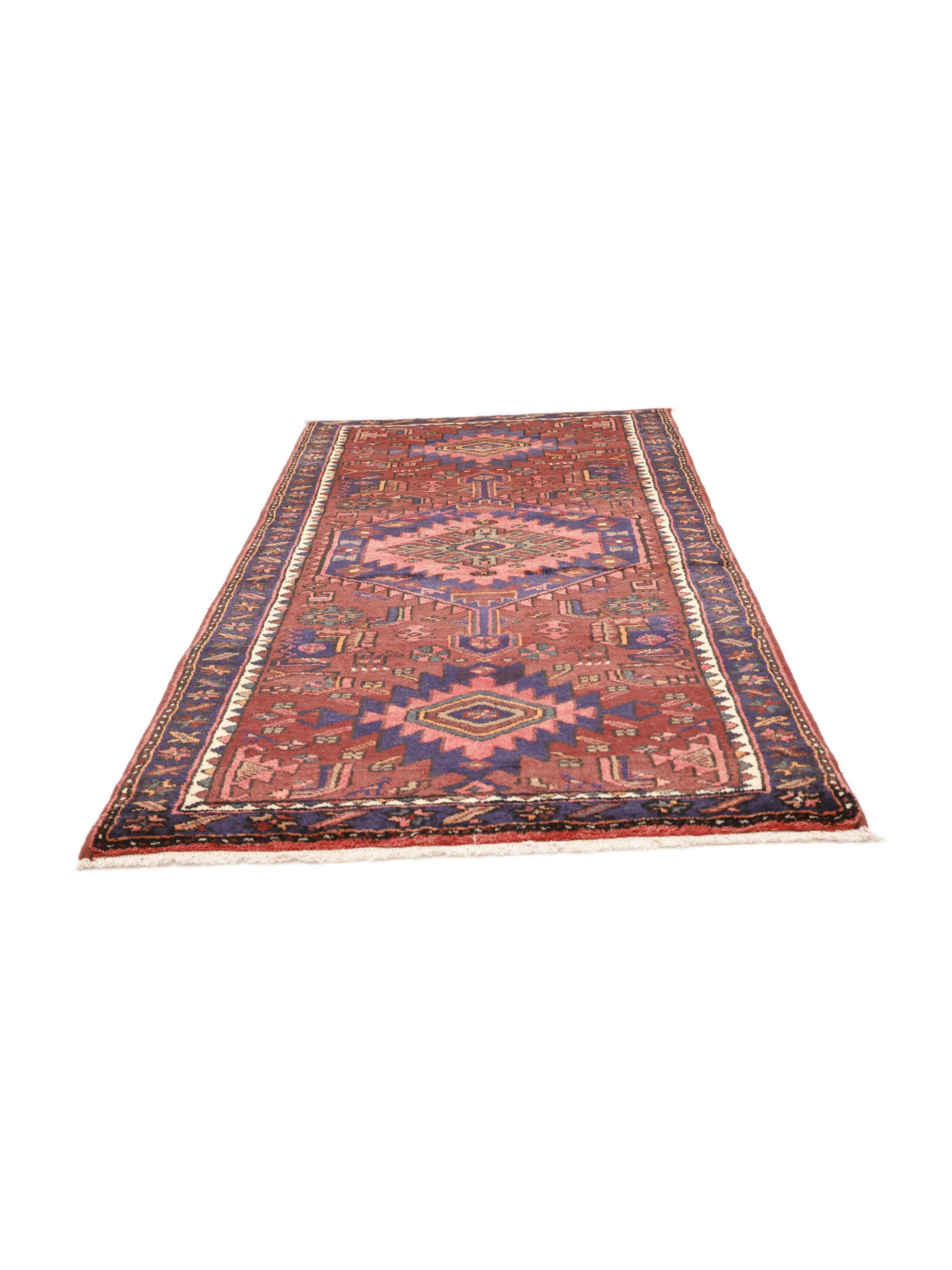
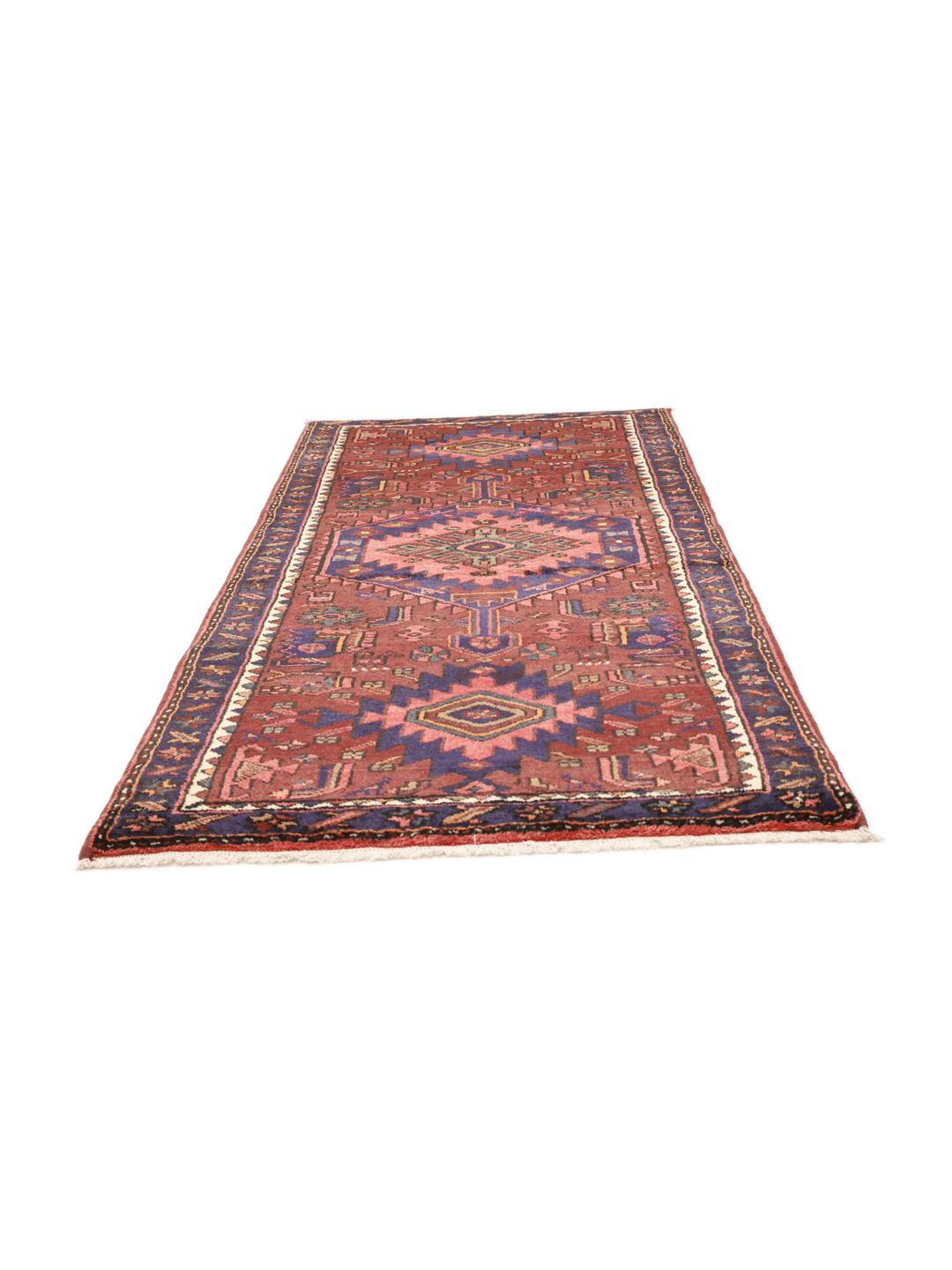
Hamadan rugs take their name from one of the oldest cities in the world, located in the mountainous region of the Middle East. This area has been a central hub for rug weaving for centuries, with a tradition that blends tribal influences with more formal, urban design elements. The rugs from this region are celebrated for their durability and the distinct, varied patterns that tell the story of the village weavers who created them.
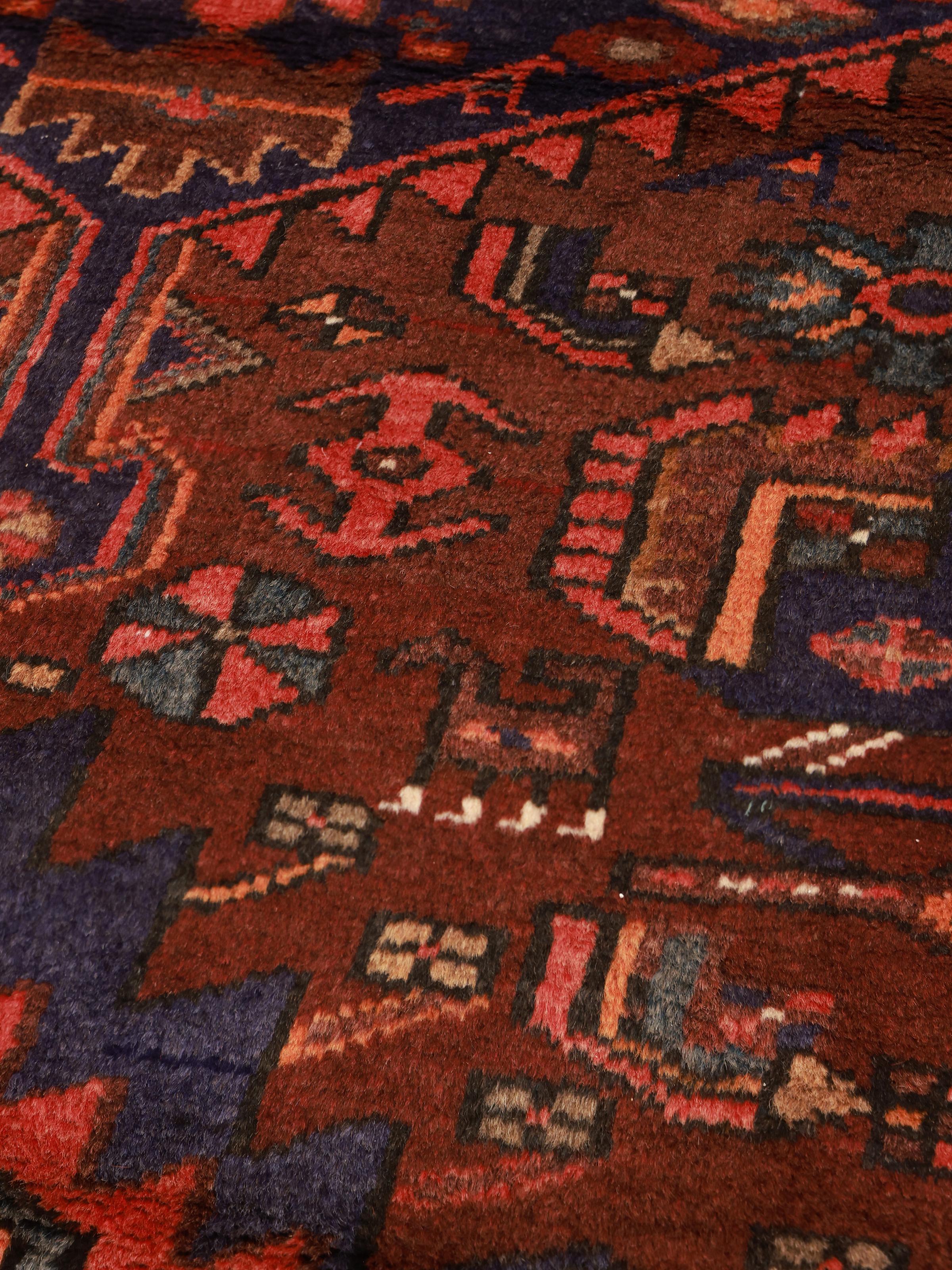
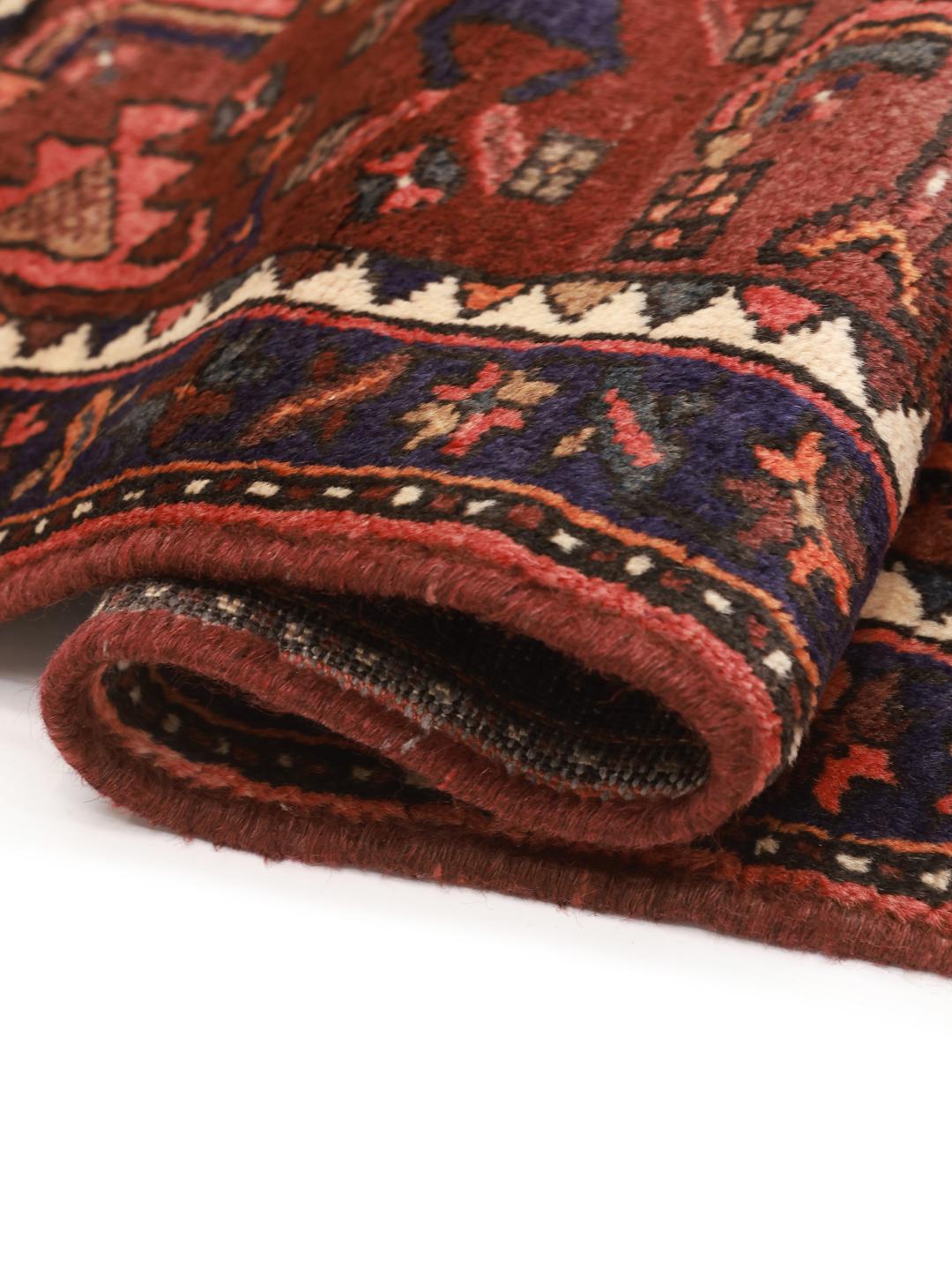
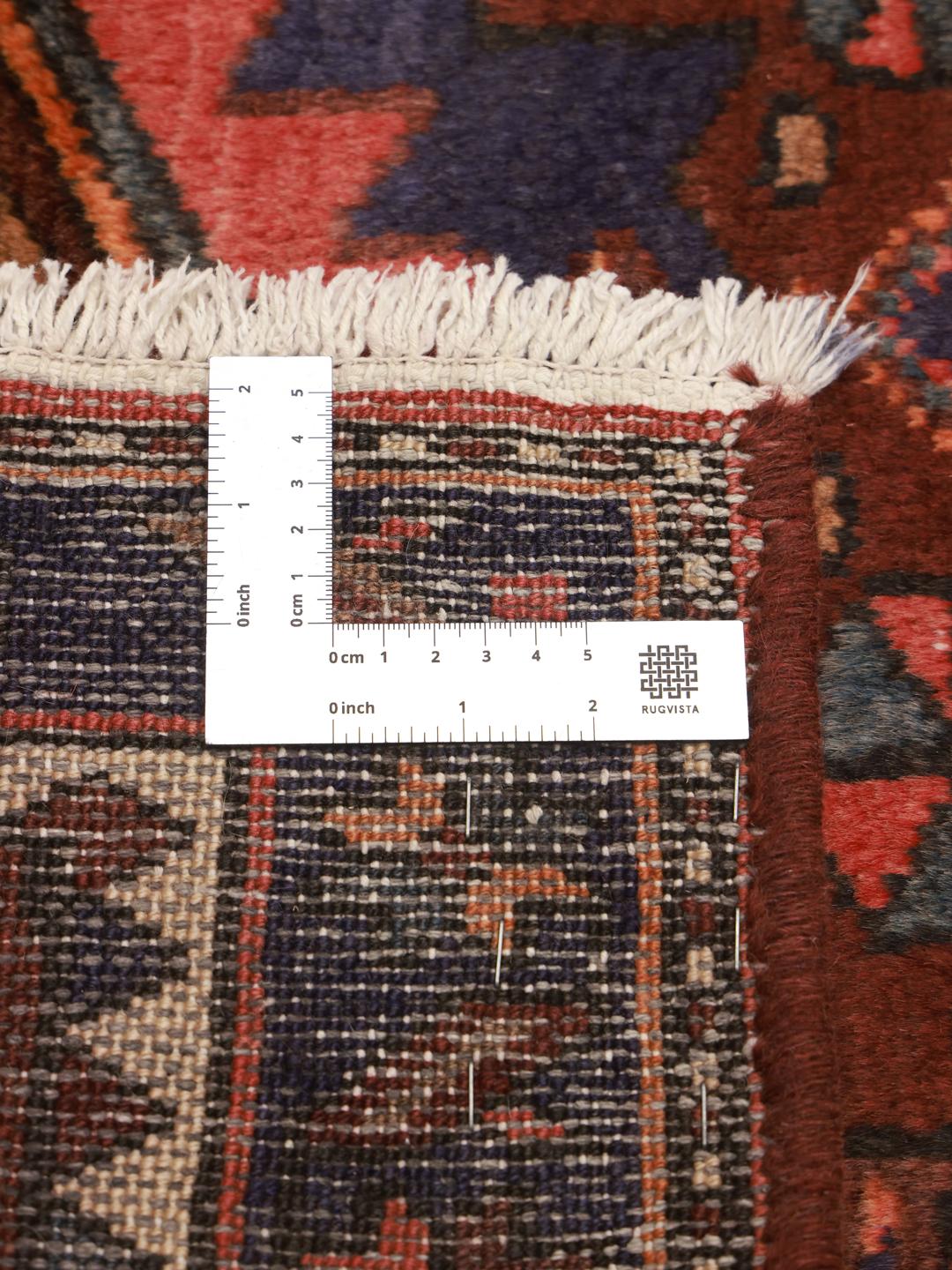
The term 'hand-knotted' refers to the traditional method where each knot is tied by hand onto the foundation. This creates a pile that is incredibly secure and capable of maintaining its structure and texture over decades of use. This construction is a hallmark of quality, ensuring that the rug does not just look beautiful, but also performs reliably in the high-traffic areas of your home.
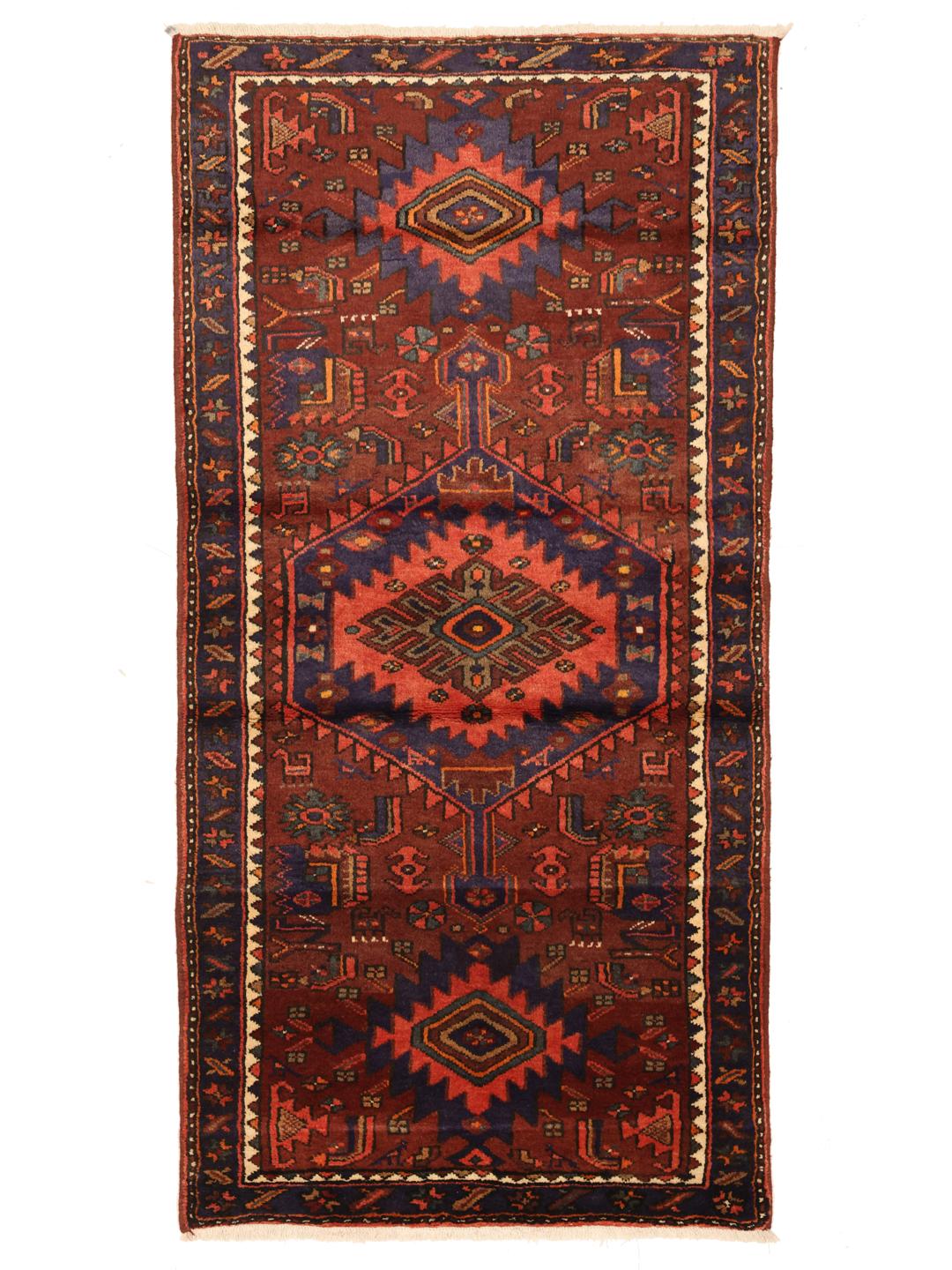
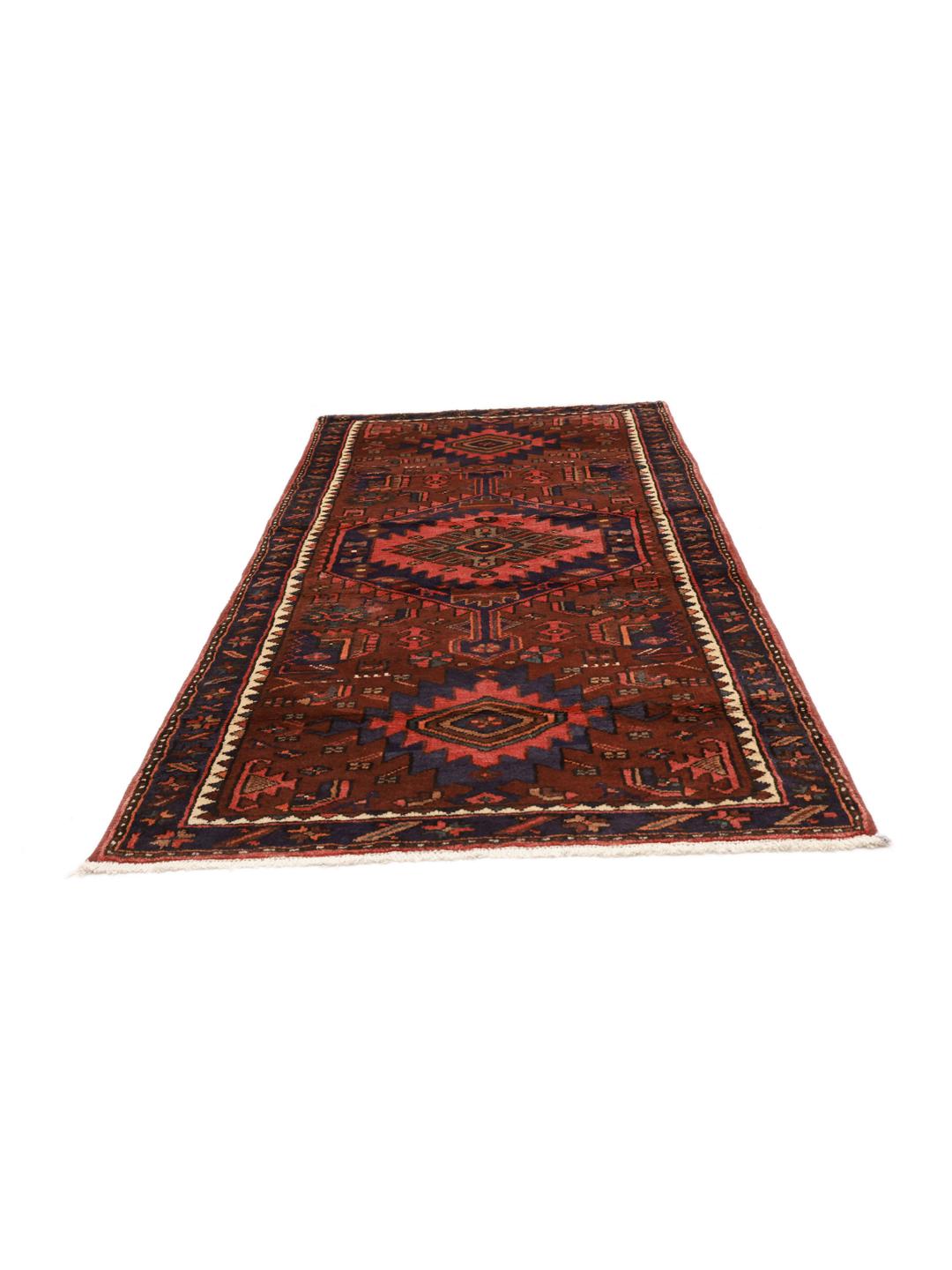
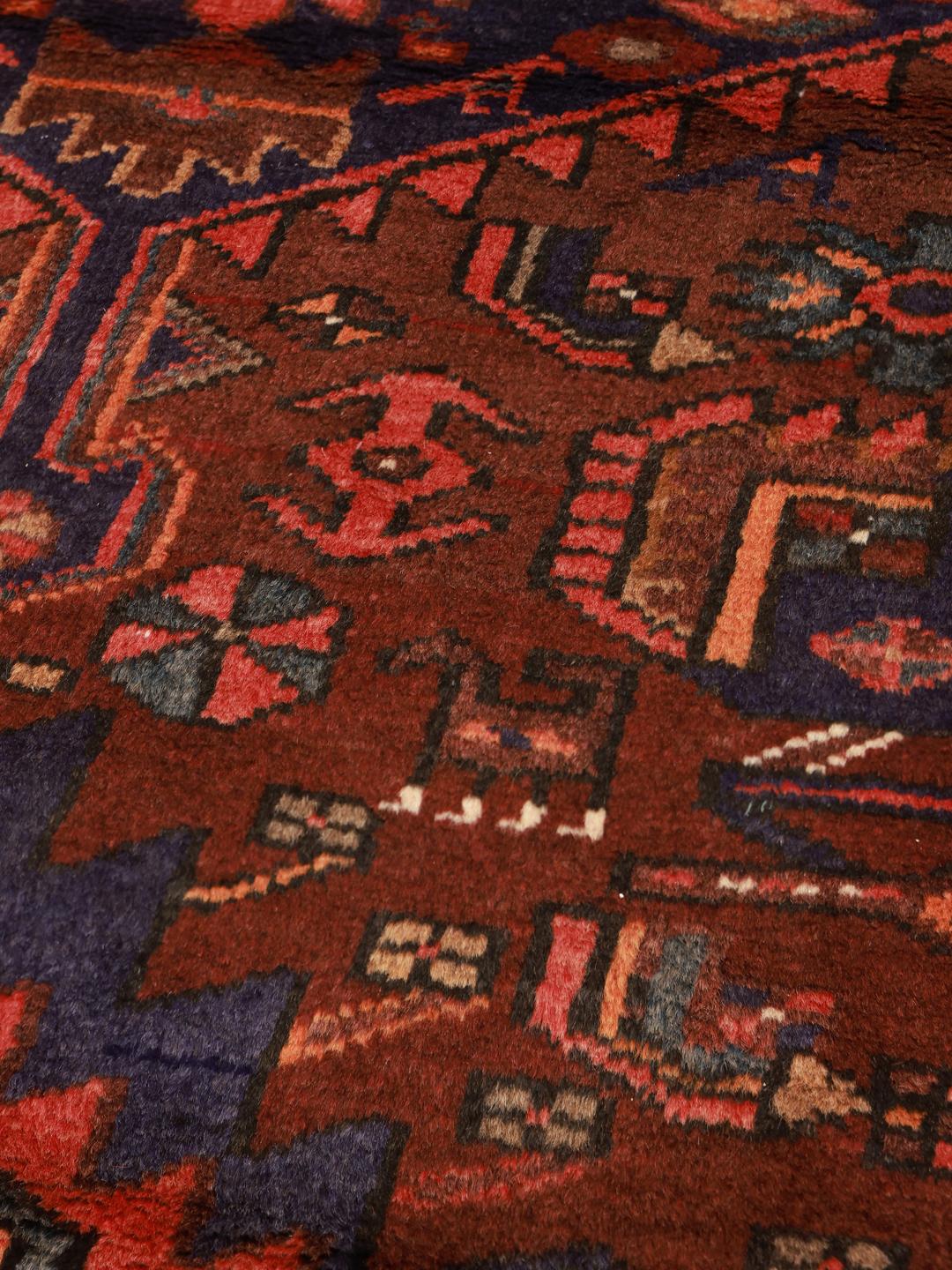
A signature element of this tradition is the bold use of geometric motifs and central medallions, often framed by decorative borders. While these rugs share a common design language, each weaver adds their own personal touch, resulting in subtle variations in the patterns and colour placements. This specific piece features a classic medallion, which is highly valued for its symmetry and the way it anchors the visual composition of the rug.
Owning a hand-knotted rug from this historic tradition is about more than just floor decor, it is about connecting with a heritage of skill and artistic expression. These rugs are collected for their authenticity and the way they age, often developing a more nuanced character over time. By bringing this piece into your home, you are preserving a craft that has been passed down through generations, ensuring its story continues in your own living space.