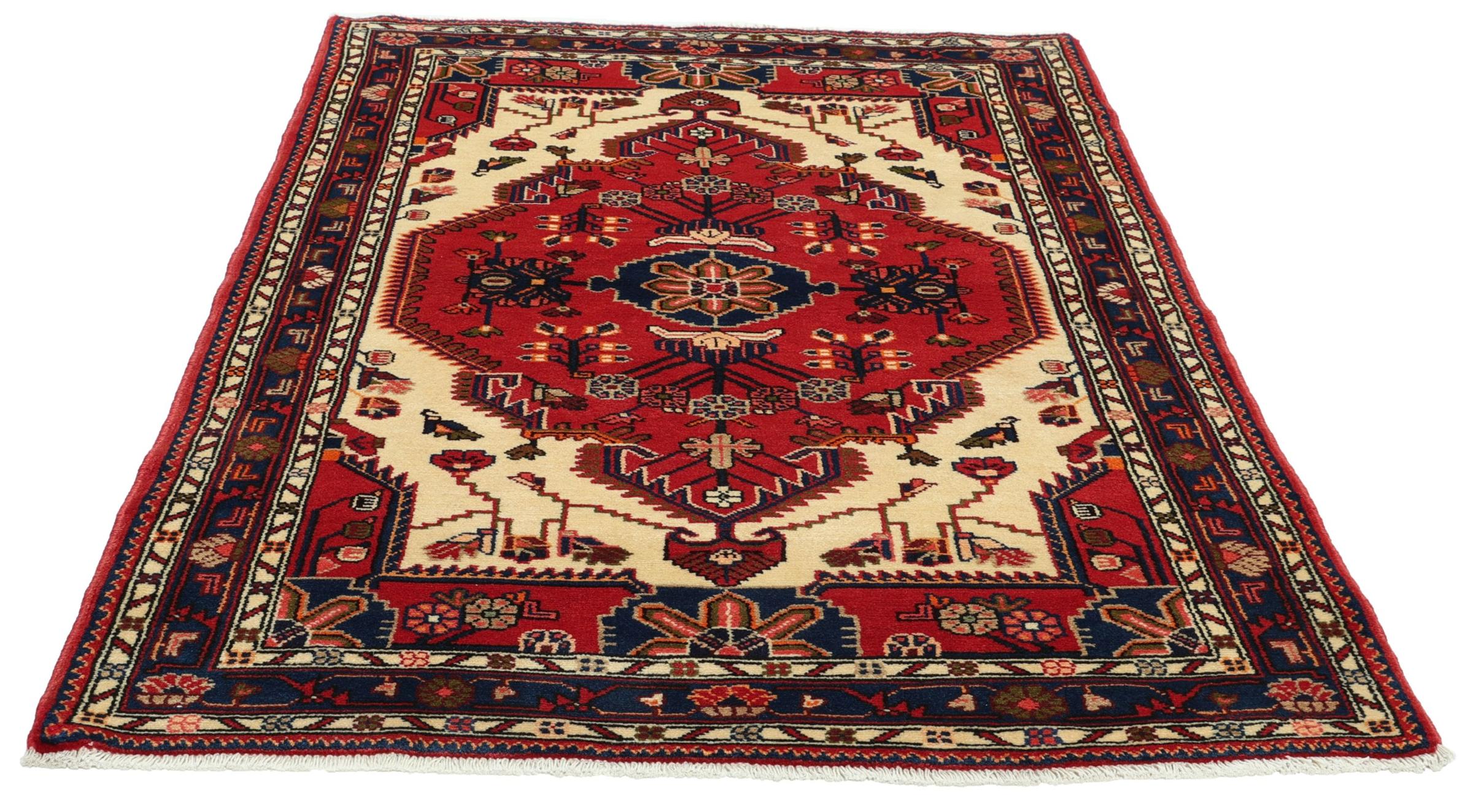
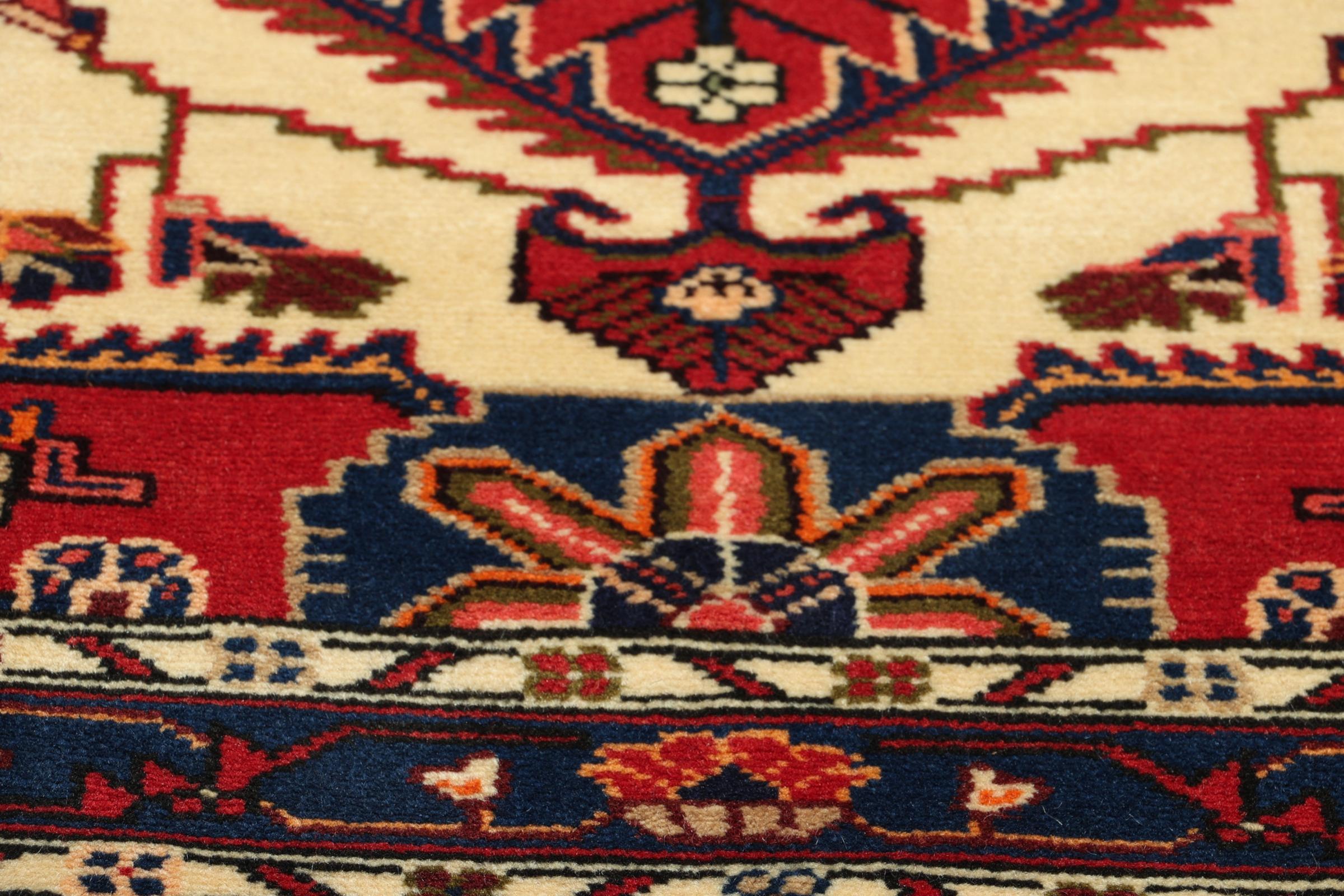
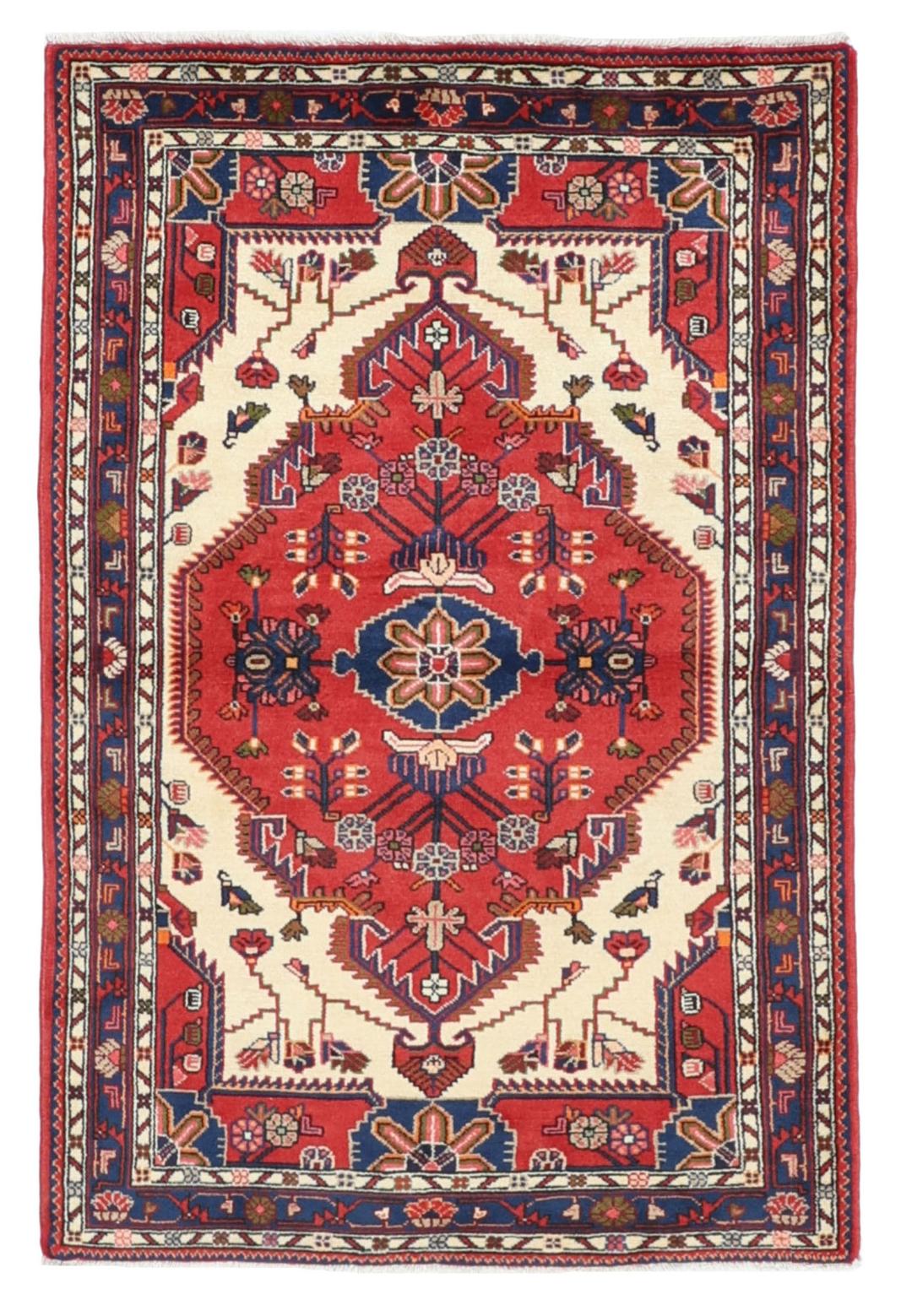
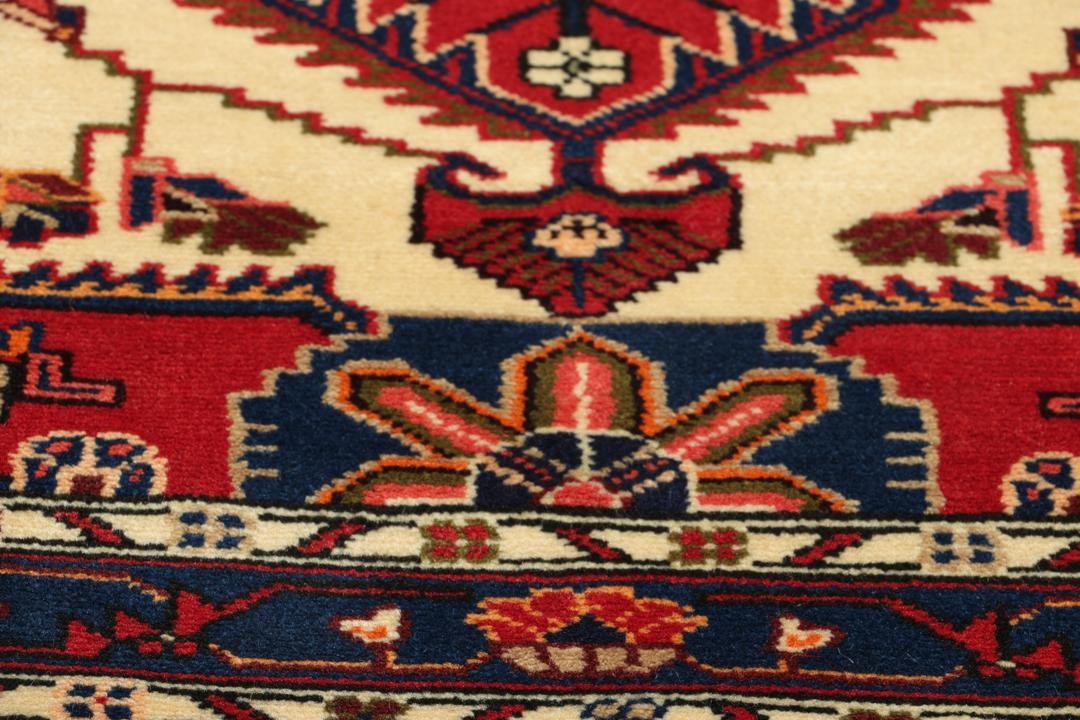
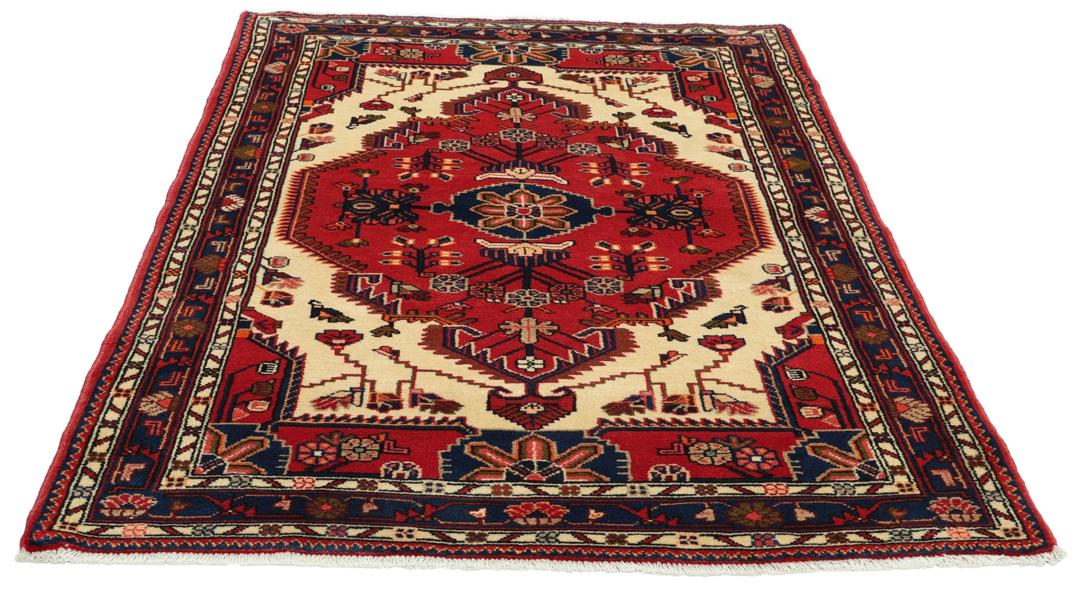
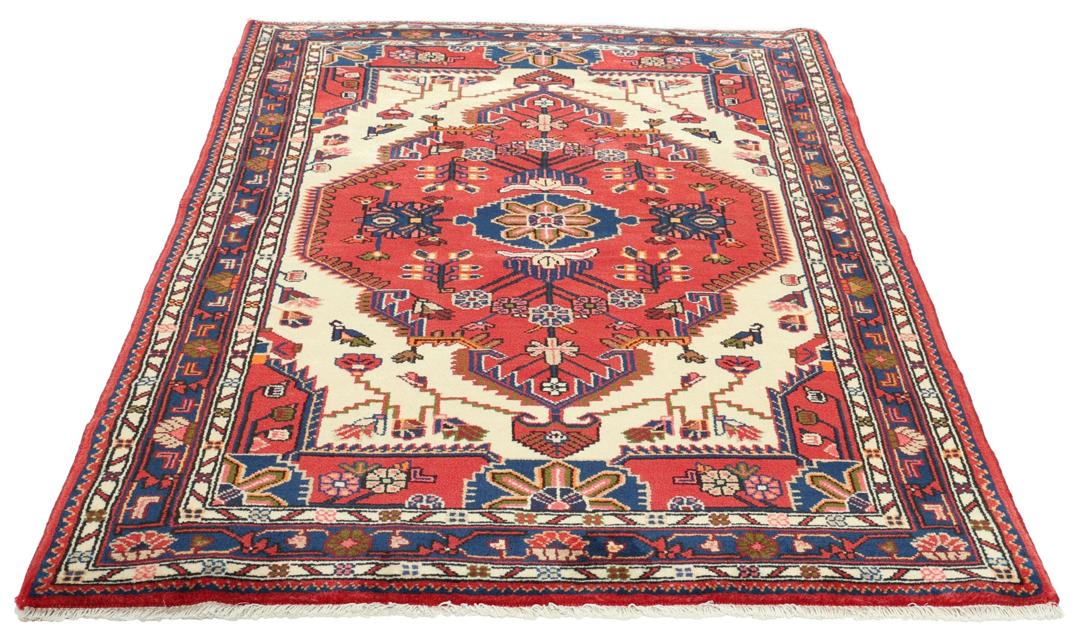
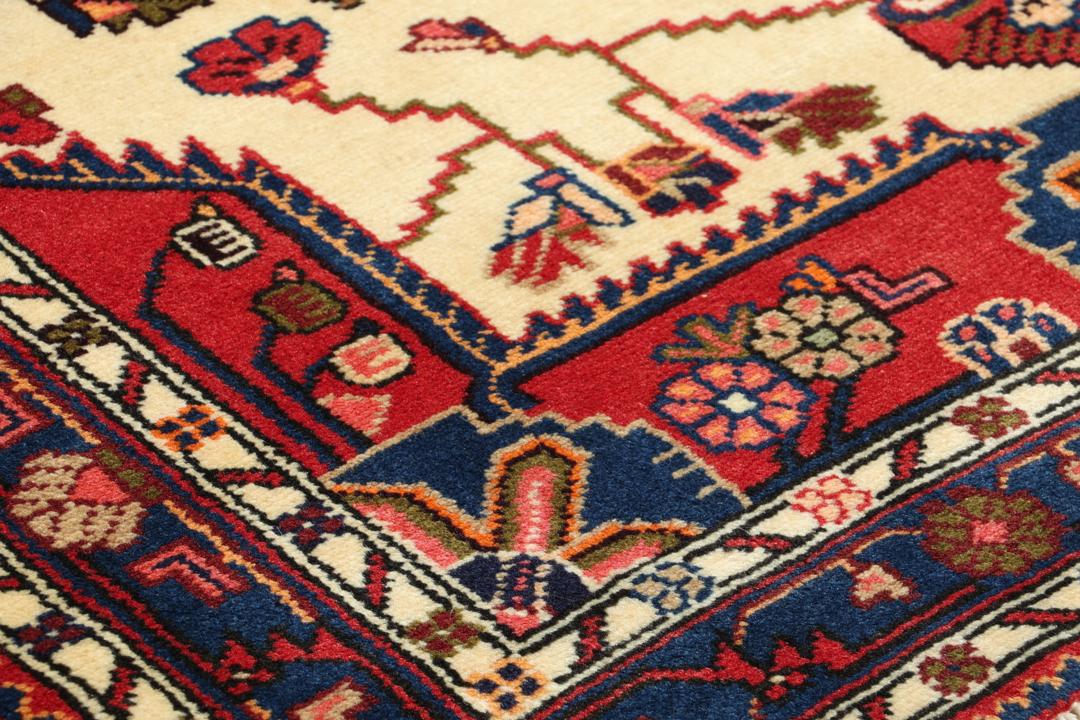
The Hamadan rug tradition hails from a vast and historic region in the western part of the Middle East, centred around the ancient city of Hamadan. This area is one of the oldest known centres for carpet weaving, with a legacy that stretches back through centuries of cultural exchange and artistic refinement. Rugs from this region are celebrated for their diverse designs, which often draw inspiration from the nomadic and village traditions of the surrounding mountainous landscape.
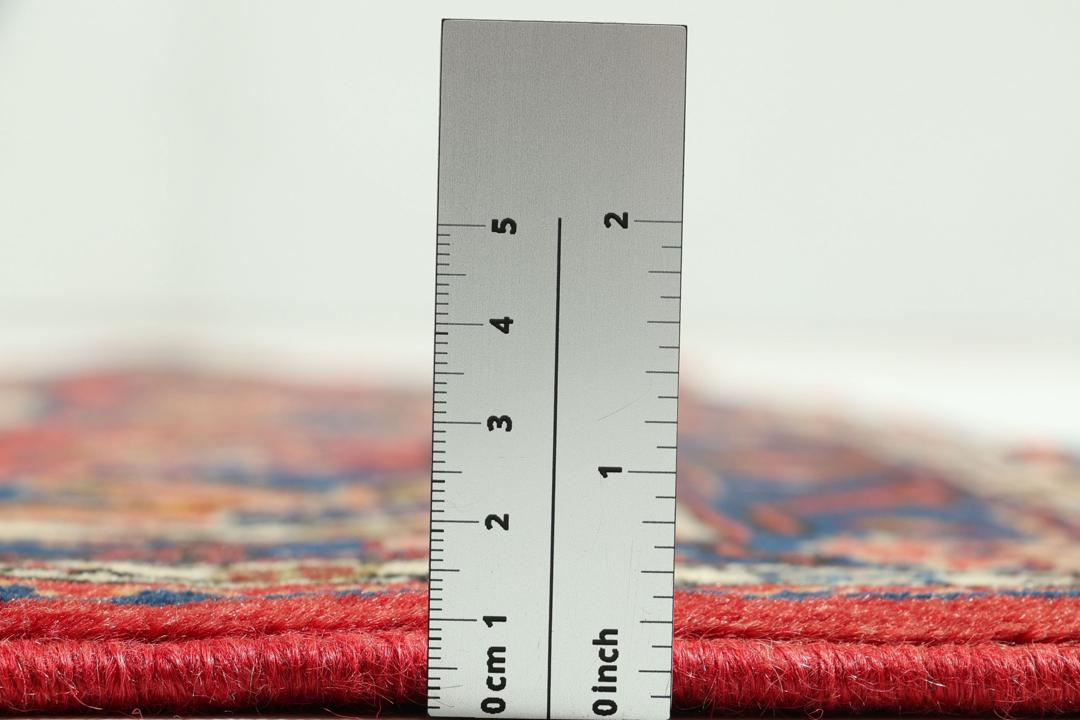
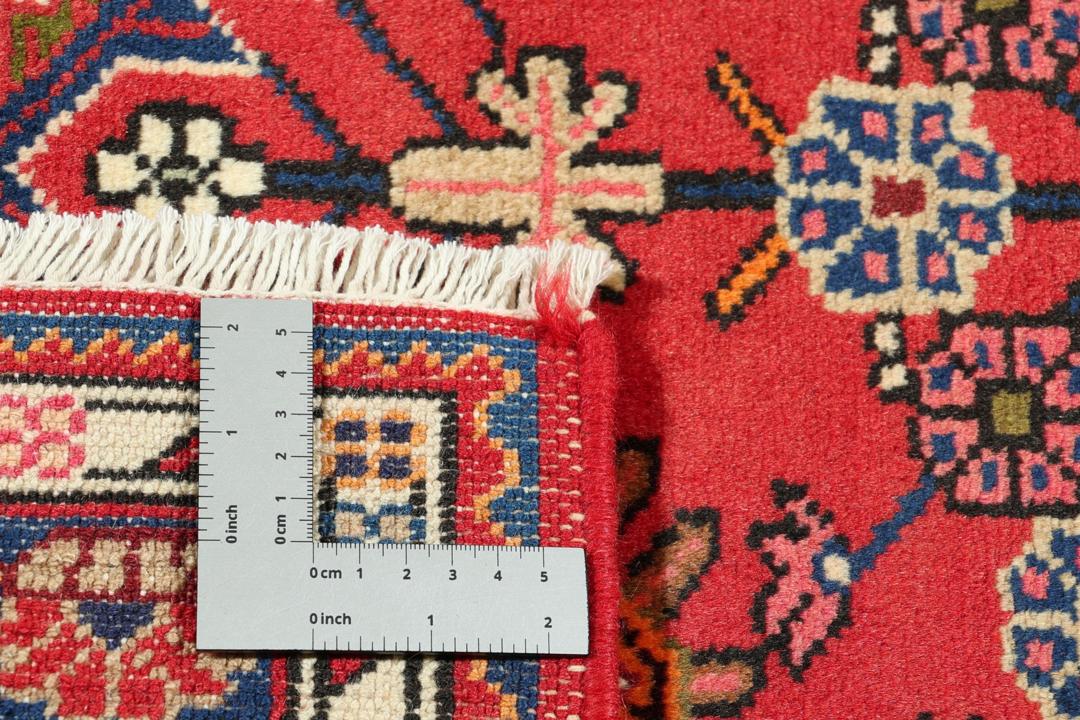
Hamadan rugs are defined by their robust construction and the use of high-quality materials. The term refers to a wide range of styles produced across hundreds of villages, yet they share a common commitment to durability. The weaving process focuses on a sturdy foundation, which ensures that the rugs can withstand the rigours of daily use while maintaining their structural integrity and aesthetic appeal over many years.
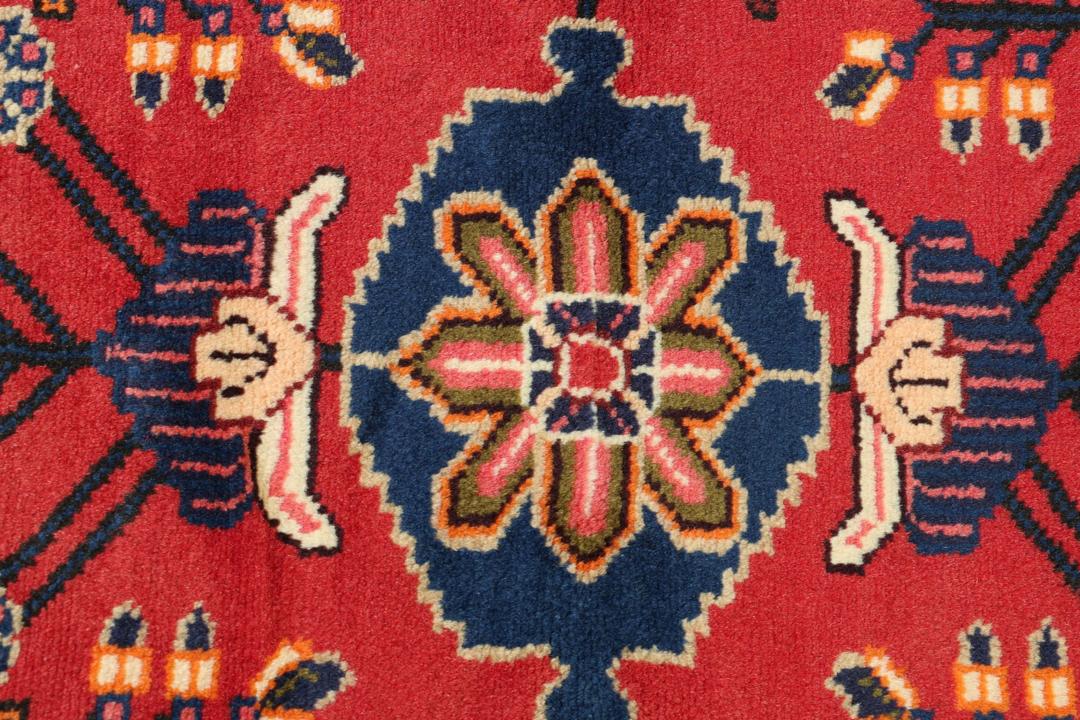
Visually, these rugs are known for their bold, often geometric interpretations of floral patterns and central medallions. The traditional colour palettes are rich and saturated, typically utilising deep reds and blues that are derived from natural dyes. While patterns can vary from village to village, the classic Hamadan look often features a repeating floral motif or a dominant central medallion enclosed by a distinct, well-defined border.
Collectors value Hamadan rugs for their authenticity and the tangible connection they provide to a storied past. Owning a piece from this tradition means acquiring a work that embodies the skill, patience, and cultural heritage of the weavers who created it. It is a testament to a craft that values lasting quality, making these rugs not just floor coverings, but storied artefacts that add depth and meaning to any contemporary interior.