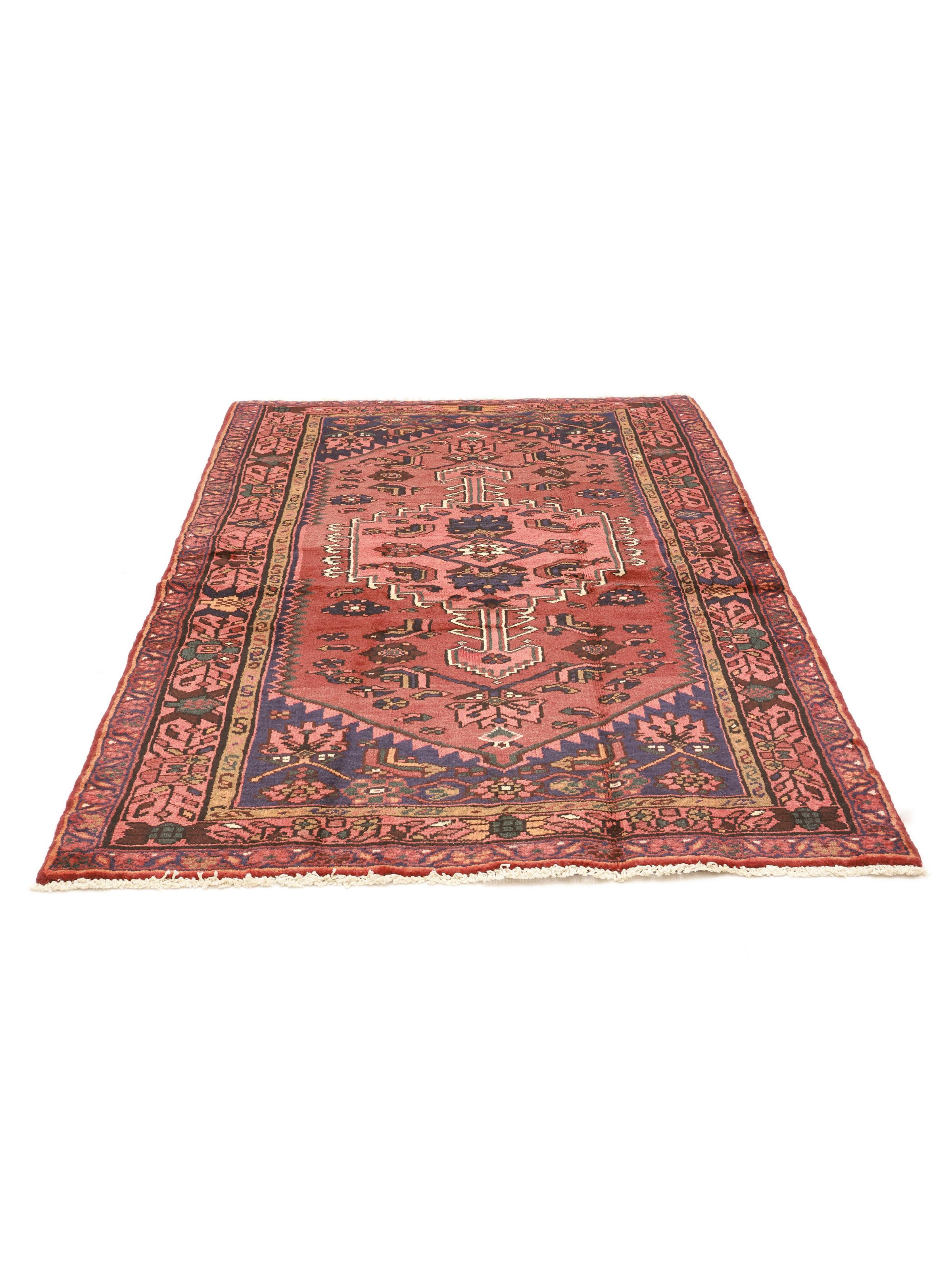
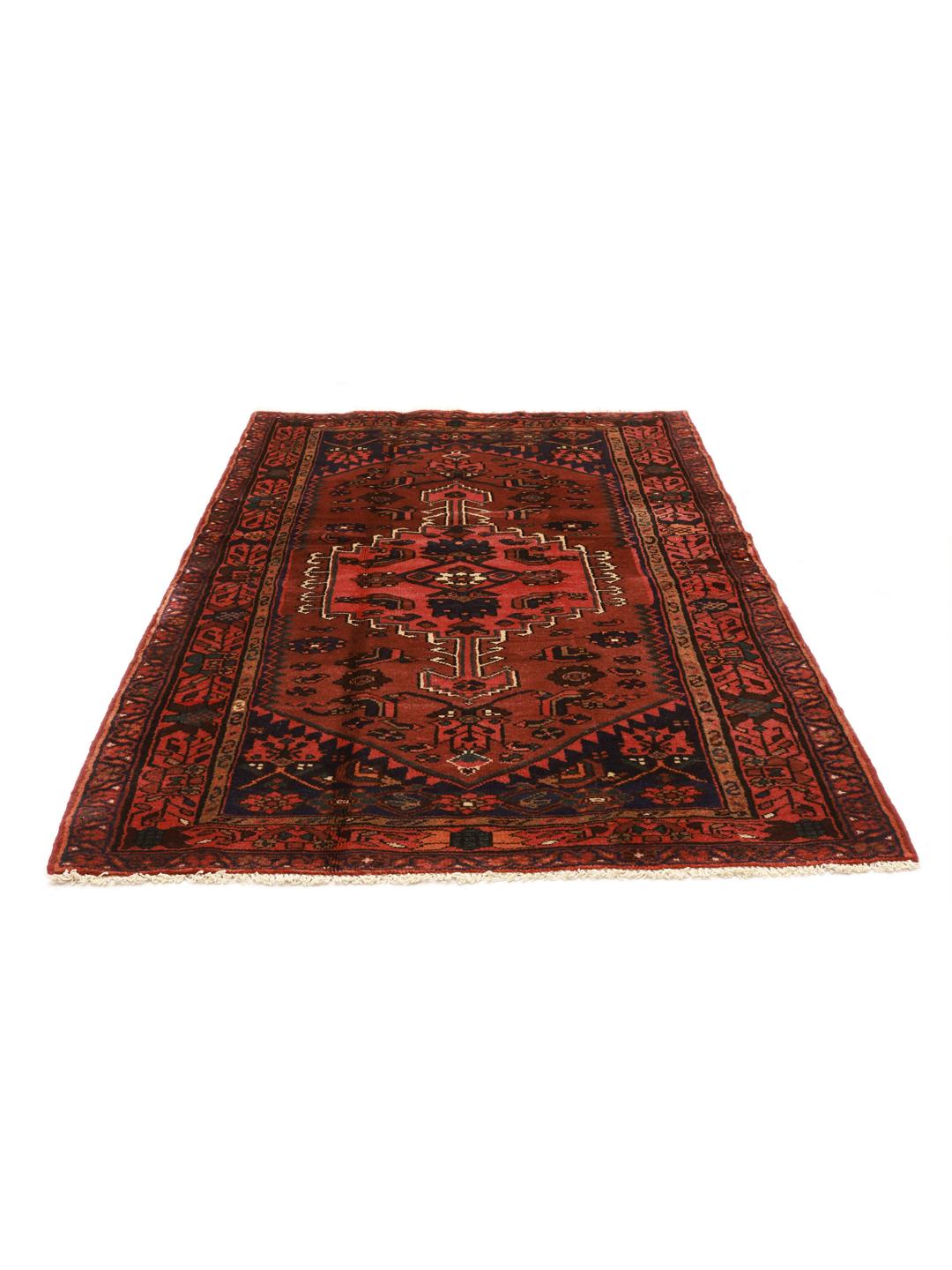
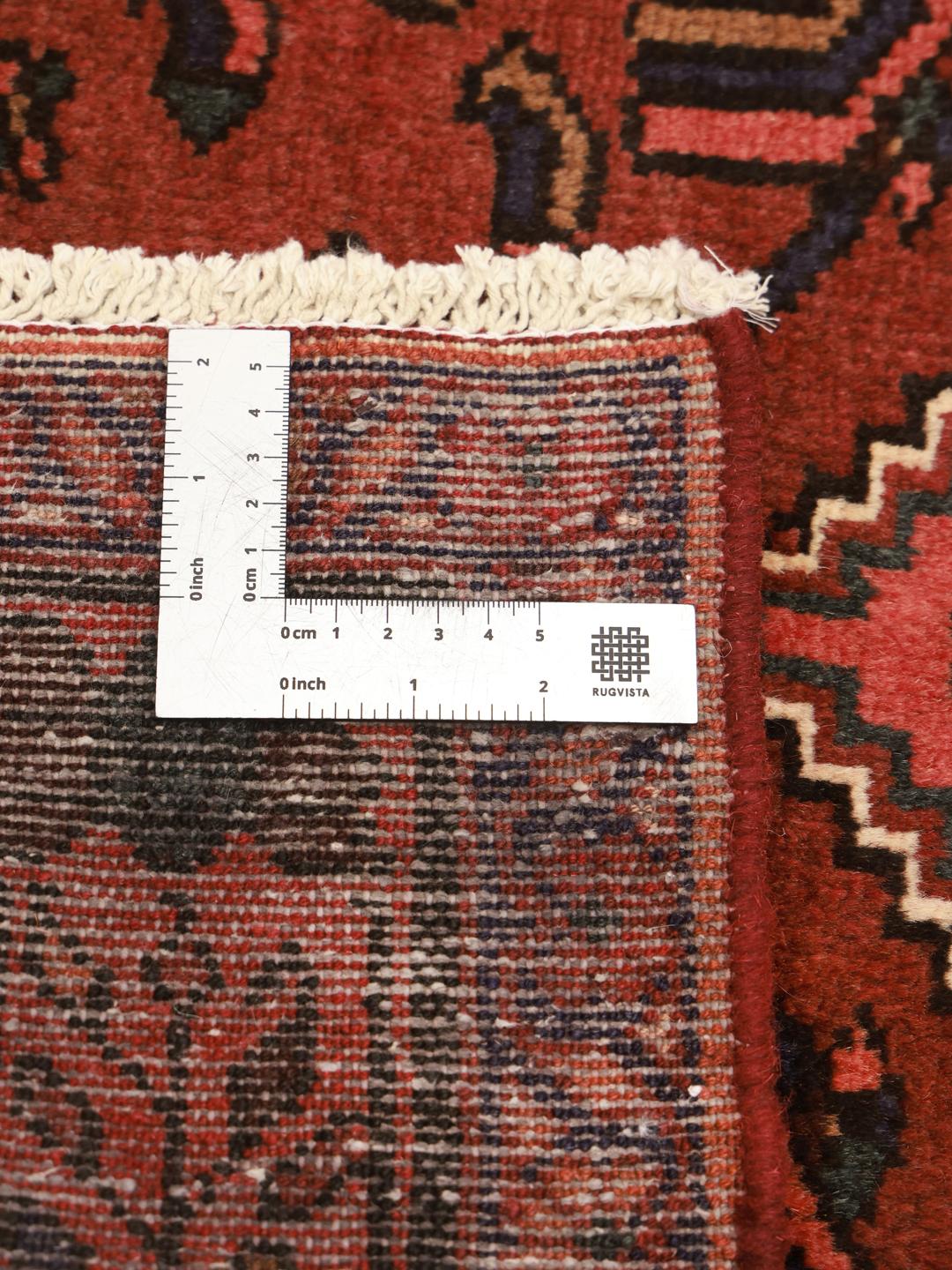
Hamadan rugs originate from one of the oldest cities in the Middle East, a historic hub that has served as a centre for trade and textile production for centuries. The region is famous for its diverse output, as it encompasses hundreds of villages, each contributing its own variations to the broader Hamadan tradition.
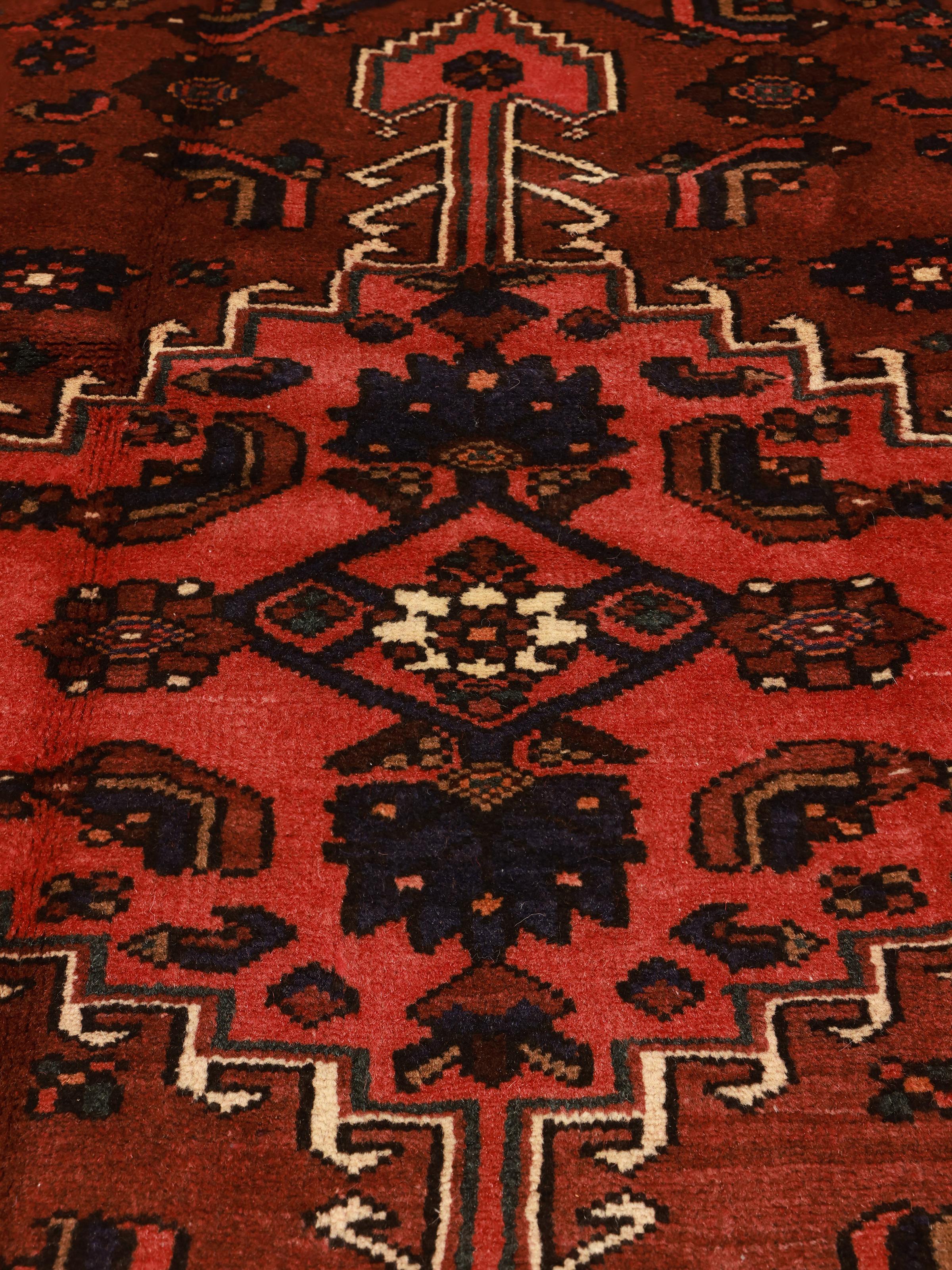
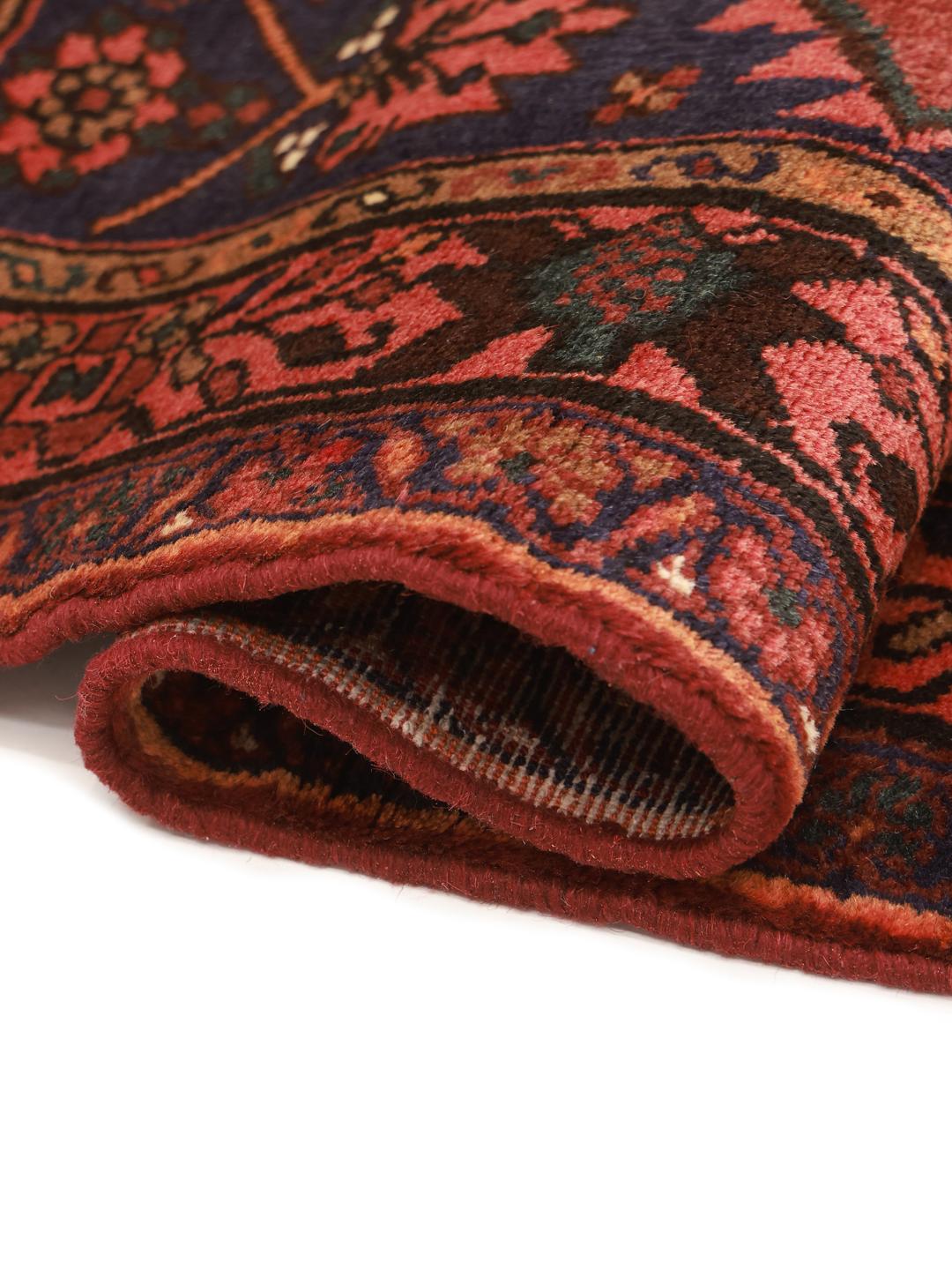
The craft of weaving in this area is deeply rooted in local customs, often utilising the region's abundant access to high-quality Wool. The construction typically involves a sturdy foundation, which provides the necessary strength to support the dense, hand-knotted pile that defines these rugs. This combination of materials and technique results in a product known for its resilience and ability to withstand decades of daily use.
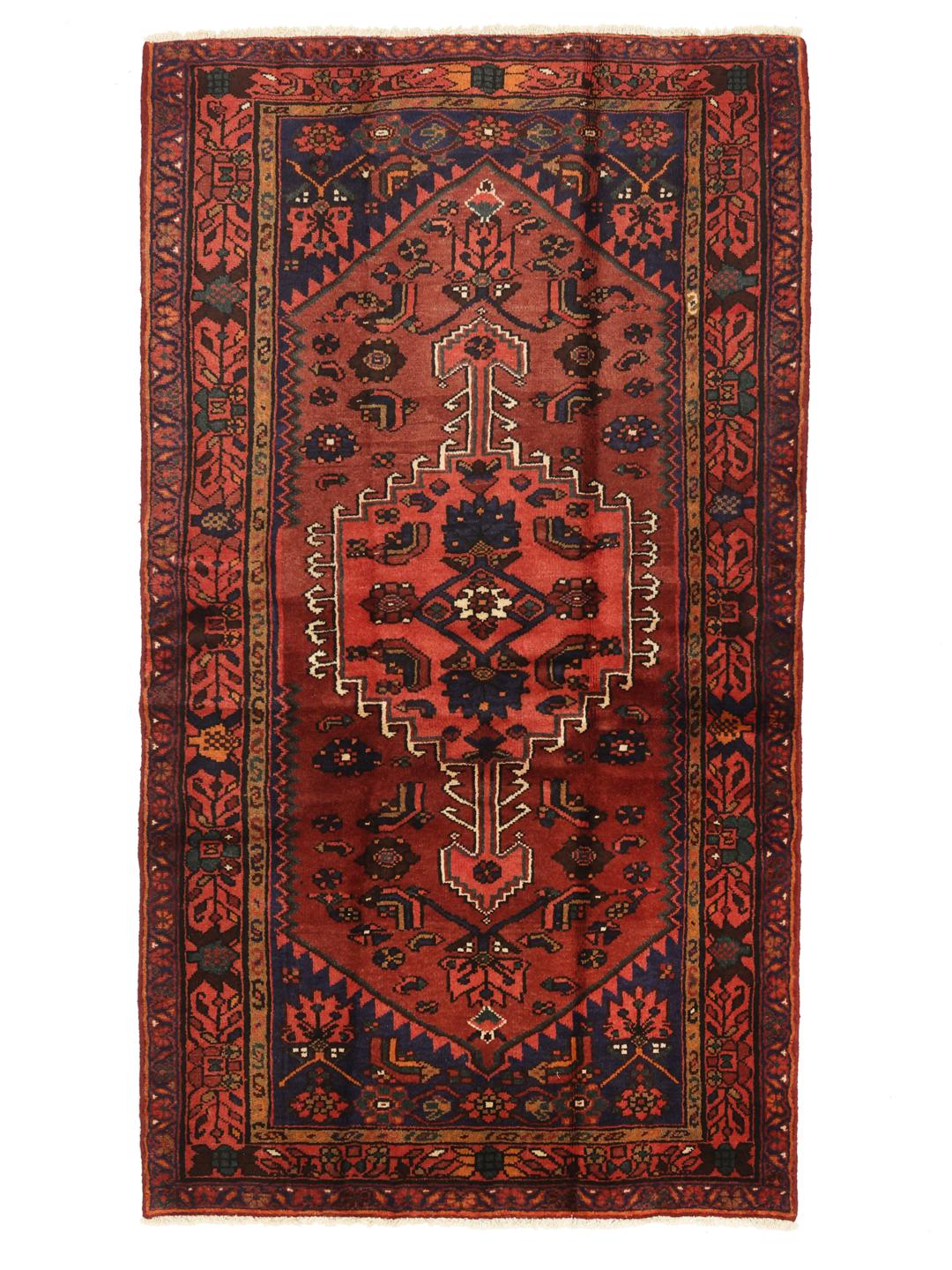
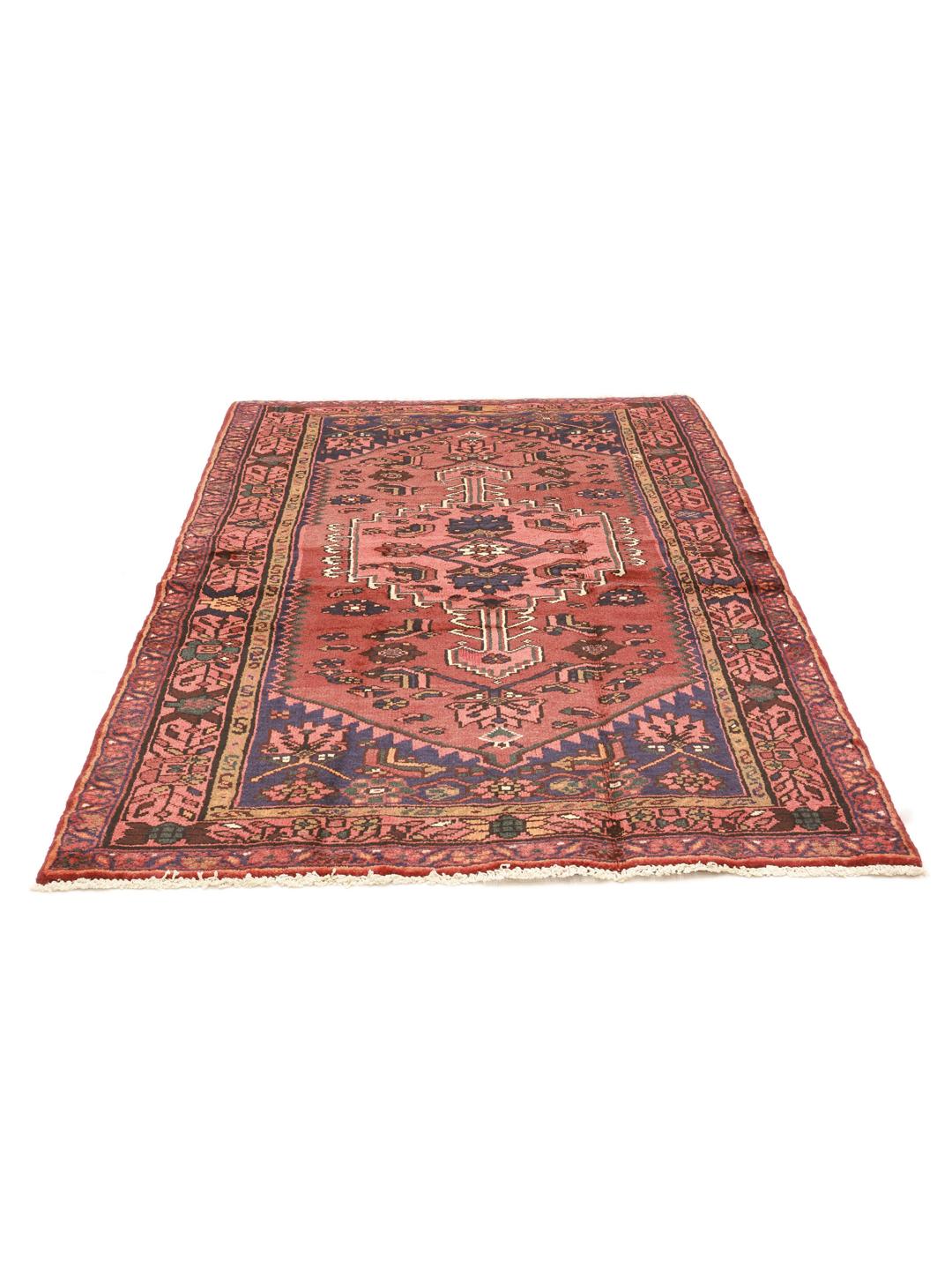
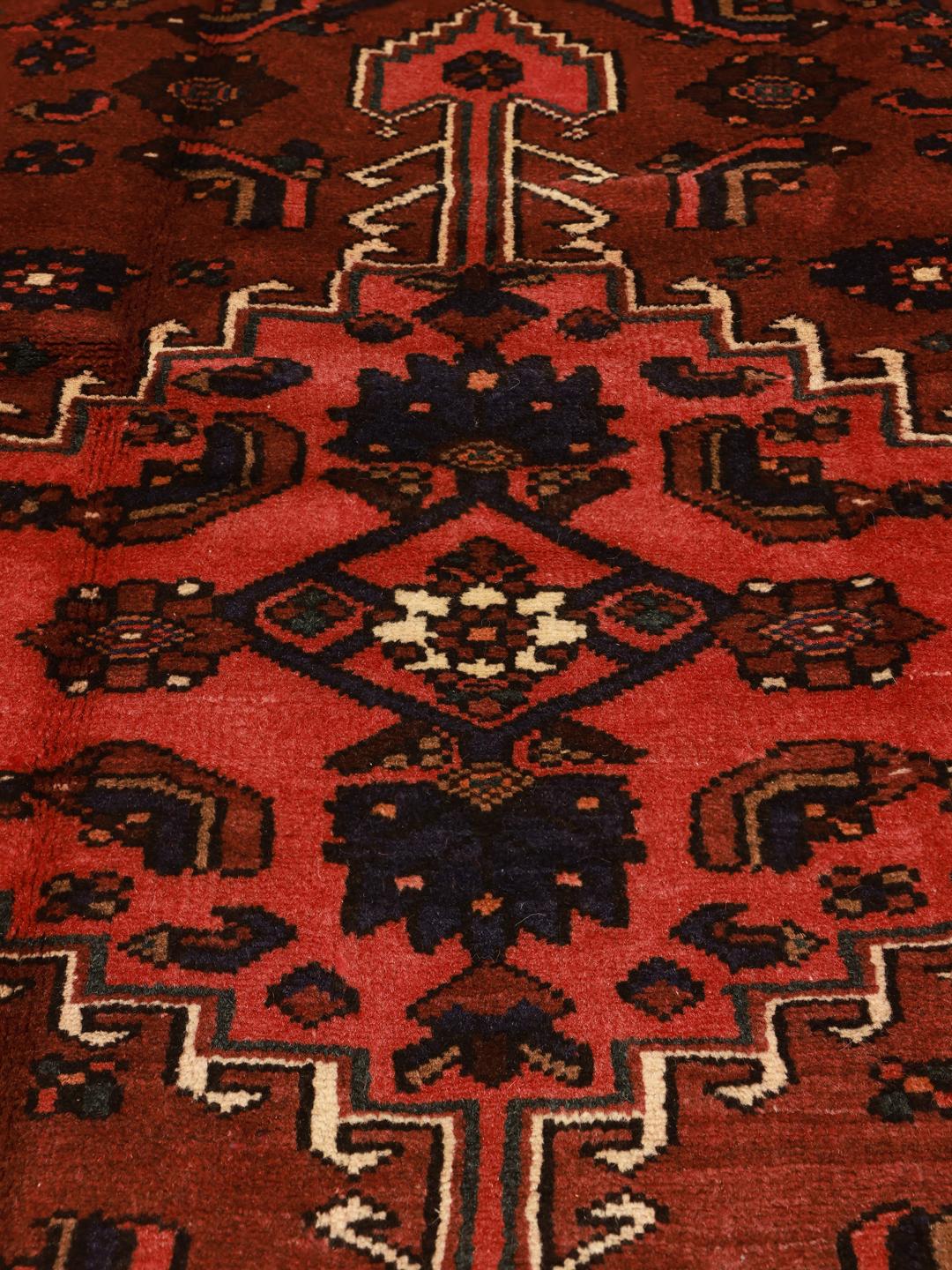
Visually, these rugs are celebrated for their geometric patterns and bold, often large-scale medallions. While floral elements are occasionally present, the hallmark of the style is a strong, structured layout that feels both classic and grounded. The colour palettes are traditionally dominated by deep, earthy tones, with reds and blues being the most iconic choices that have defined the look for generations.
Owning a piece from this tradition is an opportunity to possess a tangible connection to Middle Eastern history. These rugs are highly valued by collectors and homeowners alike, not only for their aesthetic appeal but for the enduring skill they represent. They serve as a bridge between the past and the present, preserving the creative spirit of the artisans who have shaped this craft for hundreds of years.