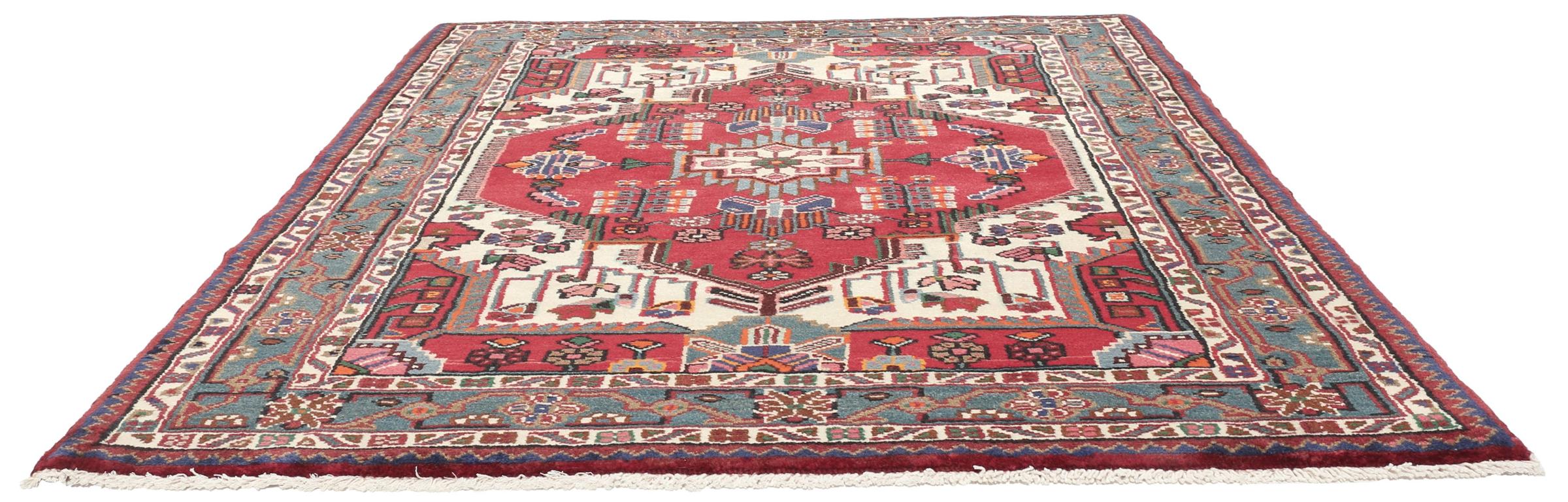
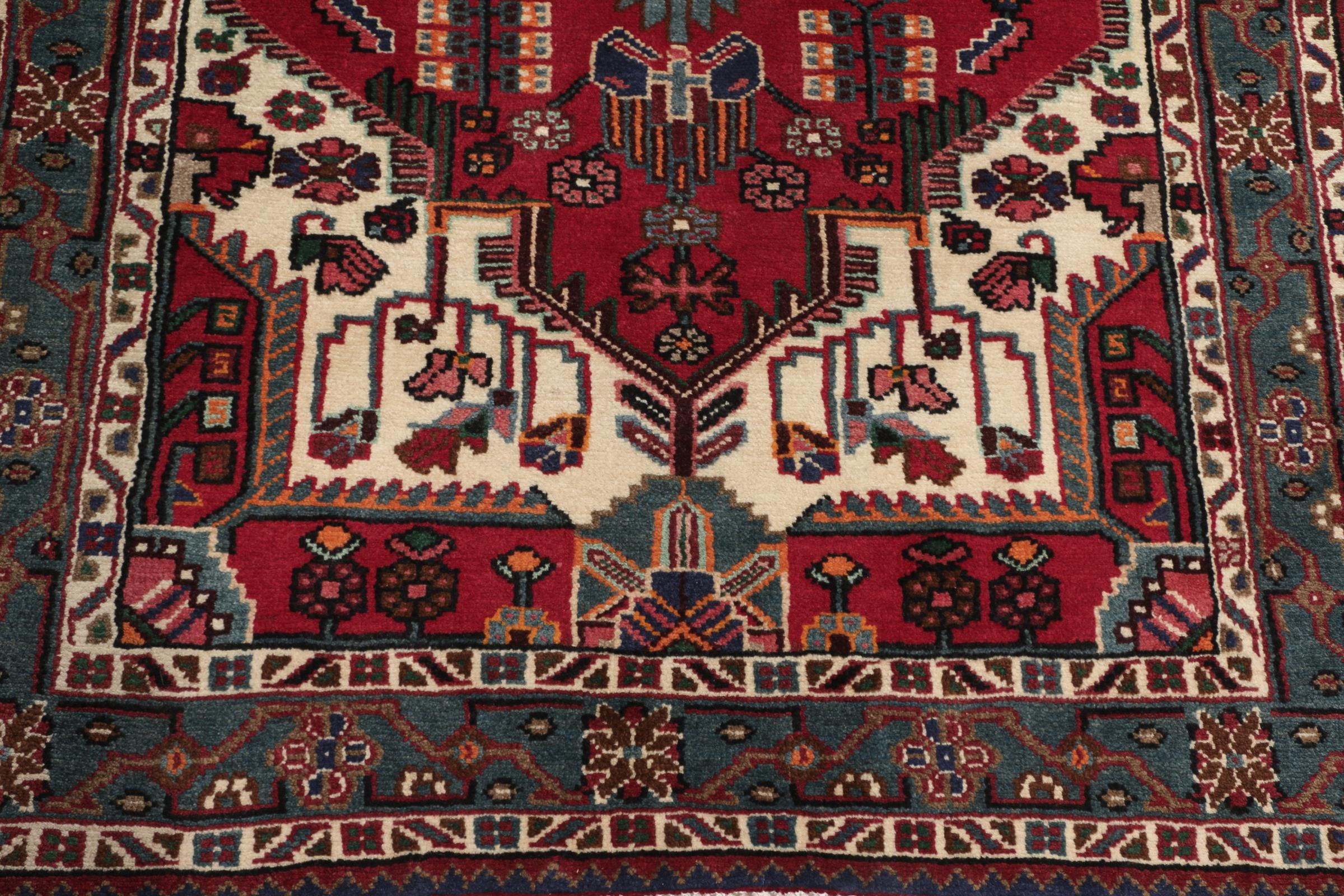
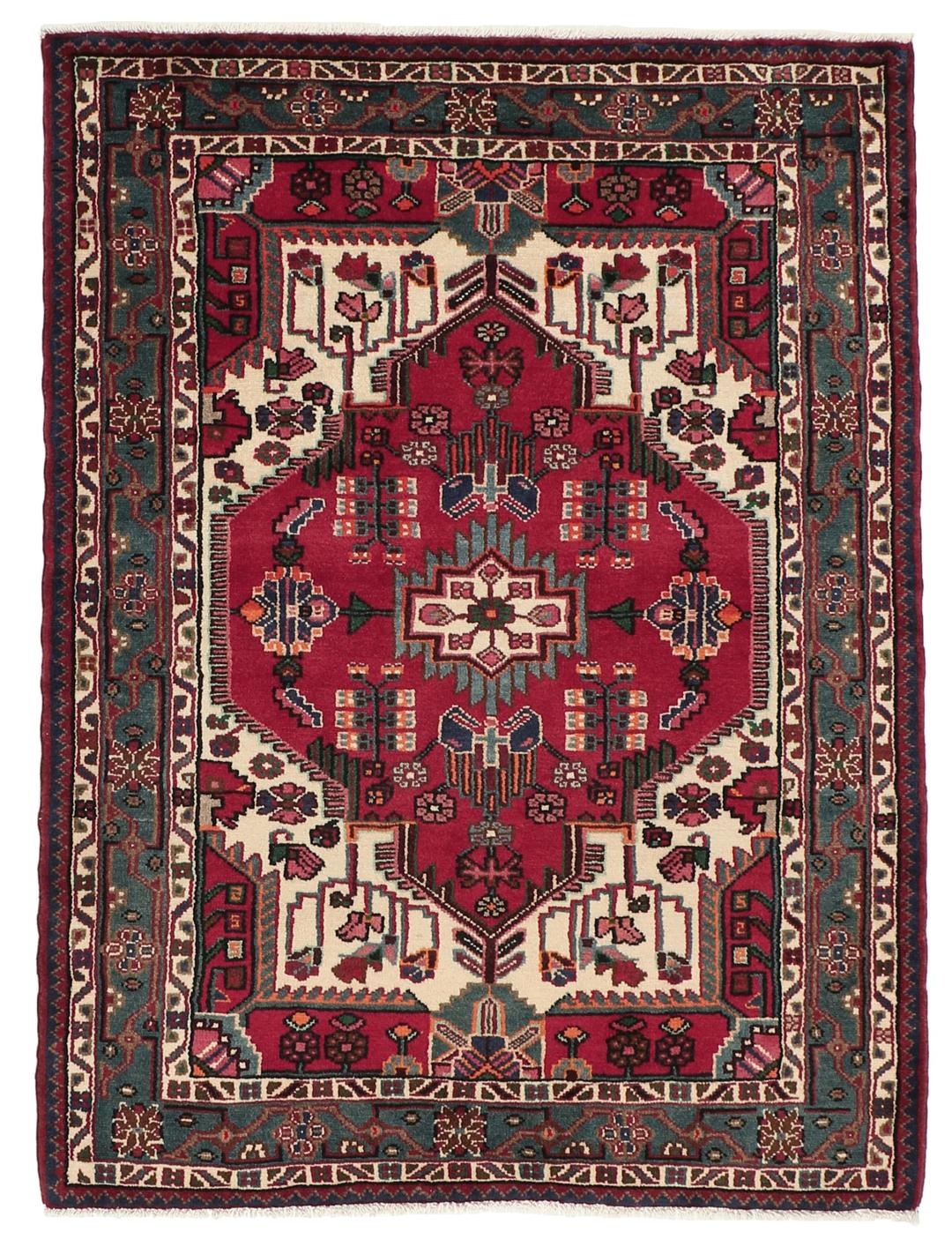
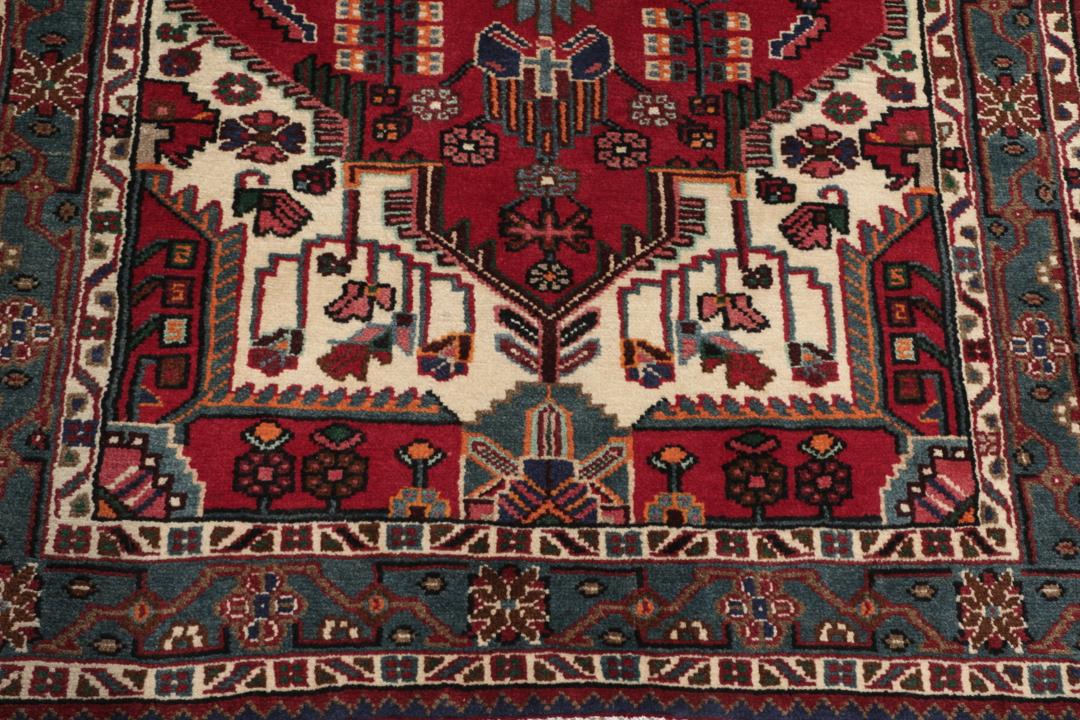
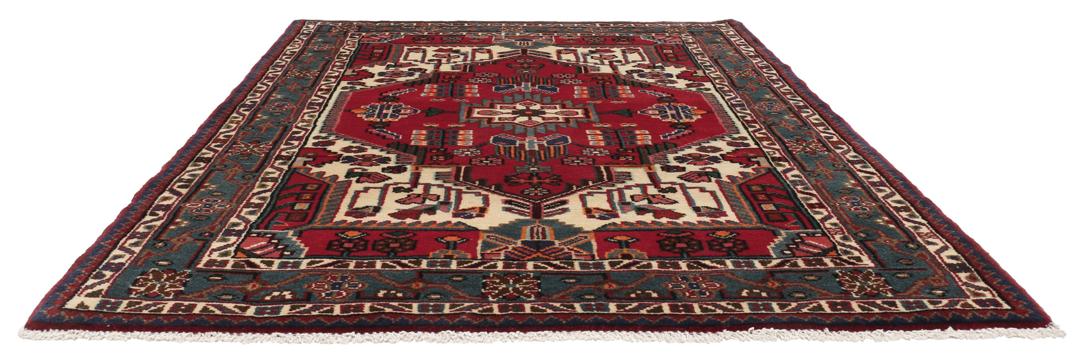
Hamadan rugs originate from one of the oldest cities in the Middle East, a regional hub known for its centuries-old weaving traditions. Nestled in a mountainous area, the region has long been a centre for trade and craft, where nomadic and village weavers have historically gathered to share techniques and designs. These rugs are highly regarded for their sturdy construction and the variety of styles that have evolved within this ancient weaving culture.
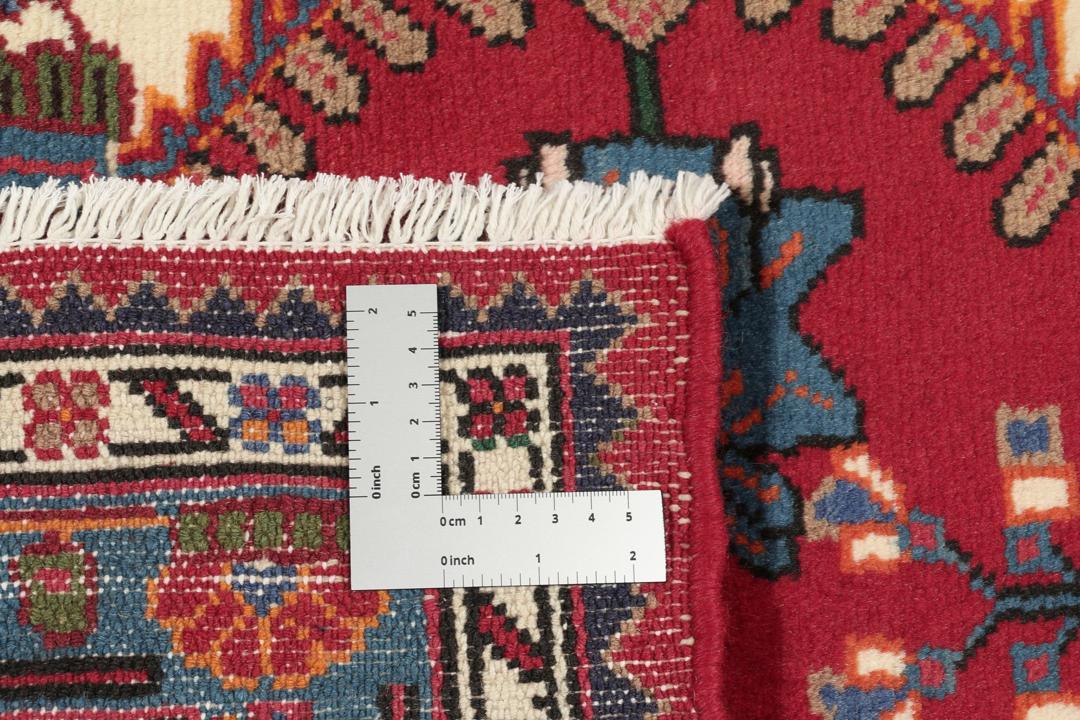
The term Hamadan refers to a wide range of rugs produced in and around the city, often identified by their use of high-quality wool and durable foundations. The craft relies on a deep understanding of natural dyes and traditional loom work, which has been passed down through generations. This heritage ensures that every rug produced in this tradition carries the mark of a well-established, time-honoured practice that prioritises both utility and aesthetic expression.
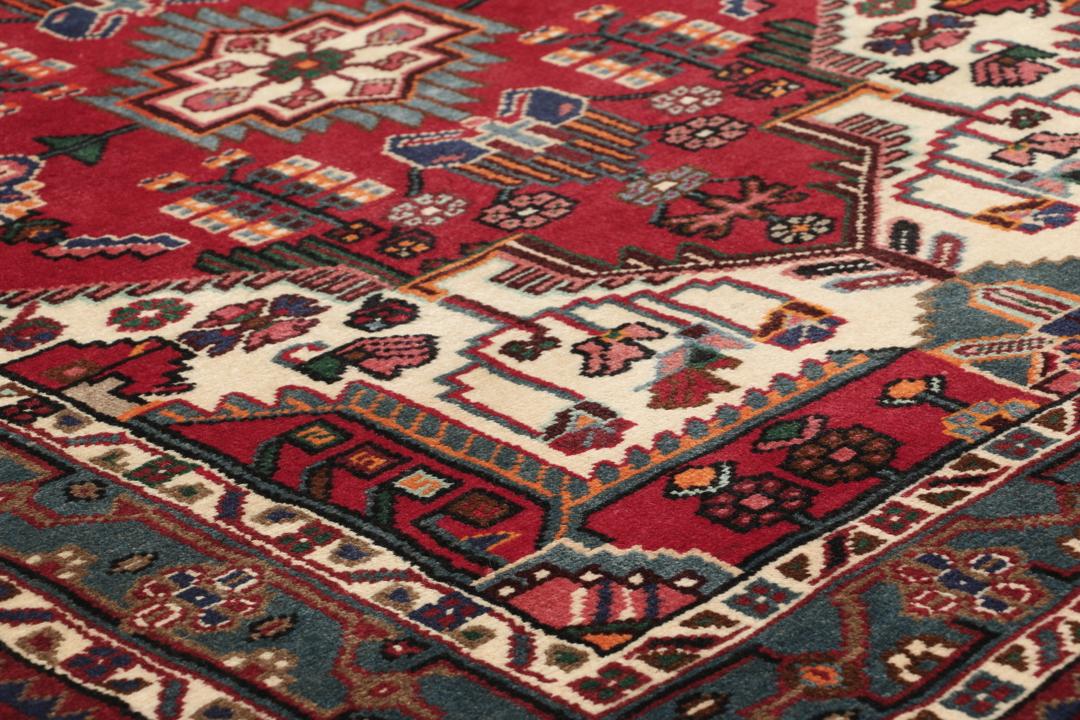
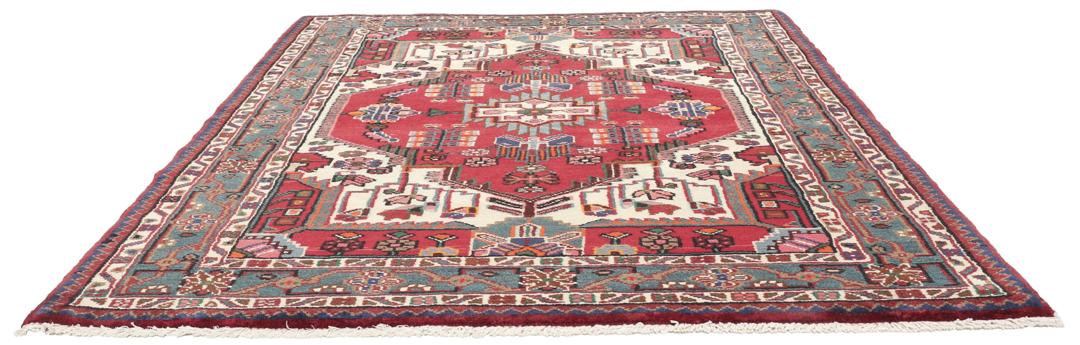
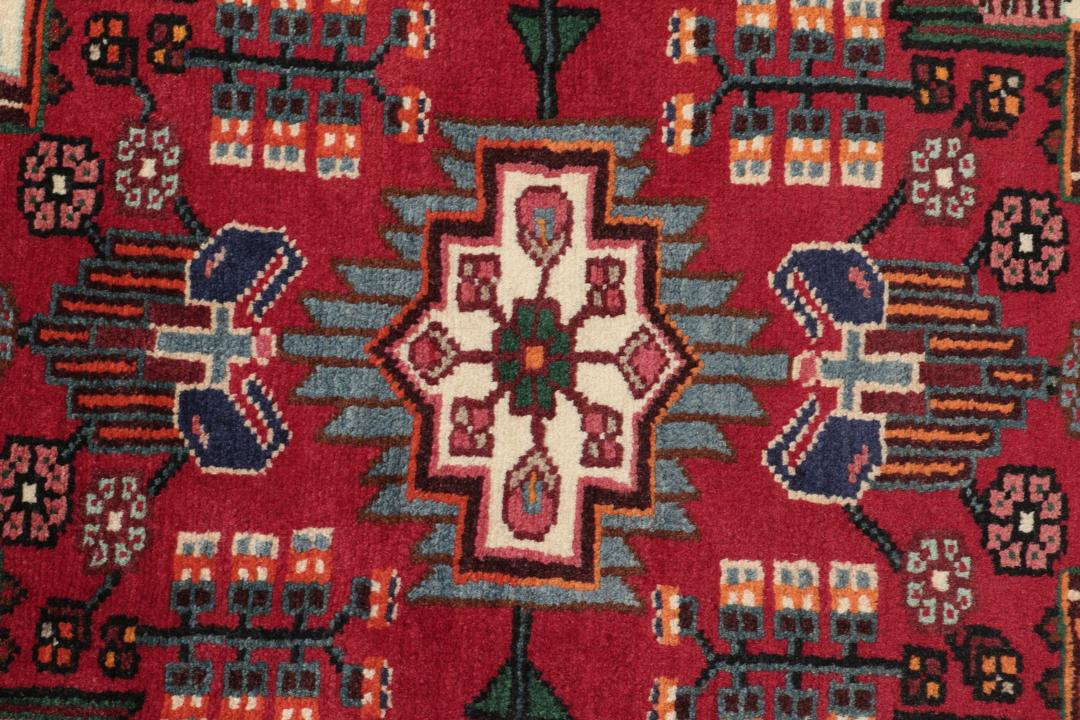
Visually, Hamadan rugs are celebrated for their bold, often geometric patterns, frequently featuring a central medallion or an all-over floral motif known as the Herati pattern. The borders are typically well-defined, providing a frame for the intricate field work. While the traditional palette often leans toward rich, earthy tones like red and deep blue, the specific design of each rug is a unique expression of the individual weaver’s creative vision and local influence.
Collecting a Hamadan rug is an opportunity to own a piece of Middle Eastern cultural heritage. These rugs are valued not only for their striking beauty but for their reputation as reliable, long-lasting floor coverings that age with grace. By bringing a Hamadan rug into your home, you are connecting to a long lineage of skilled artisans and preserving a craft tradition that remains as relevant today as it was centuries ago.