Hamadan rugs take their name from one of the oldest cities in the Middle East, a regional centre that has been a hub for trade and textile production for millennia. These rugs are deeply rooted in the rural weaving traditions of the surrounding villages, where families have passed down their craft through generations.
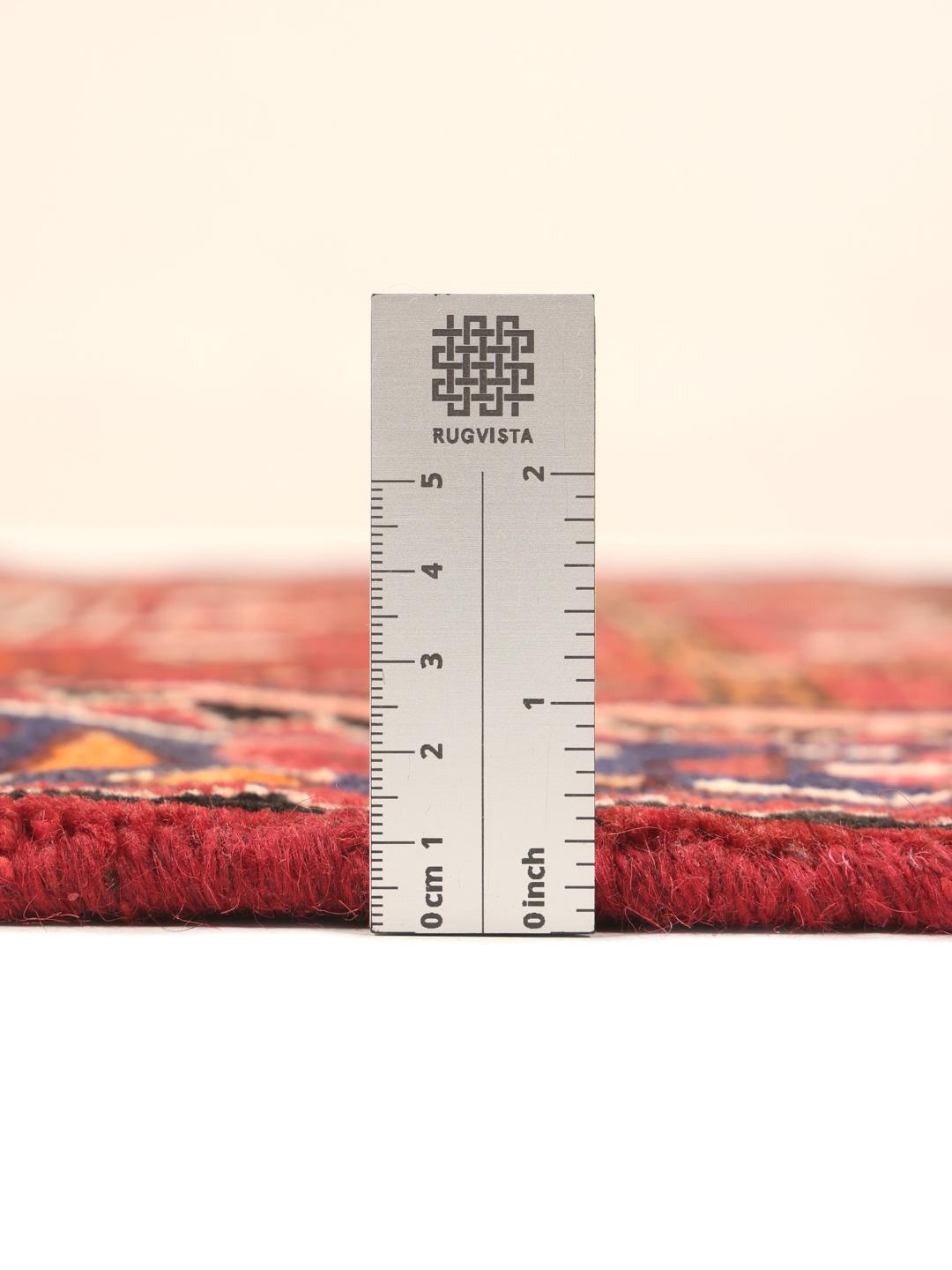
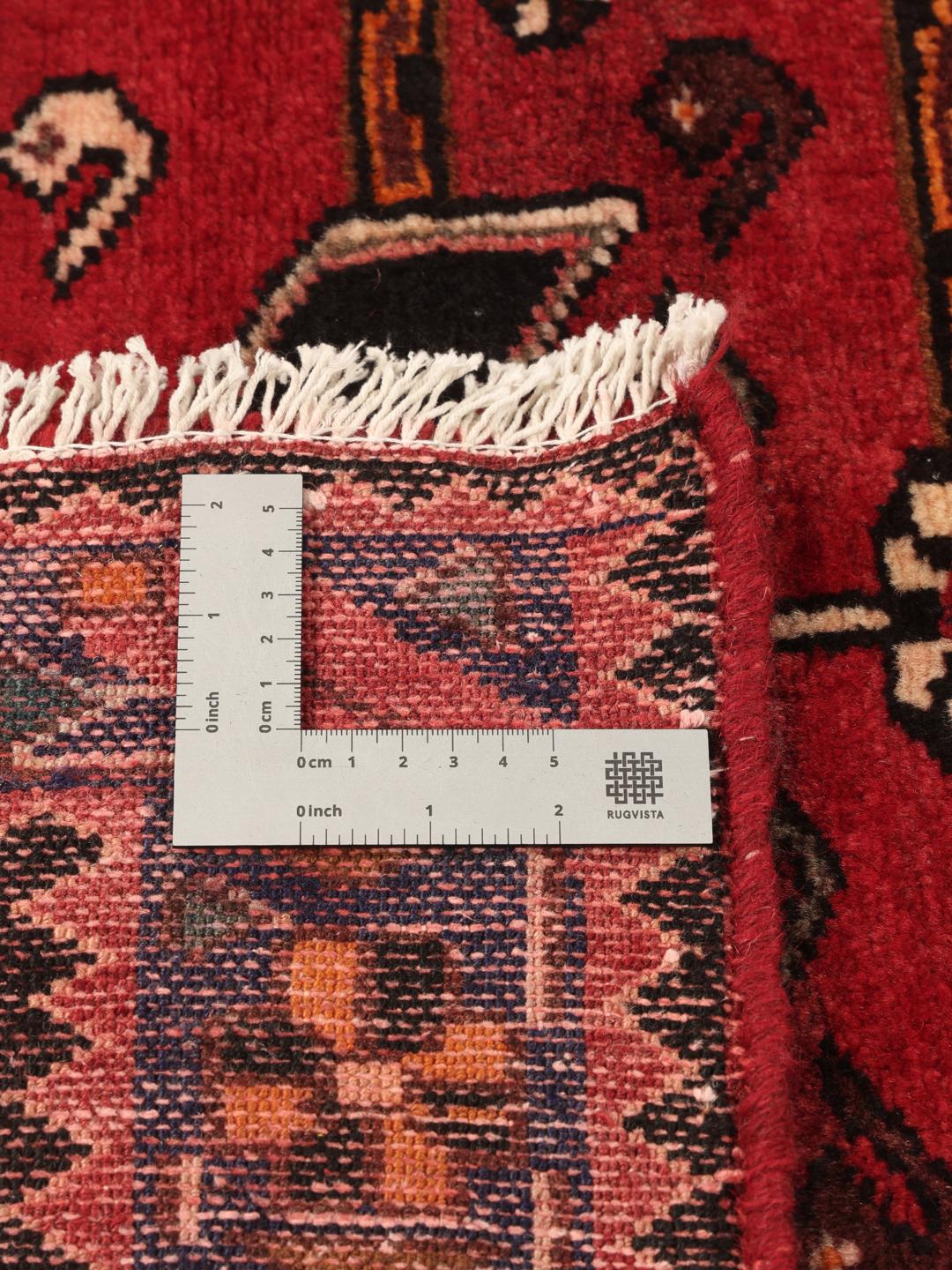
The term Hamadan refers to a diverse group of rugs, often characterised by their sturdy construction and the use of high-quality Wool. This tradition is known for its versatility, incorporating both geometric and floral elements that reflect the diverse influences of the region's long and complex history.
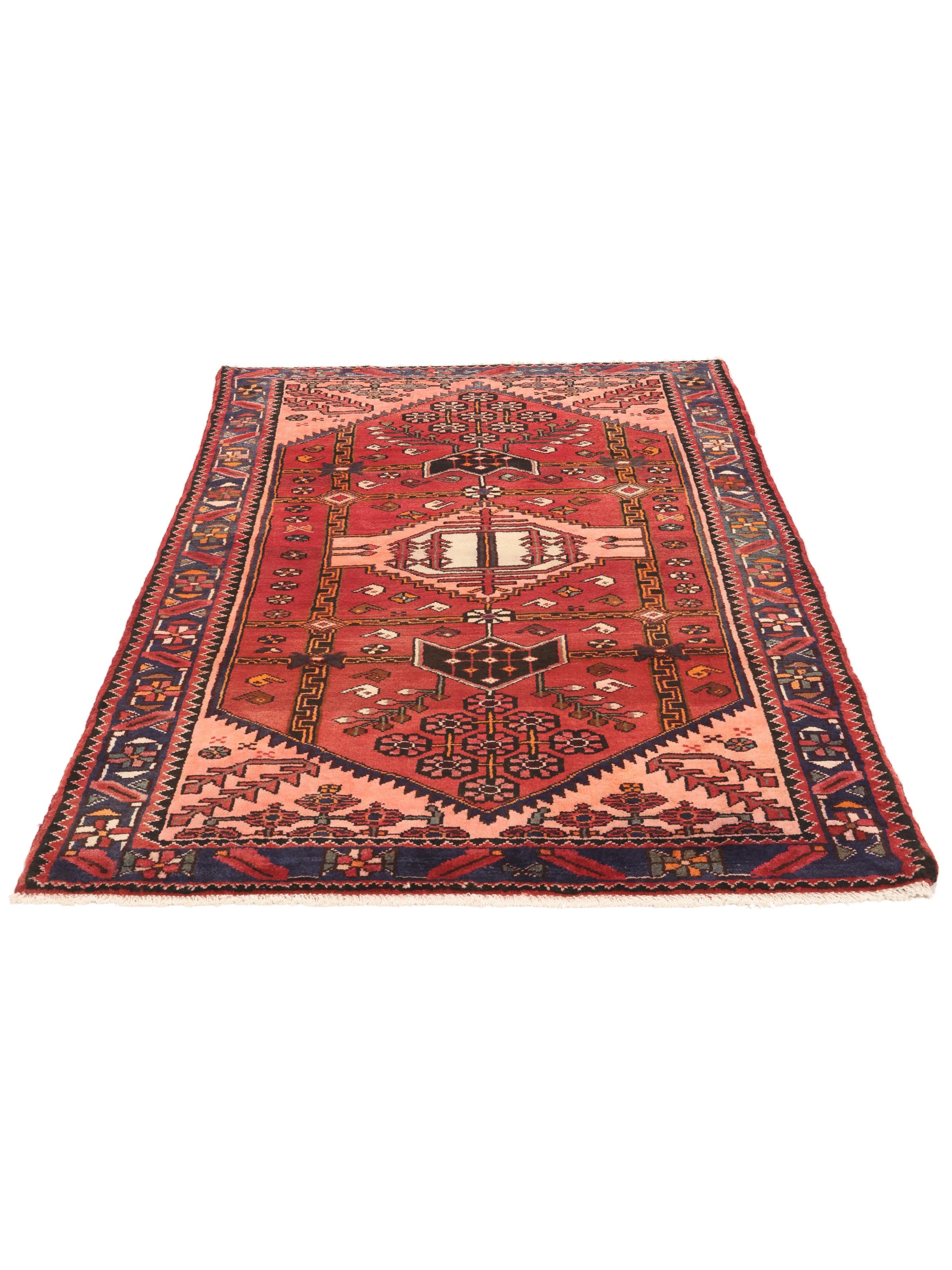
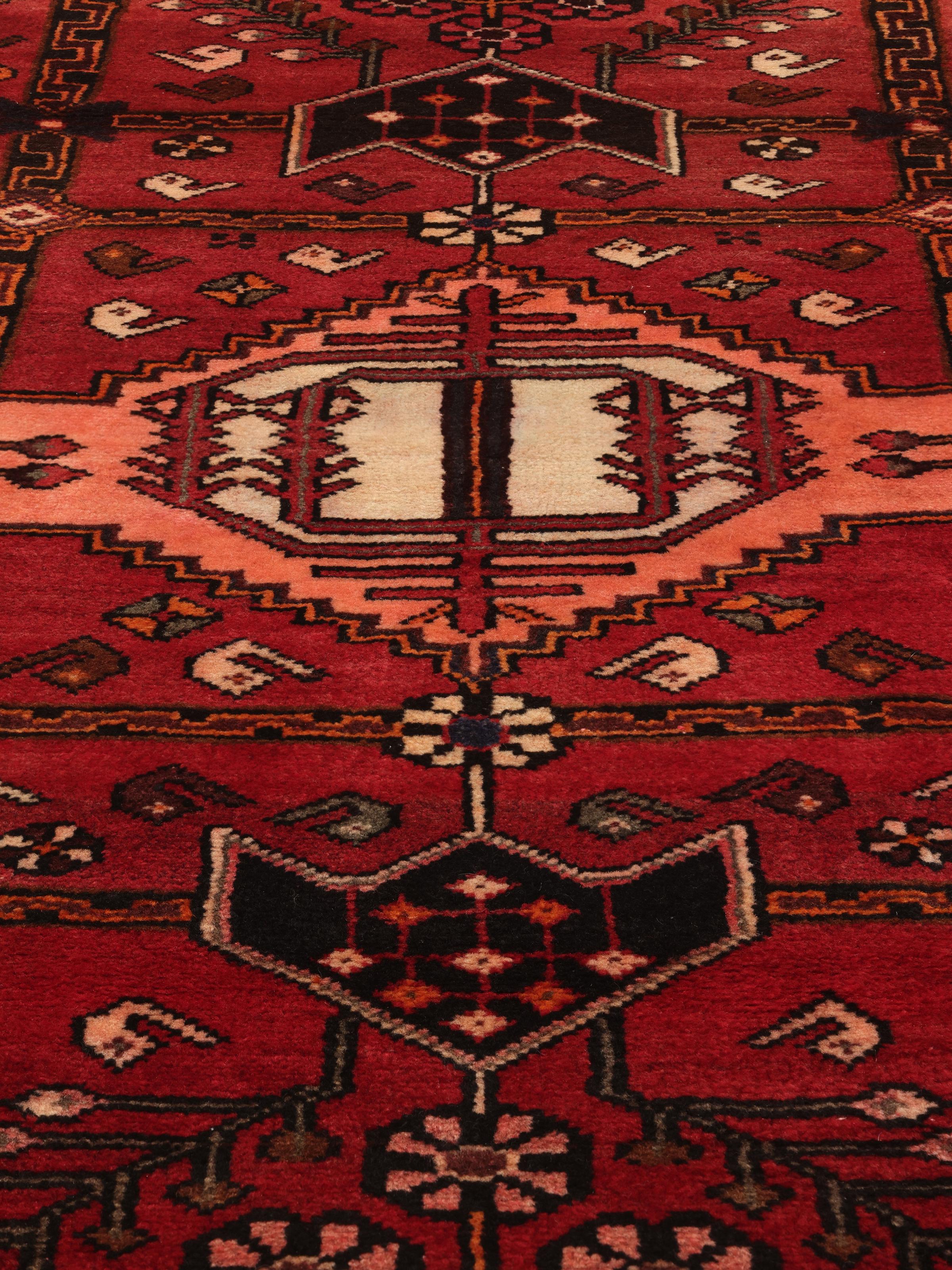
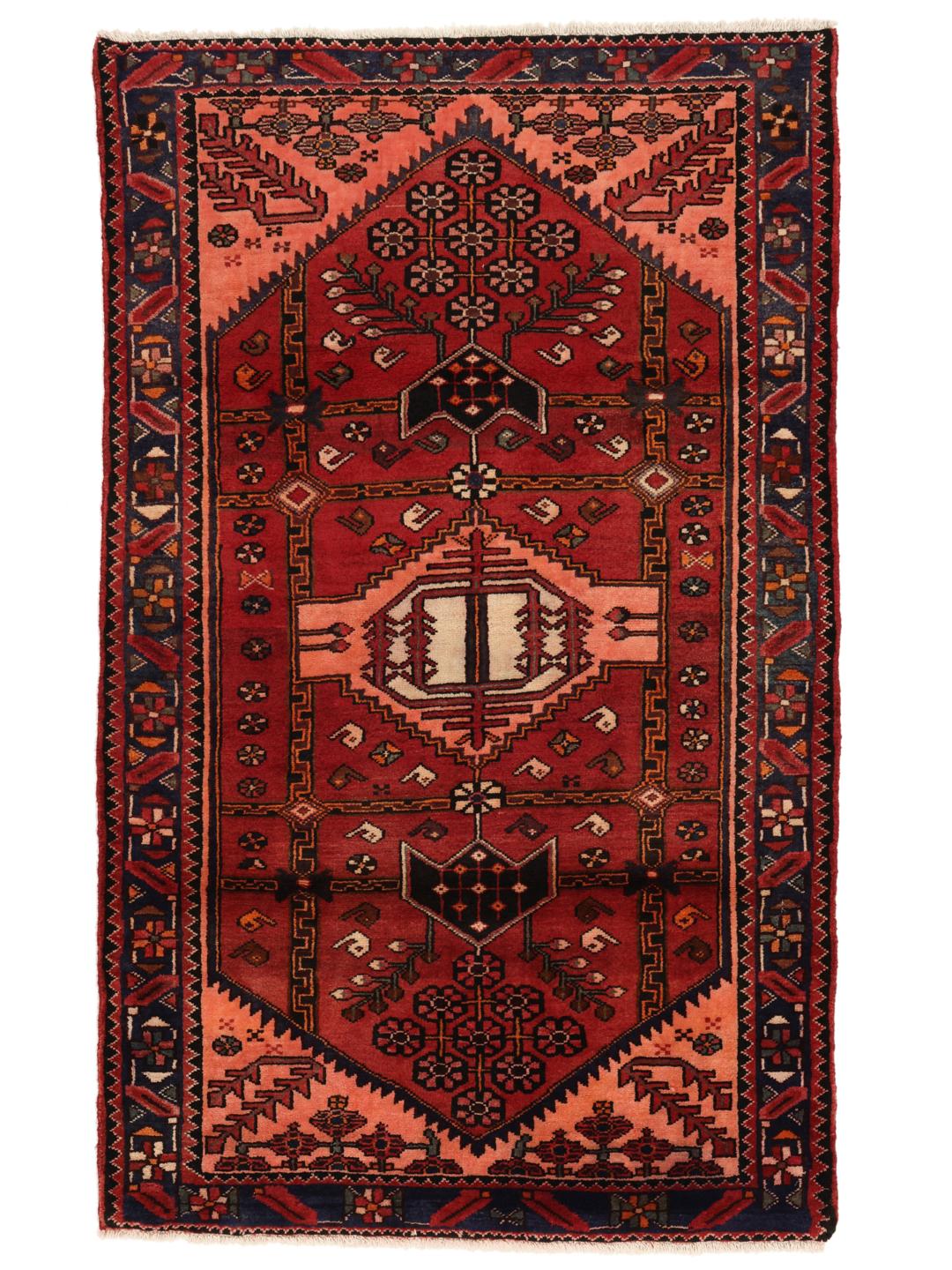
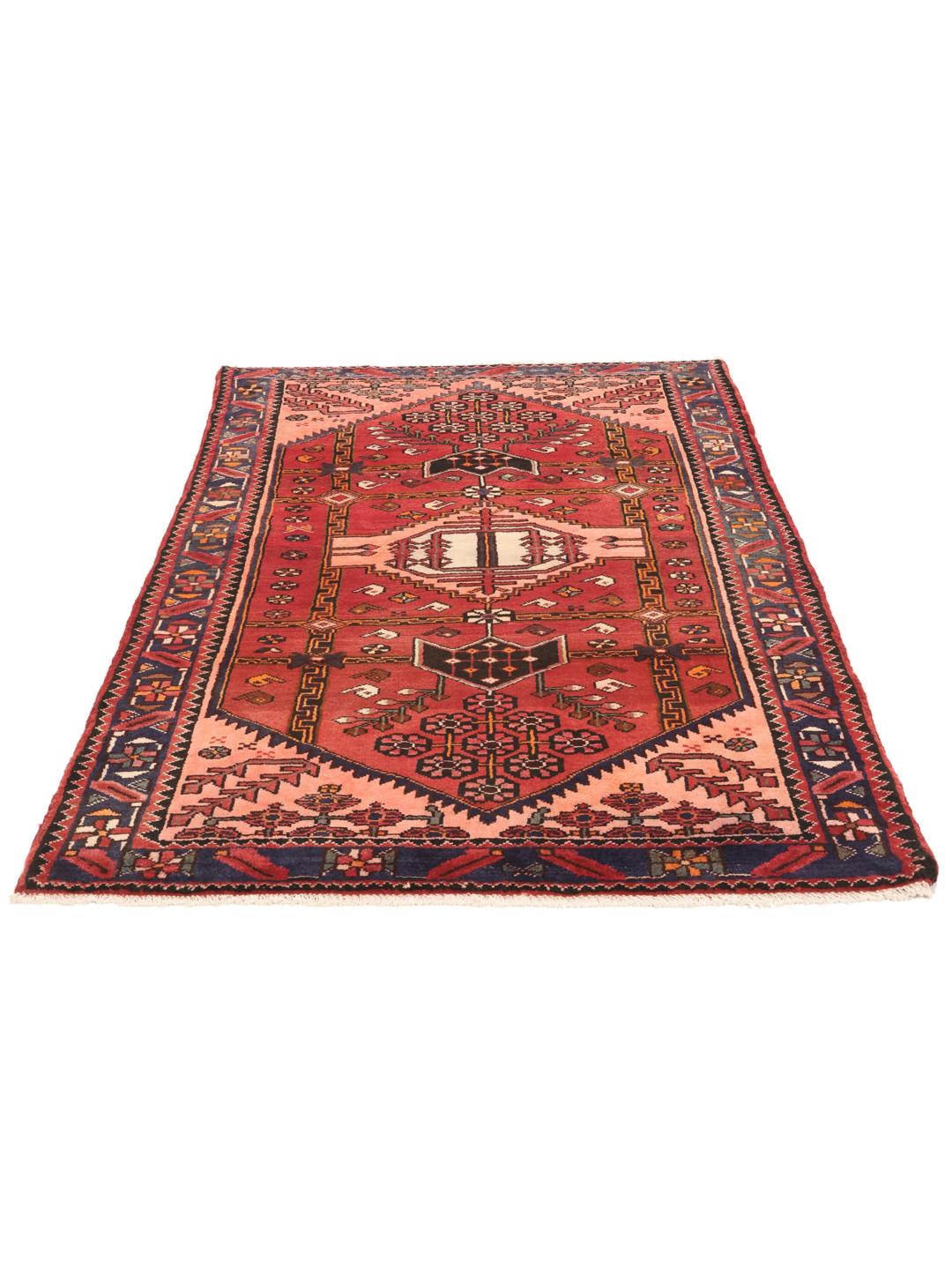
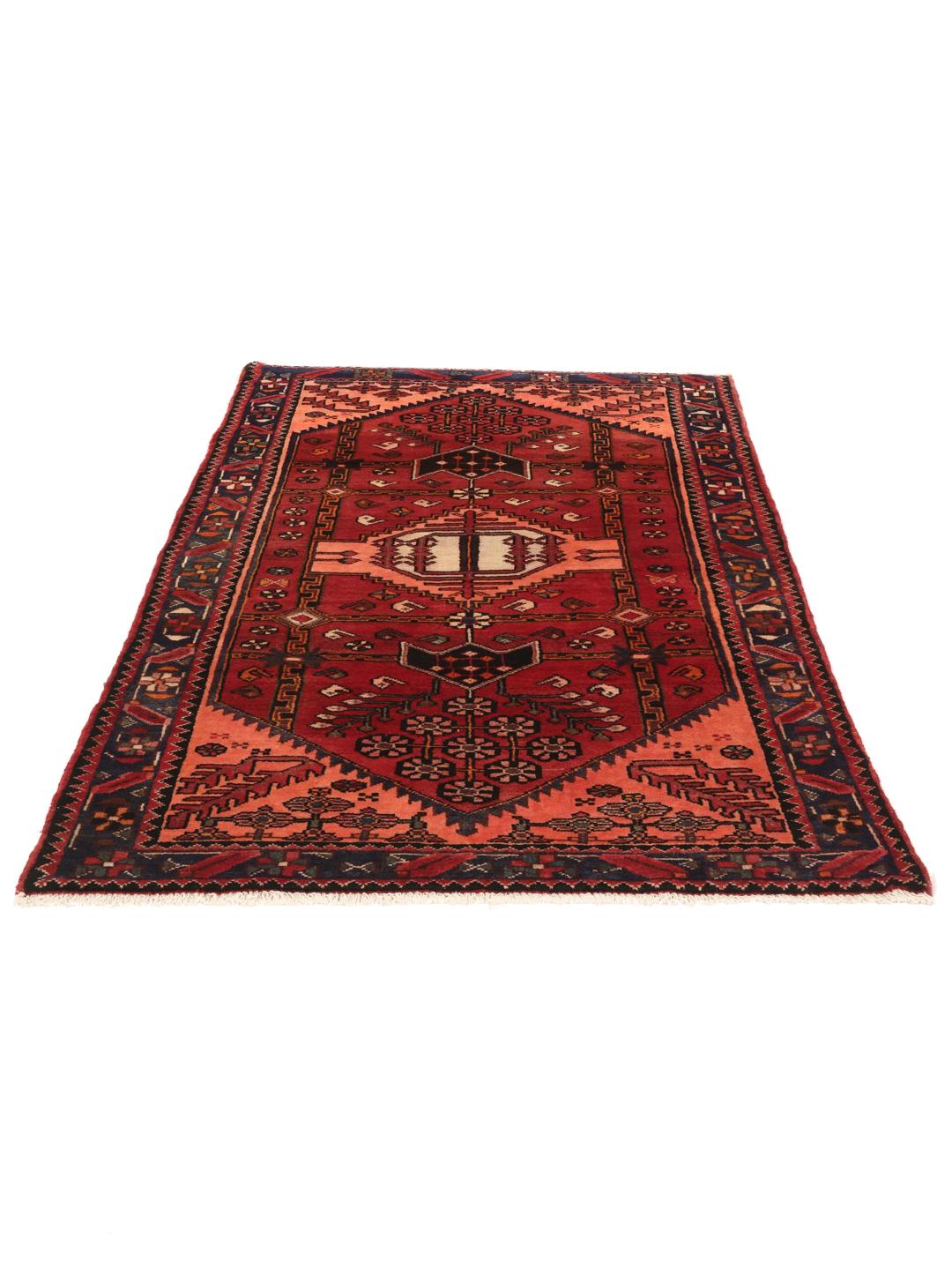
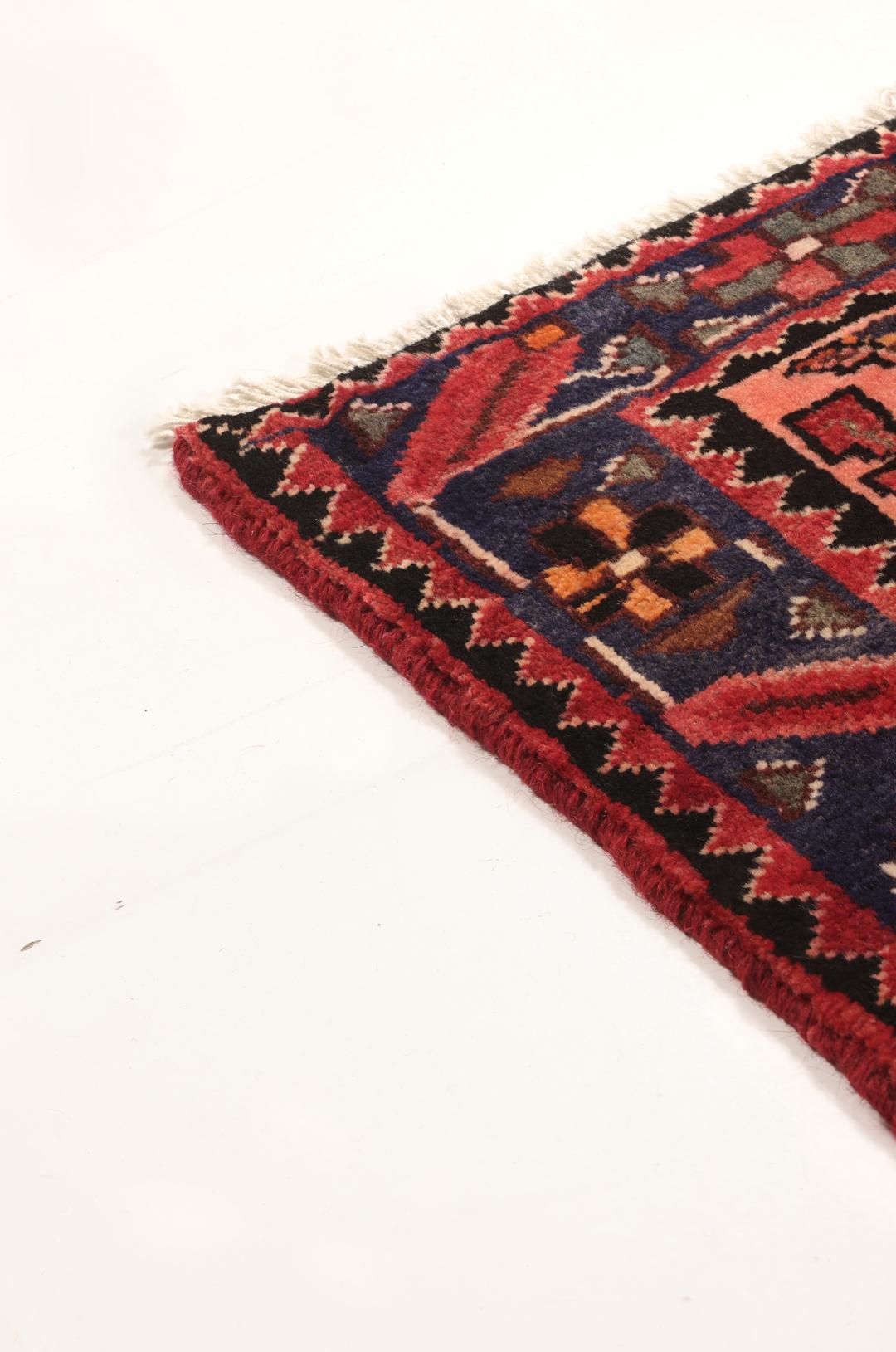
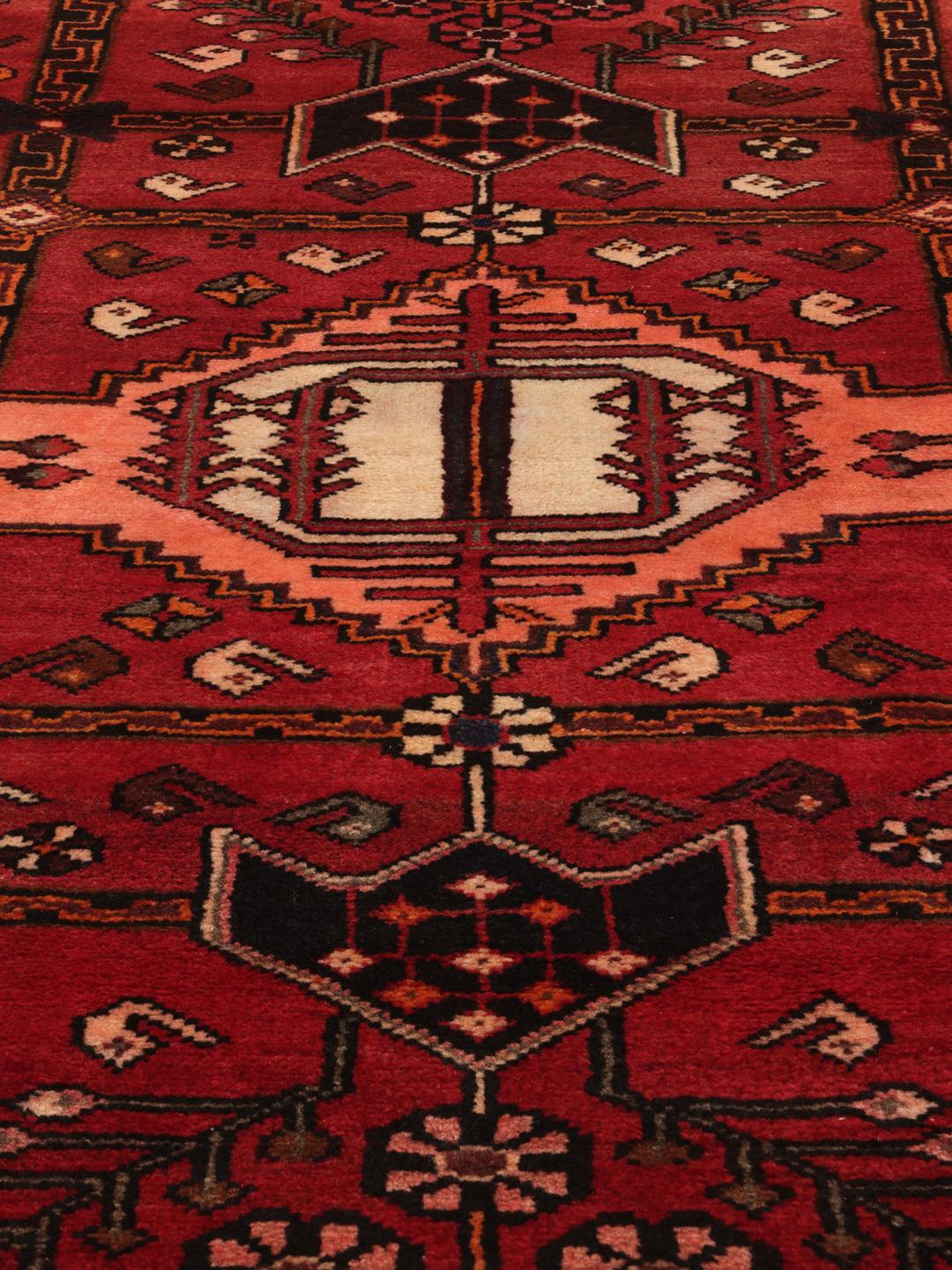
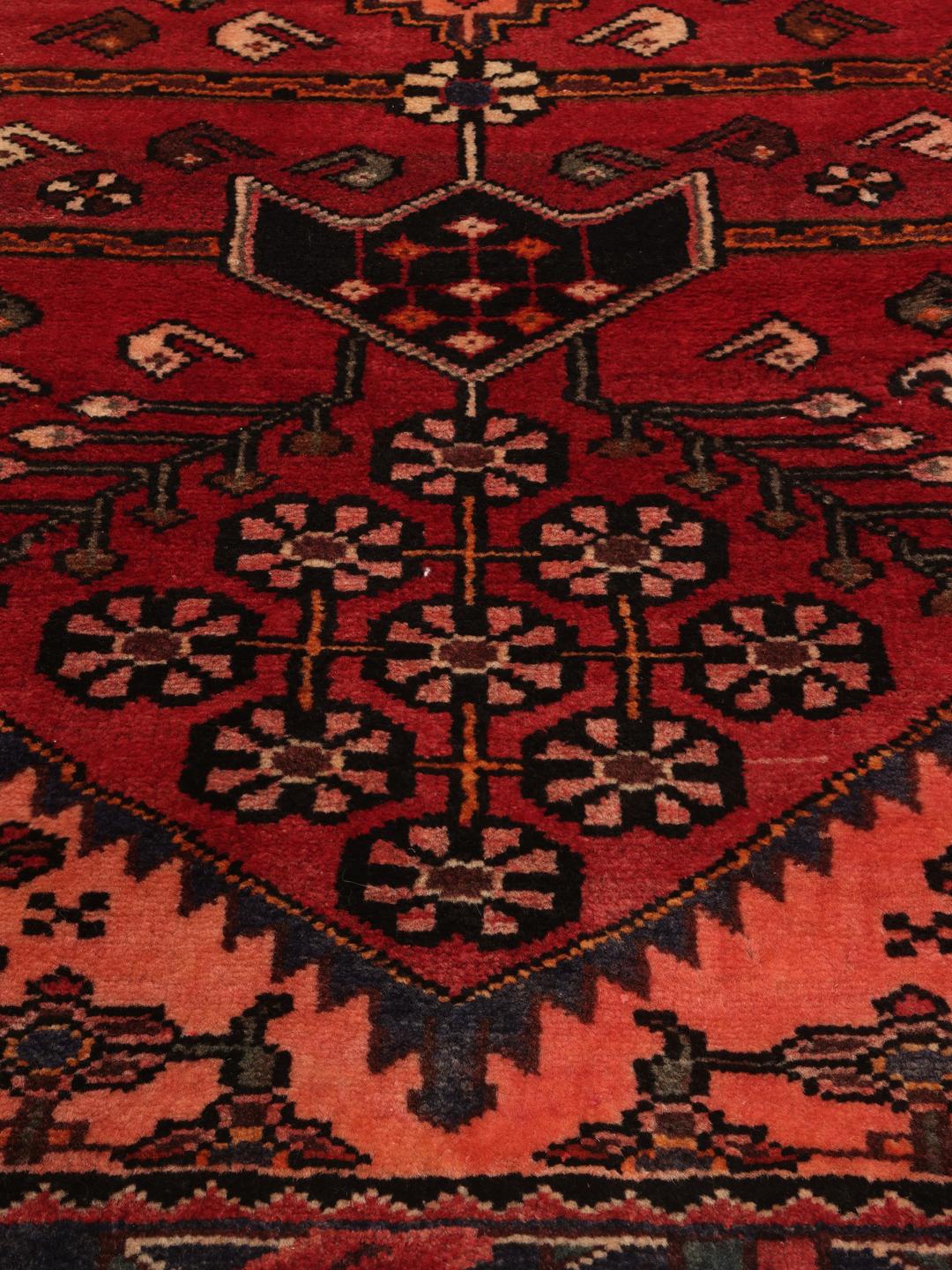
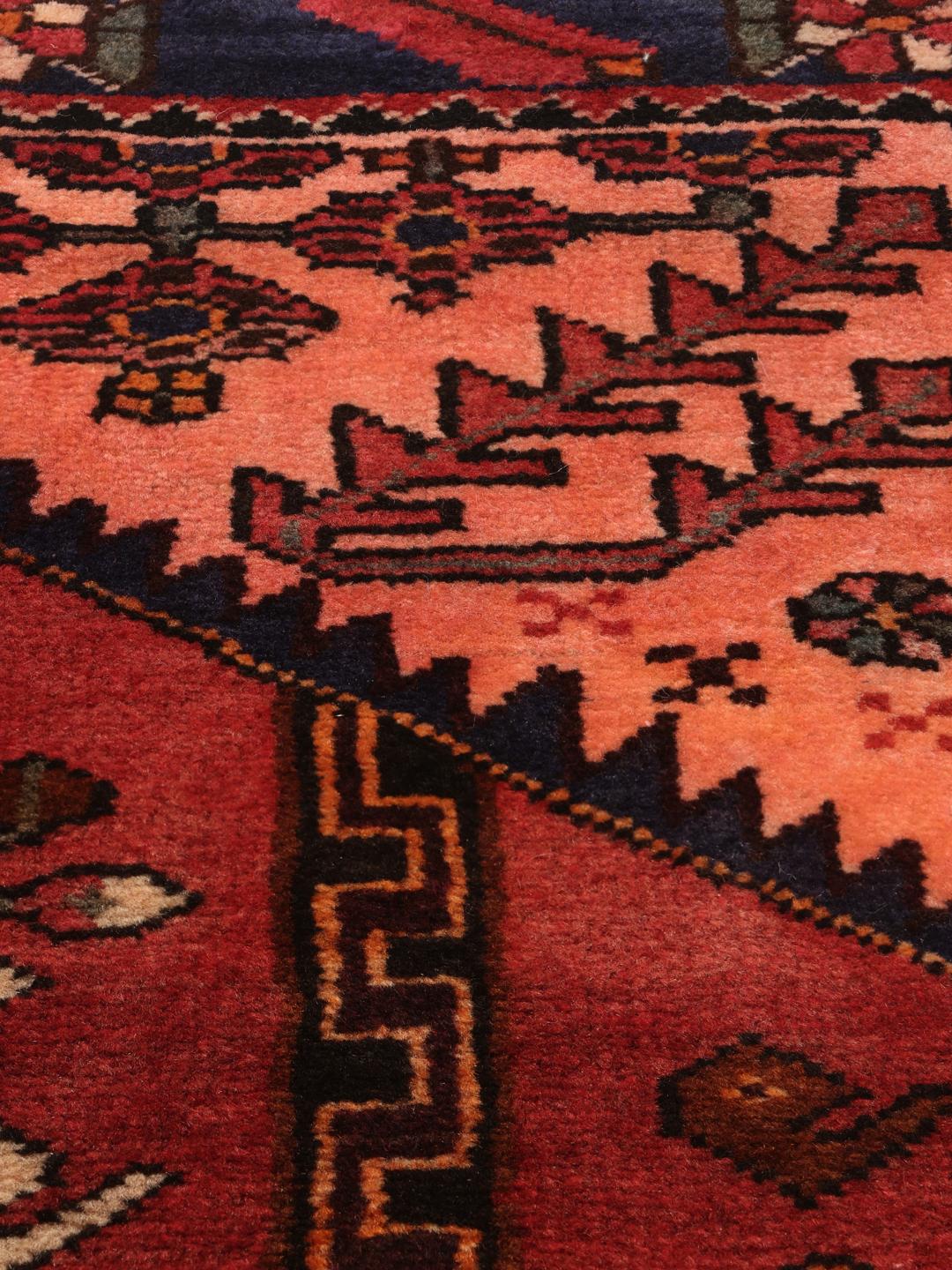
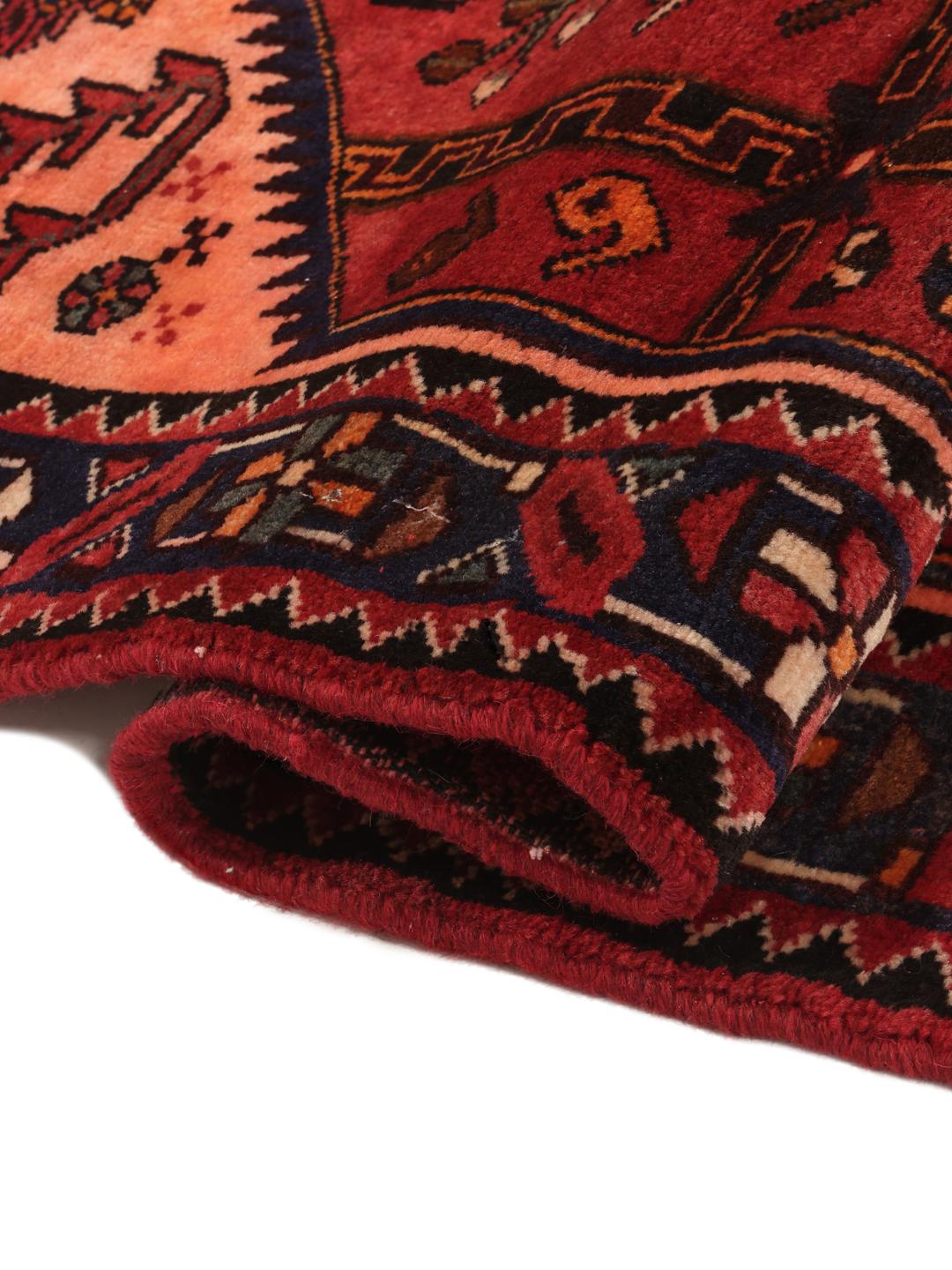
Visually, Hamadan rugs are celebrated for their bold use of colour and distinct medallion-based layouts. The field is often filled with stylised floral motifs, boteh designs, or geometric shapes, all framed by intricate, multi-layered borders. The colour palettes are frequently dominated by deep, earthy tones that ground the more elaborate decorative elements.
Owning a Hamadan is about more than just decoration, it is an appreciation of a living heritage. These rugs are highly valued by collectors for their authenticity and the human skill they represent, serving as a bridge between ancient regional artistry and the modern home.