Hamadan rugs hail from one of the oldest cities in the Middle East, a region known for its vibrant and diverse weaving culture. Located in the western part of the region, Hamadan has long served as a central hub for the collection and distribution of rugs from surrounding villages and tribal groups. This has resulted in a fascinating variety of designs, where local traditions converge to create a distinct and recognisable aesthetic.
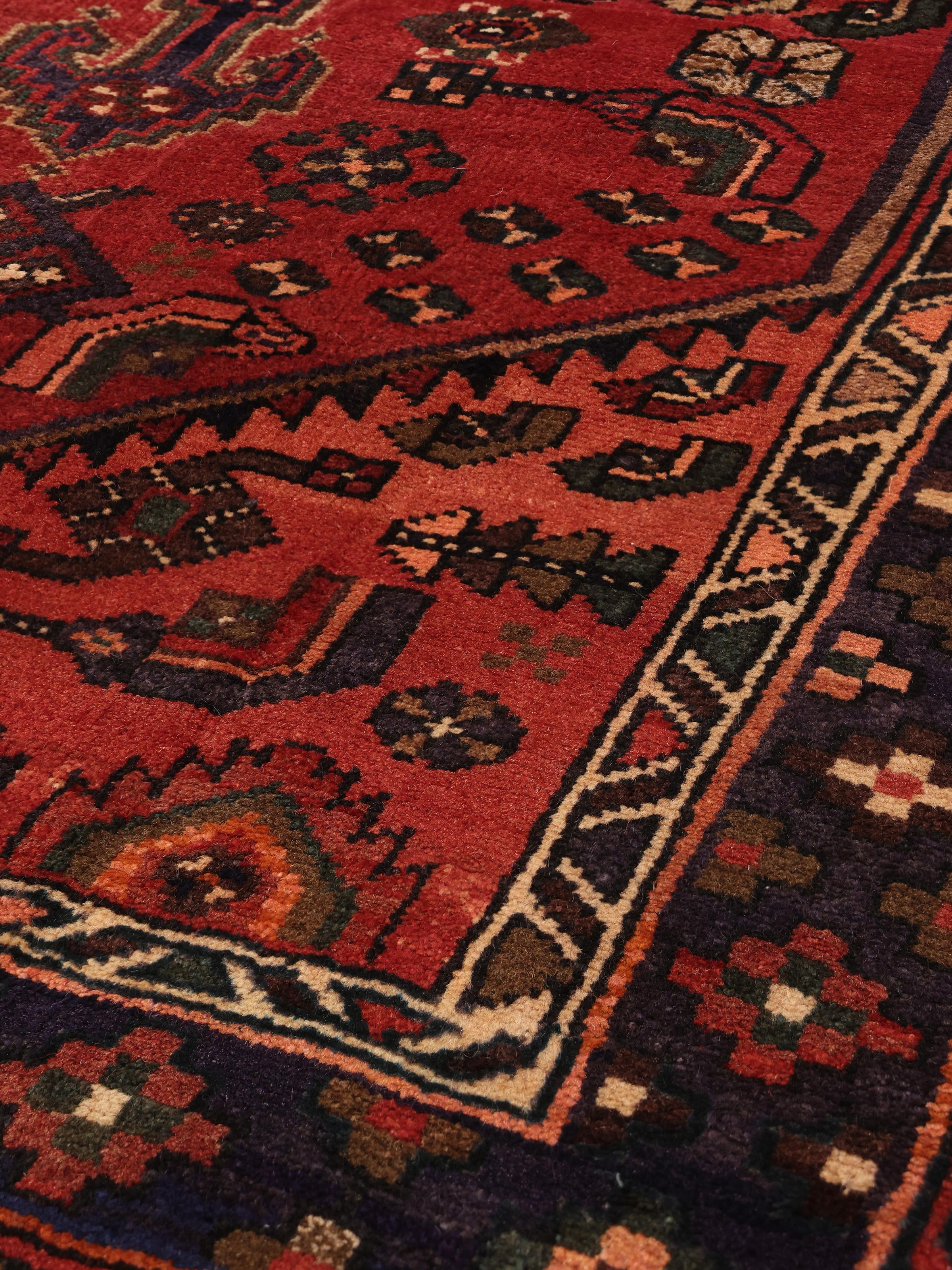
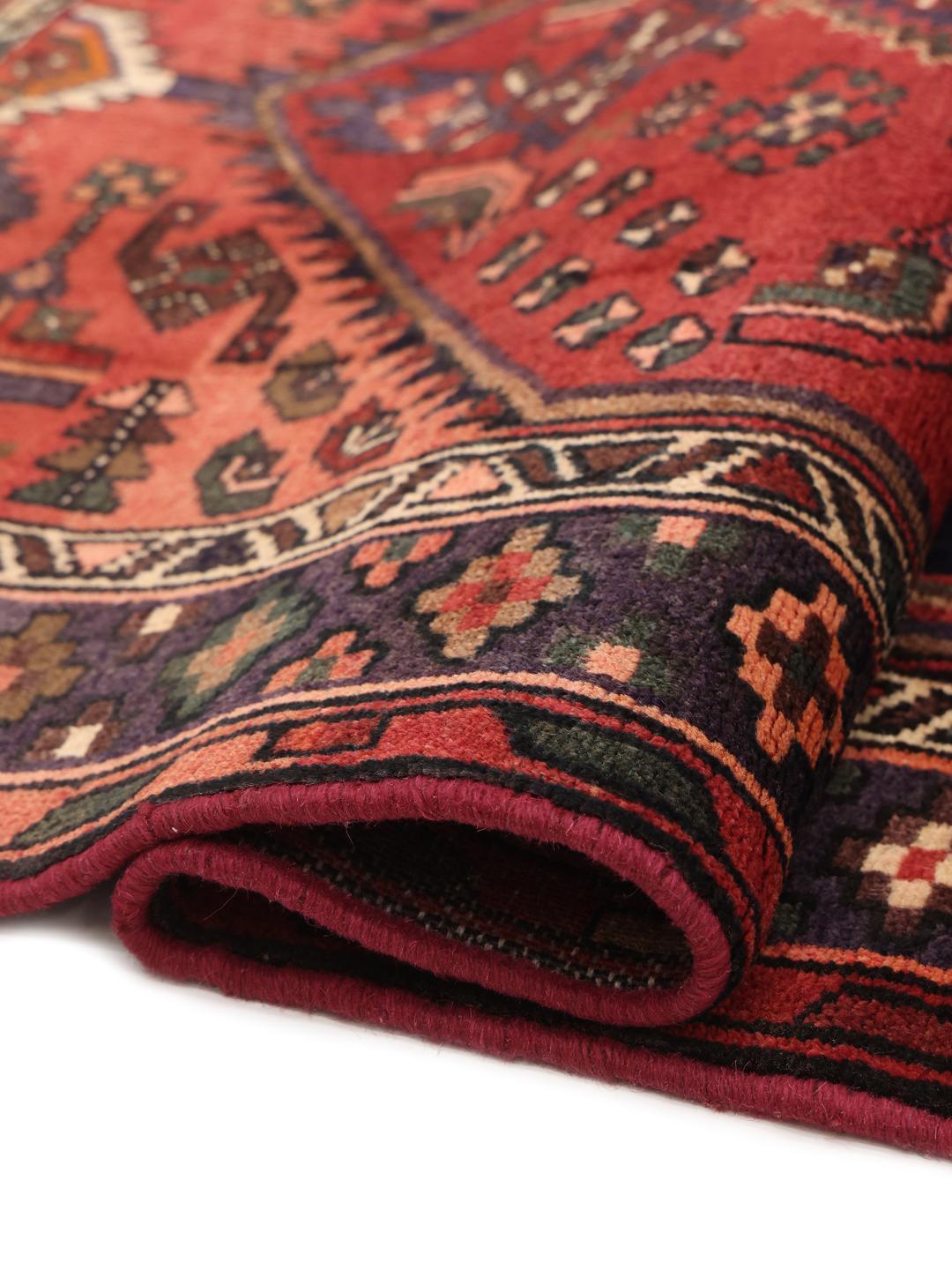
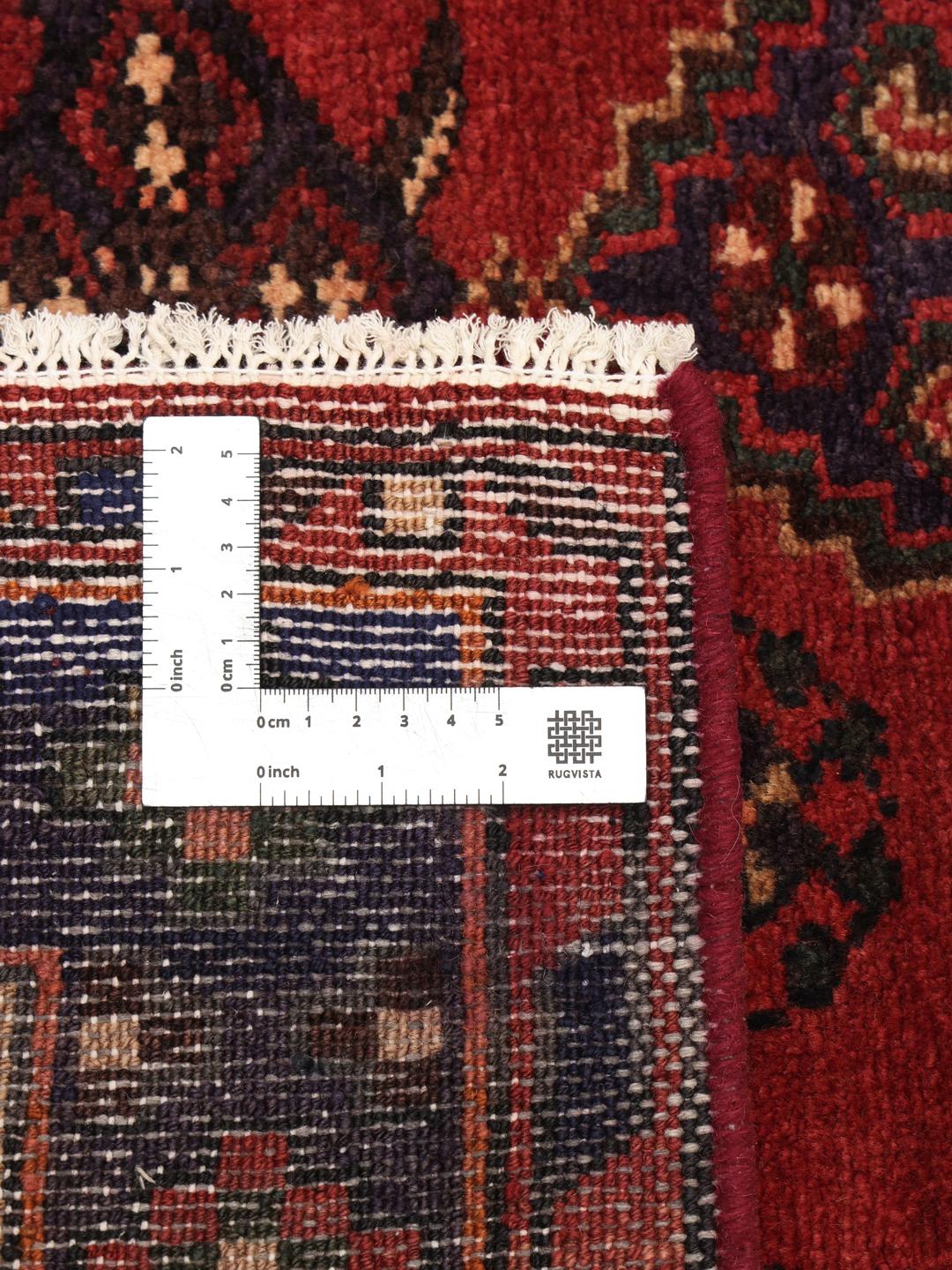
The term Hamadan refers to a wide array of styles, but the common thread is a commitment to robust construction and wool of high quality. These rugs are typically known for their durability, often featuring a foundation that provides a firm, reliable structure. This technical foundation is what allows the rugs to be used in high-traffic areas of the home, as the sturdy nature of the work ensures they can endure for generations.
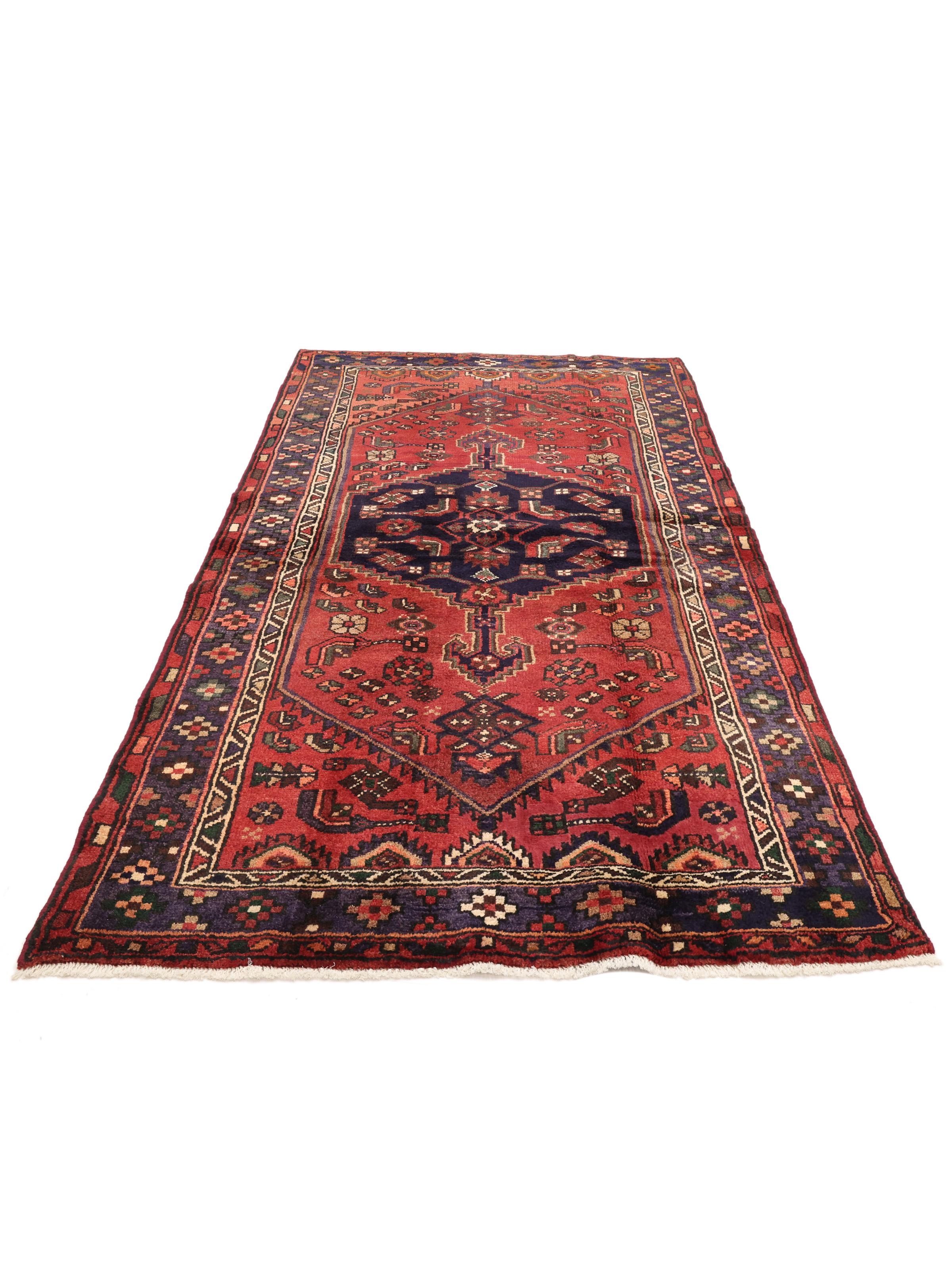
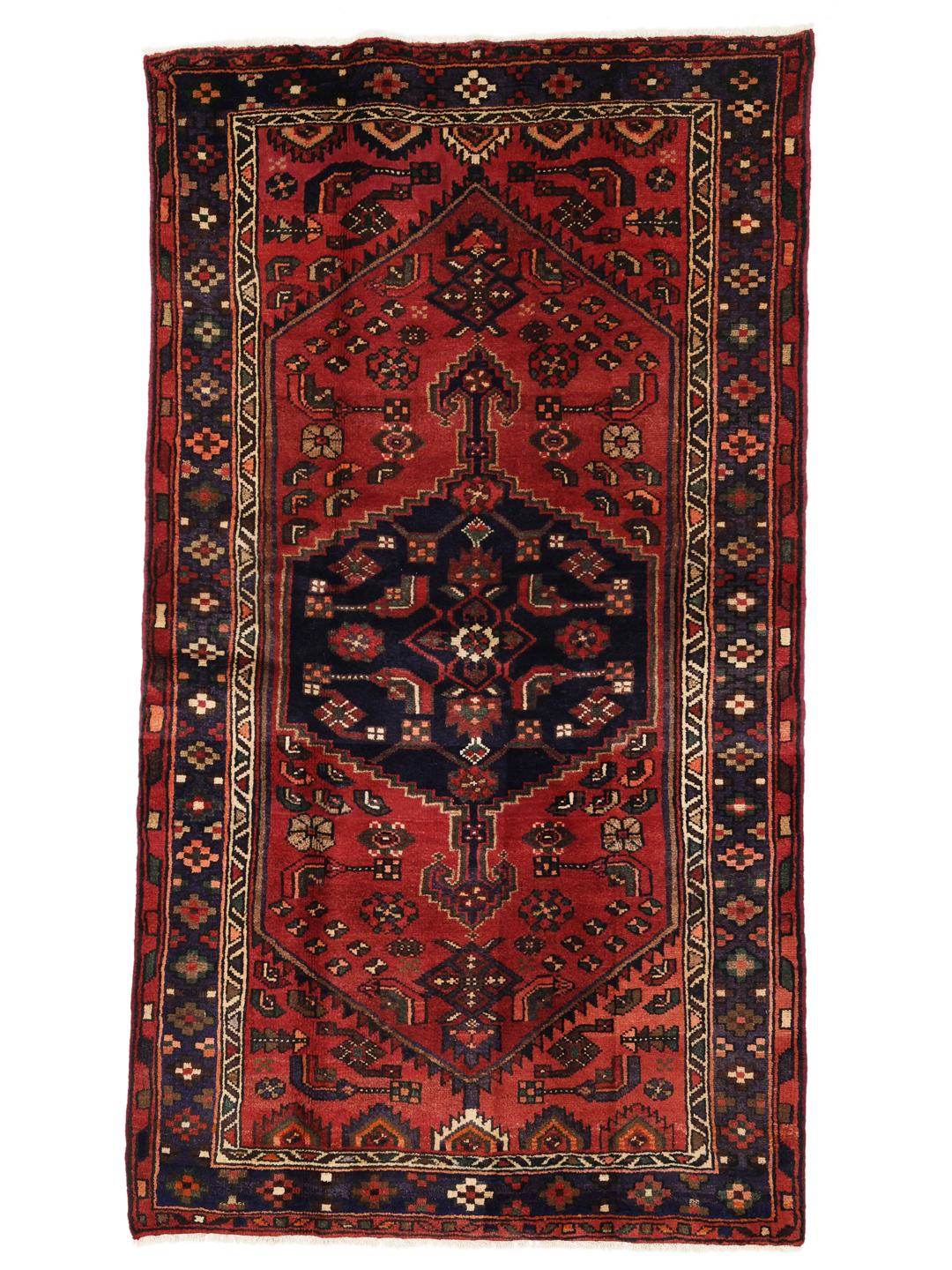
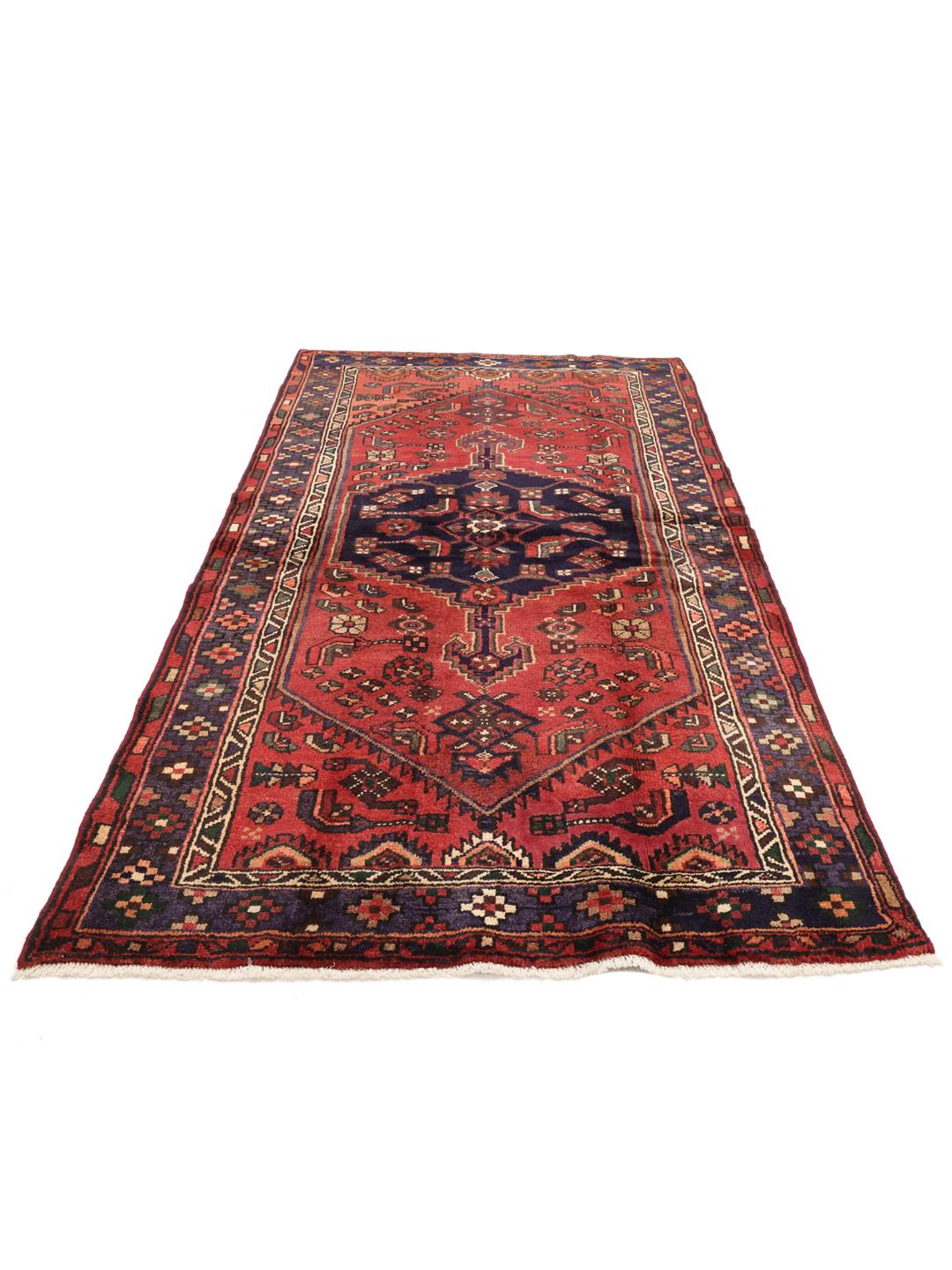
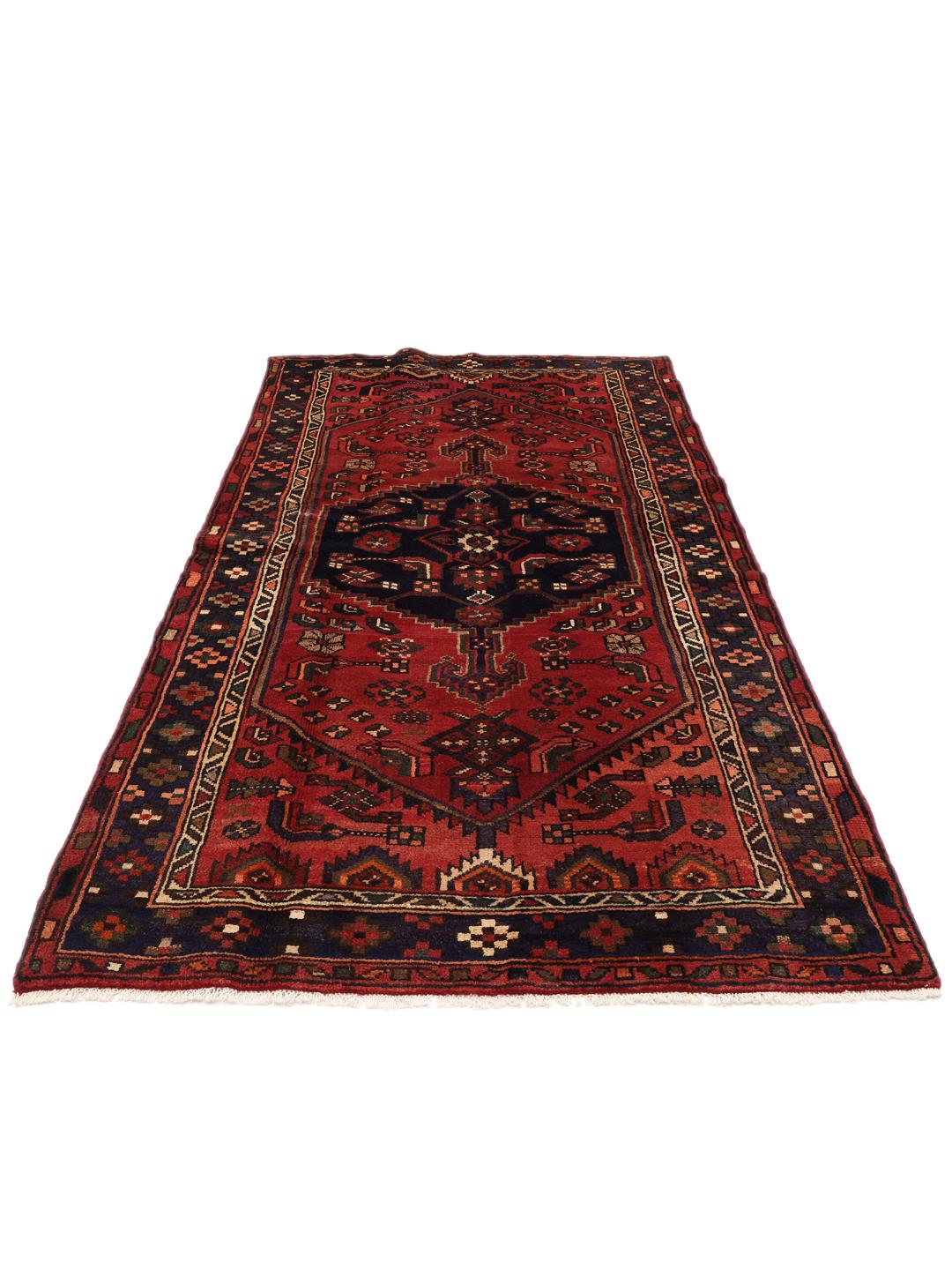
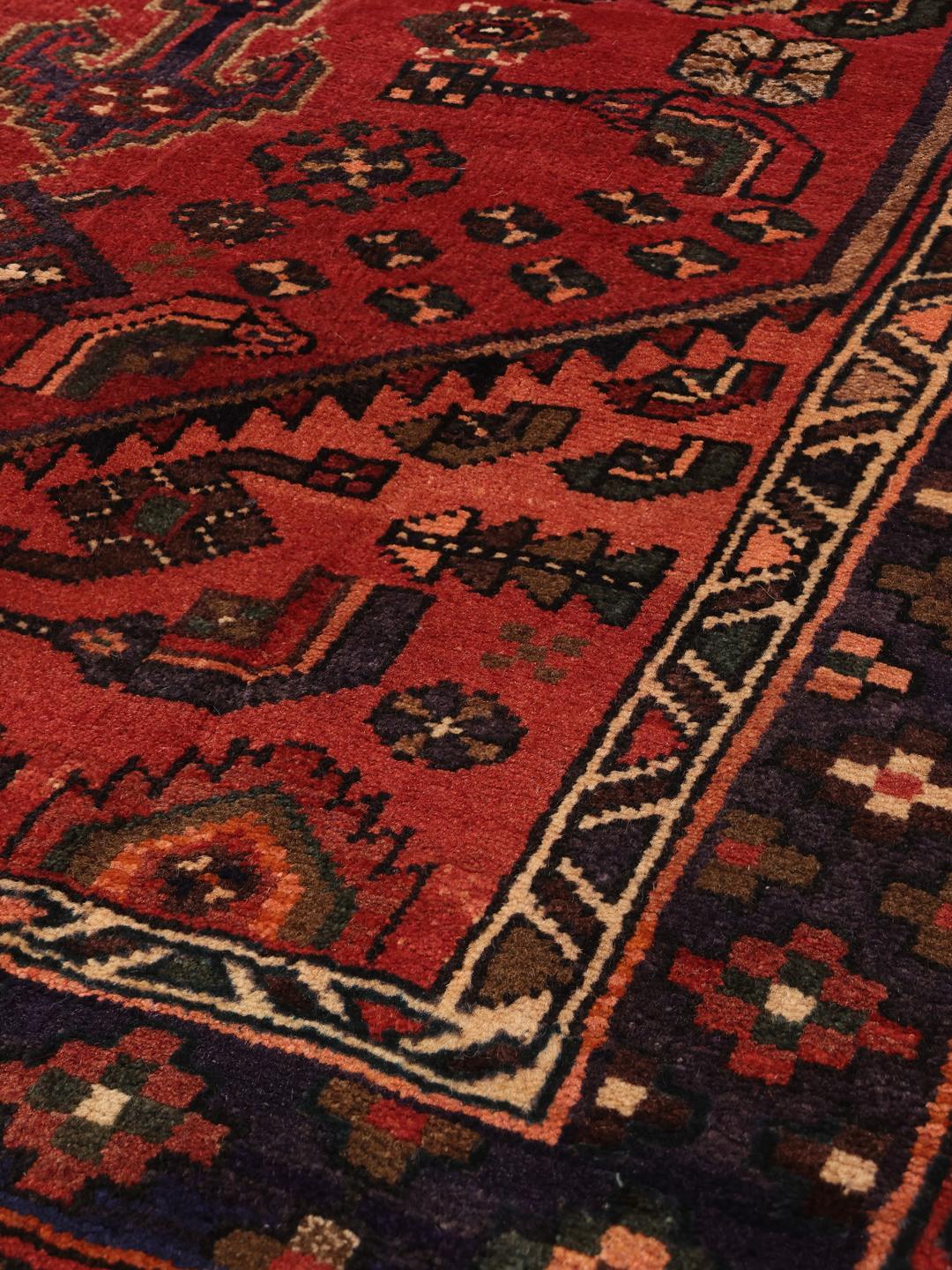
Visually, these rugs are celebrated for their geometric motifs, often featuring a central medallion surrounded by intricate, stylized floral patterns or tribal symbols. The borders are usually well-defined, framing the central field with repeating patterns that draw the eye inward. The colour palettes are traditionally rich, often utilising deep reds and blues derived from natural sources, which give the rugs their warm and inviting character.
Owning a piece from this tradition is an opportunity to connect with a history that spans centuries of artistic evolution. These rugs are not merely floor coverings but are considered essential elements of a home, valued for their ability to bring warmth, colour, and a sense of history into a space. They are highly sought after by collectors and homeowners alike, who appreciate the blend of rustic charm and sophisticated skill that defines this legendary weaving region.