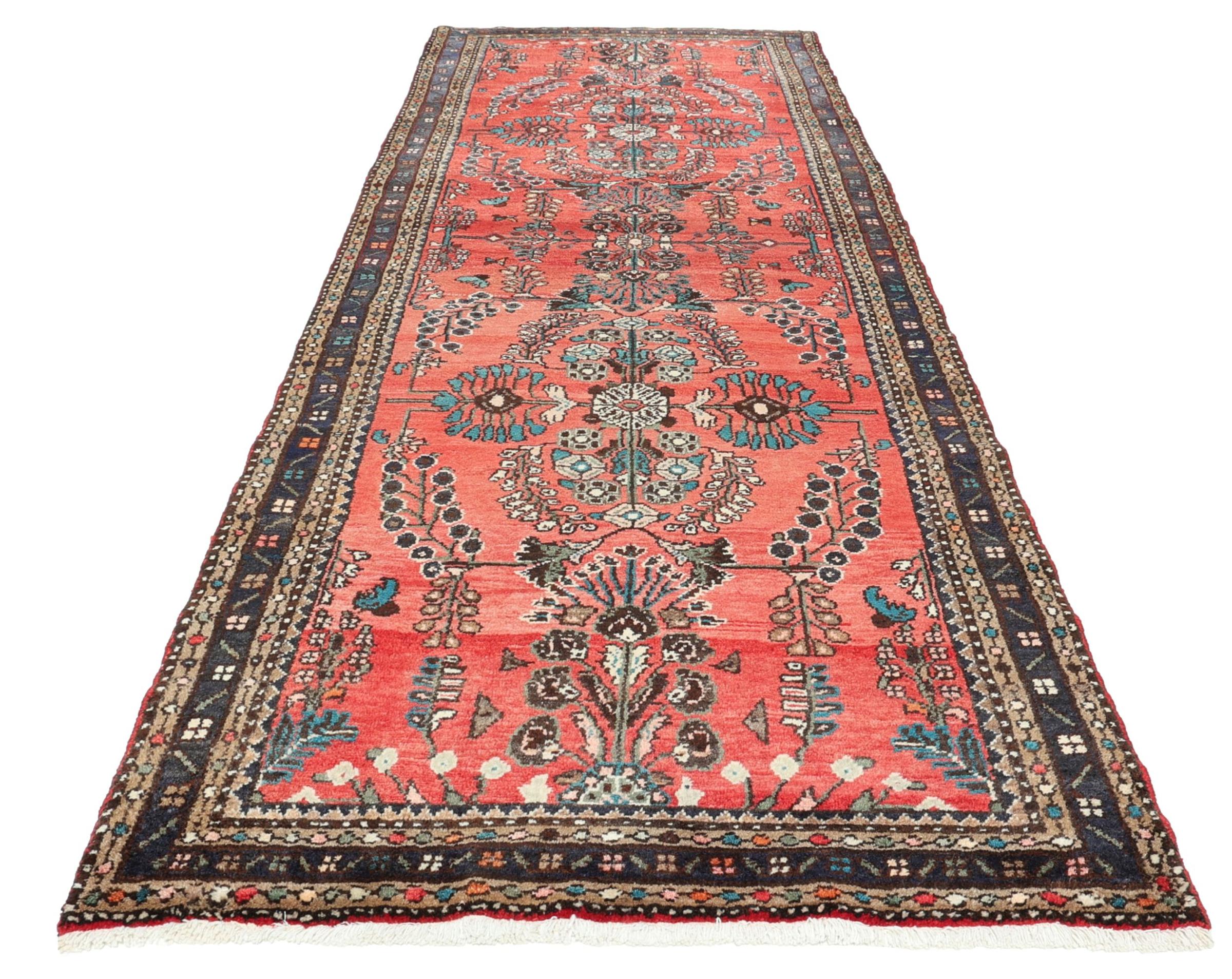
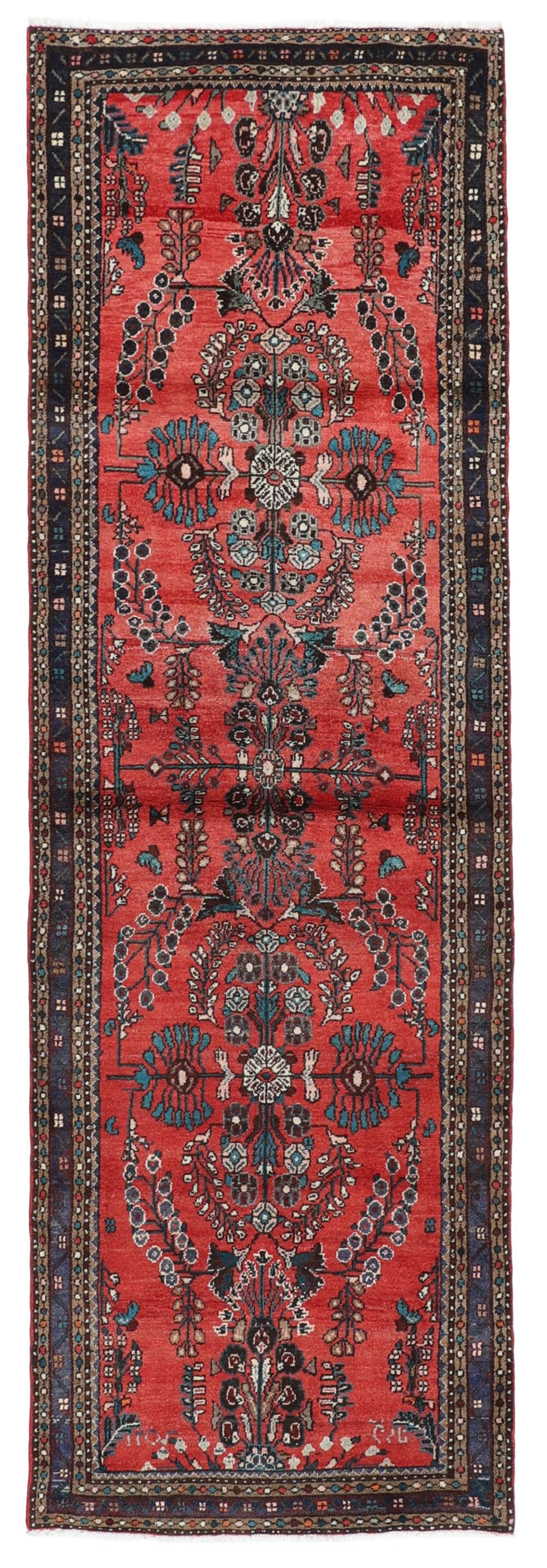
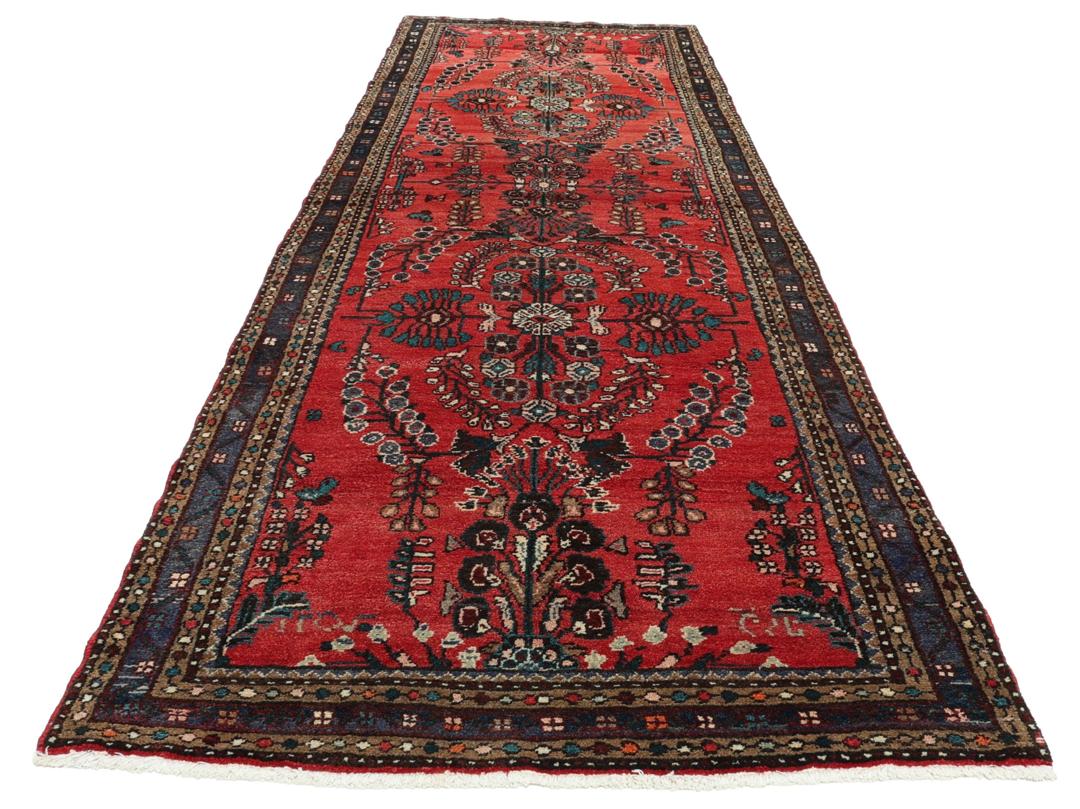
Hamadan rugs originate from the Middle Eastern city of the same name, one of the oldest in the world. Located in a region with a long-standing tradition of rug weaving, these pieces are deeply influenced by the nomadic and village cultures of the surrounding highlands. The weaving heritage here has evolved over centuries, blending local motifs with the broader artistic currents of the region.
The term Hamadan refers not to a single style, but to a diverse category of rugs produced in hundreds of villages across the province. These rugs are highly regarded for their practical construction and the use of locally sourced materials. The techniques employed by the weavers have been passed down through generations, emphasising a robust structure that makes these rugs highly prized for their longevity.
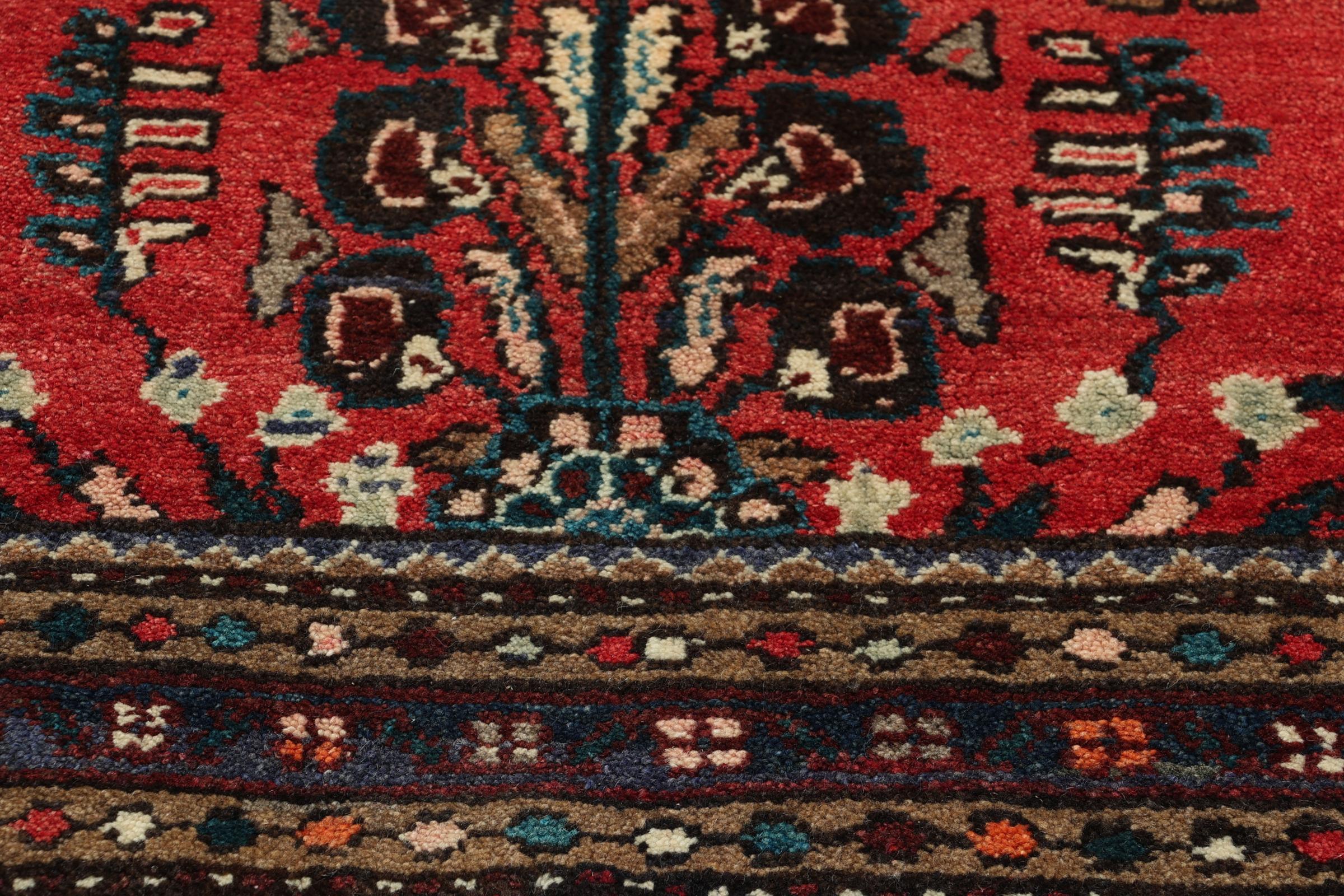
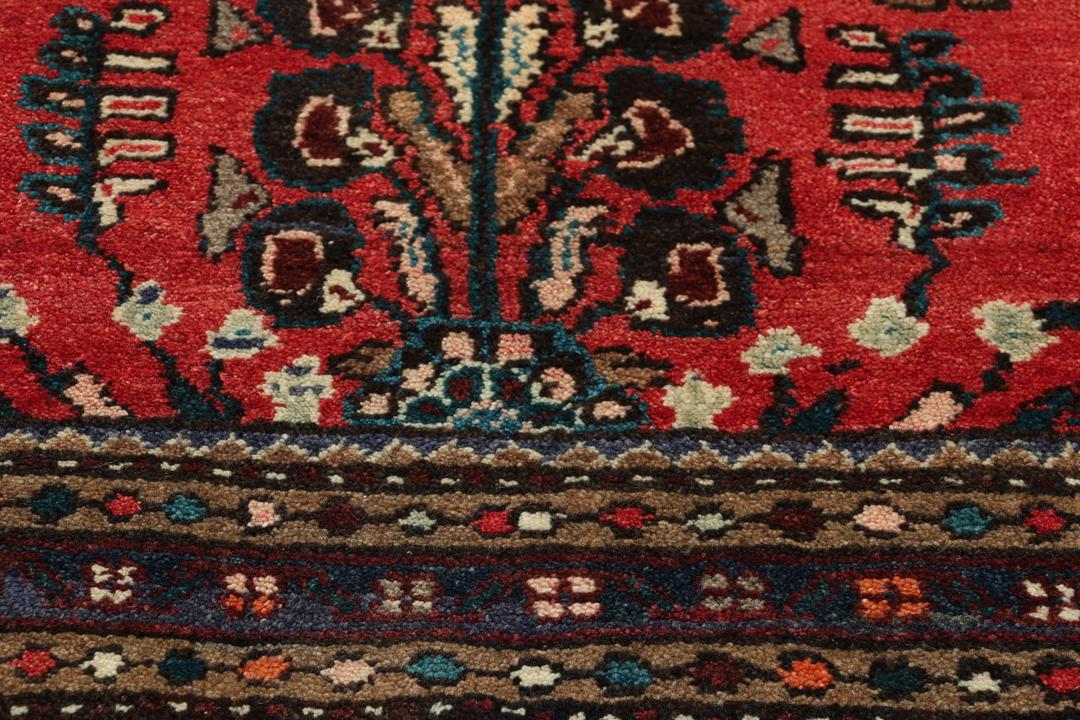
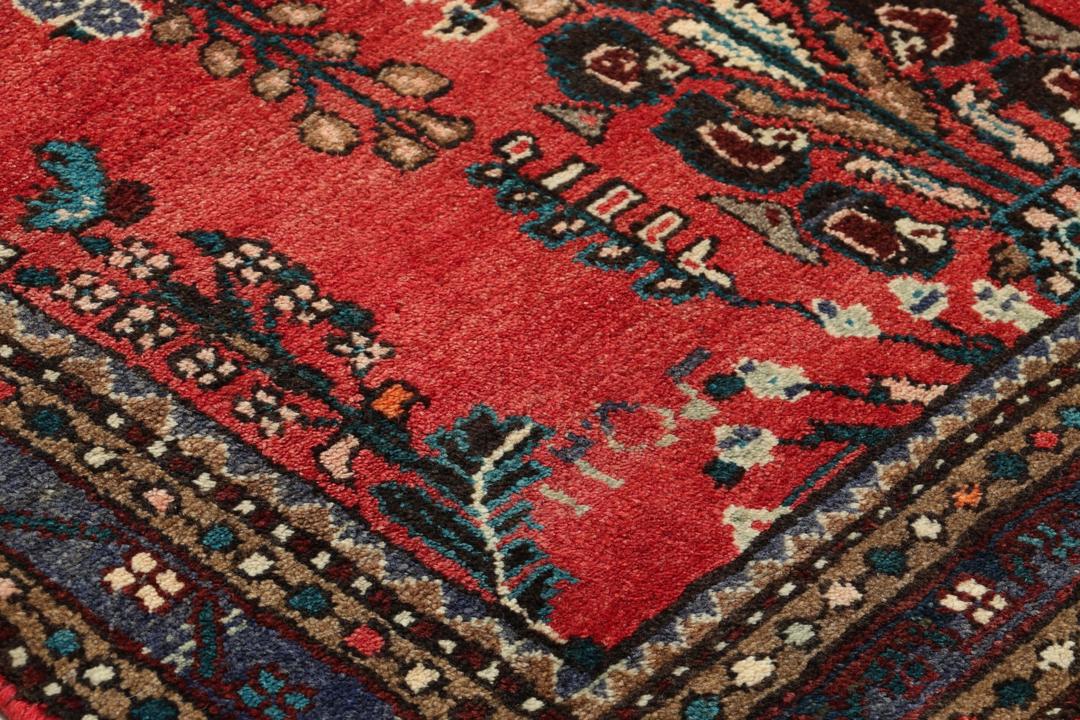
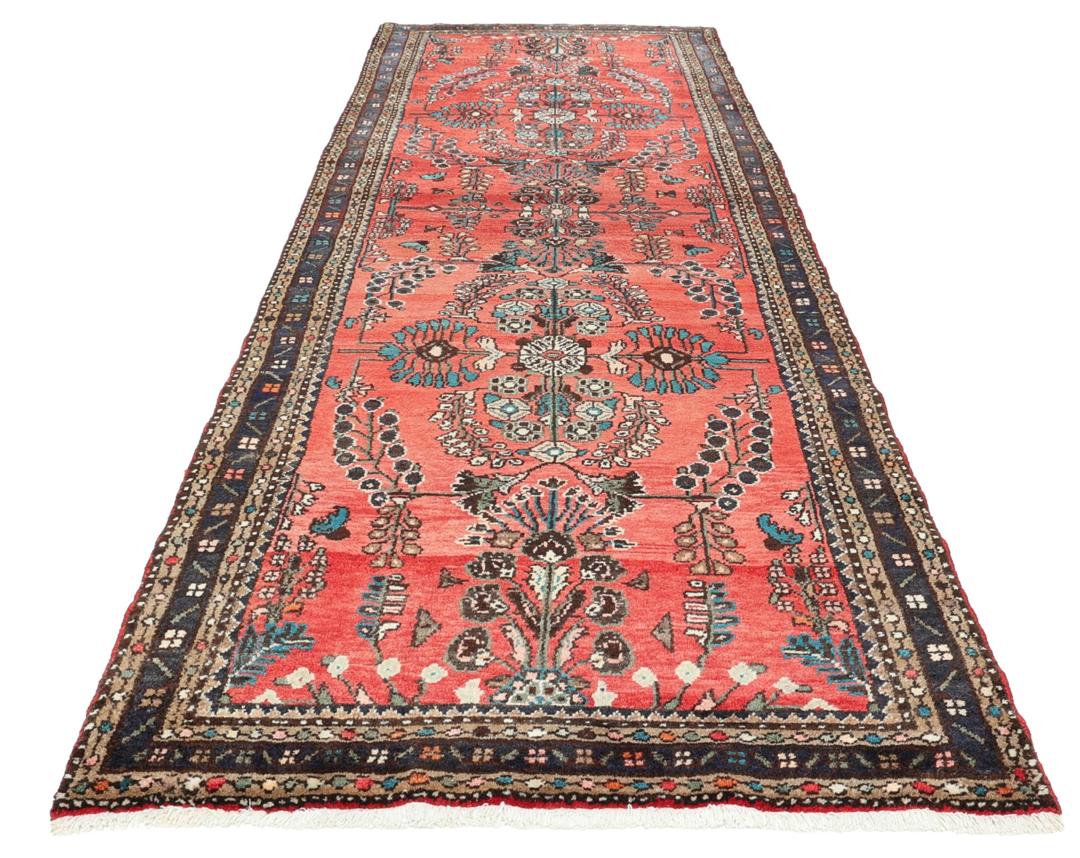
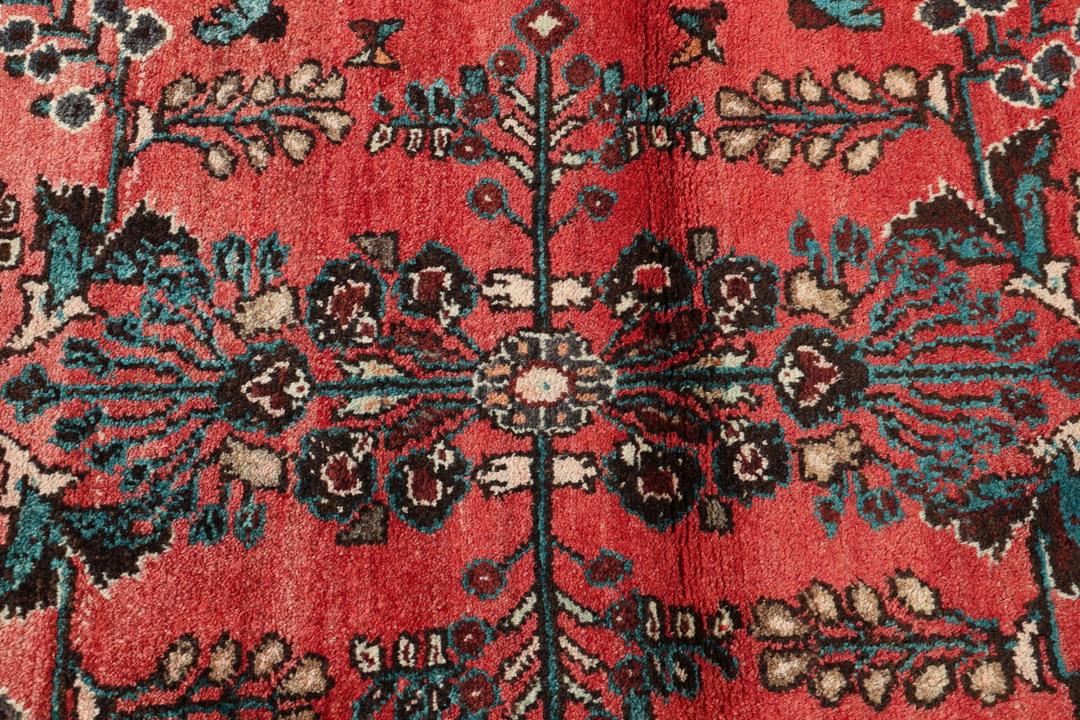
Visually, these rugs are often defined by their bold, geometric interpretations of floral patterns. While many feature a central medallion, the field is frequently filled with repeating motifs such as the Herati design or stylized vines, enclosed by a formal, multi-layered border. The colour palettes are traditionally earthy and rich, with deep reds and blues serving as the foundation for the complex, intricate designs.
Collecting a piece from this tradition is an investment in human skill and cultural continuity. These rugs are valued by enthusiasts for their honesty, their unique character, and the way they bridge the gap between functional utility and artistic expression. Owning a Hamadan runner is an opportunity to connect with a storied past and enjoy the enduring quality that only centuries of craft knowledge can provide.