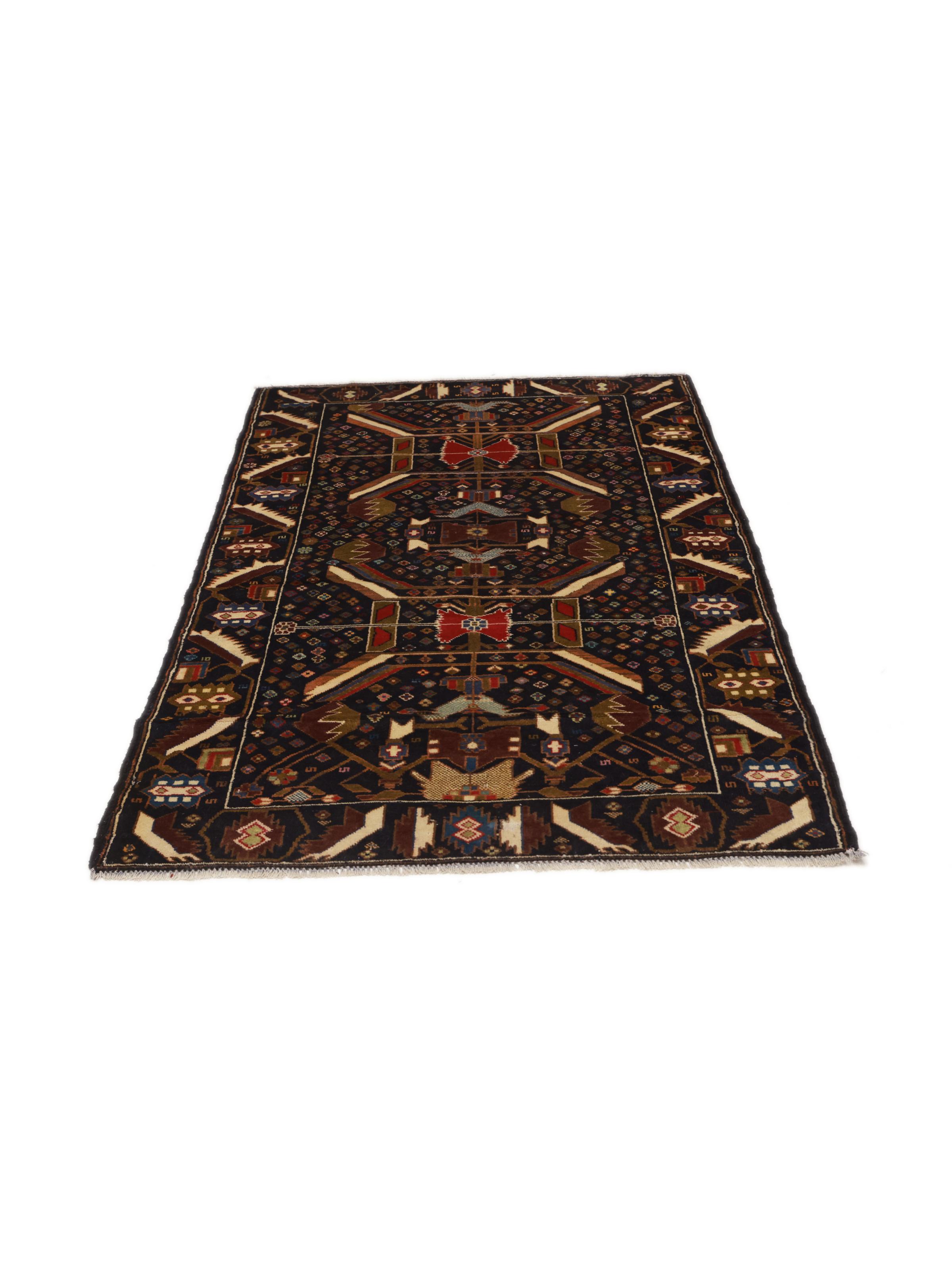
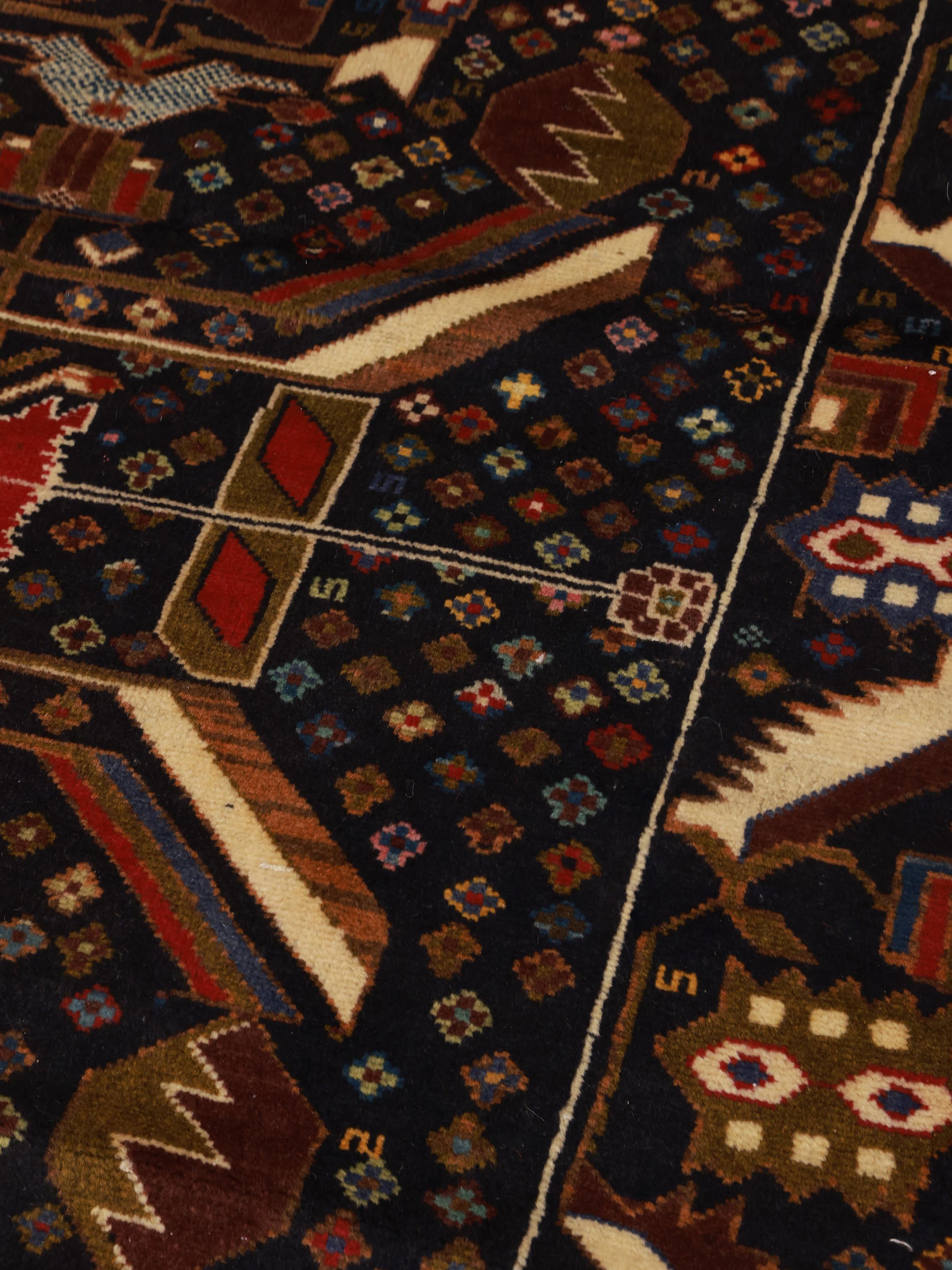
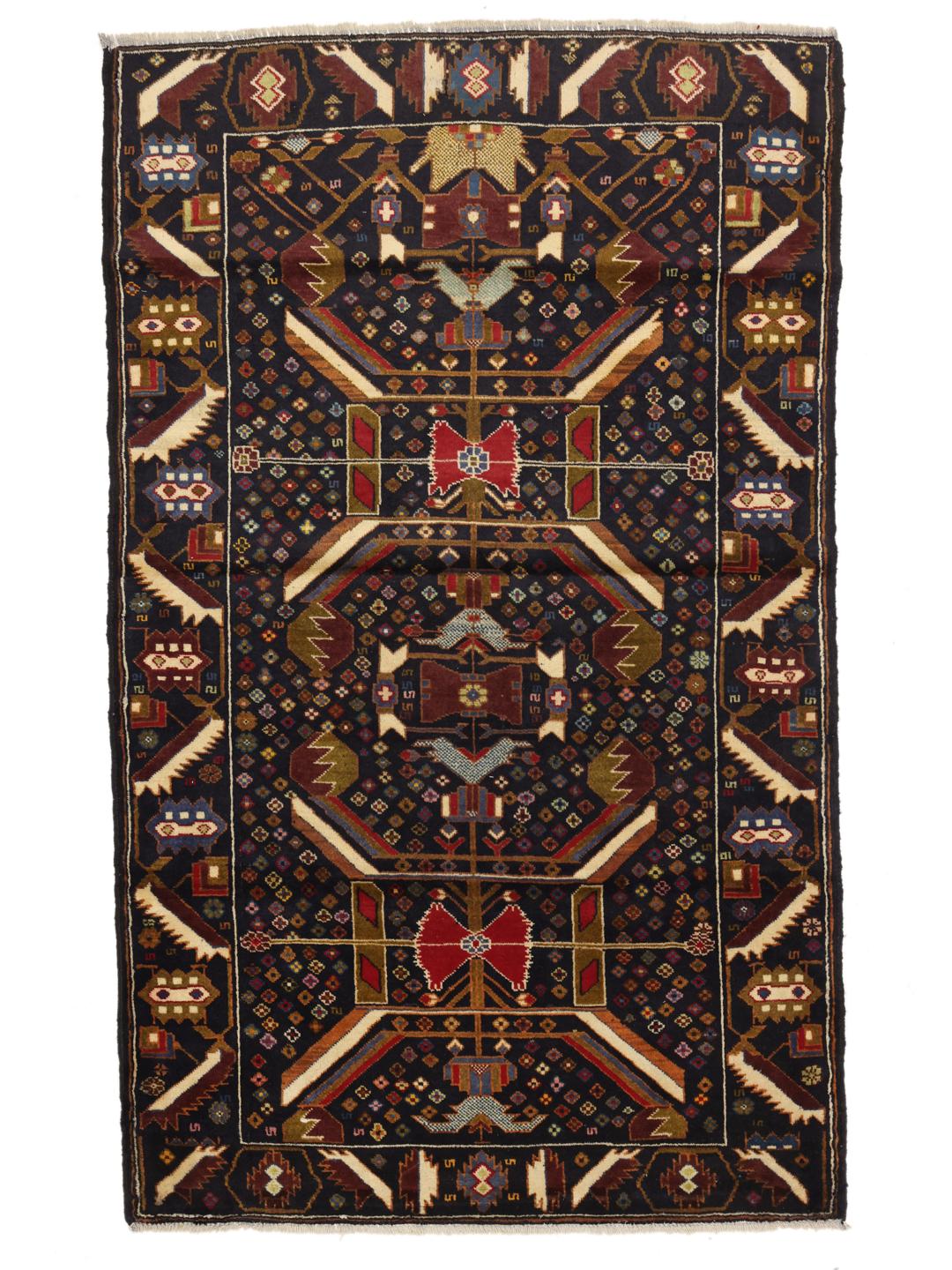
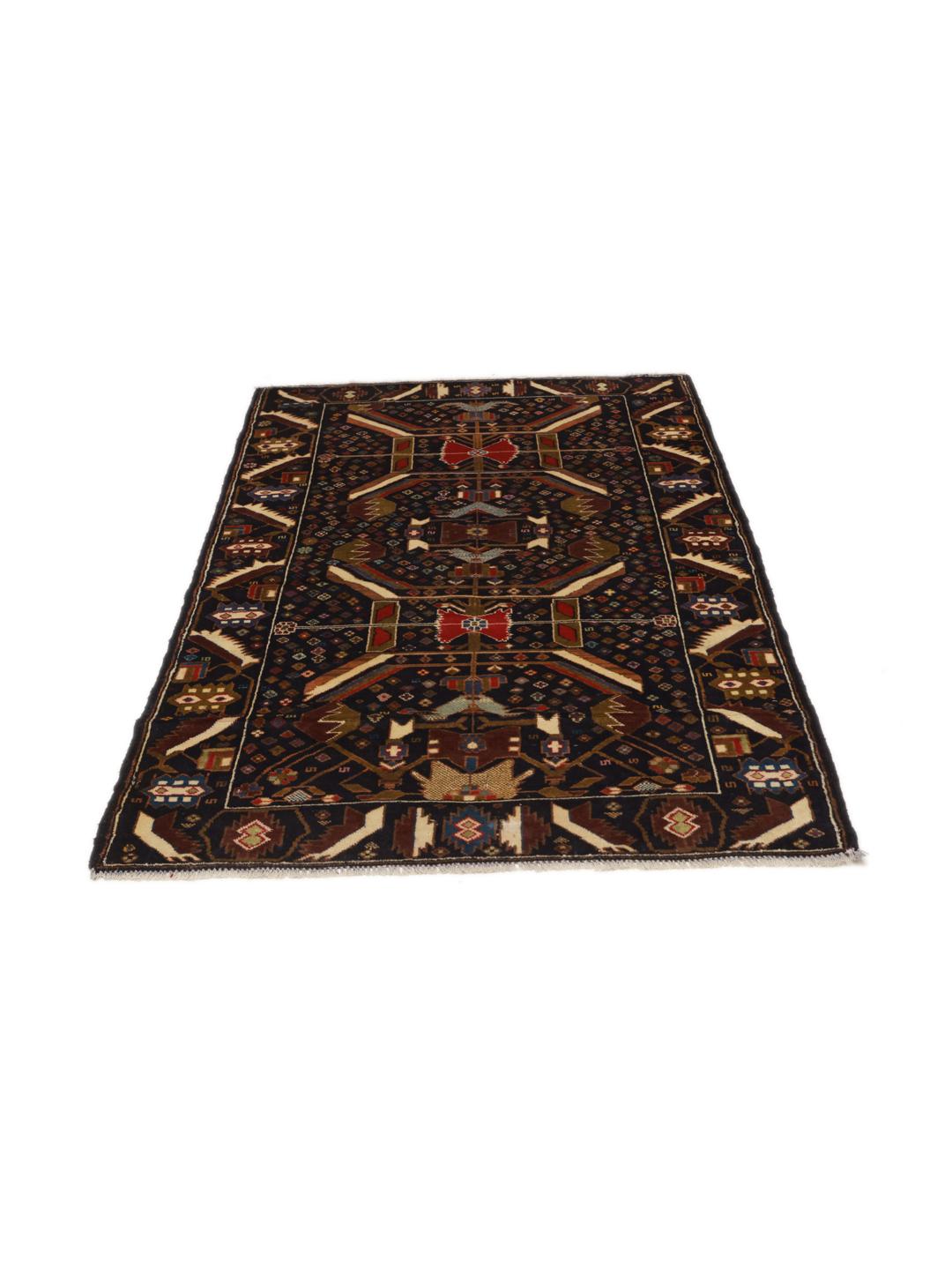
Hamadan rugs take their name from one of the oldest cities in the Middle East, a historic hub located on the ancient trade routes. The region has long been a centre for weaving, where diverse tribal traditions and village styles converge to create a distinct aesthetic that is both rustic and sophisticated.
The term Hamadan refers to a broad tradition of weaving rather than a single style, often characterised by the use of high-quality local wool. Historically, these rugs were produced in numerous small villages surrounding the city, each contributing unique variations in design, colour, and knotting techniques that define the regional character.
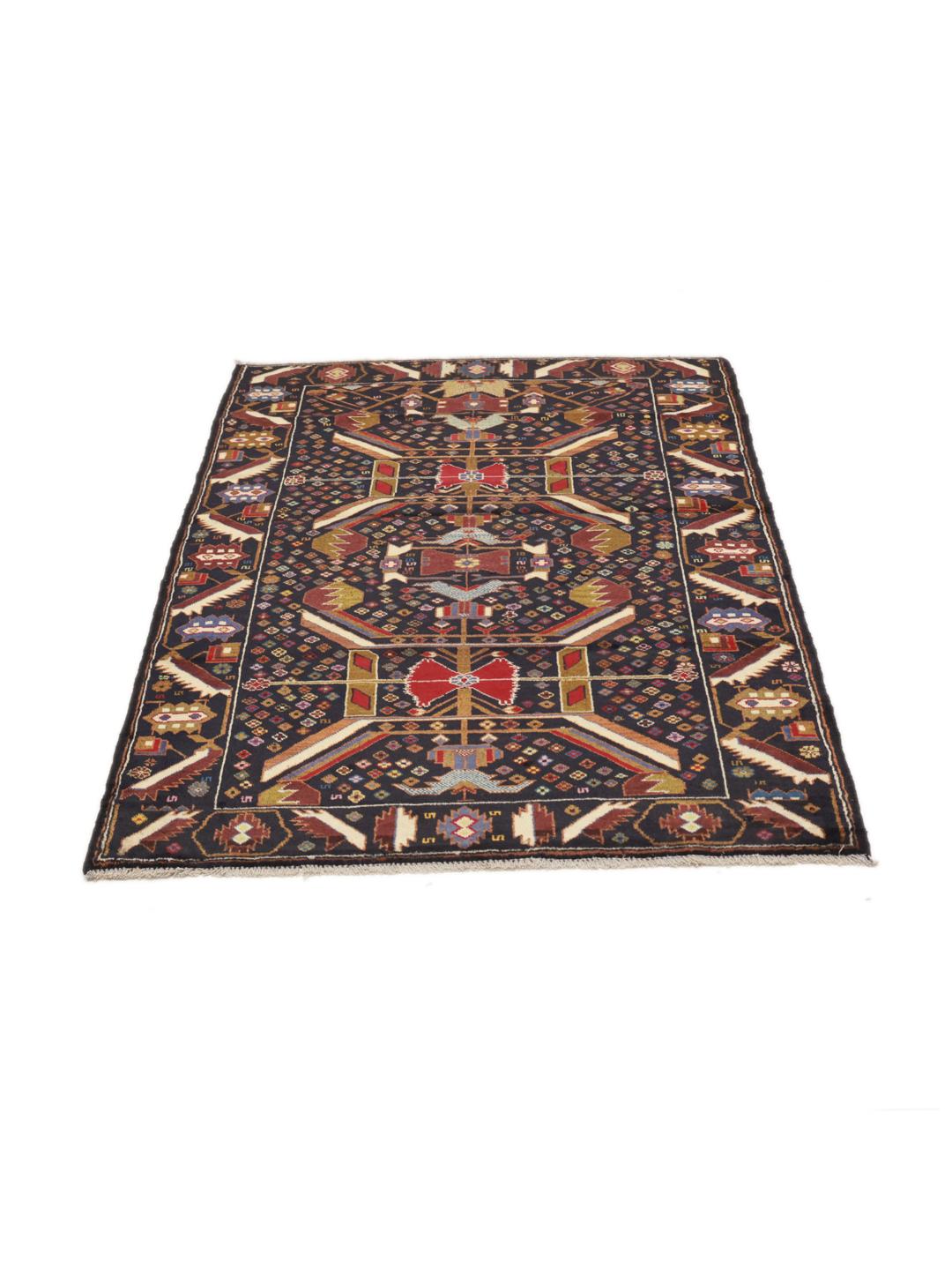
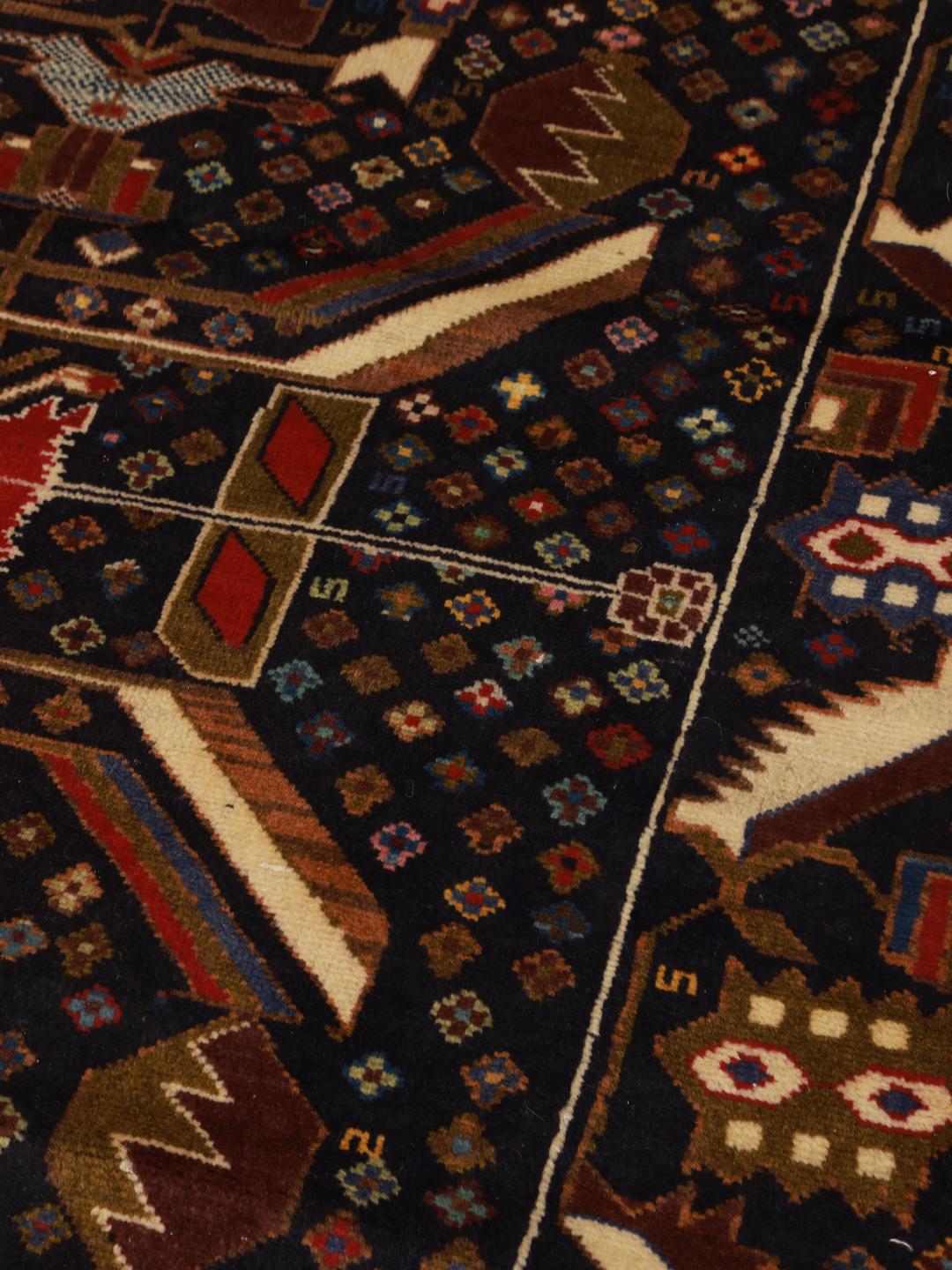
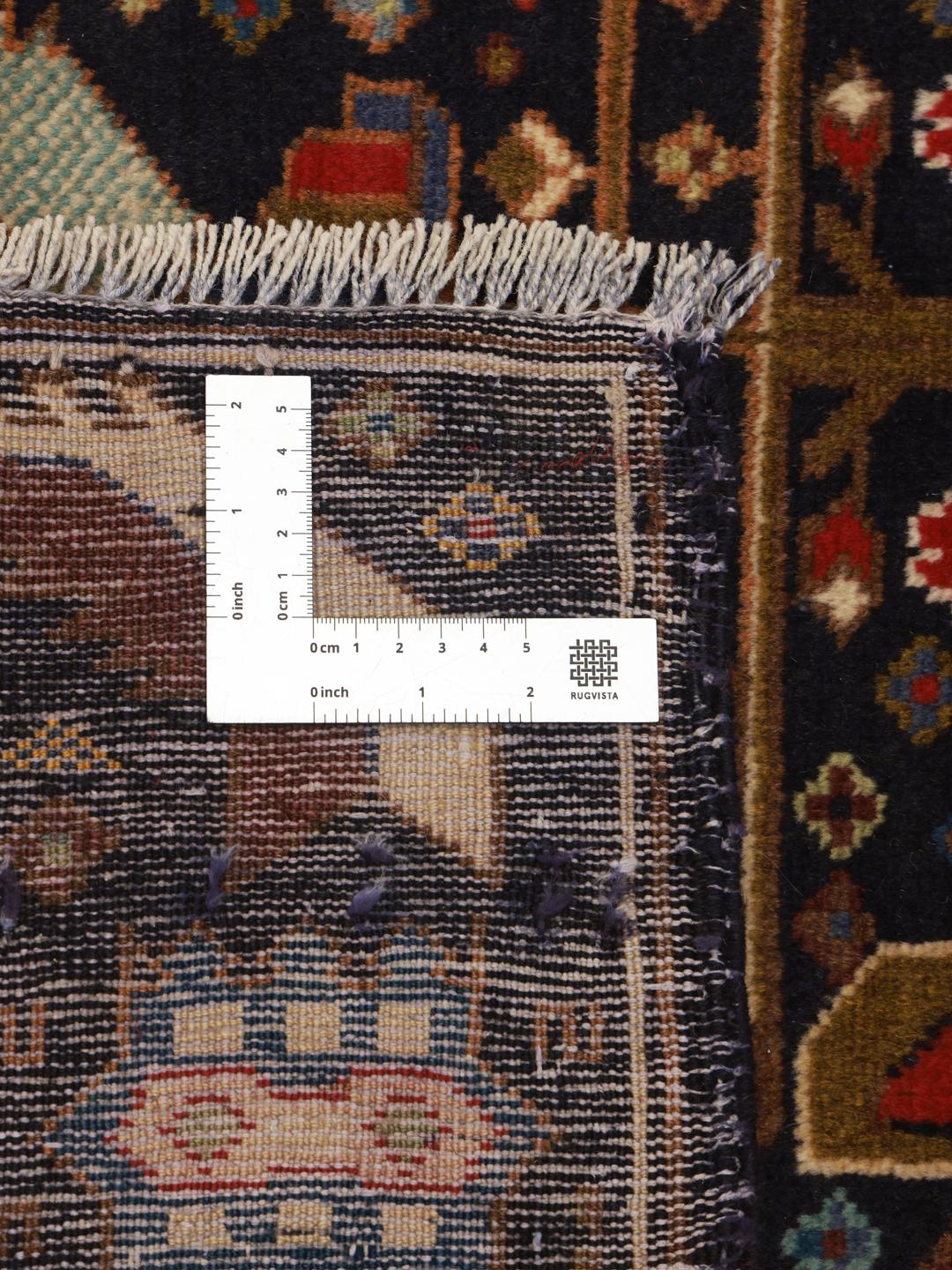
Visually, these rugs are known for their bold geometric patterns and striking use of colour. You will often see central medallions or repeating motifs that reflect the cultural identity of the weavers, framed by sturdy, decorative borders that pull the entire composition together into a balanced whole.
Collectors value Hamadan rugs for their authenticity and the human element present in every stitch. Owning one is an investment in cultural heritage, representing a bridge between centuries of craft evolution and the modern home, where they continue to serve as symbols of enduring quality and artistic skill.