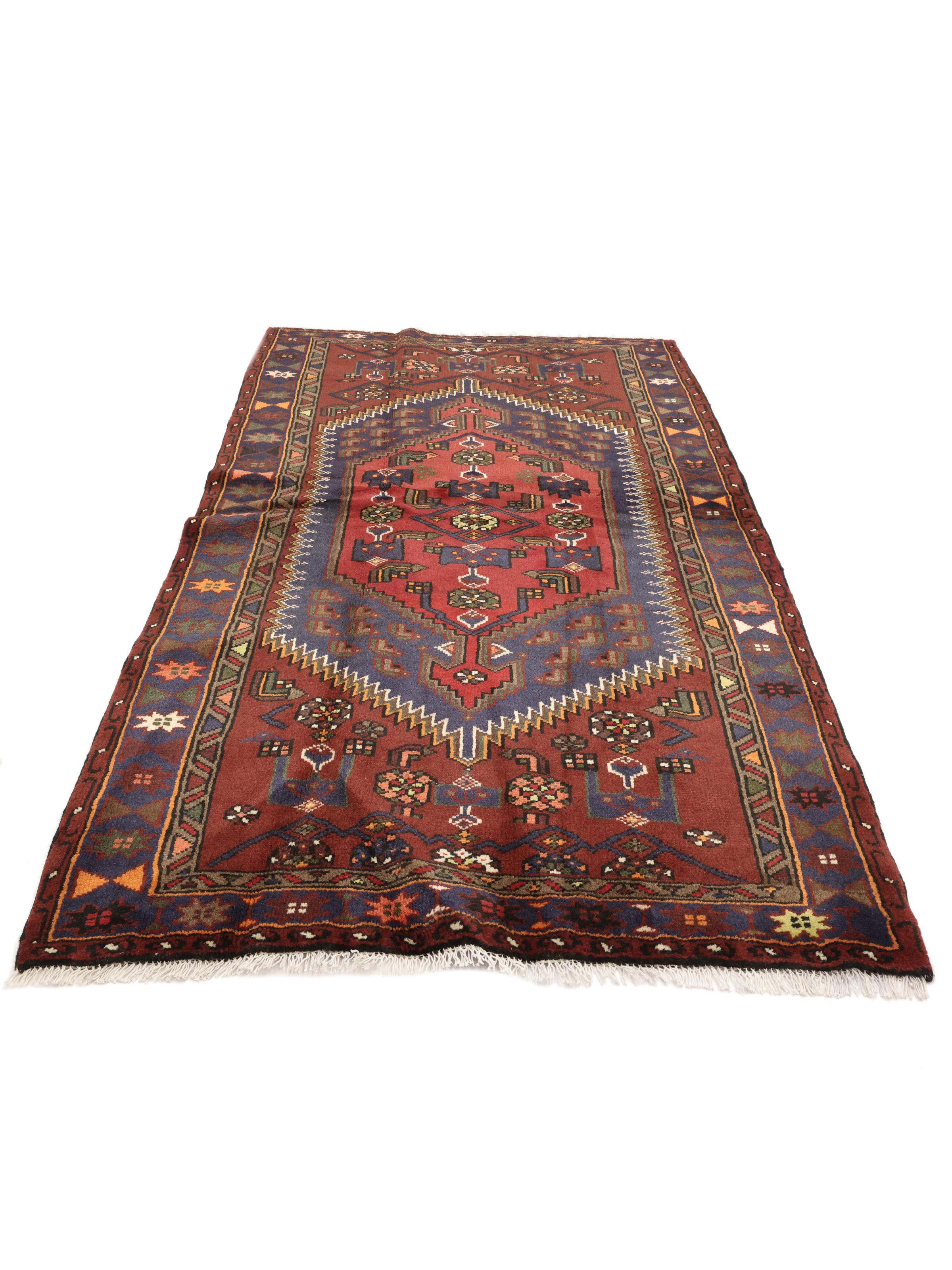
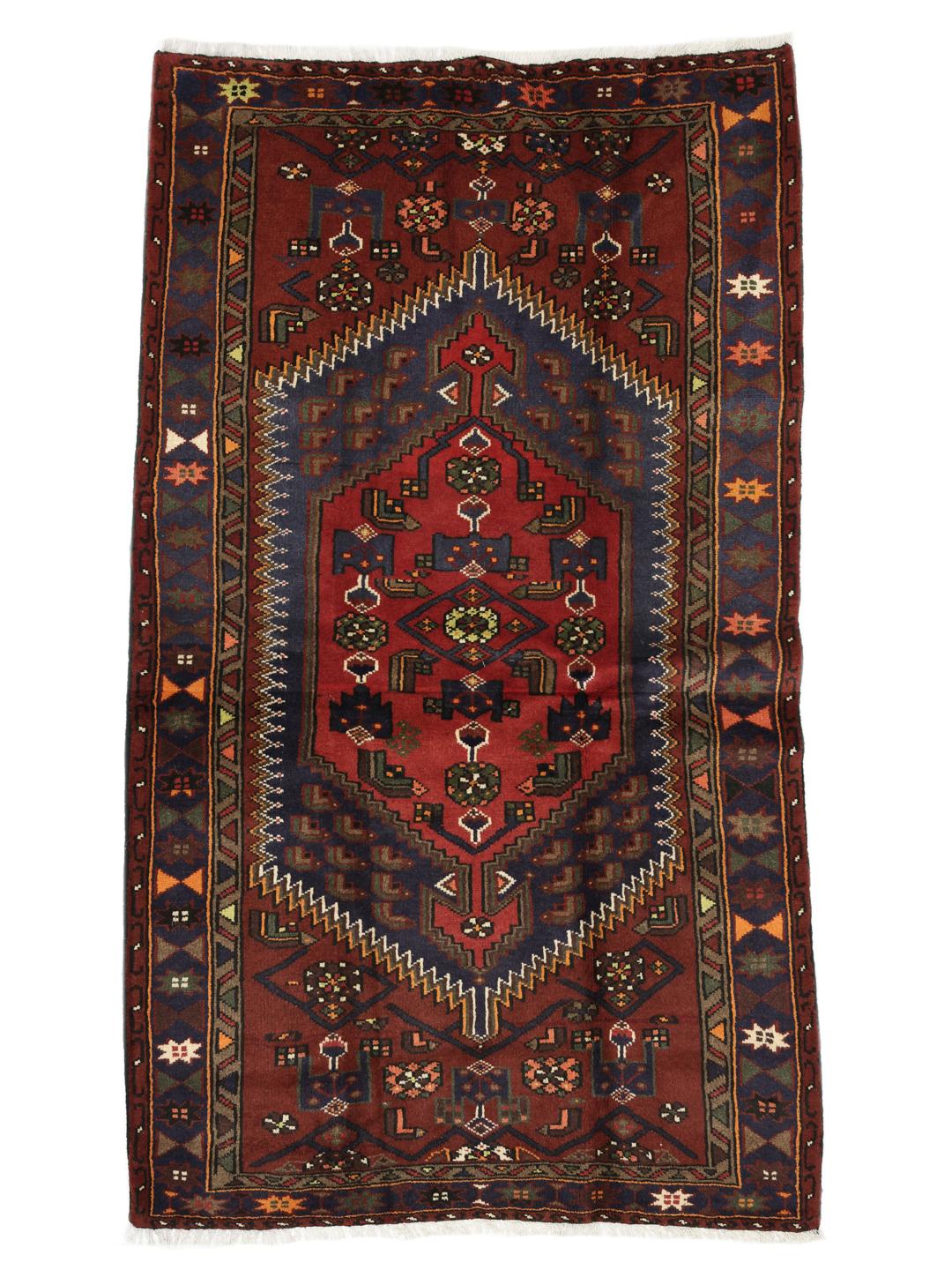
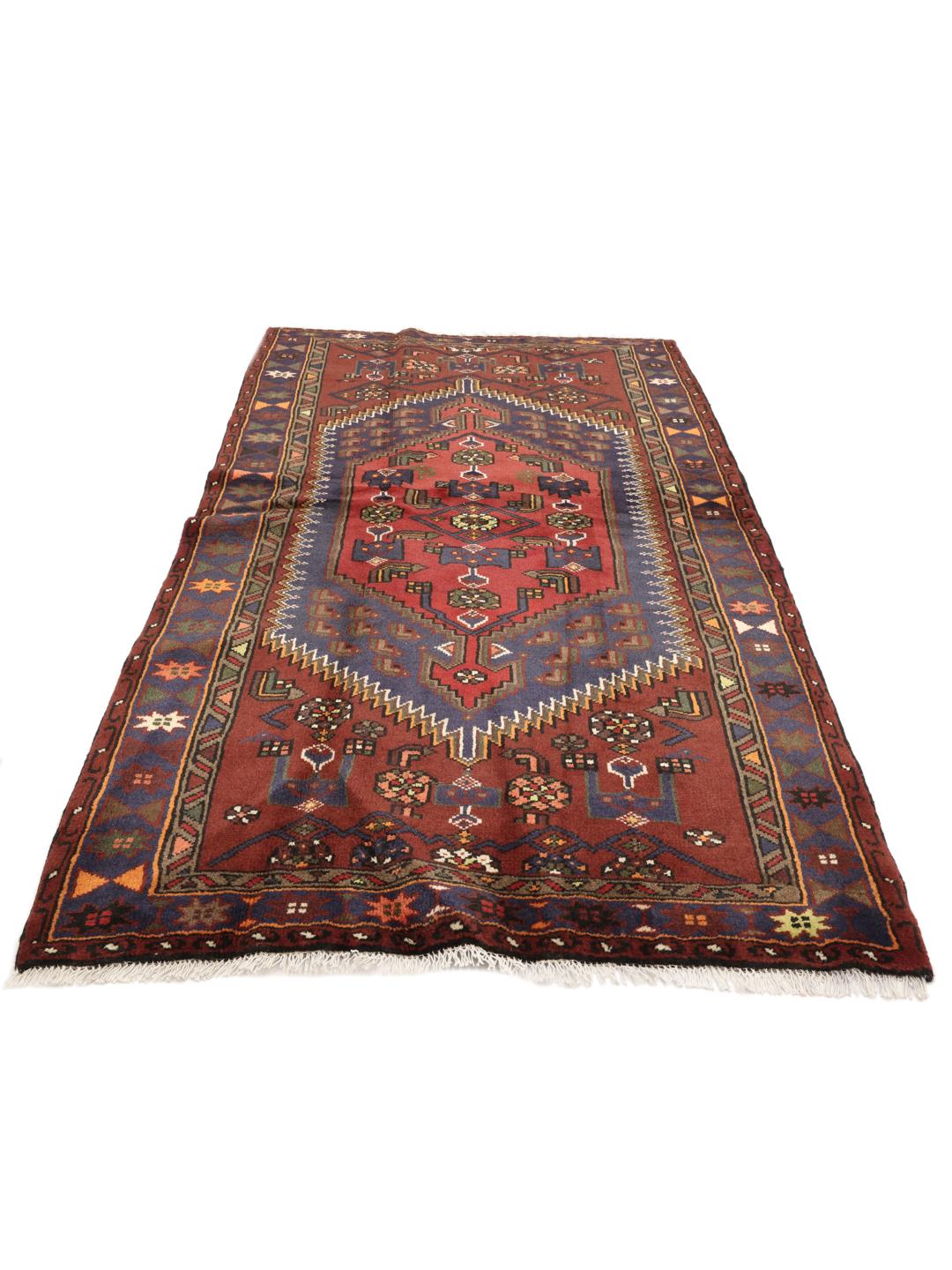
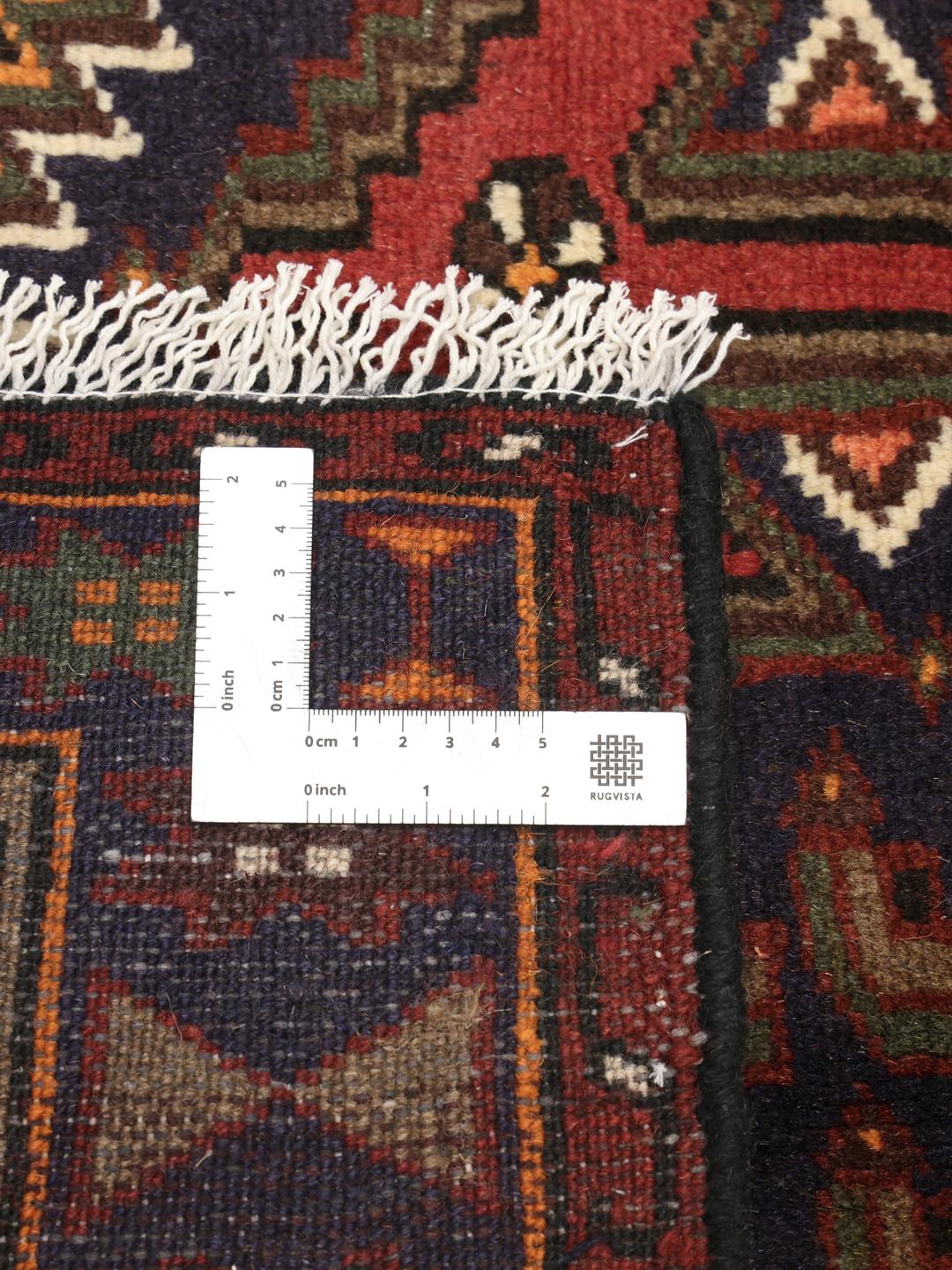
The Hamadan region in the Middle East is one of the oldest and most prolific centres of rug production in the world. Located in the western part of the region, the city of Hamadan serves as a hub for hundreds of surrounding villages, each contributing its own variations to the local weaving tradition. This network of creators has maintained a continuous legacy of rug-making for centuries, drawing on deep-rooted cultural influences to produce pieces that are as functional as they are beautiful.
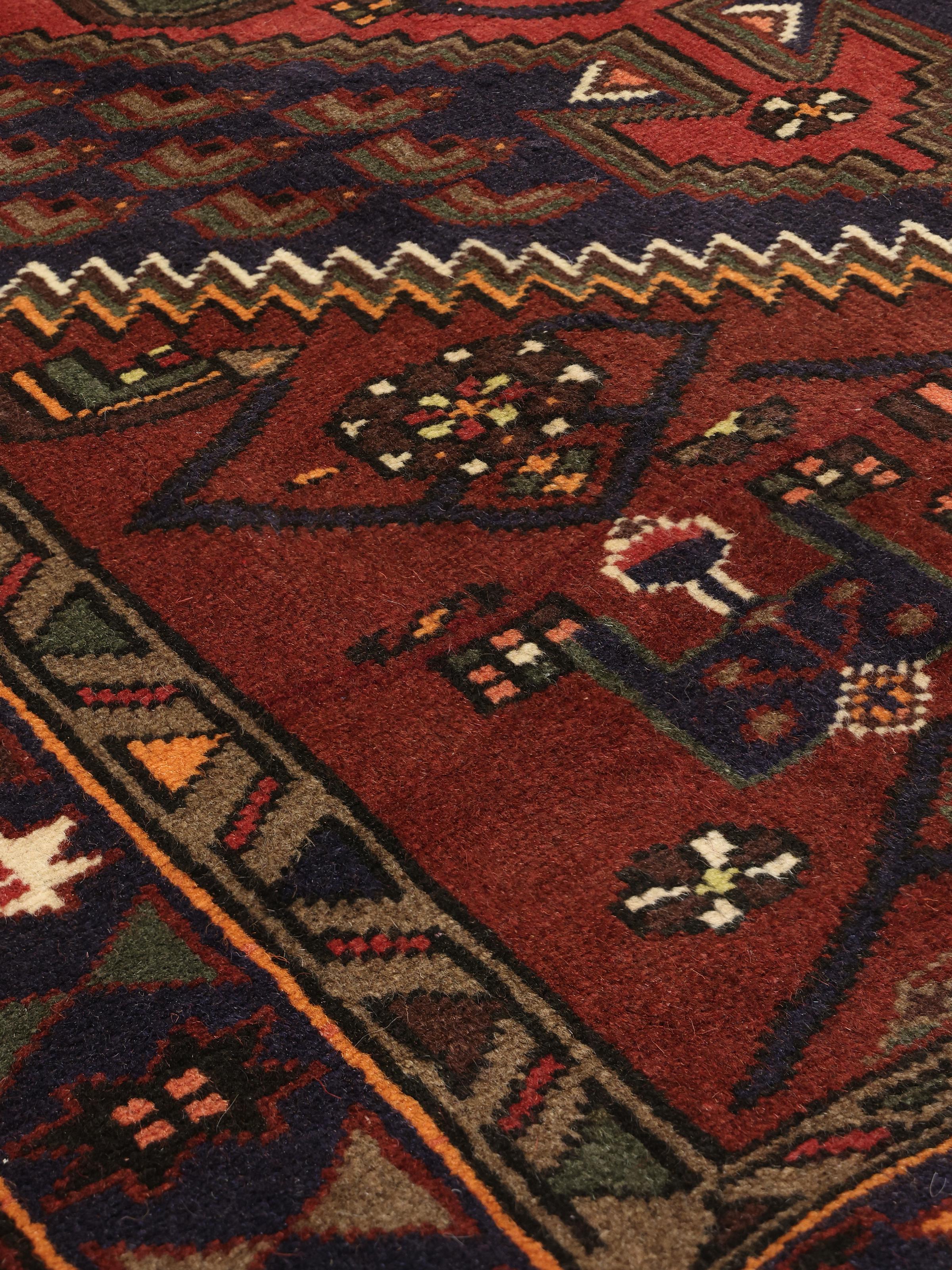
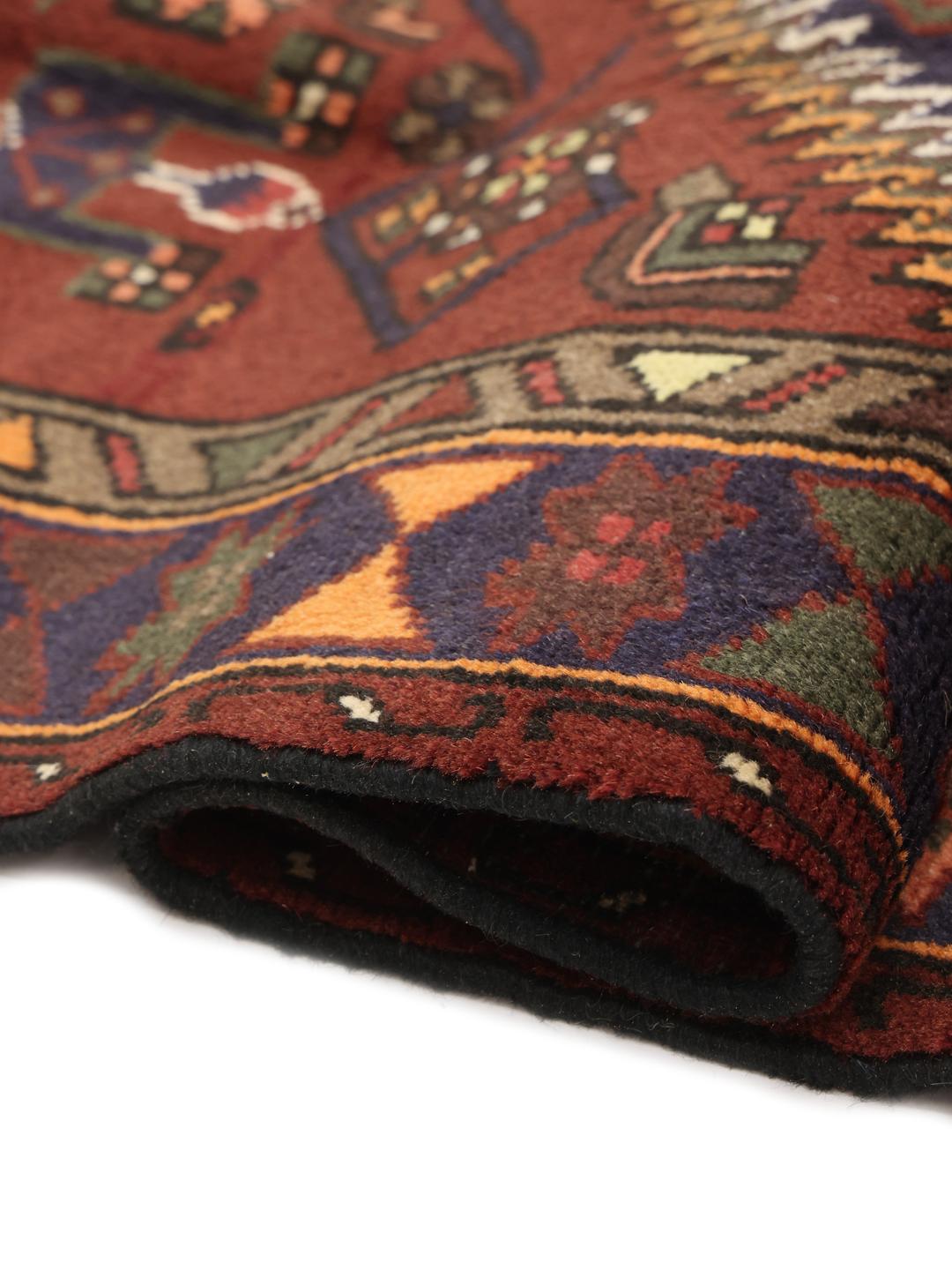
A defining characteristic of rugs from this area is the use of robust Wool, which is often sourced locally. The construction typically involves a sturdy foundation that allows the rug to withstand years of daily use. These rugs are known for their resilience and their ability to age gracefully, often developing a deeper, more lustrous character as the years pass.
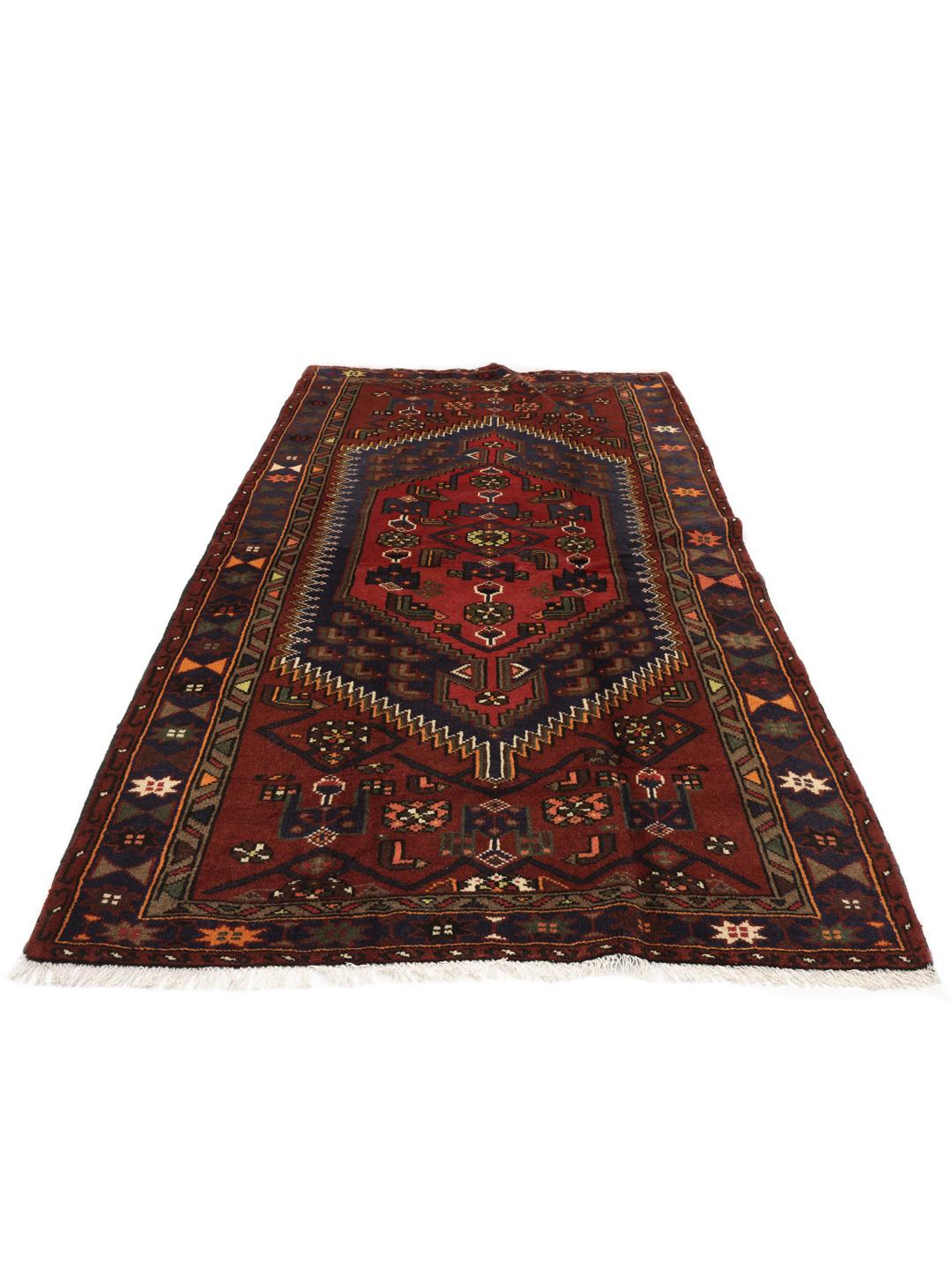
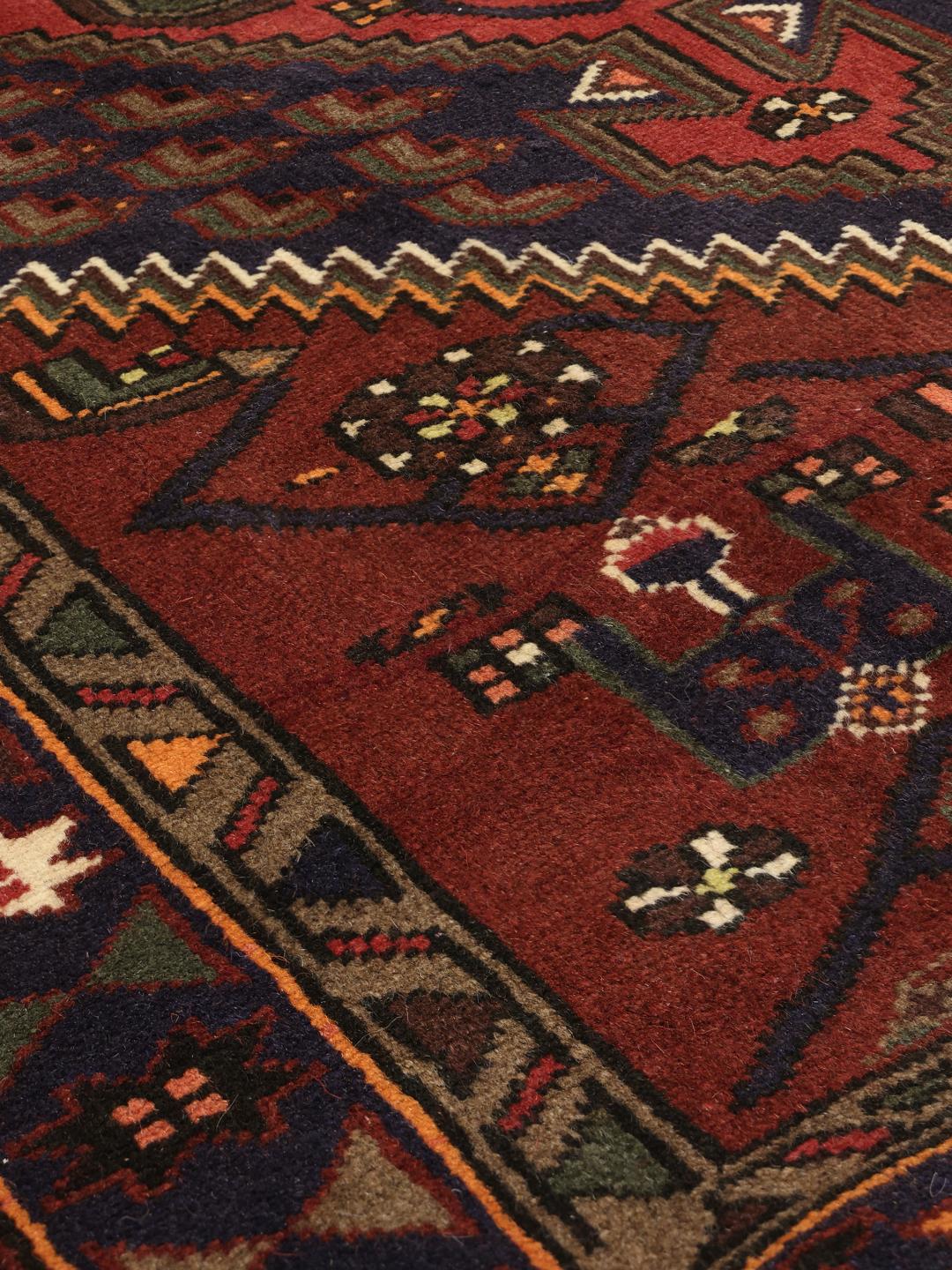
Visually, these rugs are celebrated for their geometric language. Whilst they often feature a central medallion, the surrounding field is frequently filled with stylised floral motifs, boteh shapes, or repeating geometric forms. The border designs are usually formal and structured, providing a frame that balances the intricate patterns of the central field. The use of traditional dyes creates a rich, saturated palette that is a hallmark of this regional style.
Collecting a rug from this tradition is an investment in human skill and regional history. Because these rugs are produced in diverse village settings rather than large factories, they carry the unique imprint of their specific makers. Owning one is a way to connect with a long-standing heritage of craftsmanship, ensuring that the stories and techniques of the Middle East remain a vibrant part of your home environment.