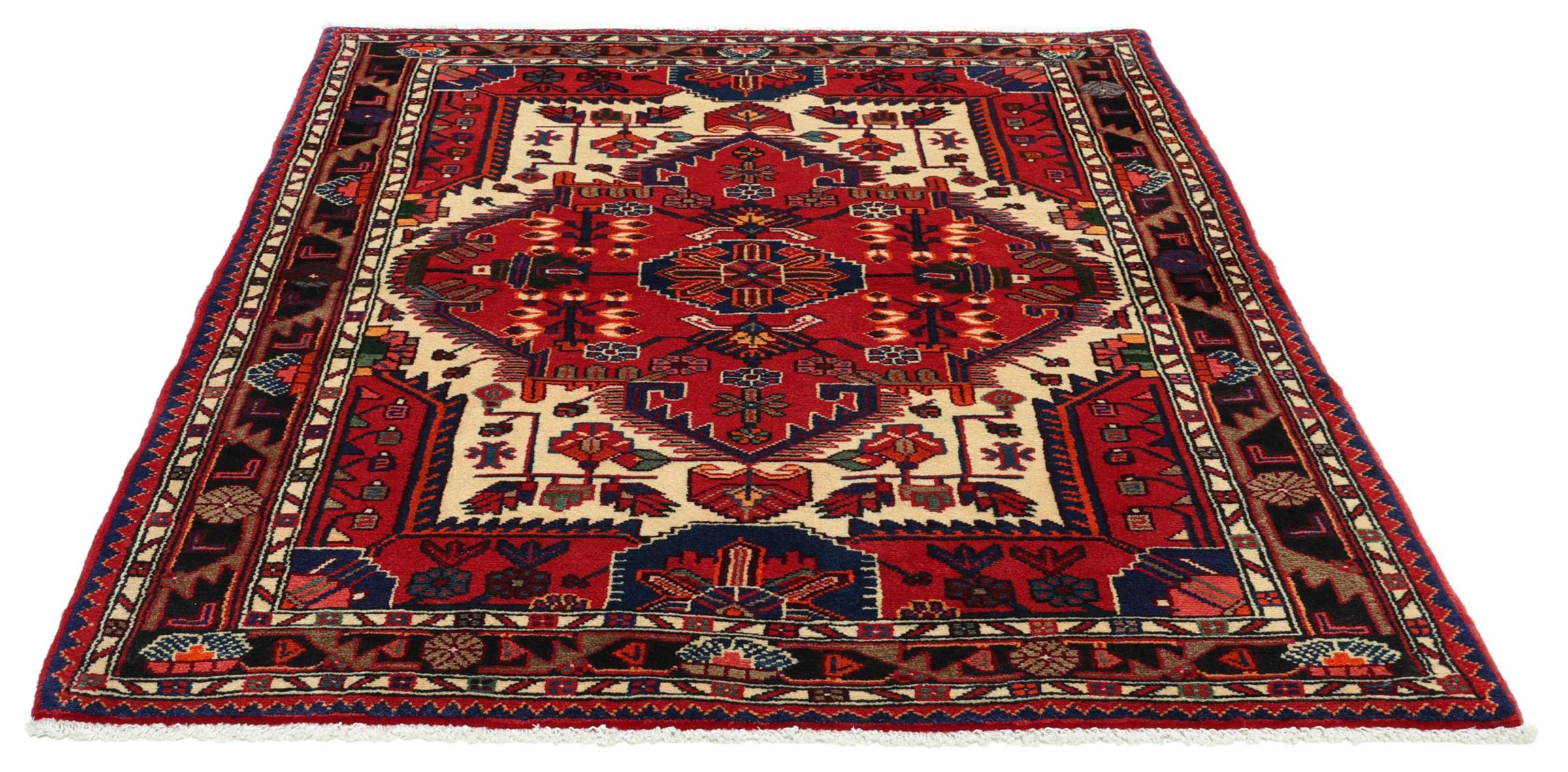
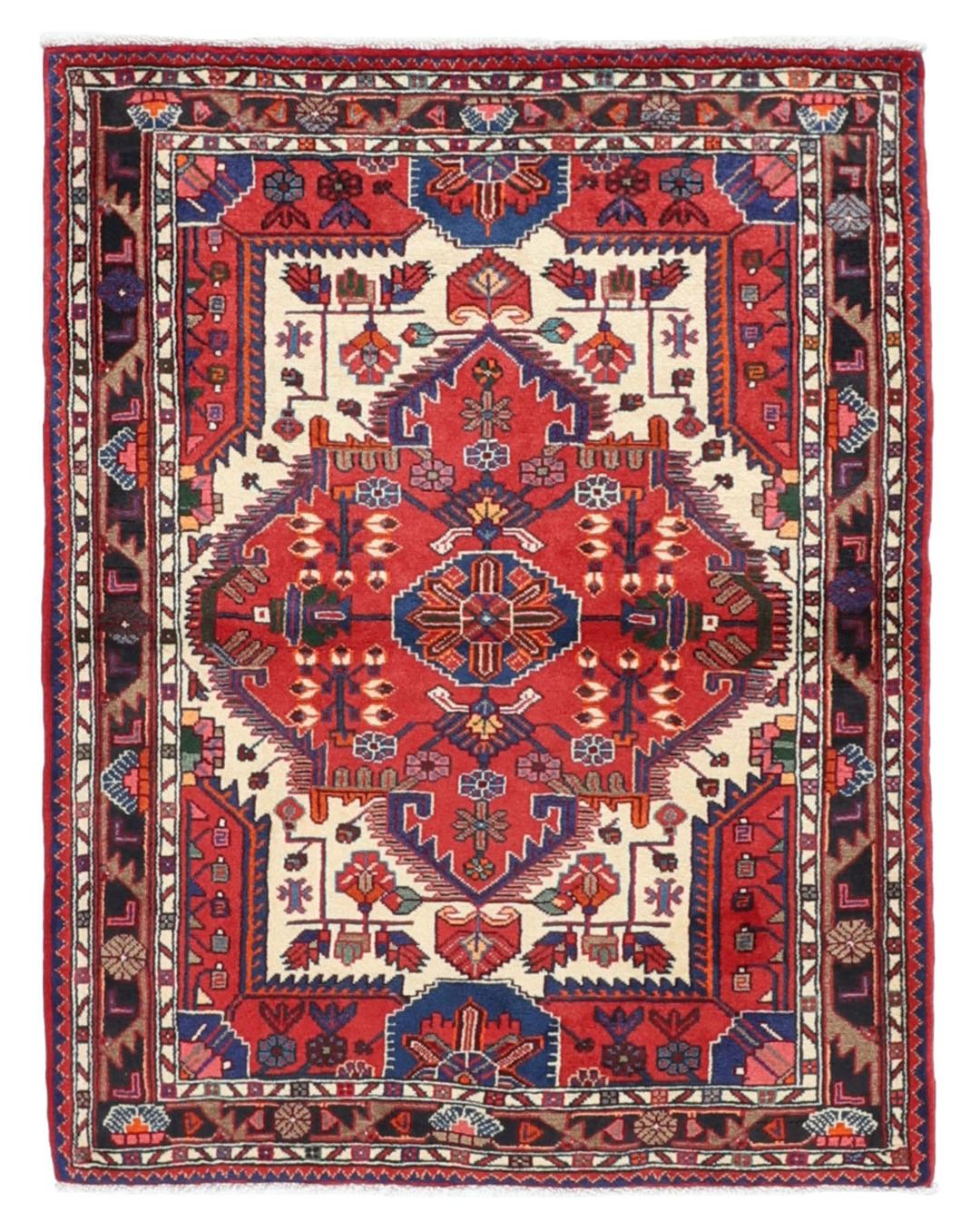
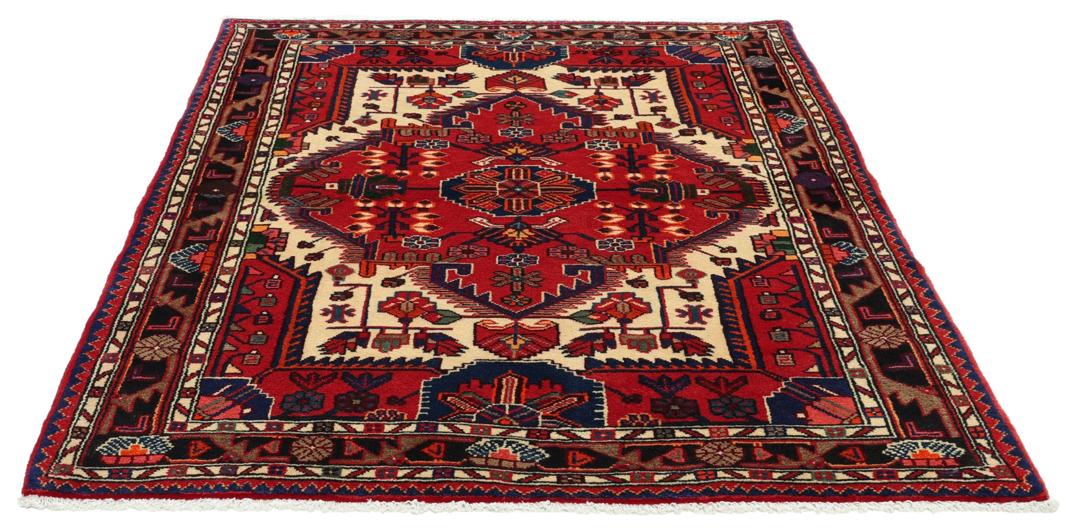
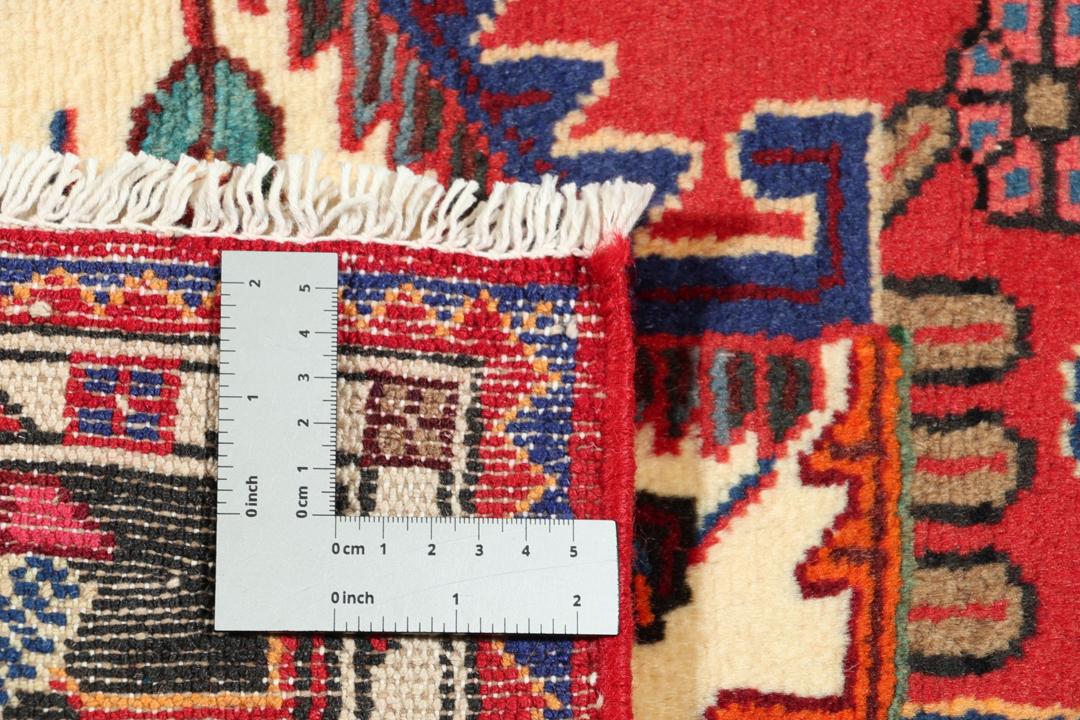
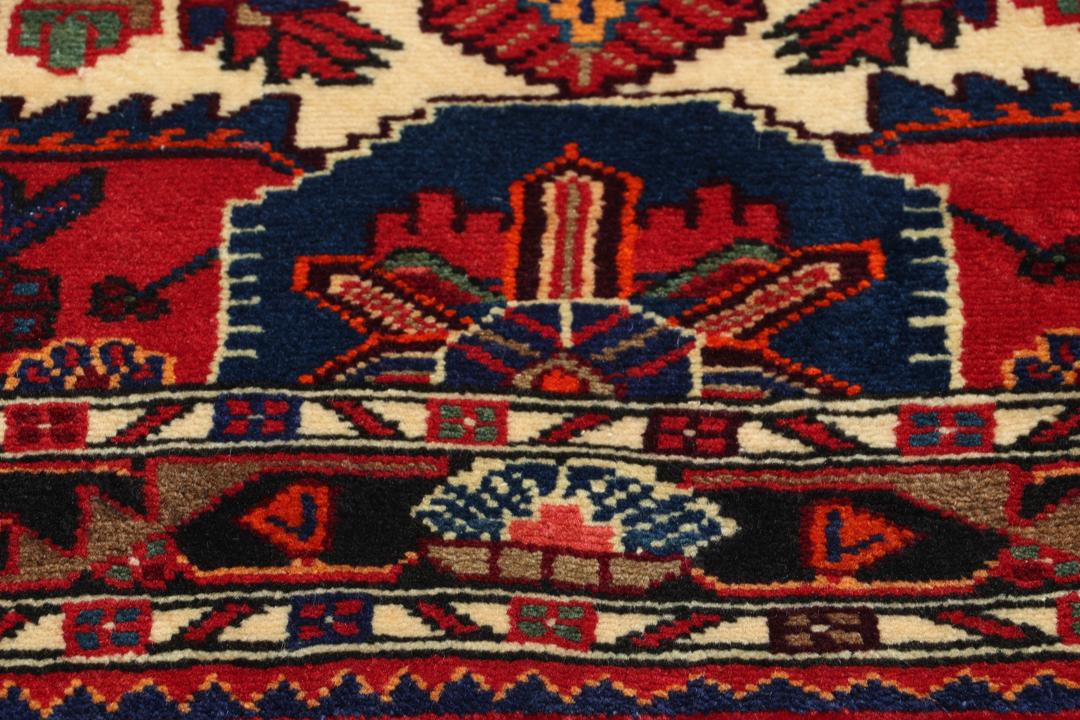
Hamadan rugs originate from one of the oldest cities in the Middle East, a historic hub located in the western part of the region. This area has long been a centre for weaving traditions, where local craftspeople have passed down distinct design techniques through generations, blending ancient nomadic styles with more structured, village-based aesthetics.
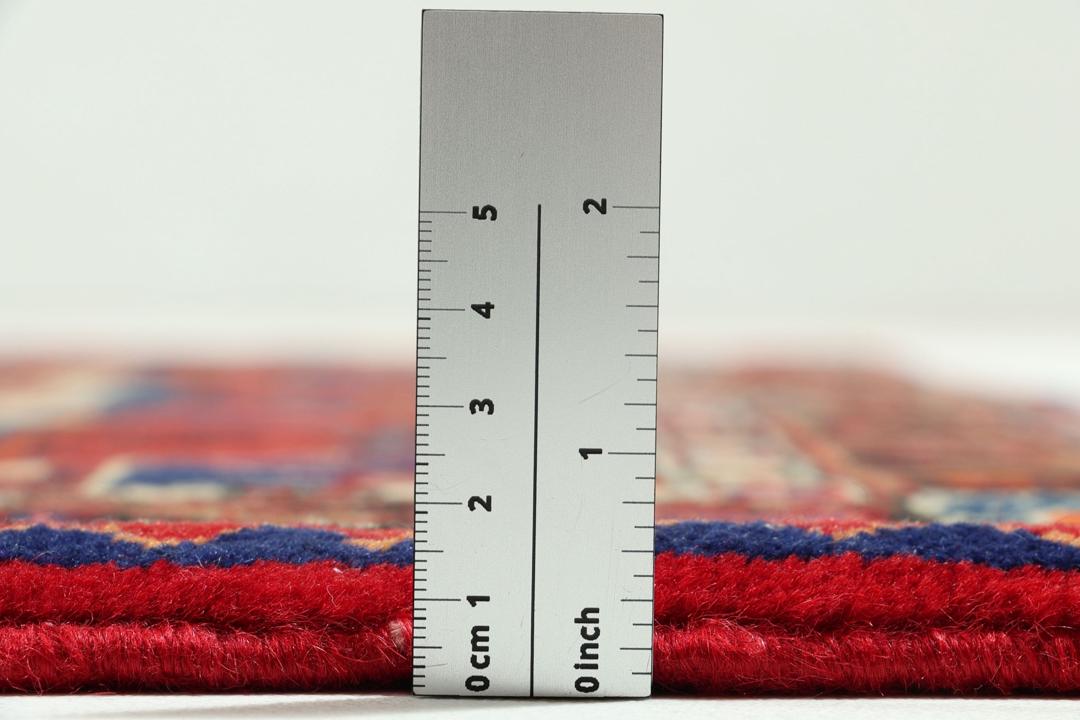
The term Hamadan refers to a wide variety of rugs produced in the city and its surrounding villages. These pieces are known for their sturdy construction and a characteristic use of varied, high-quality Wool. The regional tradition often favours a mix of geometric and floral motifs, which are interpreted differently from one weaver to the next, giving each rug its own unique personality.
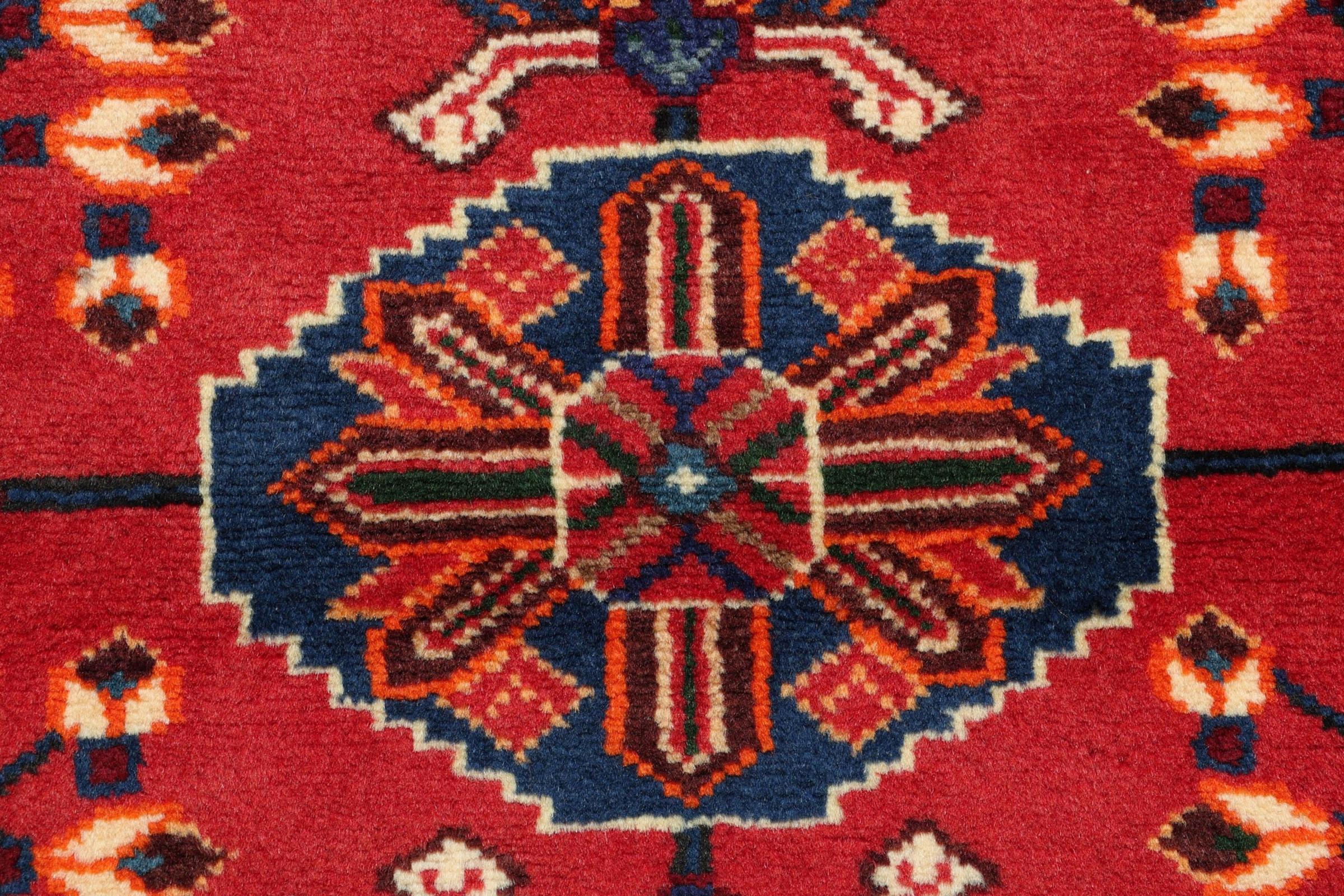
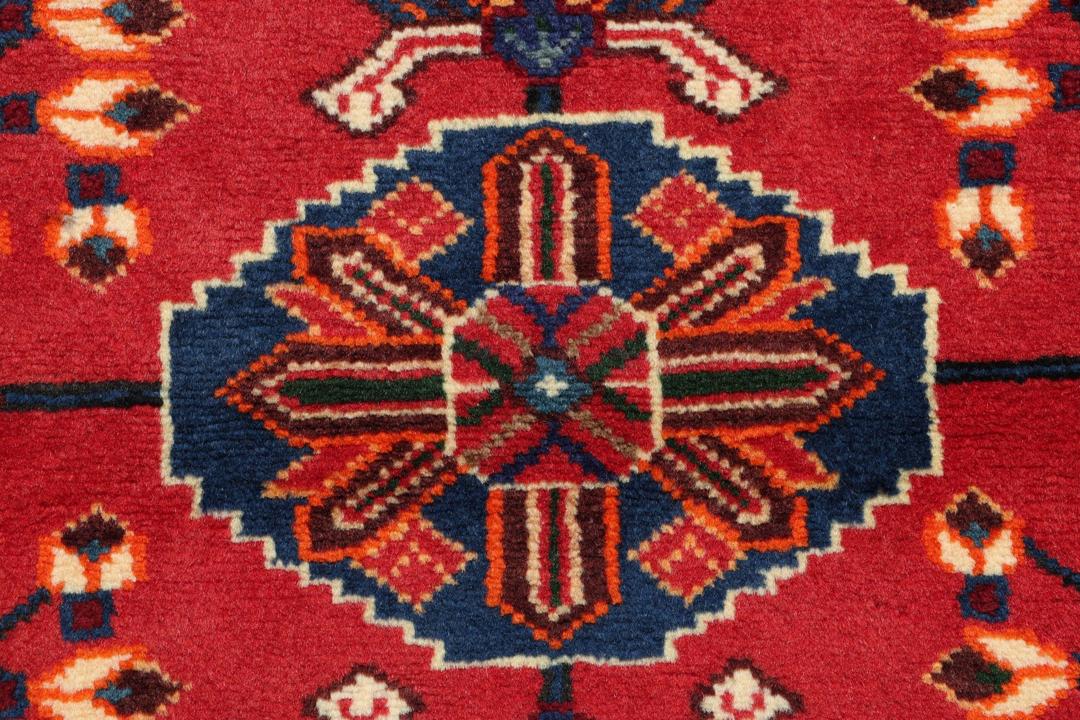
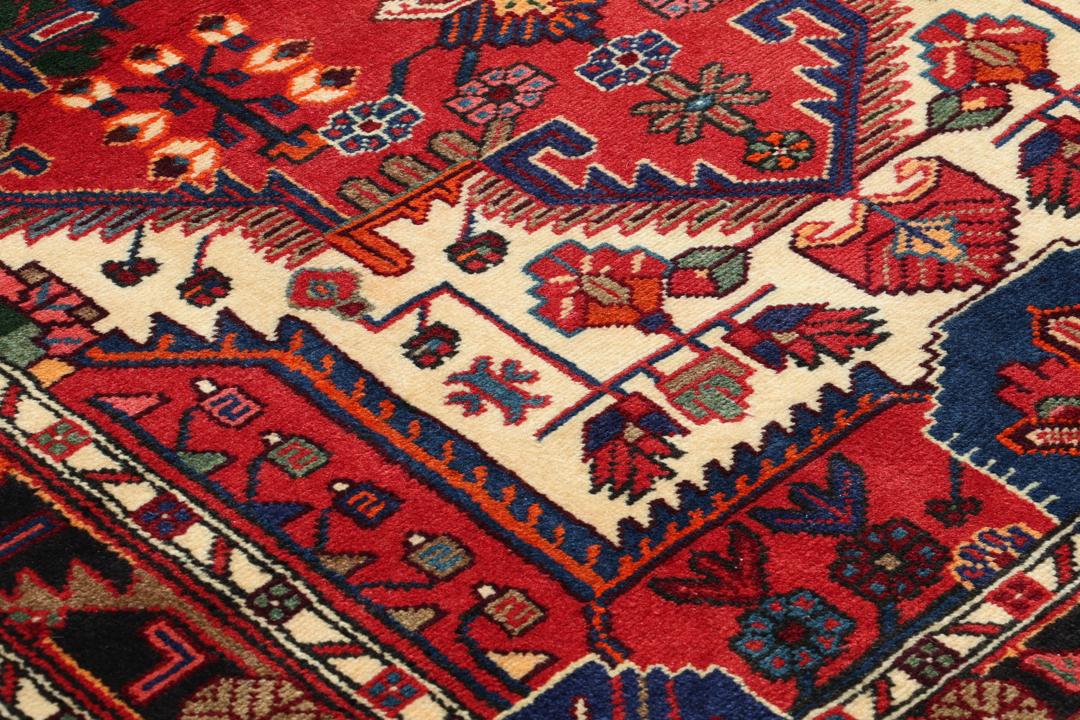
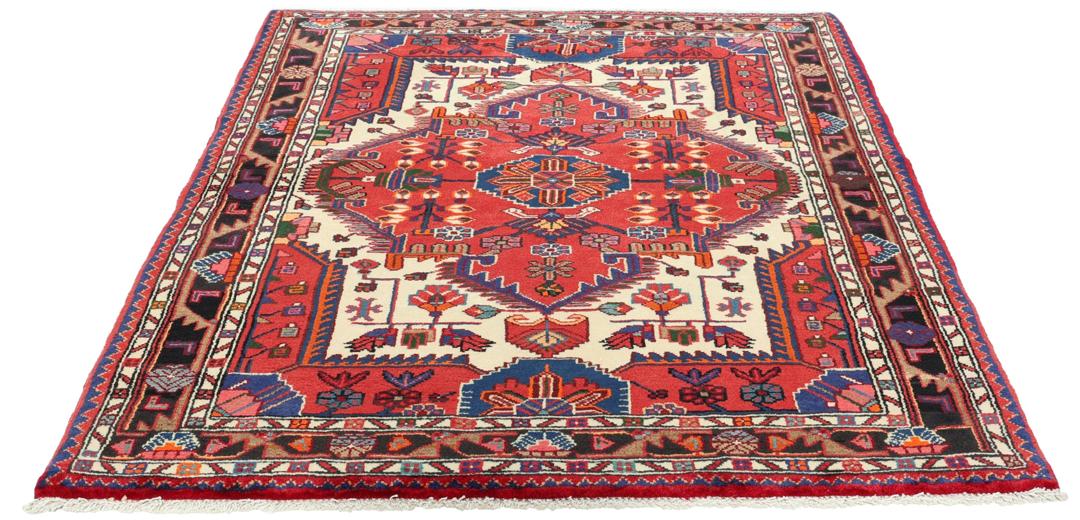
Signature design elements often include a central medallion surrounded by repeating motifs that draw inspiration from the natural world or local folklore. The borders are typically well-defined, framing the central field with intricate, repetitive patterns that balance the overall composition. The specific arrangement of these motifs tells a story of the region's diverse cultural influences.
Owning a Hamadan rug is an opportunity to connect with a rich, living history. These pieces are highly valued by collectors and enthusiasts alike for their authenticity and the skill required to produce them. By bringing a Hamadan rug into your home, you are not just adding a decorative item, but a piece of cultural heritage that showcases the enduring spirit of Middle Eastern craftsmanship.