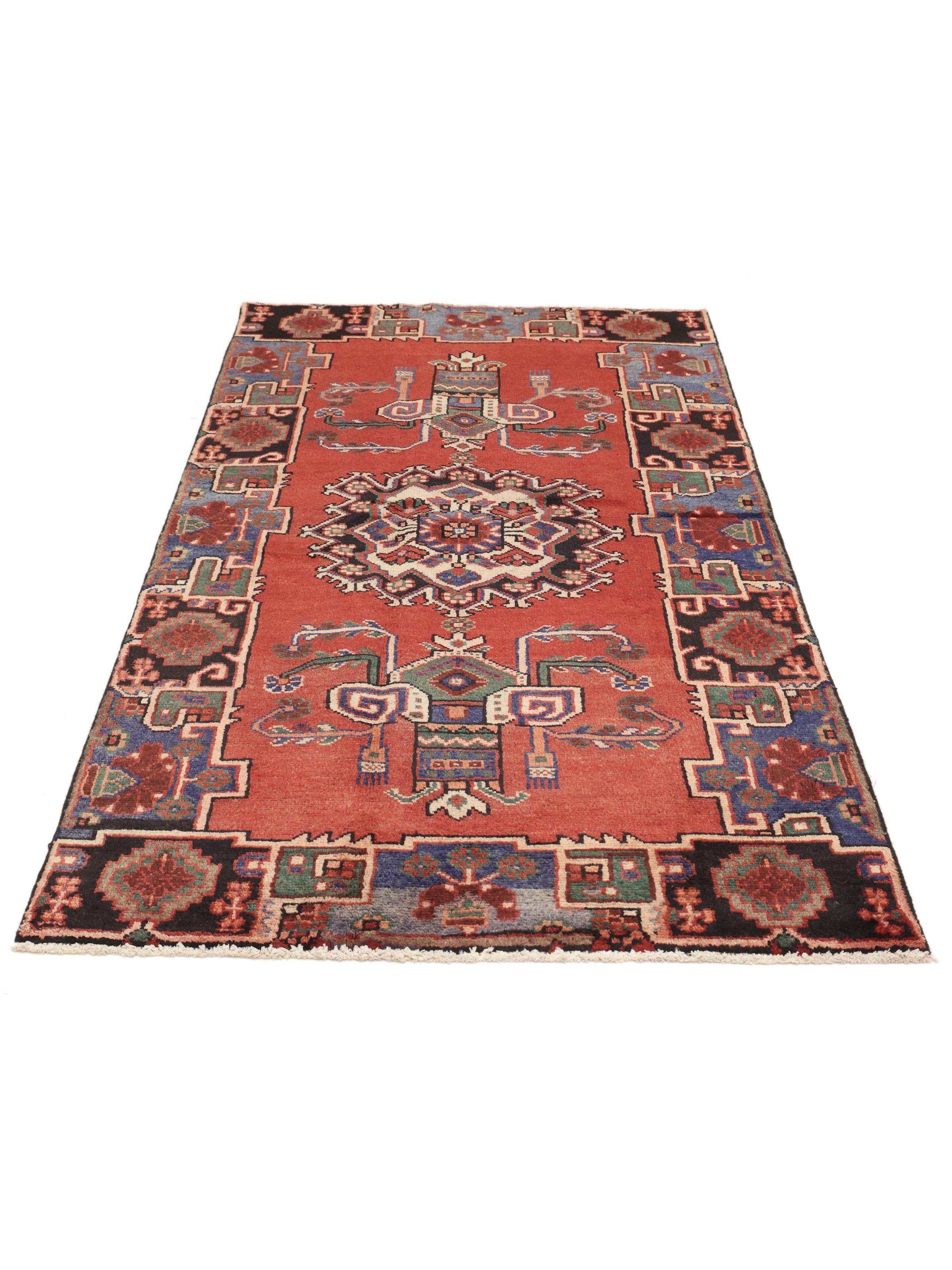
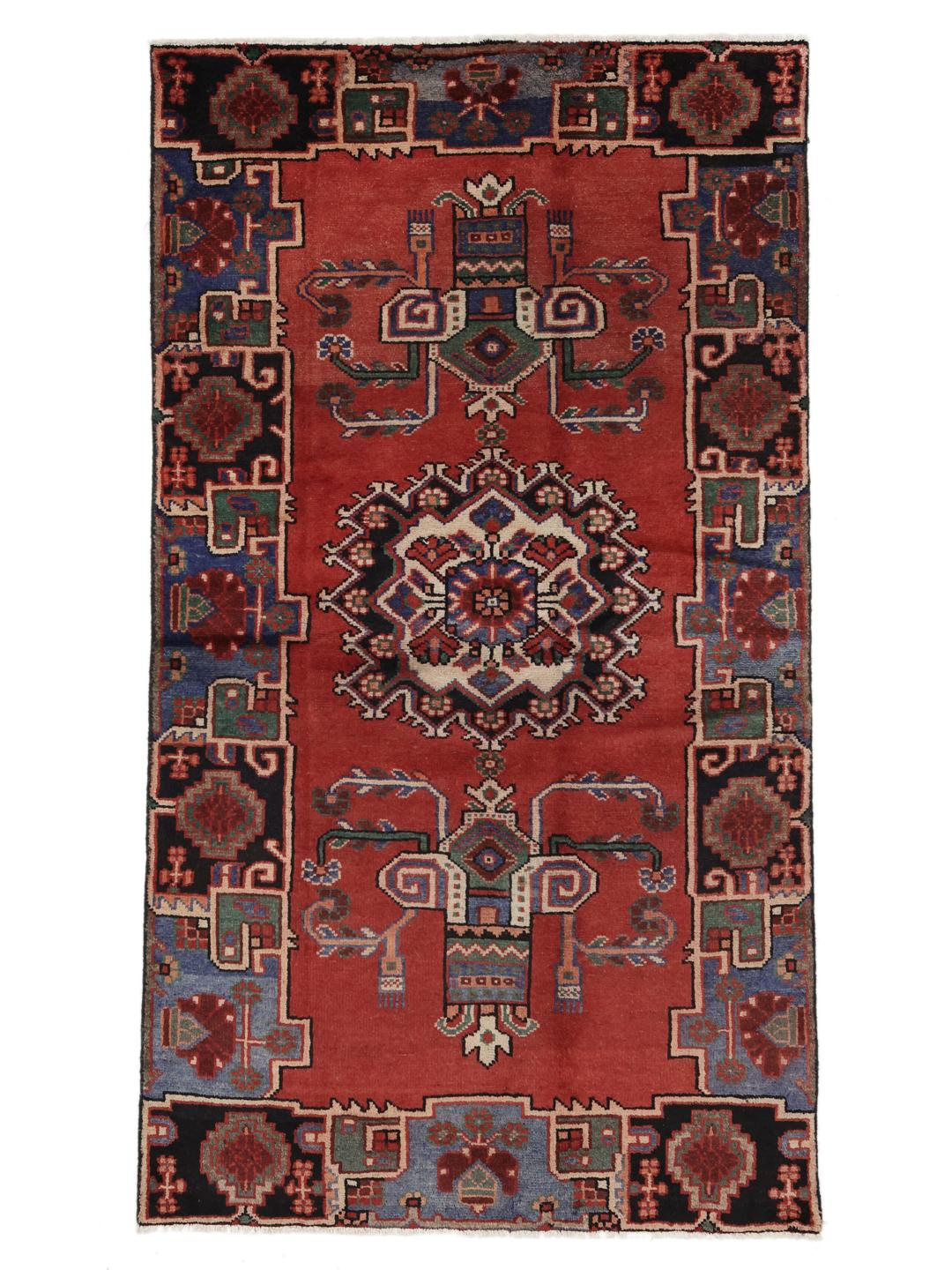
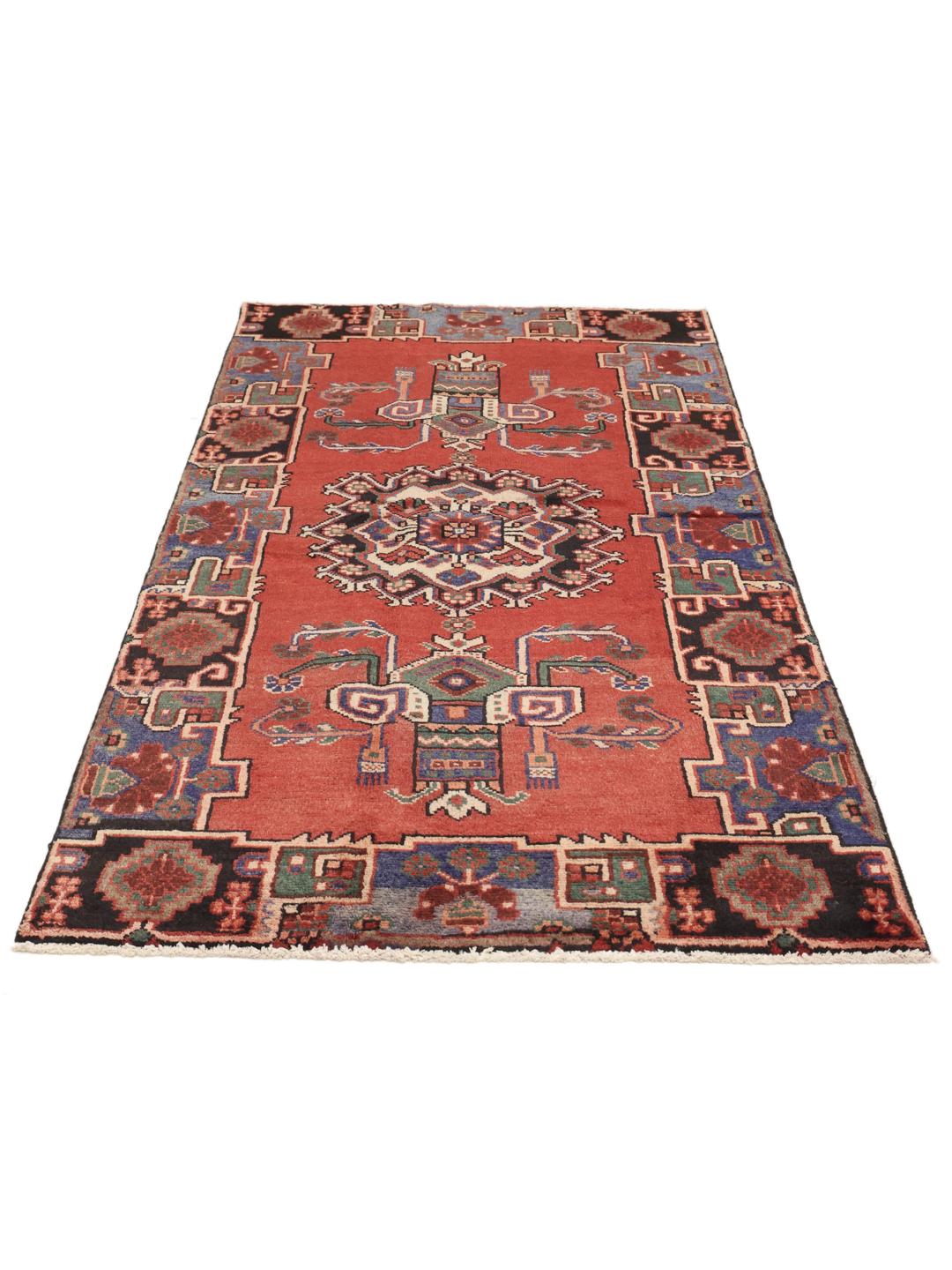
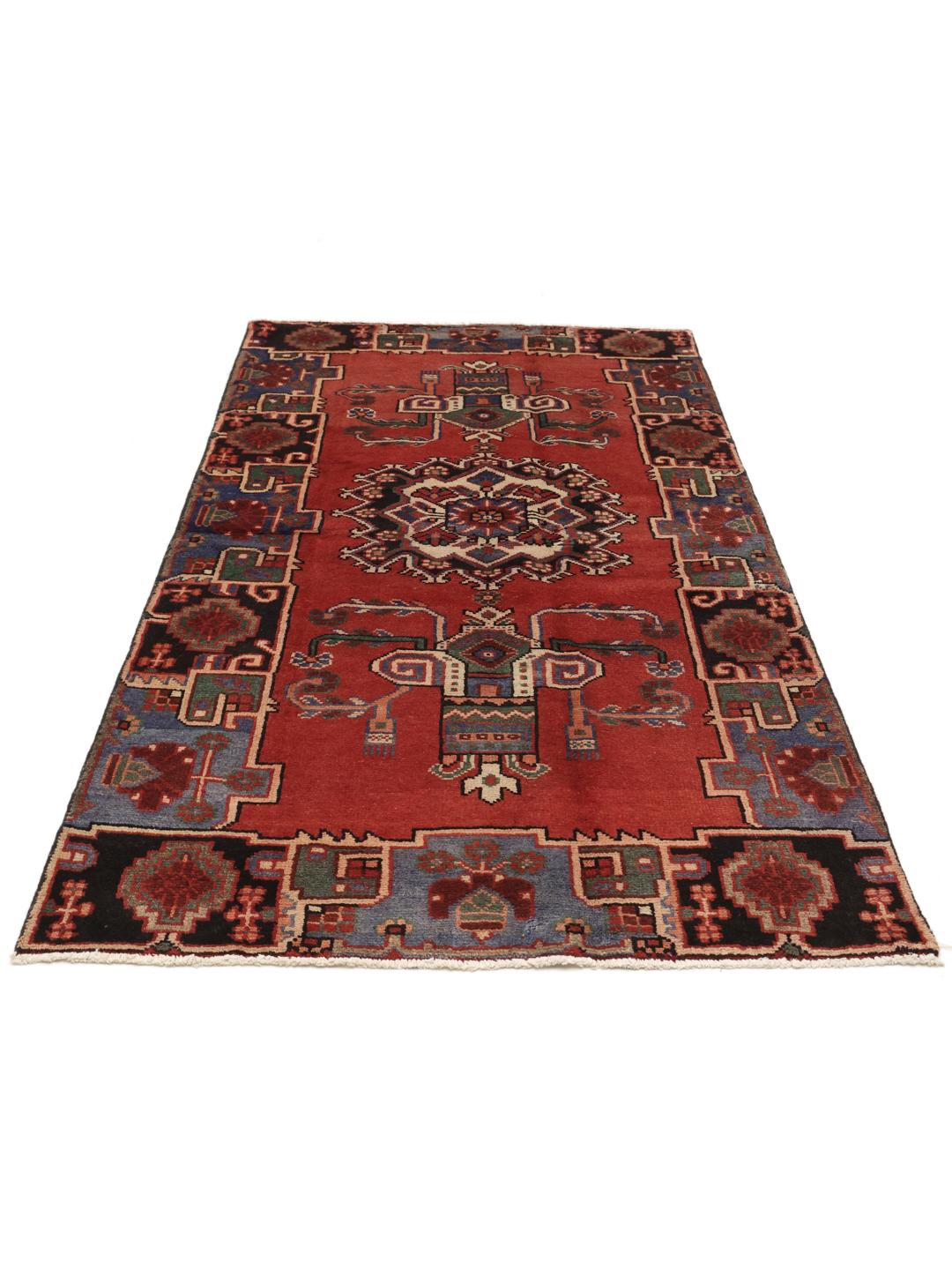
Hamadan rugs hail from one of the oldest cities in the Middle East, a region with a weaving legacy that stretches back thousands of years. Located in the mountainous west, the area has long been a hub for nomadic and village weavers who developed a distinct, bold visual language. These rugs are renowned for their strength and their ability to bring a sense of history into contemporary homes, reflecting the rugged, beautiful landscape of their origin.
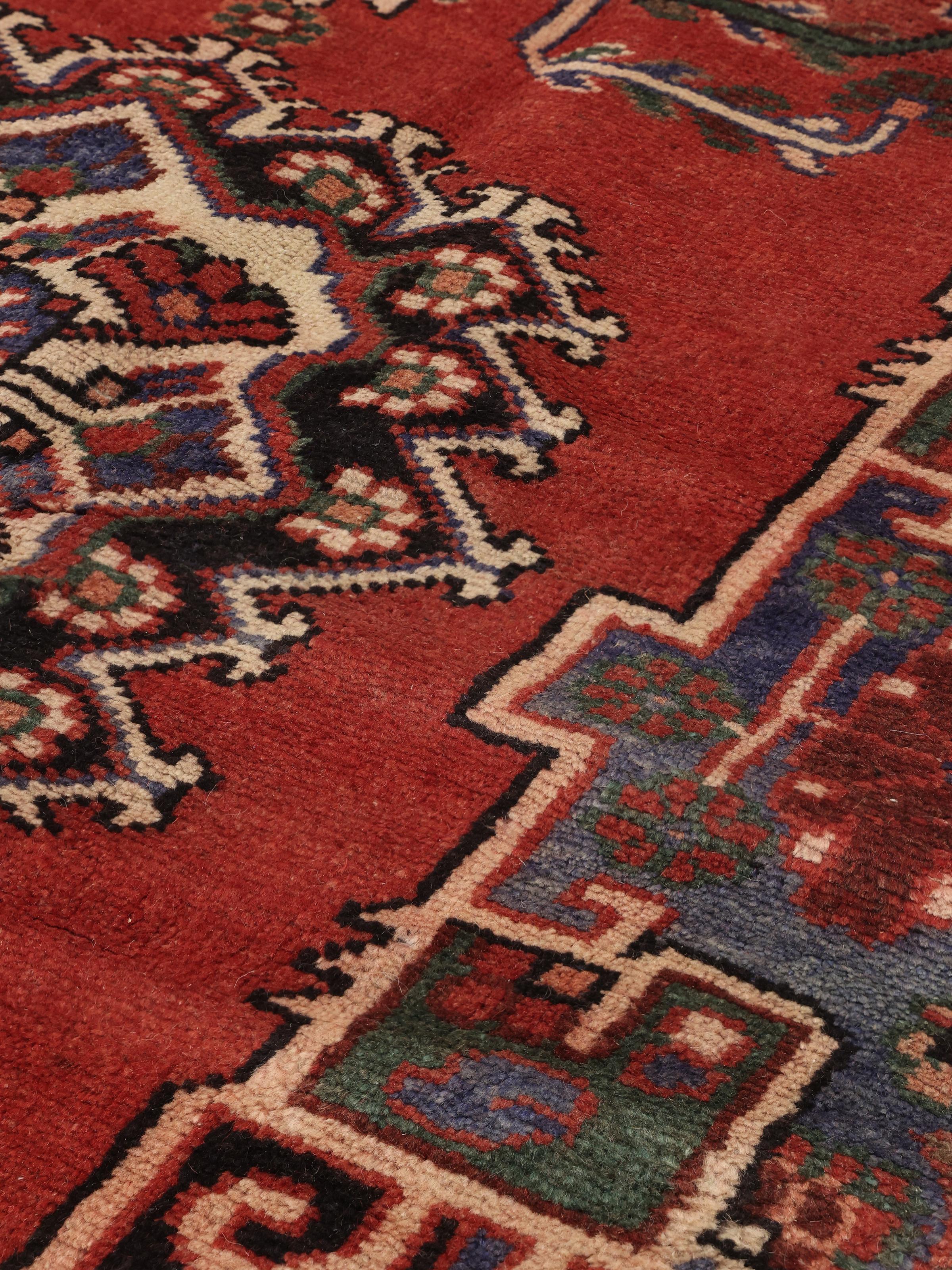
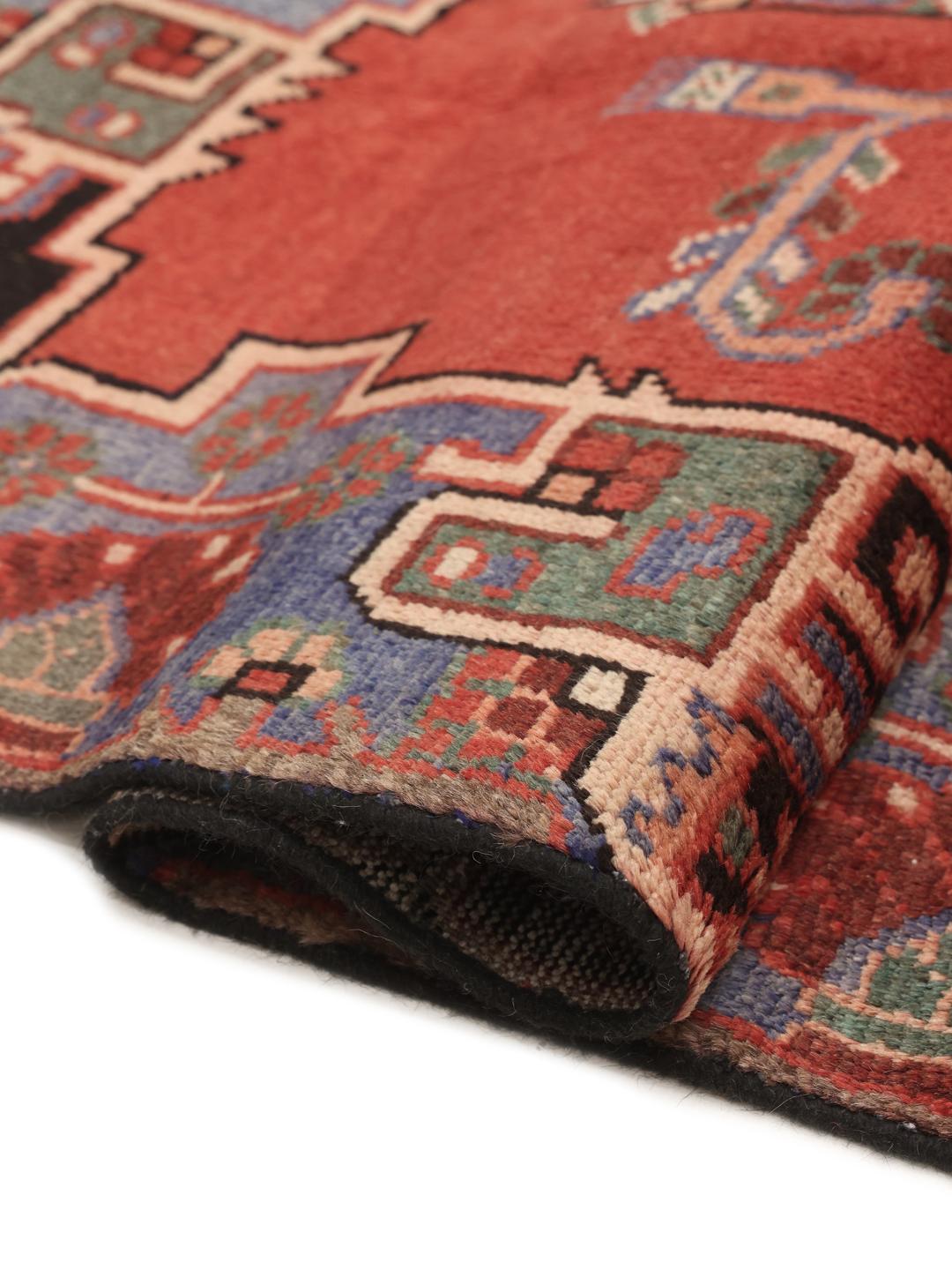
The term Hamadan refers to a wide variety of rugs produced in the city and its surrounding hundreds of villages. While they share a common regional identity, each piece is unique, often defined by the personal interpretations of the weaver. The use of robust wool, sourced from high-altitude flocks, results in a pile that is known for being particularly hard-wearing and resilient, making these pieces ideal for high-traffic areas.
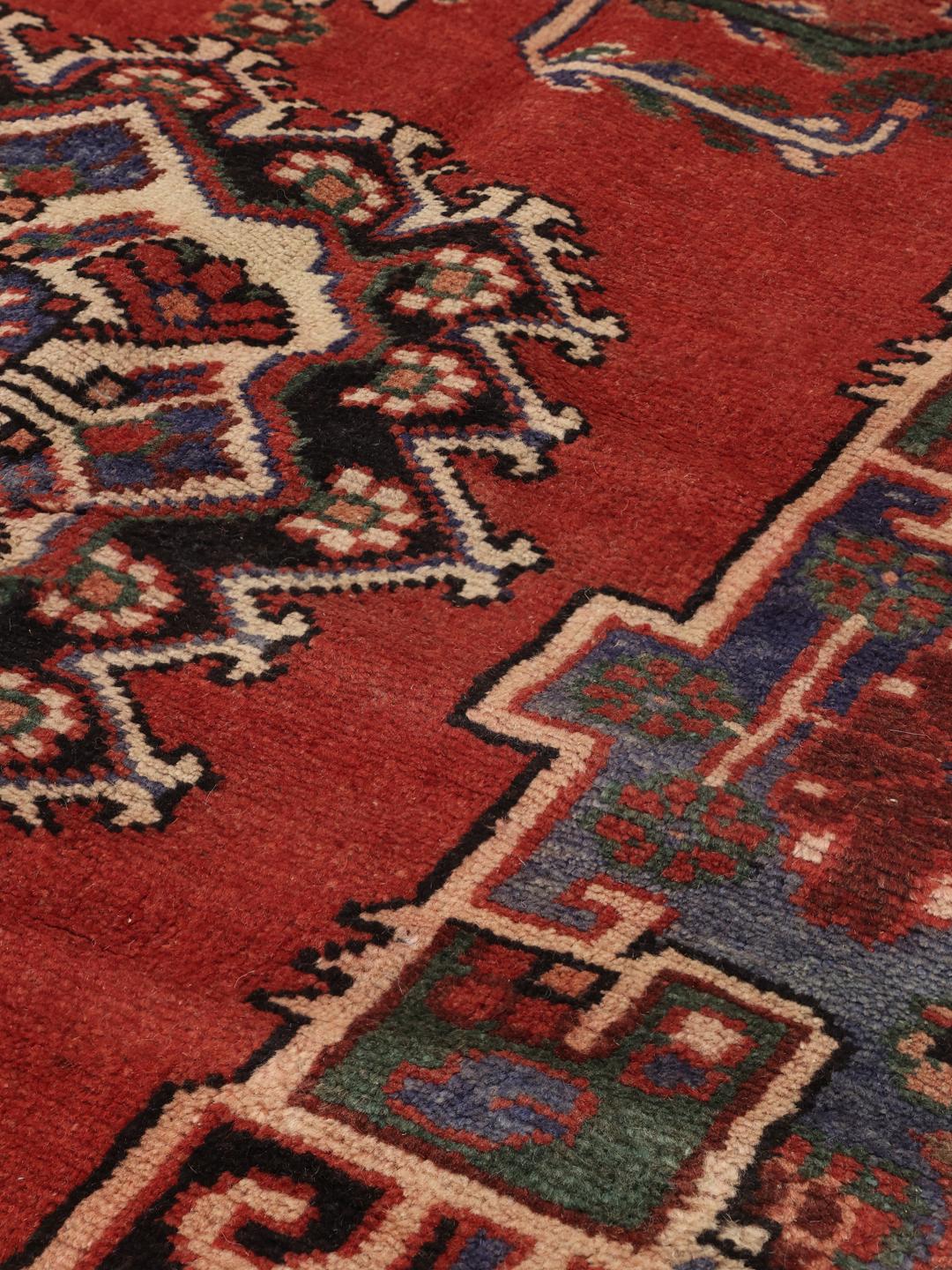
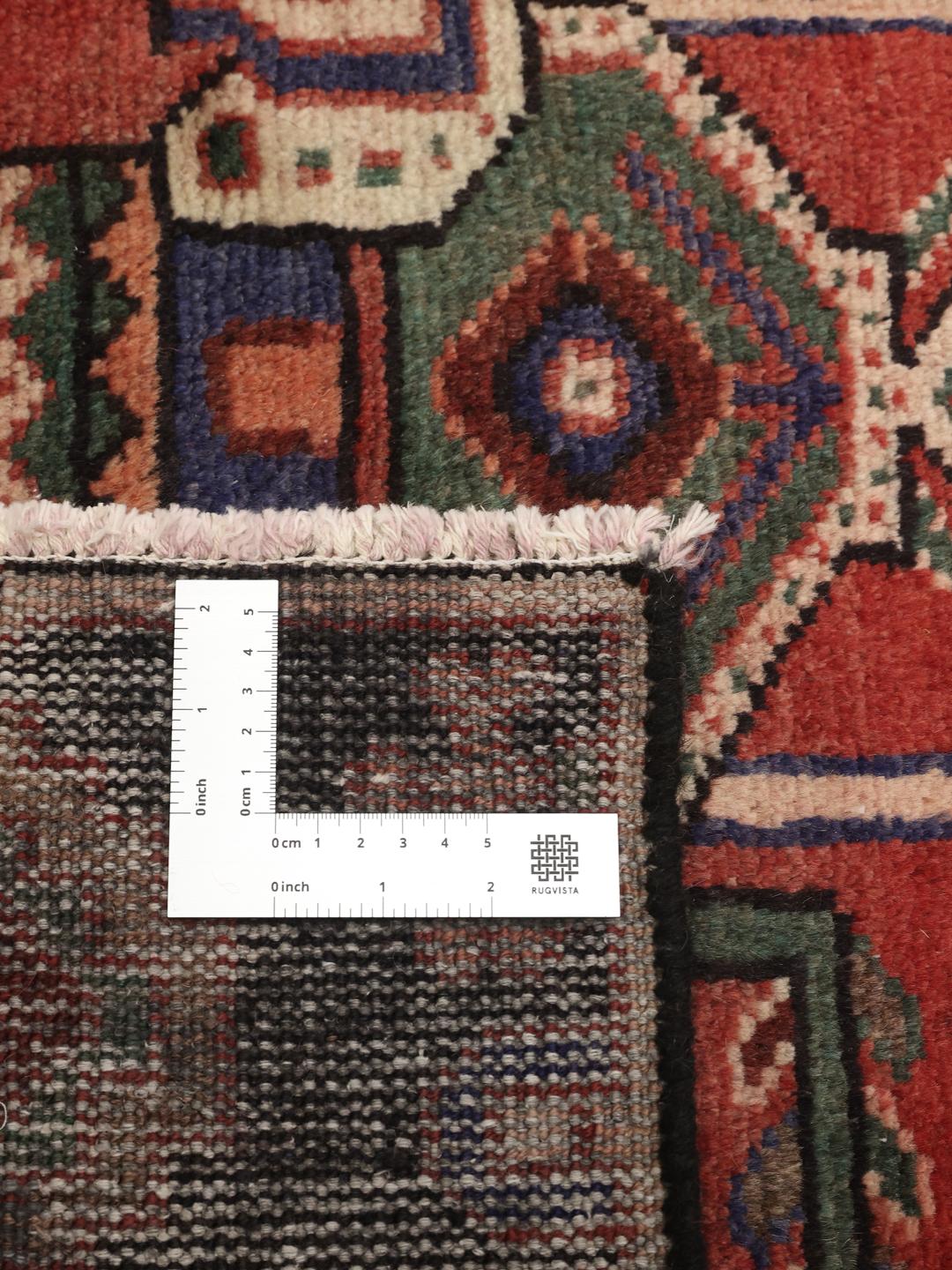
Signature design elements of the Hamadan tradition often include bold, geometric medallions and stylized floral motifs, frequently set against a rich, deep-toned field. The borders are usually prominent, framed by intricate patterns that draw the eye inward toward the central design. This specific piece displays a classic arrangement that honours the traditional aesthetic while showcasing the improvisational skill that defines village-woven artistry.
Collectors value Hamadan rugs for their authenticity and the sheer human effort reflected in their construction. Owning one is an investment in cultural heritage, representing a craft that values longevity over speed. As these rugs age, they often develop a beautiful patina, further enhancing their character and making them cherished heirlooms that gain value and meaning as they become part of your family's daily life.