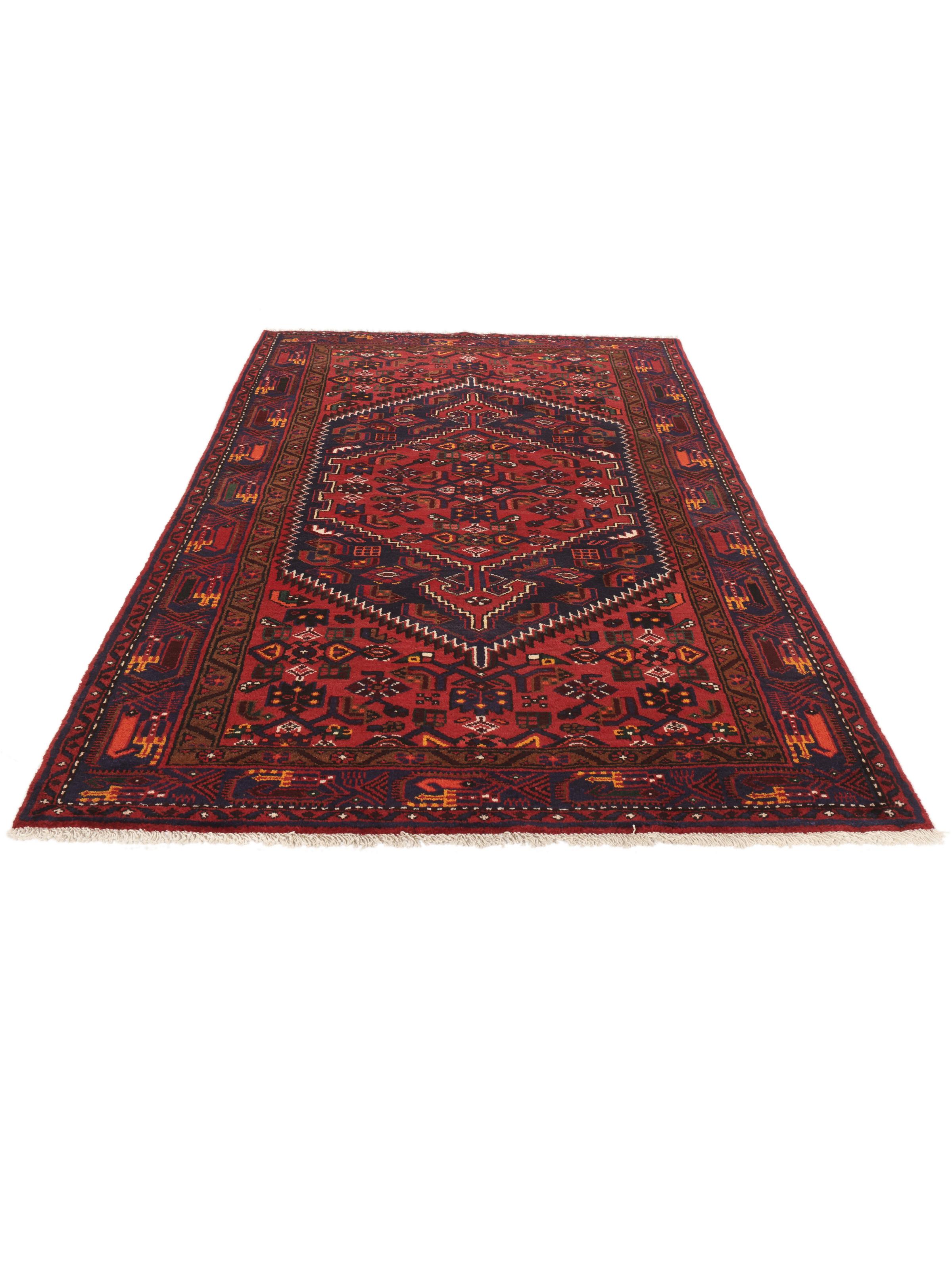
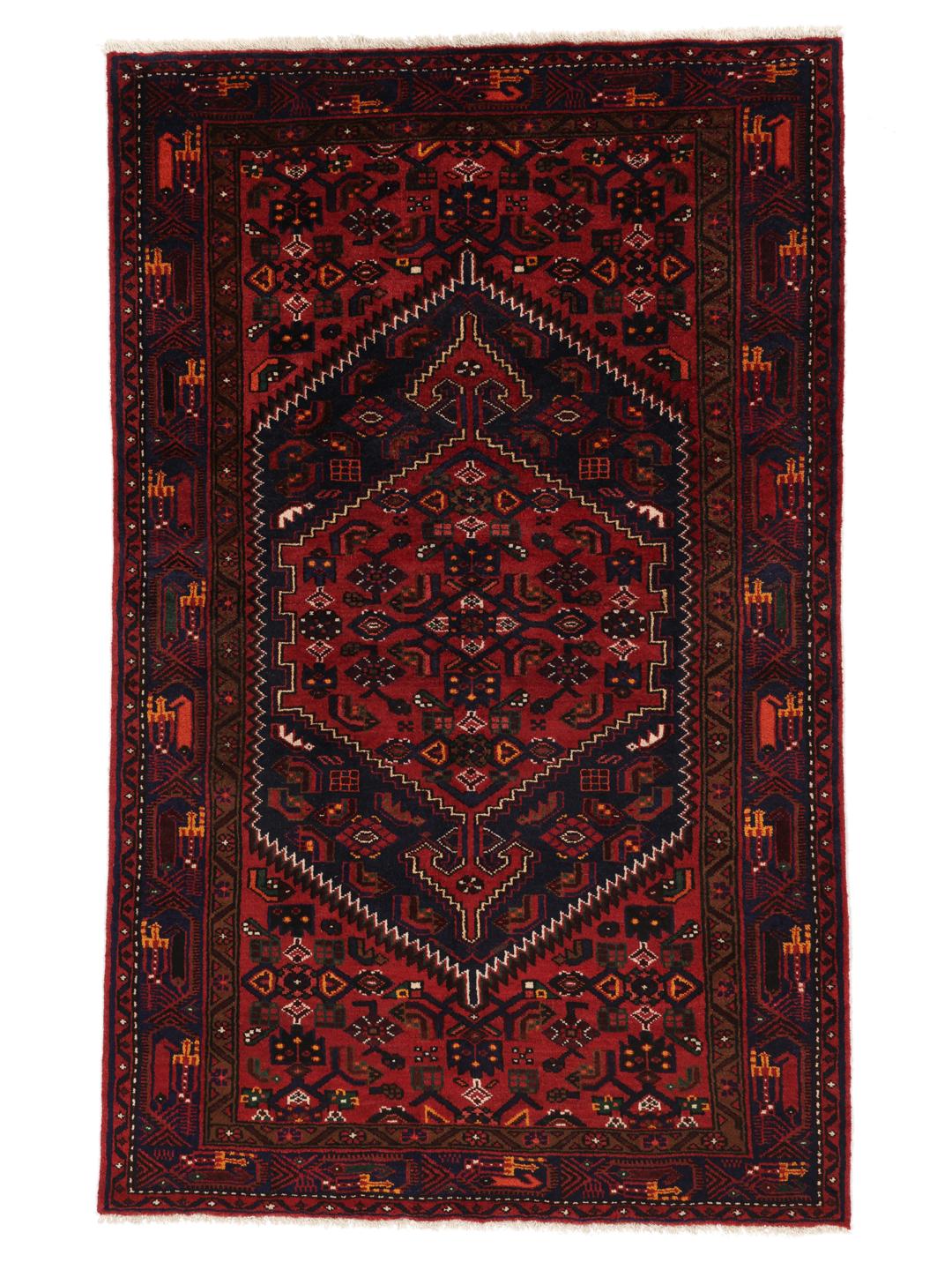
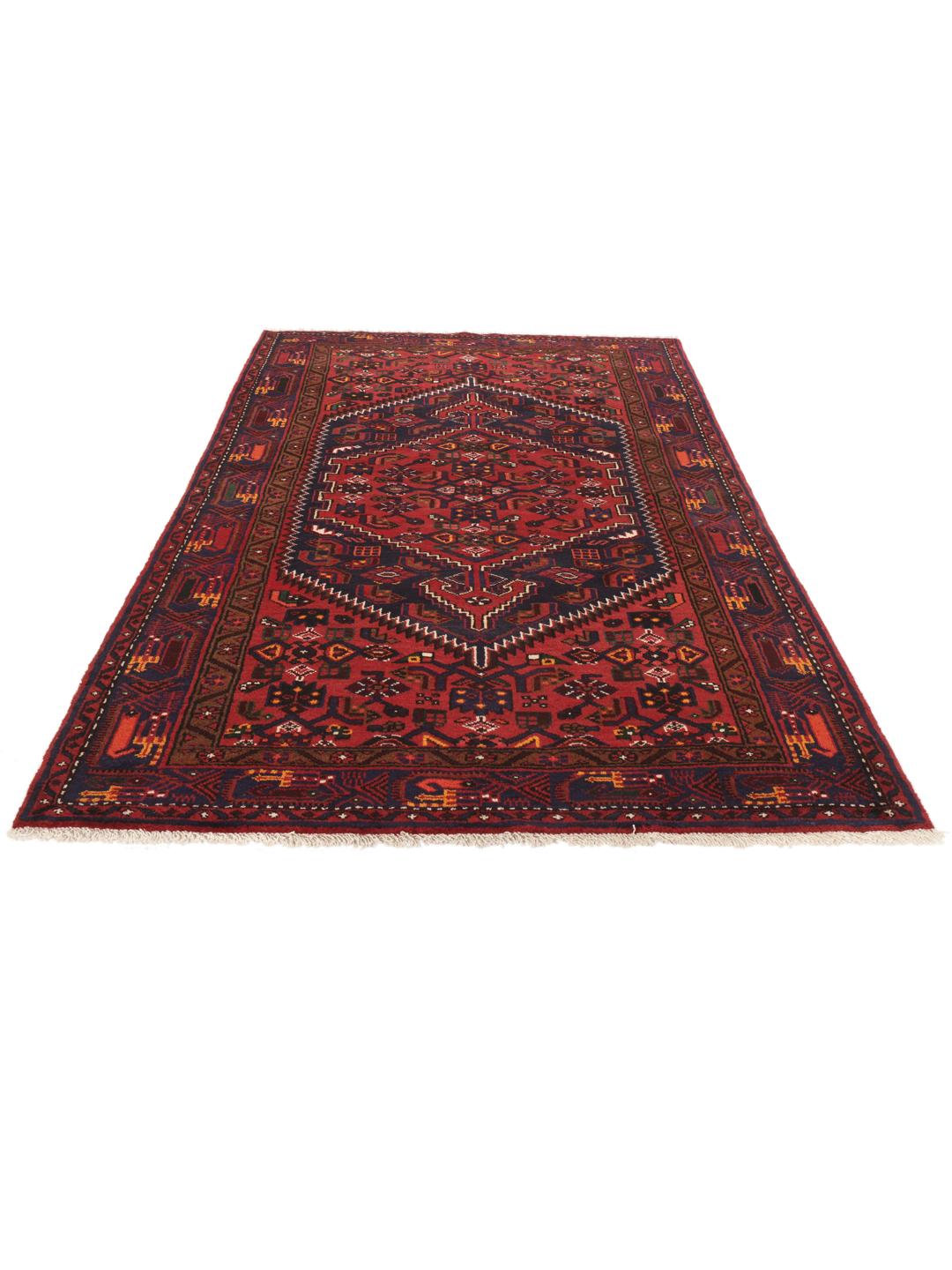
Hamadan rugs take their name from one of the oldest cities in the Middle East, located in the mountainous western region. This area has long been a hub for weaving, where families and small villages have passed down distinct design traditions for centuries, creating a diverse array of styles that are collectively known as Hamadan.
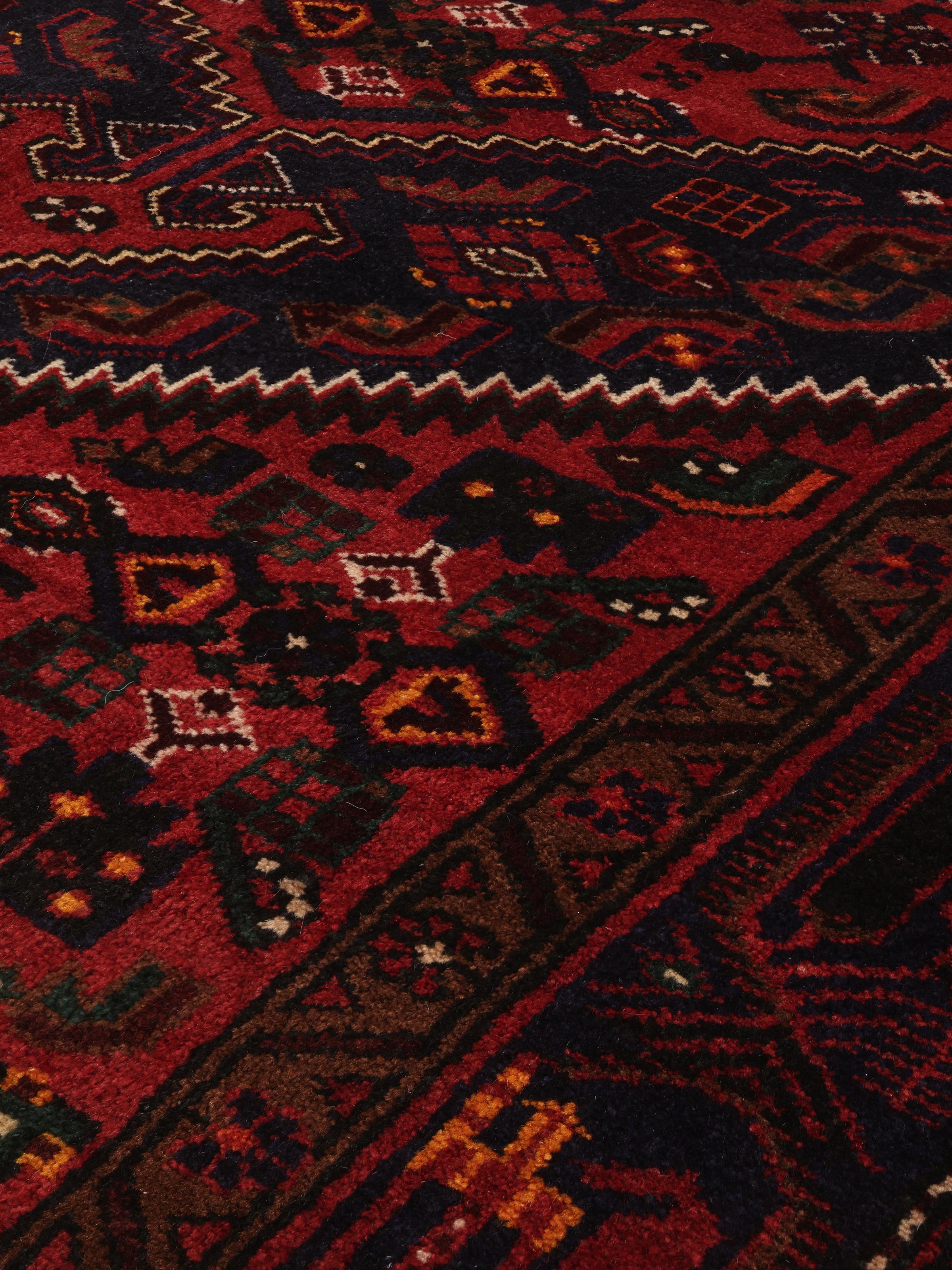
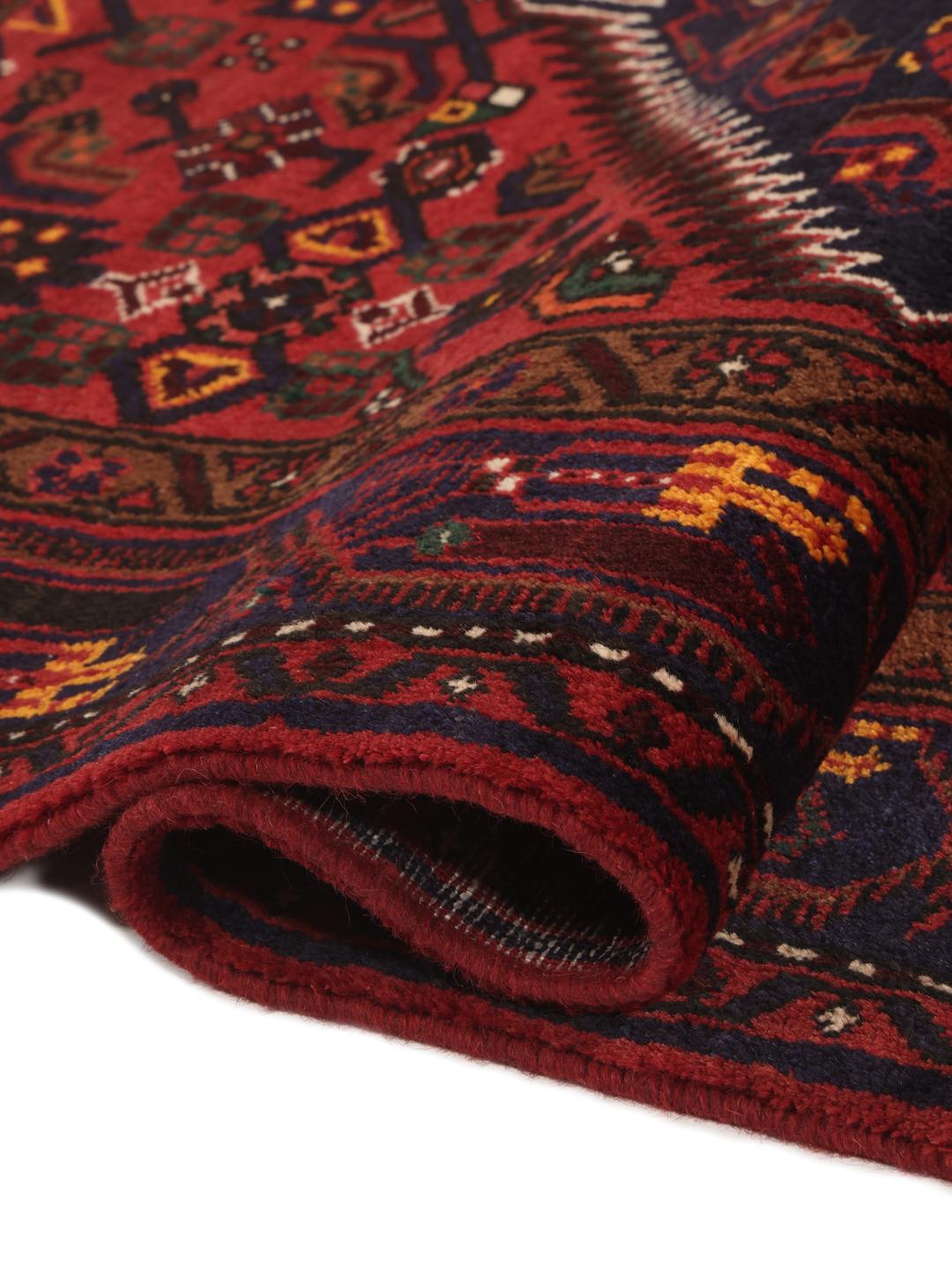
The construction of these rugs often utilises a sturdy foundation, which contributes to their reputation for longevity. The wool used is typically sourced from local mountain sheep, known for its durability and natural lustre, ensuring that the finished product is both practical for daily use and beautiful to behold.
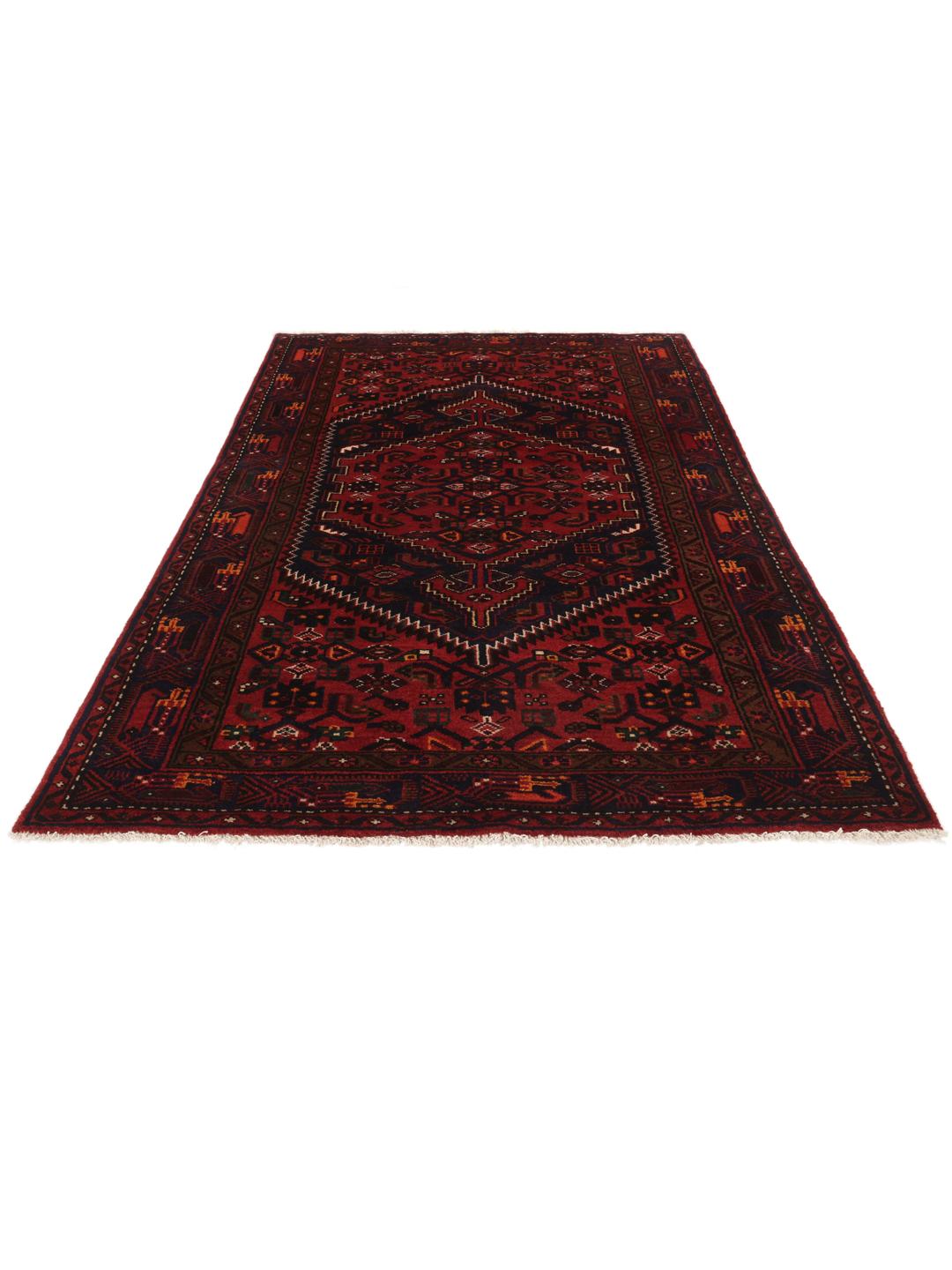
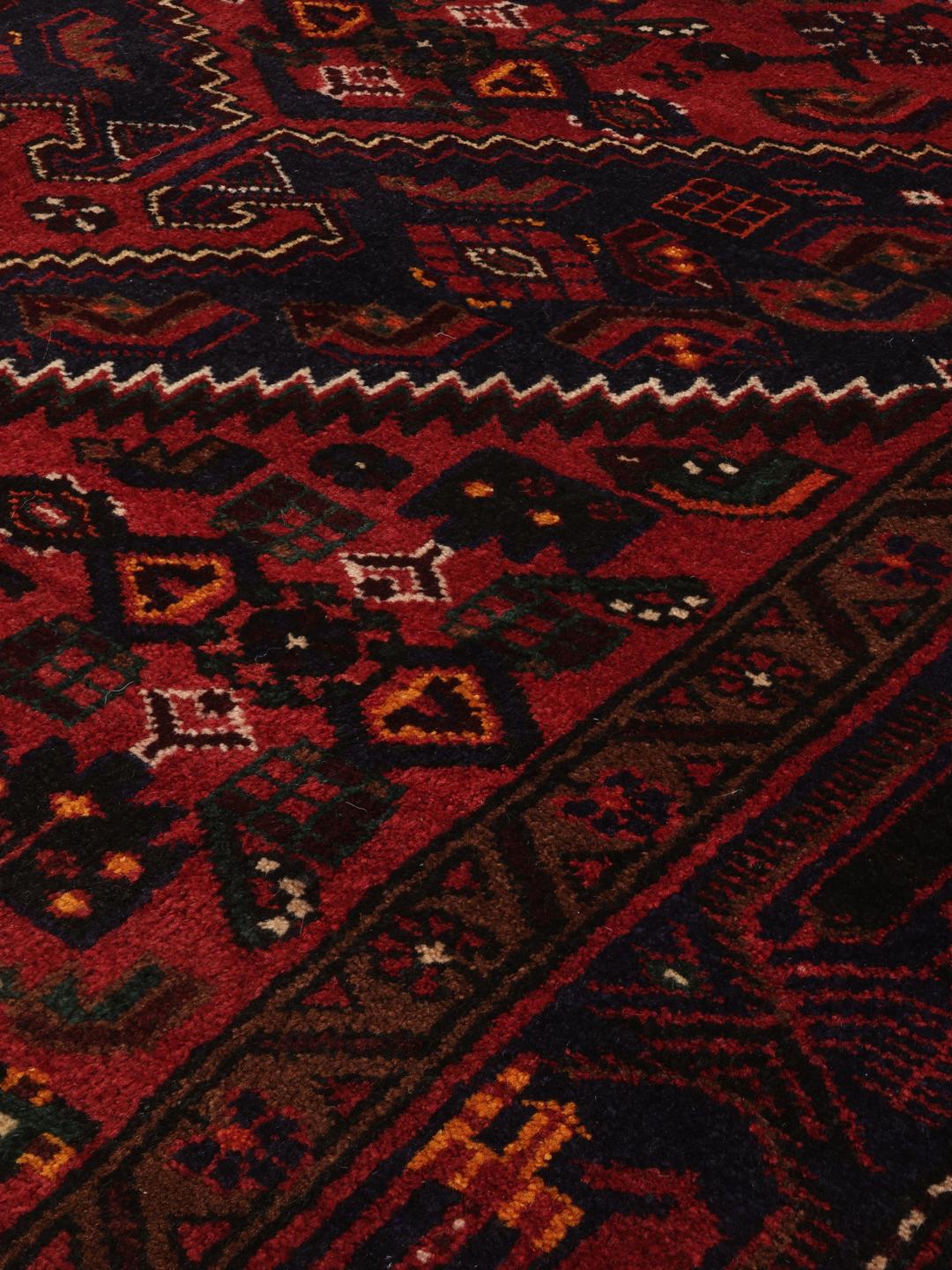
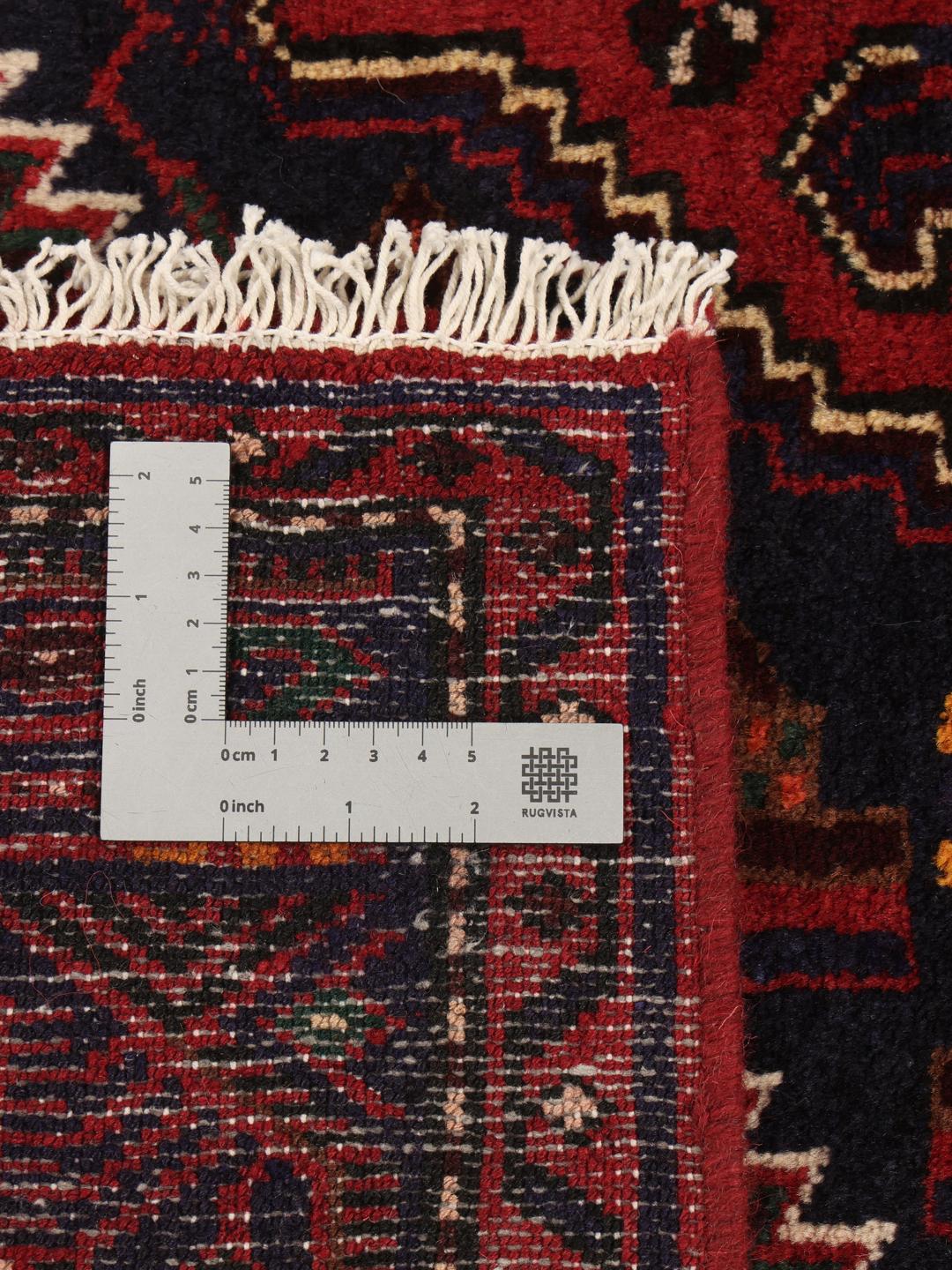
Visually, these rugs are defined by their bold, geometric patterns and often feature central medallions or repeating floral motifs. The borders are typically wide and well-defined, providing a sense of order to the complex designs found in the field. The use of deep, saturated colours like dark-red and dark-blue is a hallmark of the region, achieved through traditional dyeing techniques.
Owning a piece from this tradition is a way to bring a tangible piece of cultural heritage into your home. These rugs are highly valued by collectors not just for their aesthetic appeal, but for the skill and history woven into every thread, representing a legacy of artistry that continues to thrive today.