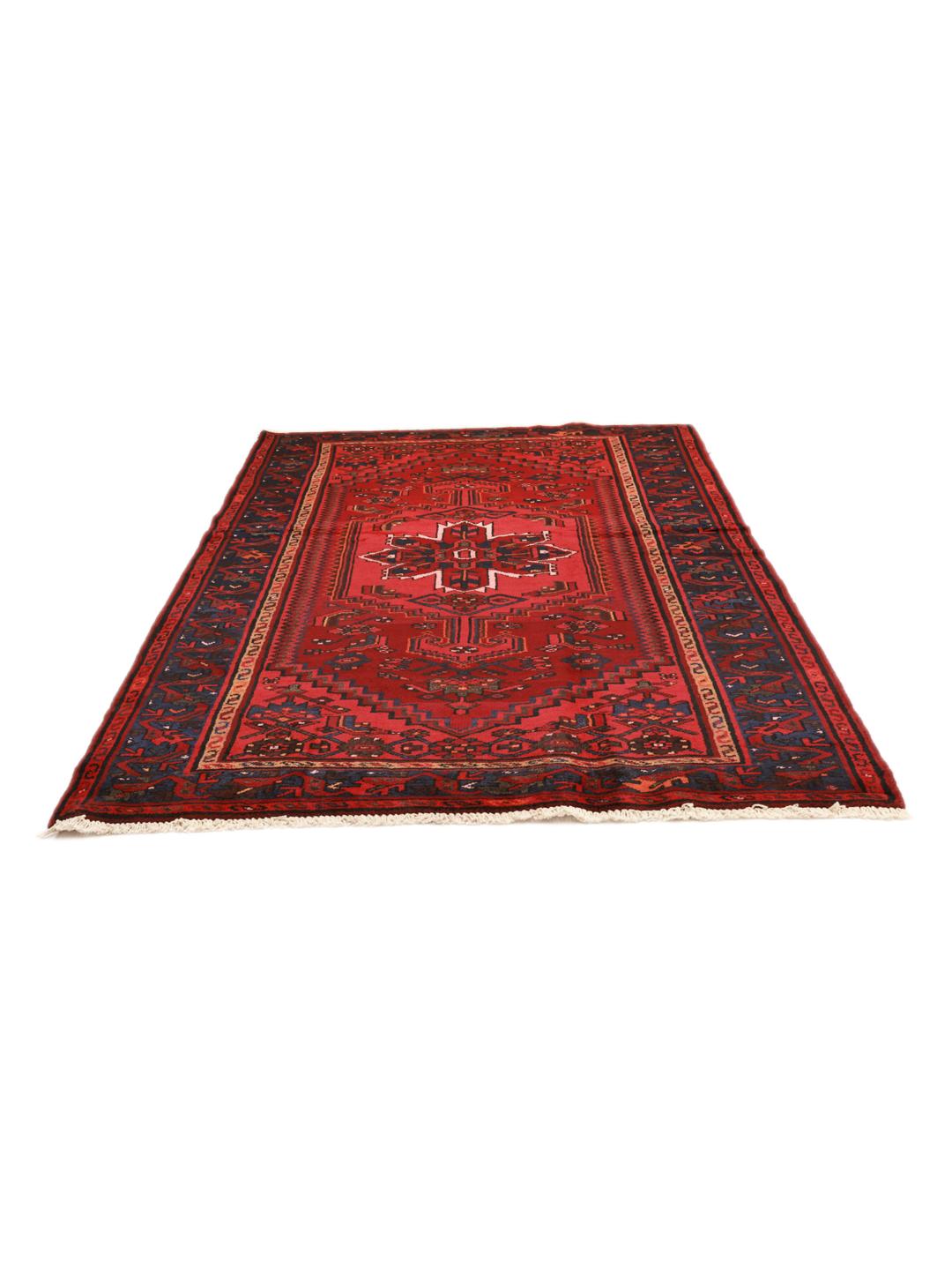
Hamadan rugs originate from one of the oldest cities in the Middle East, a historic hub located on the ancient trade routes. For centuries, the villages surrounding this city have served as a collective centre for rug production, where various tribal and village traditions converge to create a distinct, recognisable aesthetic.
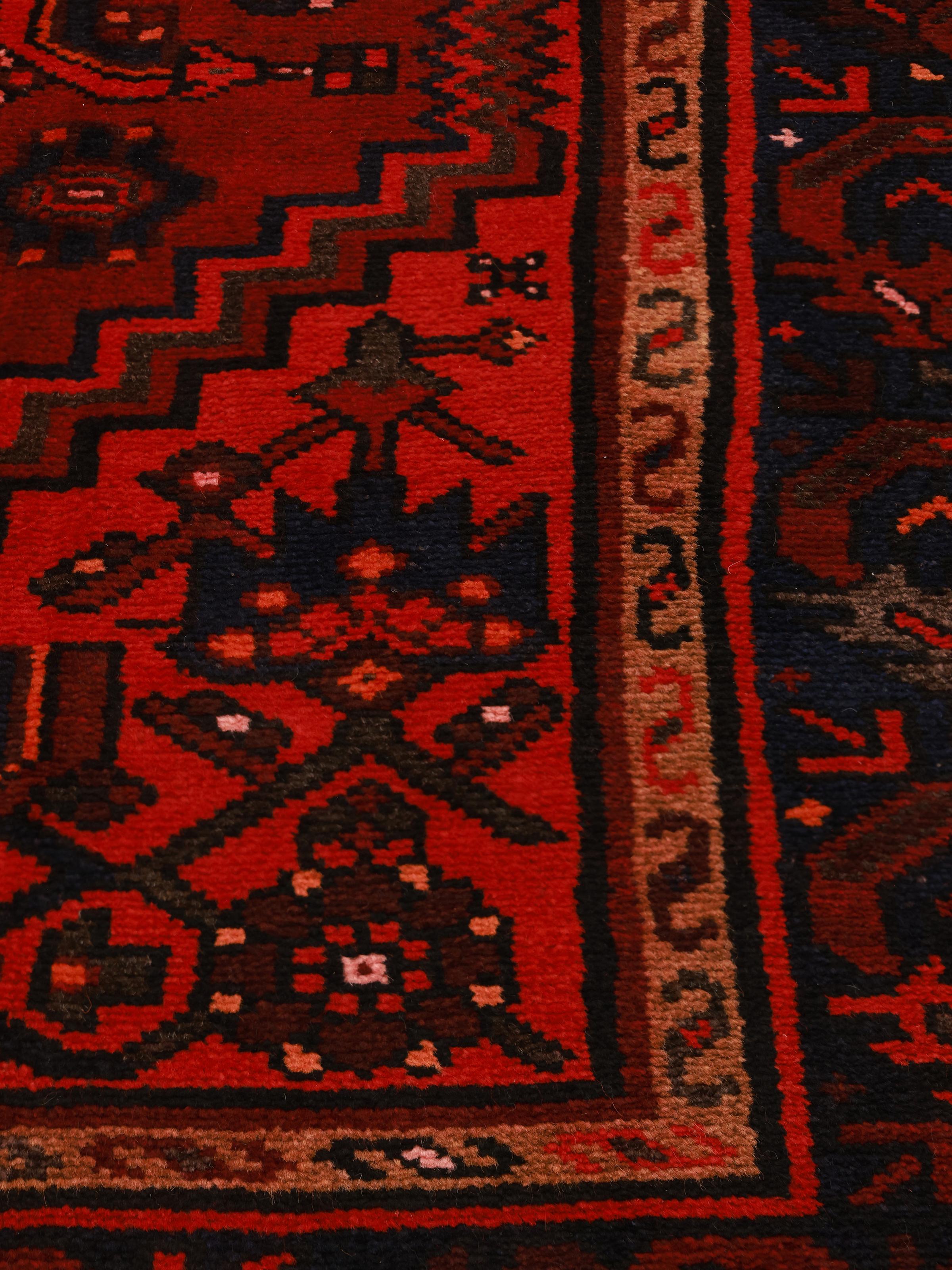
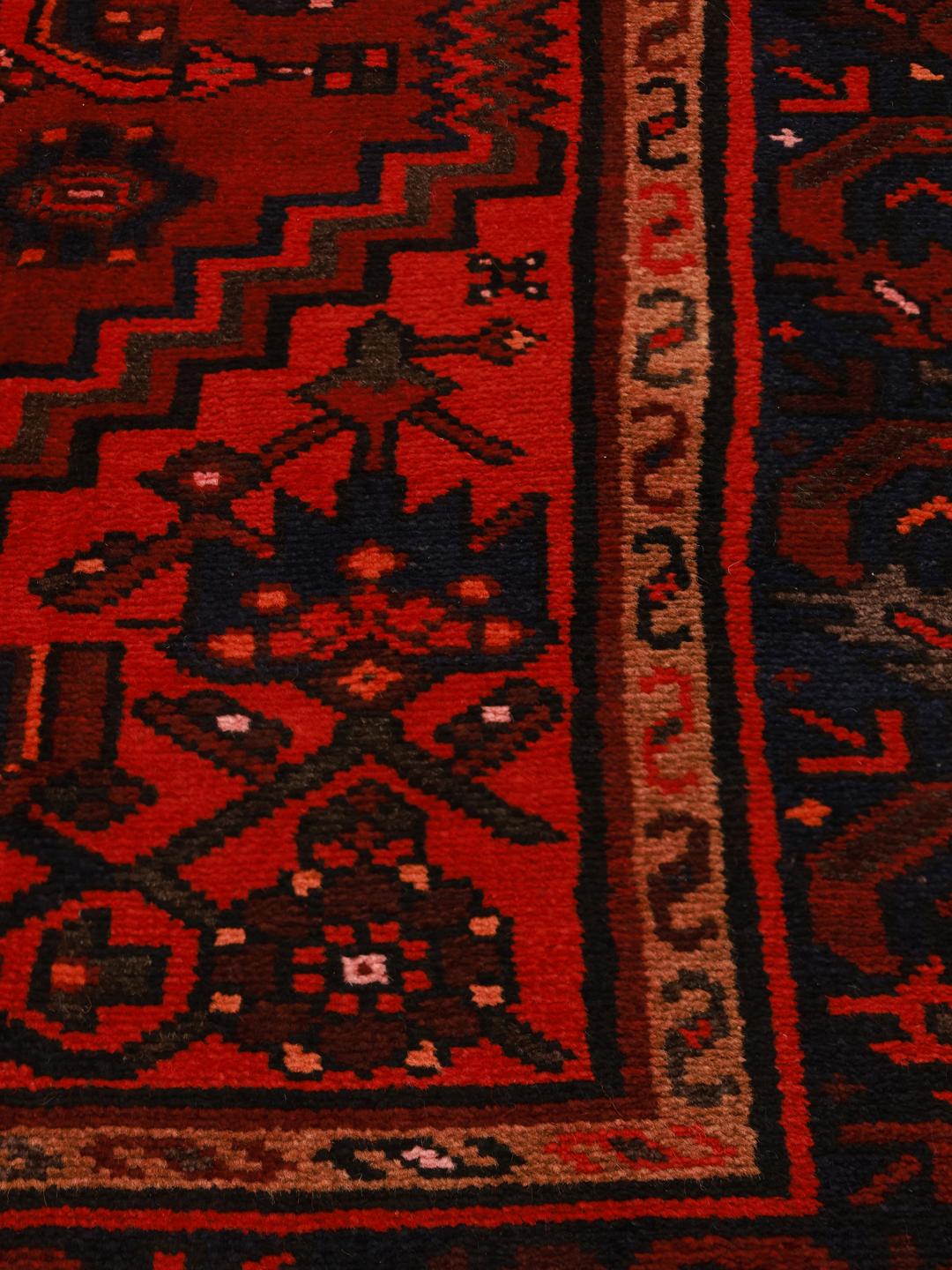
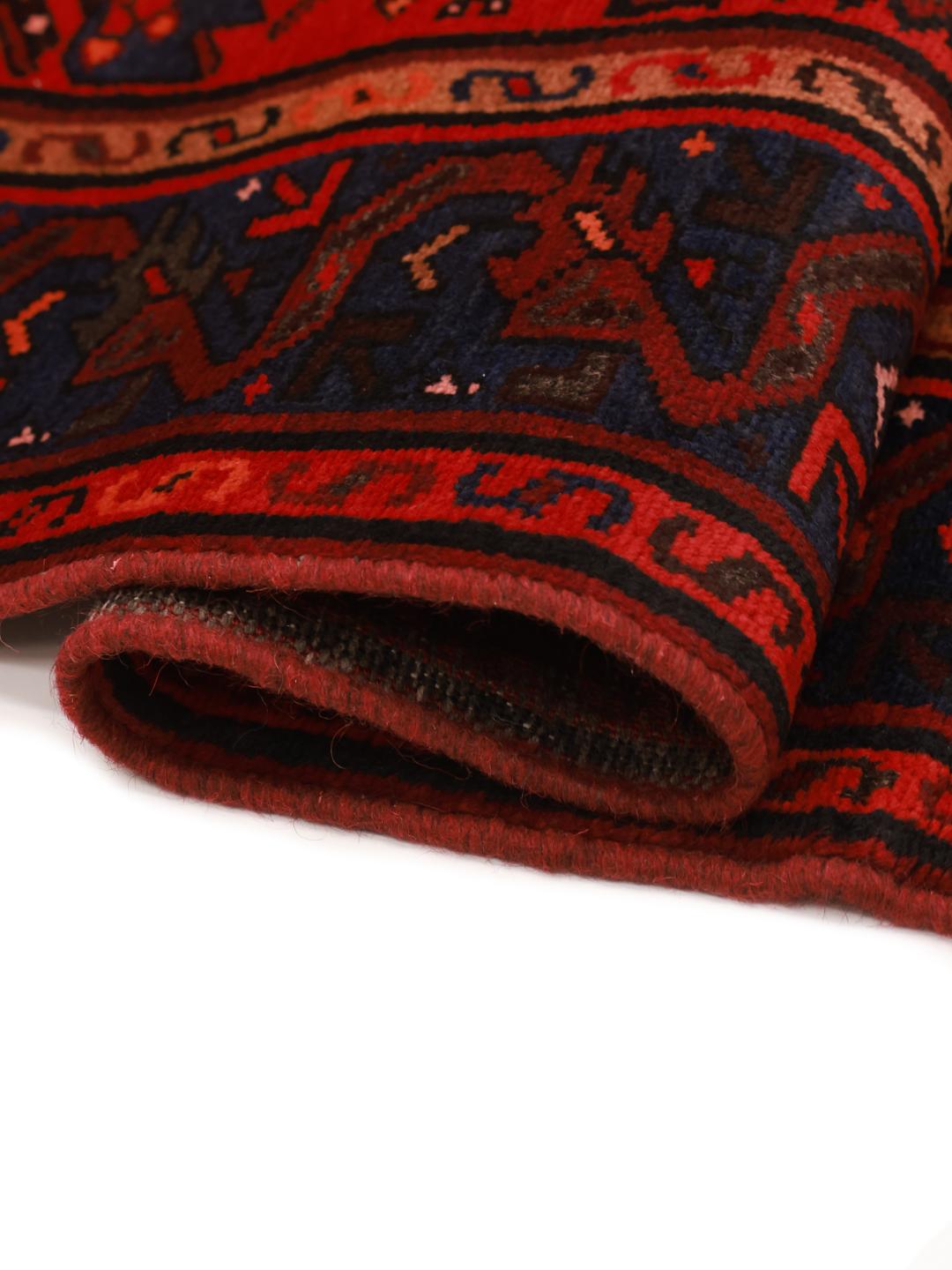
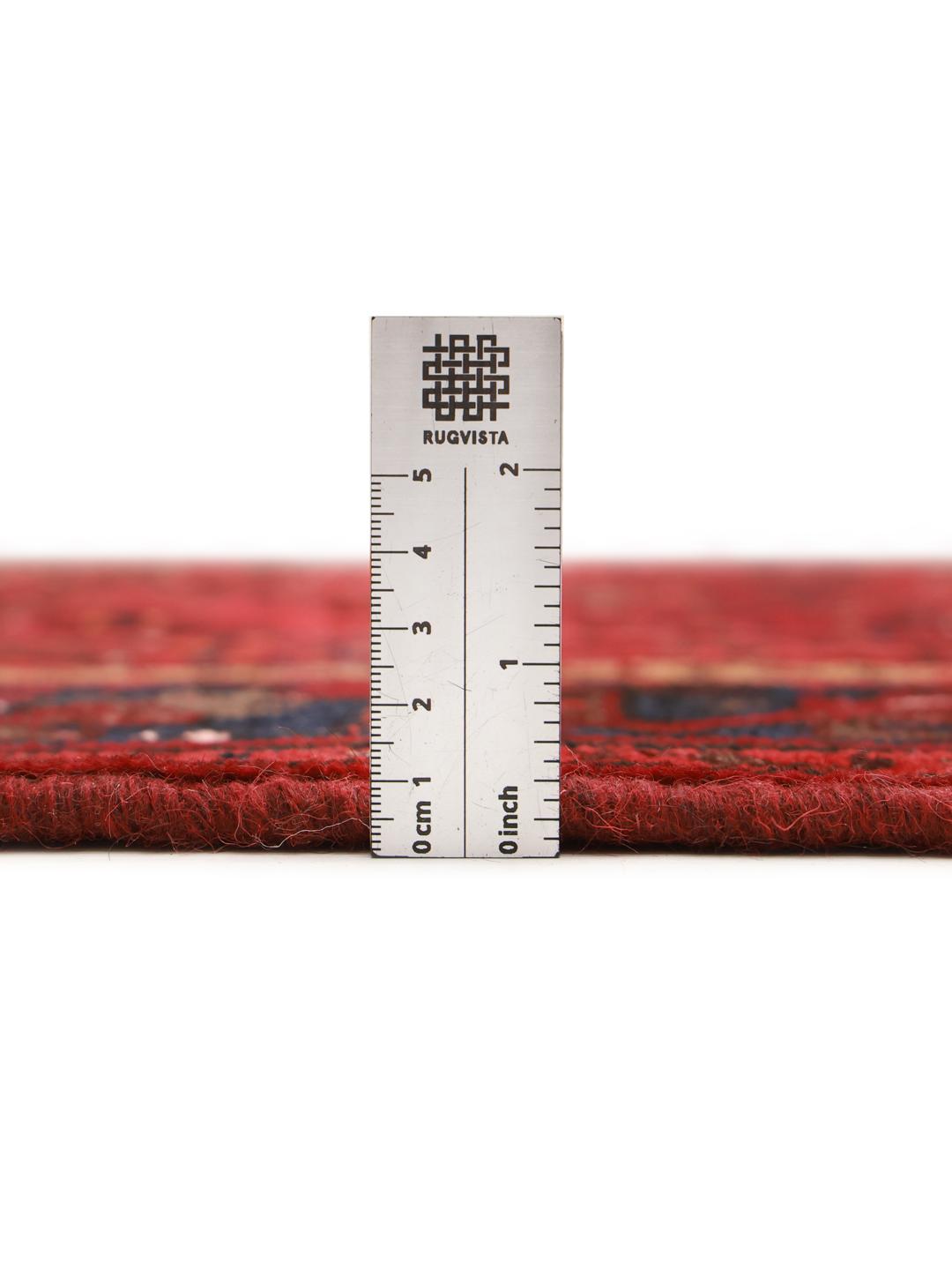
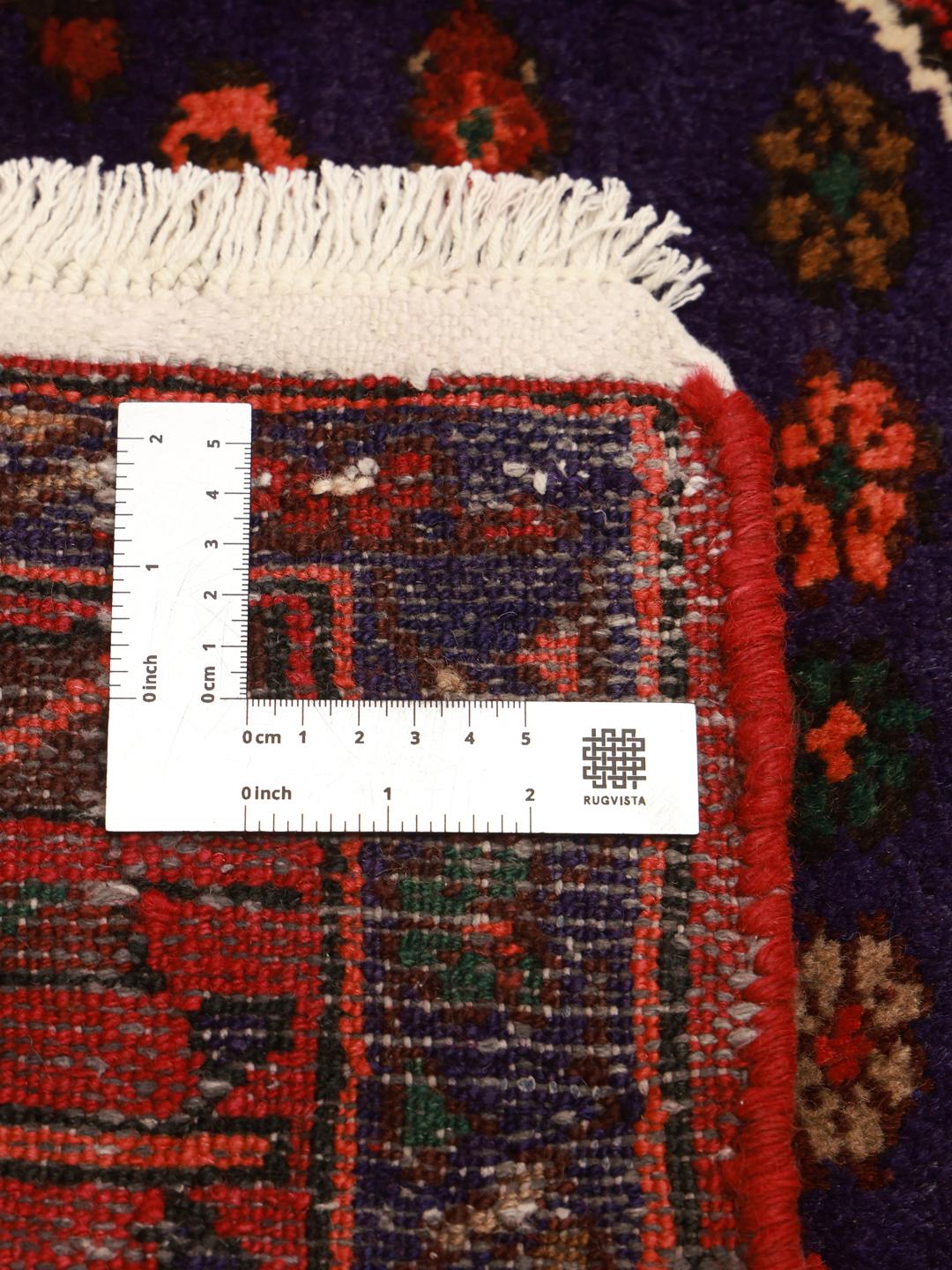
The quality of these rugs is defined by their sturdy construction and the use of high-quality Wool, often sourced from local mountain flocks. This specific approach to material selection results in a pile that is not only resilient but also gains character over time, making these rugs highly prized for their longevity and ability to withstand heavy use.
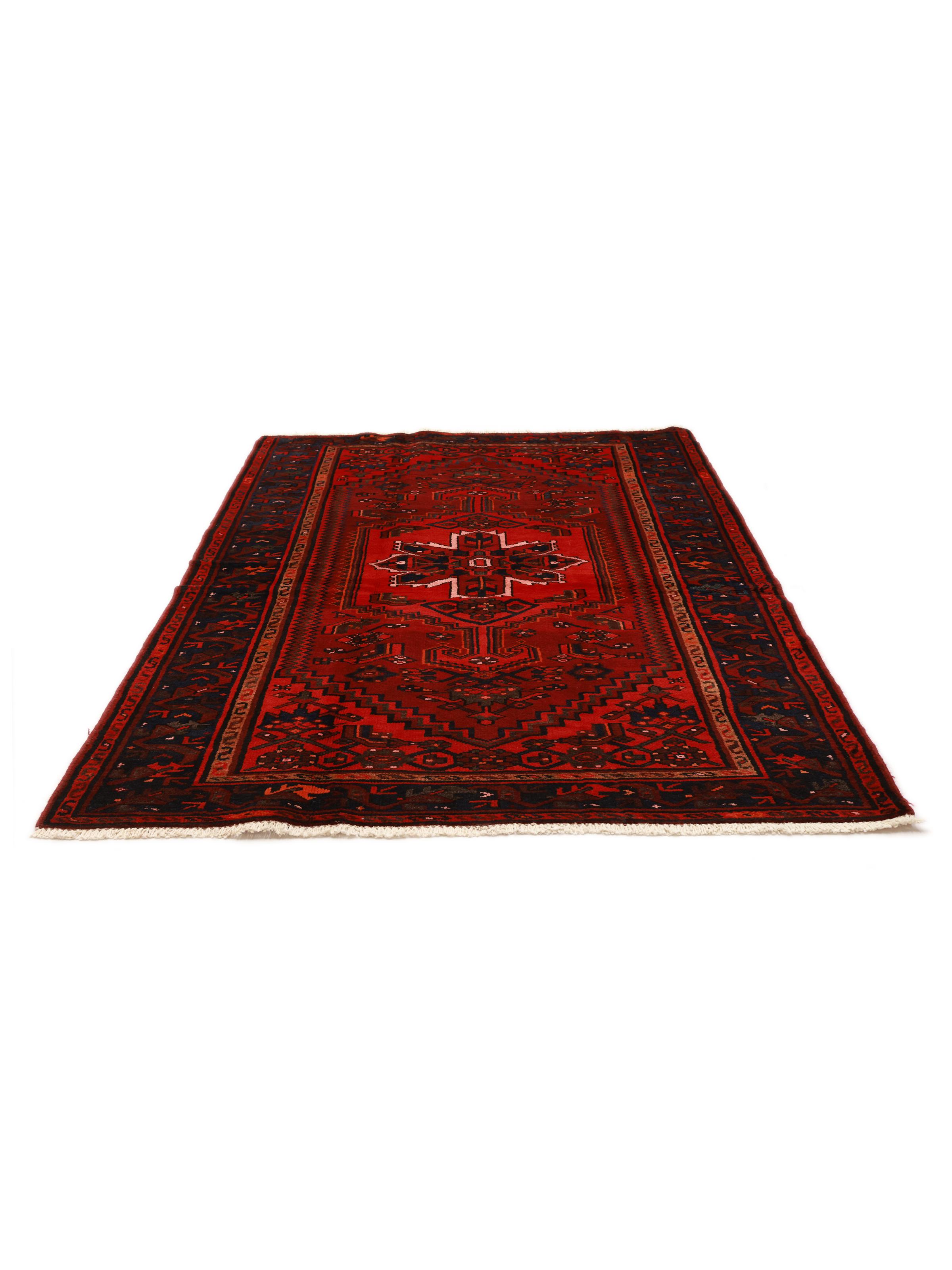
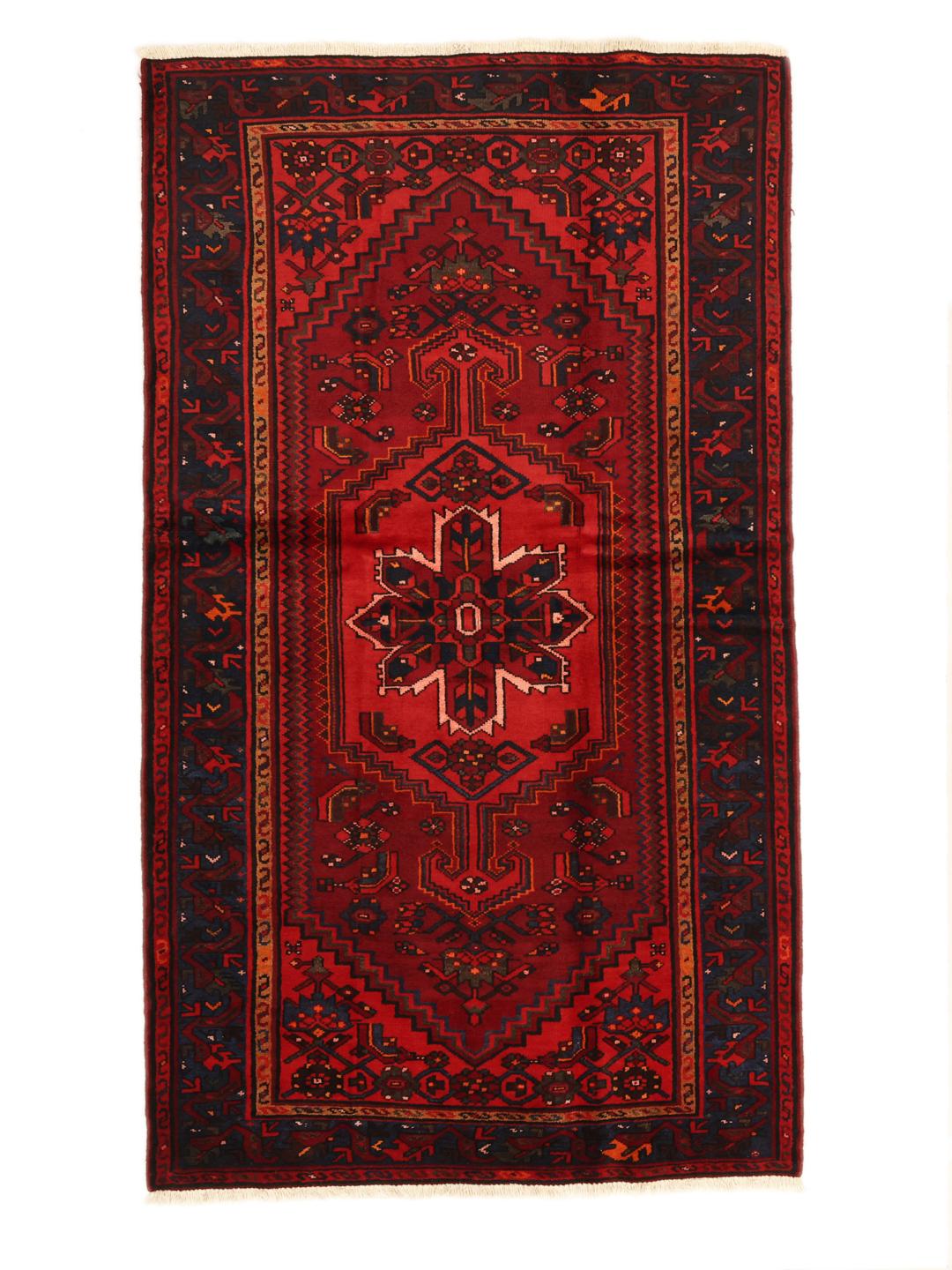
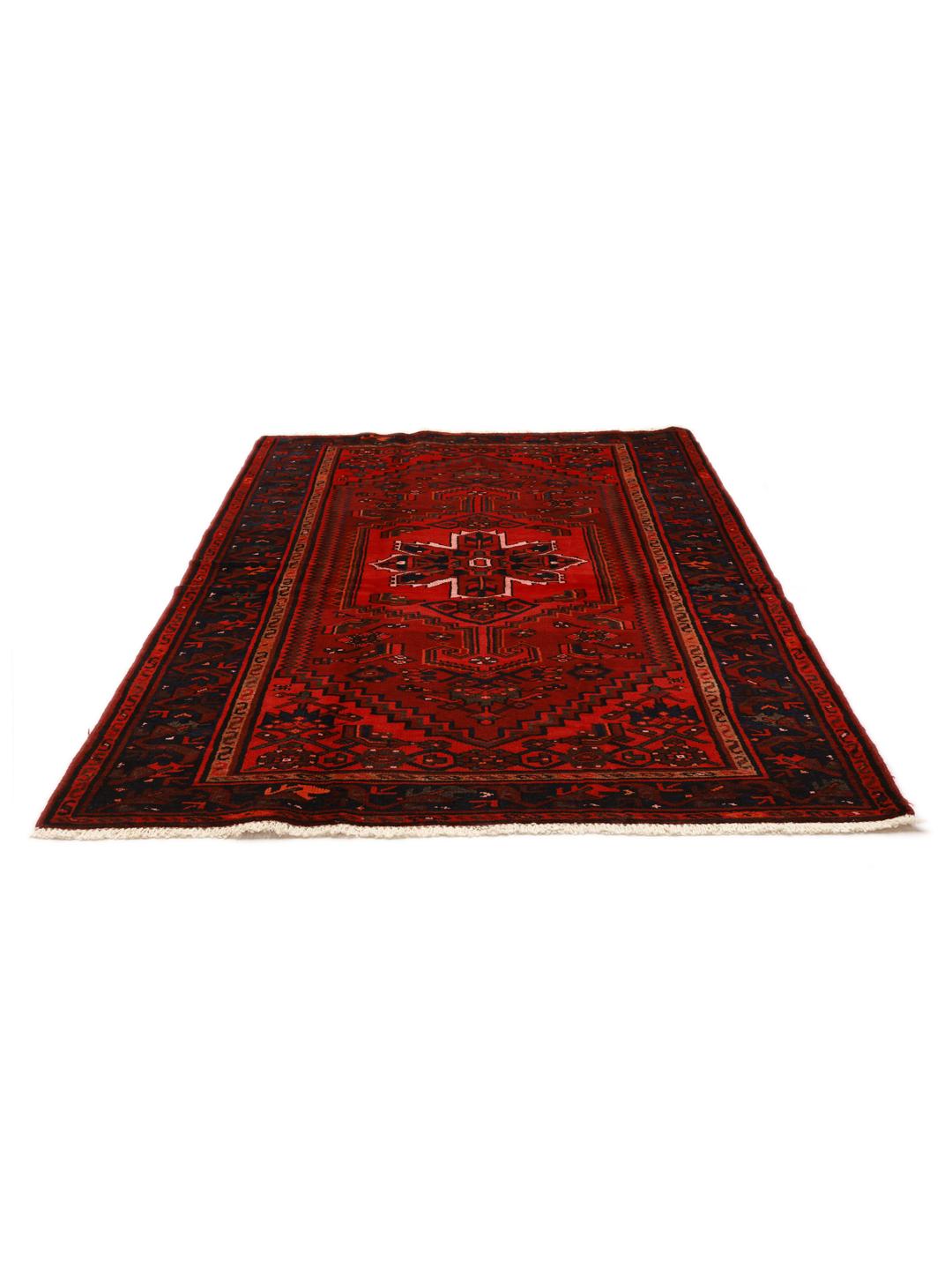
Visually, these rugs are often defined by a central medallion, a motif that anchors the entire composition. The surrounding field is frequently filled with repeating floral or geometric patterns, framed by wide, ornate borders that showcase the creative freedom of the village weavers who adapt traditional themes into their own personal expressions.
Owning a Hamadan rug is an investment in a living tradition. These pieces are collected not just for their utility as floor coverings, but as artefacts of a regional craft that emphasises individuality and skill. Each rug serves as a bridge to a rich past, offering a level of authenticity that mass-produced alternatives cannot provide.