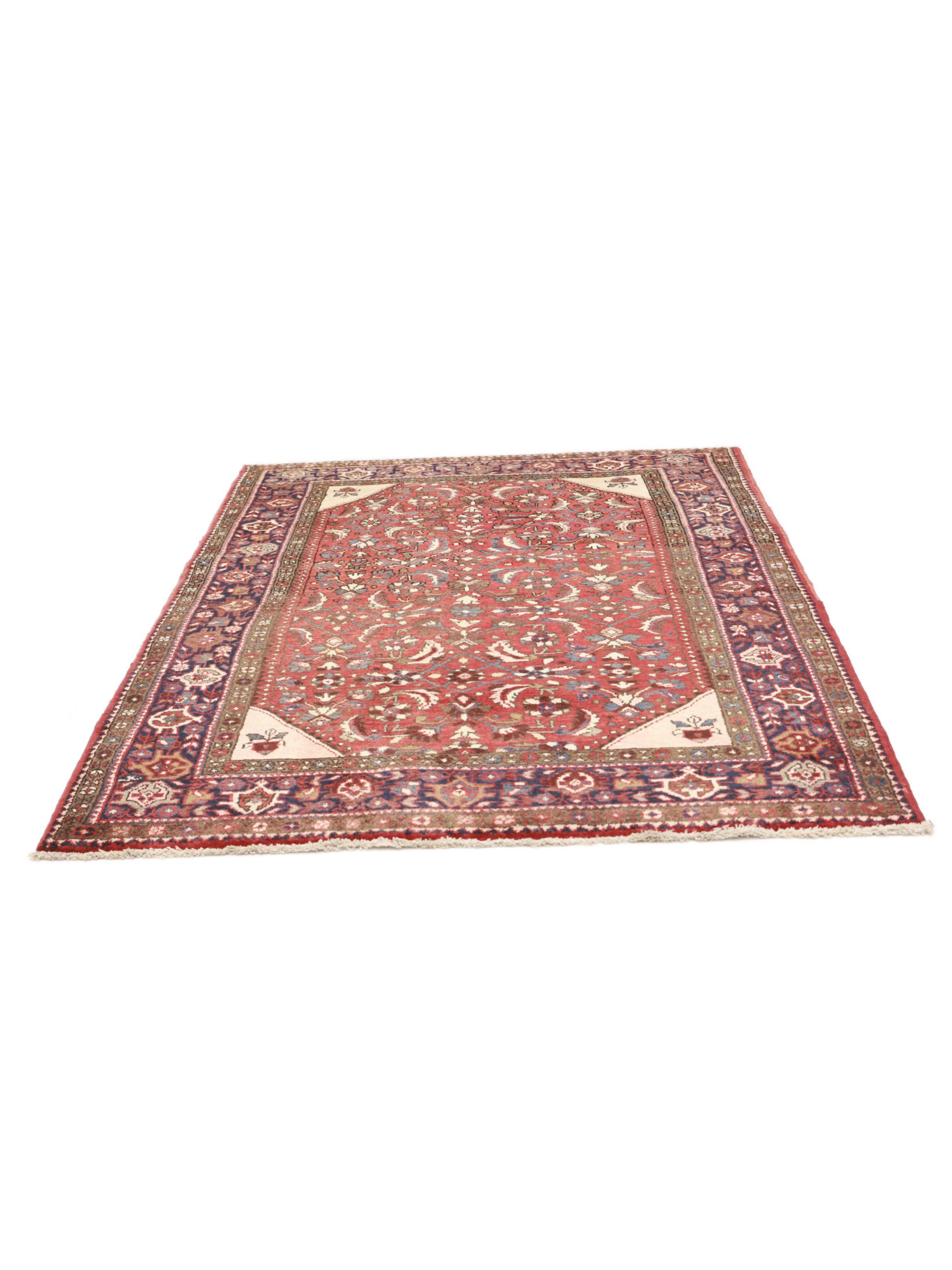
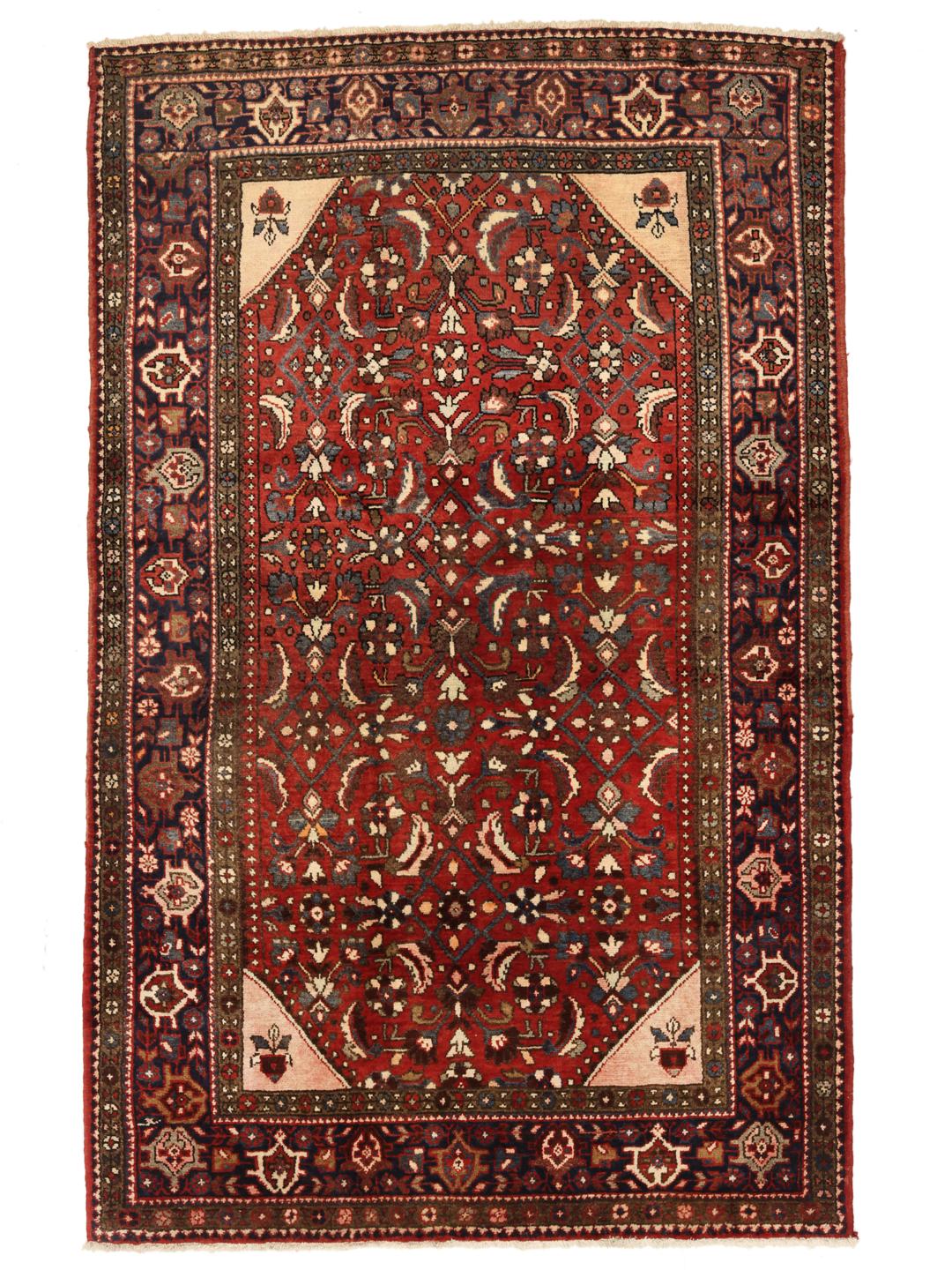
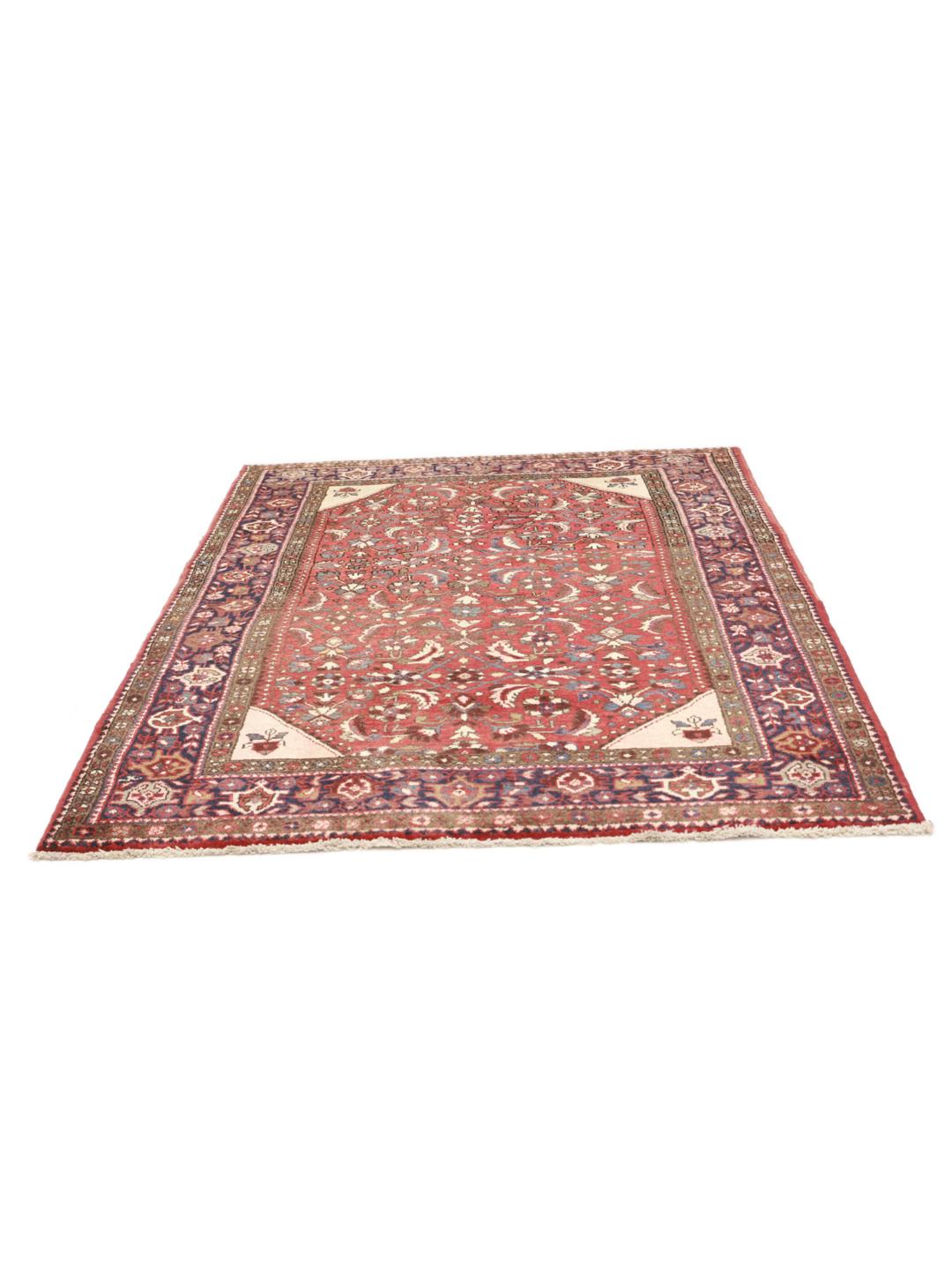
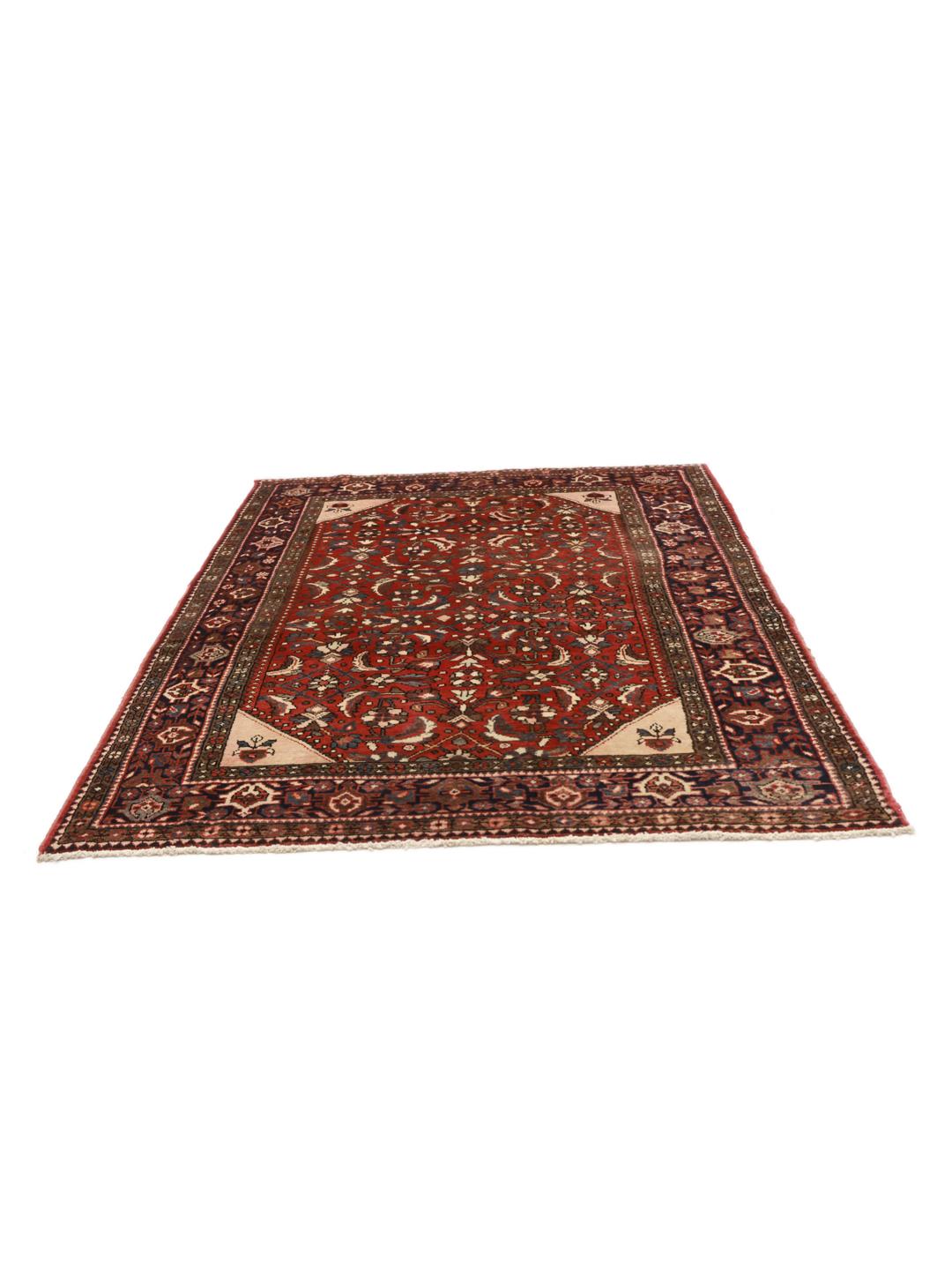
Hamadan rugs hail from one of the oldest cities in the Middle East, a region with a craft history stretching back millennia. Nestled in the mountainous terrain, this area has long been a hub for weaving, where artisans have developed distinct styles that reflect the environment and the cultural exchange of the surrounding trade routes.
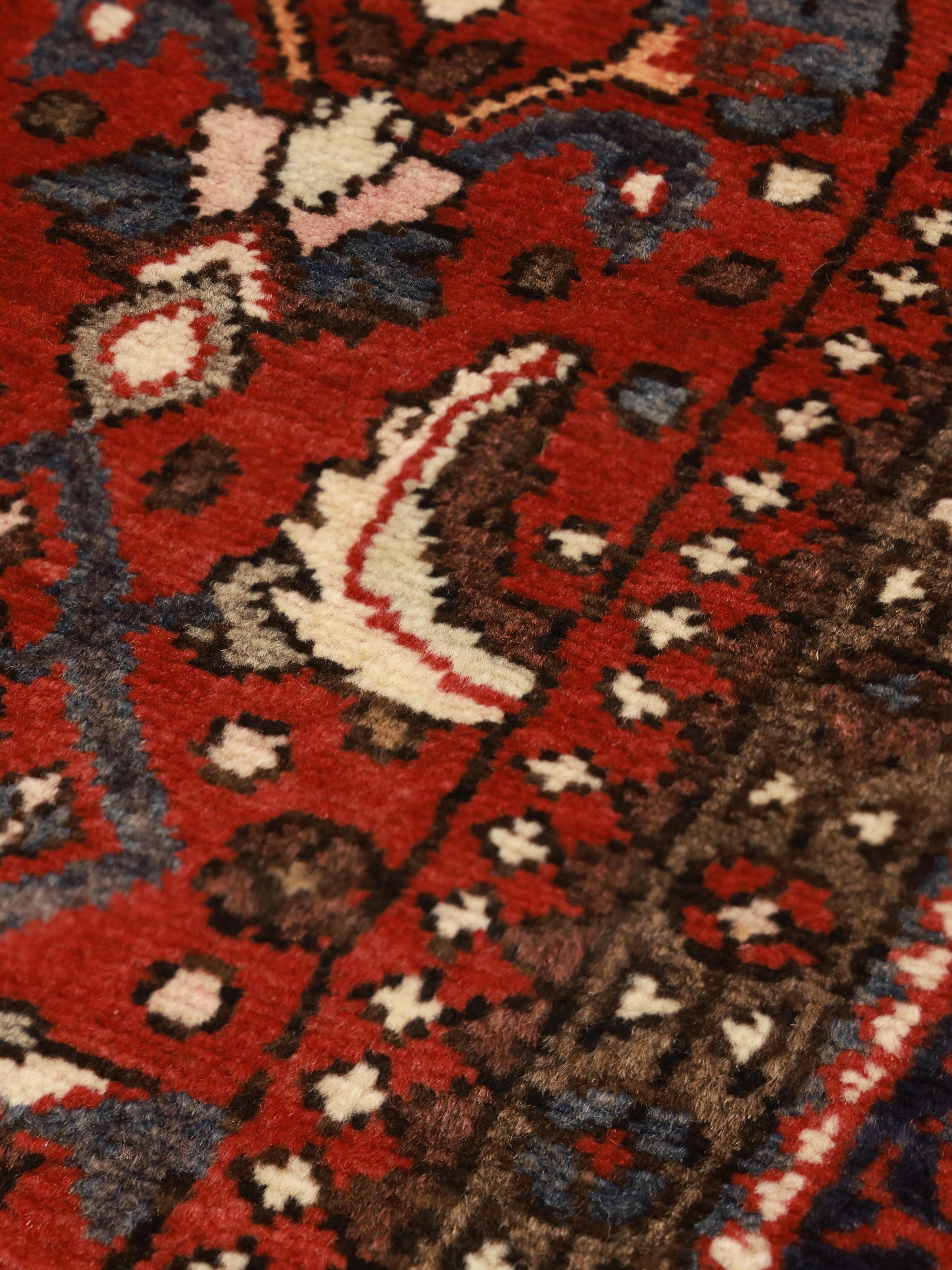
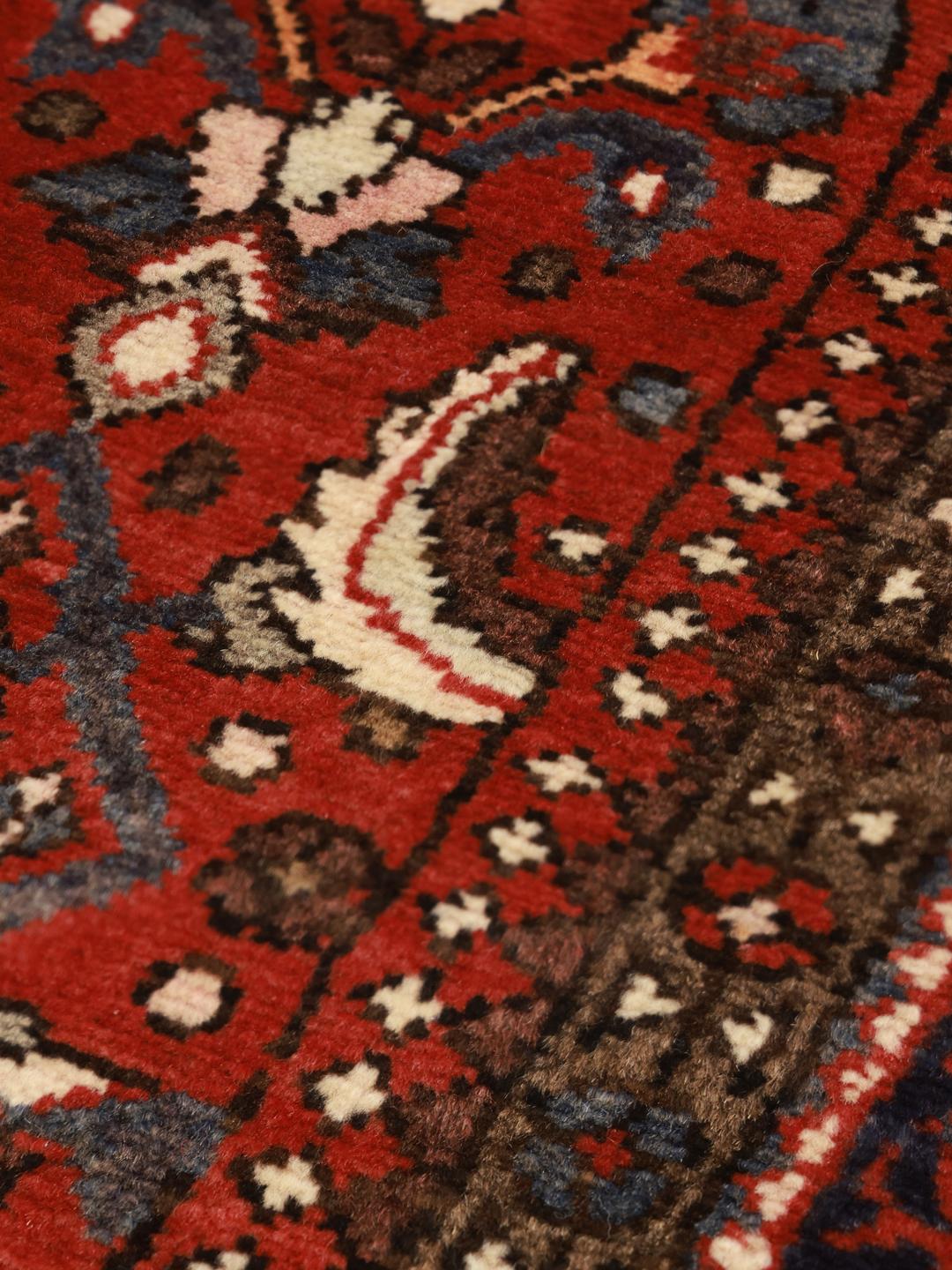
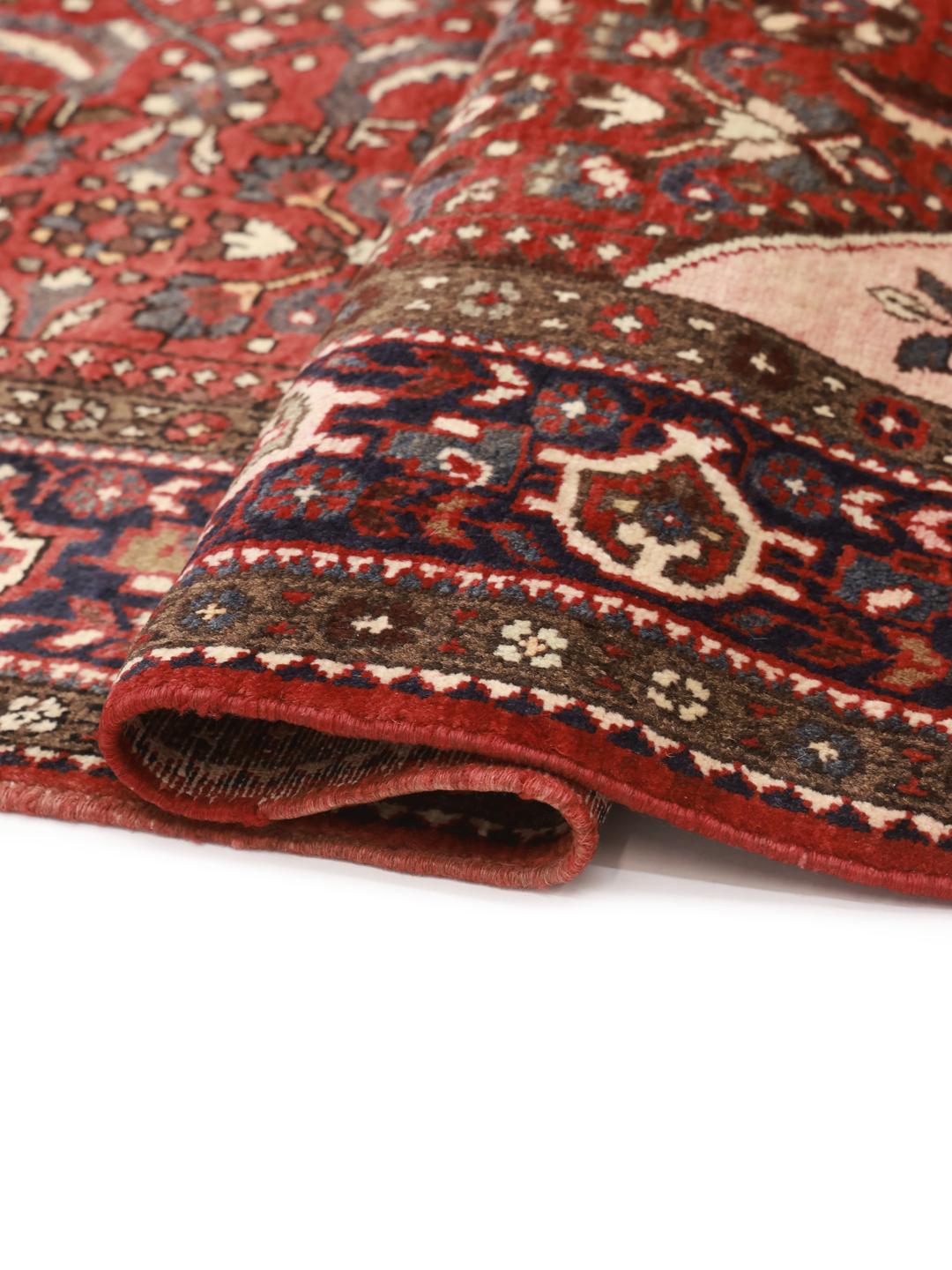
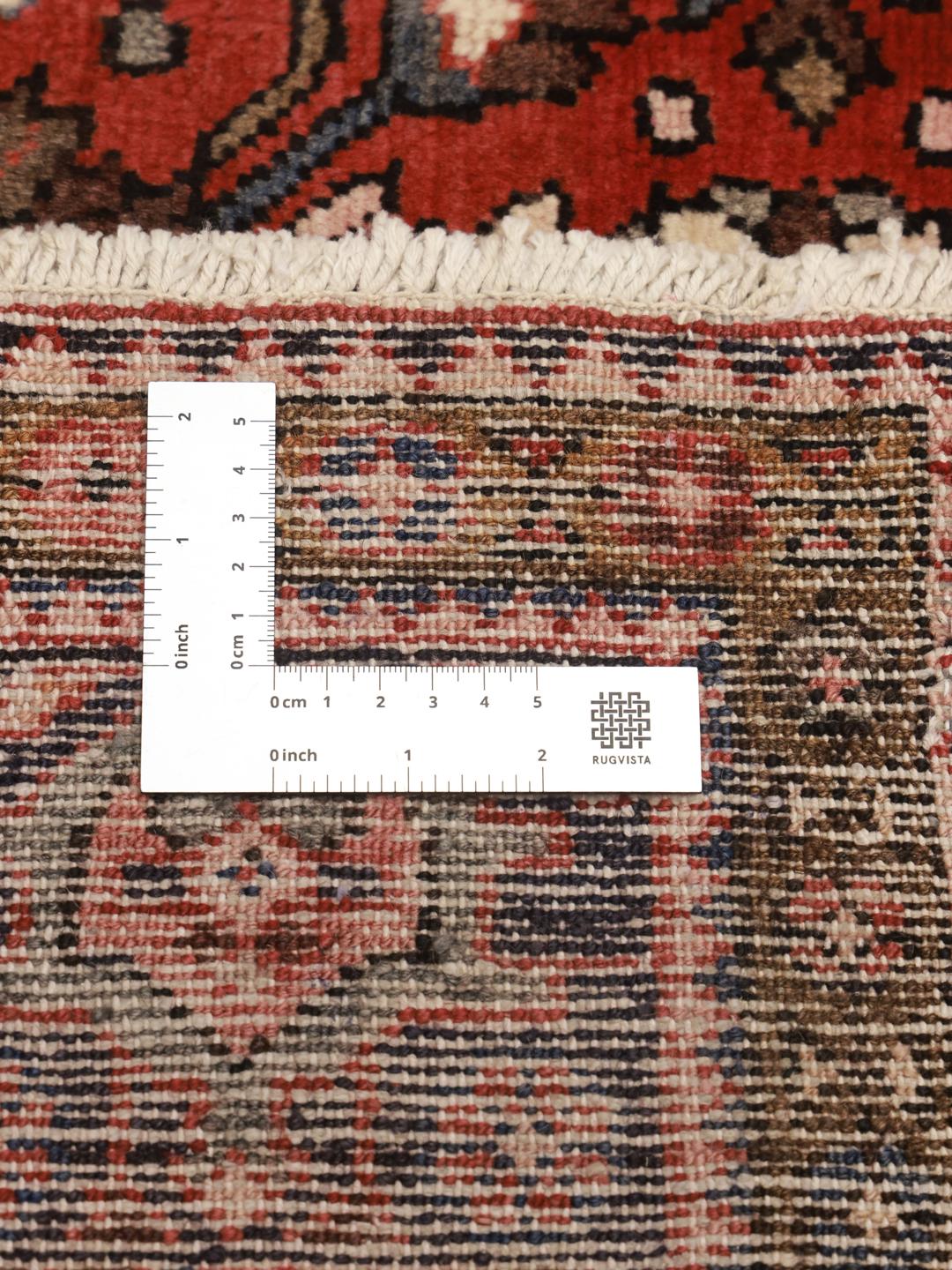
The term Hamadan refers to a wide variety of rugs produced in and around the city. These pieces are known for their sturdy construction, often utilising wool that is prized for its longevity and ability to hold vibrant natural dyes. The structure is designed to withstand the rigours of daily life, which is why these rugs have remained popular for centuries.
Visually, these rugs often feature a central medallion surrounded by floral motifs or geometric patterns, though the specific execution varies greatly depending on the village where it was woven. You will often see a deep red or blue field, which provides a dramatic backdrop for the intricate designs. The borders are typically well-defined, framing the central artistry in a classic, balanced layout.
Owning a piece from this tradition is an investment in history and human skill. These rugs are highly valued by collectors for their authenticity and the way they tell the story of their origin. By bringing a Hamadan into your home, you are continuing a legacy of artistry and connecting your living space to a rich, enduring cultural heritage.