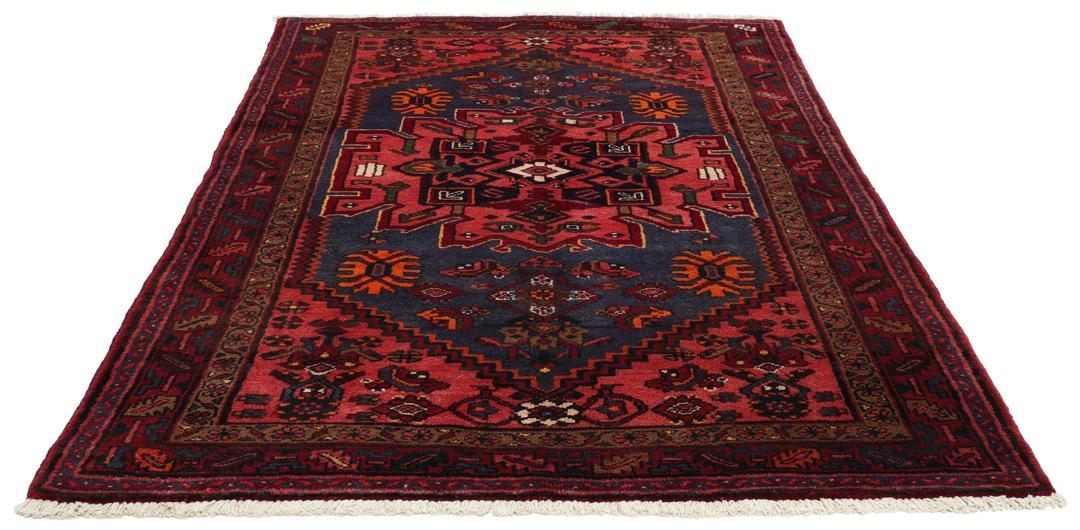
The Hamadan region in the Middle East has long been a centre for exceptional textile production, known for its diverse range of tribal and village designs. These rugs are deeply rooted in the history of the region, where weaving has been a primary domestic craft for centuries, passed down through generations as a way to preserve cultural identity and stories.
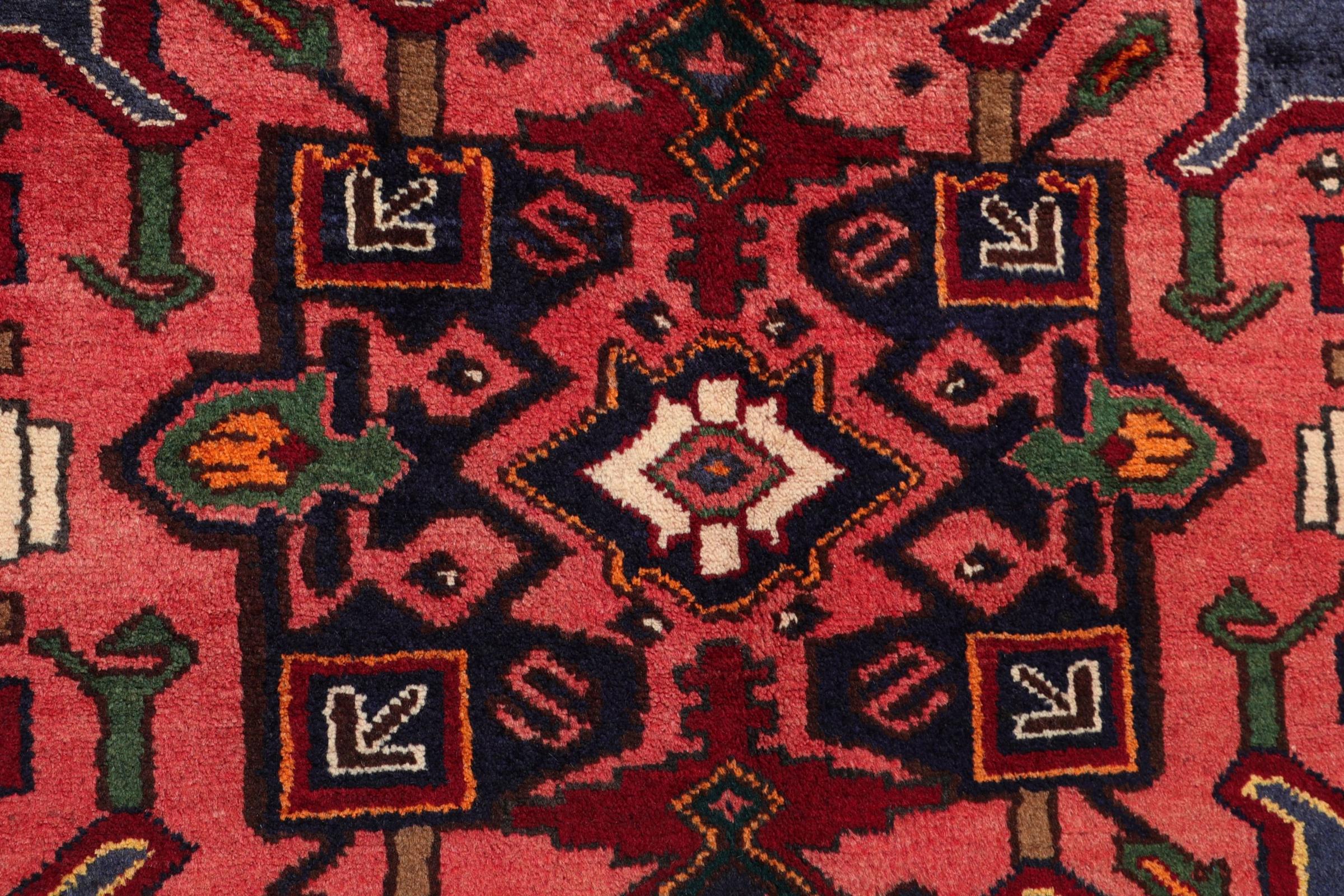
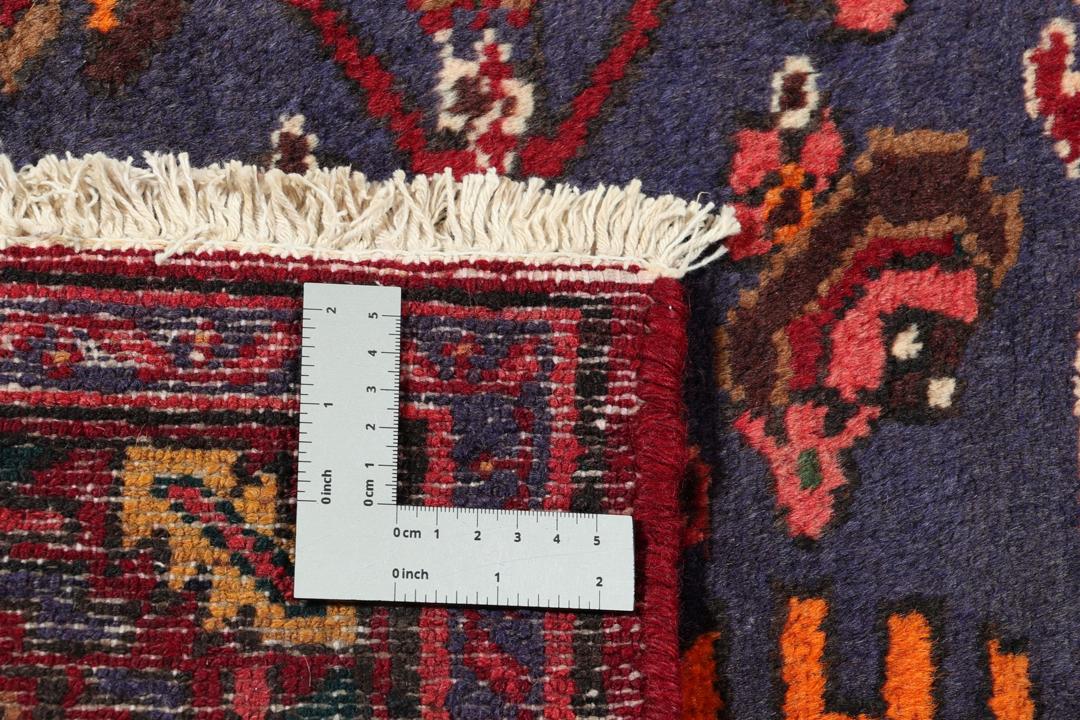
Technically, Hamadan rugs are celebrated for their versatility and robust construction. The use of traditional hand-knotting techniques ensures that each rug possesses a unique character, with slight variations in the weave that reflect the artisan's hand. This variability is a hallmark of quality, distinguishing true handmade pieces from uniform, machine-made goods.
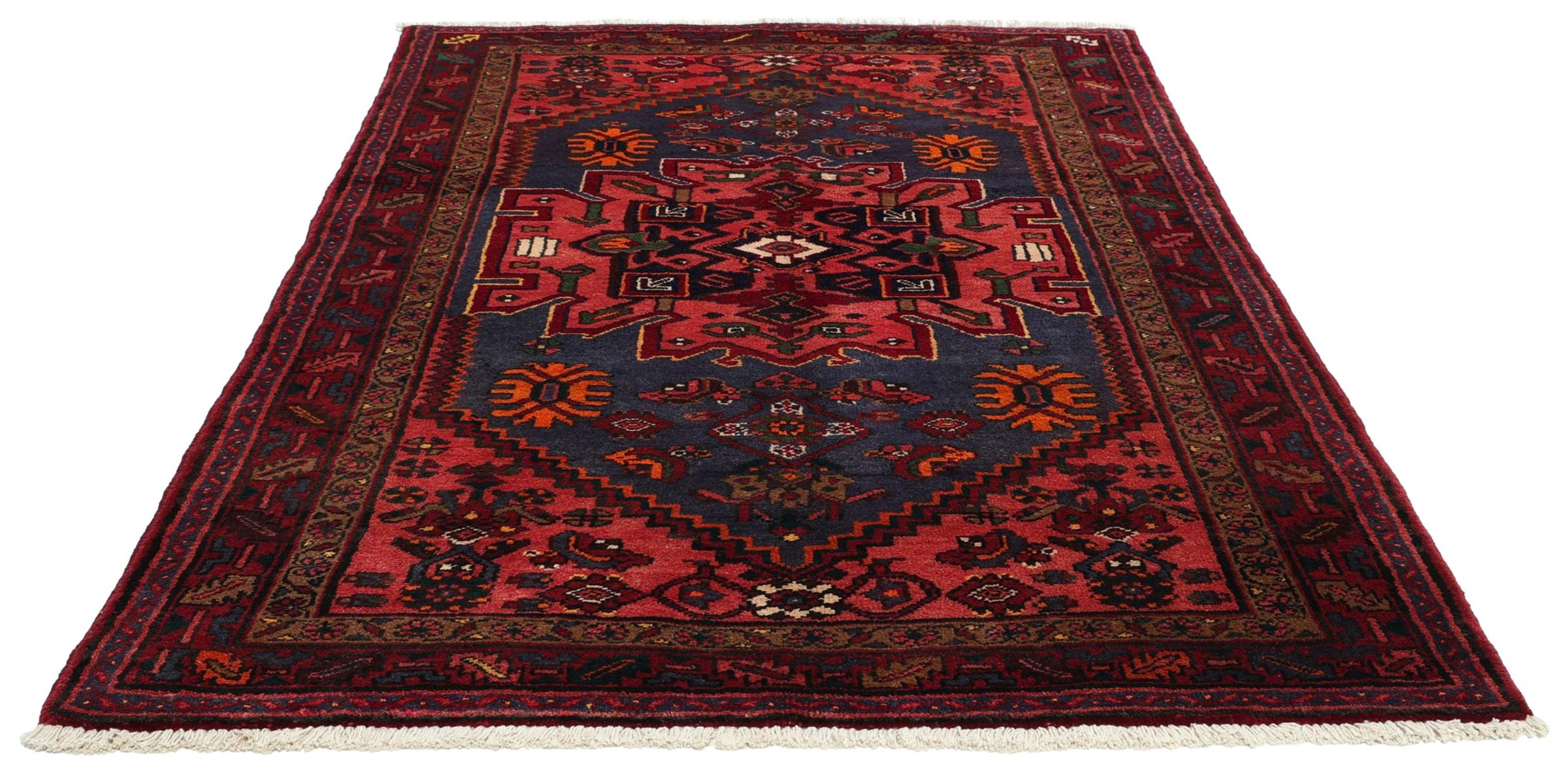
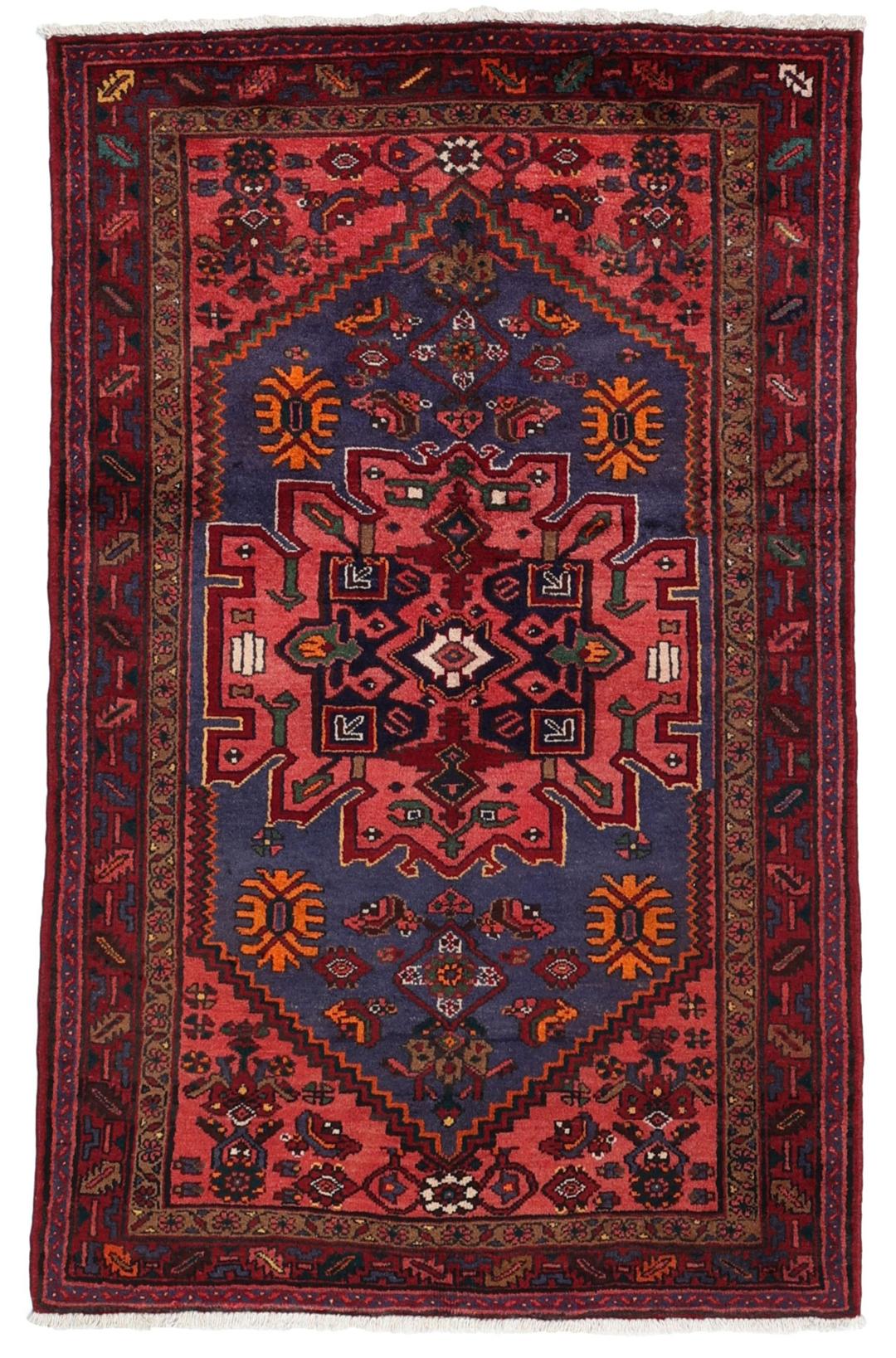
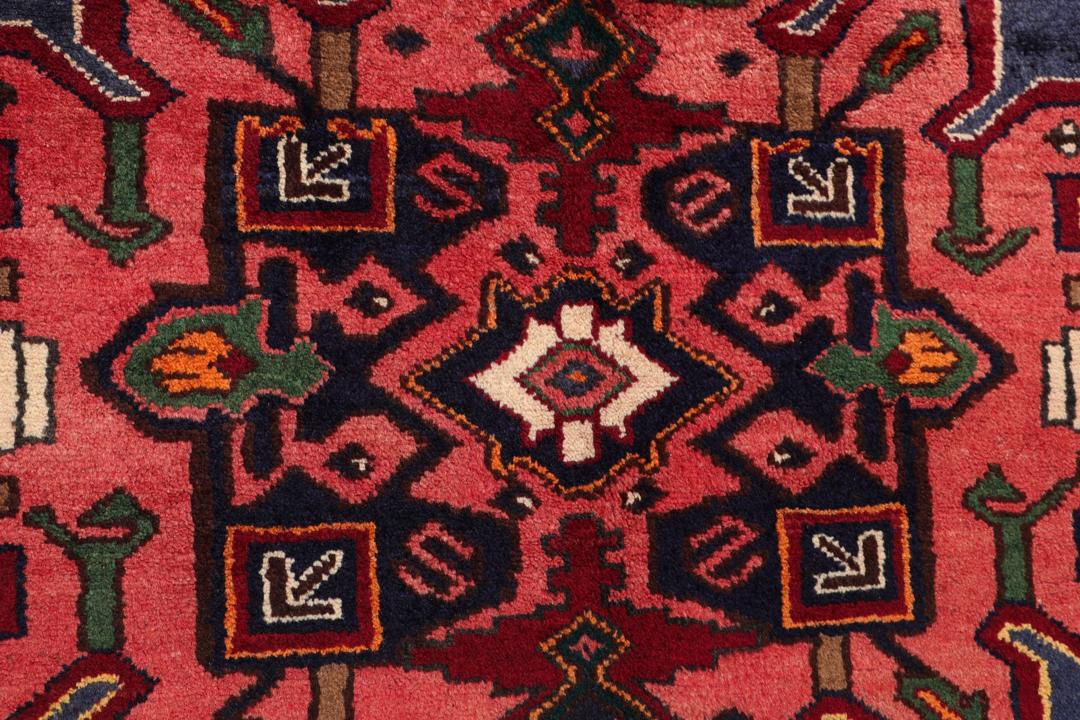
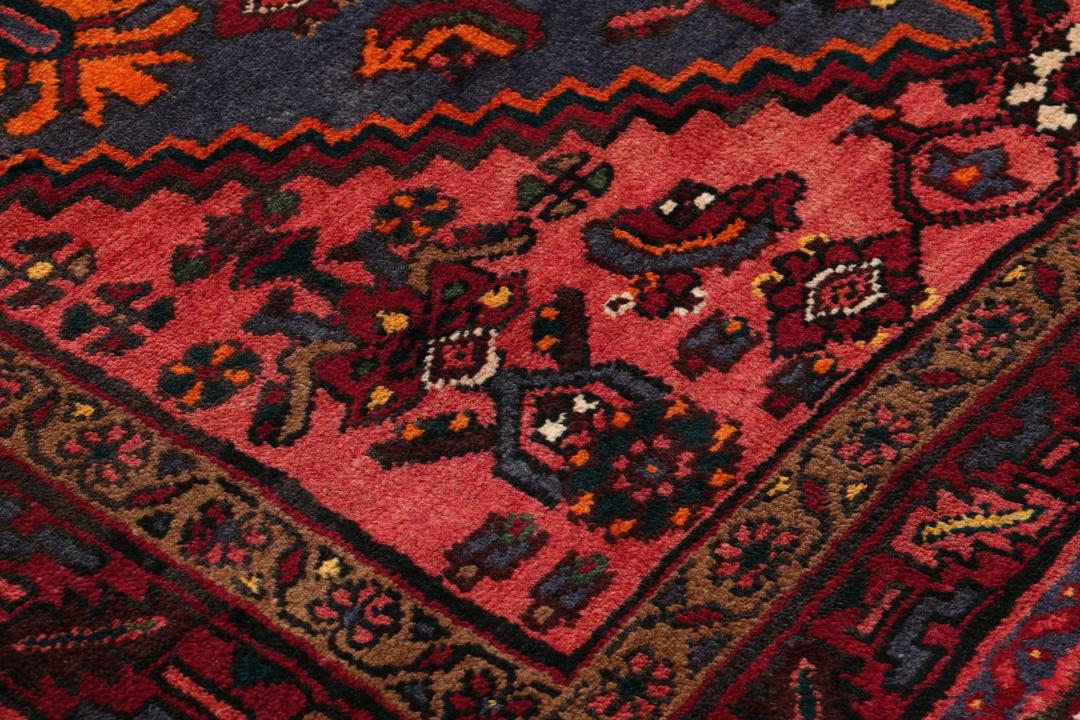
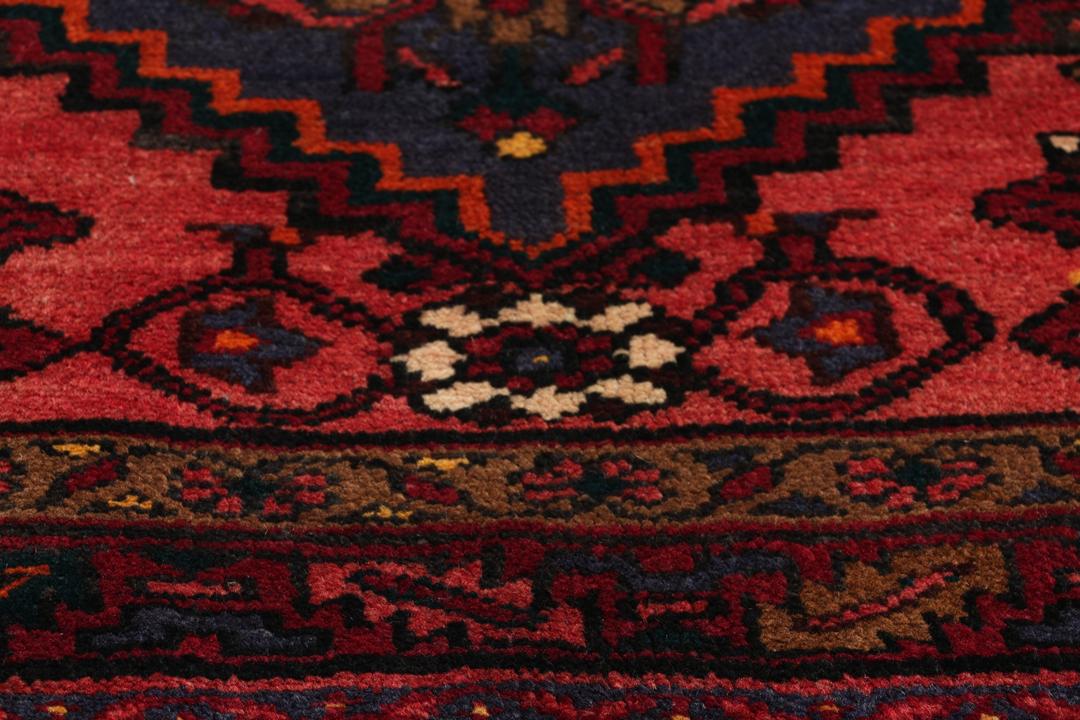
Visually, this tradition is defined by a bold and varied design language. While many Hamadan rugs feature classic medallion patterns like the one seen here, they often incorporate stylised floral motifs and geometric borders that draw inspiration from the surrounding natural landscapes. The deep, rich tones are achieved through time-honoured dyeing processes, resulting in a depth of colour that feels both vibrant and classic.
Collecting a rug from this heritage is an investment in a living tradition. These pieces are valued for their ability to blend historical significance with practical, everyday beauty. By bringing this rug into your home, you are not just acquiring a floor covering, but a piece of history that represents the skill and spirit of the people who created it.