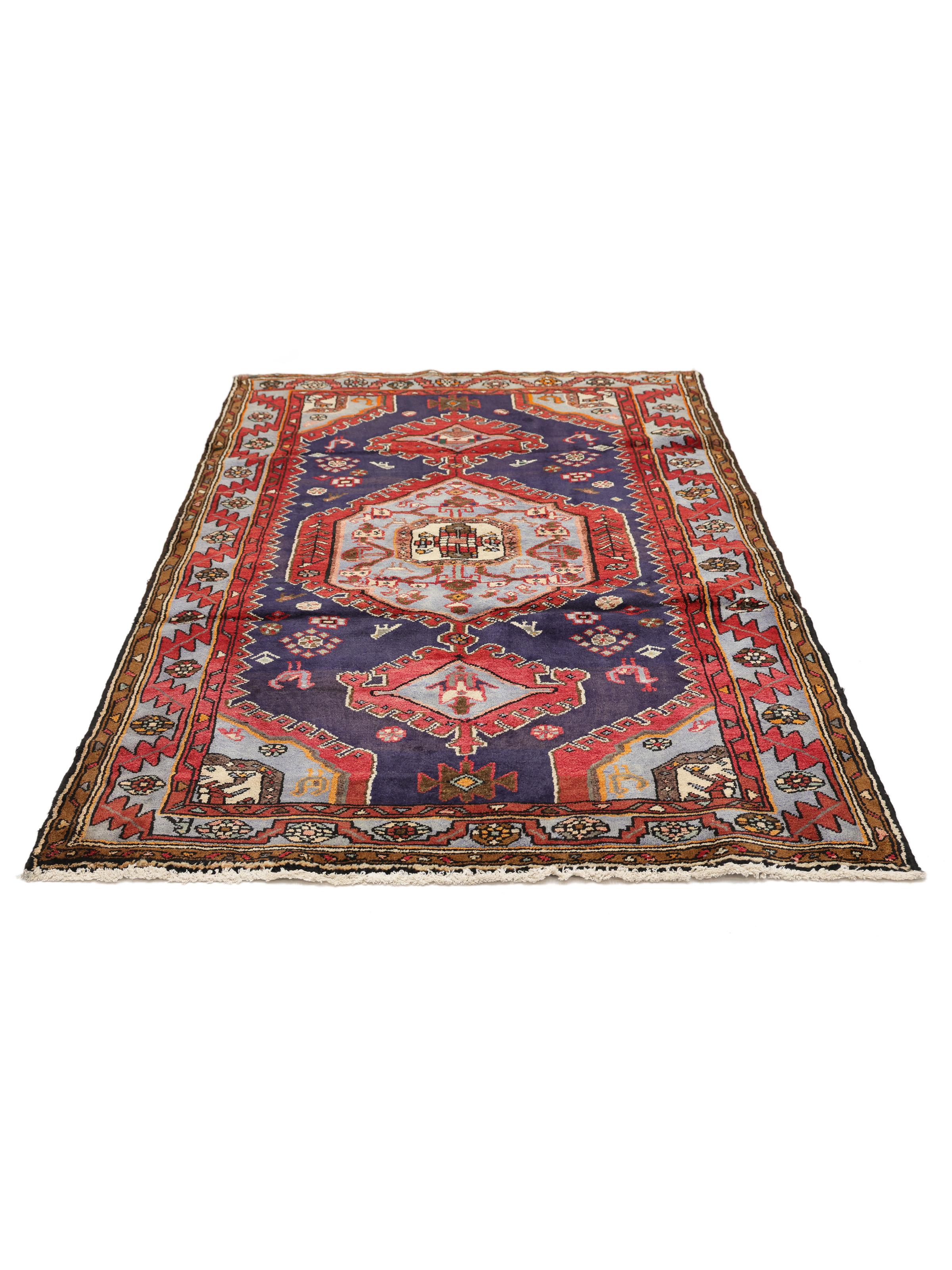
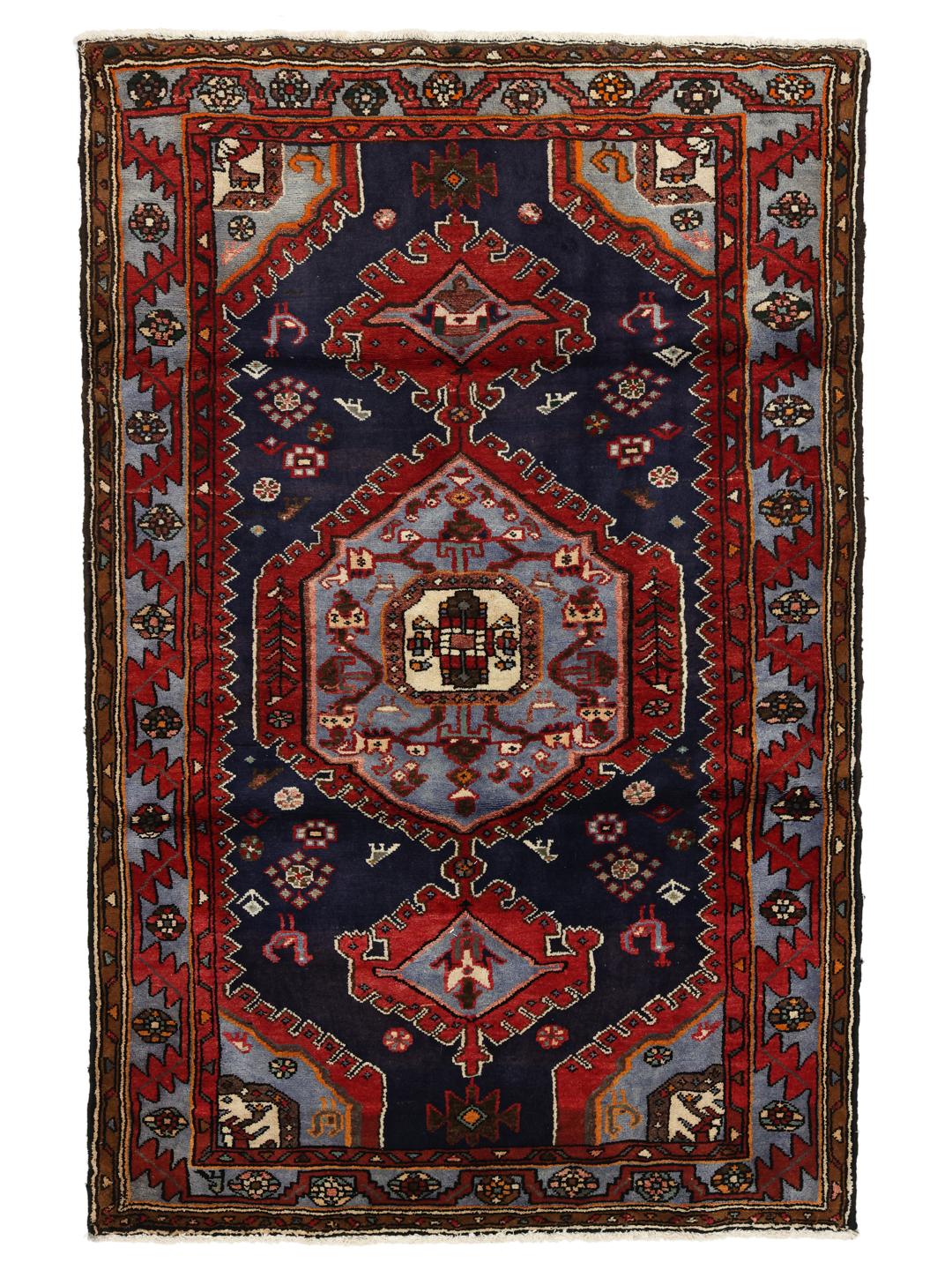
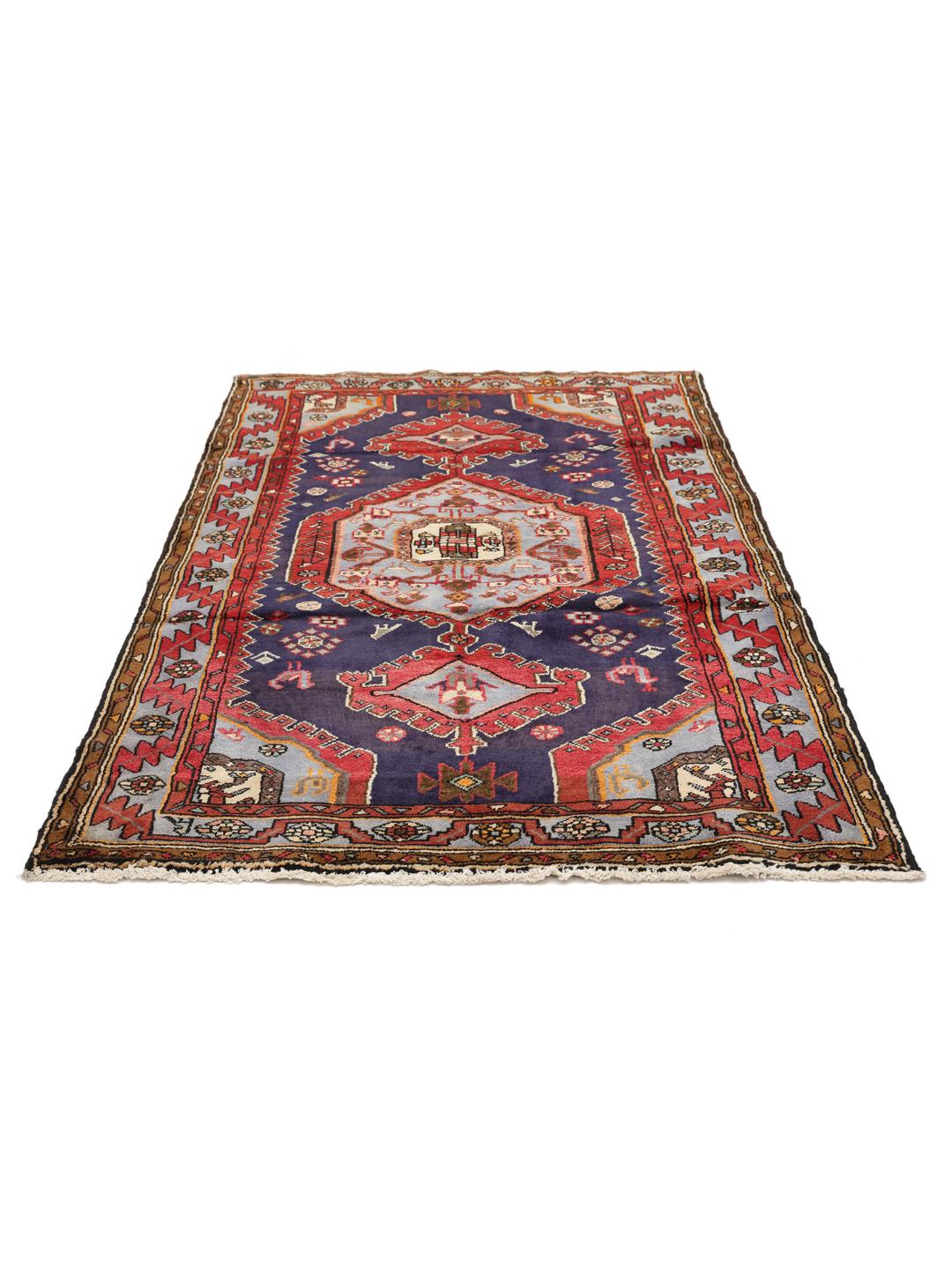
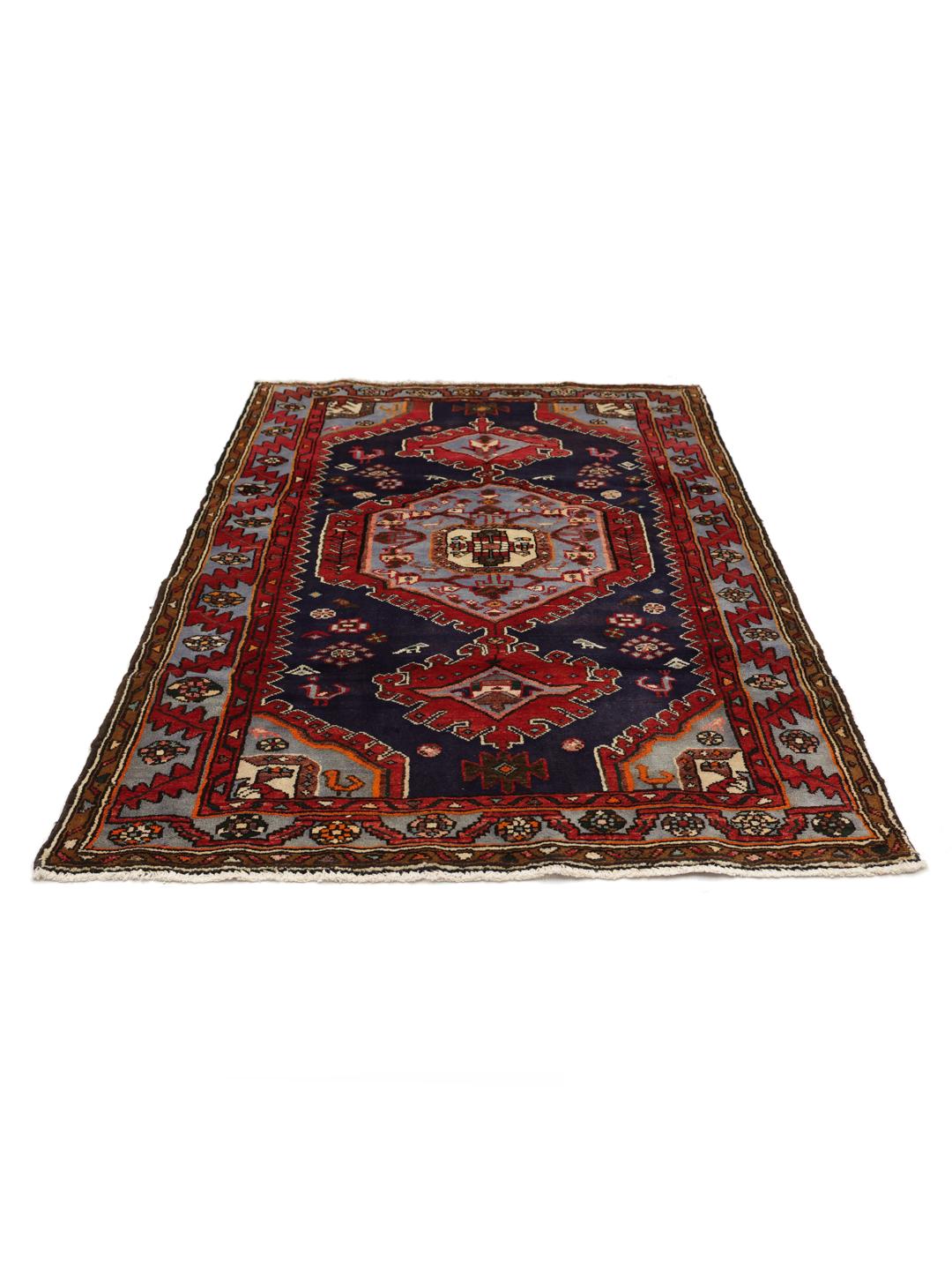
Hamadan rugs originate from one of the oldest cities in the Middle East, a historic hub located in the rugged mountainous region of the west. These rugs are renowned for their incredible variety, as they are not the product of a single workshop but represent the collective creativity of hundreds of surrounding villages, each contributing their own local flair to the weaving tradition.
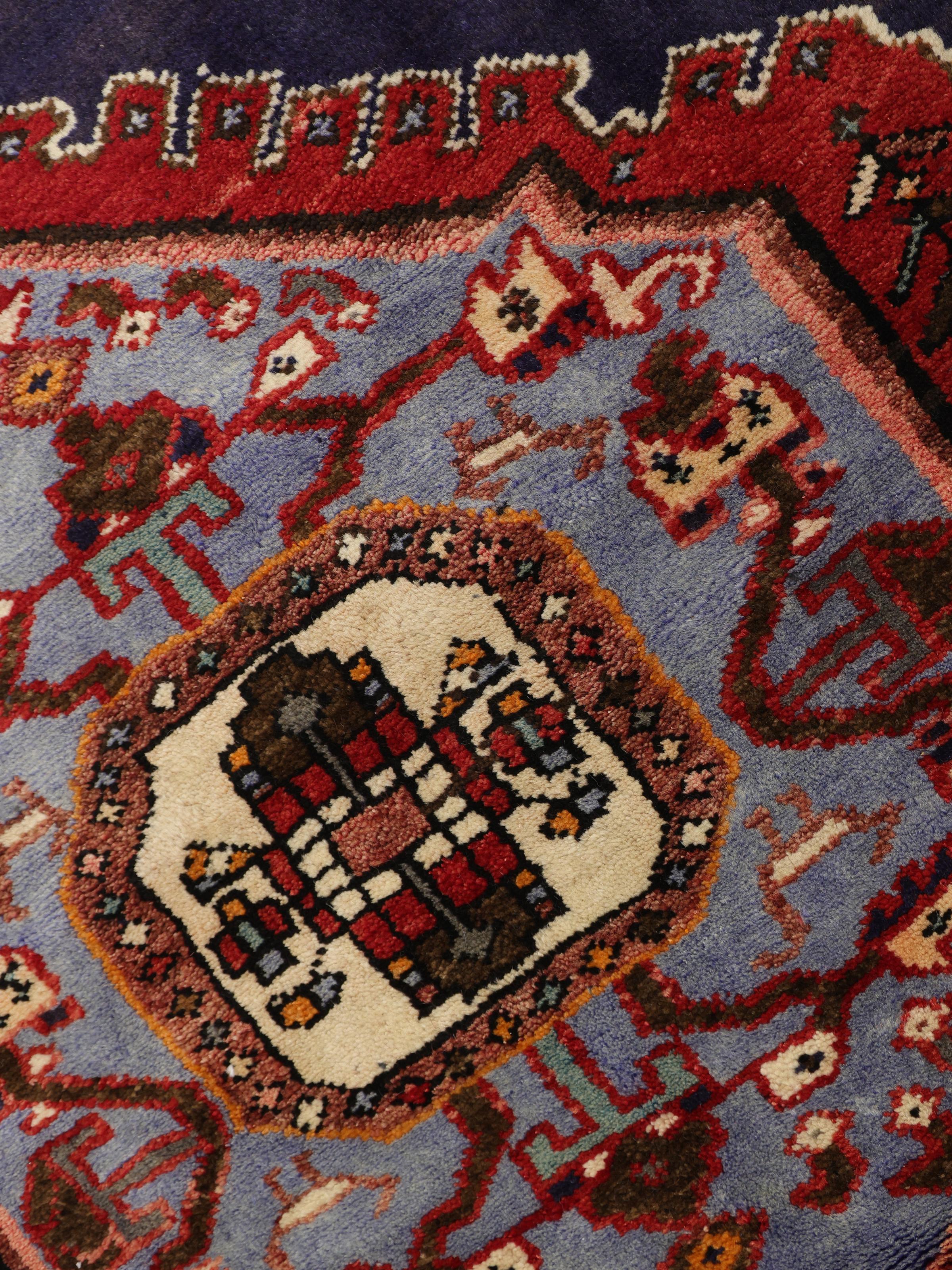
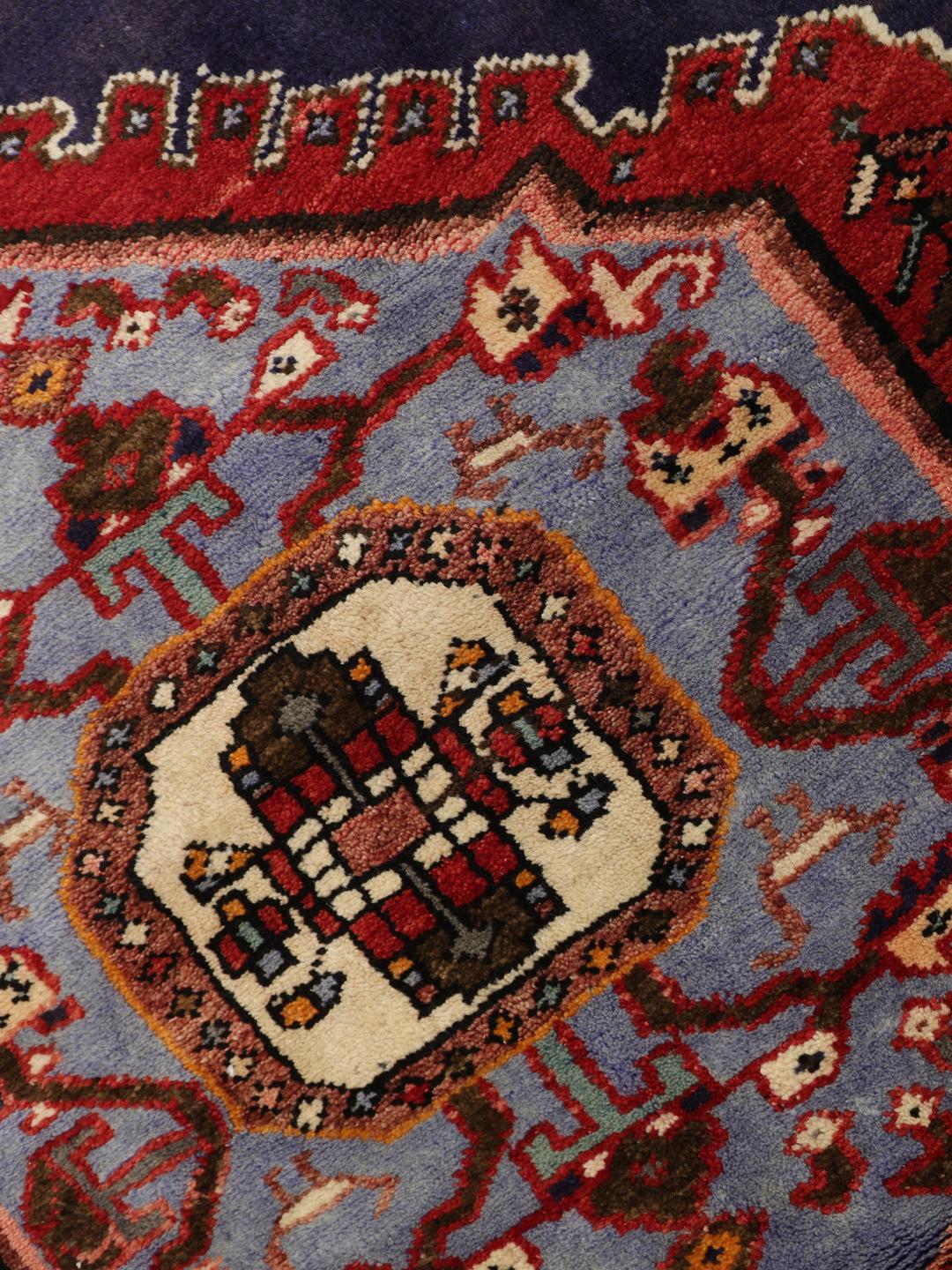
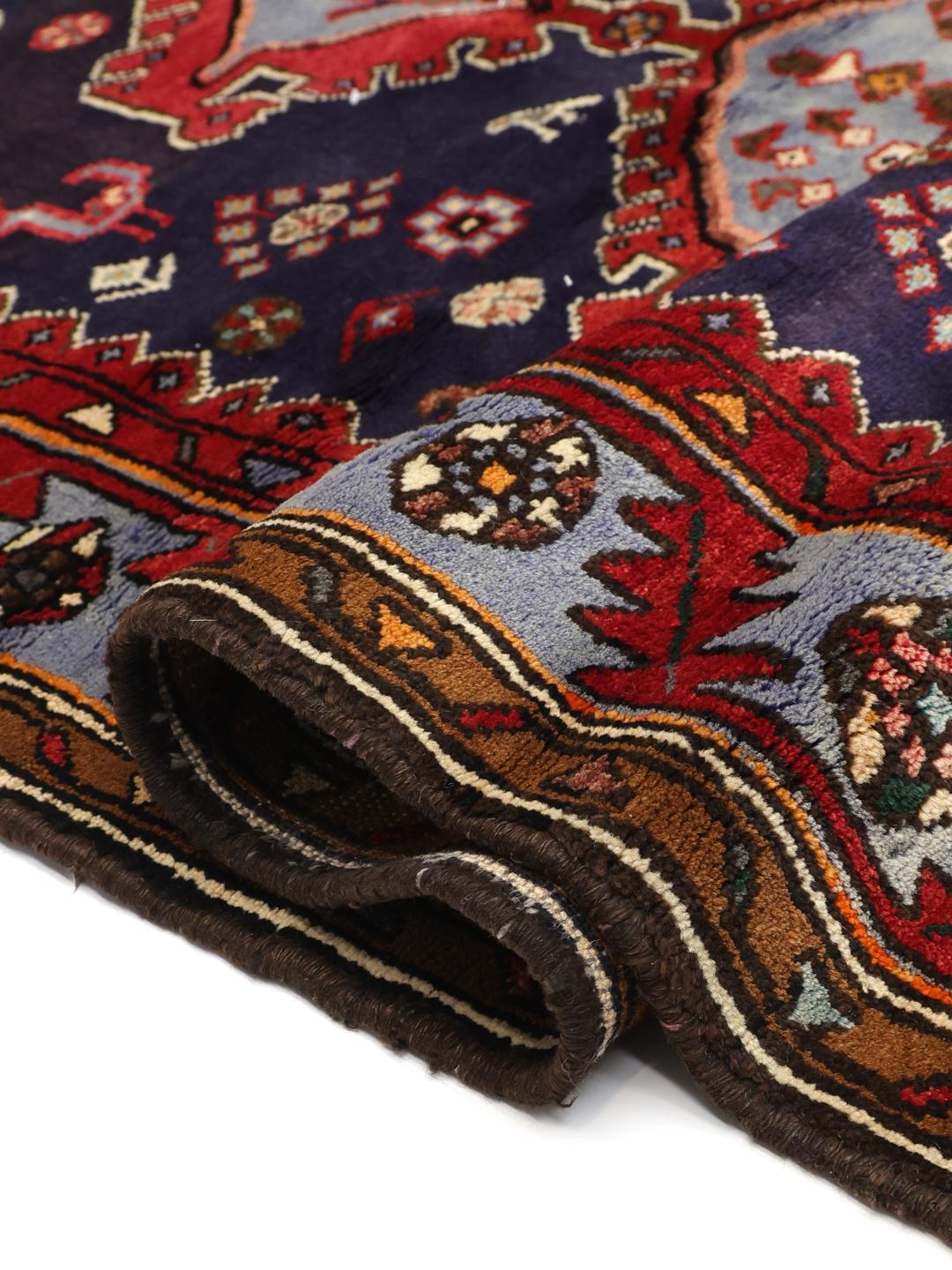
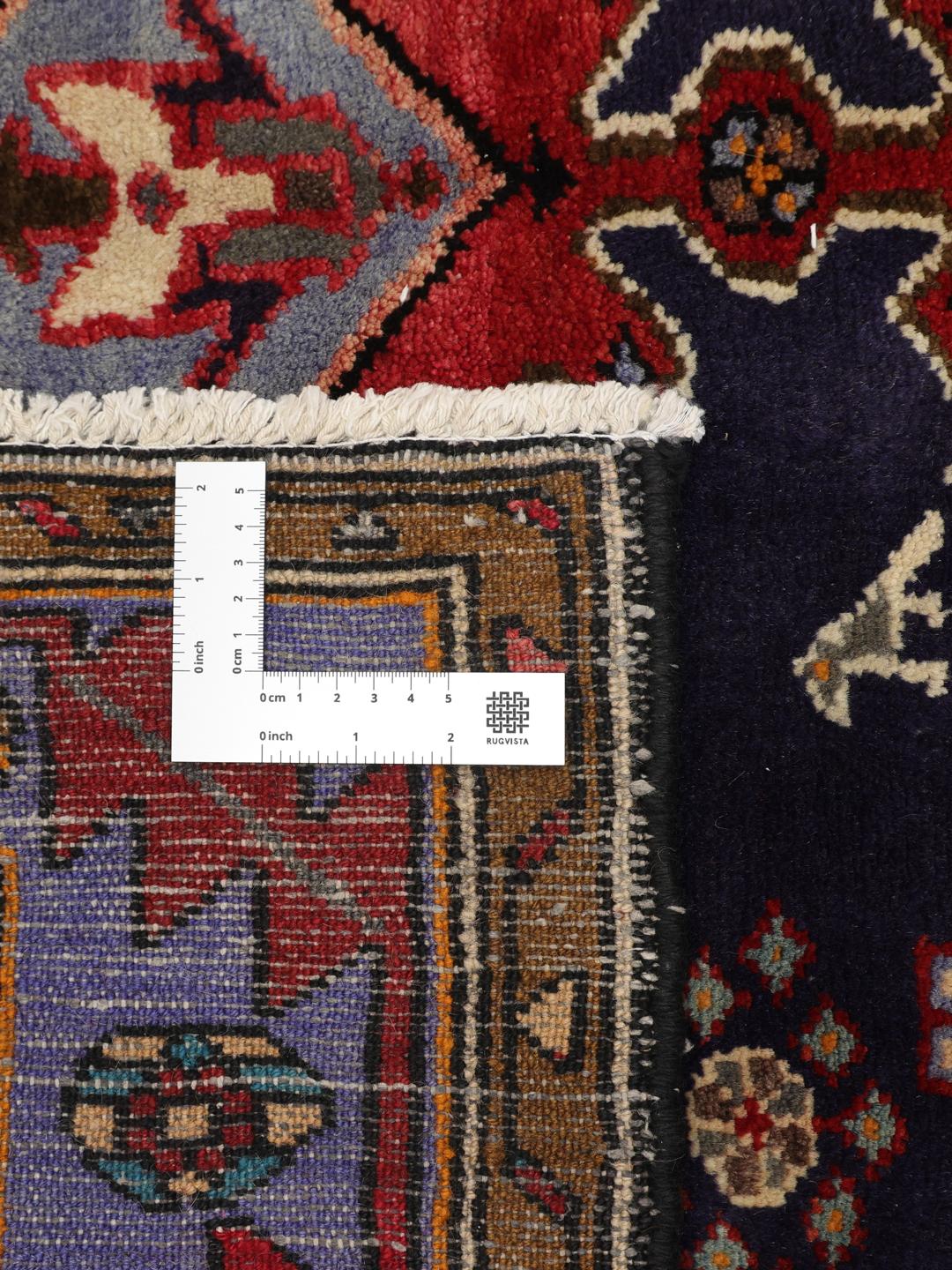
The term Hamadan refers to this vast regional output, which is characterised by a sturdy and reliable construction. These rugs are typically known for their use of high-quality wool, often sourced from local mountain sheep, which provides a natural lustre and exceptional durability that allows the rugs to age gracefully, often becoming more beautiful with time.
Design-wise, these pieces often feature a central medallion, though the interpretation of this motif varies wildly from village to village. You will frequently see geometric floral patterns, stylised boteh, or intricate lattice work, all framed by strong, decorative borders that hold the central field together in a harmonious balance of colour and shape.
Collecting a Hamadan rug is an investment in a living tradition. Because they are produced in such a diverse range of styles, owning one is a unique opportunity to connect with a specific, time-honoured craft that has been passed down through generations. These rugs are valued not just for their utility, but for the history and human skill woven into every single thread.