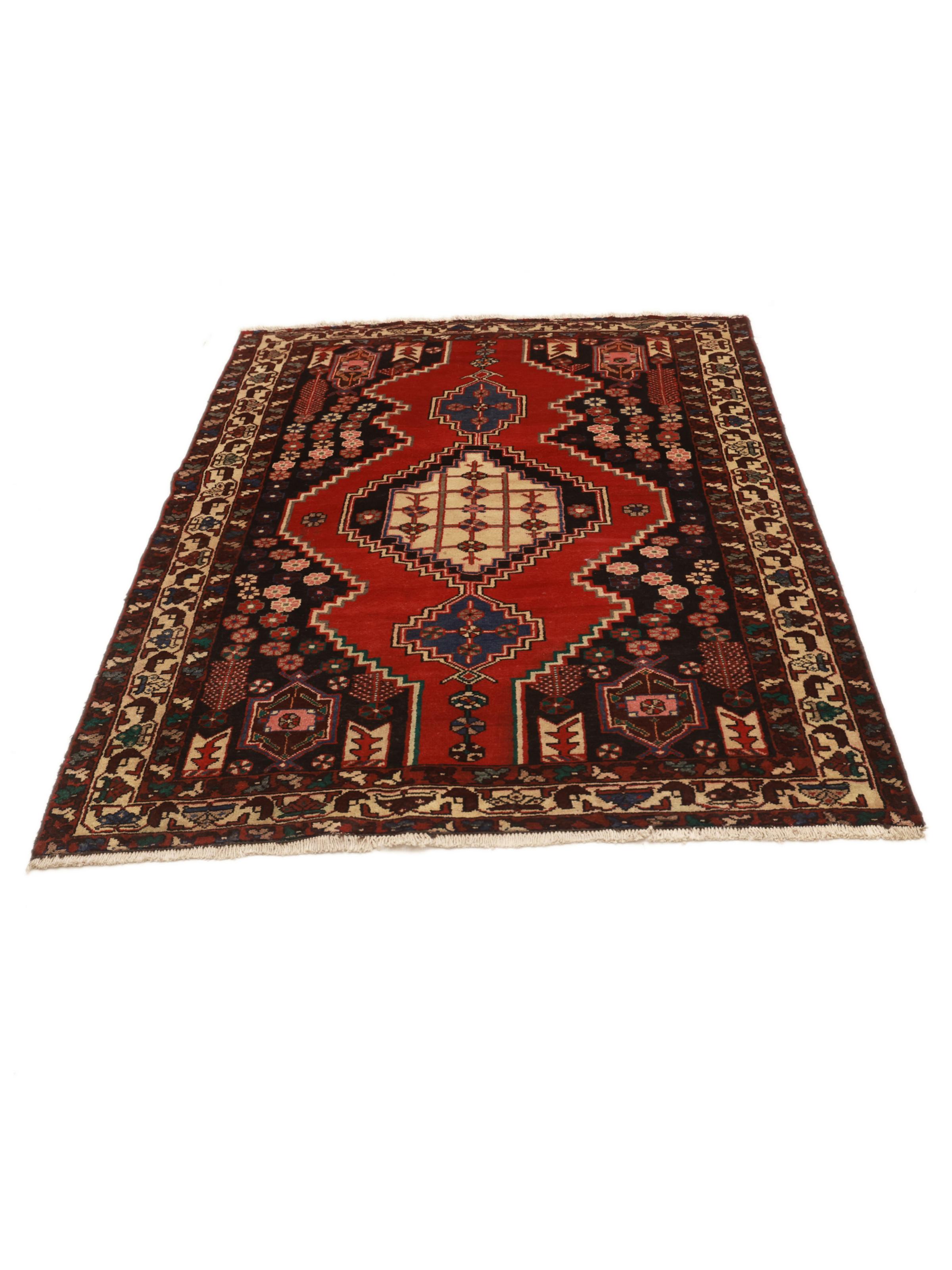
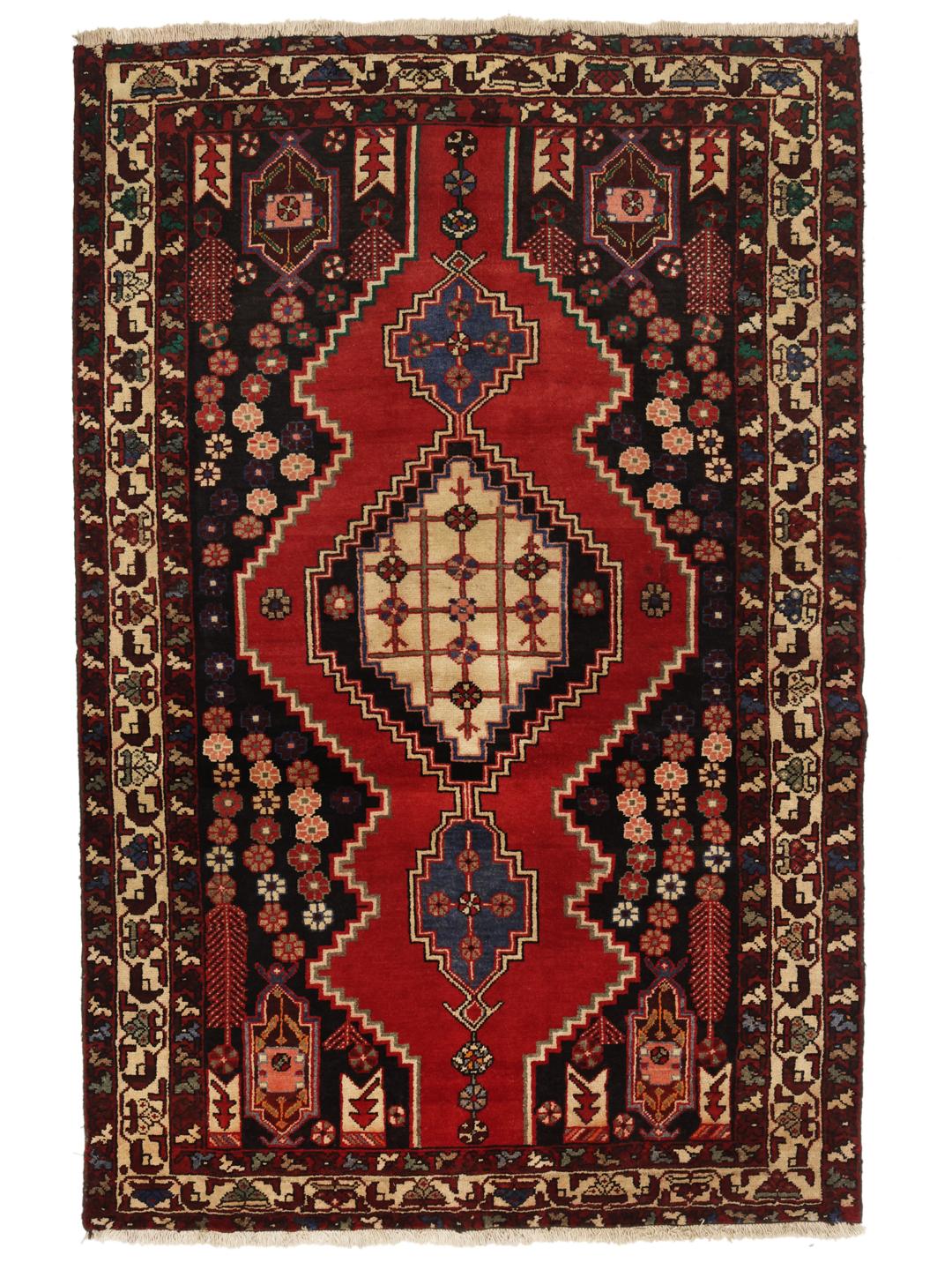
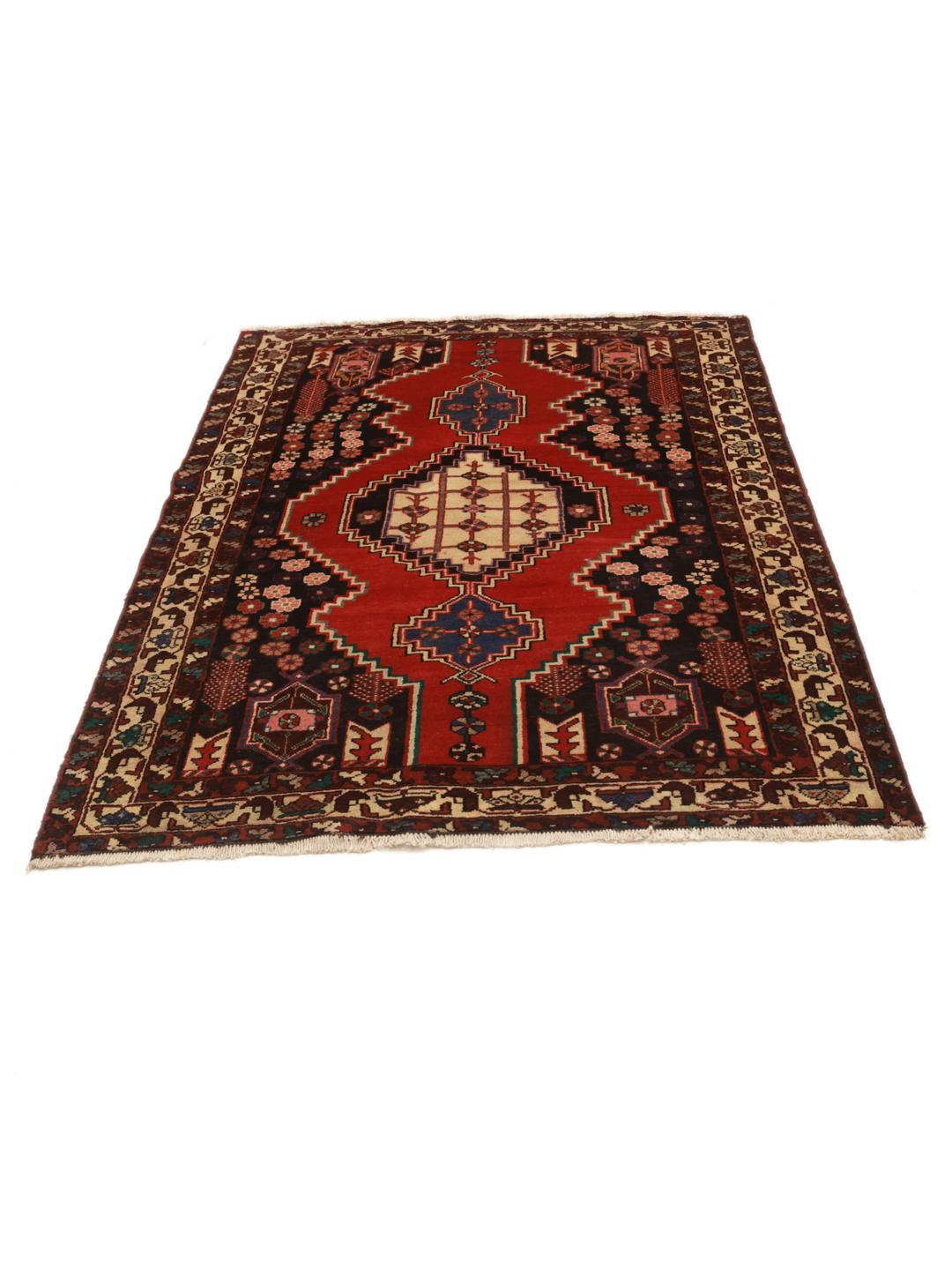
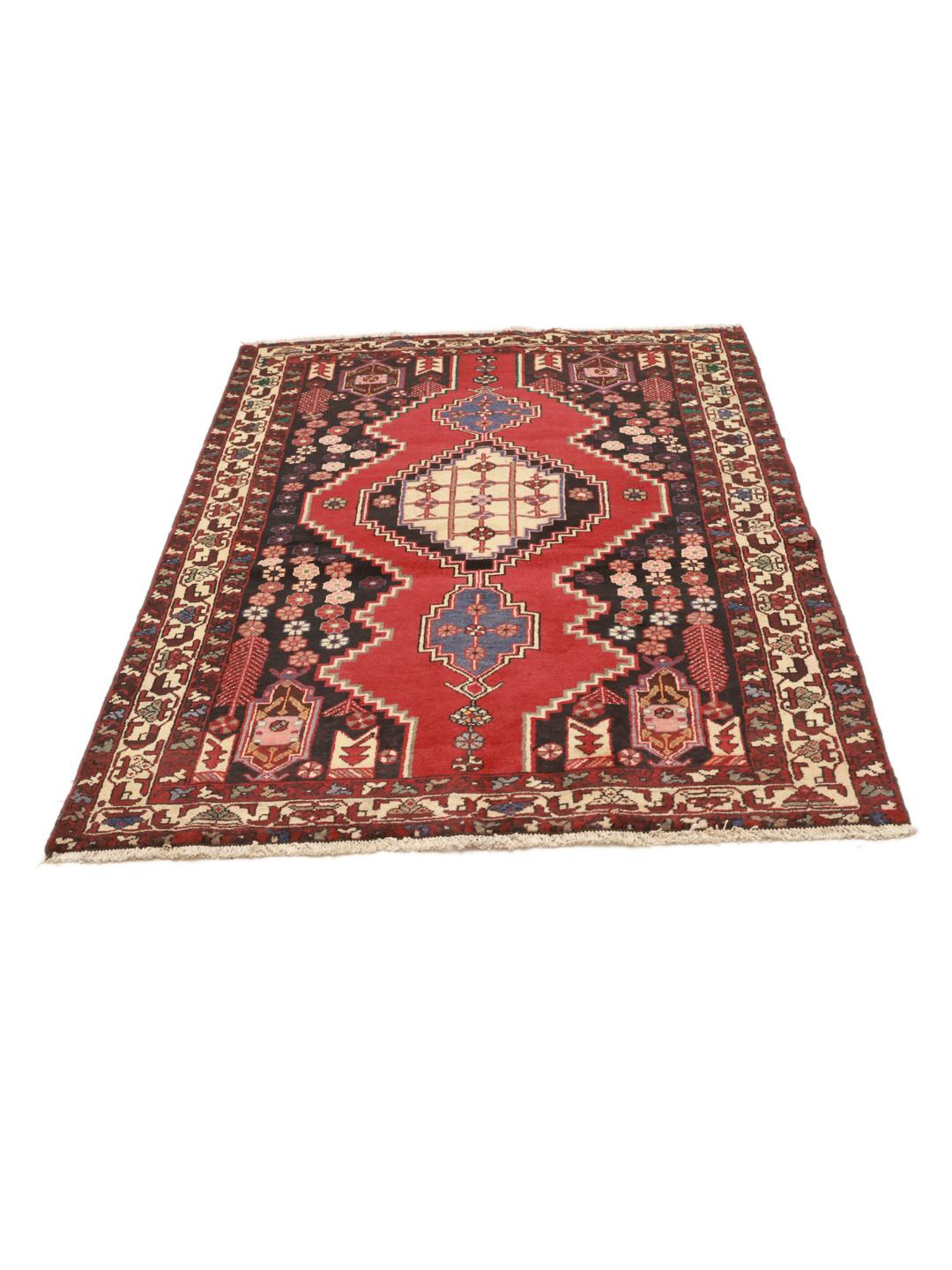
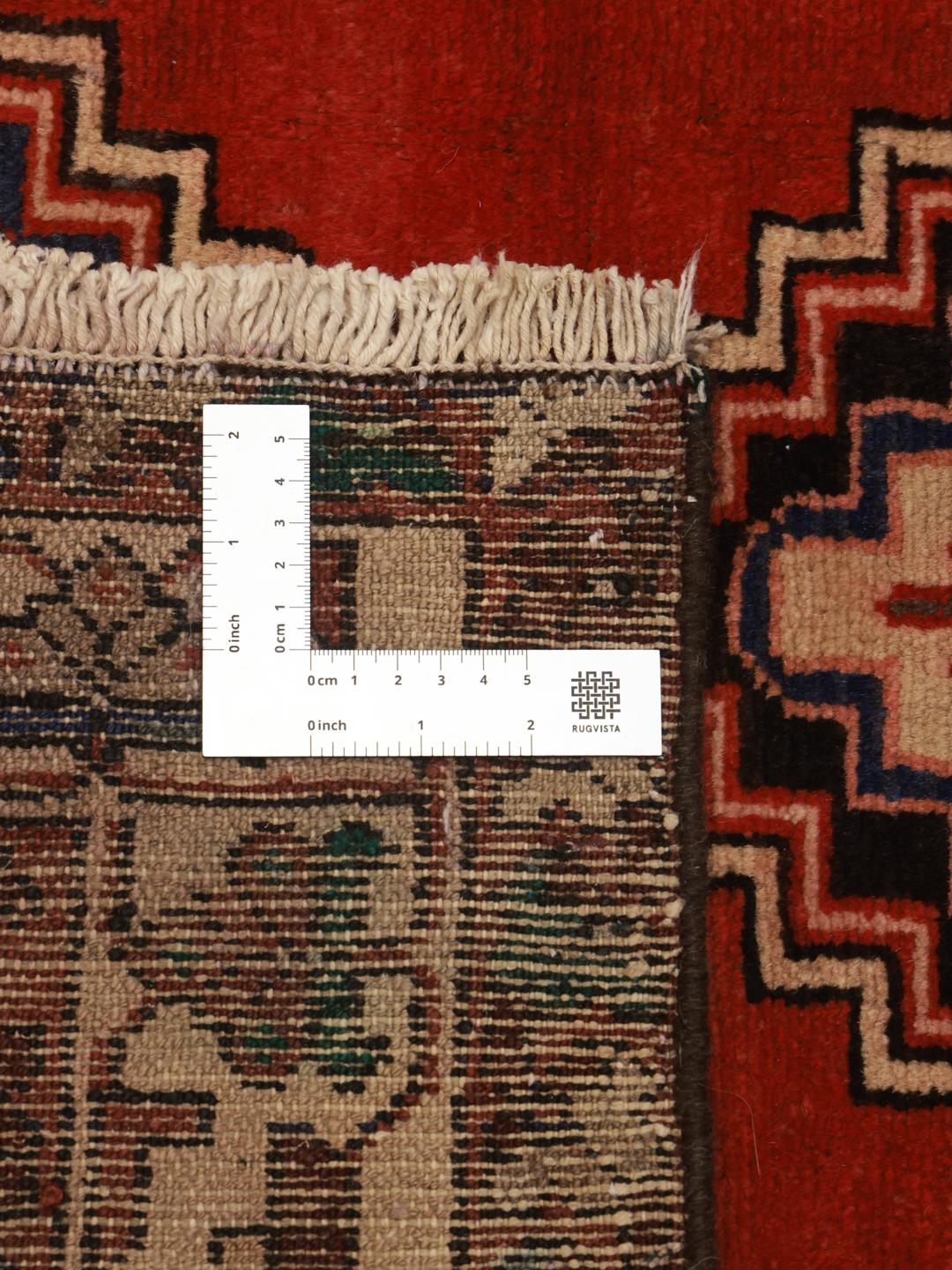
Hamadan rugs originate from one of the oldest cities in the Middle East, a location that has served as a central hub for trade and textile production for centuries. The tradition here is defined by a vast array of village weaving styles, each contributing to a diverse visual language that remains highly sought after by collectors.
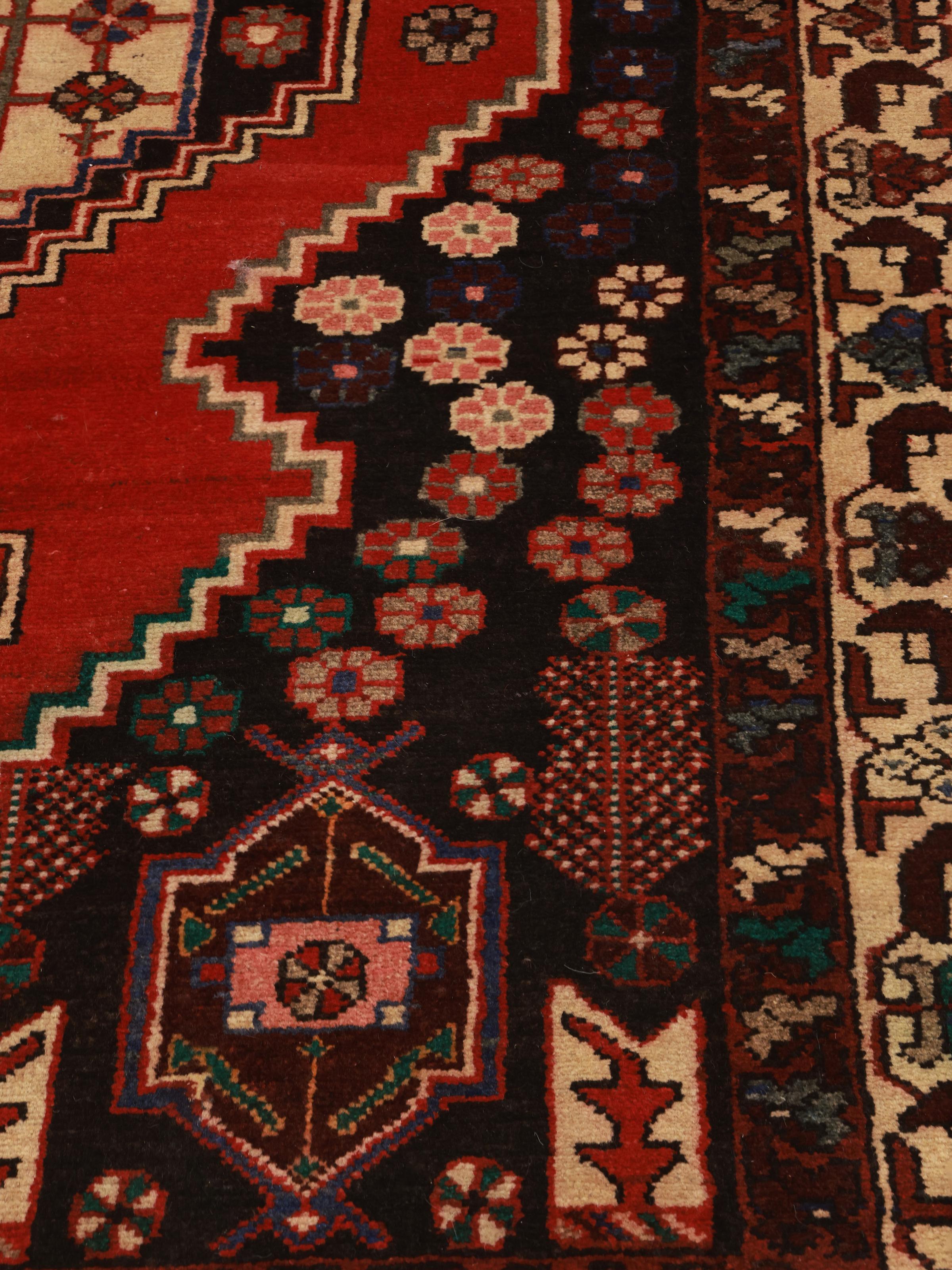
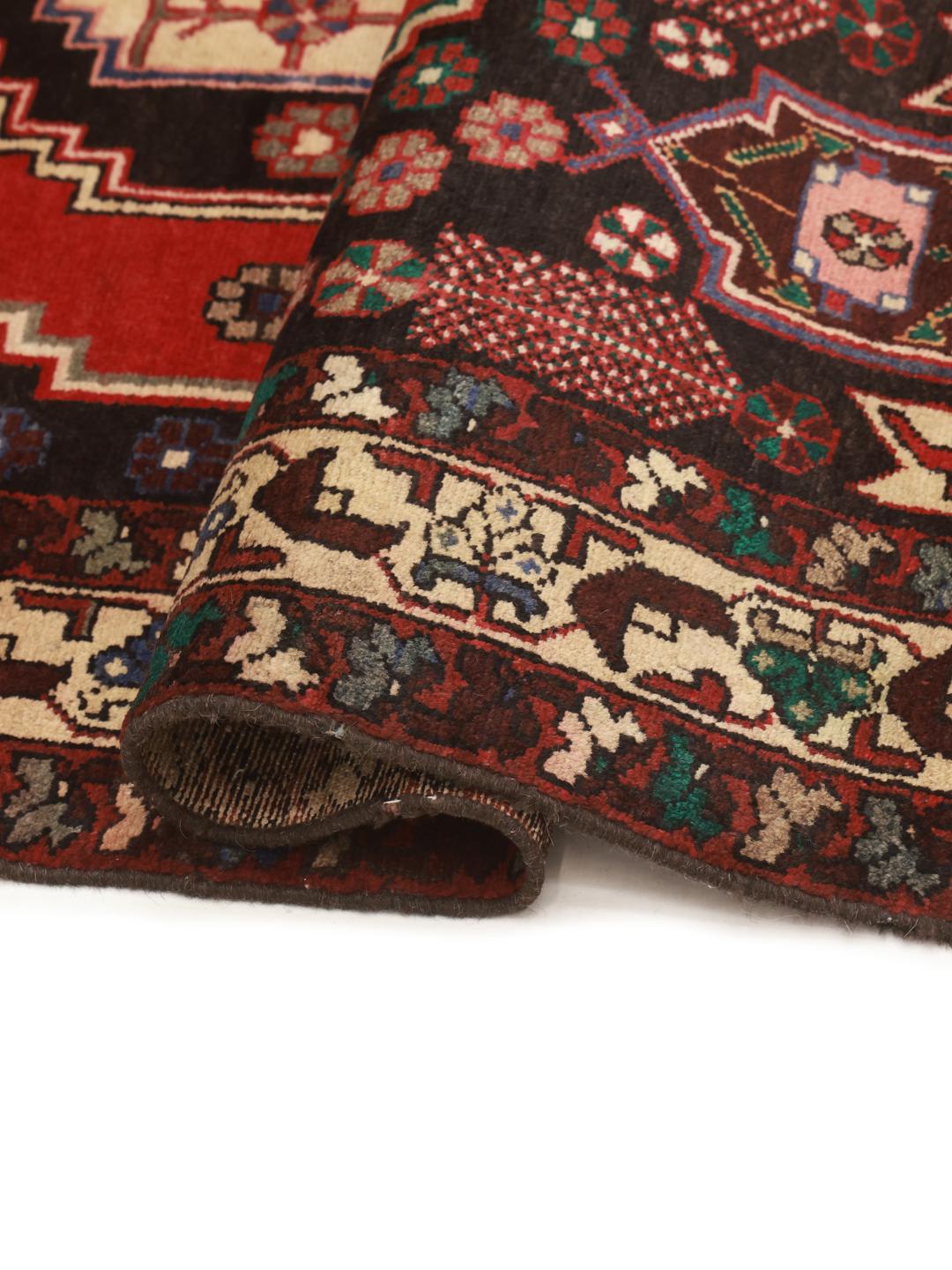
The craft of these rugs relies on a deep understanding of natural materials. The use of Wool, often sourced from local mountain flocks, is central to the quality of the pile. This material is prized for its natural resilience and ability to take on deep, saturated dyes, which helps these rugs maintain their visual appeal over decades of use.
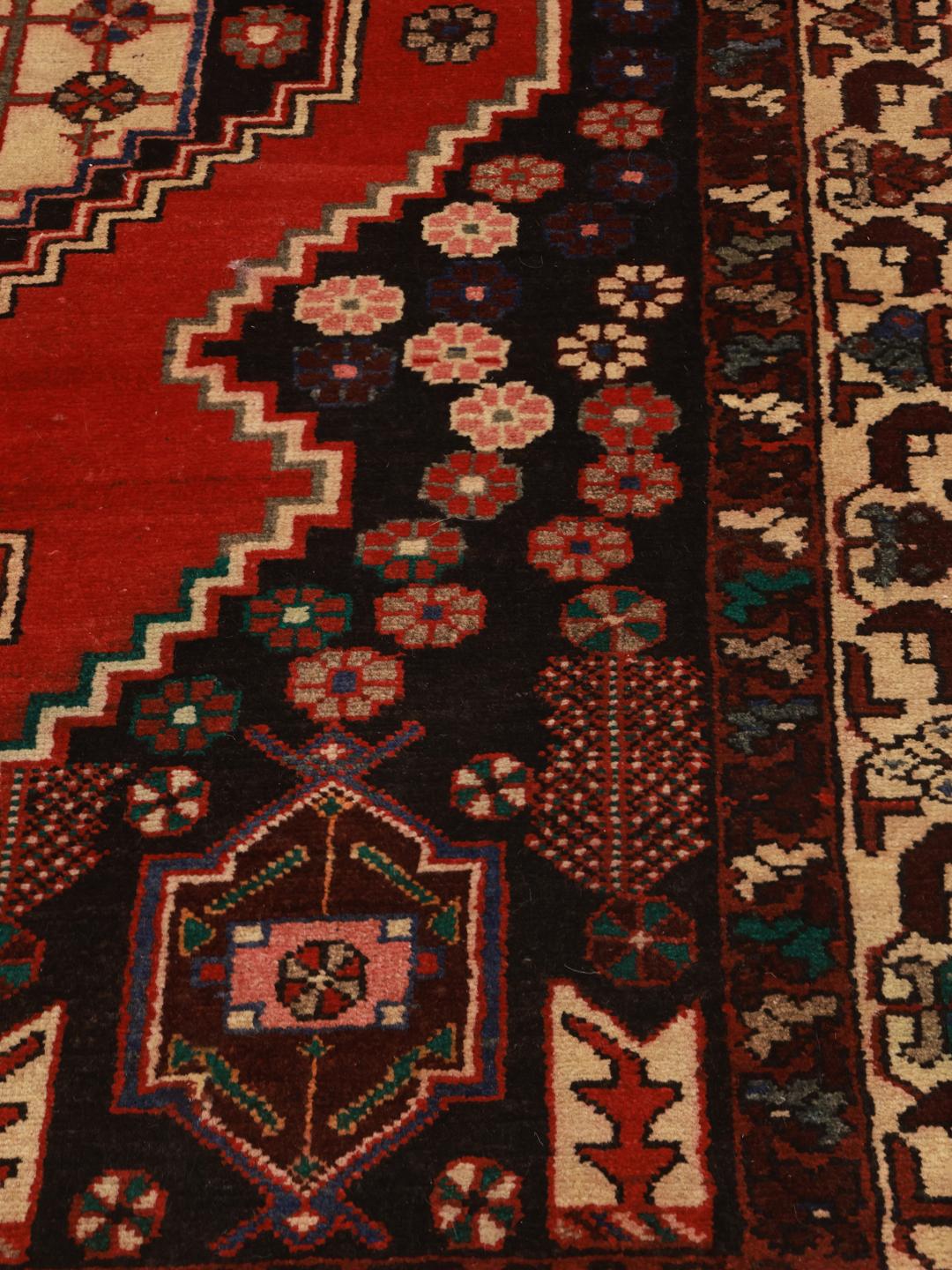
Visually, Hamadan rugs are celebrated for their bold geometric patterns and use of central medallions, often framed by decorative borders. You will frequently find repeating floral motifs or stylised tribal designs that reflect the heritage of the weavers, resulting in a look that is both complex and deeply rooted in historical design traditions.
Owning a piece from this region is an investment in cultural heritage. These rugs are valued not just for their utility, but for the human story behind every knot. They represent a connection to a long-standing lineage of craft, making them significant additions for anyone who appreciates the lasting beauty of traditional hand-worked textiles.