Hamadan rugs originate from one of the oldest cities in the Middle East, a historic hub located in the rugged highlands of the region. For centuries, this area has been a centre for weaving, where local traditions have evolved to produce rugs that are as sturdy as they are visually compelling. The name Hamadan is synonymous with a vast array of village weaving styles, each reflecting the specific cultural heritage of the surrounding mountain communities.
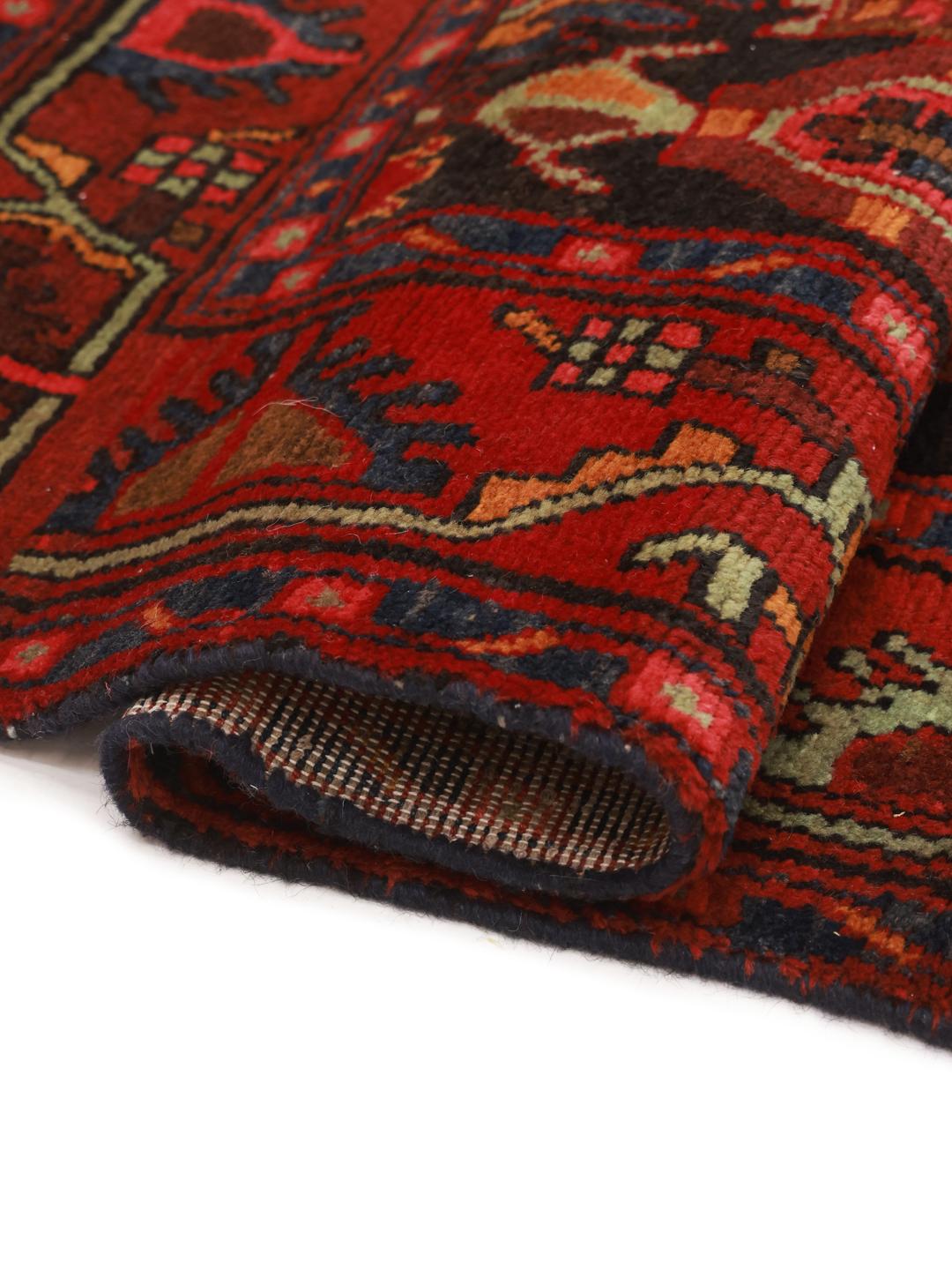
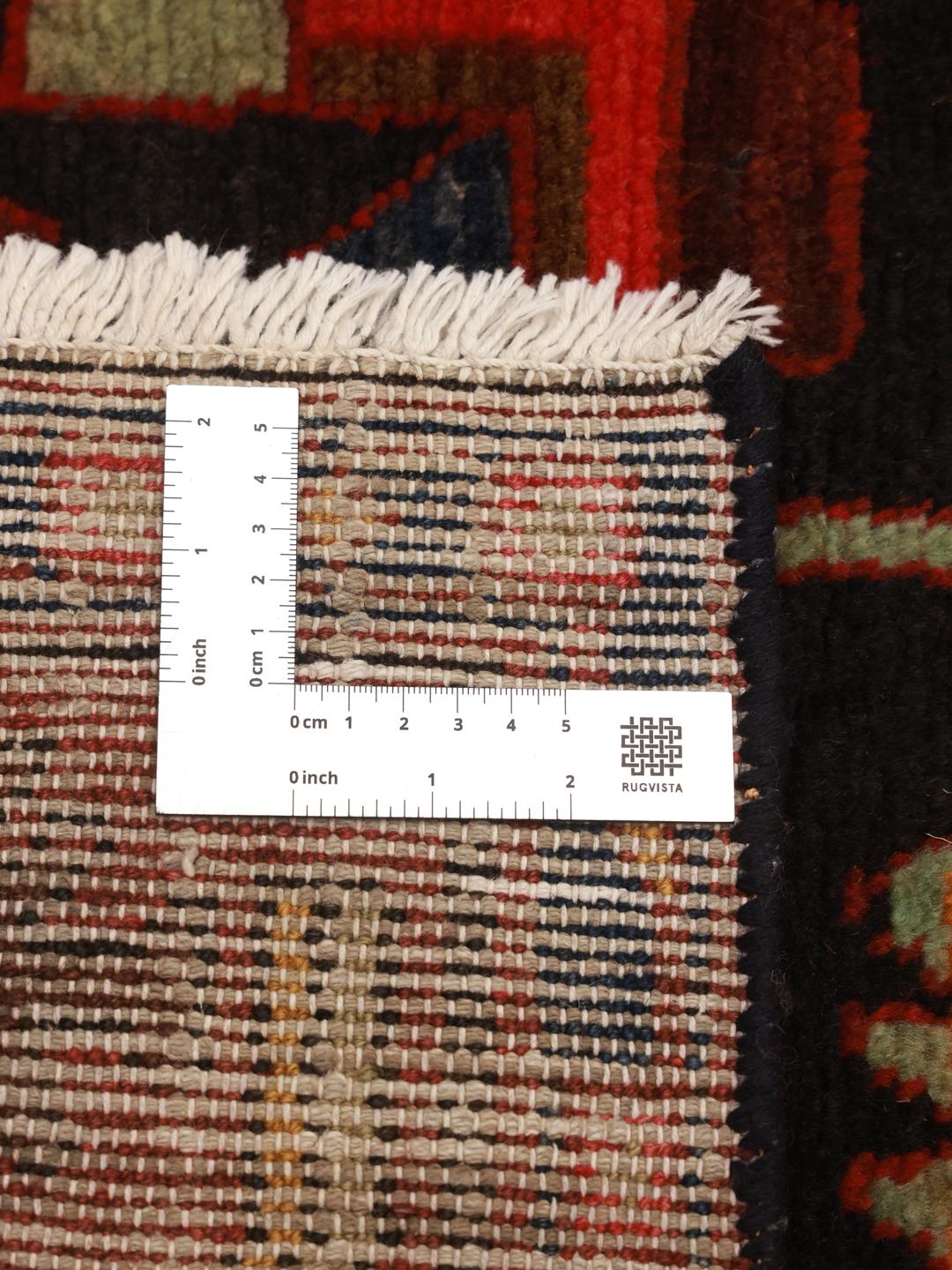
Technically, Hamadan rugs are celebrated for their resilience and the use of high-quality, locally sourced materials. The term refers to a diverse tradition where weavers often employ a symmetrical knot, resulting in a pile that is known for its durability and firm texture. This structural integrity is a hallmark of the region, ensuring that these rugs were historically designed to withstand the rigours of nomadic and village life in high-altitude climates.
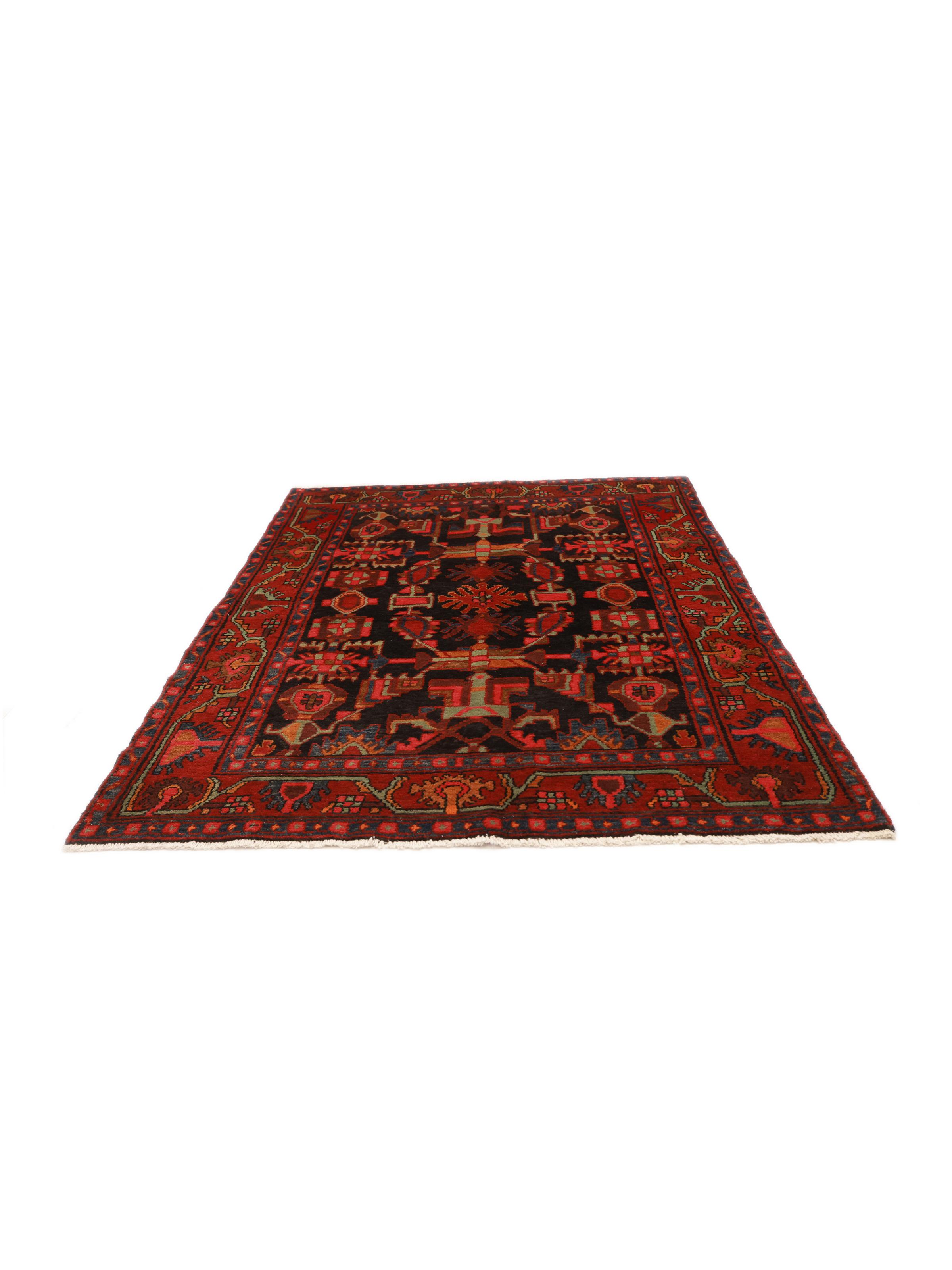
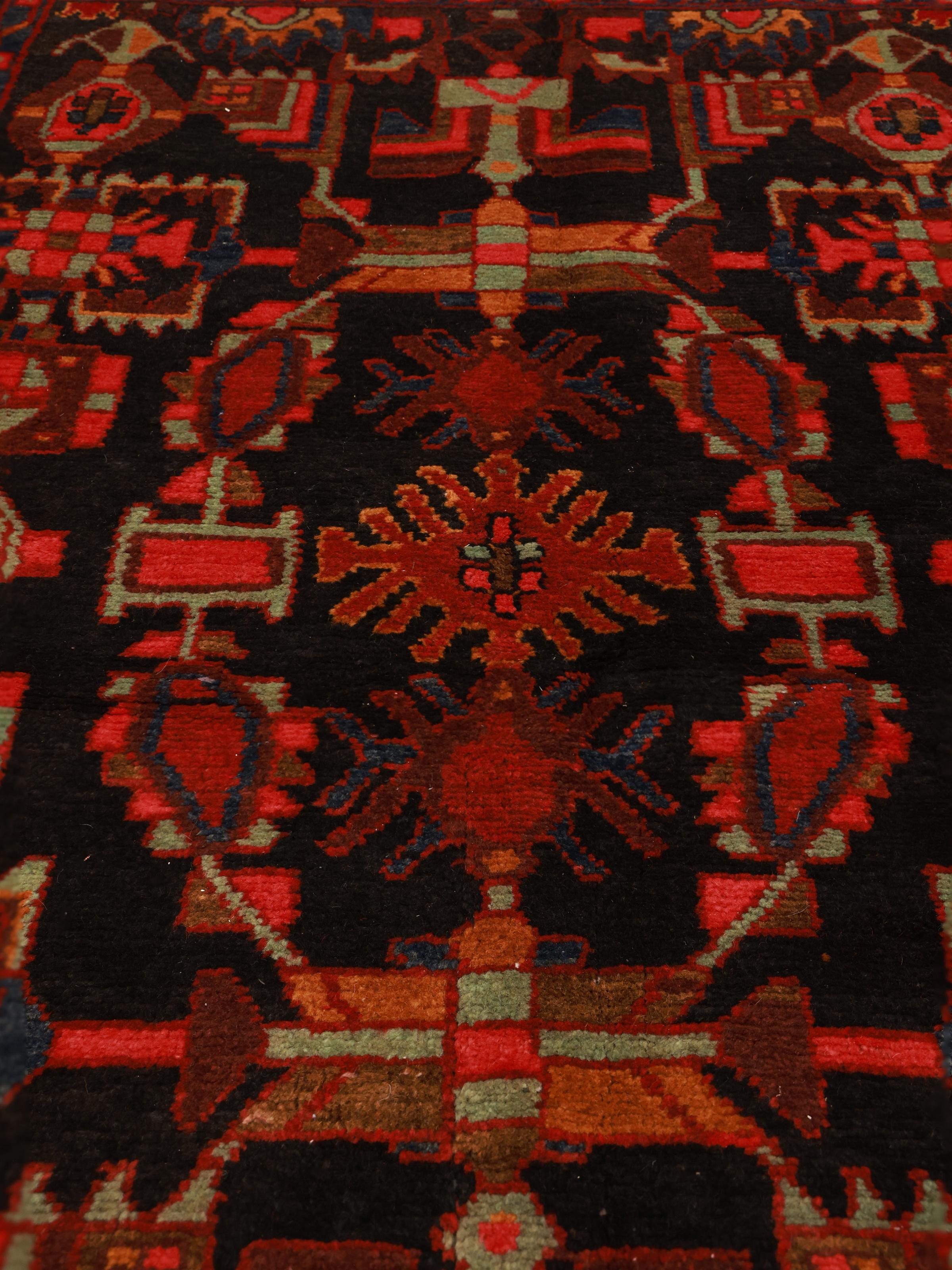
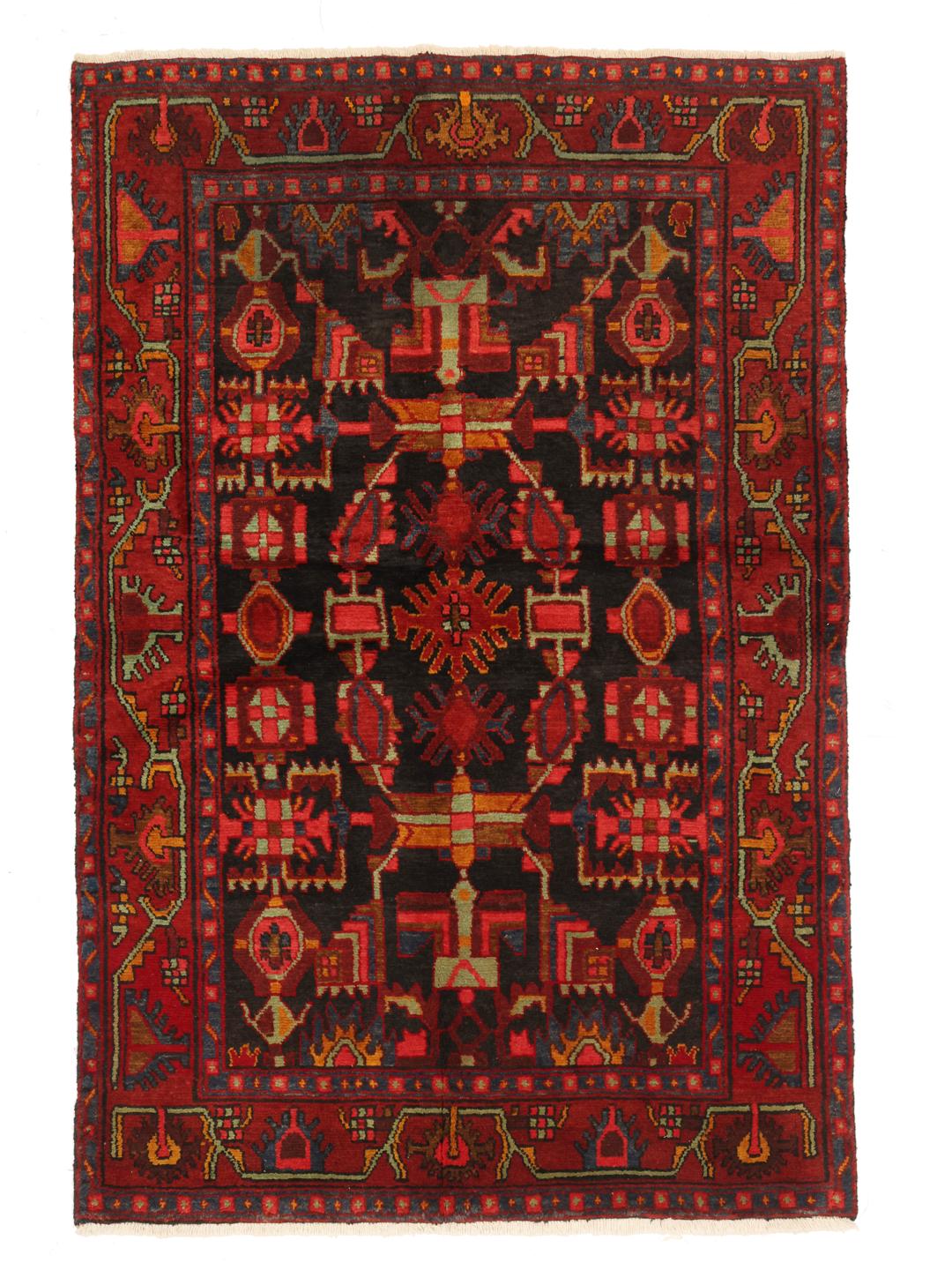
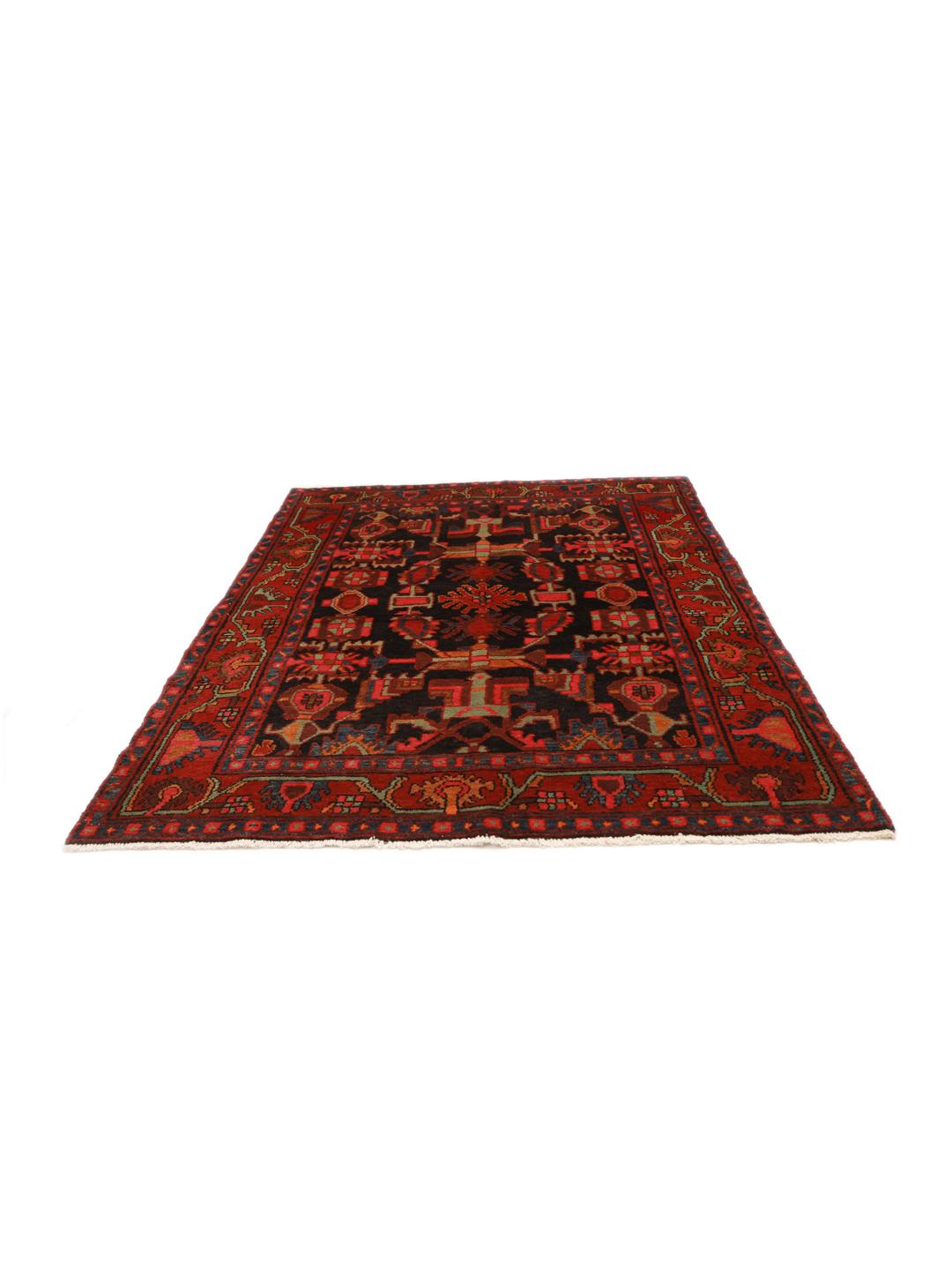
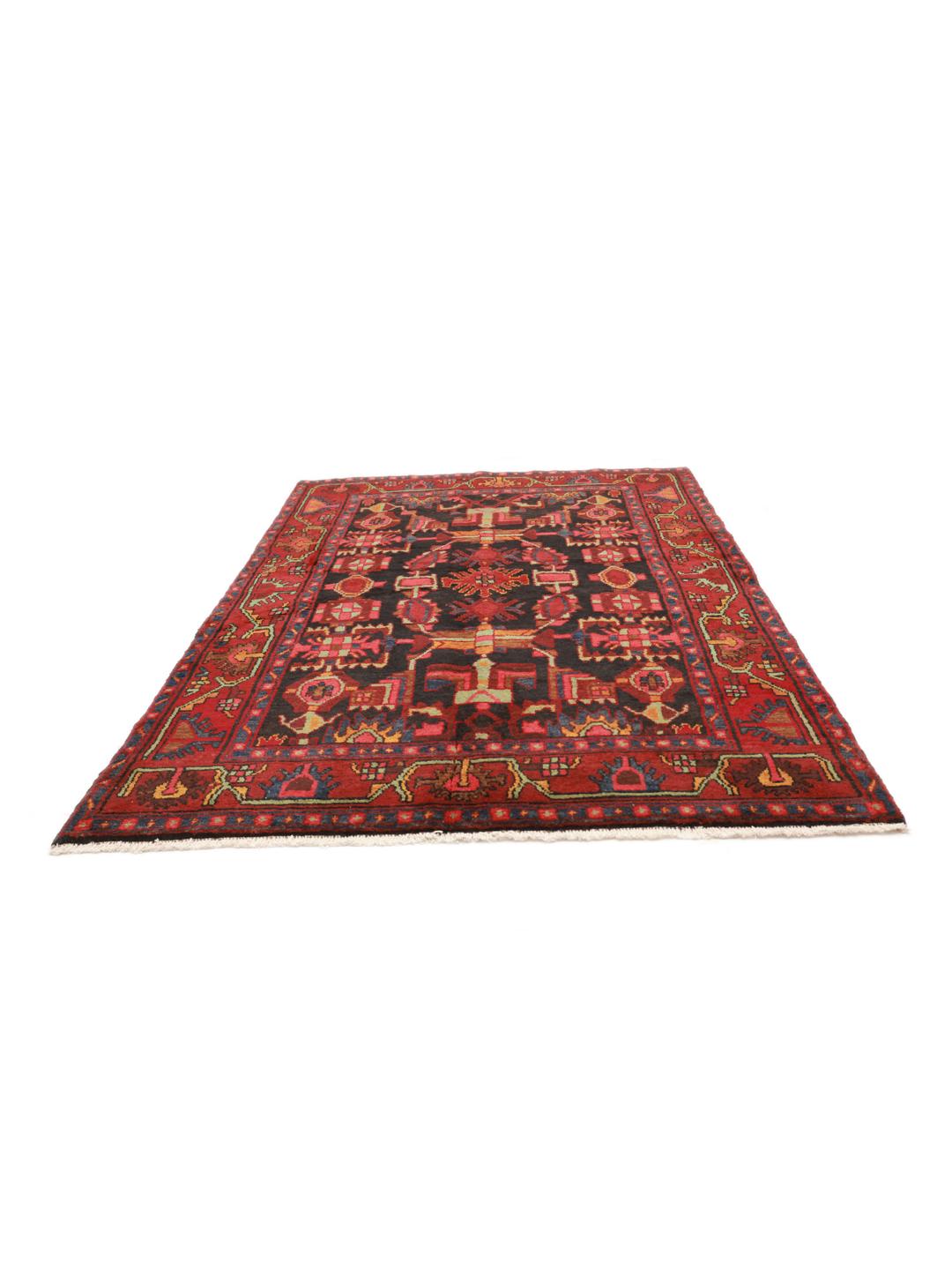
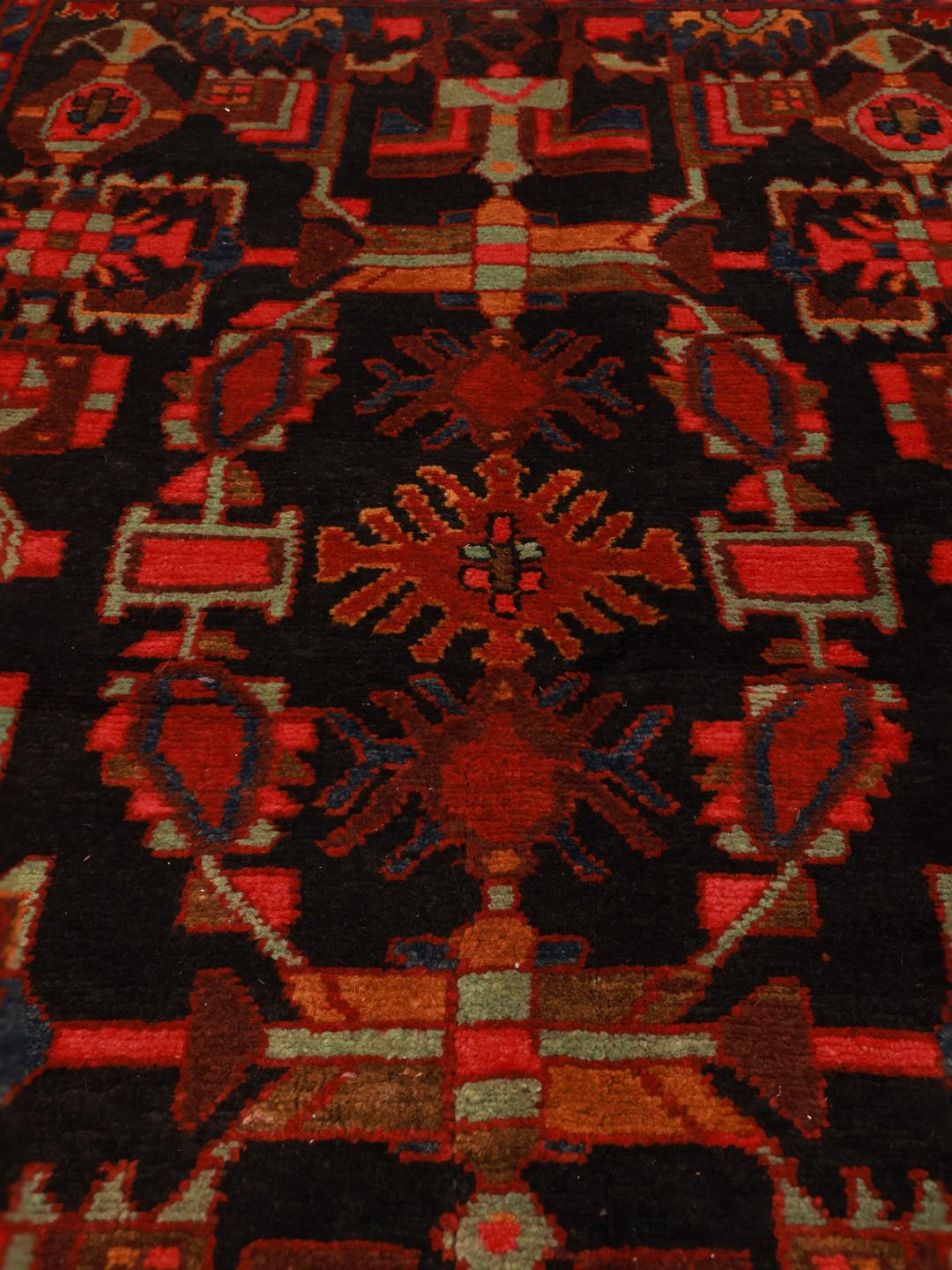
Visually, these rugs are defined by their bold geometric patterns and iconic medallion designs, often framed by decorative borders that anchor the composition. While many feature traditional floral or geometric motifs, the specific arrangement can vary significantly from one weaver to the next. The use of deep red and black tones, as seen in this piece, is a classic regional choice that highlights the intricate details of the central motifs.
Today, Hamadan rugs are highly regarded by collectors and homeowners alike for their cultural weight and lasting quality. Owning a piece from this tradition is an investment in a craft that has been passed down through generations. These rugs represent a bridge between the ancient history of the Middle Eastern textile trade and the contemporary home, offering a timeless aesthetic that celebrates human skill and regional identity.