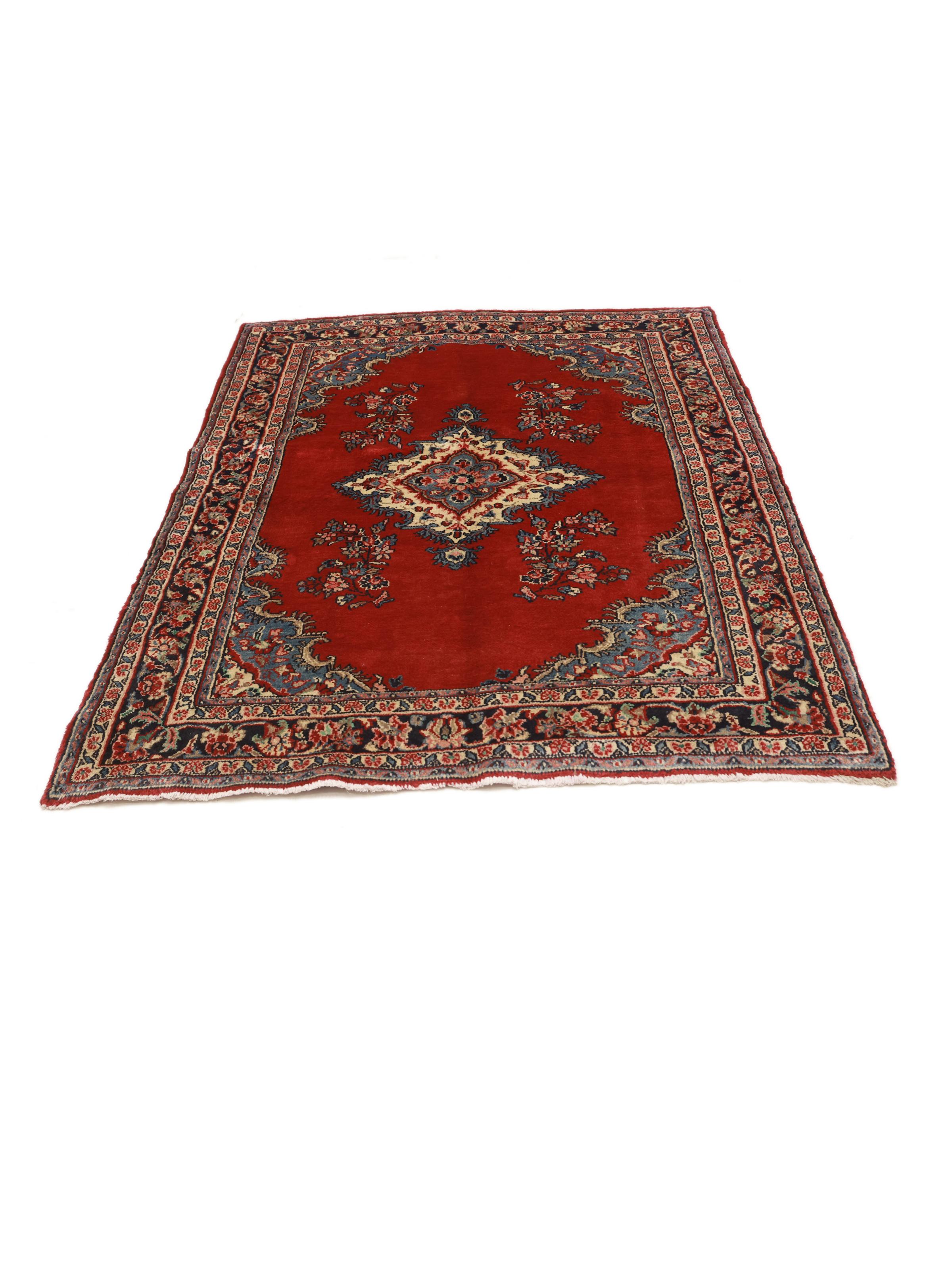
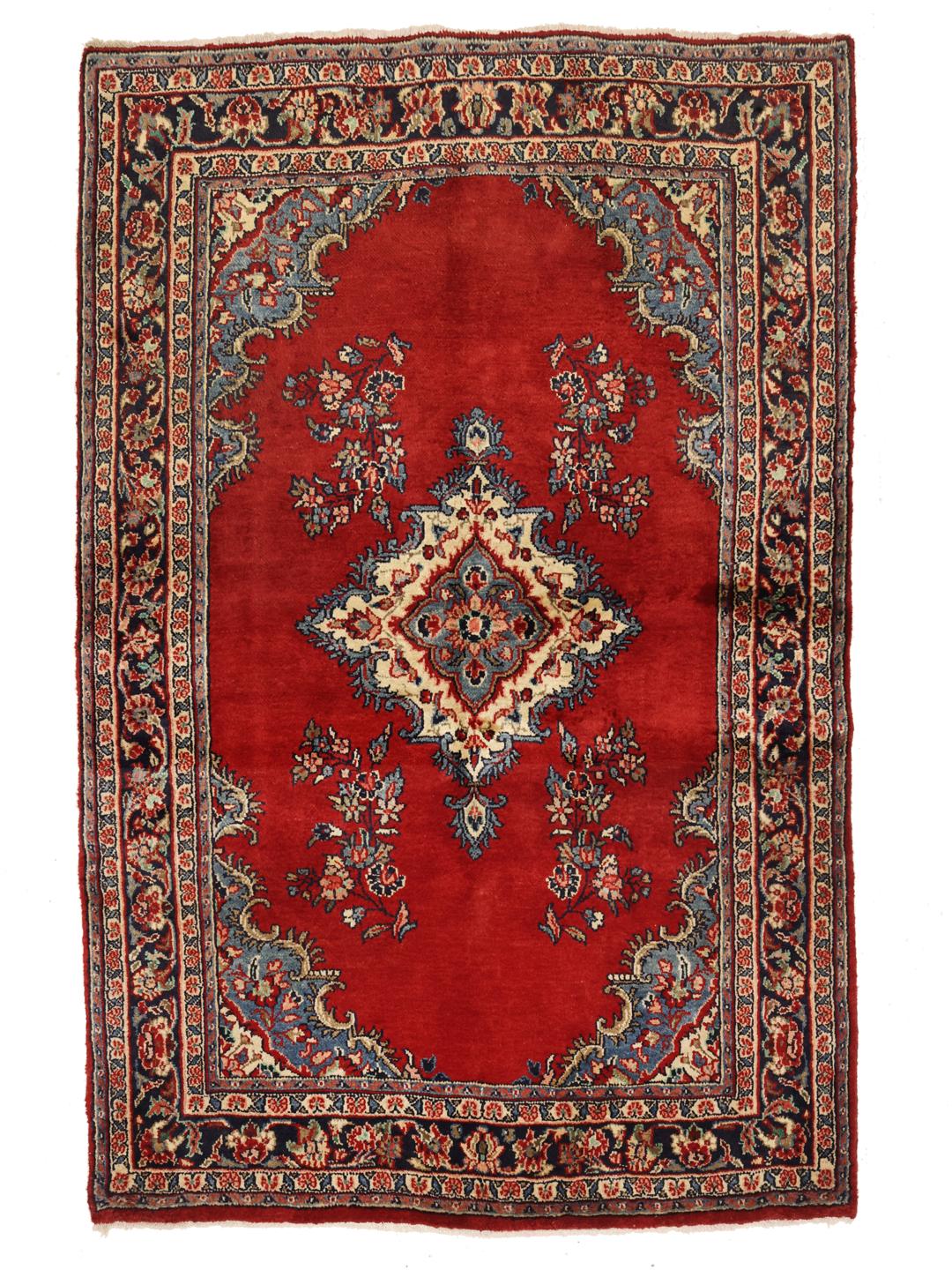
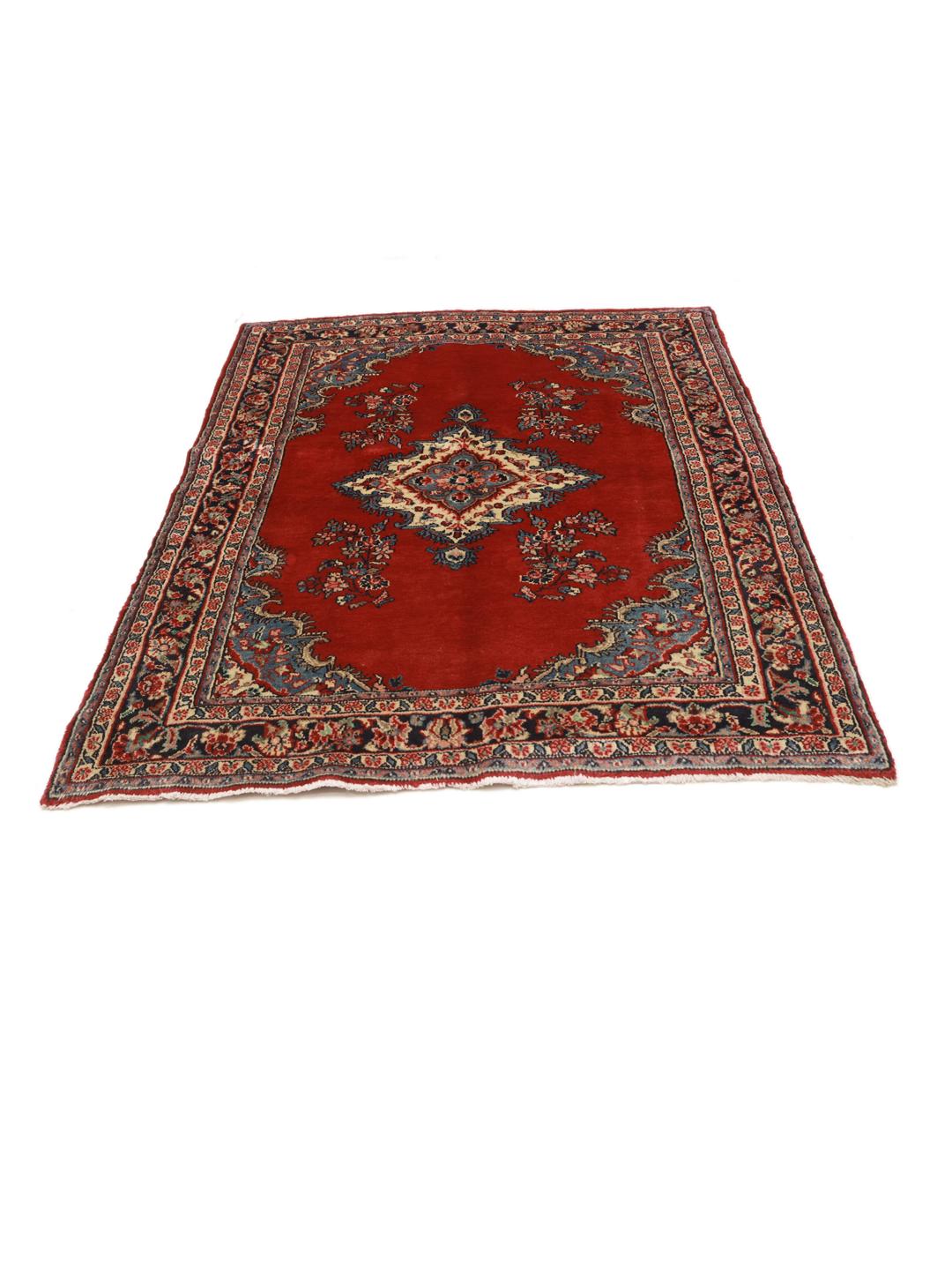
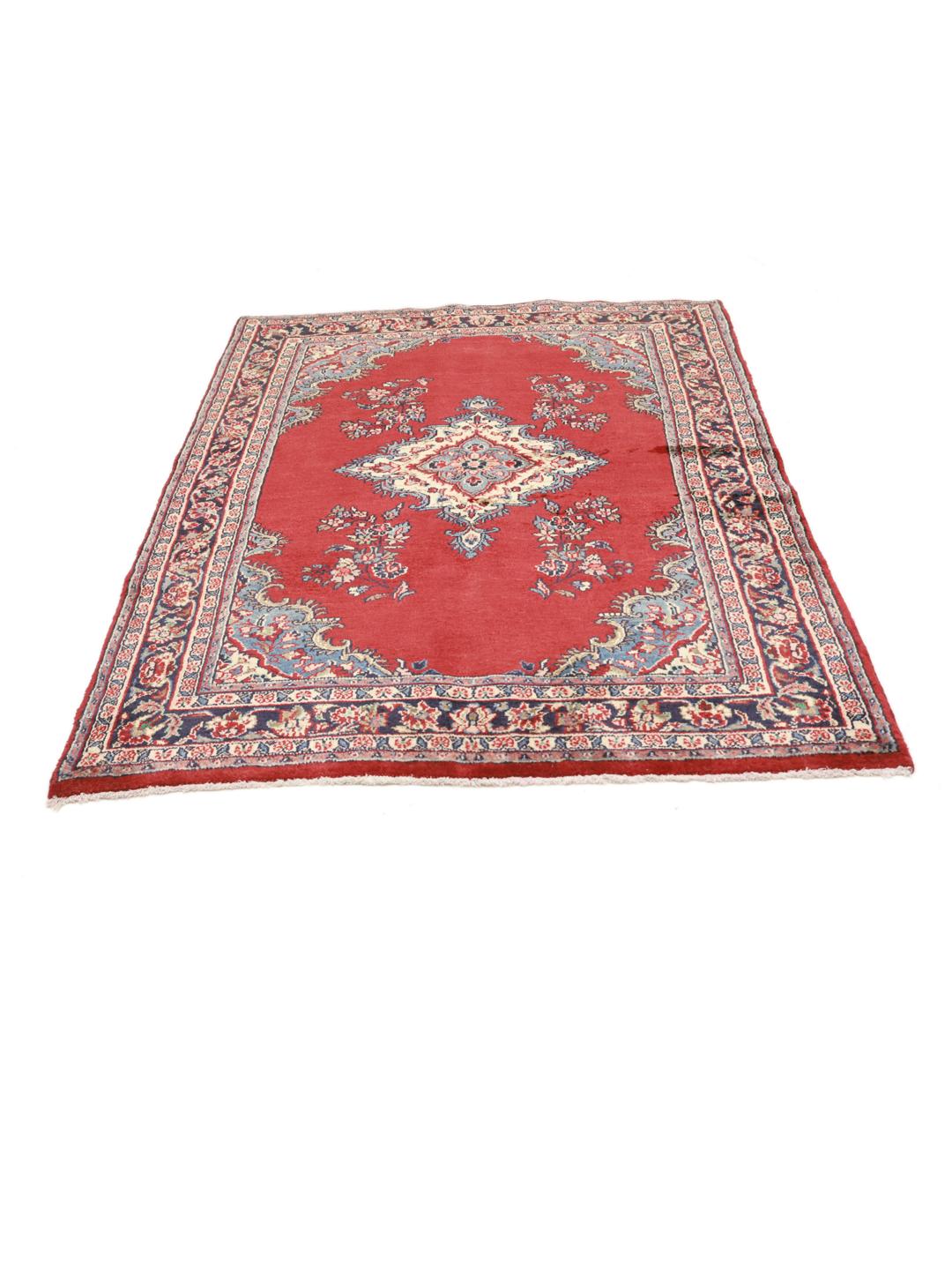
Hamadan rugs take their name from one of the oldest cities in the Middle East, situated in a region with a deep and storied history of weaving. This area has long served as a central hub for the trade and production of textiles, acting as a collection point for the diverse weaving styles of the surrounding villages and nomadic tribes. This unique position has allowed Hamadan rugs to develop a rich, varied visual language that draws from multiple cultural influences.
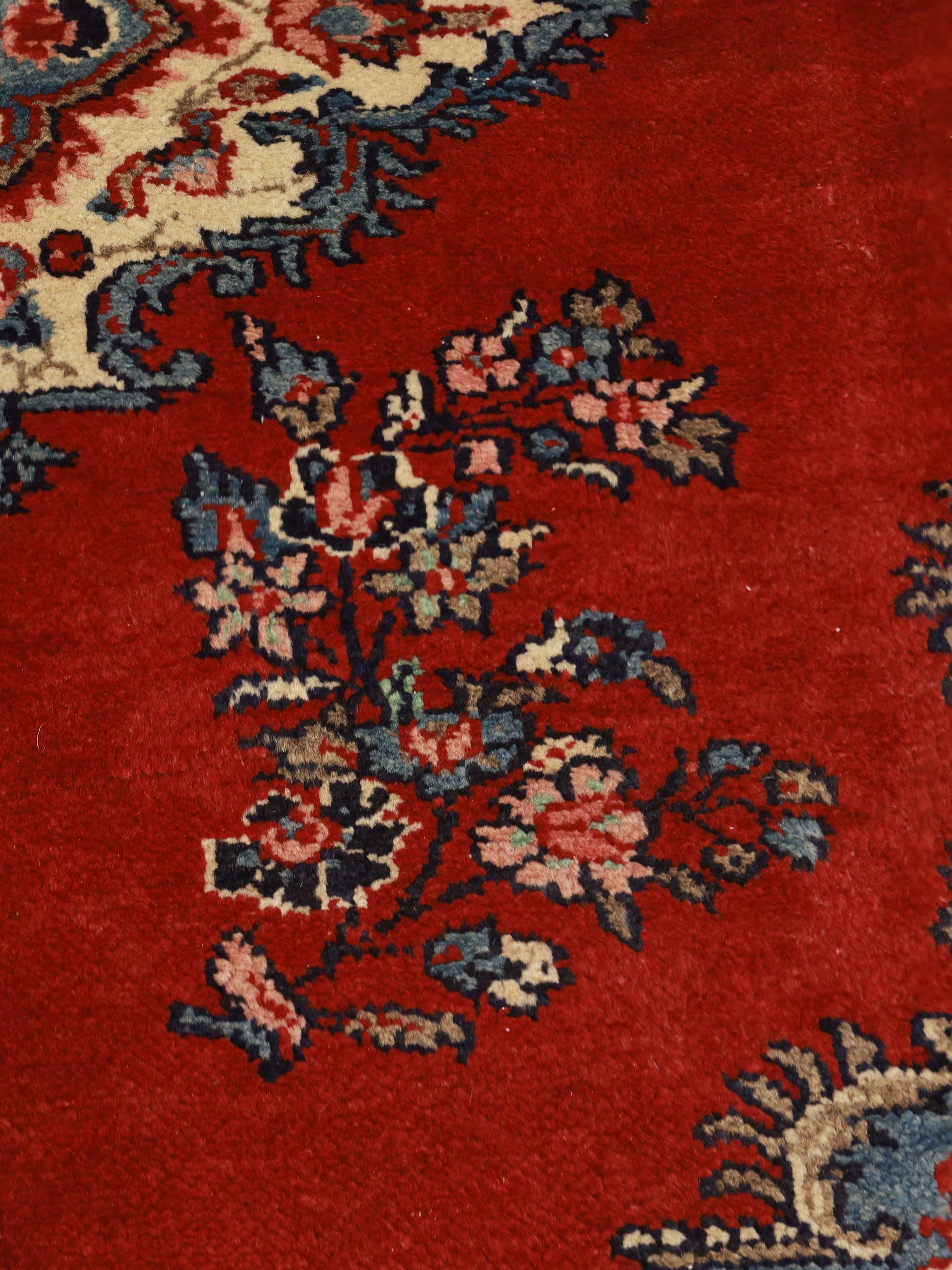
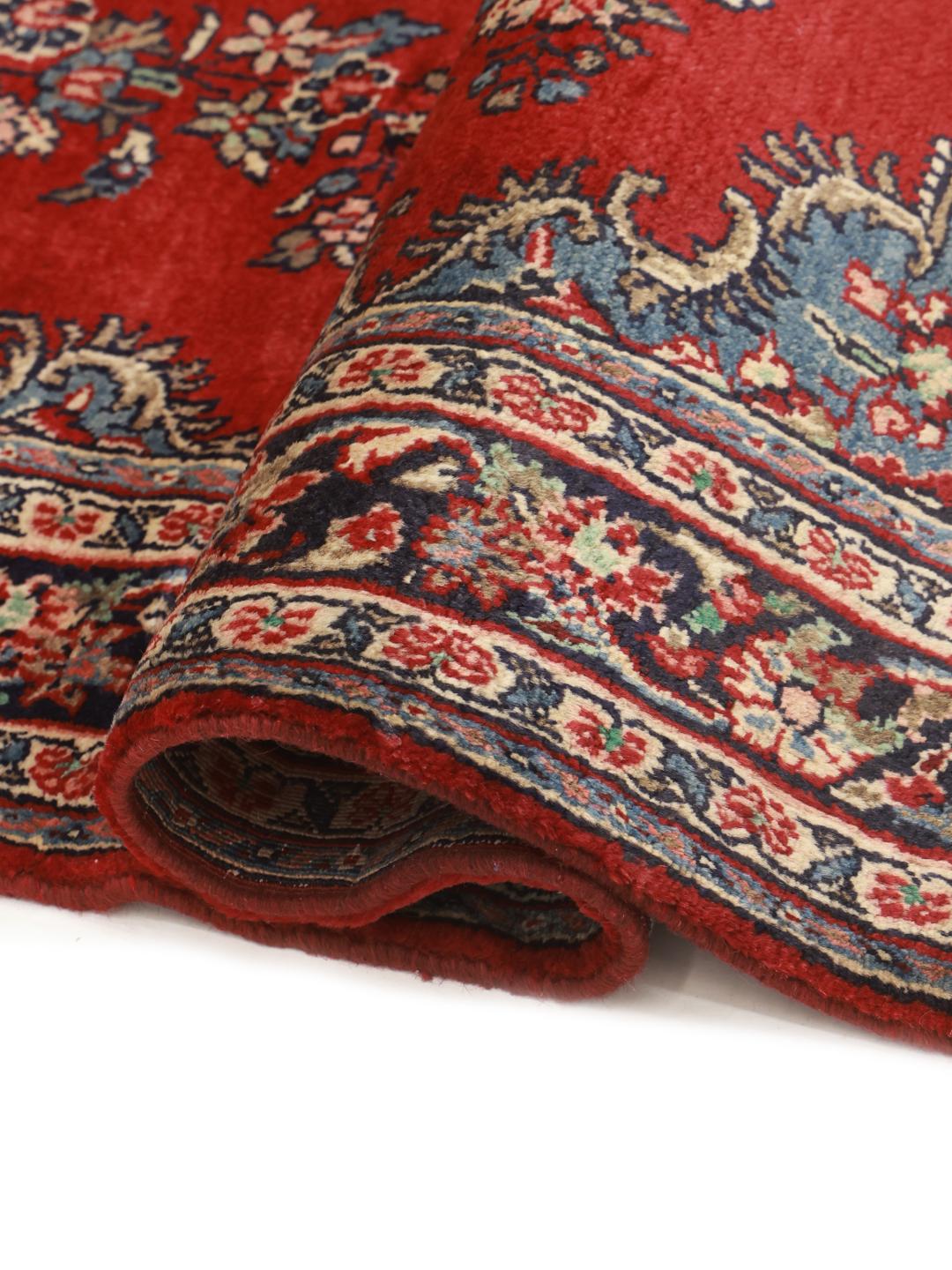
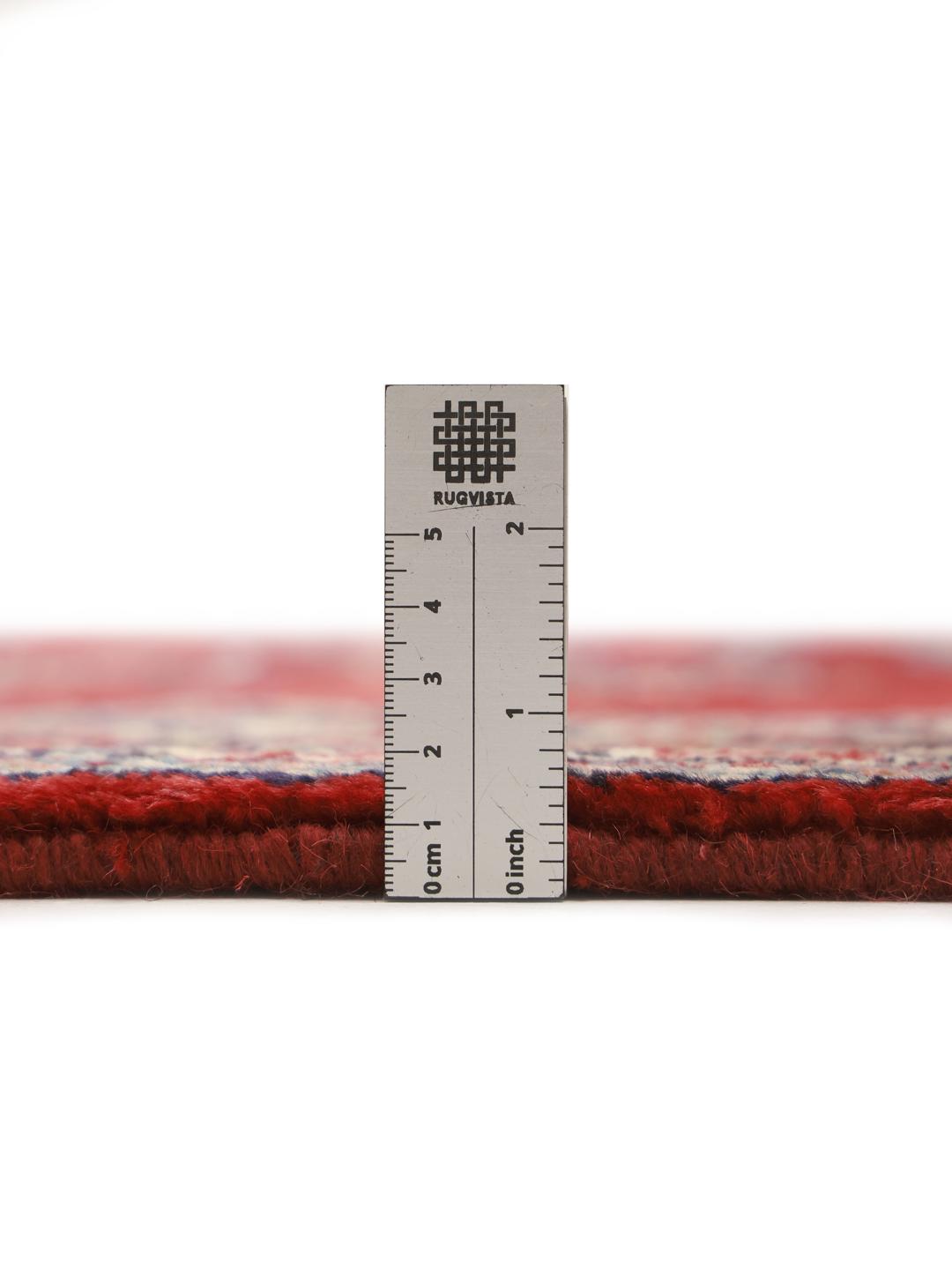
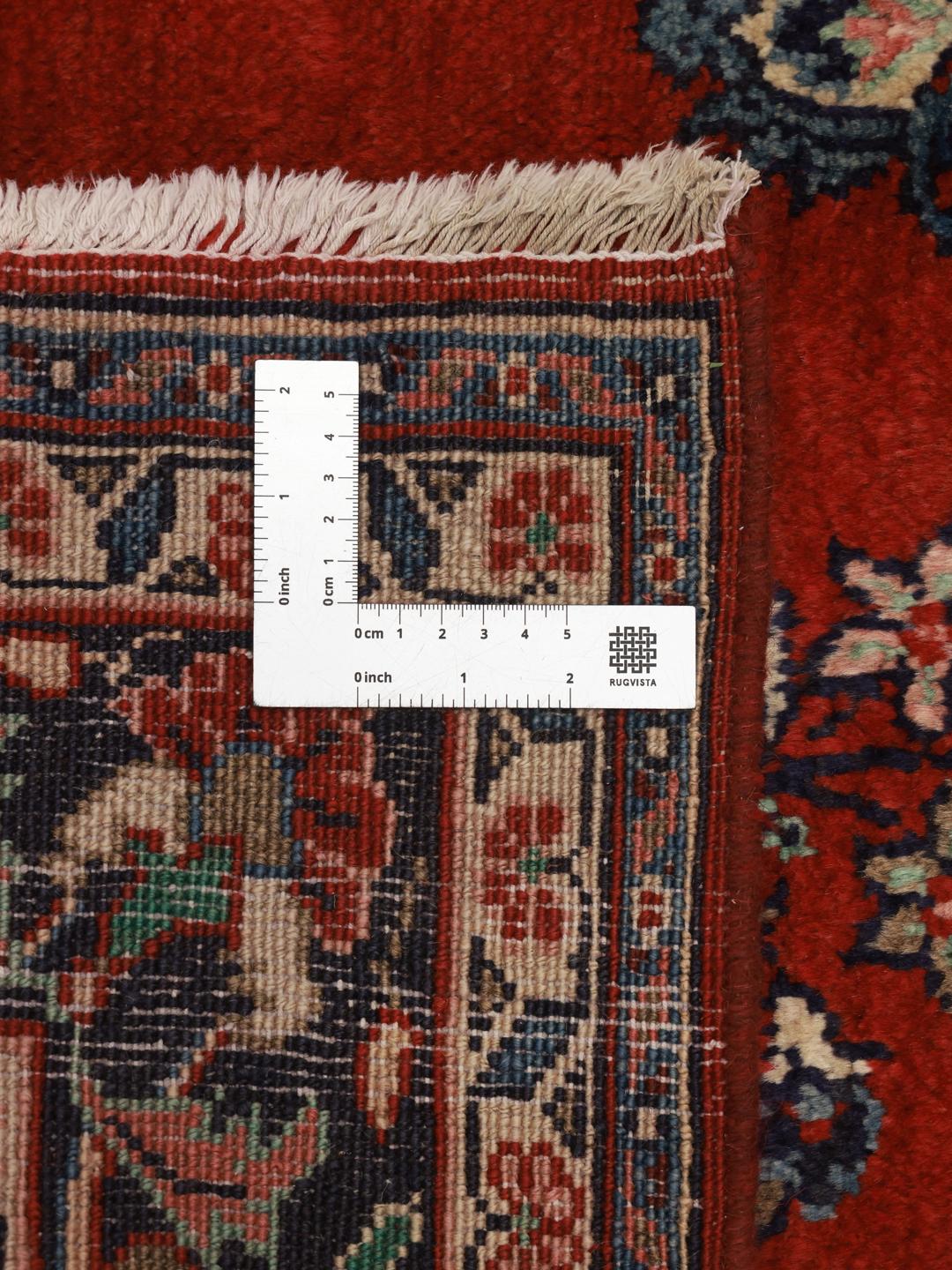
The term Hamadan refers to a broad tradition rather than a single, rigid style. These rugs are known for their durability and the use of high-quality, sturdy wool. The construction typically involves a robust foundation that provides a firm structure, ensuring the rug can withstand the rigours of daily use while maintaining its shape and beauty. This focus on structural integrity is a hallmark of the regional craft, prioritising longevity alongside aesthetic appeal.
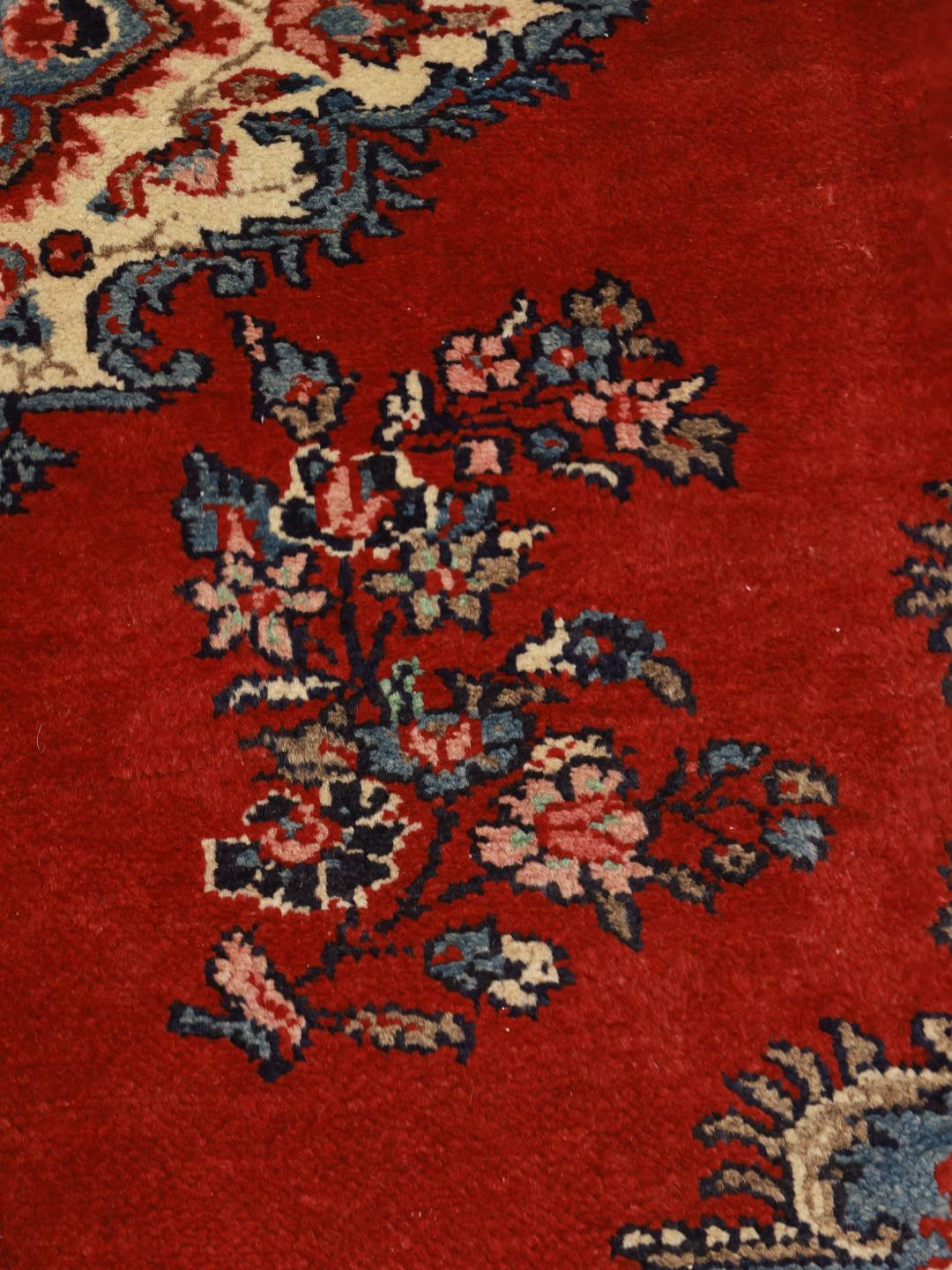
Visually, these rugs are often defined by their bold use of colour and complex geometric or floral patterns. While many feature a central medallion surrounded by repeating motifs, the variations are endless, reflecting the individual creativity of the weavers. The borders are frequently as detailed as the field, framing the composition with intricate floral vines or geometric guard stripes that add depth and balance to the overall design.
Collecting a piece from this tradition is an opportunity to own a fragment of a vast cultural legacy. These rugs are valued not only for their visual impact but for the human story they tell. By choosing a hand-knotted piece, you are supporting a tradition that has been passed down through generations, celebrating the skill, patience, and artistic vision required to create such a lasting, meaningful object for the home.