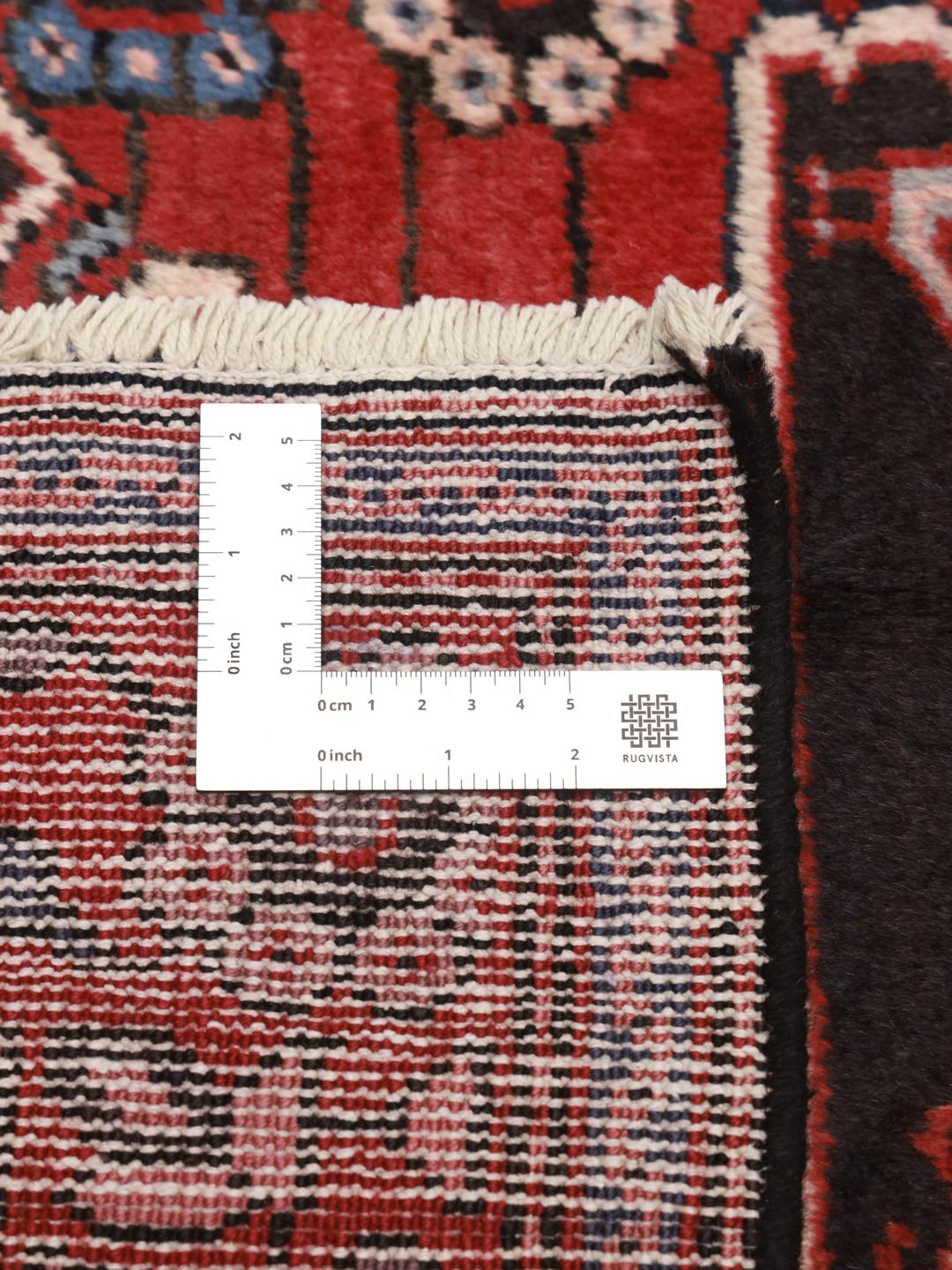
The Hamadan region in the Middle East is one of the oldest and most prolific rug-weaving centres in the world. Located in a mountainous area, the region has been a hub for nomadic and village weavers for centuries. These rugs are known for their diversity, as they are produced in hundreds of different villages, each contributing its own unique flair and local interpretation to the broader tradition.
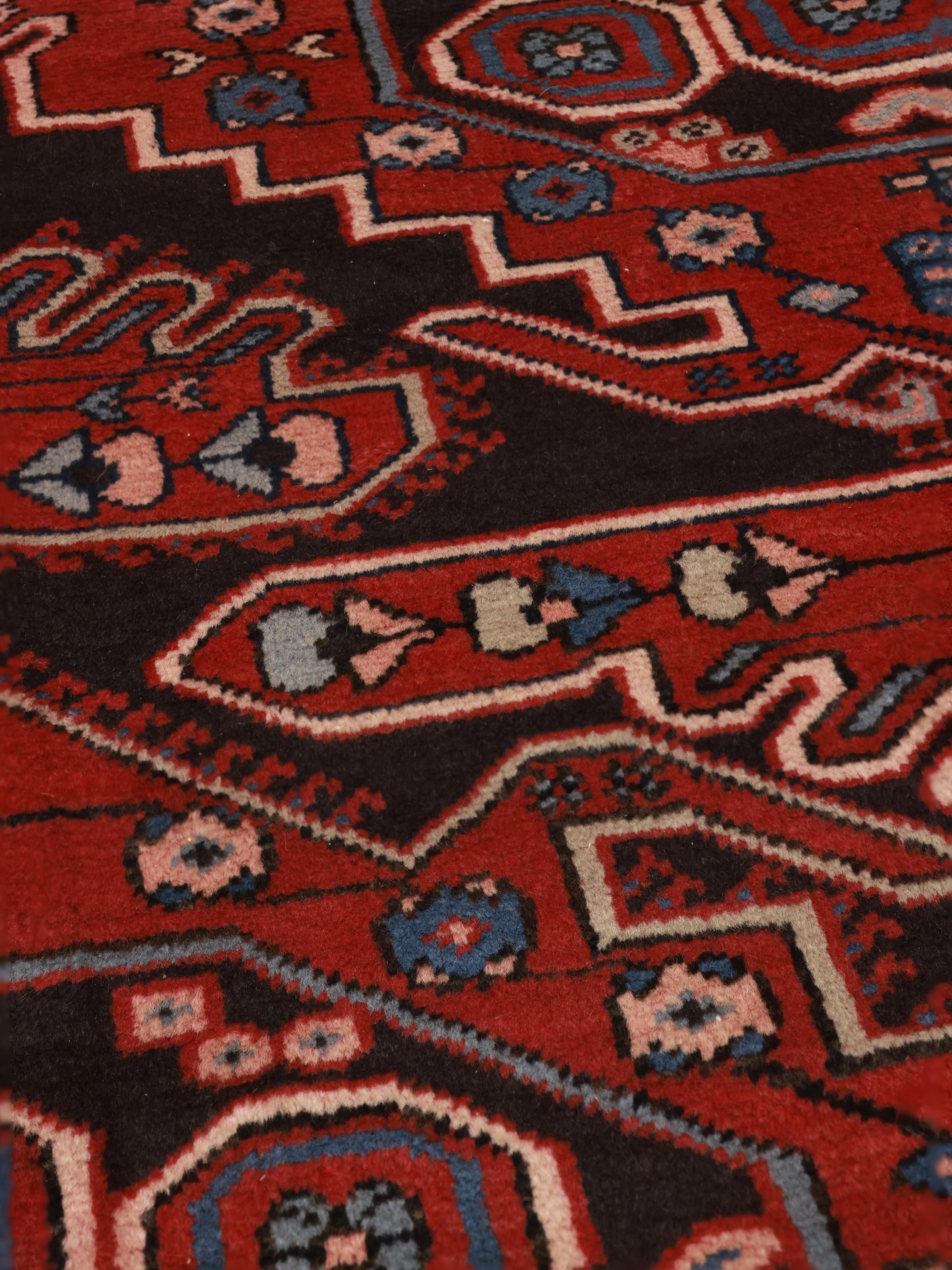
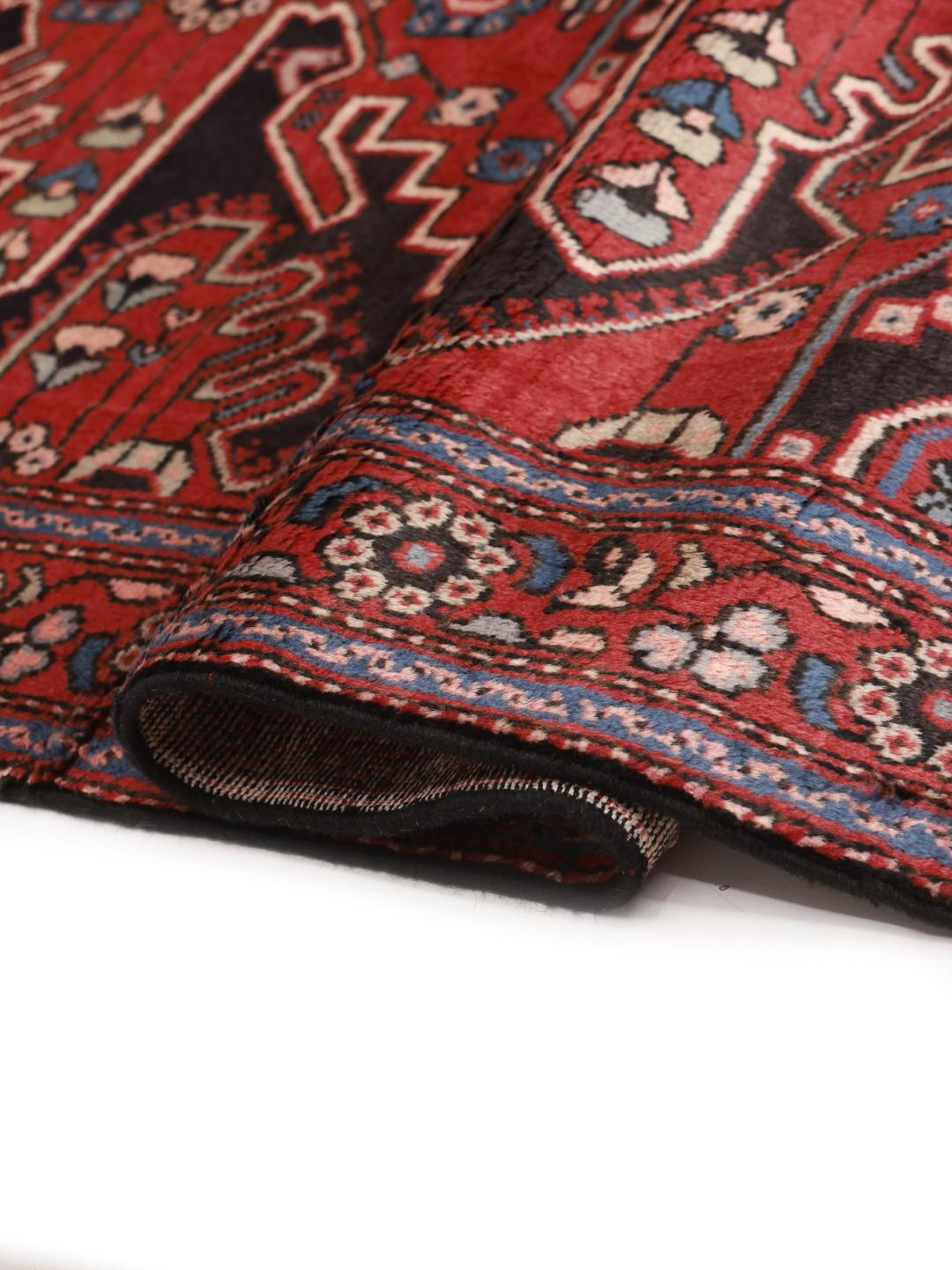
Technical quality in this region is defined by the use of sturdy, locally sourced materials and time-honoured weaving methods. The foundation of these rugs is often quite robust, designed to withstand the rigours of village life. This focus on durability means that these pieces are not only beautiful but also practical, maintaining their structural integrity even after years of regular use in a family home.
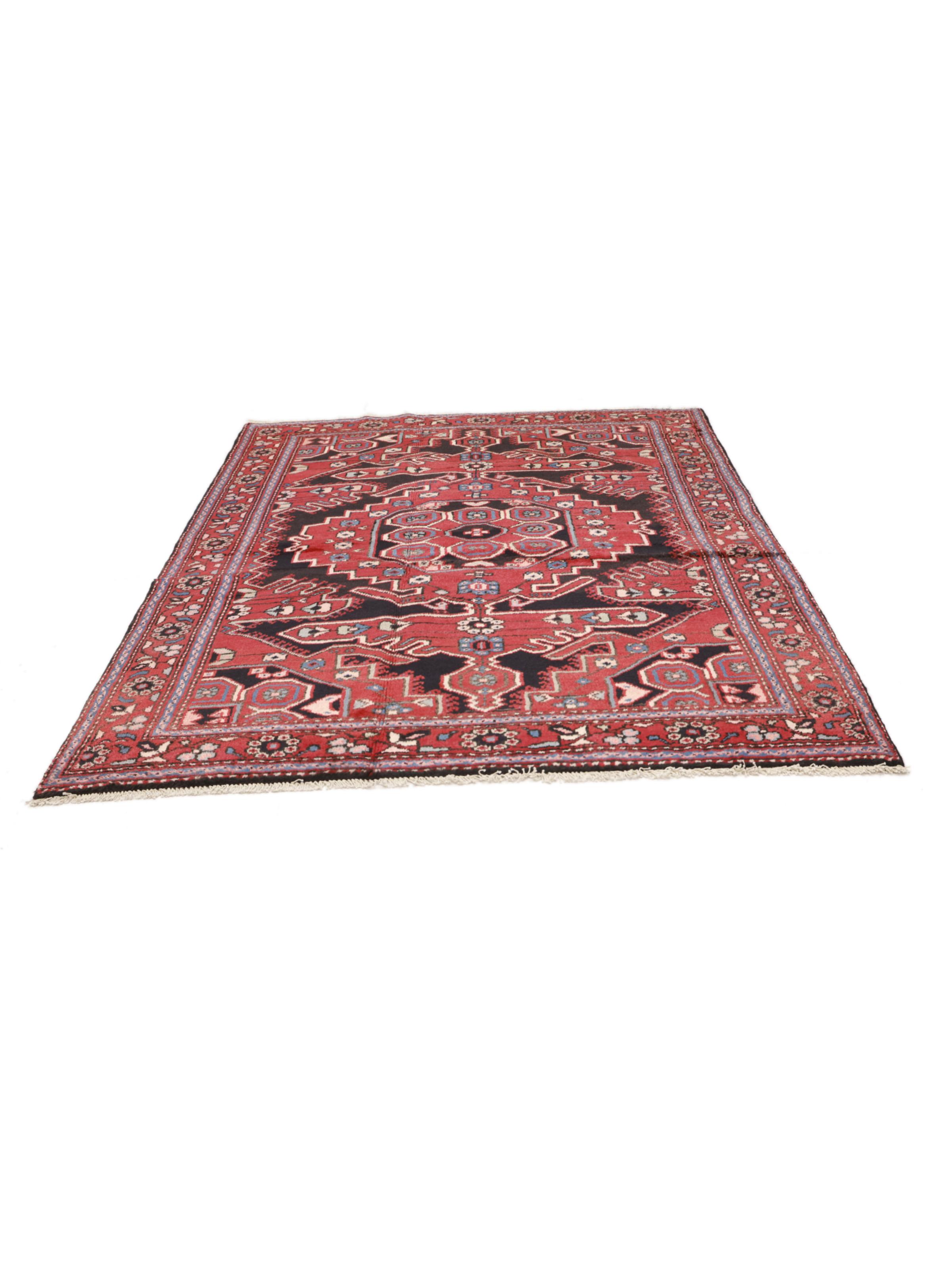
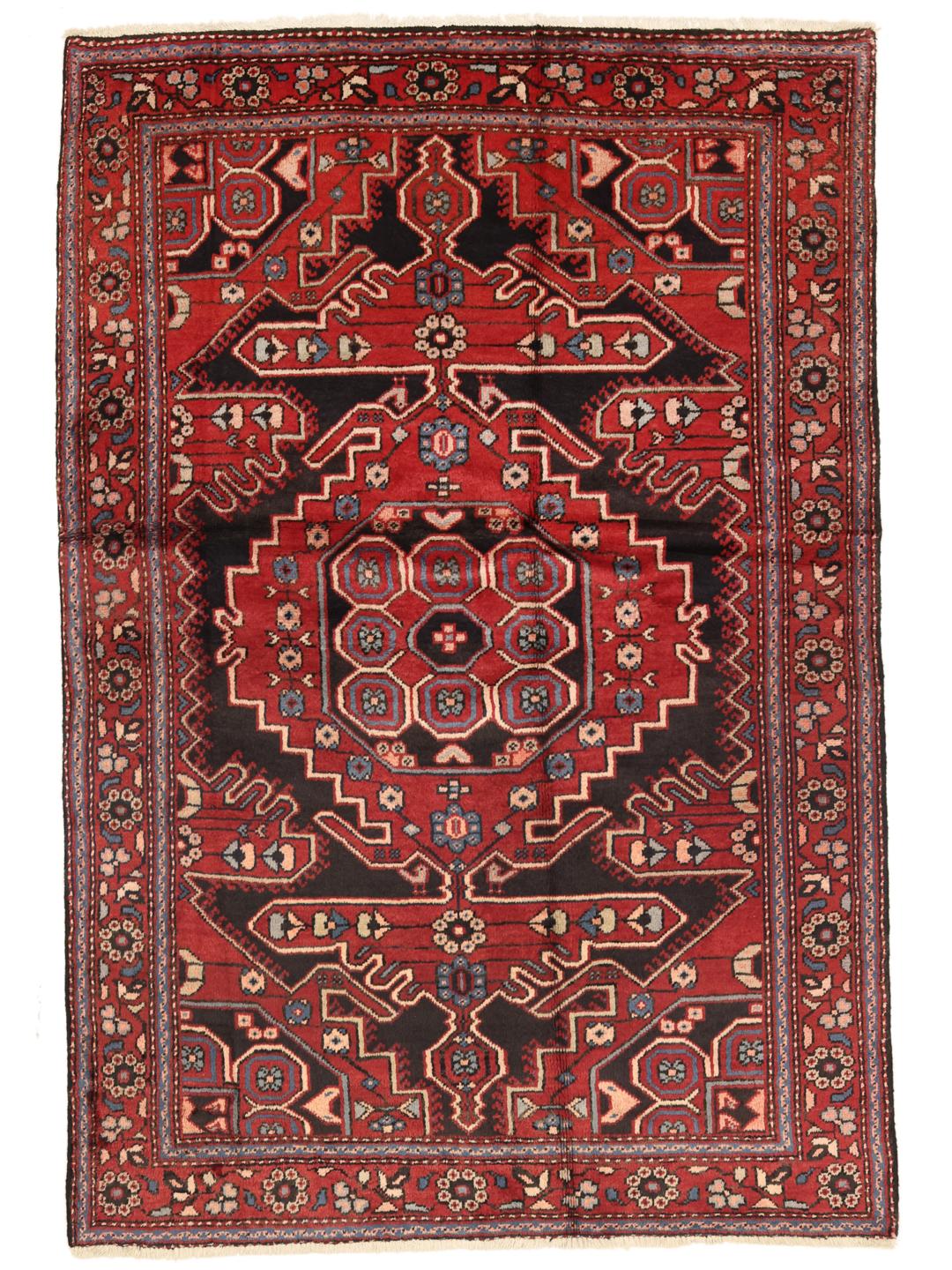
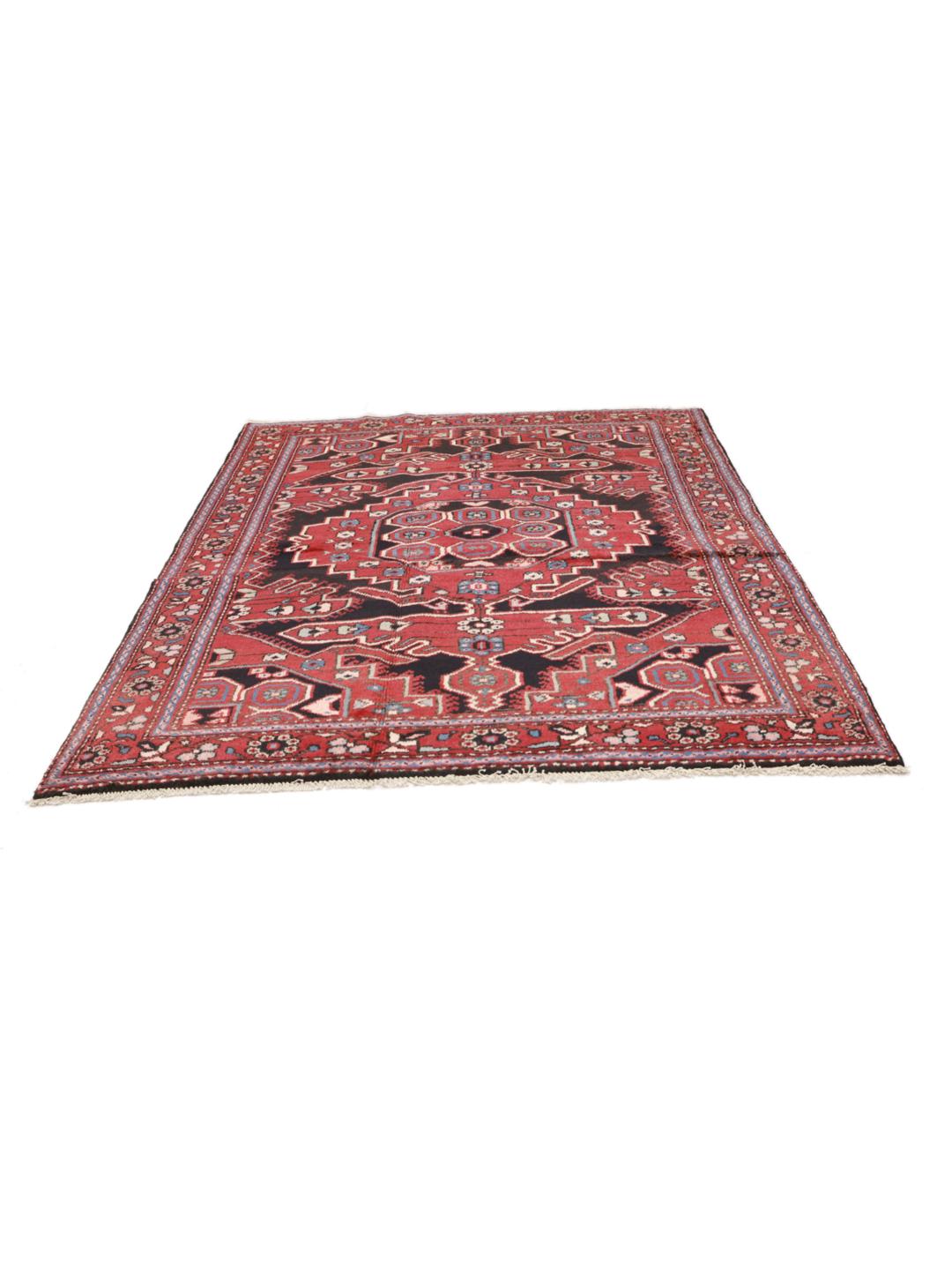
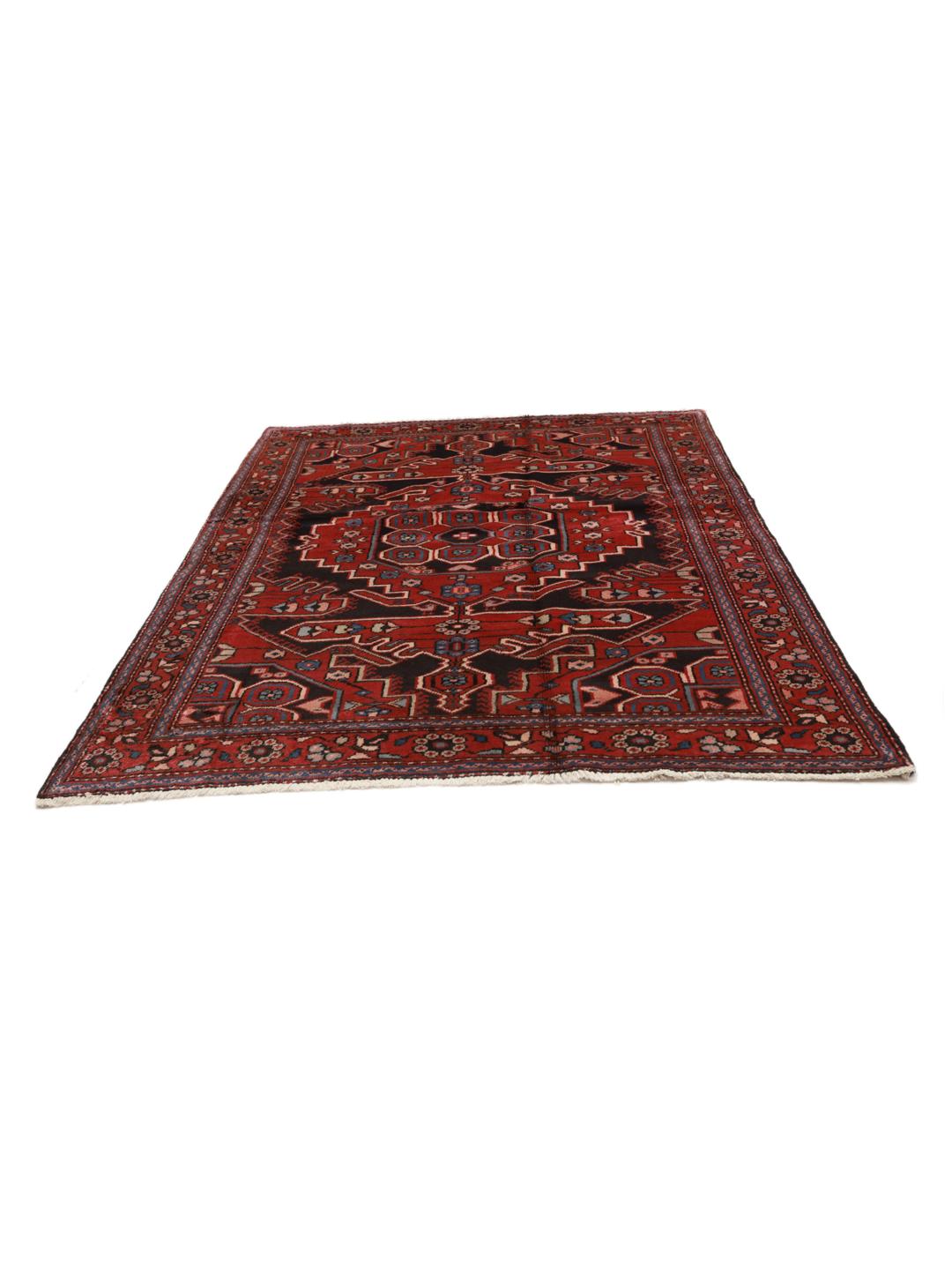
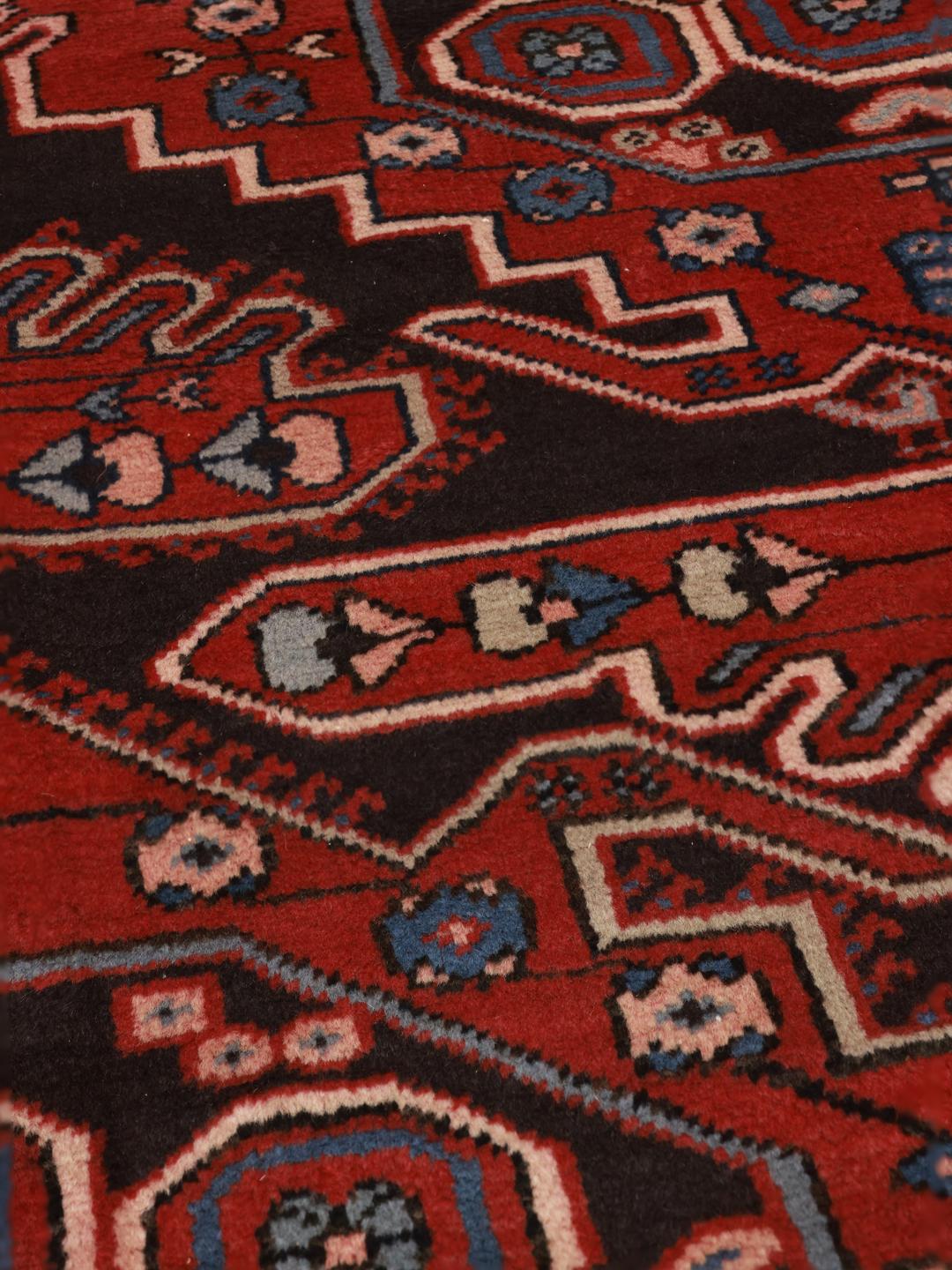
Visually, these rugs are often characterised by bold geometric patterns, with the medallion being a central and recurring feature. The field is typically filled with stylised floral motifs, vines, and tribal symbols that reflect the surrounding environment and the weaver's personal narrative. The use of deep reds, blues, and blacks is a classic signature of the area, creating a dramatic contrast that defines the aesthetic of the style.
Owning a piece from this tradition is a way to connect with a rich cultural heritage. Because these rugs are often created in smaller village settings rather than large factories, they possess an authentic, human quality that mass-produced items lack. Collectors value them for this genuine, unrefined beauty and the way they tell the story of the hands that carefully crafted them.