Hamadan rugs originate from one of the oldest cities in the Middle East, a region with a deep-rooted history of weaving that spans centuries. These rugs are named after the city of Hamadan, which serves as a central hub for the surrounding weaving villages. This tradition is defined by a vast array of styles, as each village often incorporates its own unique motifs and colour preferences into their work.
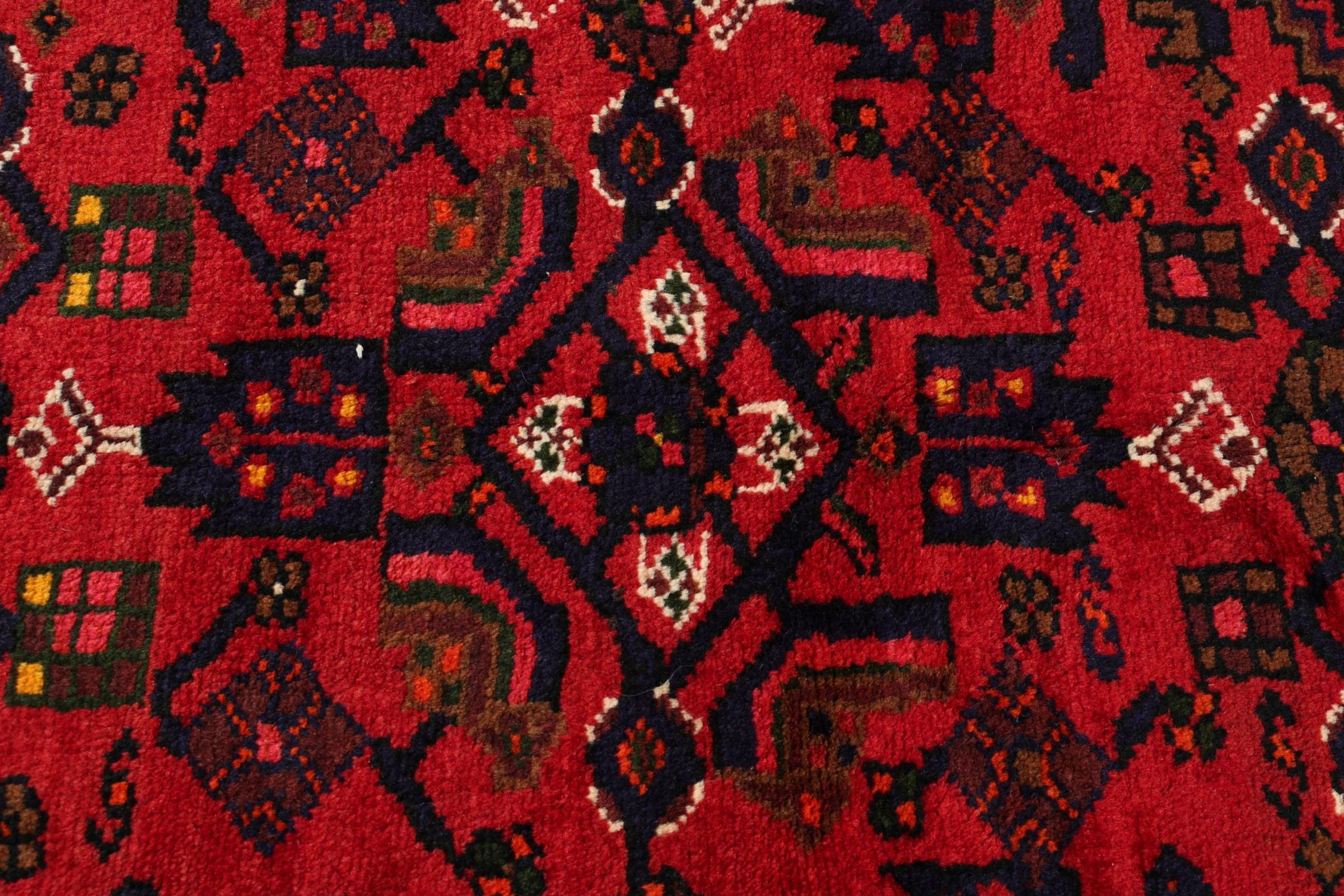
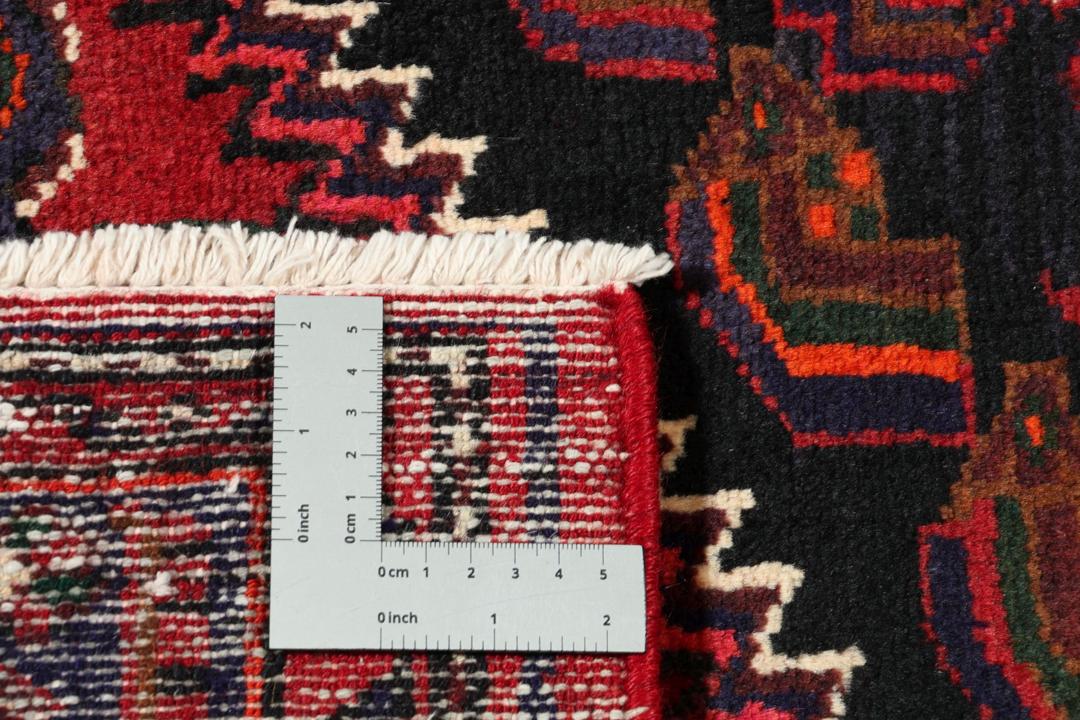
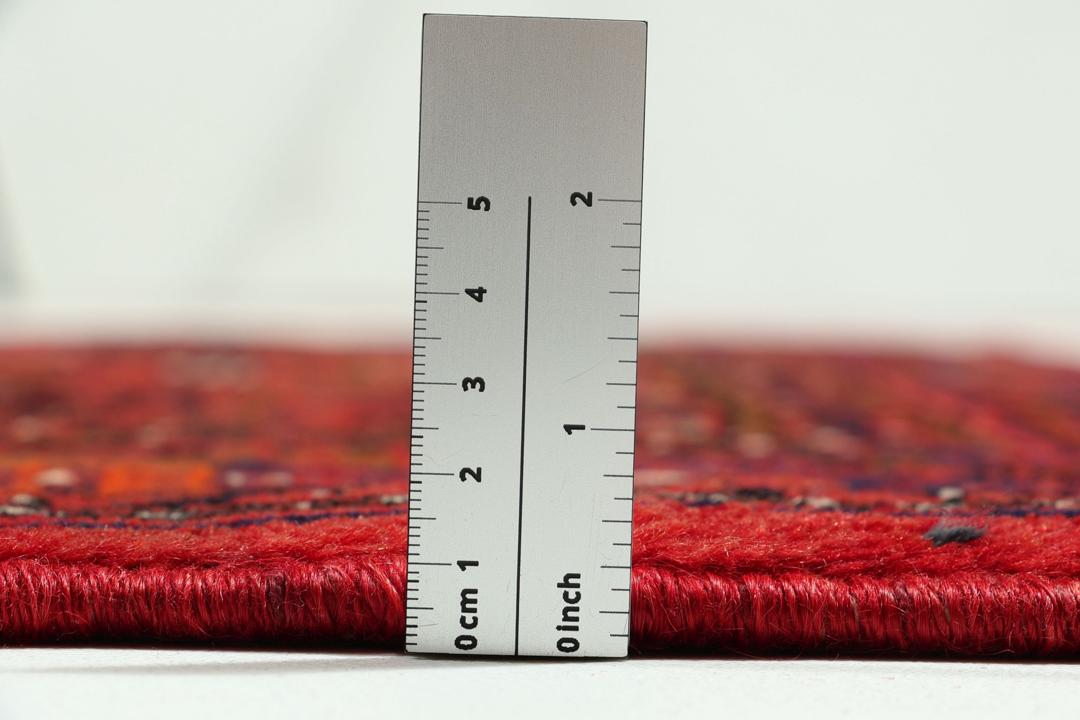
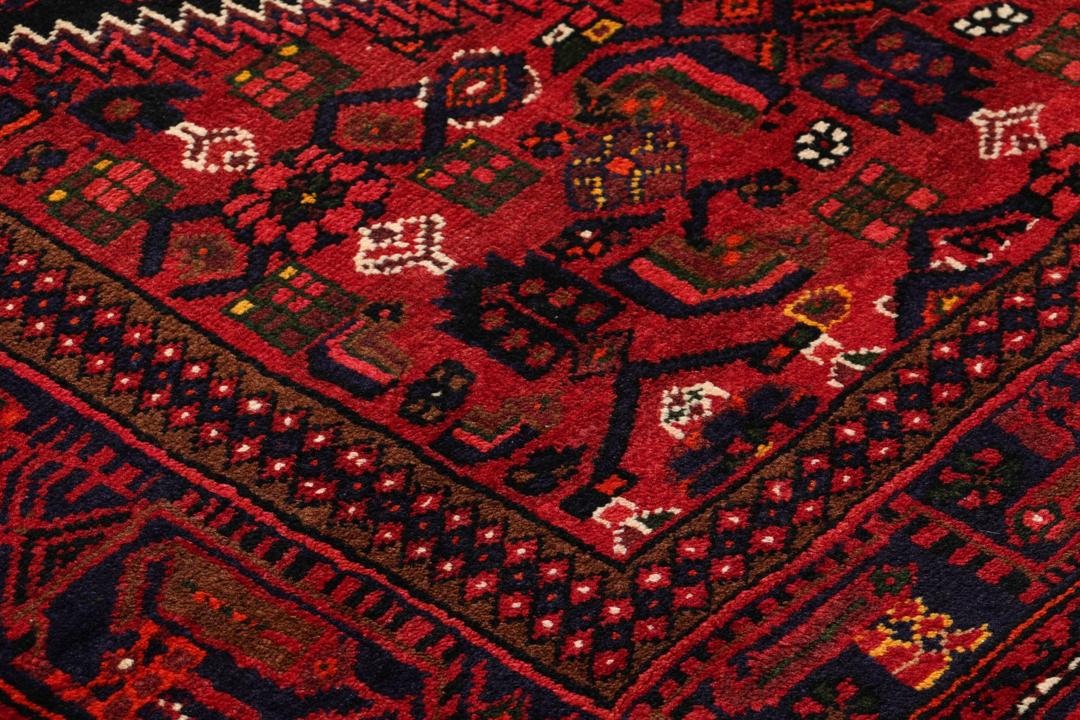
The term hand-knotted refers to the traditional method where each knot is tied individually onto the foundation, a process that requires immense patience and skill. This technique creates a pile that is not only dense and luxurious but also incredibly resilient. The resulting structure is far superior to modern alternatives, as the physical security of each knot ensures the rug can endure high-traffic areas while retaining its integrity.
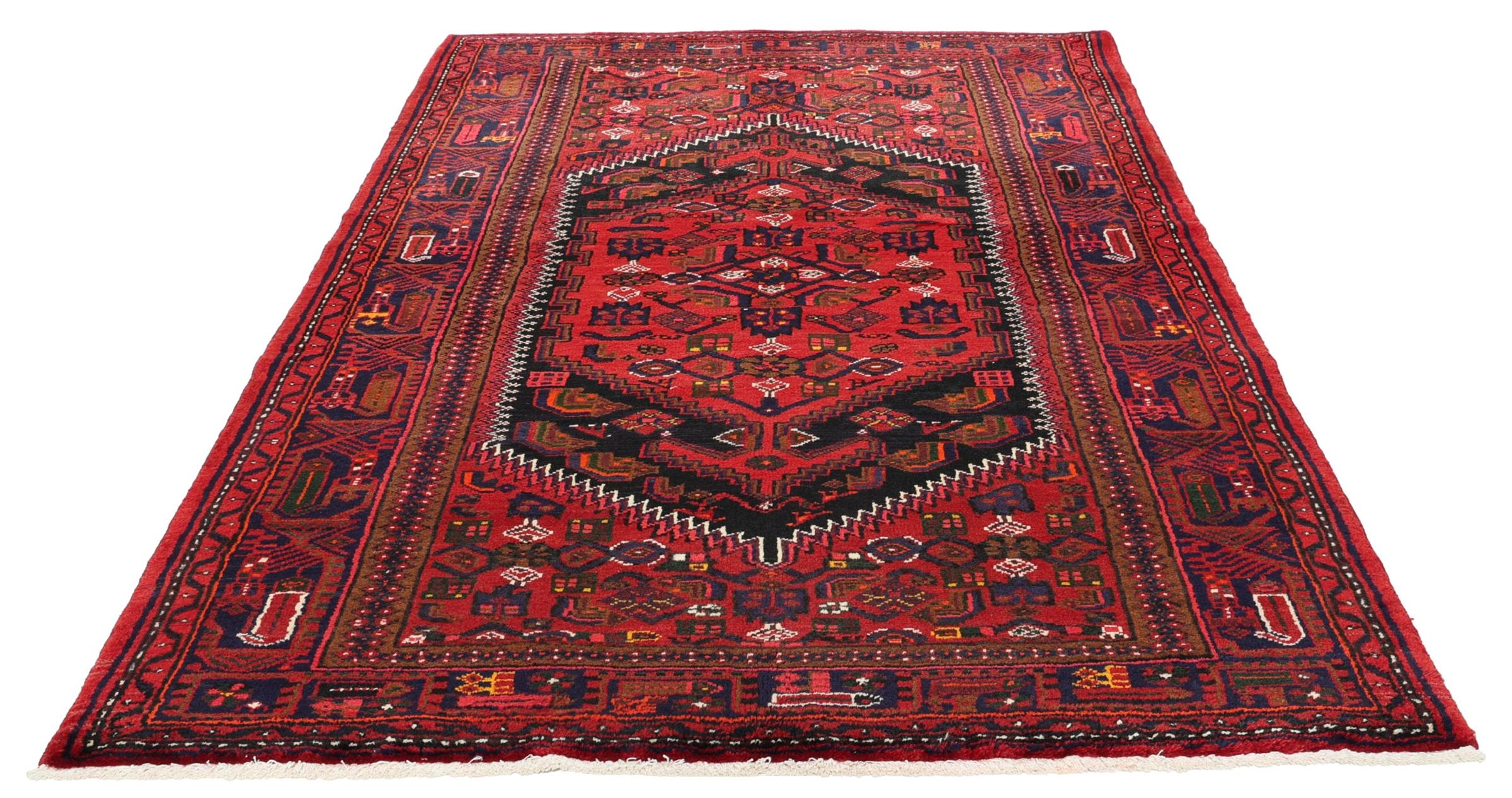
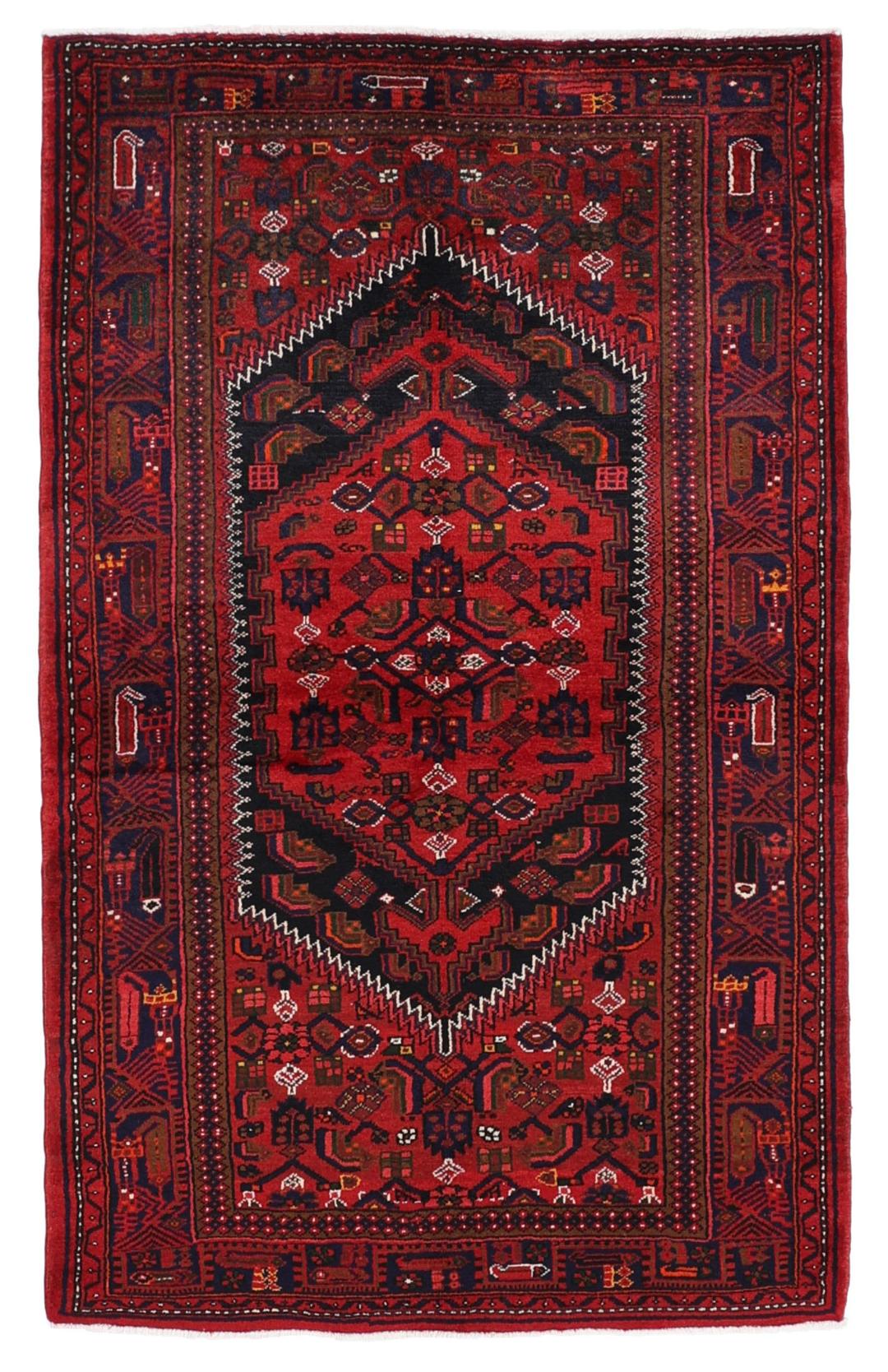
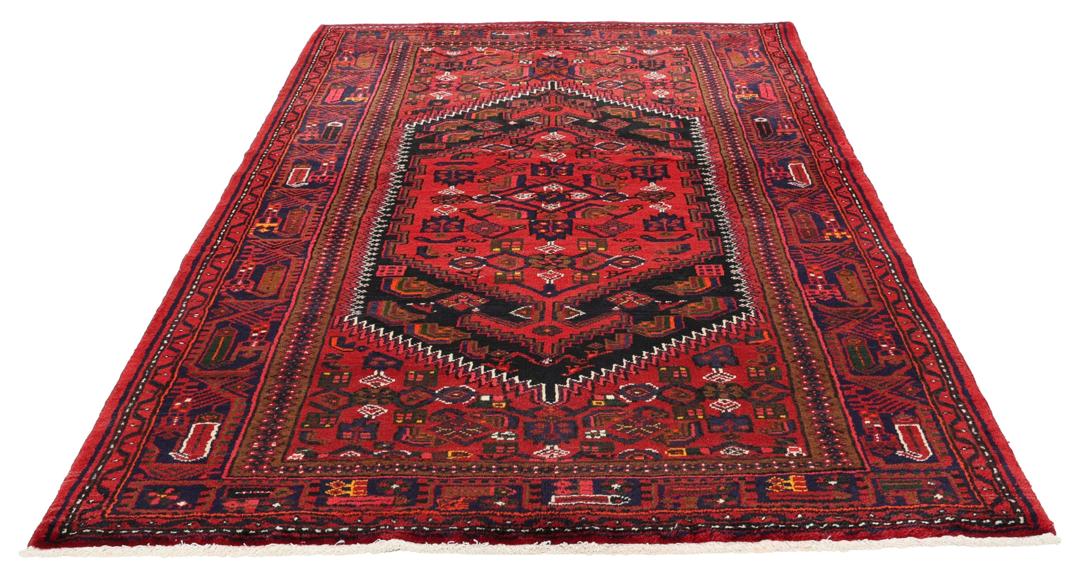
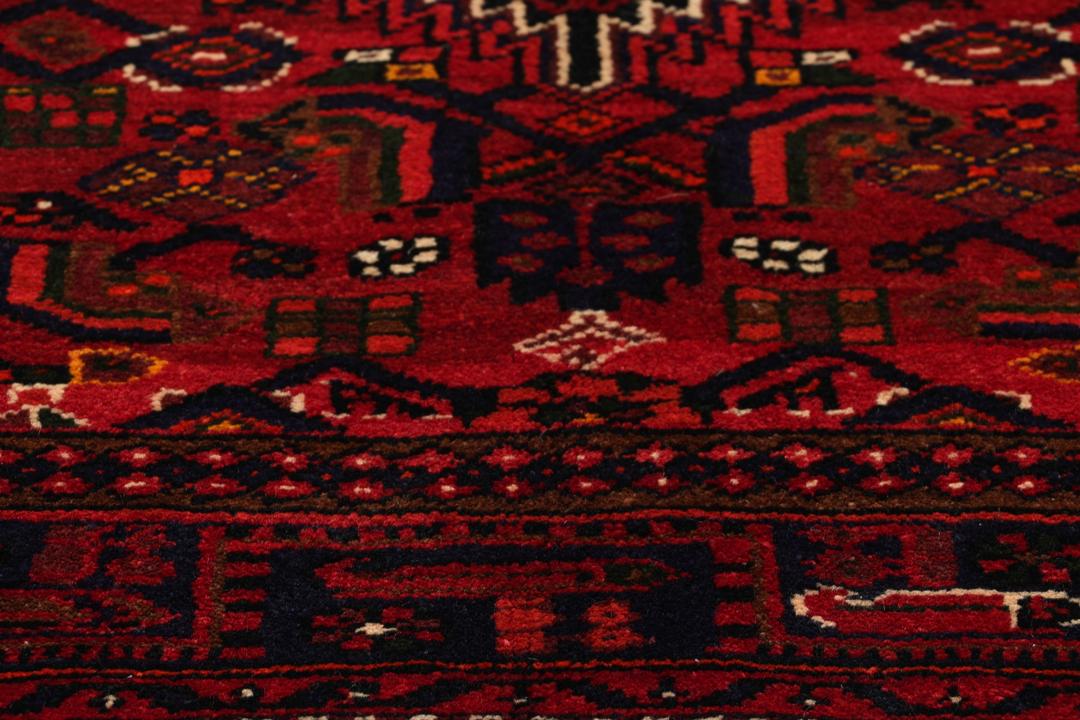
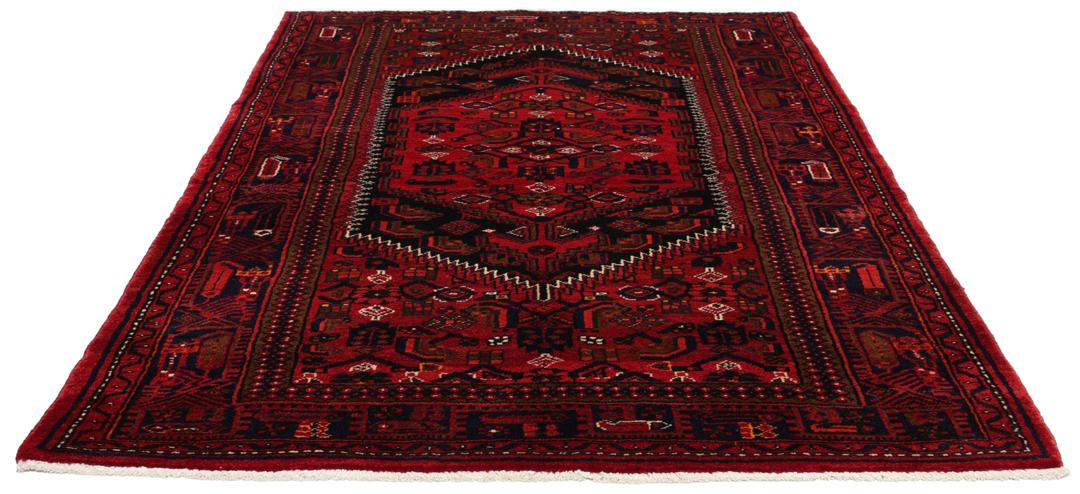
Visually, Hamadan rugs are celebrated for their bold, geometric designs and vibrant colour palettes. You will often see central medallions surrounded by intricate floral or tribal motifs, which are frequently rendered in shades of red, blue, and deep earth tones. This rug features a striking geometric composition that serves as a classic representation of the regional style, balancing symmetry with expressive detail.
Collecting a Hamadan rug is an opportunity to own a piece of living history. These rugs are highly valued for their authenticity and the way they bridge the gap between ancient cultural practices and modern home comfort. By bringing one into your home, you are not just adding a decorative item, but celebrating a legacy of craftsmanship that has been passed down through generations.