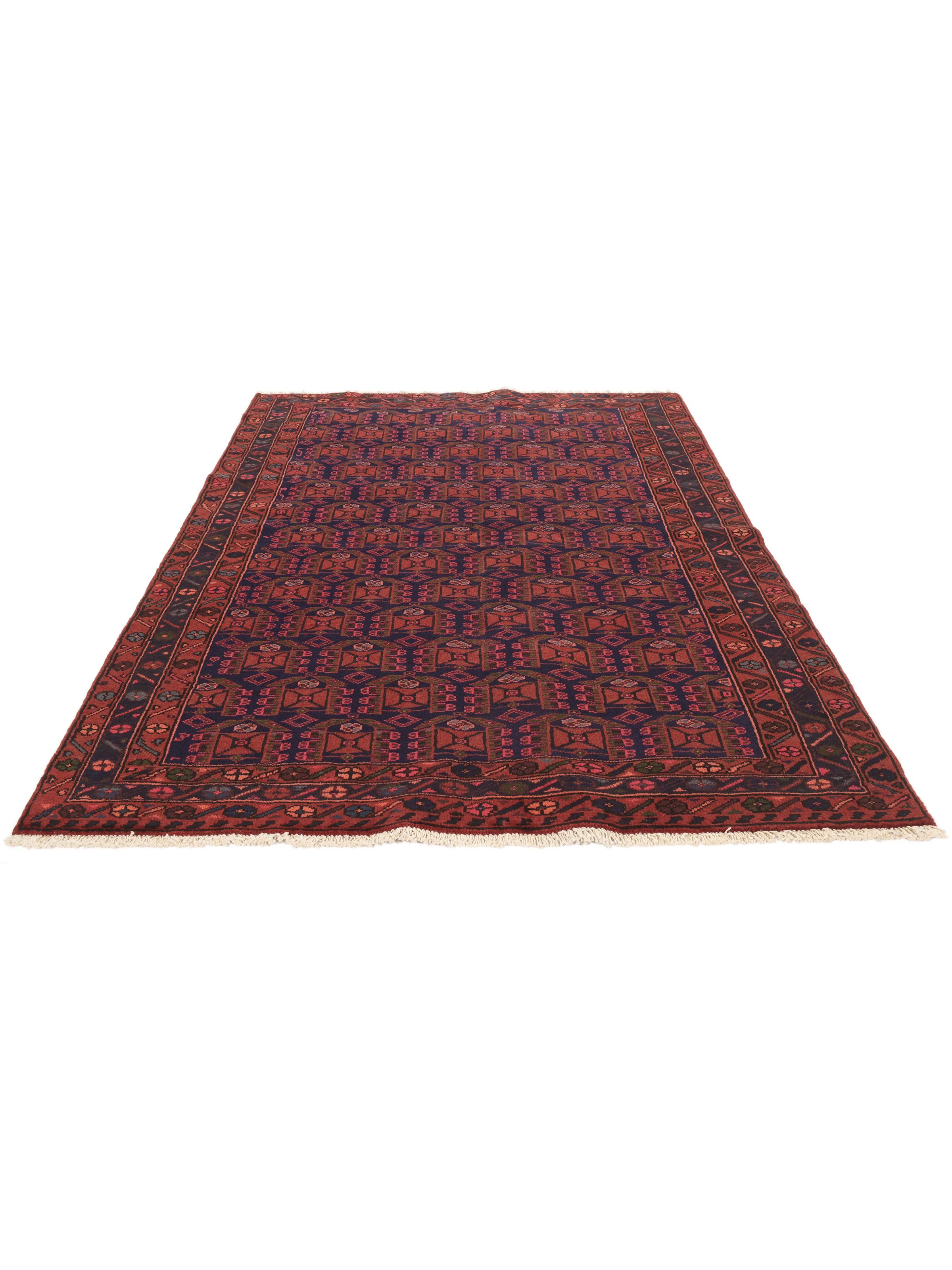
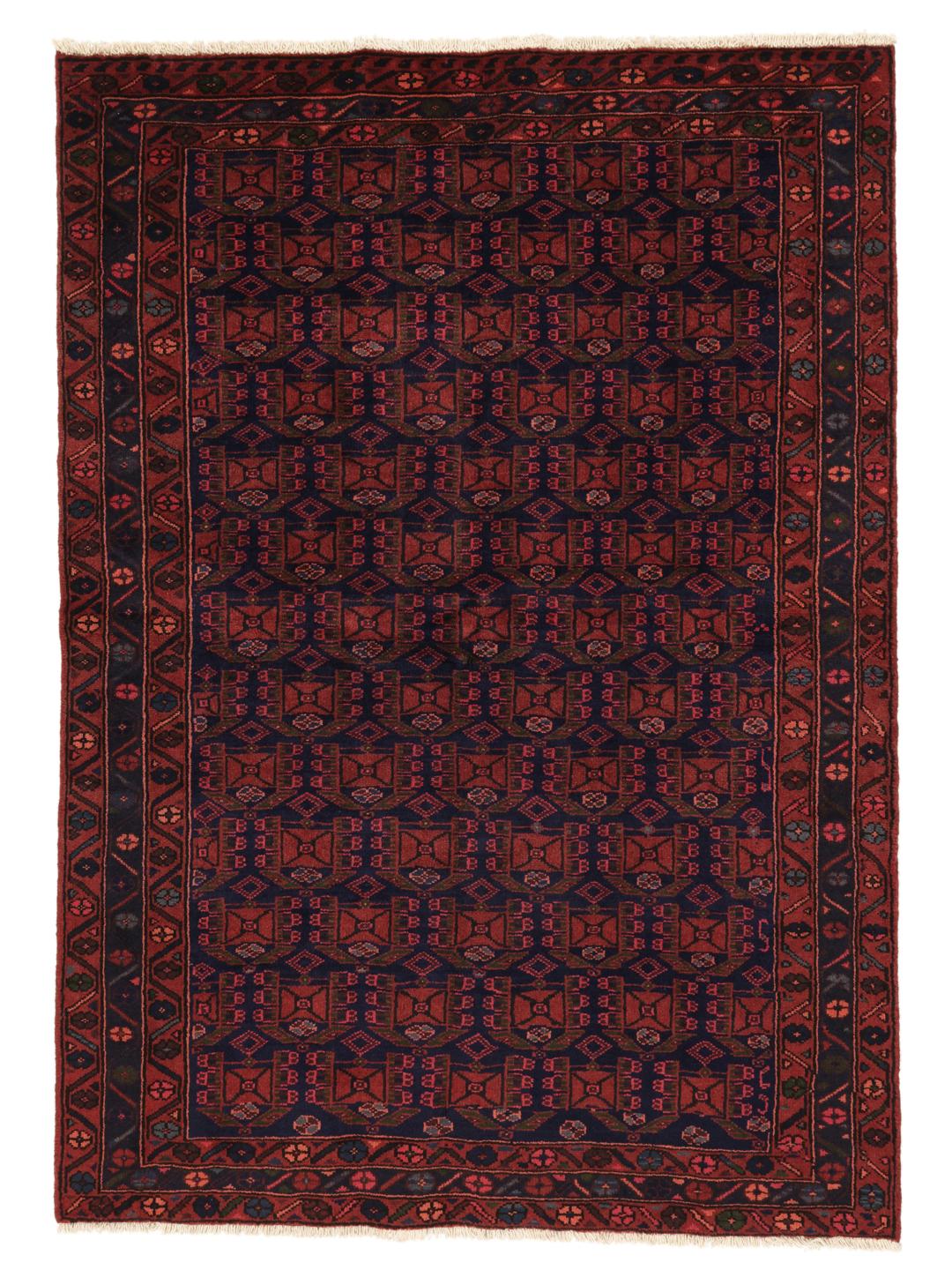
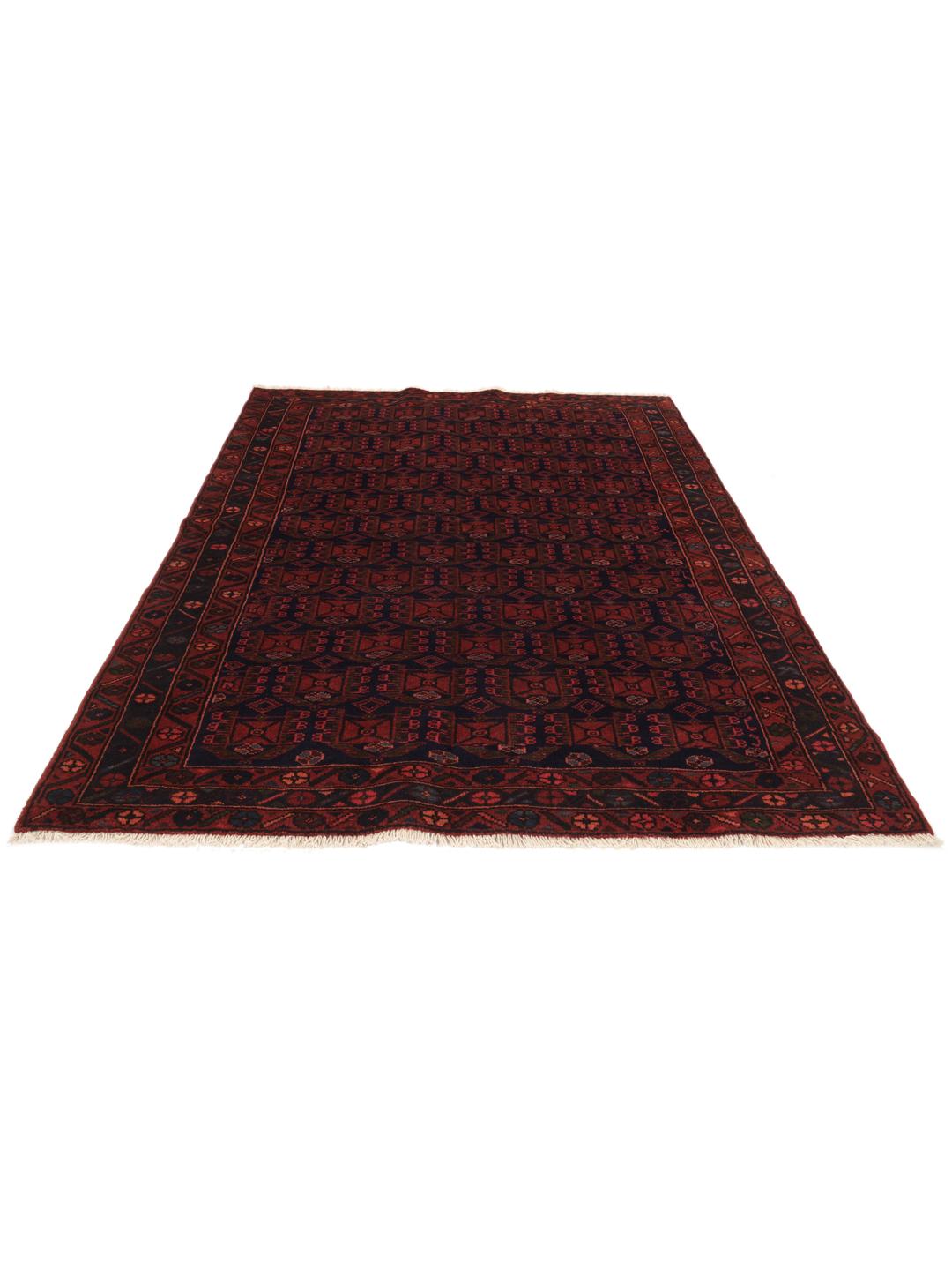
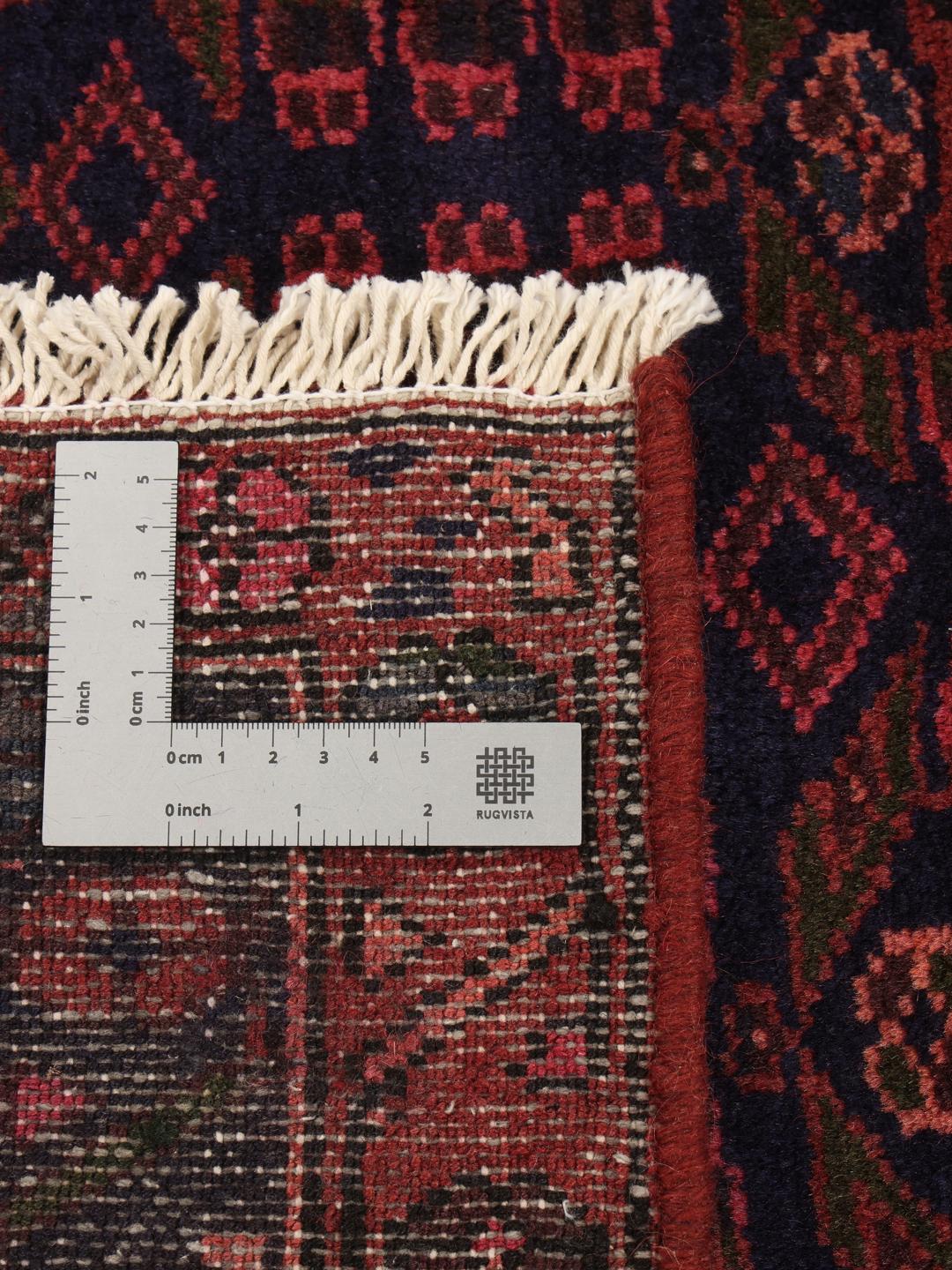
Hamadan rugs originate from one of the oldest cities in the Middle East, a historic trading hub nestled in the mountainous region of the west. For centuries, this area has been a centre for weaving, where diverse tribes and local communities developed distinct styles that reflect their specific surroundings and heritage.
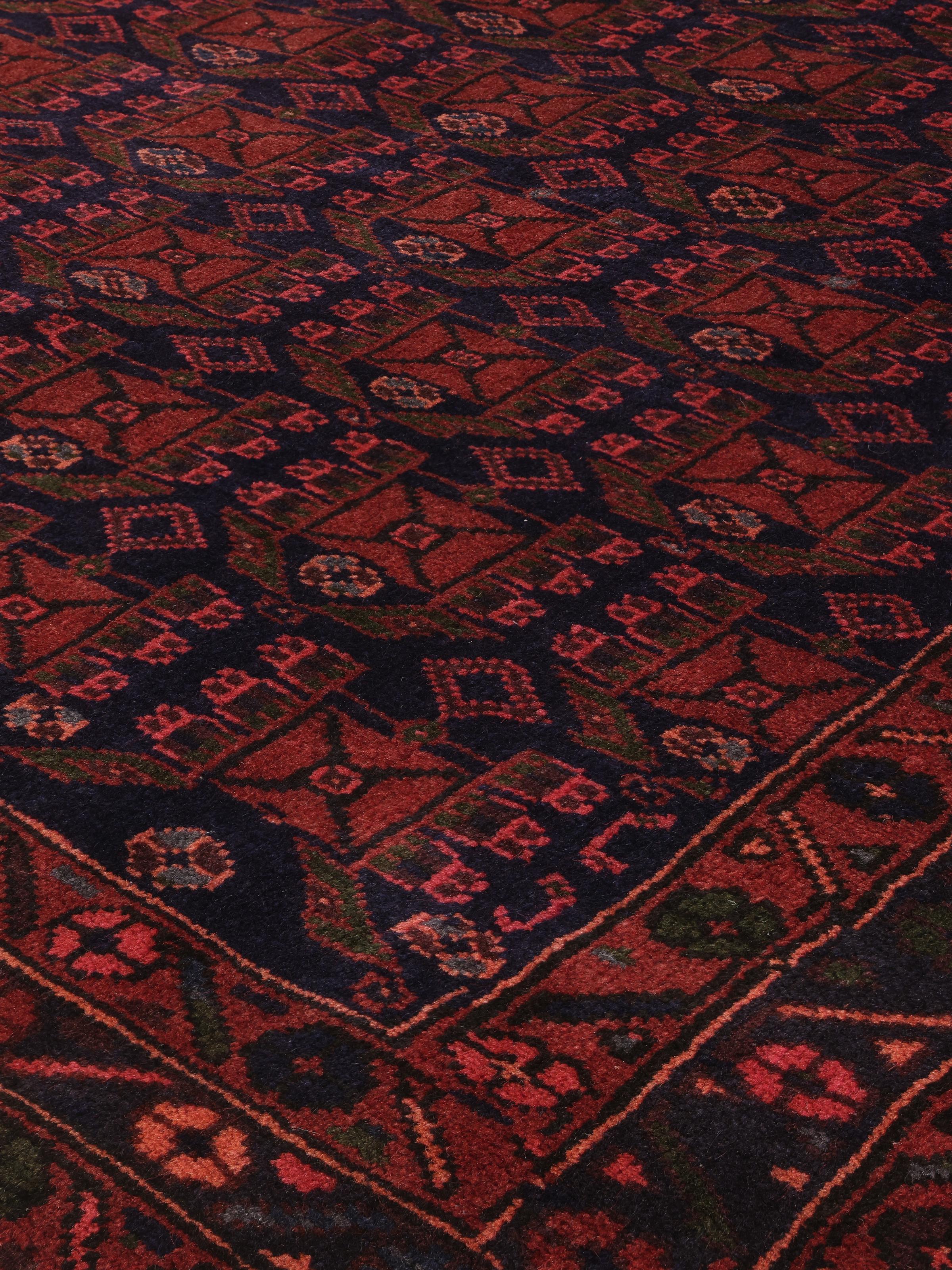
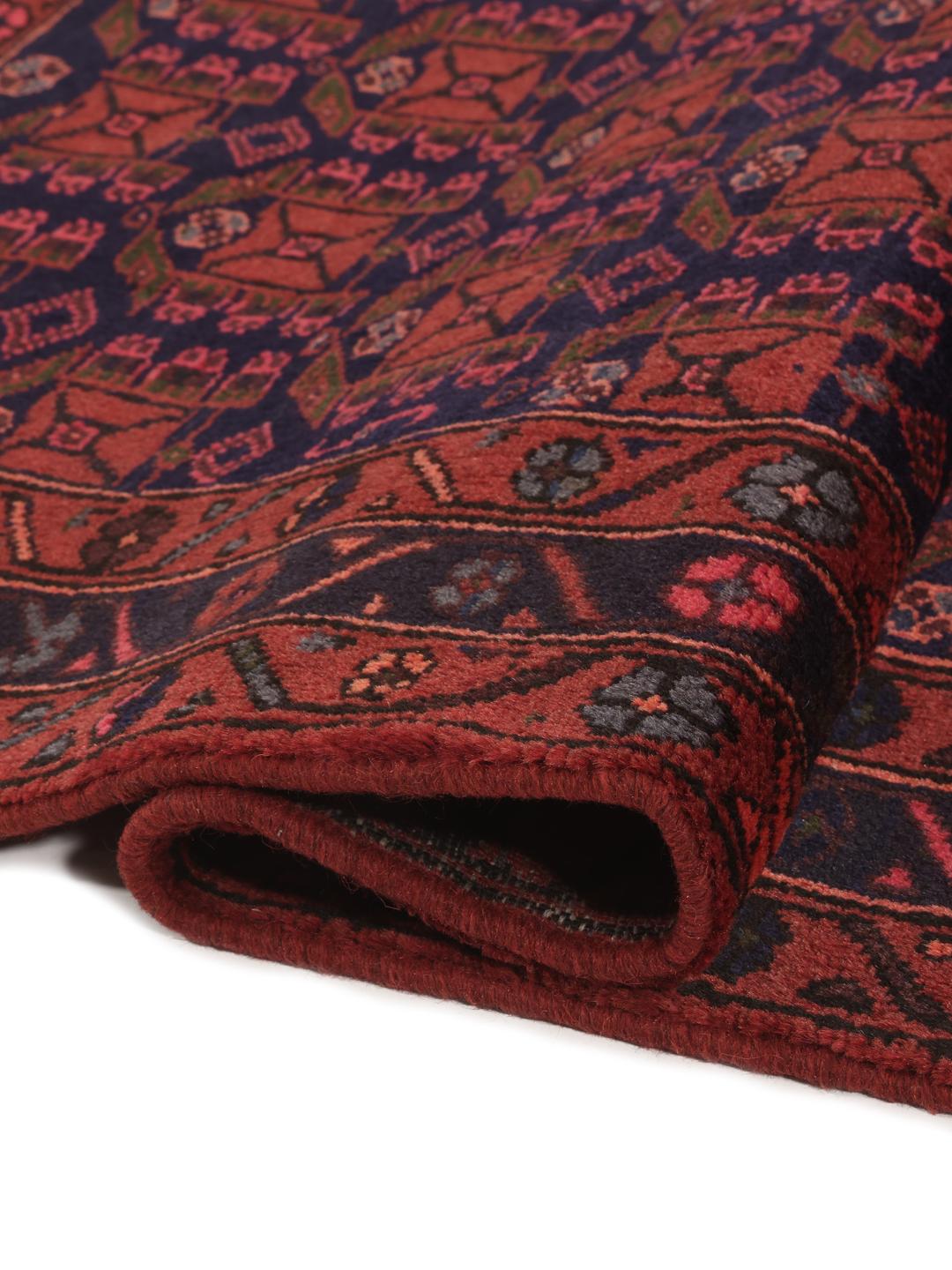
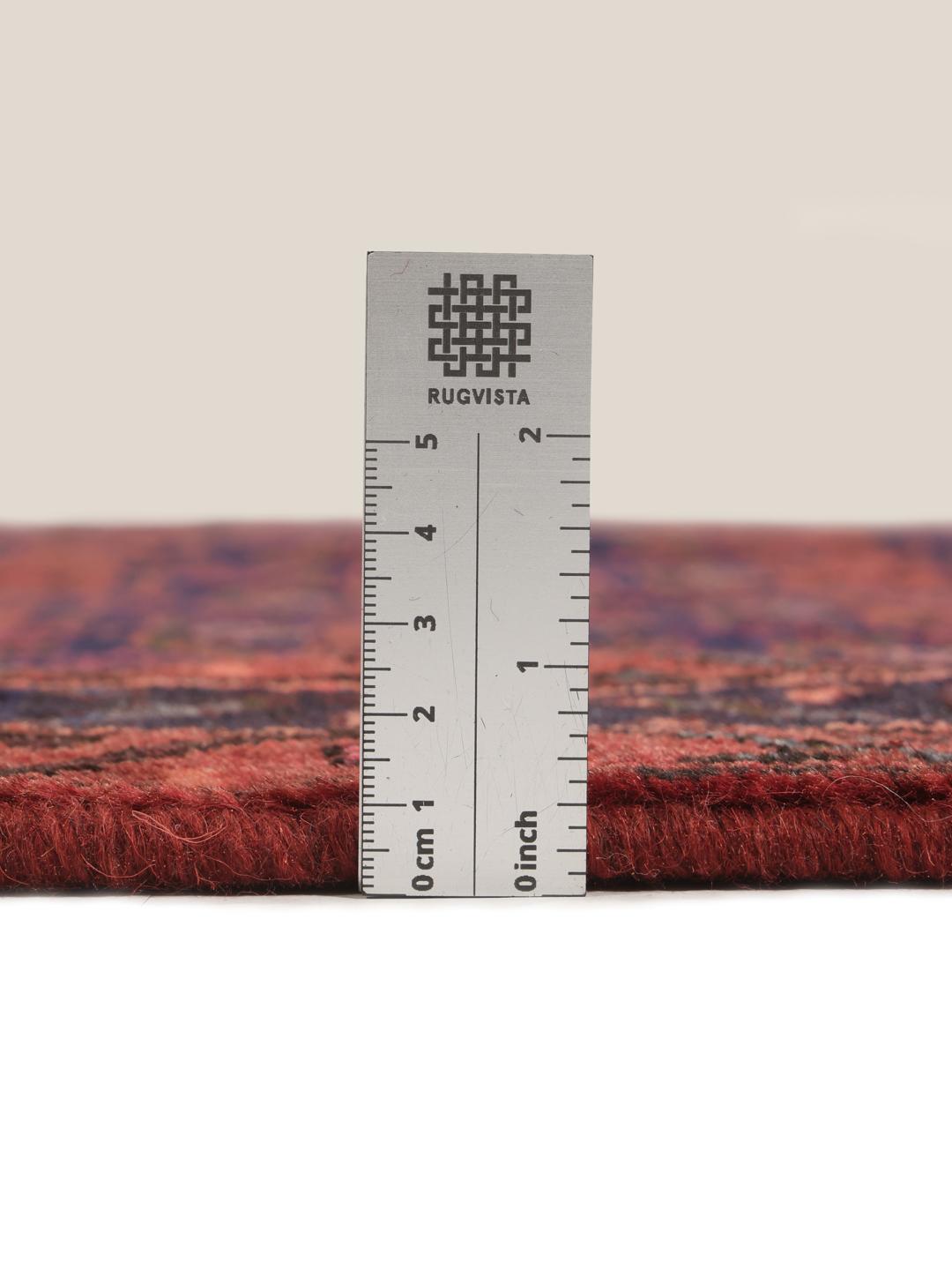
The craft of these rugs is defined by a reliance on wool, which is often sourced from local mountain flocks. This material is prized for its high lanolin content and natural durability, providing the ideal foundation for a rug that must withstand the rigours of daily life while retaining its lustrous appearance over many years.
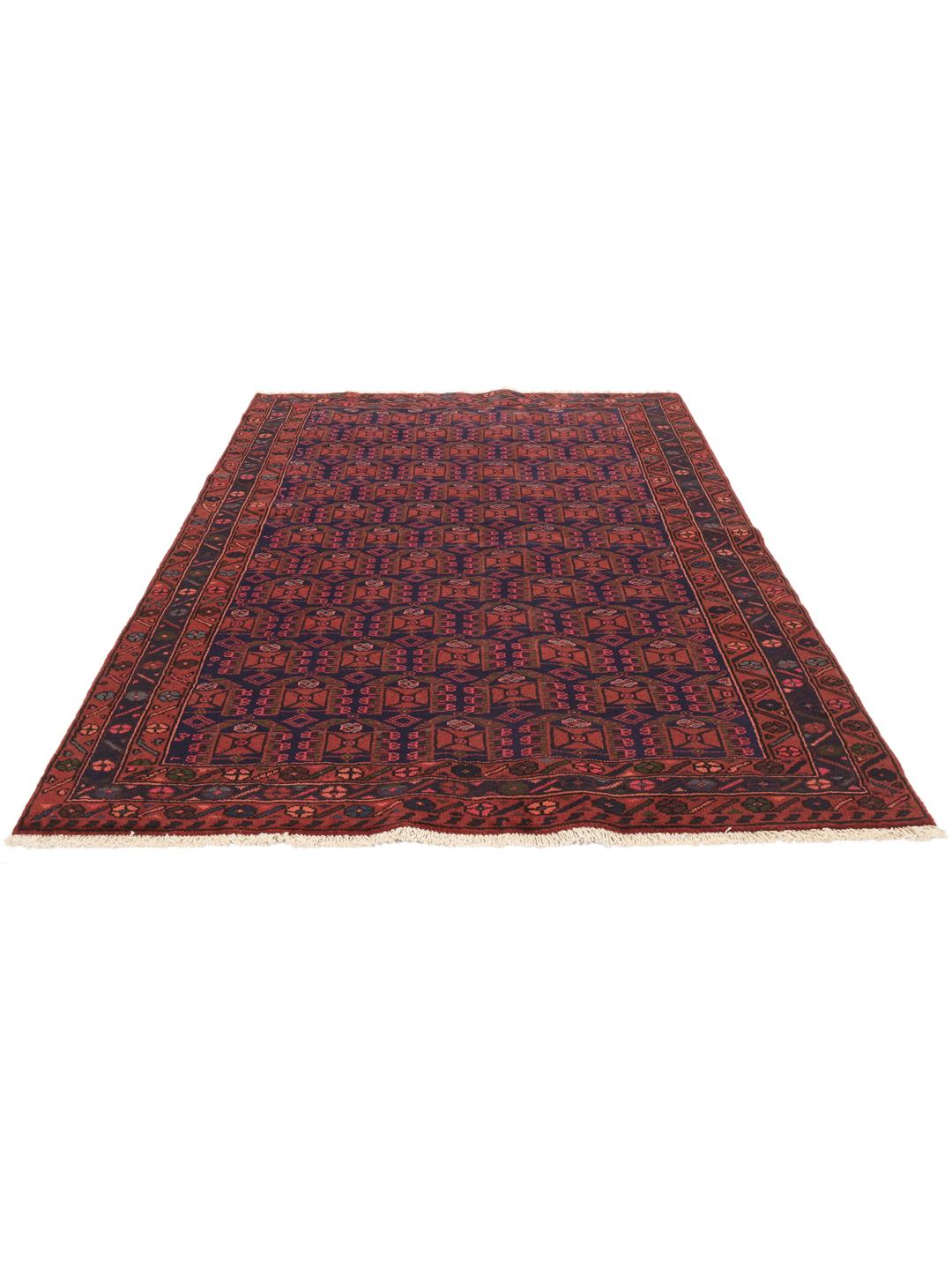
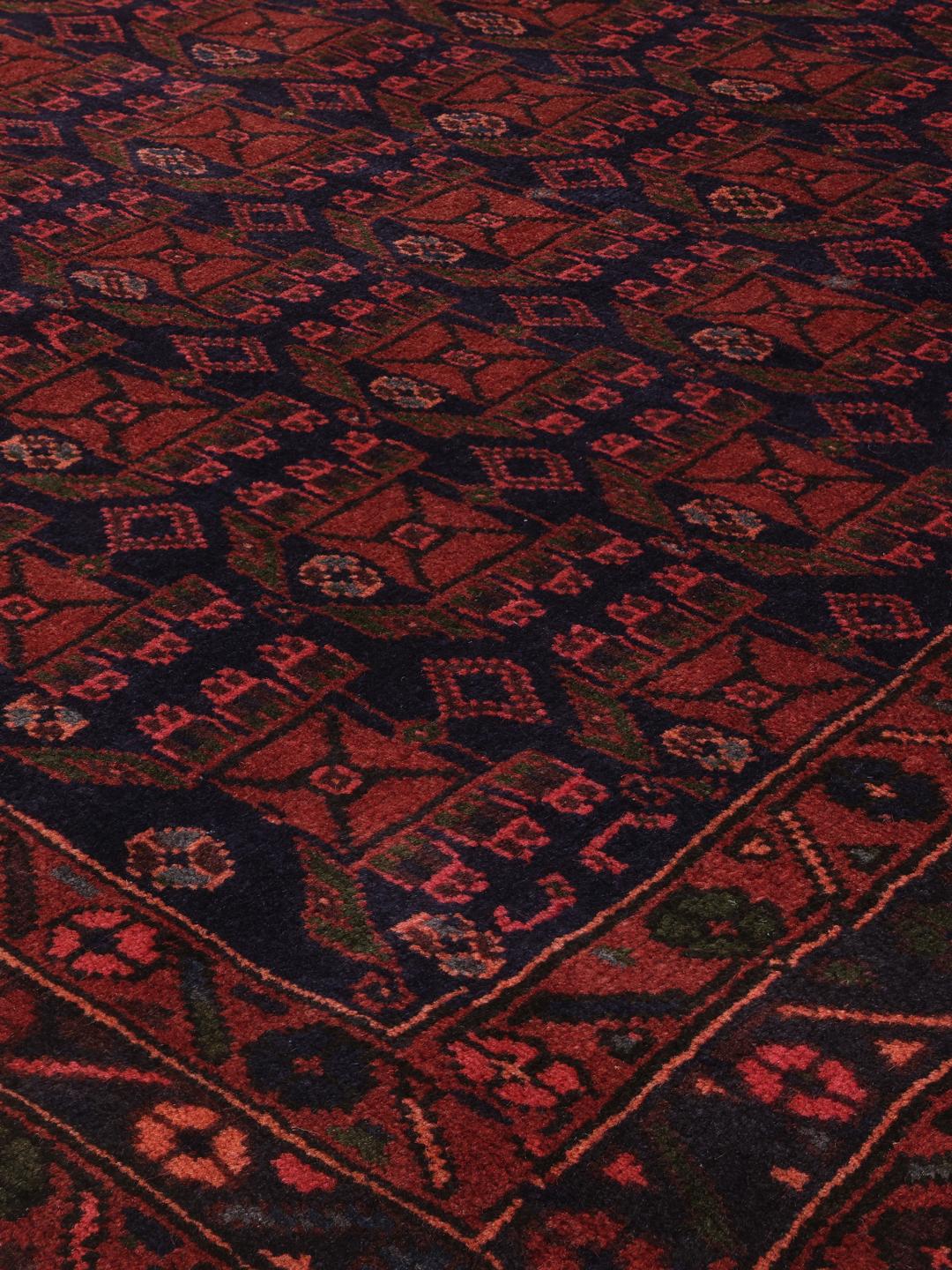
Visually, Hamadan rugs are celebrated for their bold, geometric language. They often feature repeating motifs, such as the central medallion or dense all-over patterns, framed by complex, stylised borders. The use of deep red and blue tones is a hallmark of the tradition, creating a sophisticated look that feels grounded and timeless in any setting.
Collecting a rug from this tradition is an investment in human skill and regional history. These pieces are valued for their authenticity and the way they connect modern homes to ancient weaving traditions. Owning one means holding a piece of cultural legacy, crafted with a dedication to quality that remains rare in the modern world.