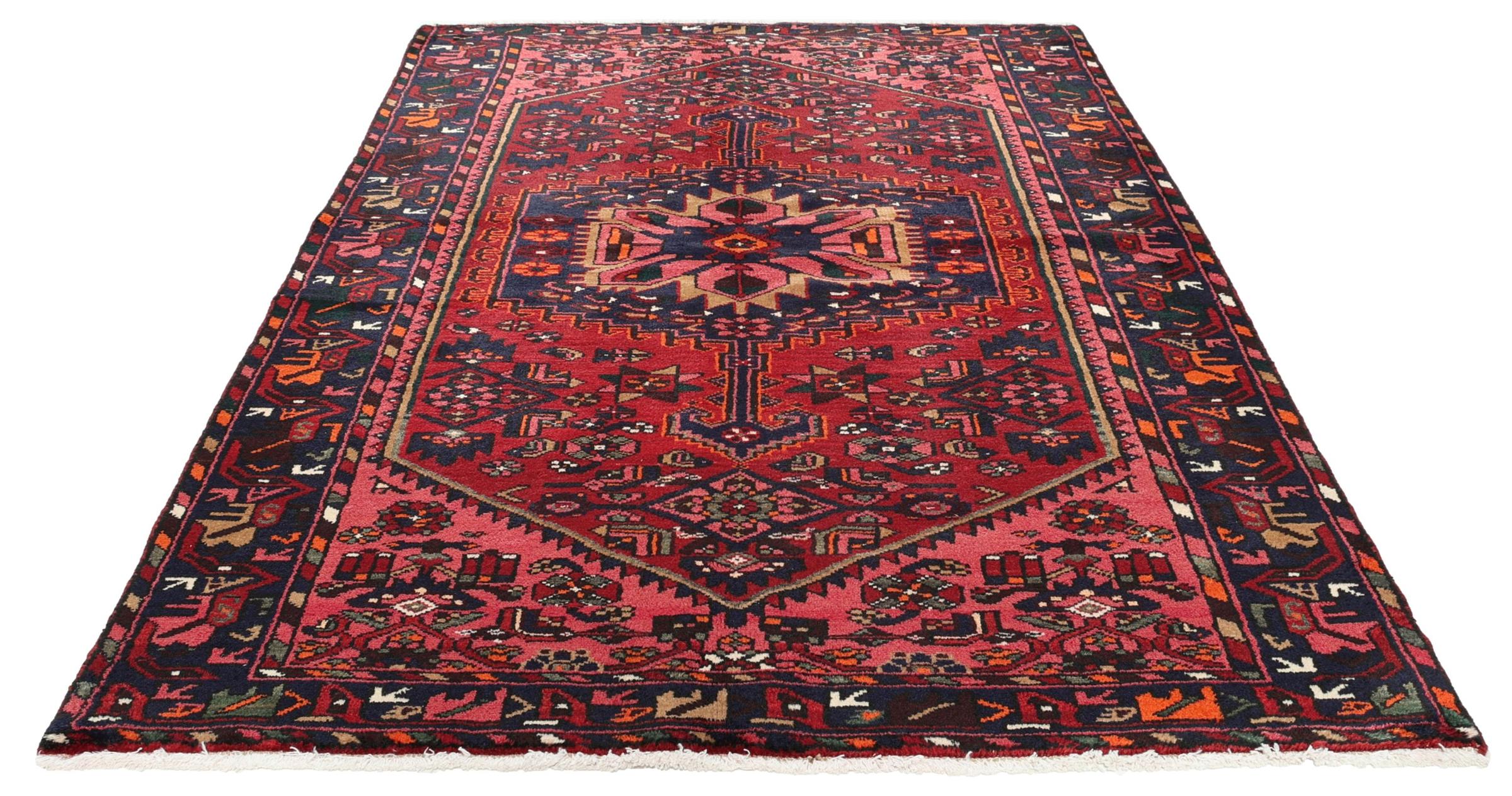
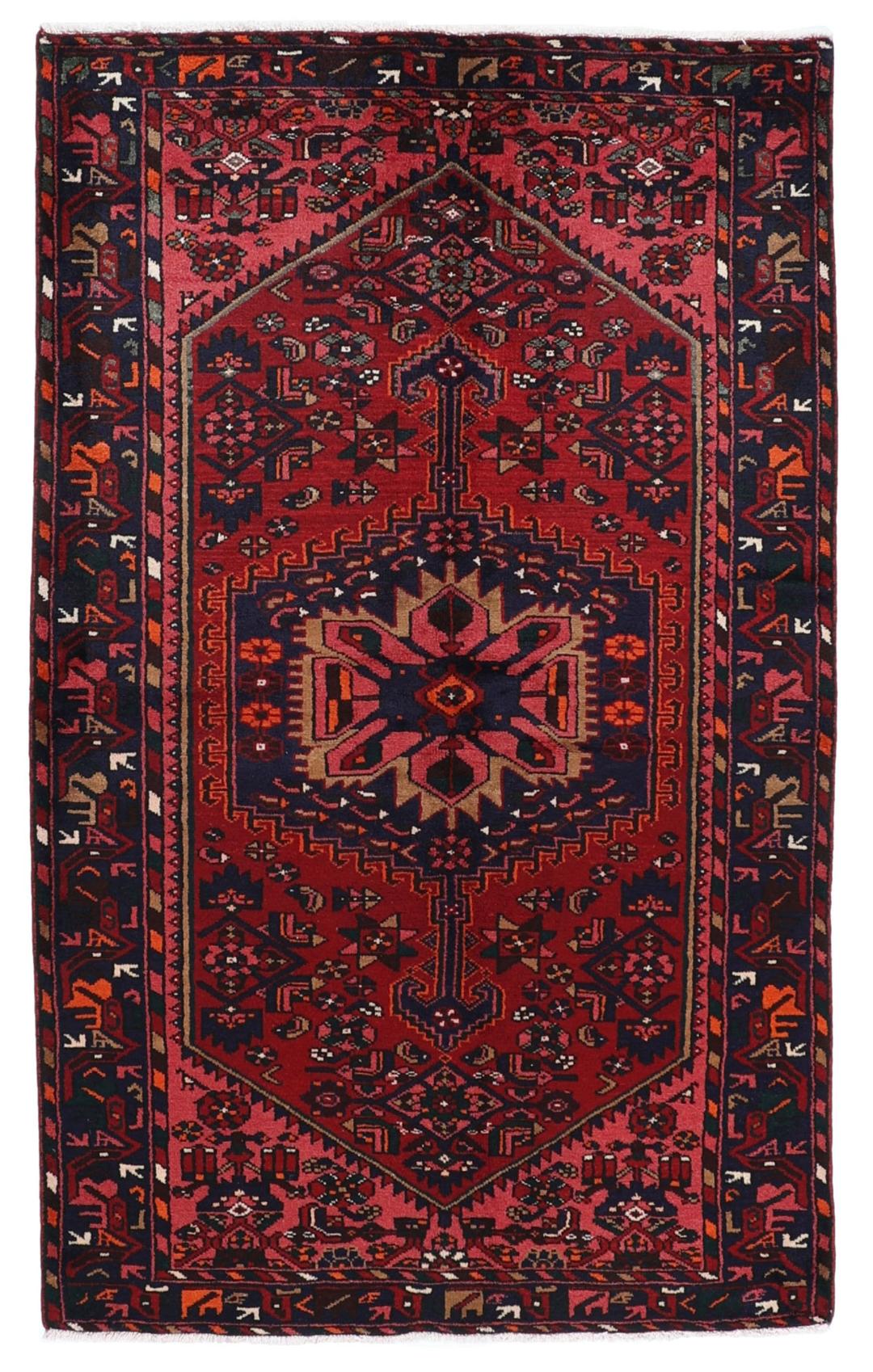
Hamadan rugs take their name from one of the oldest cities in the Middle East, a historic hub that has served as a centre for trade and craft for centuries. Located in a region with a deep-rooted history of nomadic and village weaving, the Hamadan style is defined by its diversity and the creative freedom of the weavers who produce them.
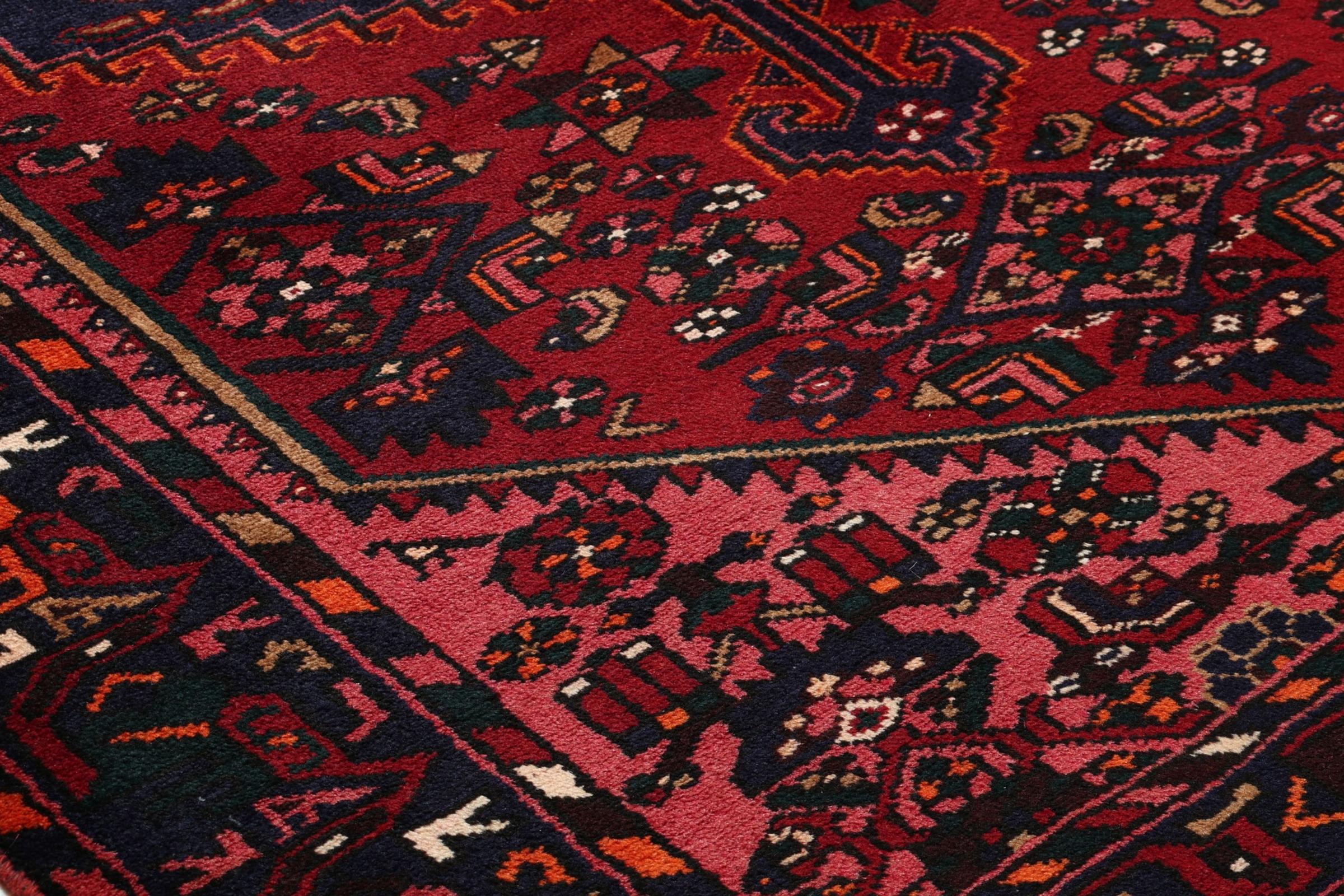
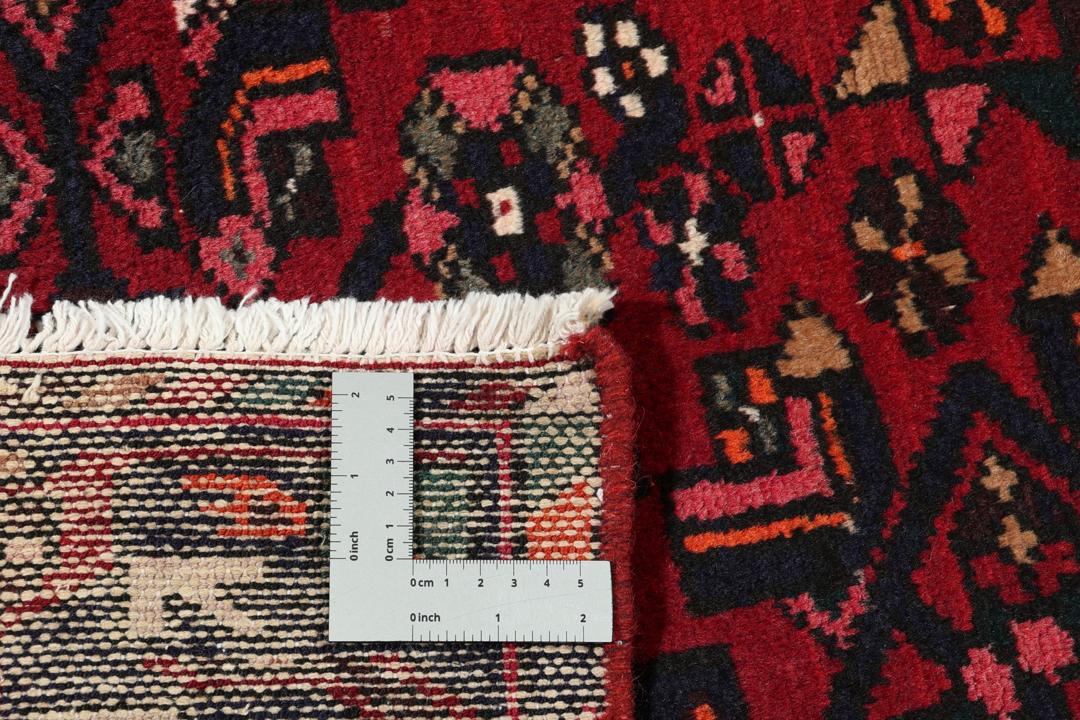
The term Hamadan encompasses a wide variety of designs, often categorised by the specific village or tribe where they were created. While the styles can vary, they are unified by the use of high-quality, local wool and a foundation that provides a sturdy, long-lasting structure. This construction is highly valued for its ability to maintain its shape and vibrant appearance even with daily use.
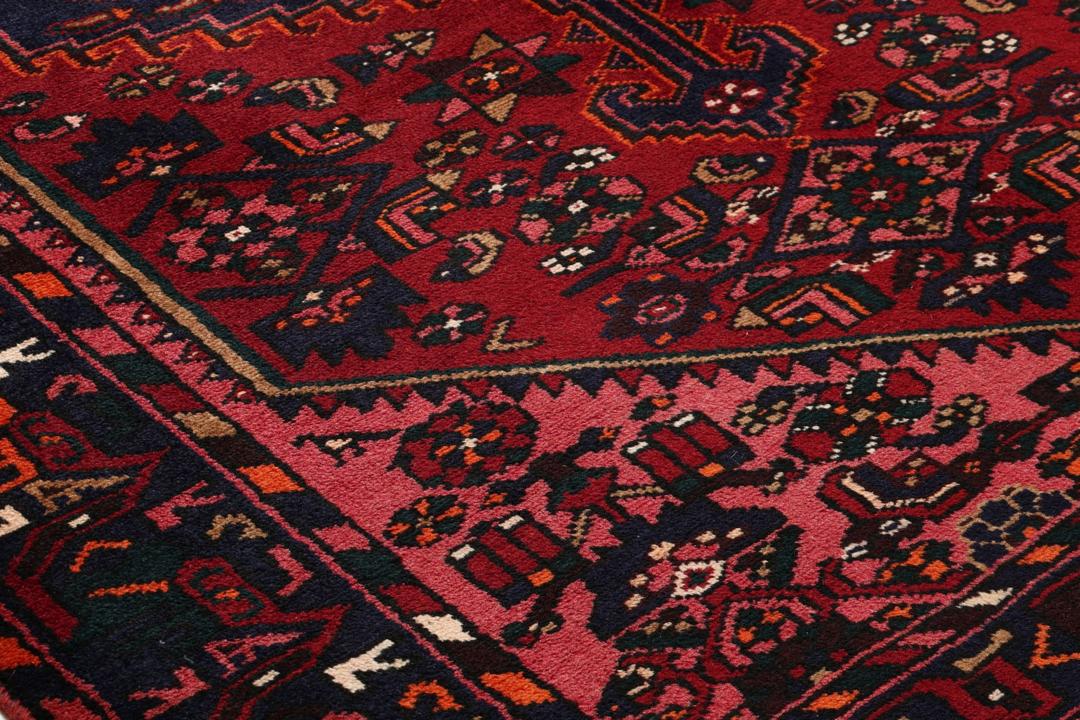
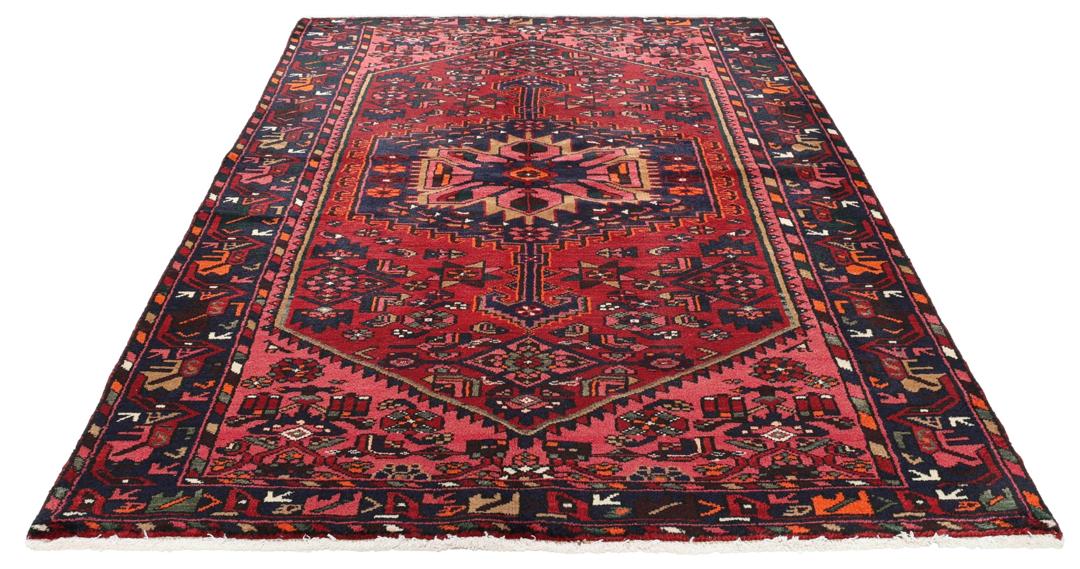
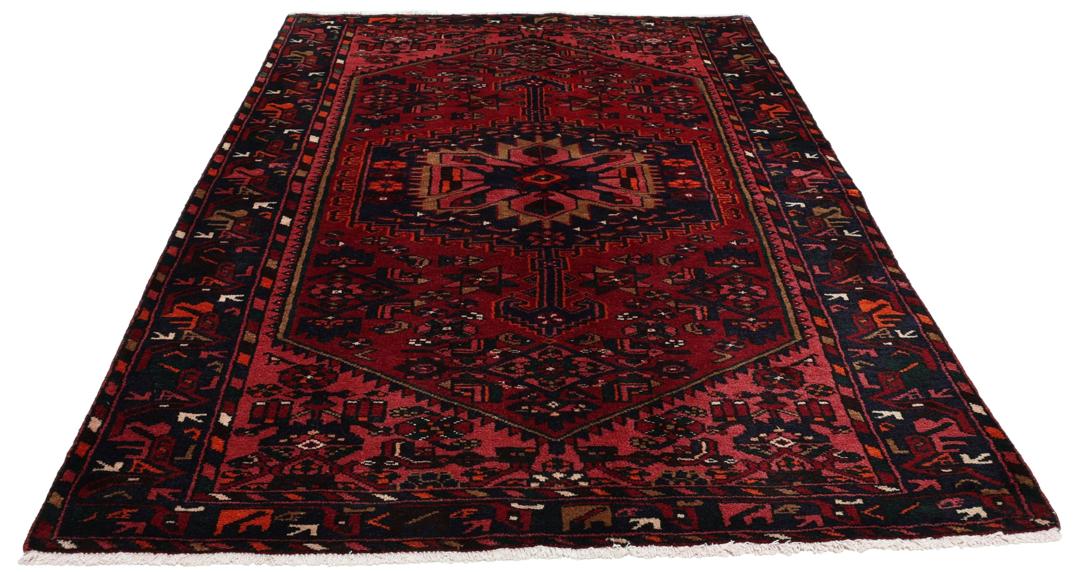
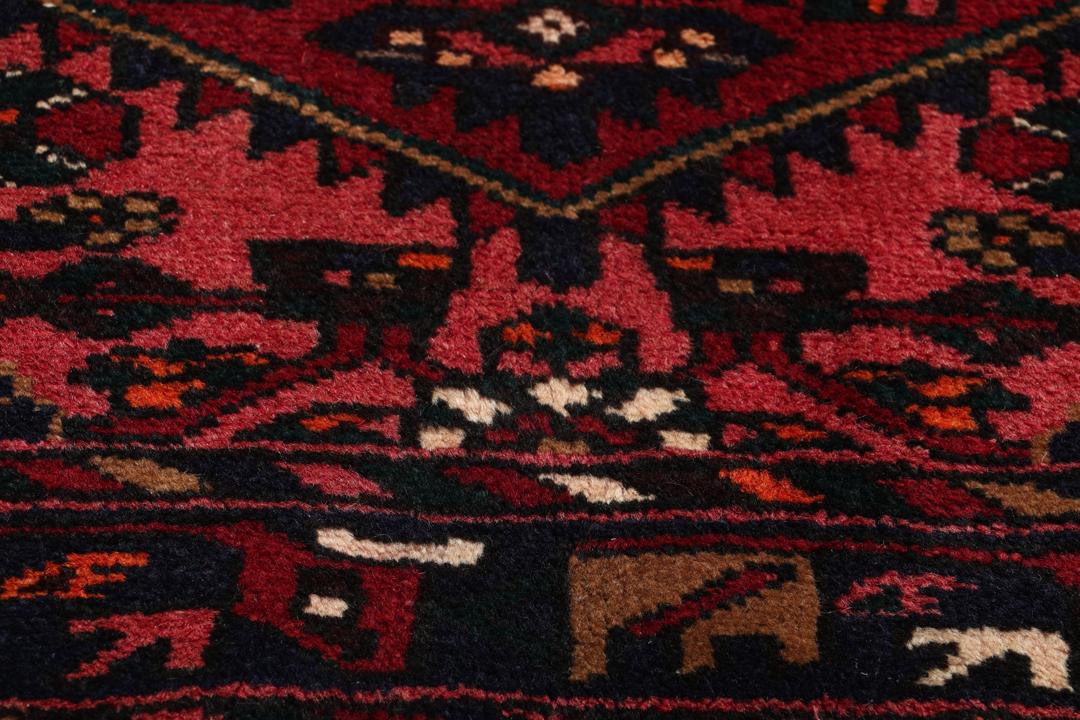
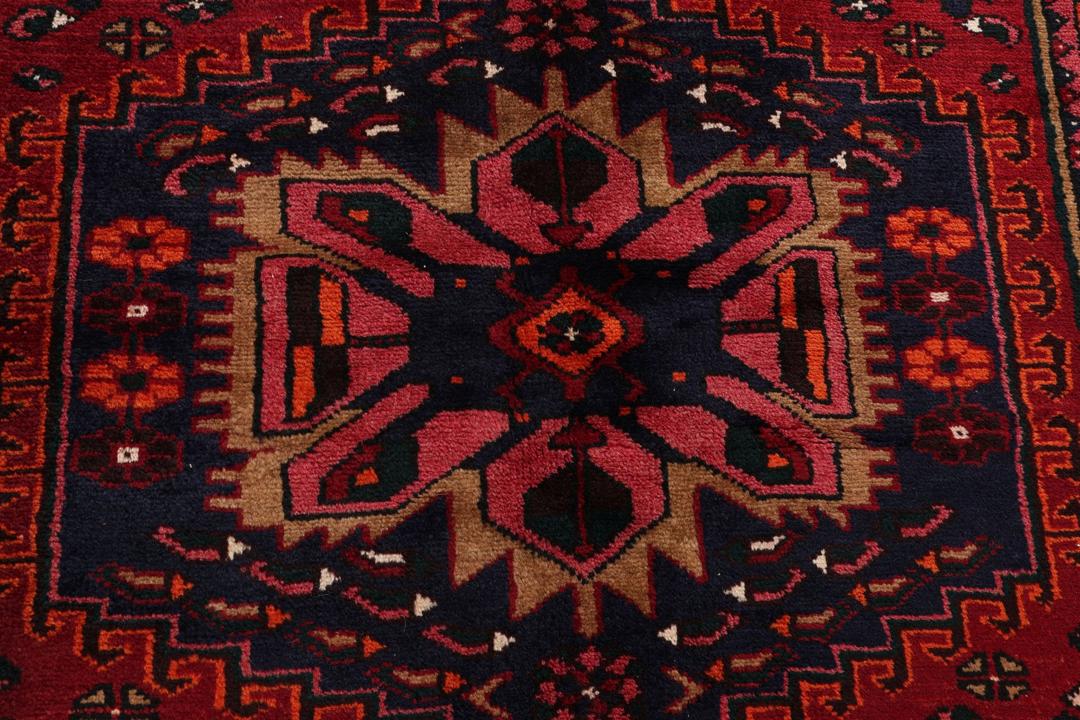
Signature design elements of this tradition often include a central medallion surrounded by a field of smaller, repeating floral or geometric motifs. The borders are typically well-defined, framing the central field with intricate patterns that reflect the natural beauty and cultural iconography of the region. The use of bold, deep colours is a hallmark of this tradition, often derived from natural dyes that have been perfected over generations.
Owning a piece from this tradition means connecting with a craft that has survived and evolved through changing times. These rugs are highly sought after by collectors and homeowners alike, not just for their aesthetic appeal, but for the skill and heritage they represent. By welcoming this rug into your home, you are preserving a piece of cultural history that continues to tell its story through every knot.