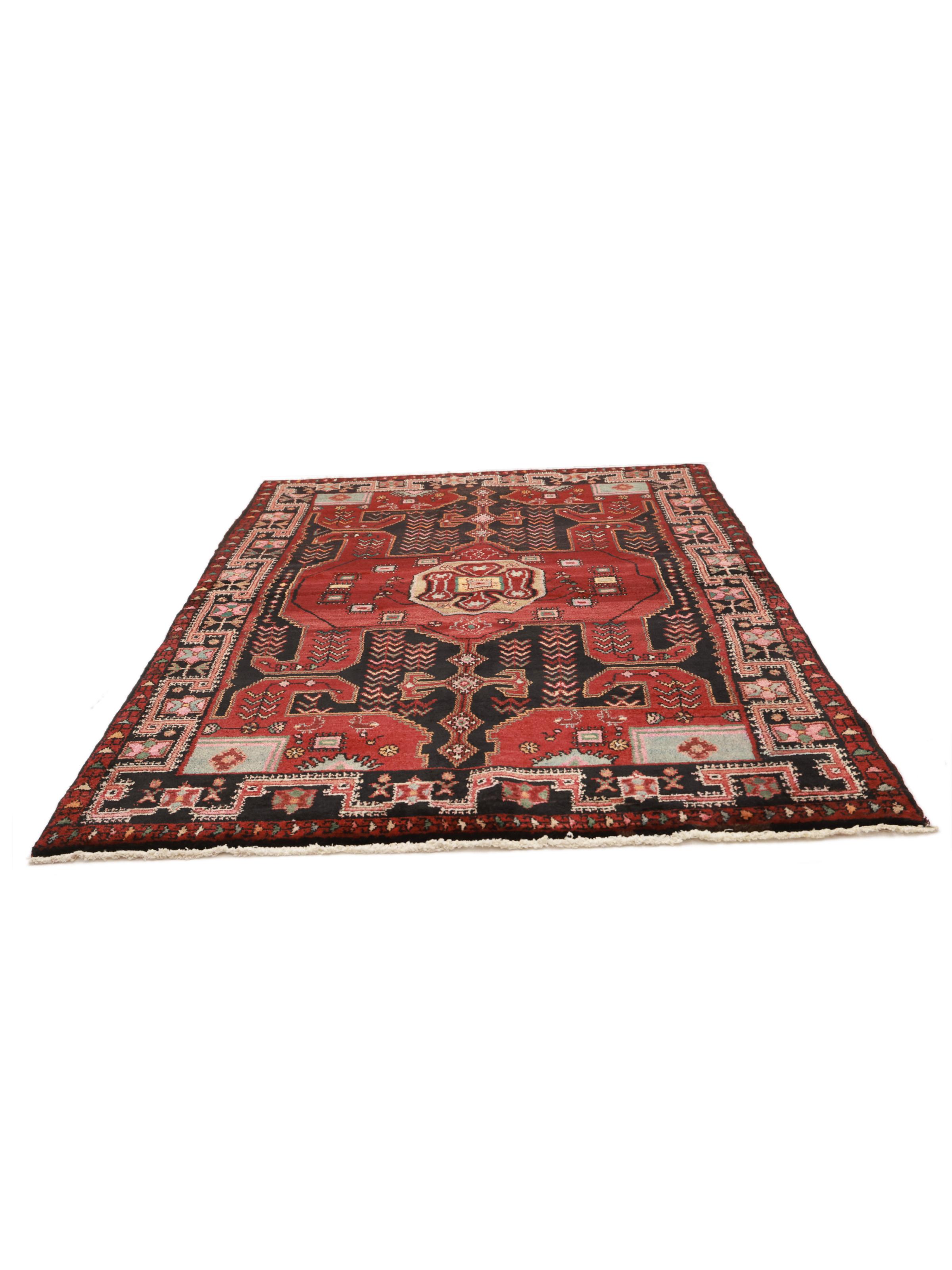
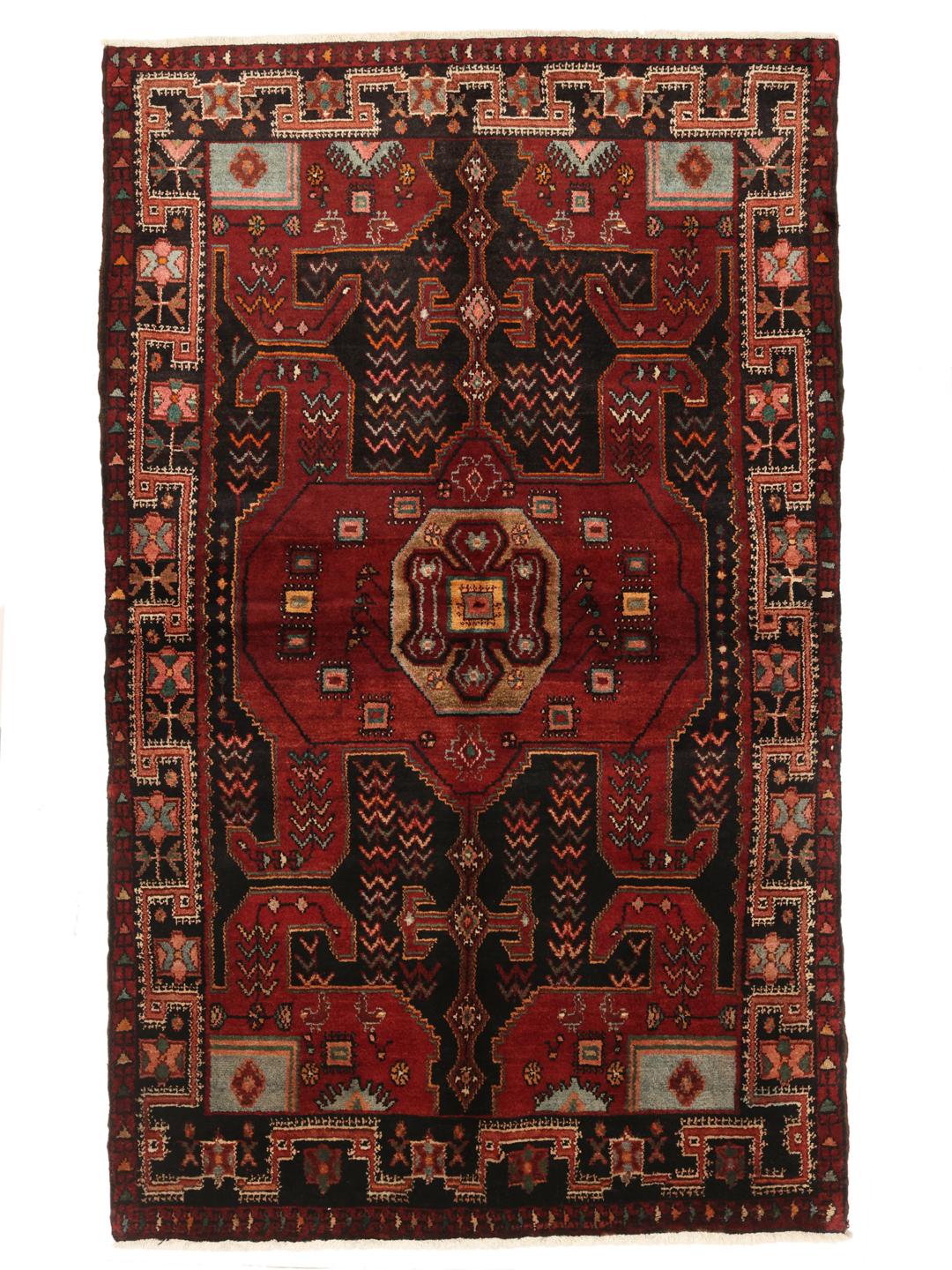
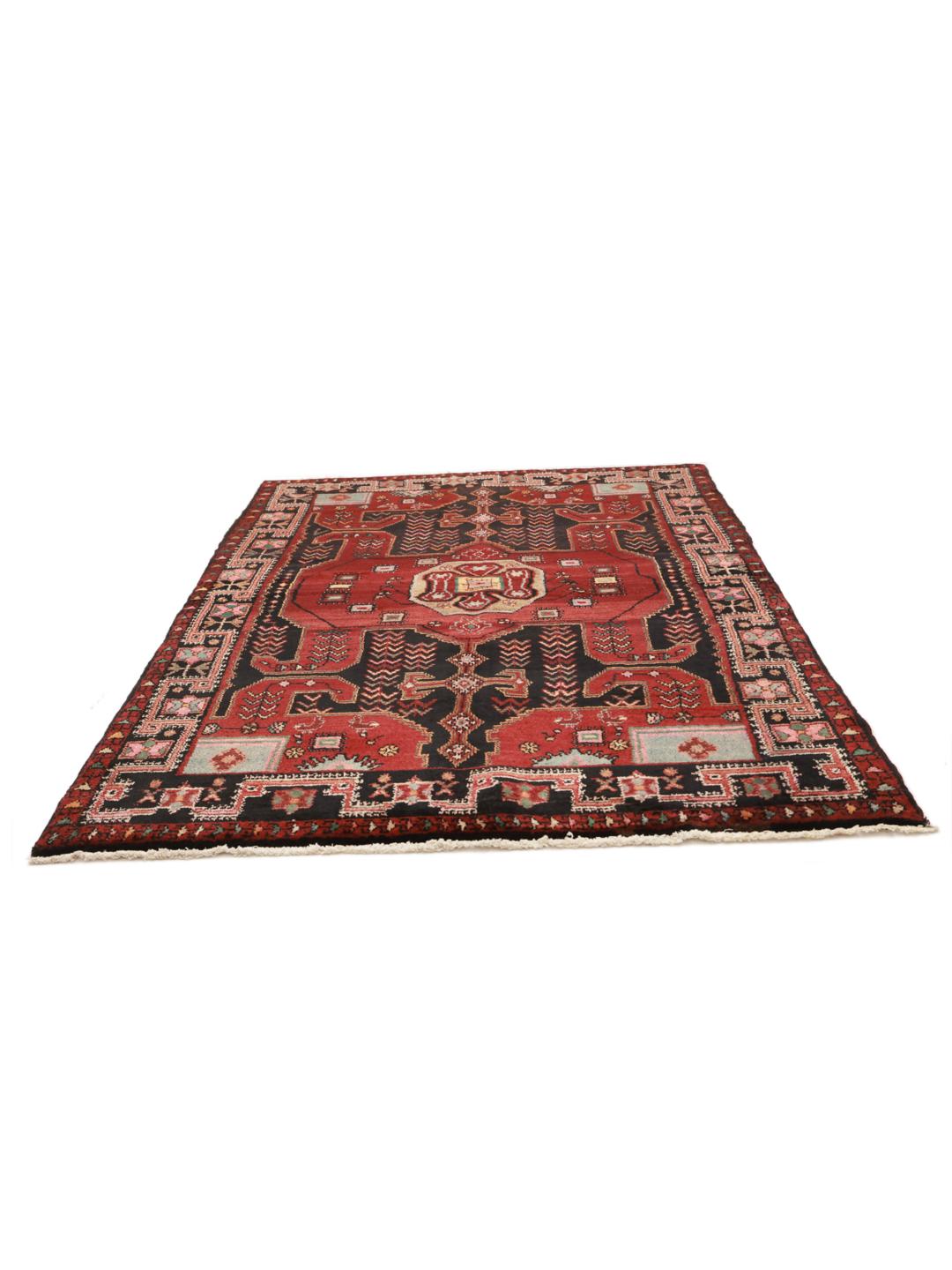
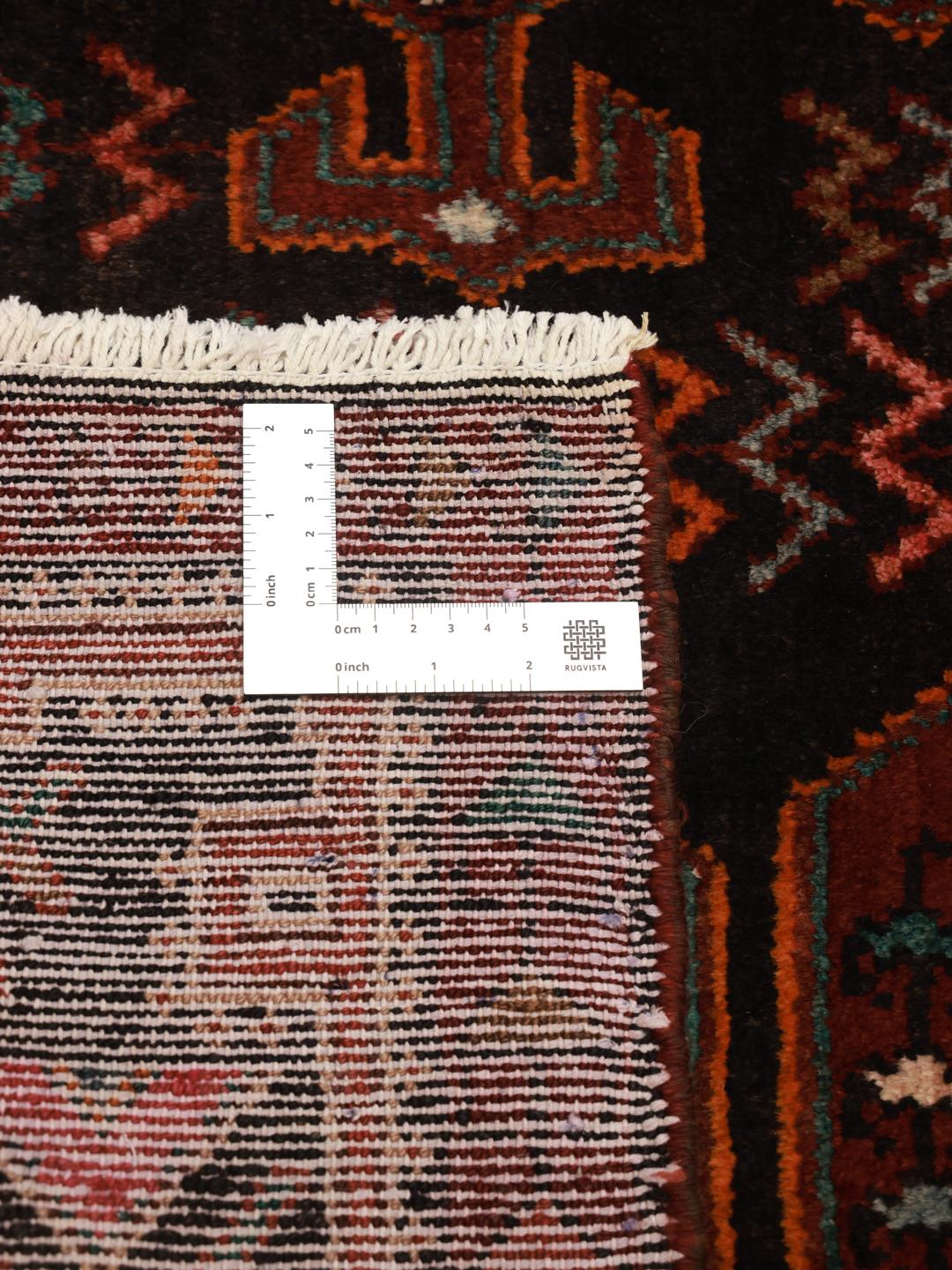
Hamadan rugs originate from one of the oldest cities in the Middle East, a region with a weaving tradition that stretches back thousands of years. Located on the ancient trade routes, the city of Hamadan became a central hub for the surrounding villages, each contributing their own unique tribal designs and techniques to the local weaving culture.
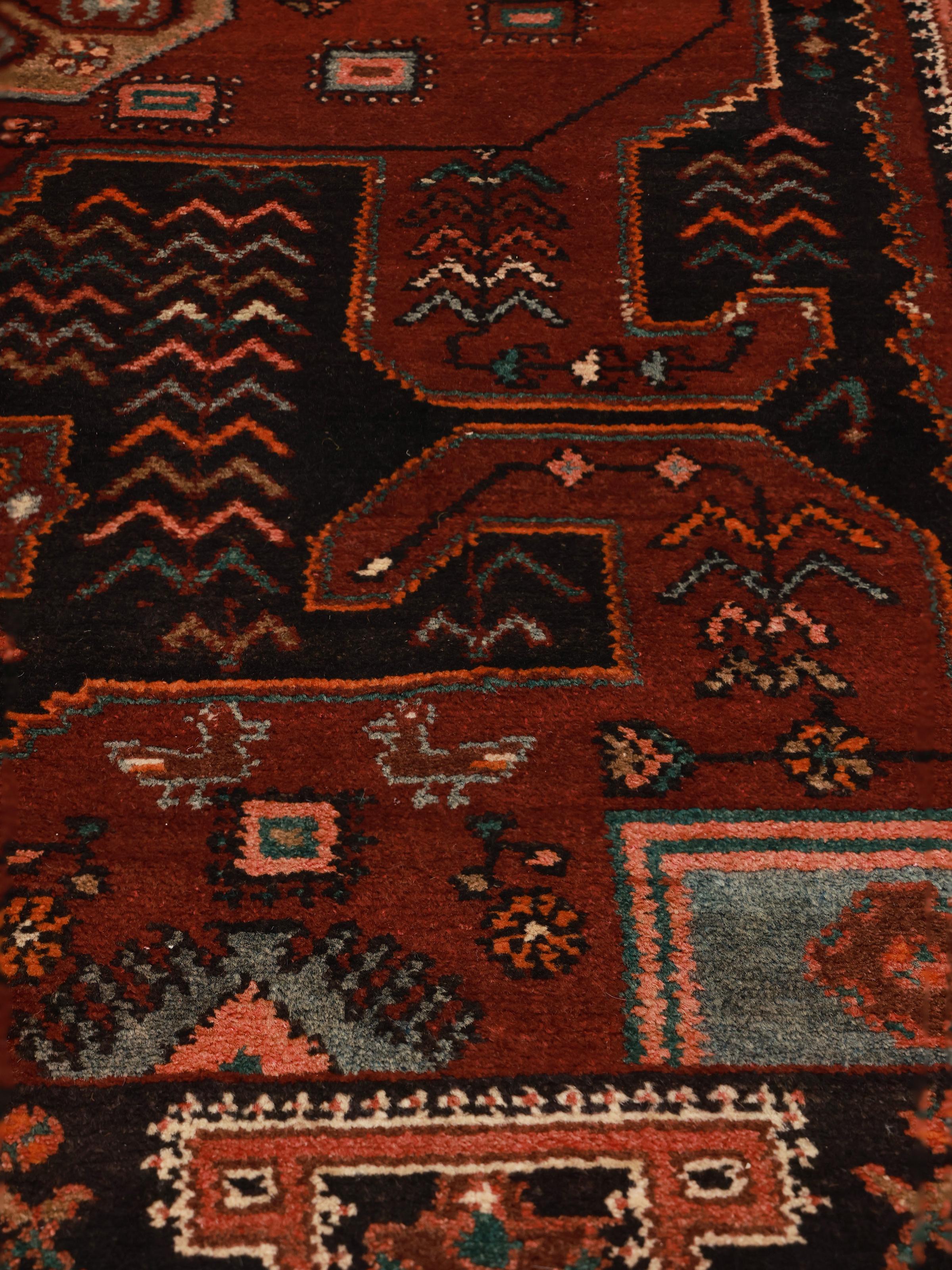
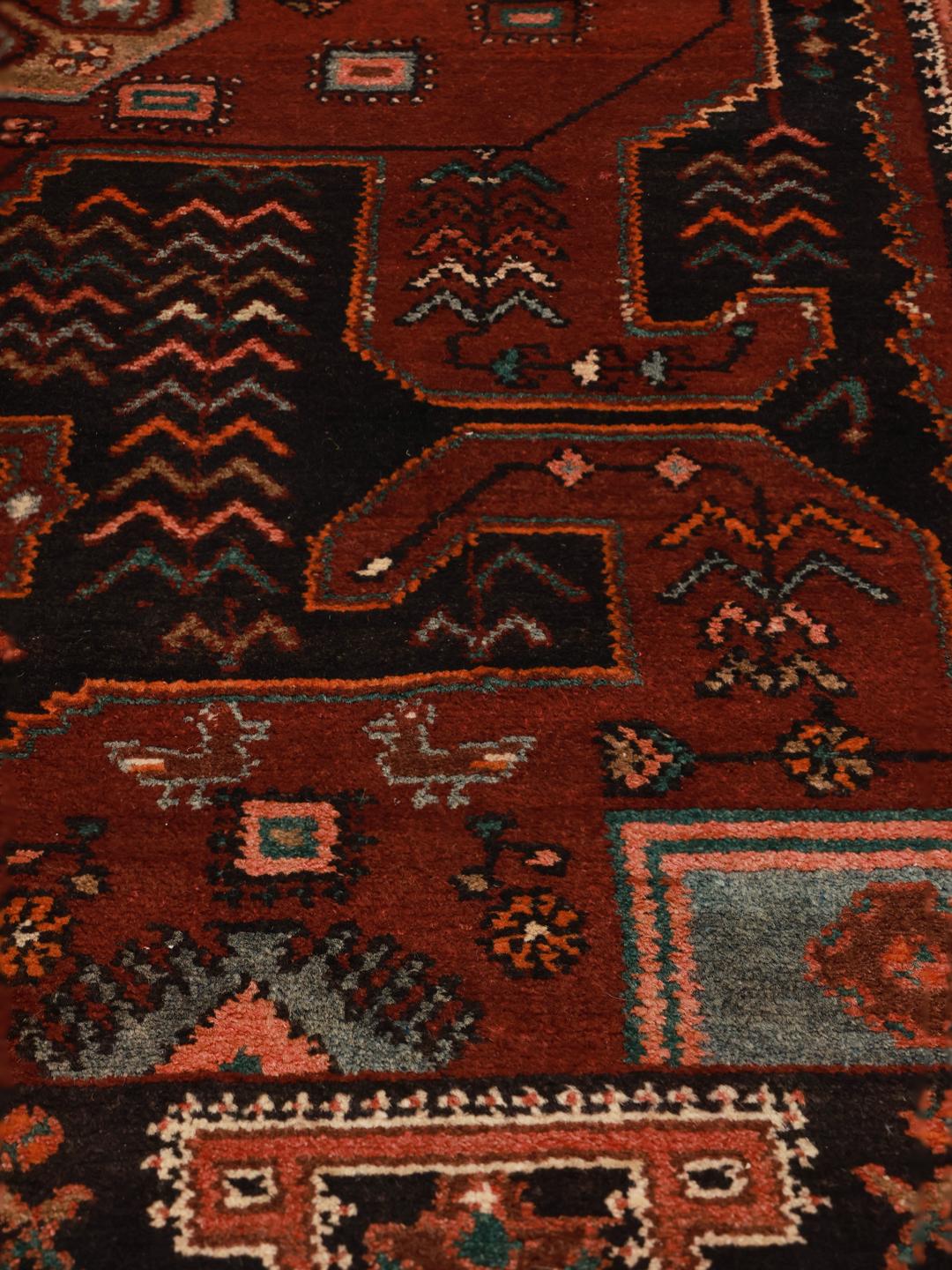
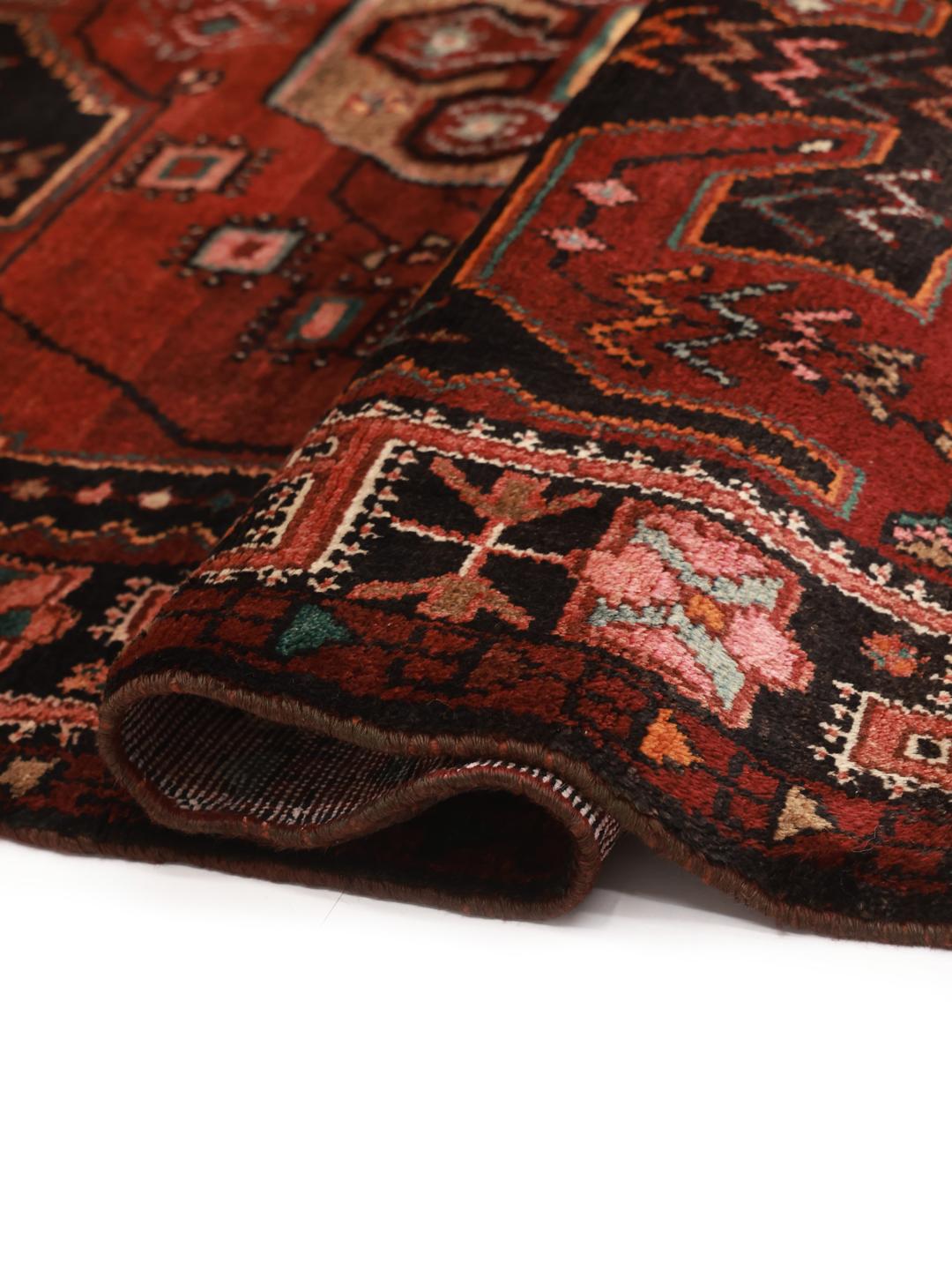
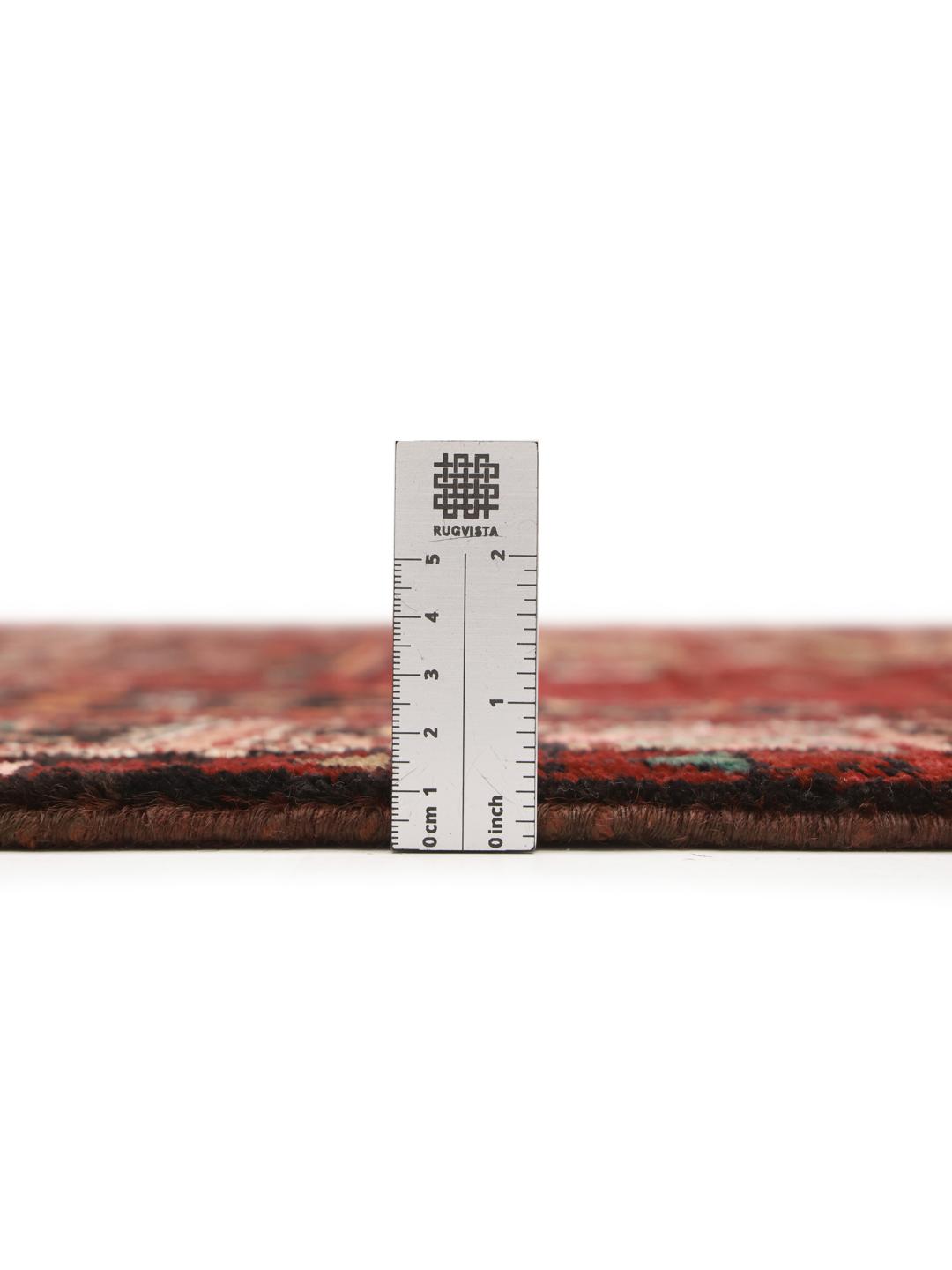
The craft of these rugs is defined by the use of resilient wool and traditional hand-knotting techniques. These methods are passed down through generations, ensuring that the structural quality of the rug remains high, with a focus on creating a dense and durable pile that can handle the rigours of everyday life while retaining its intricate visual details.
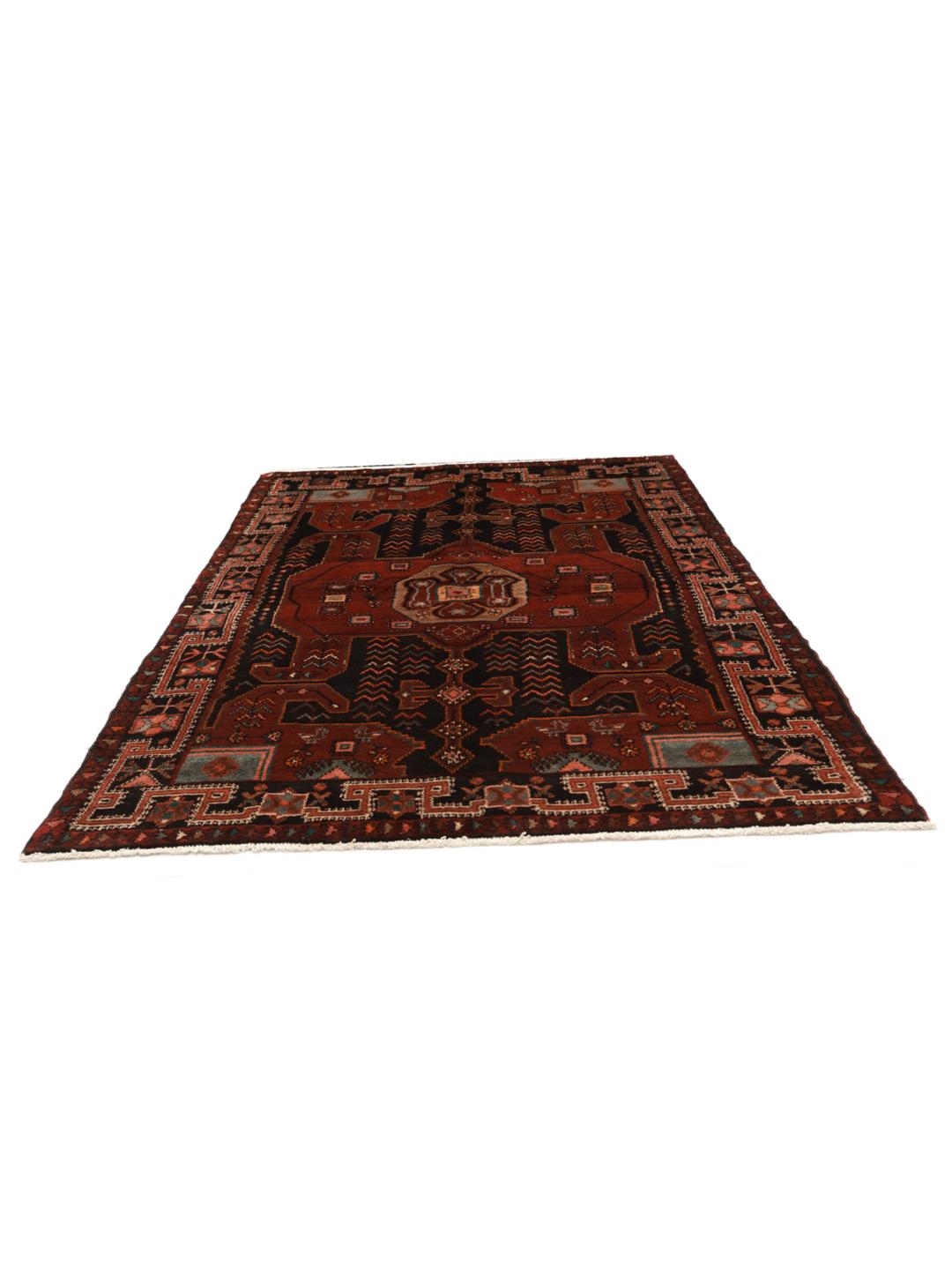
Visually, these rugs are known for their bold tribal character. Often featuring a central medallion surrounded by stylised floral or geometric motifs, they utilise a traditional colour palette that highlights the depth of the wool. The borders are frequently decorated with complex patterns that frame the field, creating a balanced yet energetic composition that is characteristic of the region's artistic heritage.
Collecting a rug from this tradition is an investment in human skill and cultural longevity. These pieces are valued not just for their aesthetic appeal, but for the history they carry, reflecting the lifestyle and artistic sensibilities of the people who created them. Owning one is a way to preserve this legacy, bringing a piece of genuine, storied craft into your own home.