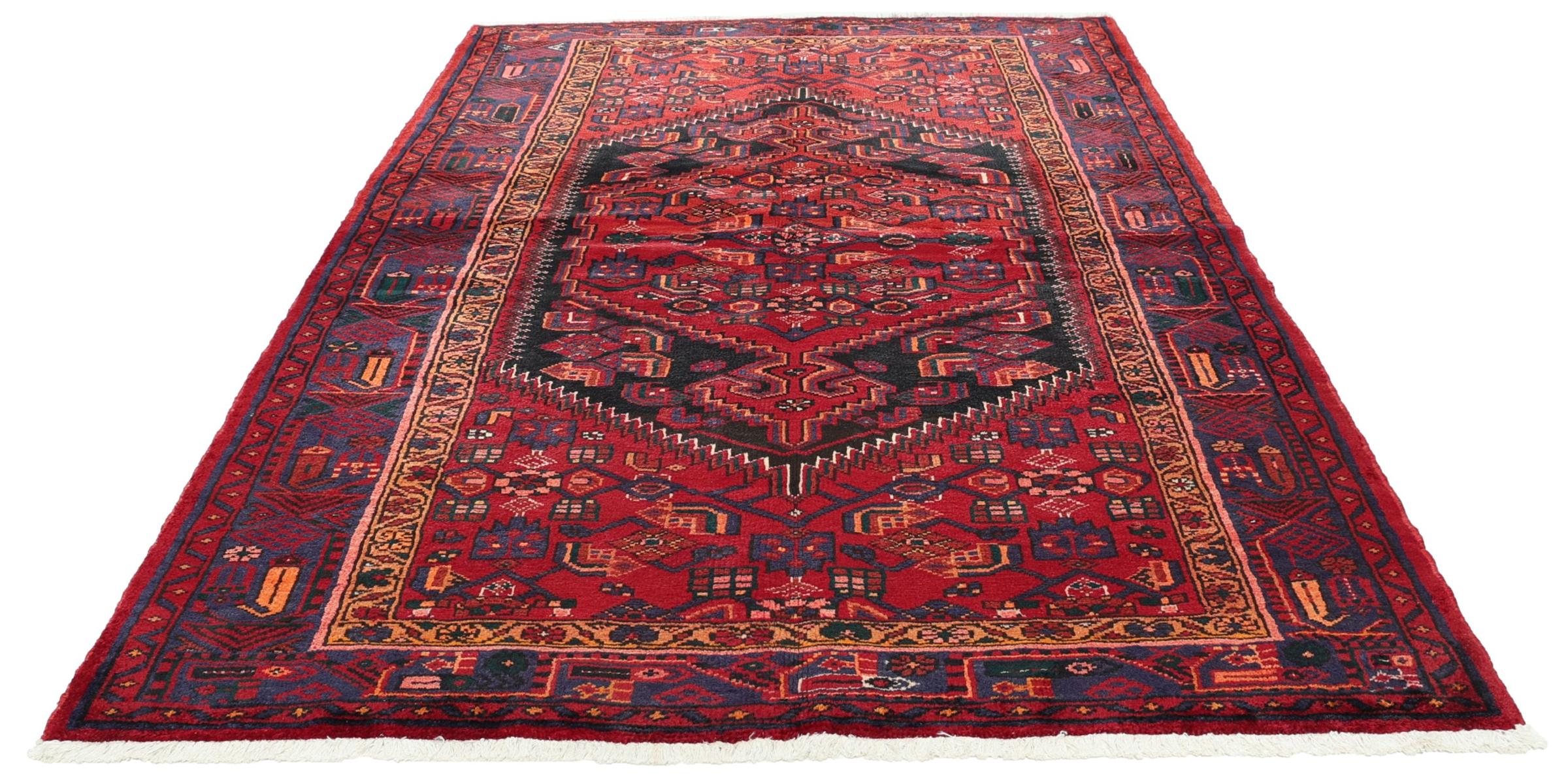
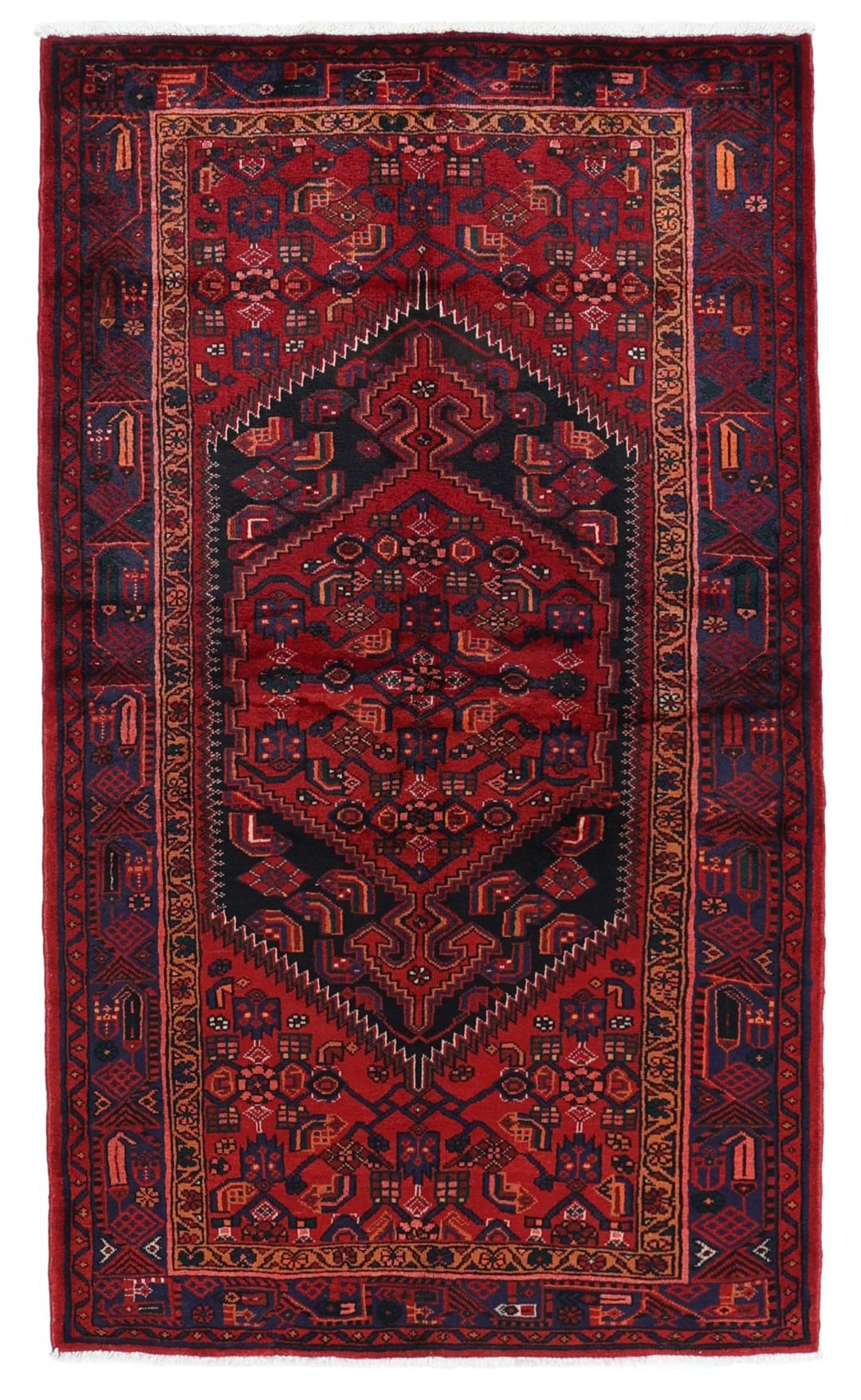
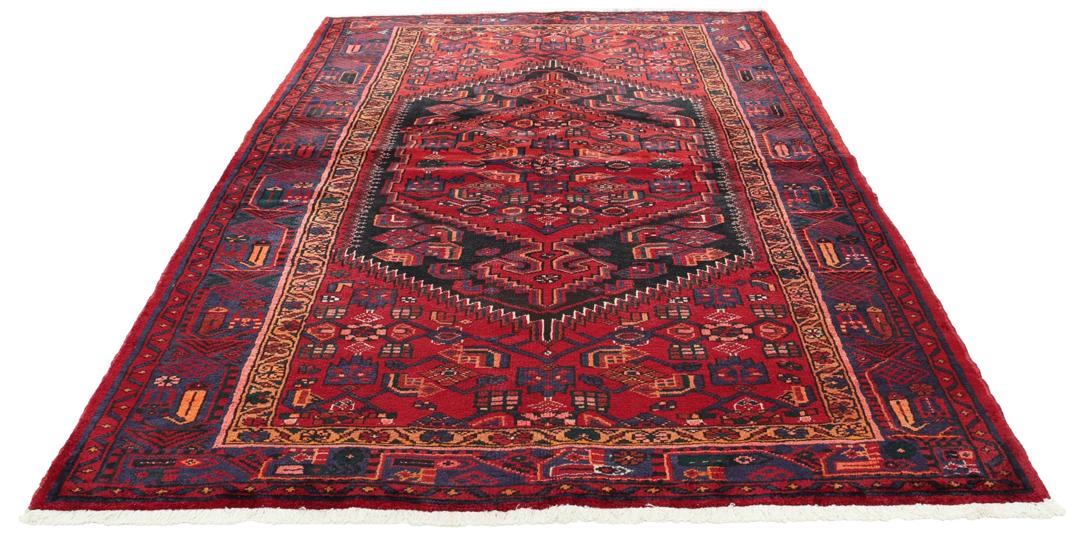
Hamadan rugs originate from one of the oldest cities in the Middle East, a region with a deep-rooted history in textile production that dates back centuries. These rugs are traditionally woven in the surrounding villages, where each community has developed its own subtle variations in technique and design over generations.
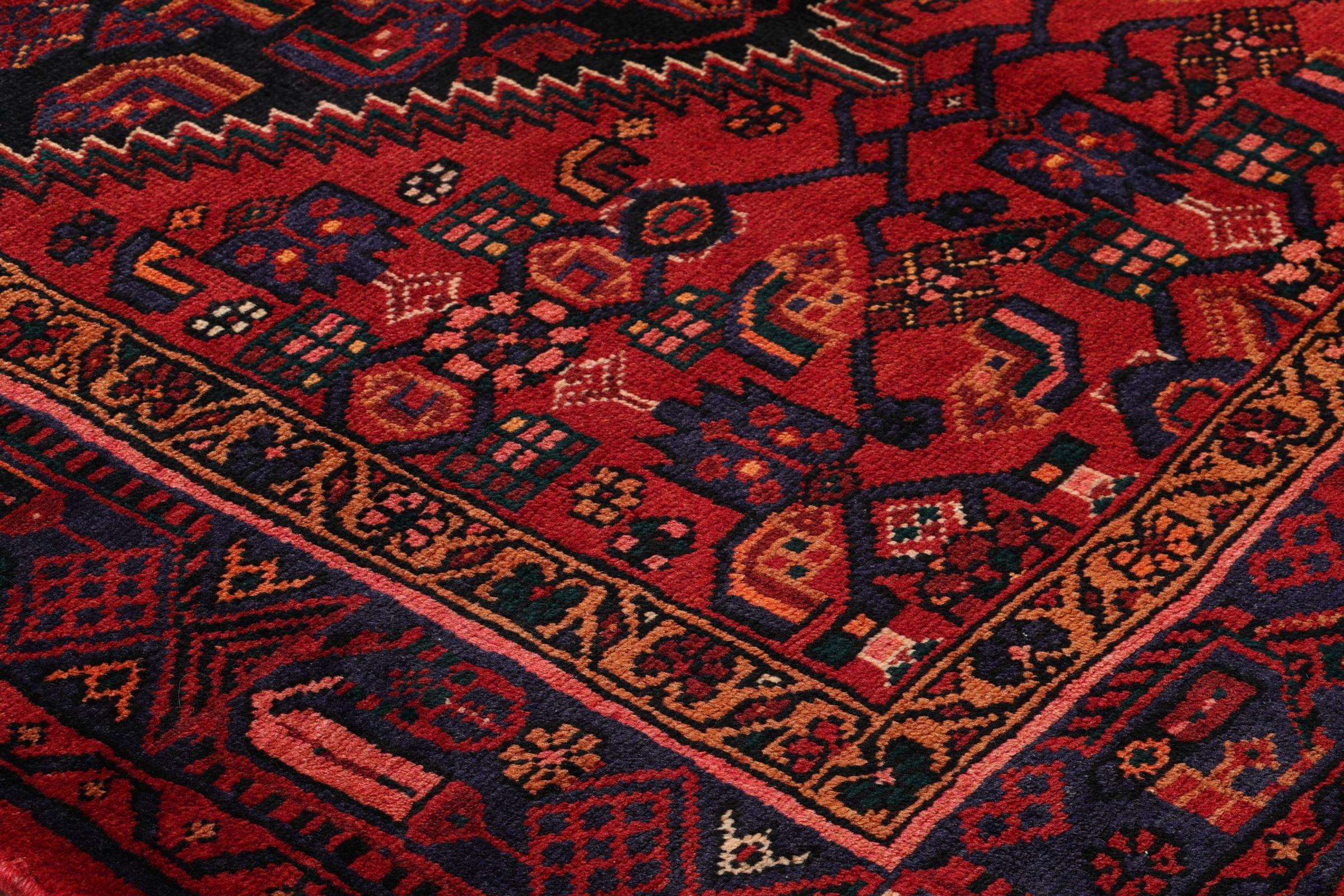
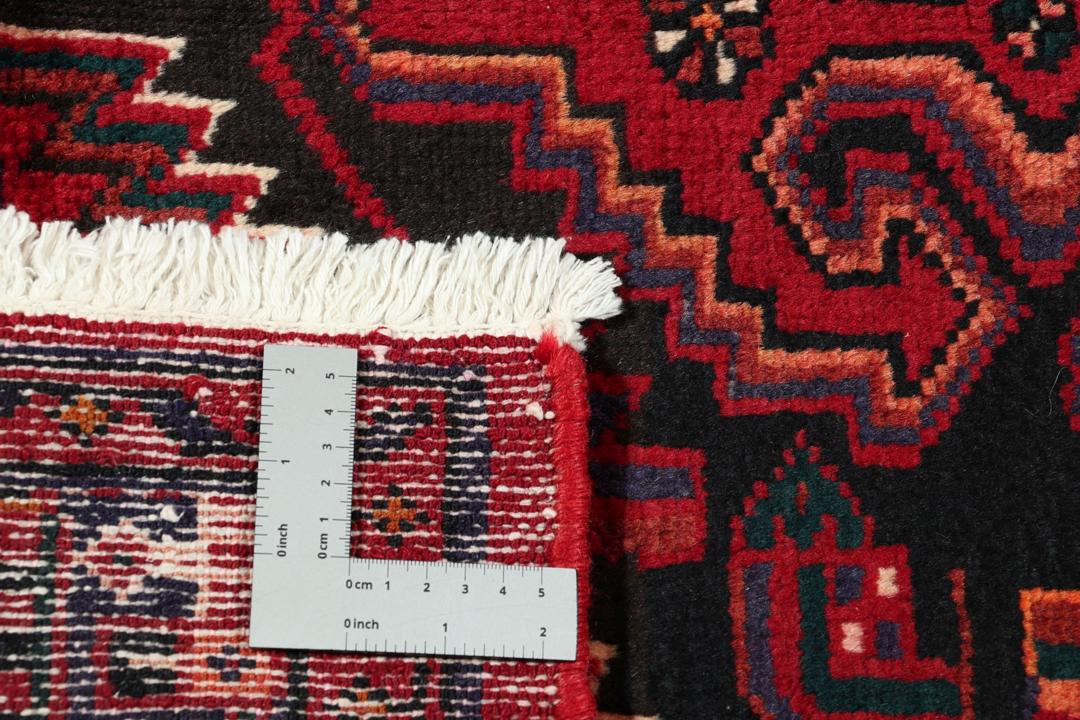
The term Hamadan refers to a wide variety of rugs produced in this area, which are often characterised by their sturdy construction and the use of high-quality Wool. The traditional techniques employed here focus on creating a dense and resilient pile, ensuring that these pieces are as functional as they are beautiful, serving both nomadic and settled households alike.
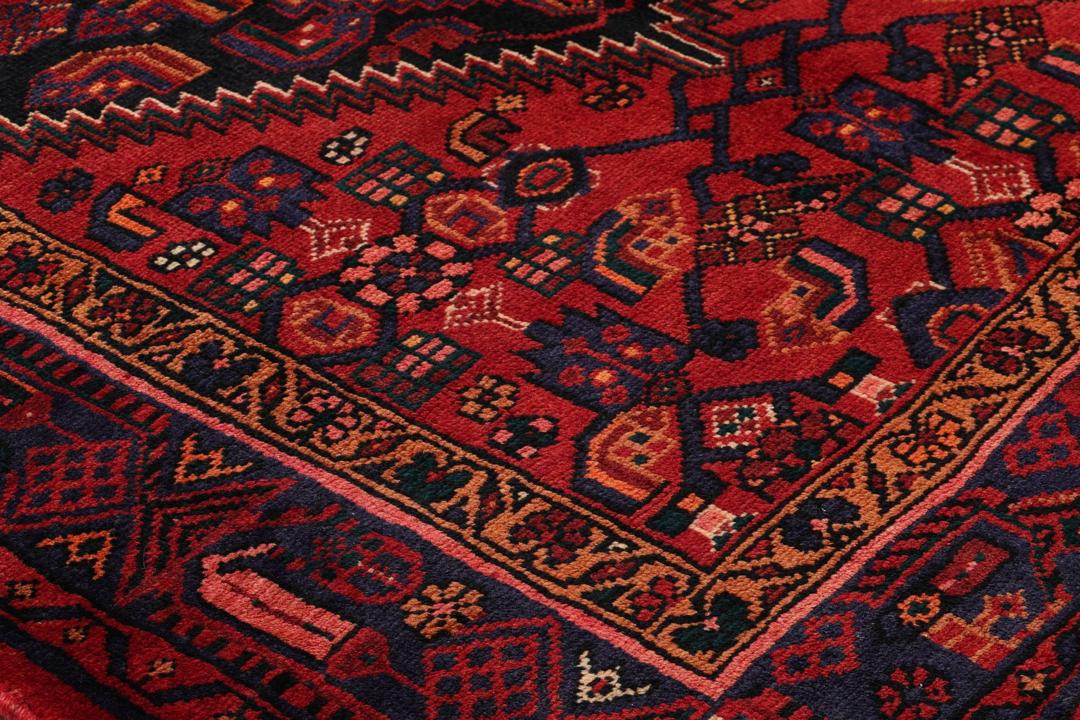
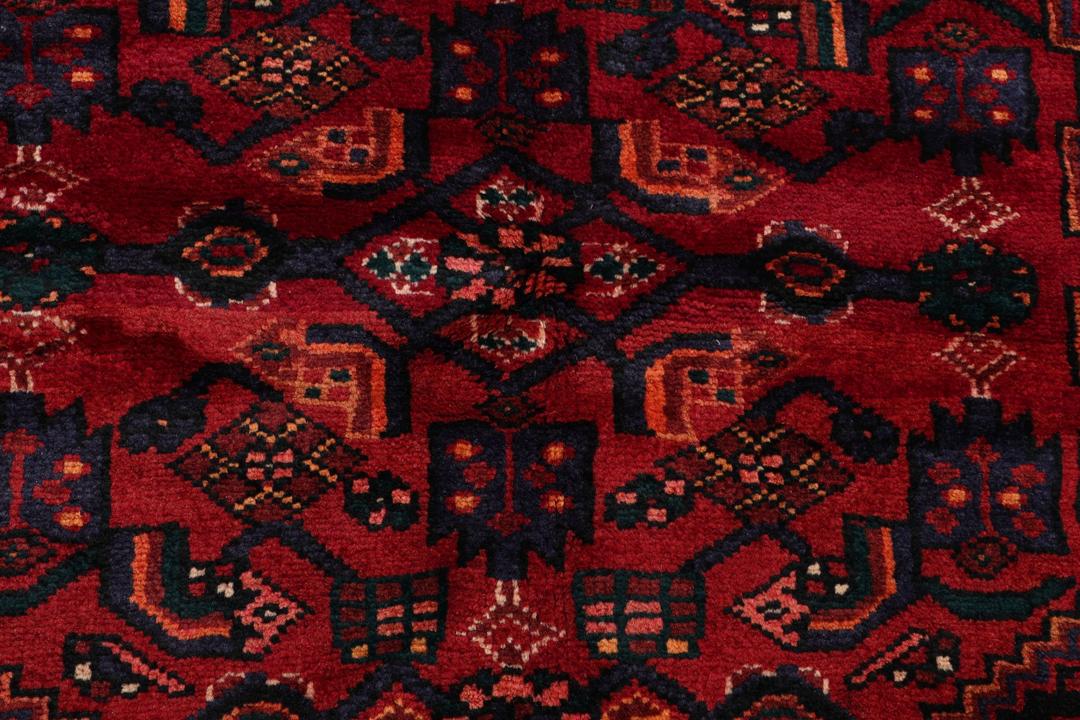
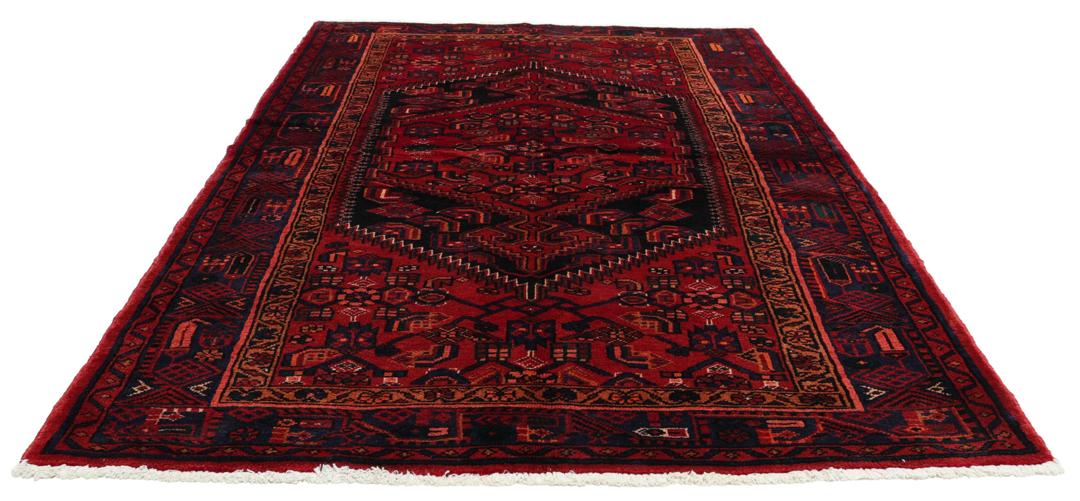
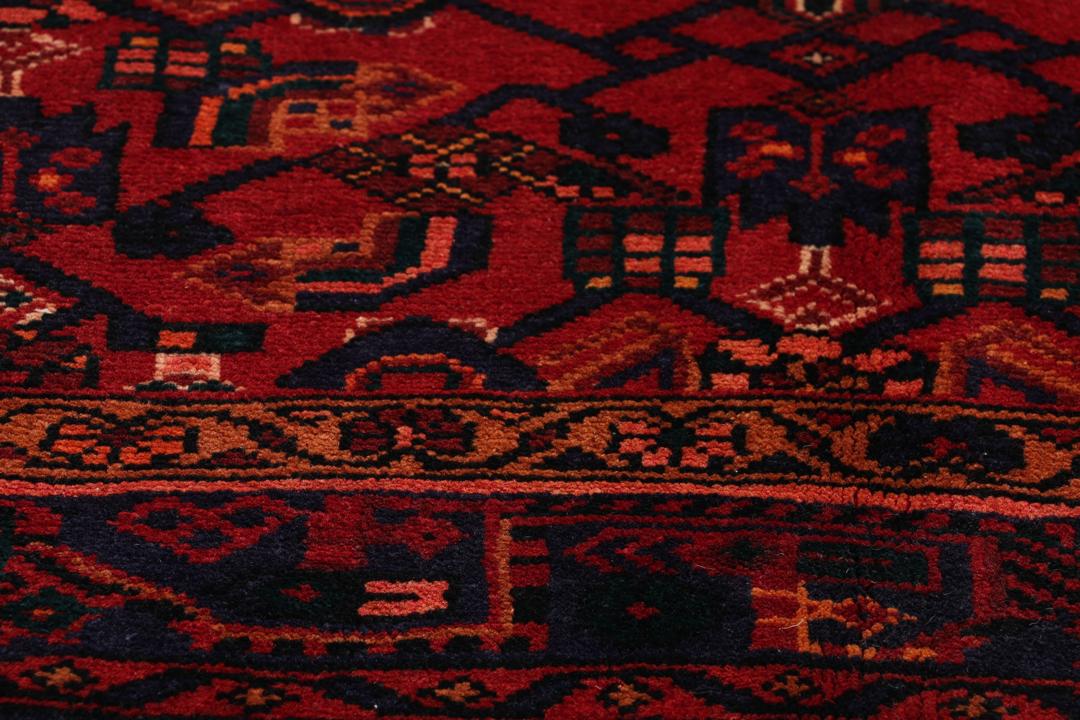
Design-wise, these rugs are famous for their bold geometric motifs and striking central medallions. While patterns can vary widely from village to village, they often feature stylised floral elements and intricate borders that reflect the local aesthetic traditions. The use of deep, resonant colours is a hallmark of the style, often achieved through traditional dyeing methods that provide a lasting depth to the Wool.
Collecting a rug from this tradition is an act of preserving cultural heritage. Because they are often produced in smaller village workshops rather than large factories, they carry the distinct signature of their makers. Owning one is a testament to the skill and artistry that has been passed down through families, offering a tangible link to a rich and enduring craft history.