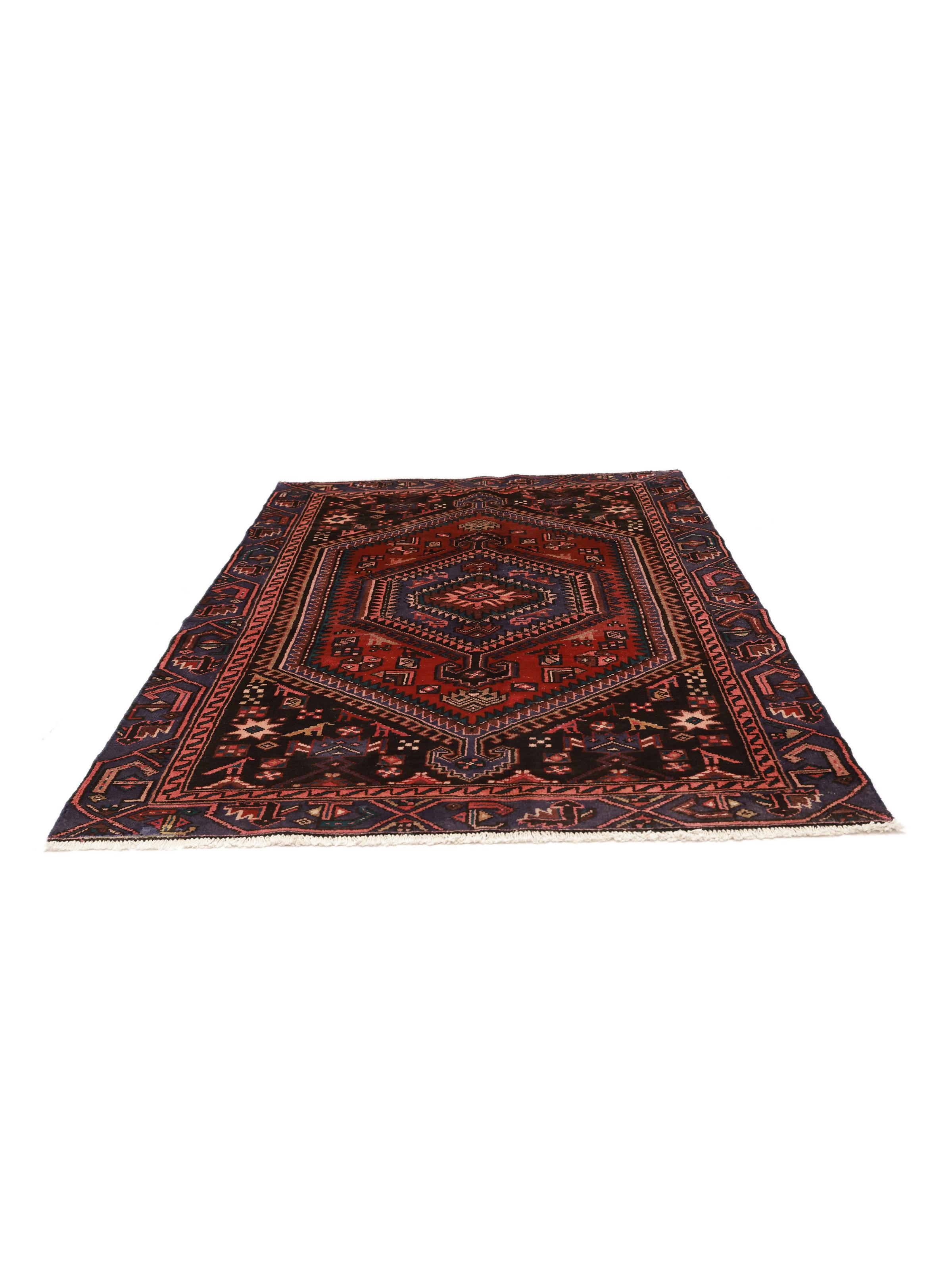
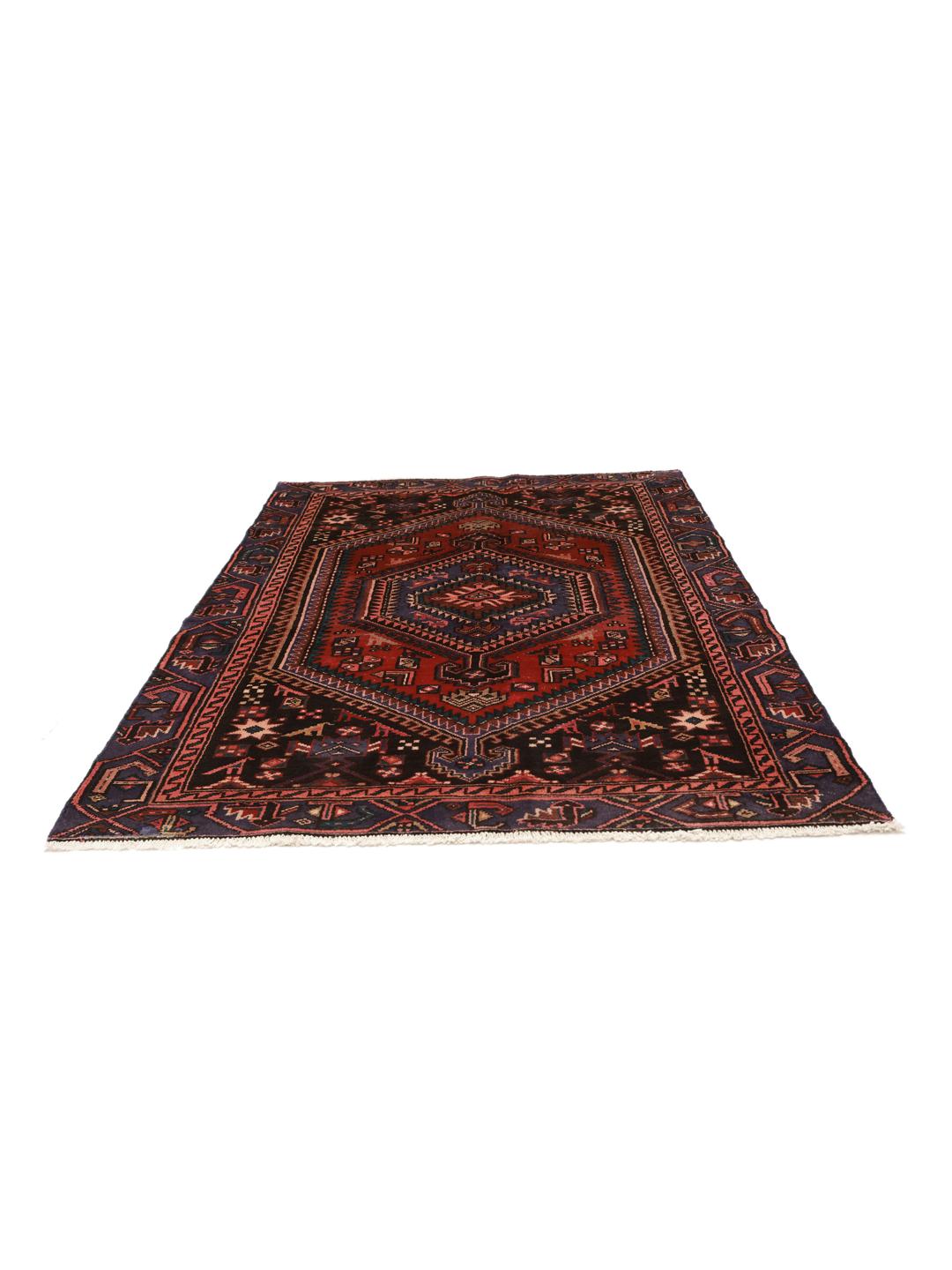
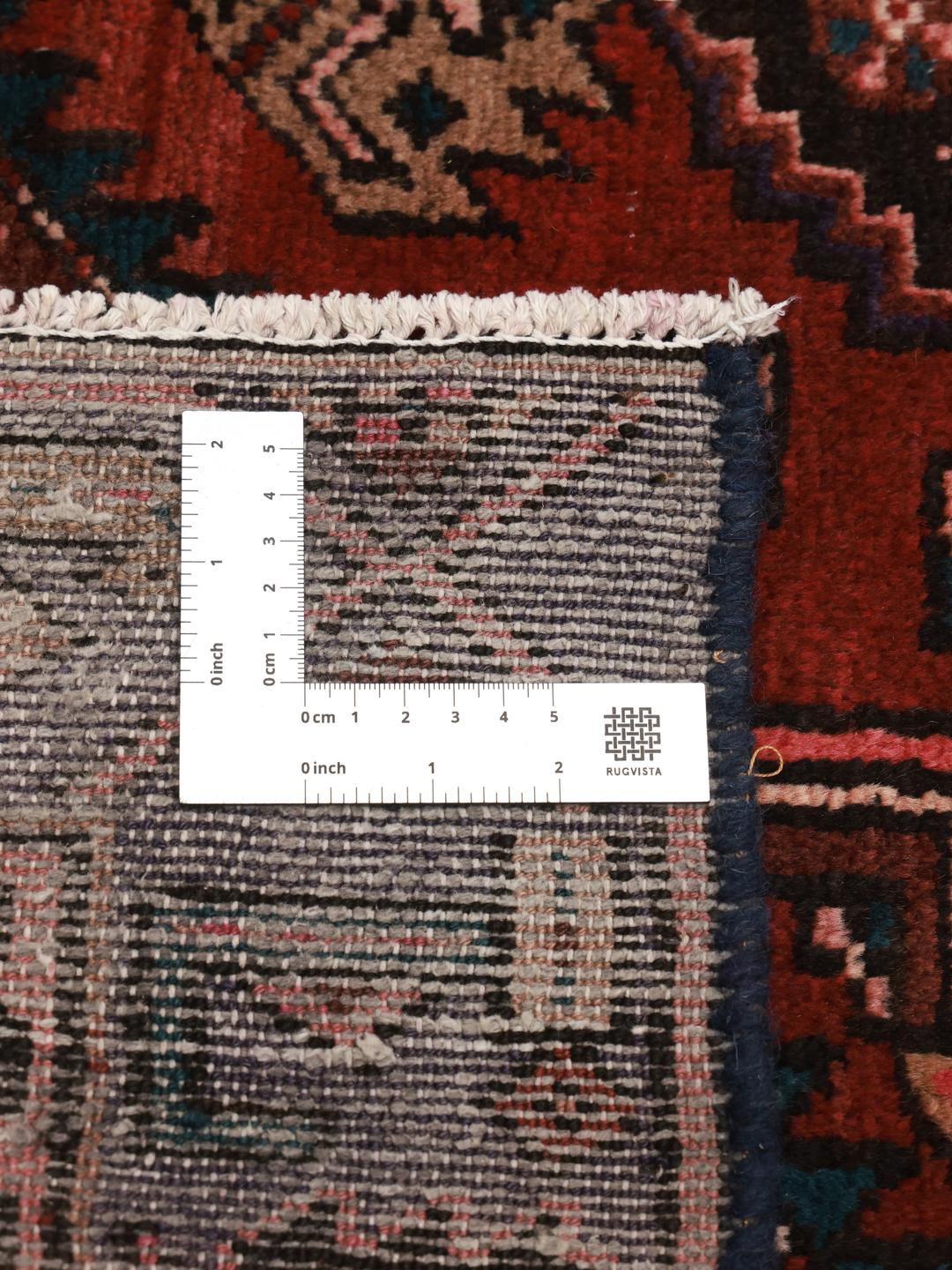
Hamadan rugs originate from one of the oldest cities in the Middle East, a hub of commerce and craft nestled in the mountainous regions of the west. For centuries, the villages surrounding this historic city have maintained distinct weaving traditions, producing rugs that are celebrated for their durability and bold, expressive designs.
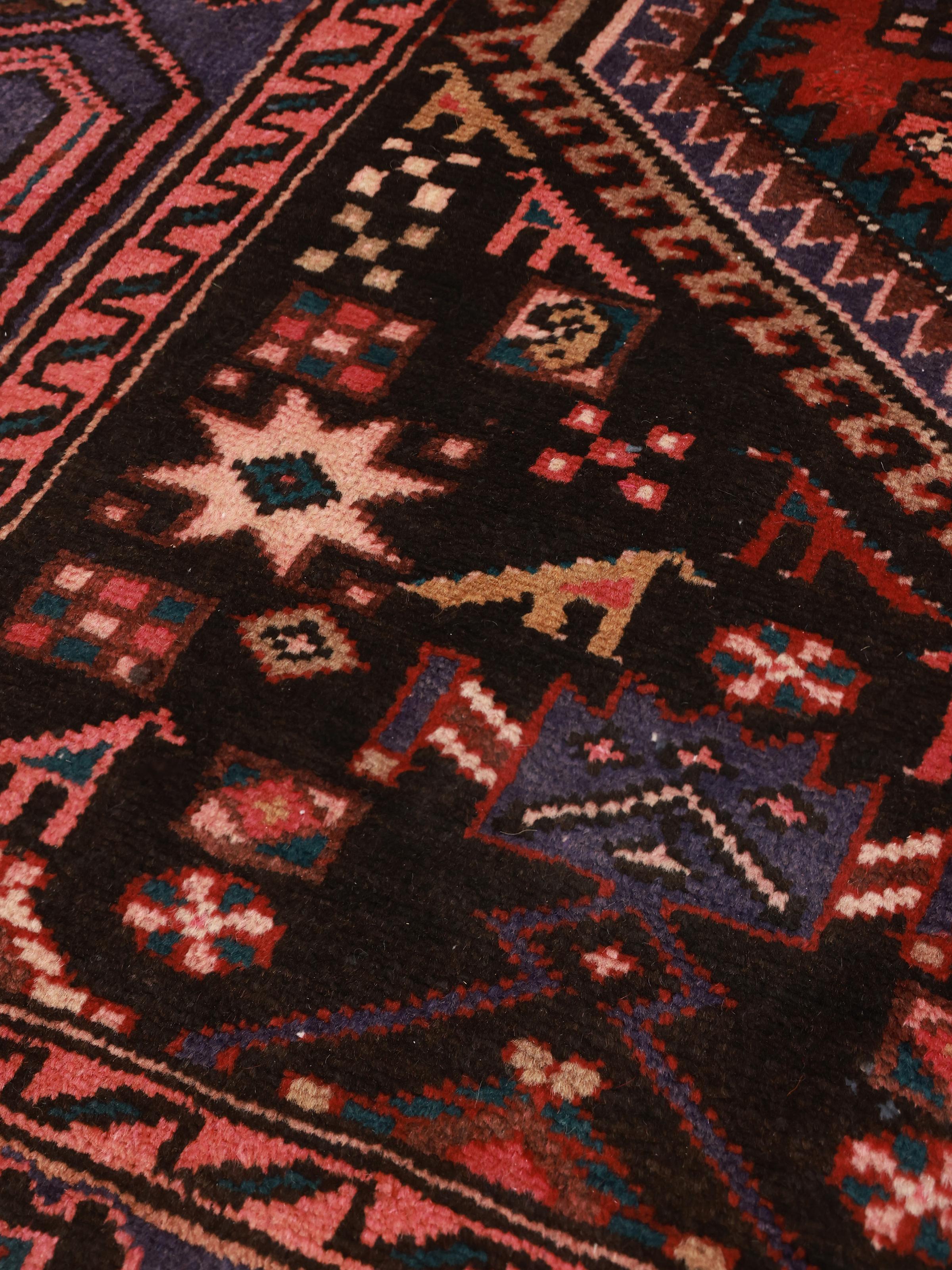
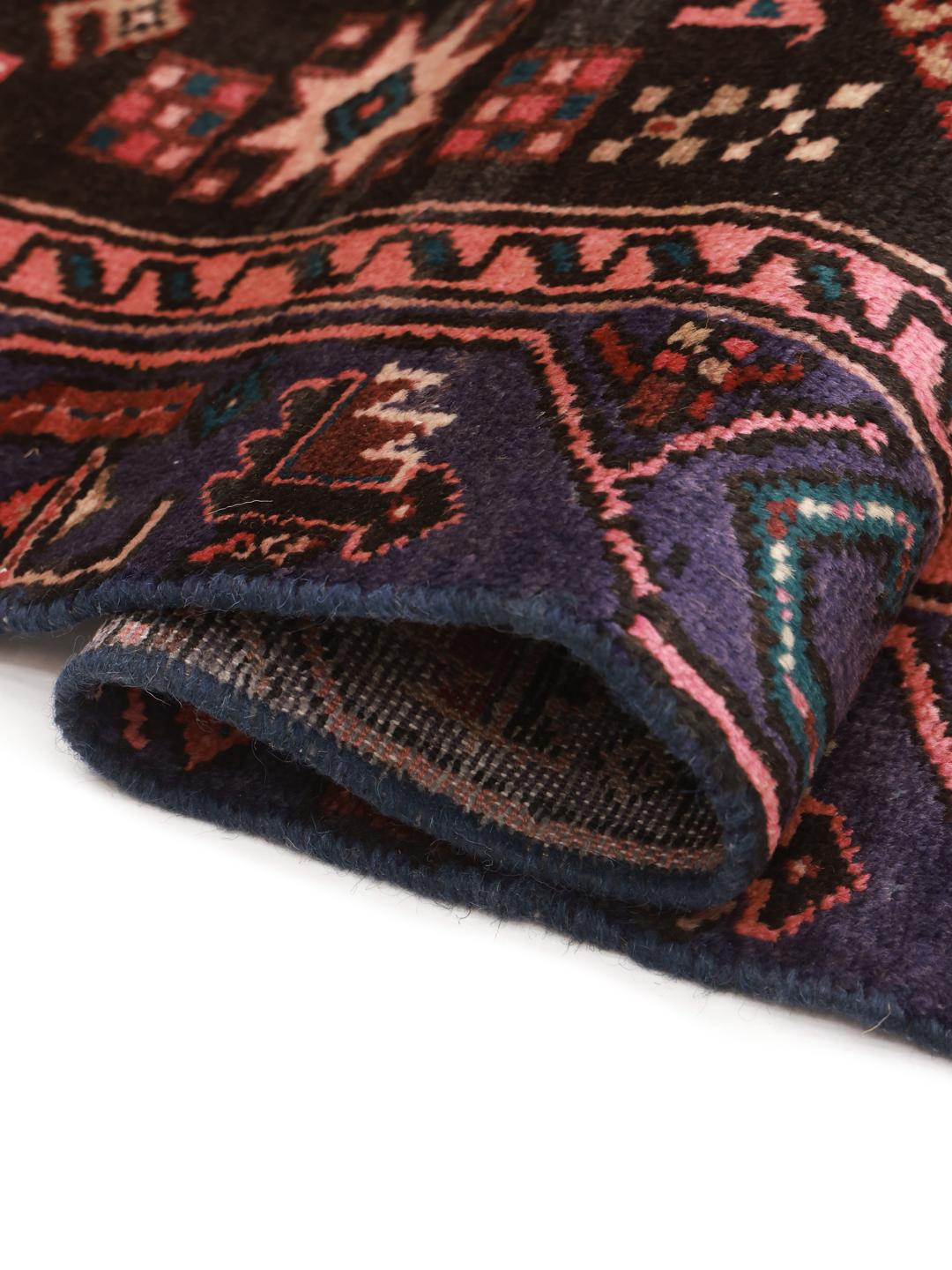
The term Hamadan refers not to a single style, but to a vast array of village-produced rugs that share common regional techniques. These rugs are known for their sturdy construction and the use of high-quality wool, which is often sourced locally from mountain-raised flocks, resulting in a pile that is particularly resilient and well-suited to the practical needs of a busy home.
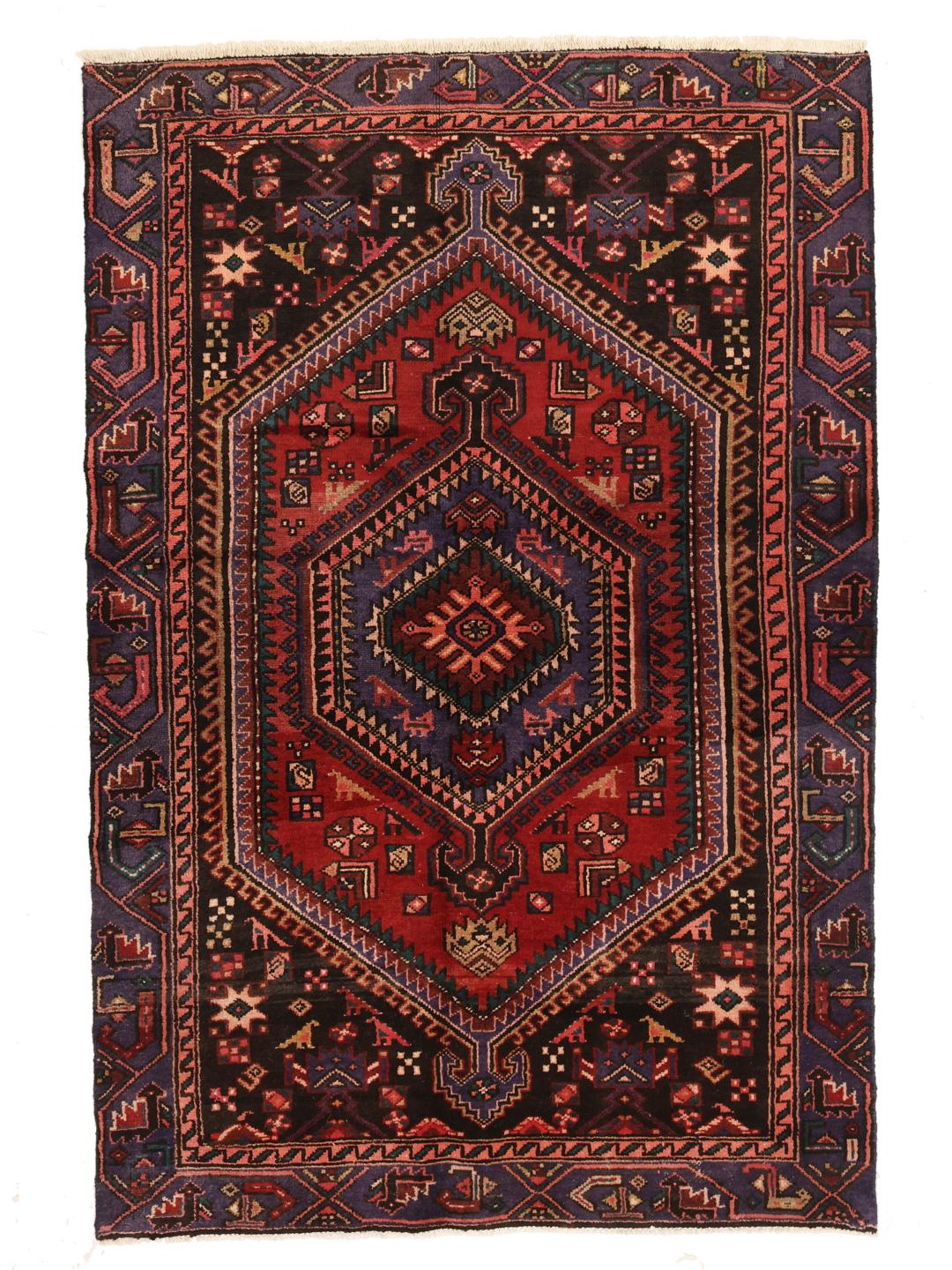
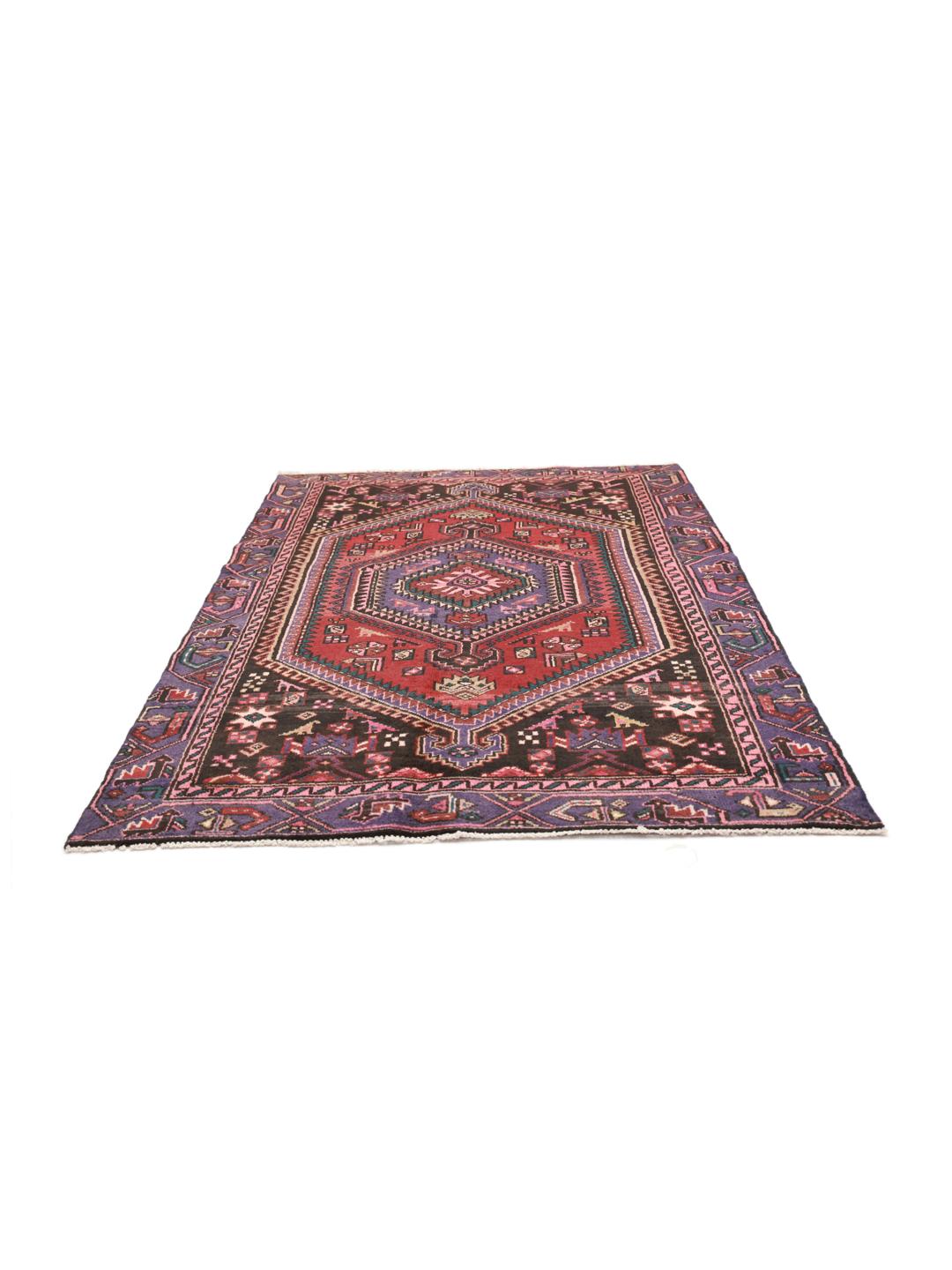
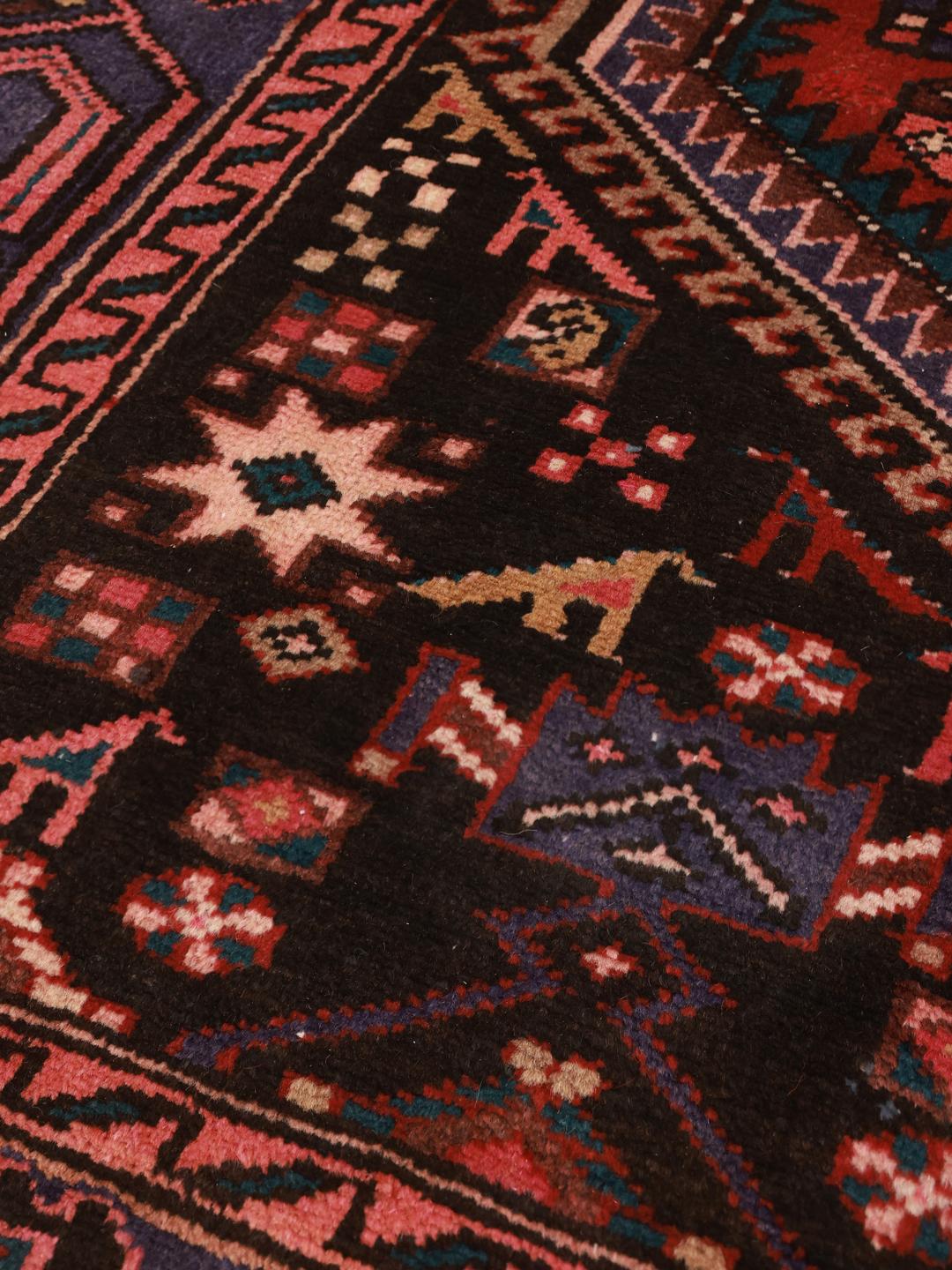
Visually, these rugs are defined by a vibrant vocabulary of geometric motifs, often centred around a bold medallion or a repeating pattern of stylised floral elements. The borders are frequently elaborate, framing the central field with intricate guard stripes that showcase the weaver's skill in balancing symmetry with creative, spontaneous expression.
Collectors value these rugs for their authenticity and the honest connection they provide to rural weaving traditions. Owning a Hamadan is an opportunity to possess a piece of functional art that tells a story of regional identity, skill, and the enduring human desire to create beauty for the home.