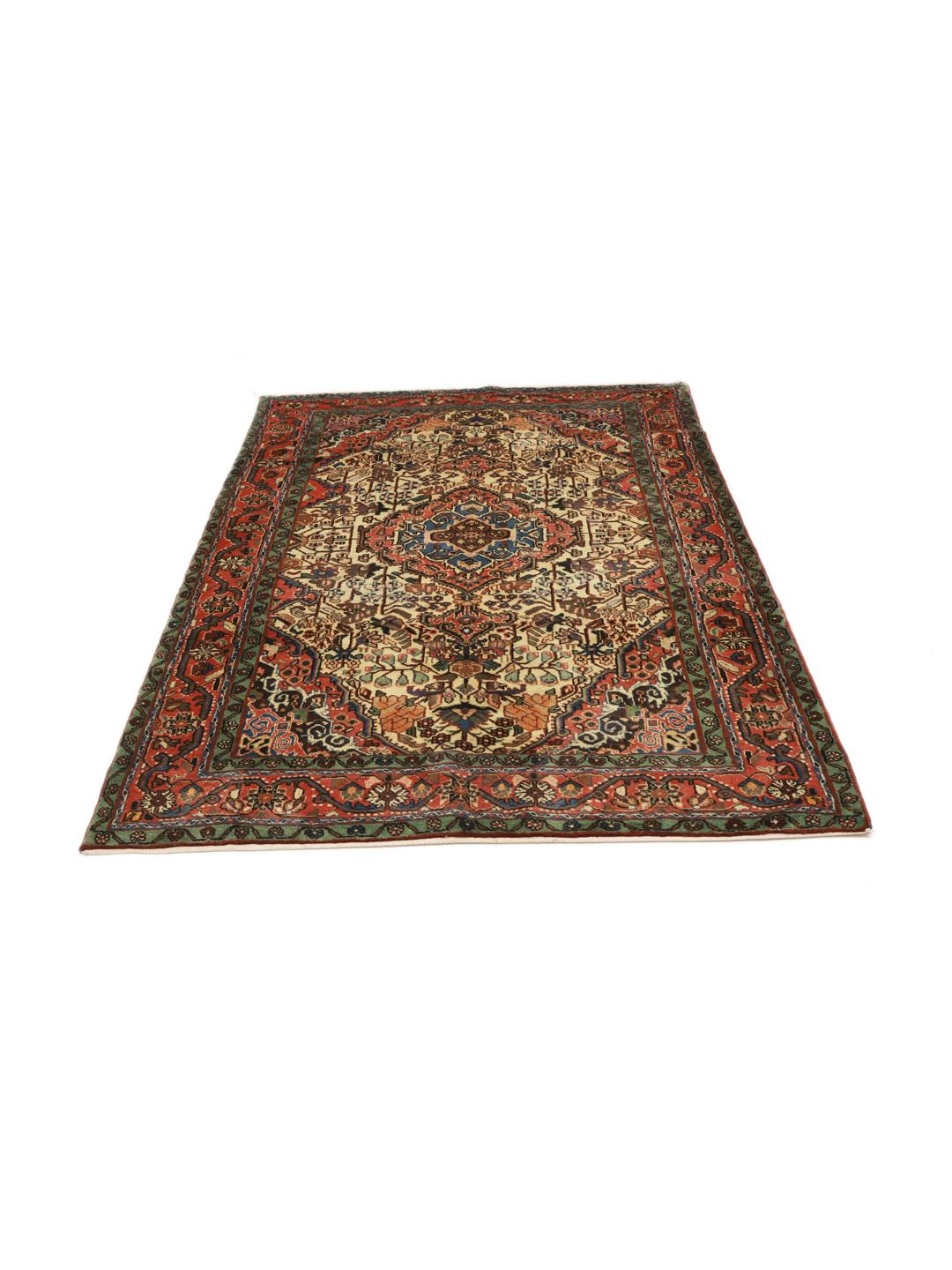
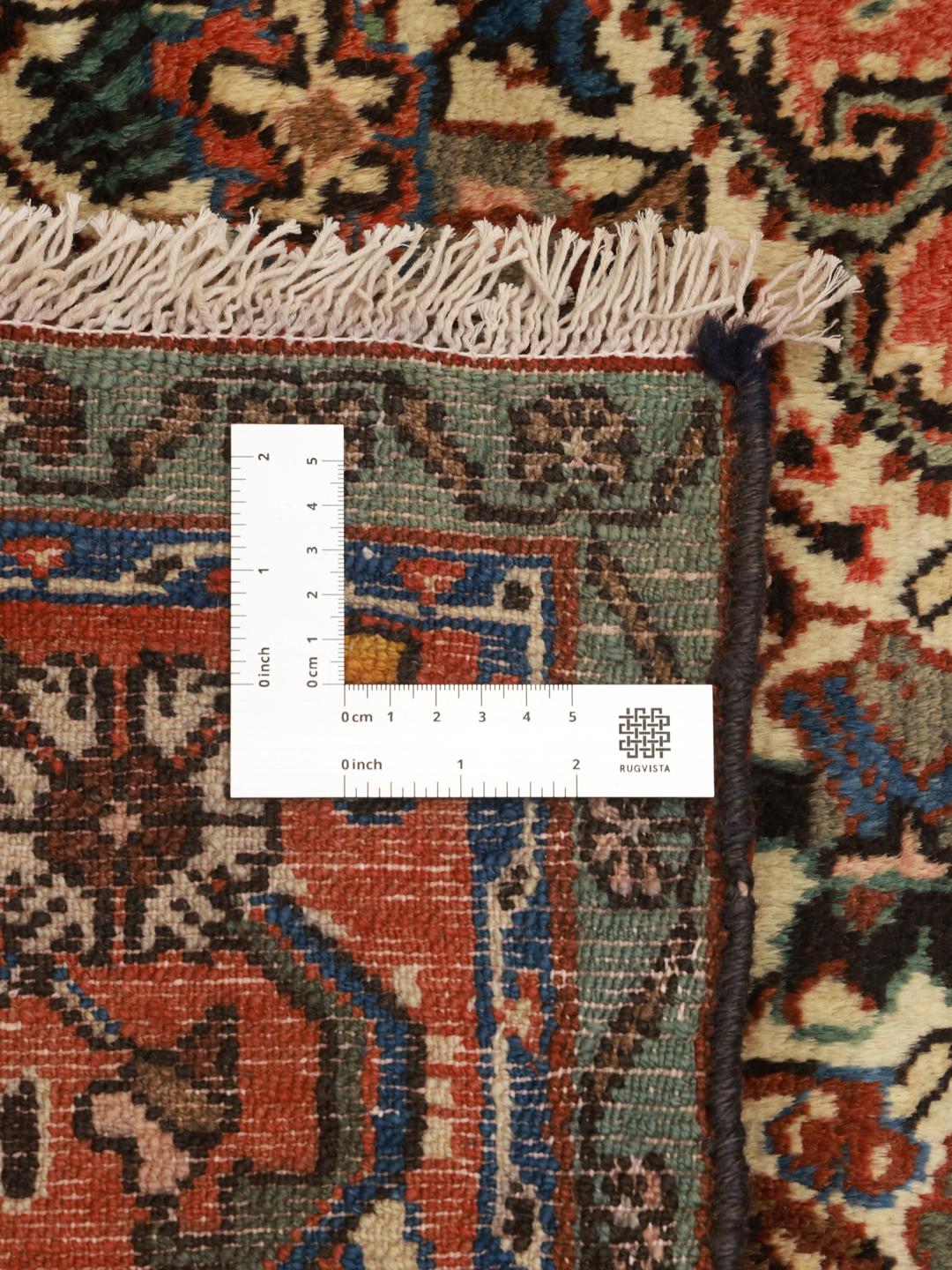
Hamadan rugs originate from one of the oldest cities in the Middle East, a region with a deep-rooted history of textile production that stretches back centuries. Situated on the ancient trade routes, Hamadan has long served as a central hub where various tribal and village weaving traditions converge, resulting in a diverse and highly recognisable regional style.
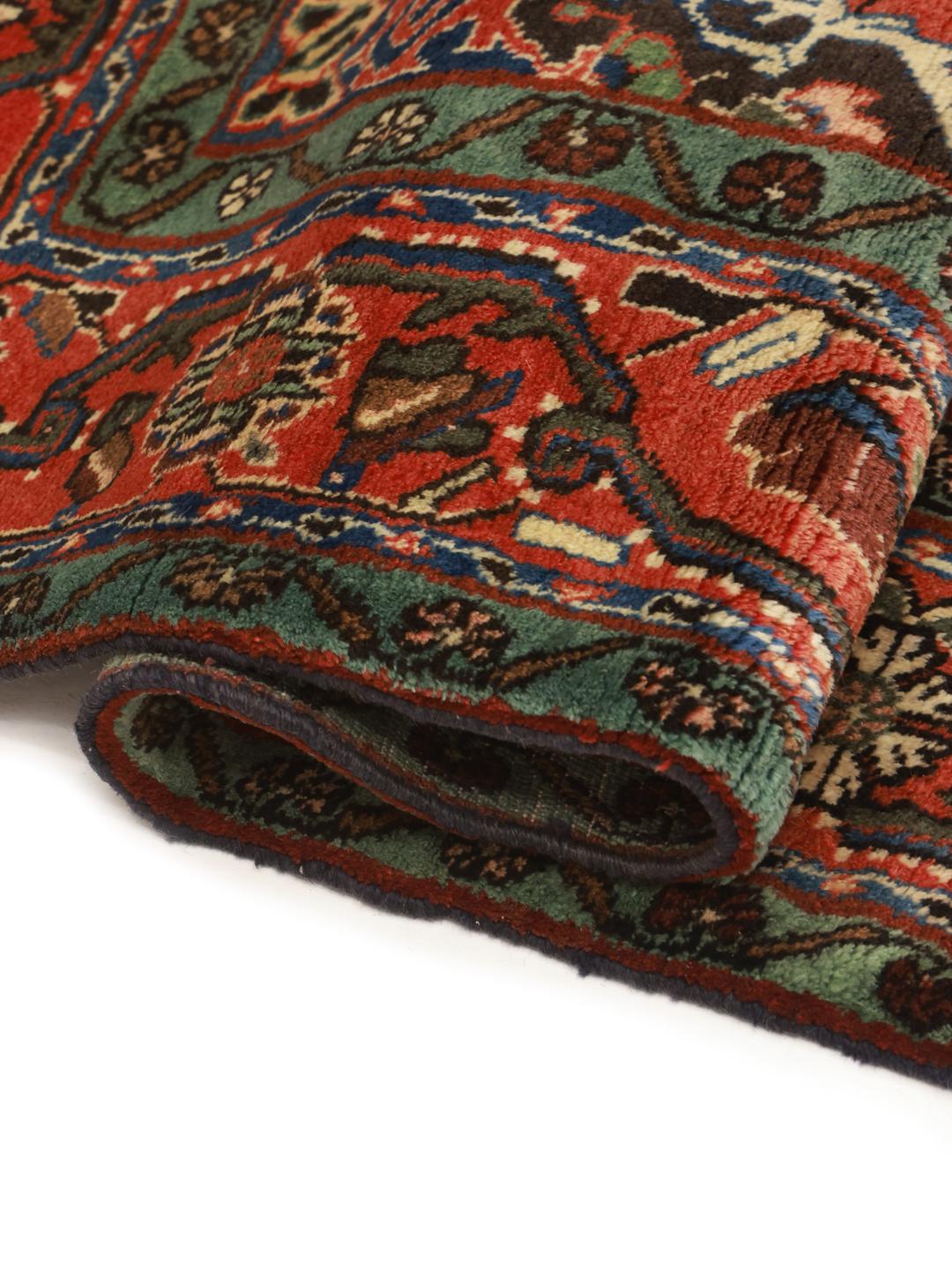
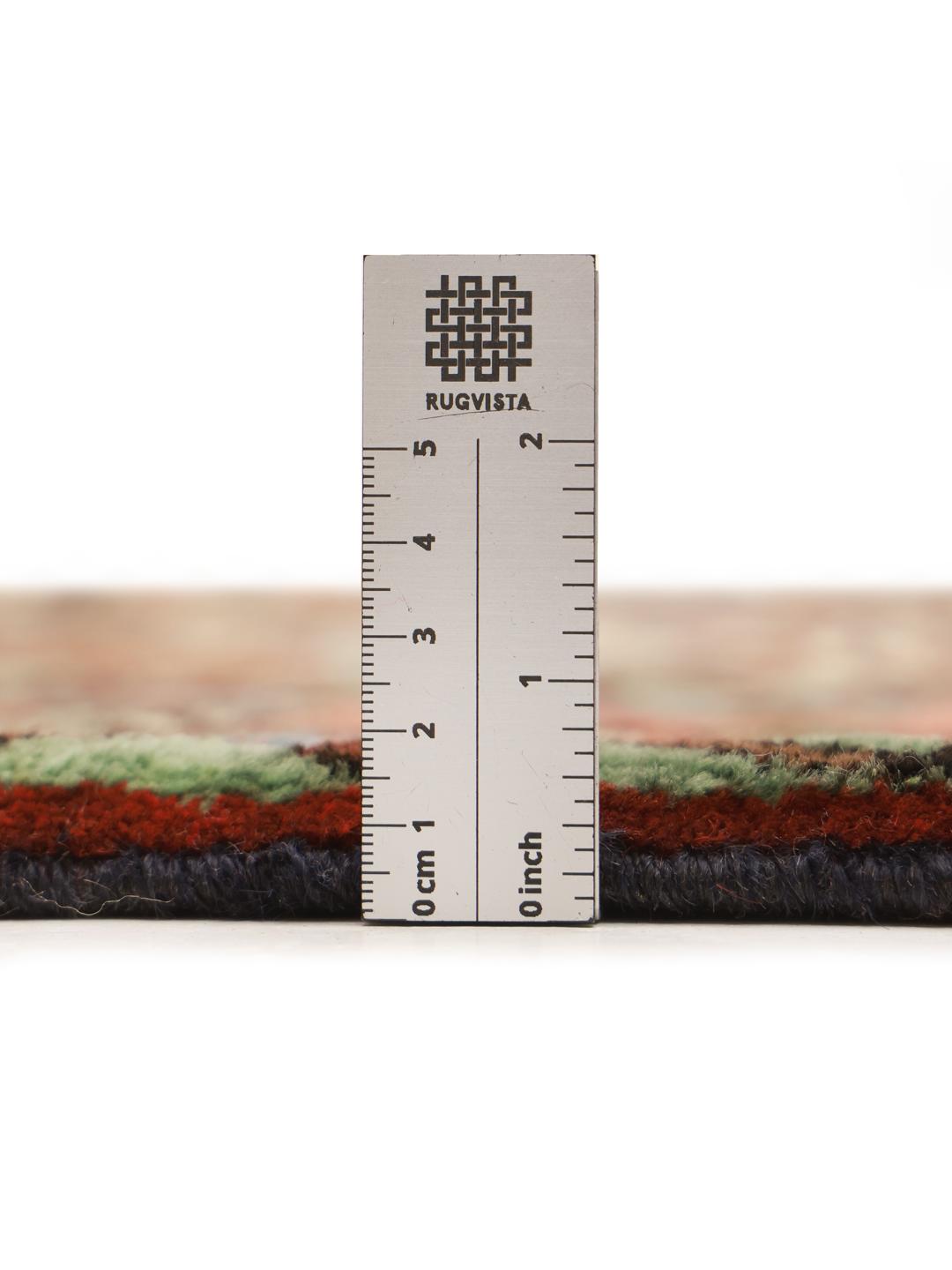
The craft of these rugs is defined by their sturdy construction and the use of high-quality wool. Traditionally, weavers in this area work on vertical looms, creating a dense pile that is built to withstand the rigours of daily life. The term Hamadan encompasses a wide variety of patterns and styles, unified by the consistent quality and the dedication of the families who have passed these skills down through generations.
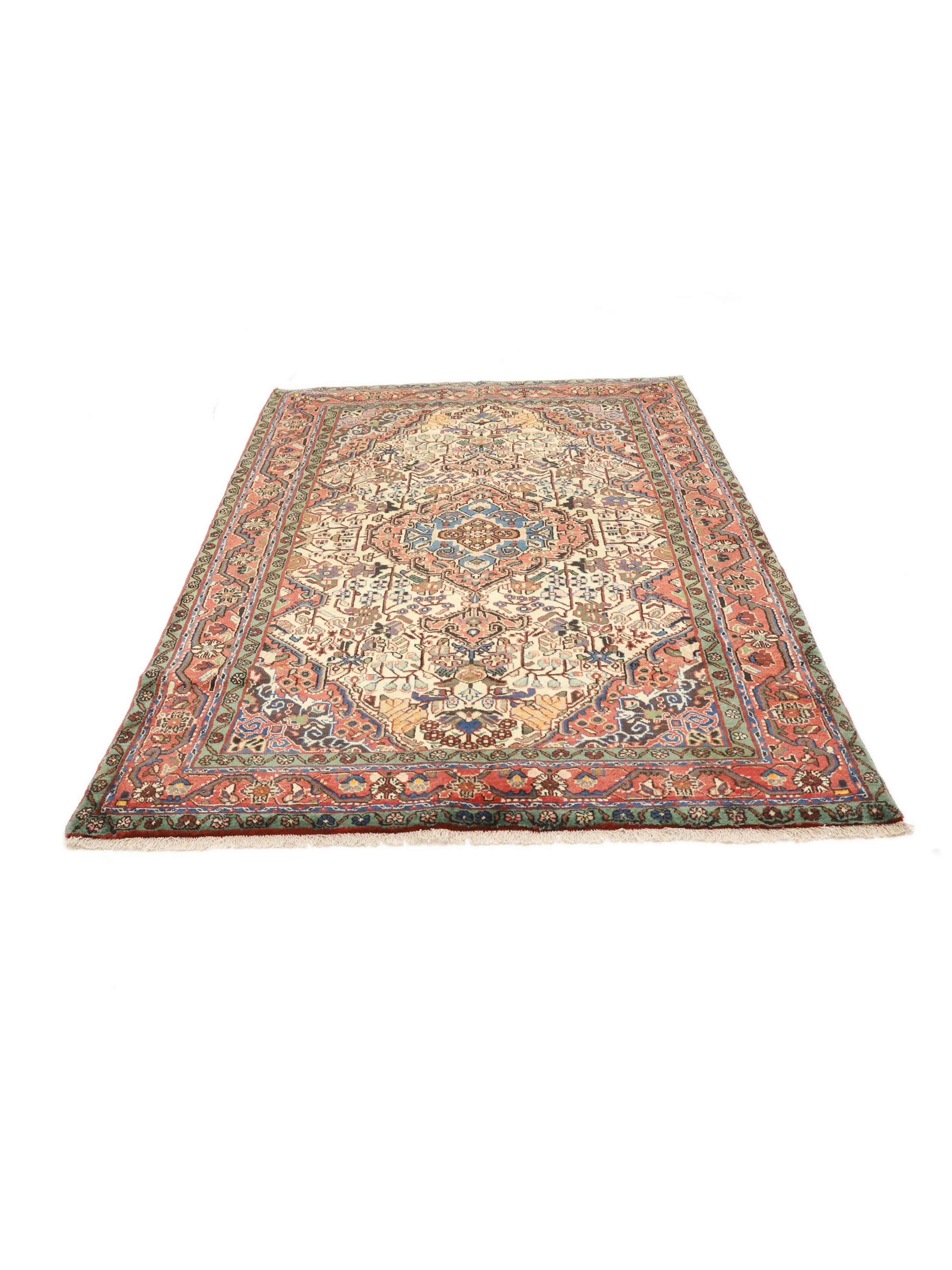
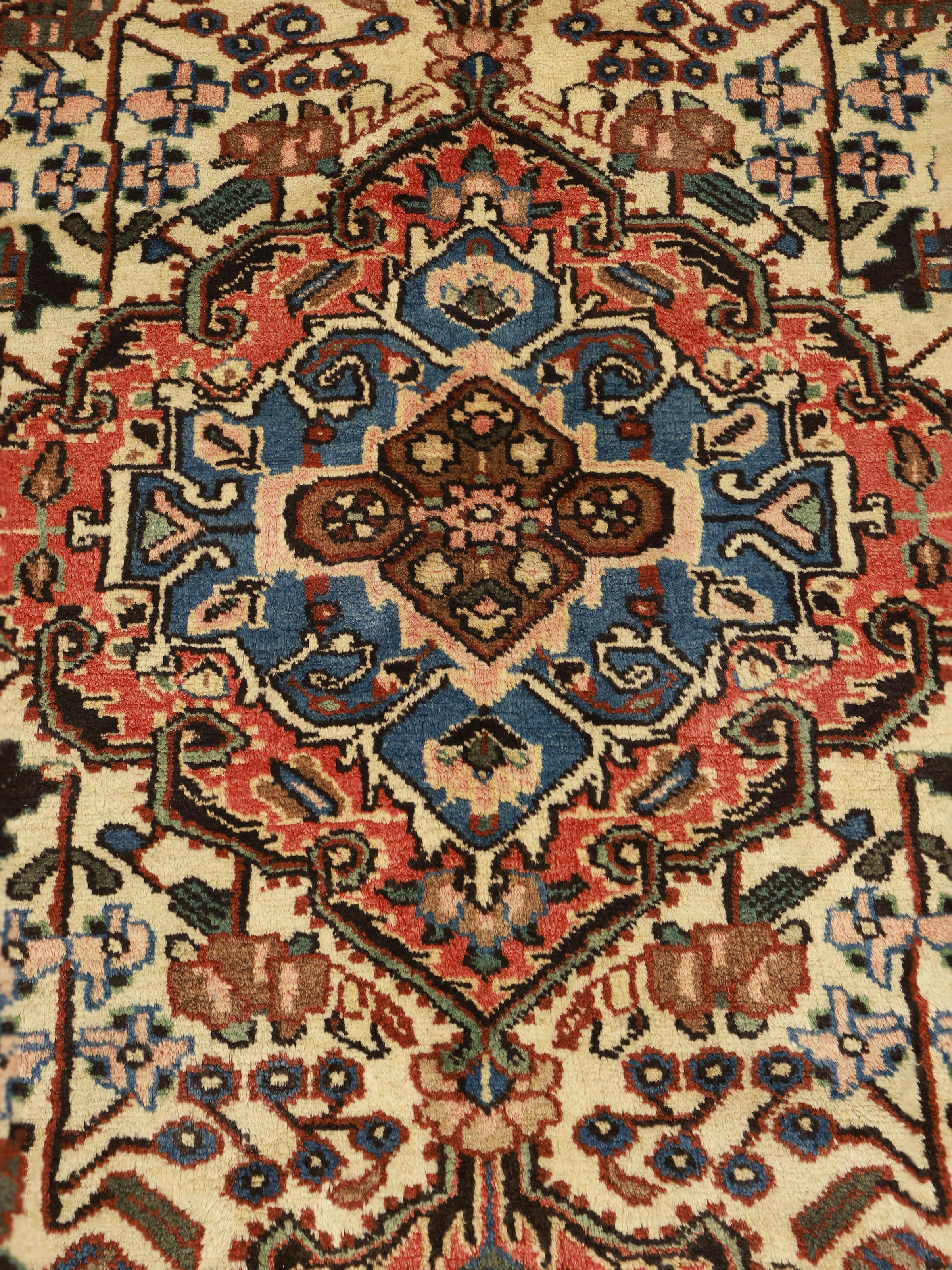
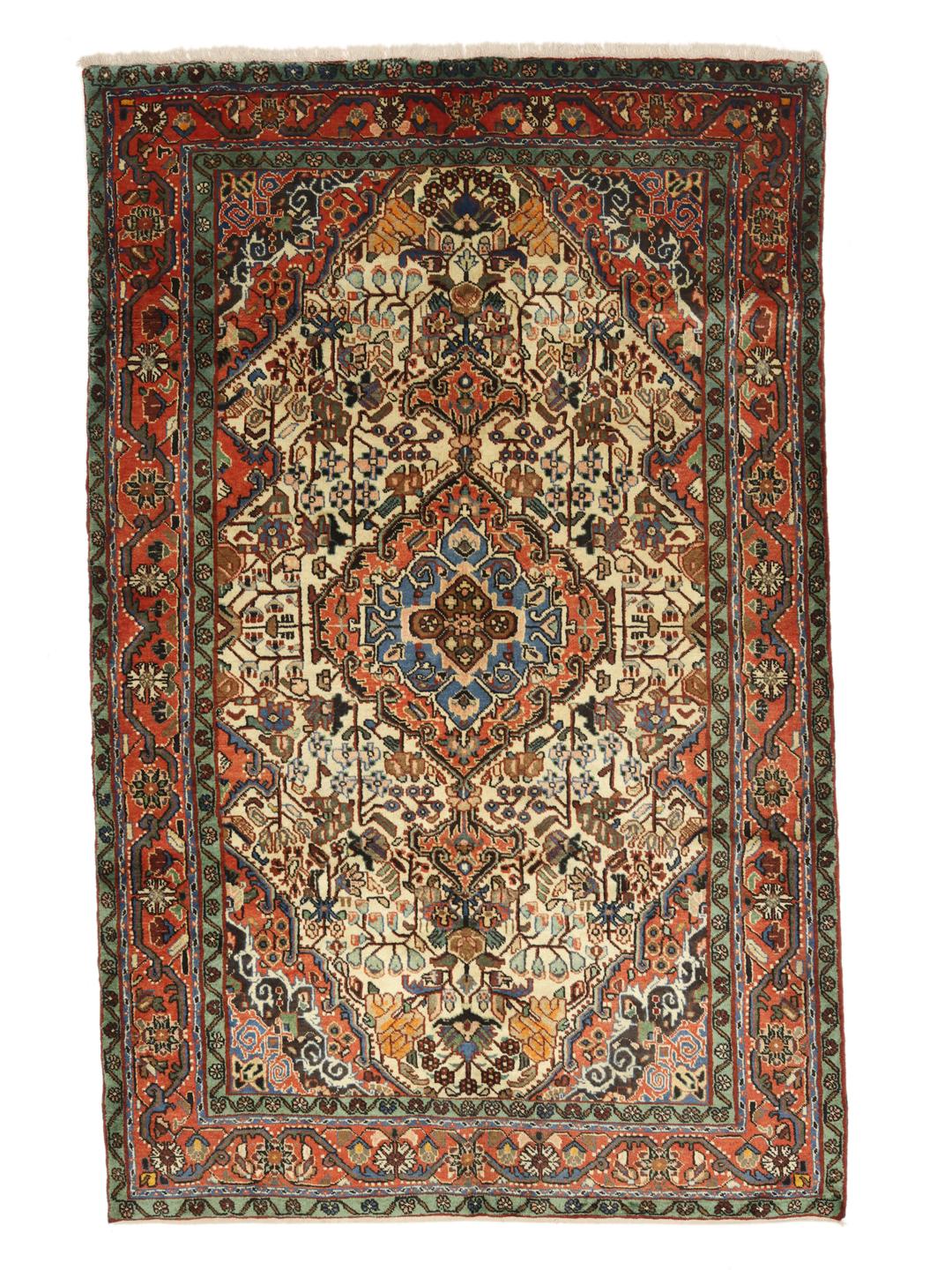
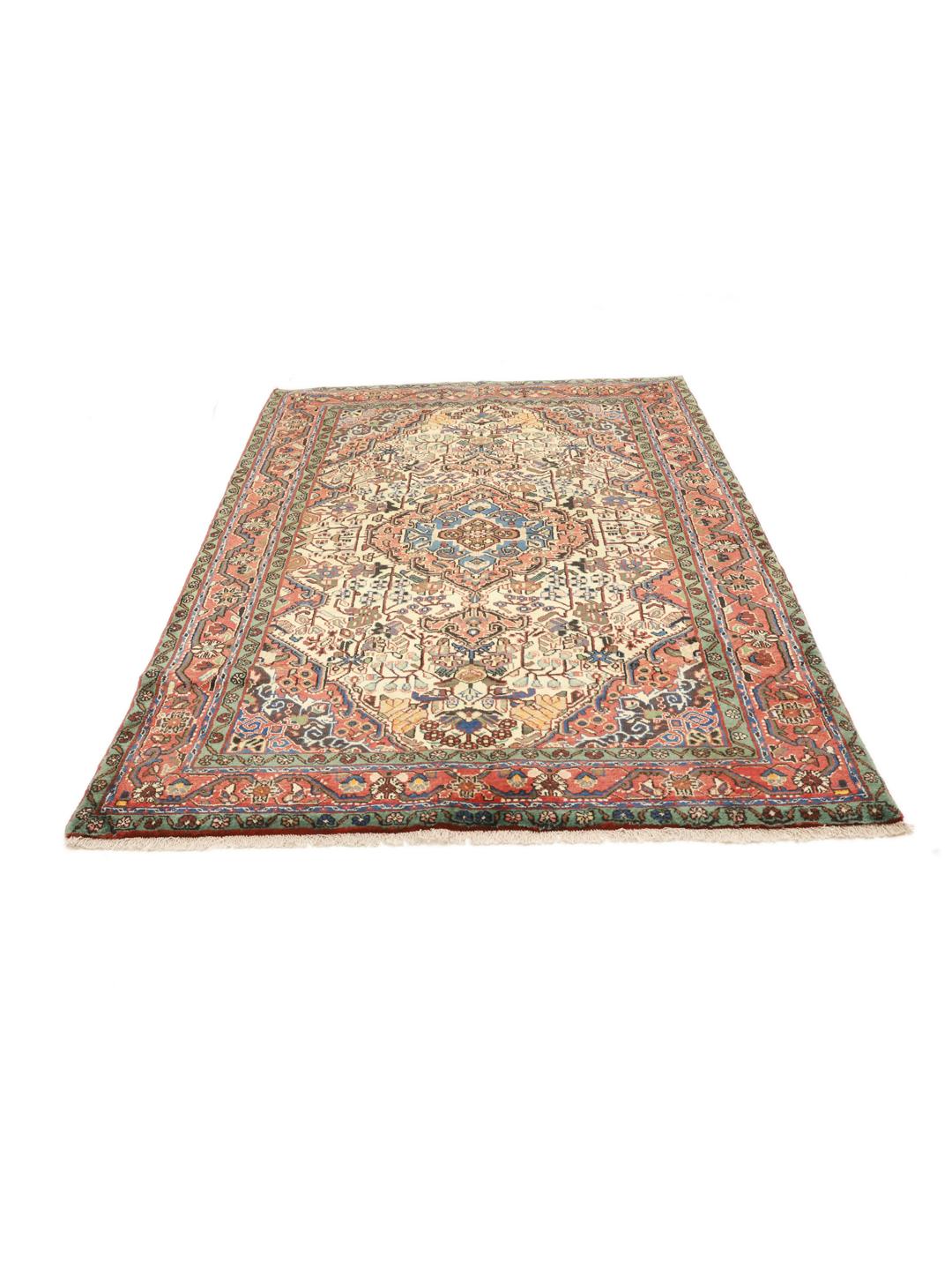
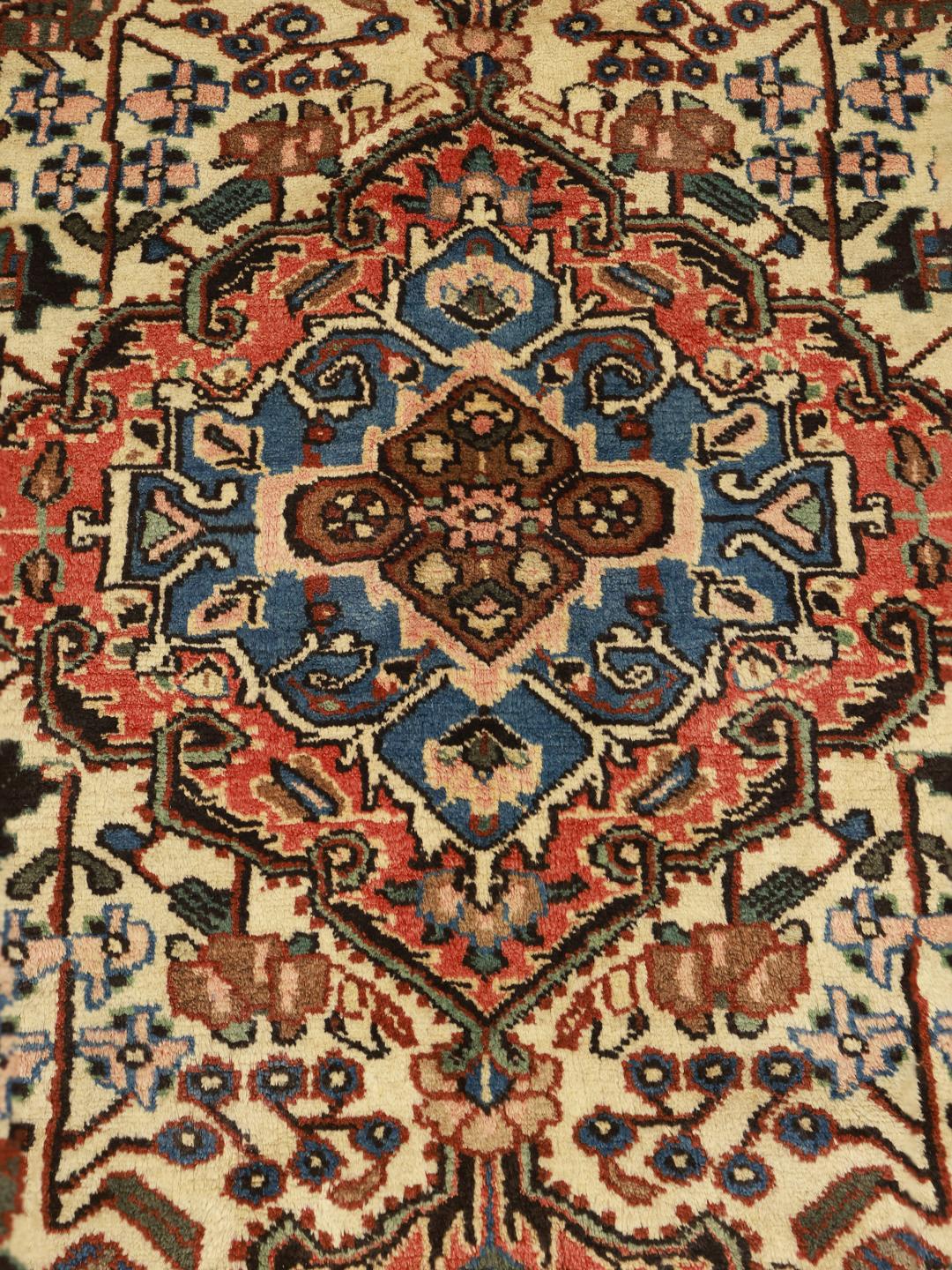
Visually, these rugs are often celebrated for their bold, geometric interpretations of floral motifs and their signature central medallions. While red and blue tones are frequently used, each rug often incorporates a rich palette of secondary colours that highlight the artistry of the weaver. The borders are typically wide and filled with rhythmic, repeating patterns that frame the central design perfectly.
Collecting a Hamadan rug is an opportunity to own a piece of cultural history. These rugs are valued not just for their aesthetic appeal, but for the skill and heritage they represent. By bringing one into your home, you connect with a long lineage of artisans whose work has remained a staple of interior design for its ability to combine lasting utility with timeless artistic expression.