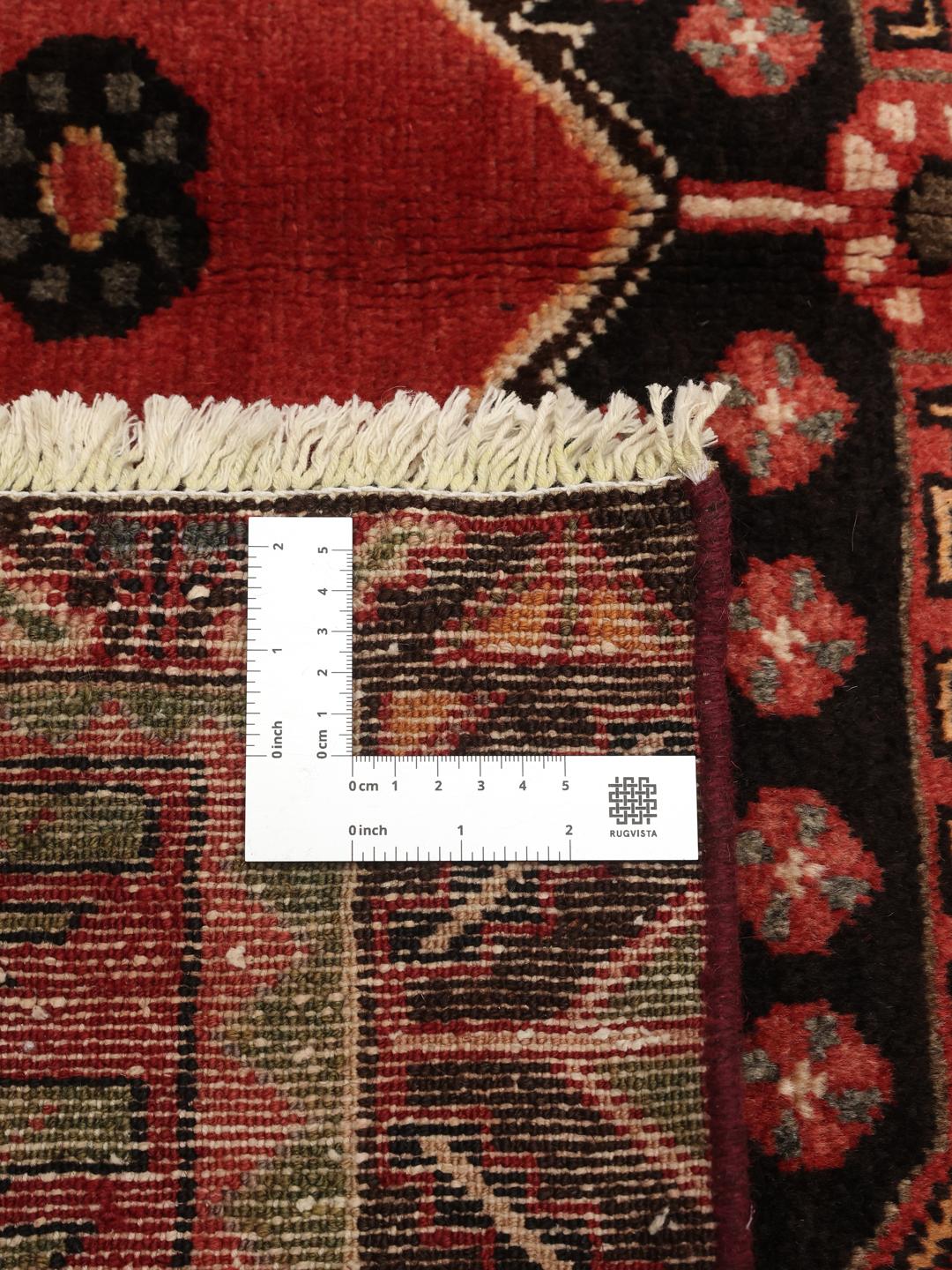
Hamadan rugs take their name from one of the oldest cities in the Middle East, located in the mountainous region of the west. This area has been a central hub for weaving for centuries, with a long-standing tradition of producing durable, village-style rugs. The evolution of these rugs has been shaped by the diverse cultural influences of the region, leading to a wide variety of motifs and styles that remain highly sought after by collectors and enthusiasts today.
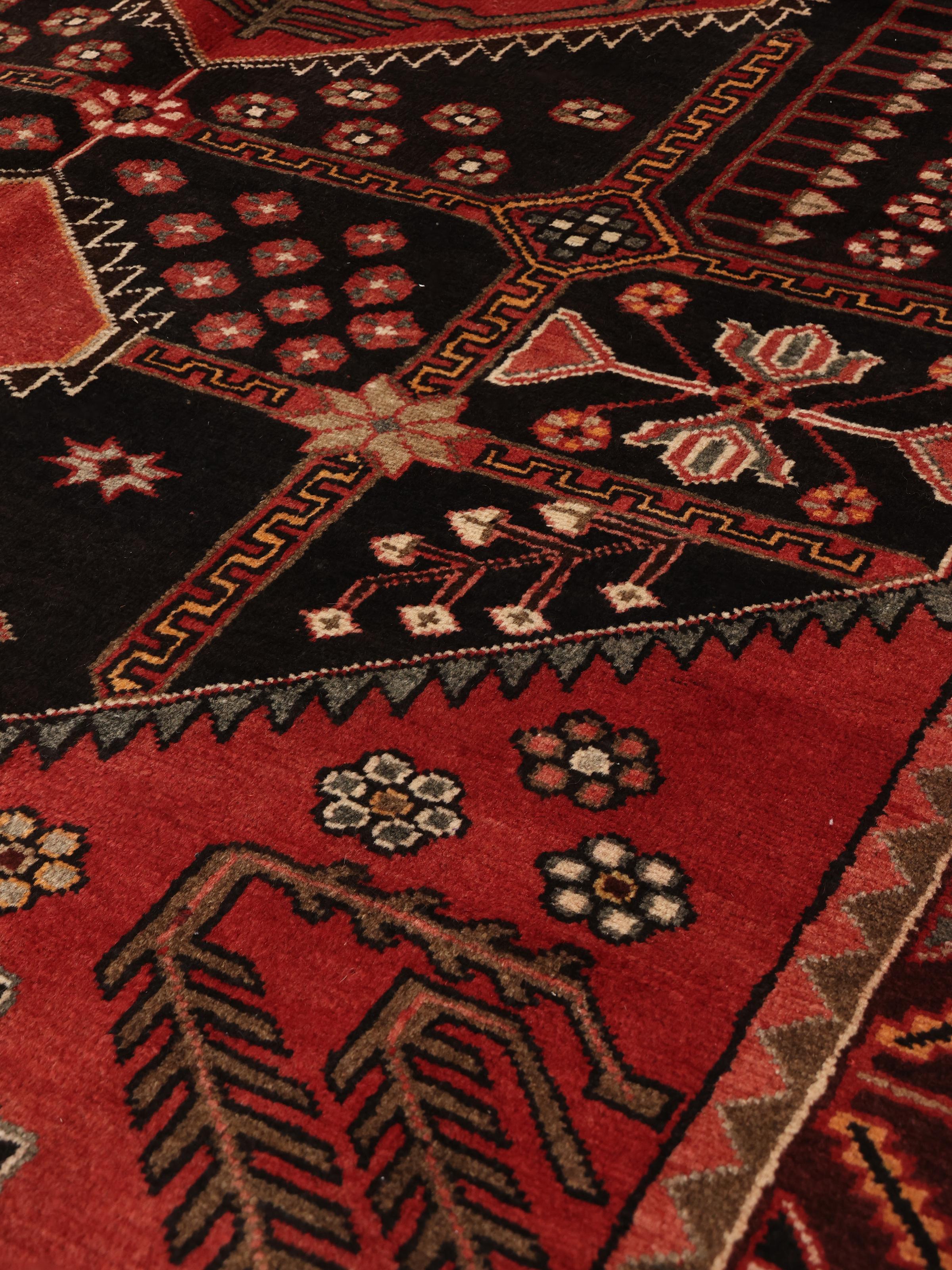
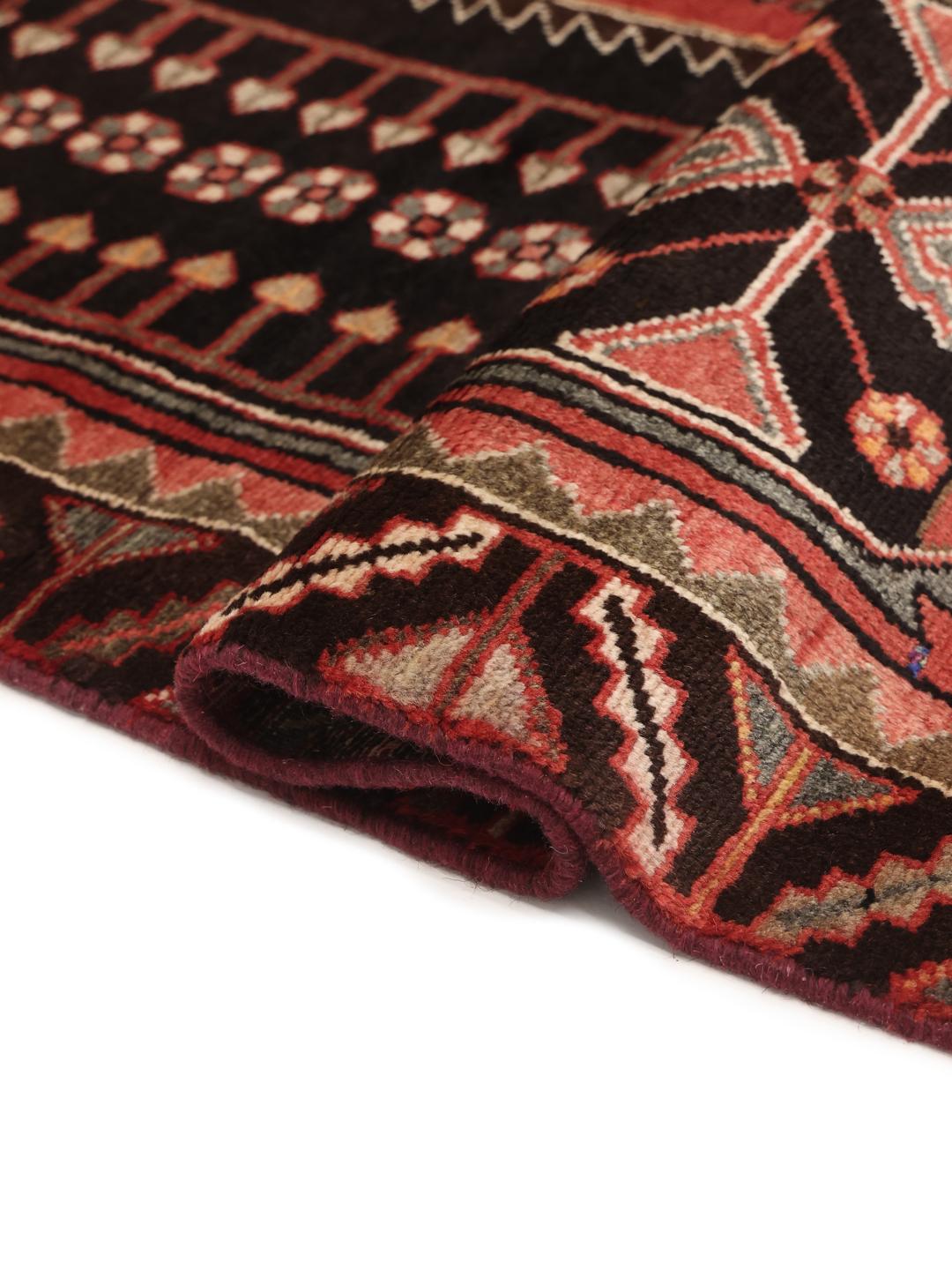
The craftsmanship behind a Hamadan rug is defined by the use of resilient, locally sourced materials that are built to last. The construction techniques are passed down through generations, emphasising a sturdy foundation that allows the pile to remain lush and vibrant over many years of use. This focus on durability is what makes these rugs such a practical choice for a busy household, as they are designed to handle the rigours of daily life without losing their character.
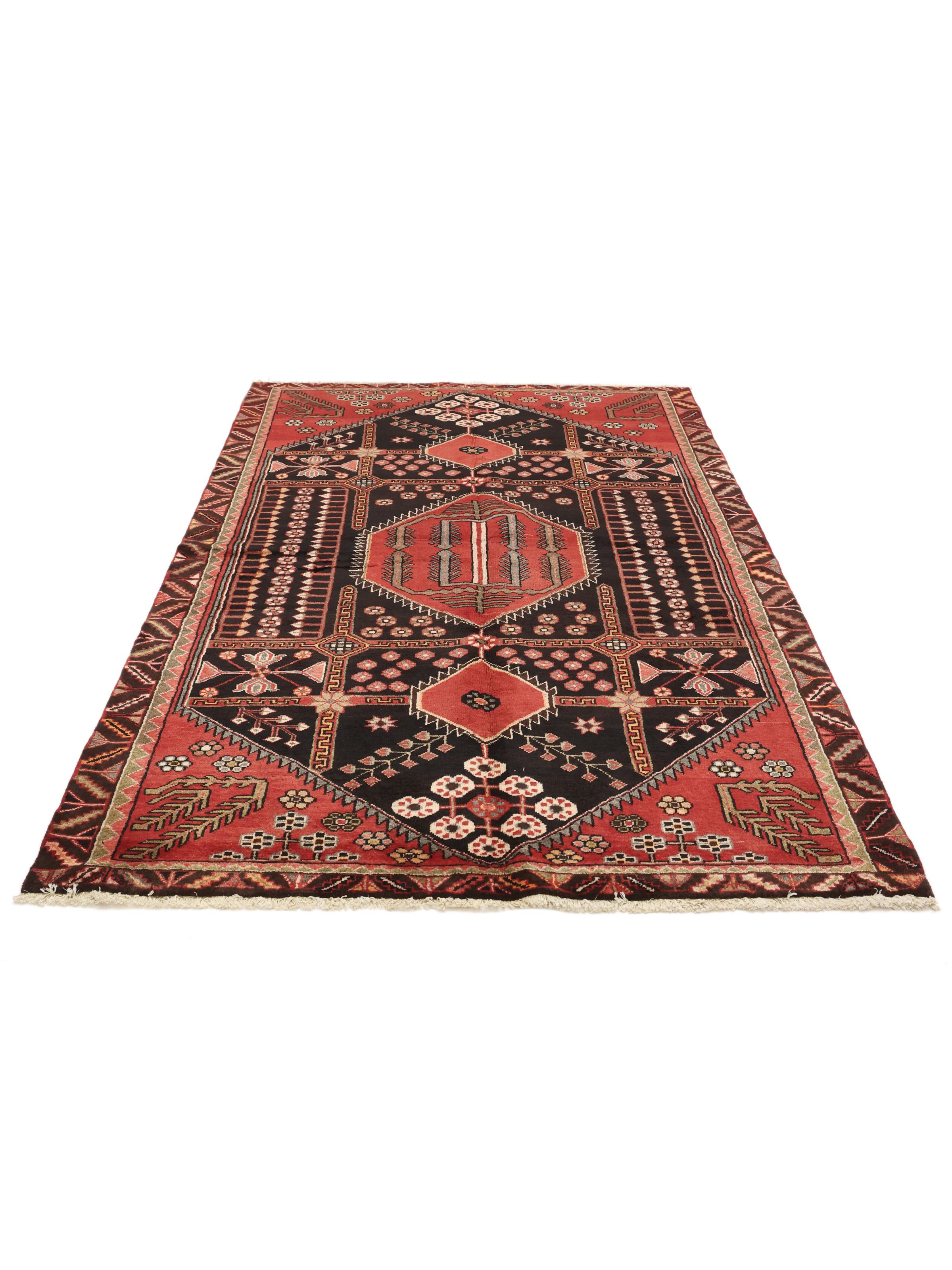
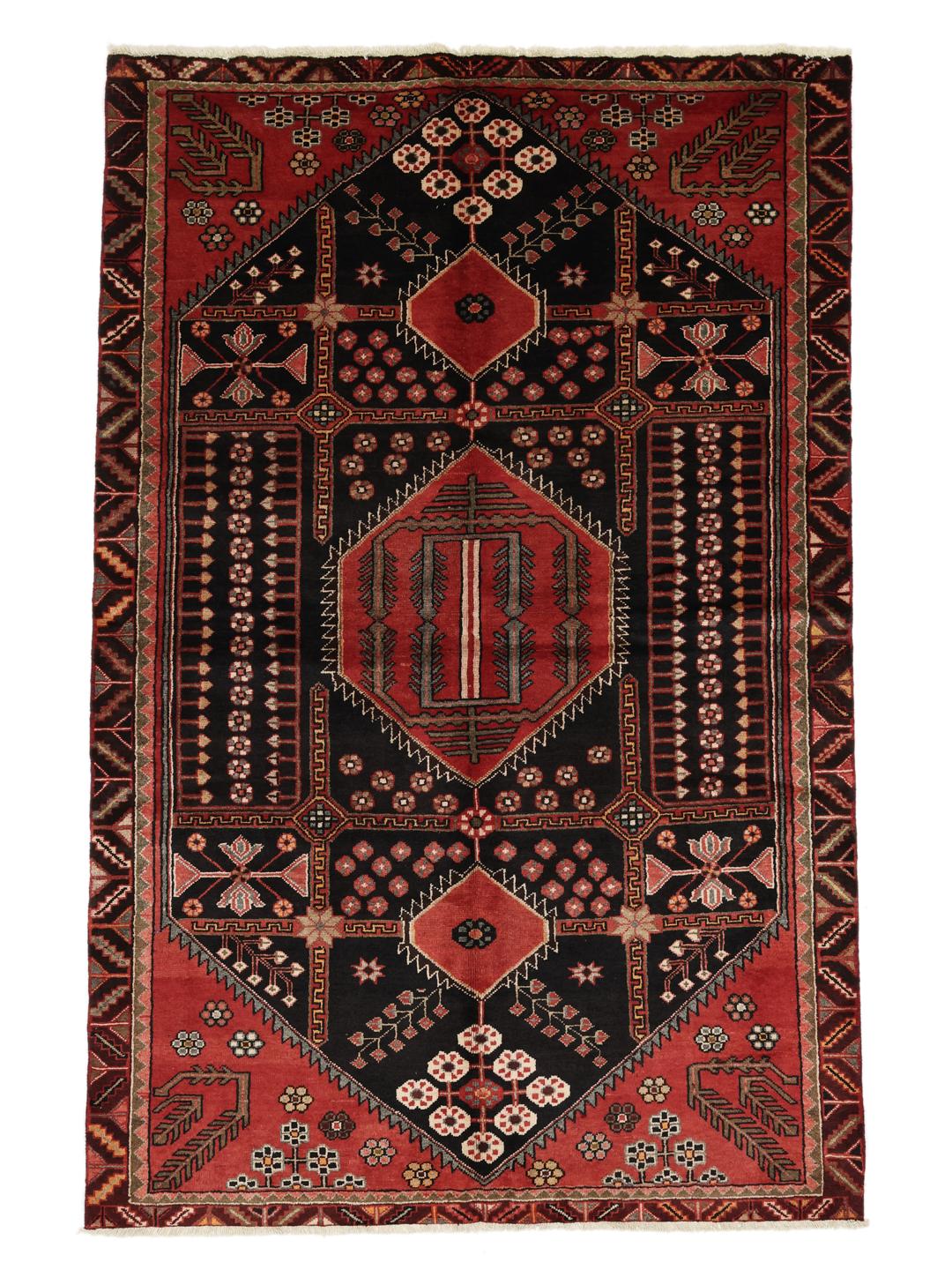
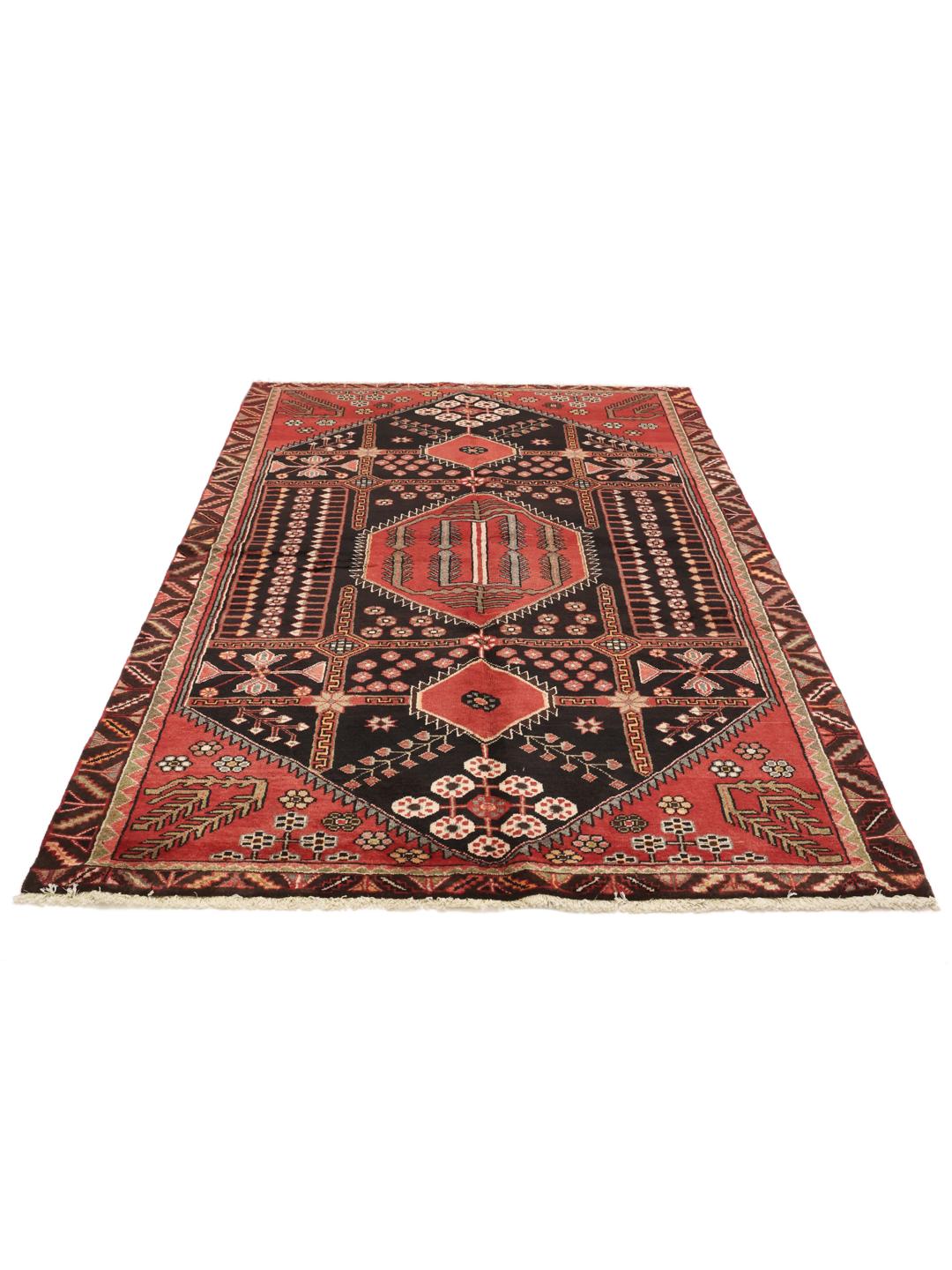
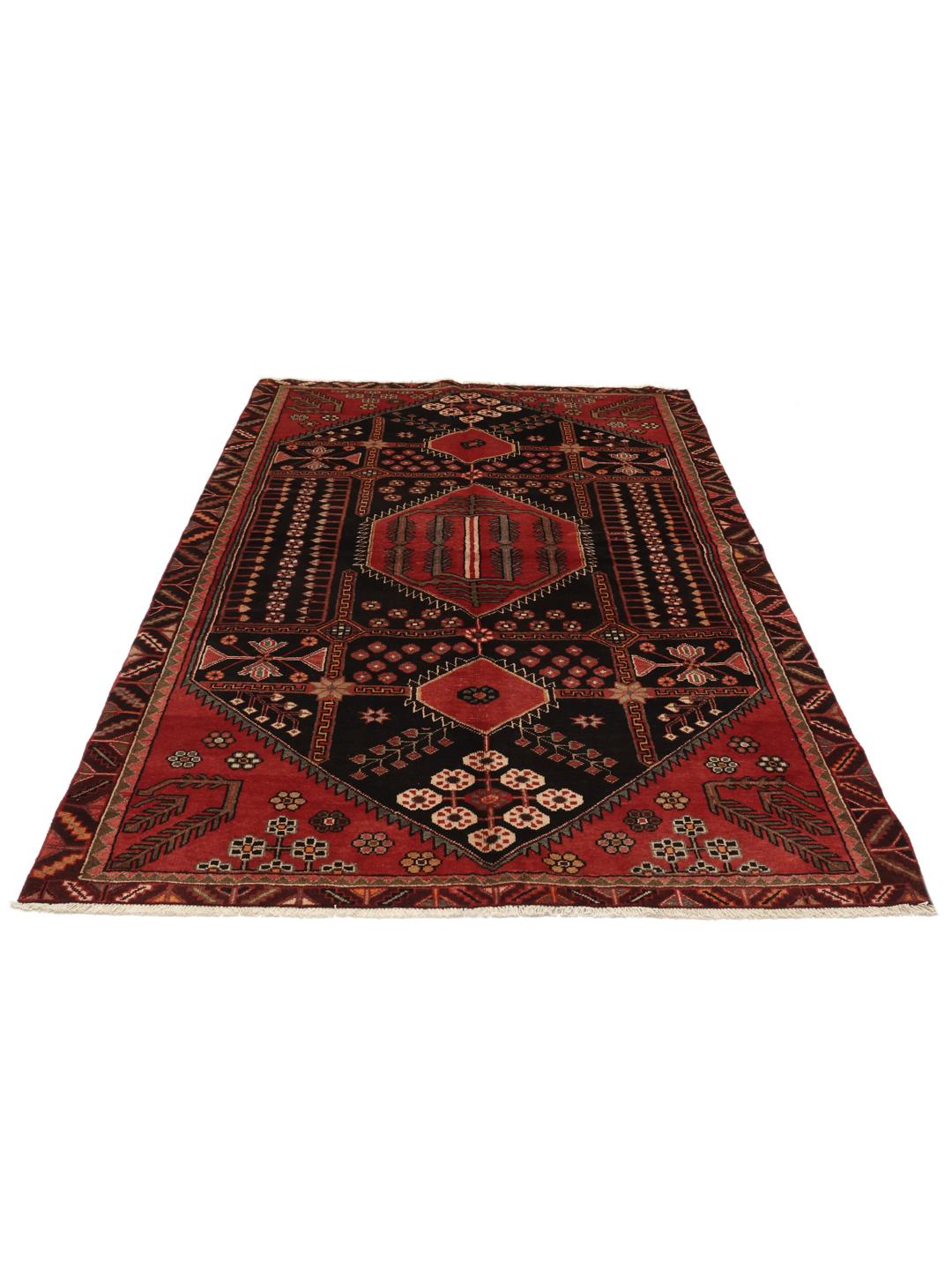
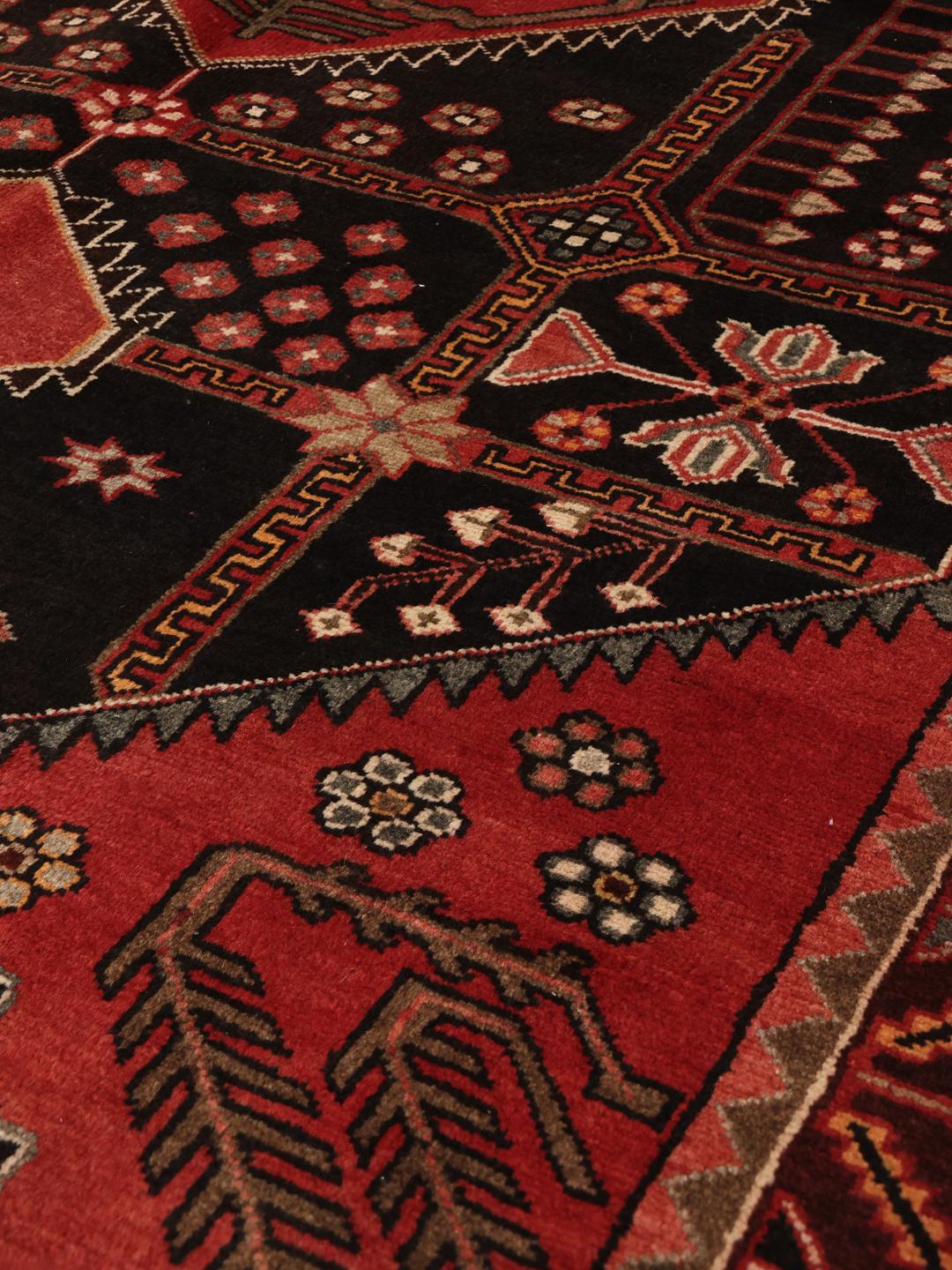
Visually, Hamadan rugs are often recognised by their bold, geometric patterns and a rich palette of deep, earthy tones. While designs can vary, the use of central medallions and decorative borders is a hallmark of the tradition. This particular rug features a striking contrast between the dark field and the warmer tones, showcasing the classic aesthetic that has defined the region's output for generations, providing an authentic look that anchors a room.
Collecting a rug from this tradition is about more than just floor decor; it is about preserving a piece of cultural heritage. These rugs are valued for their honest, rustic charm and the undeniable skill required to produce them. Owning one means connecting with a long lineage of craftspeople who have turned simple materials into enduring works of art, offering your home a sense of history and human-made beauty.