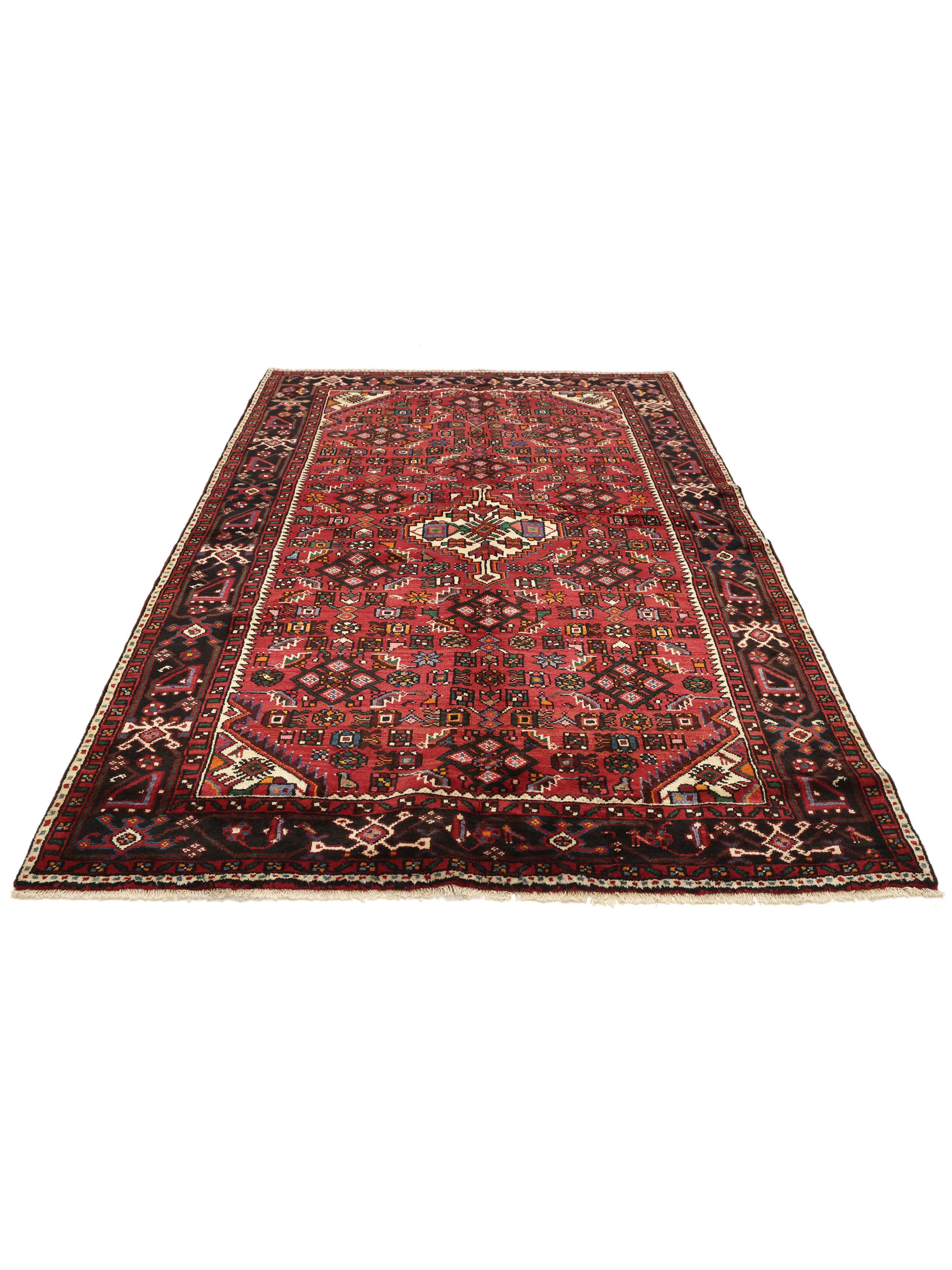
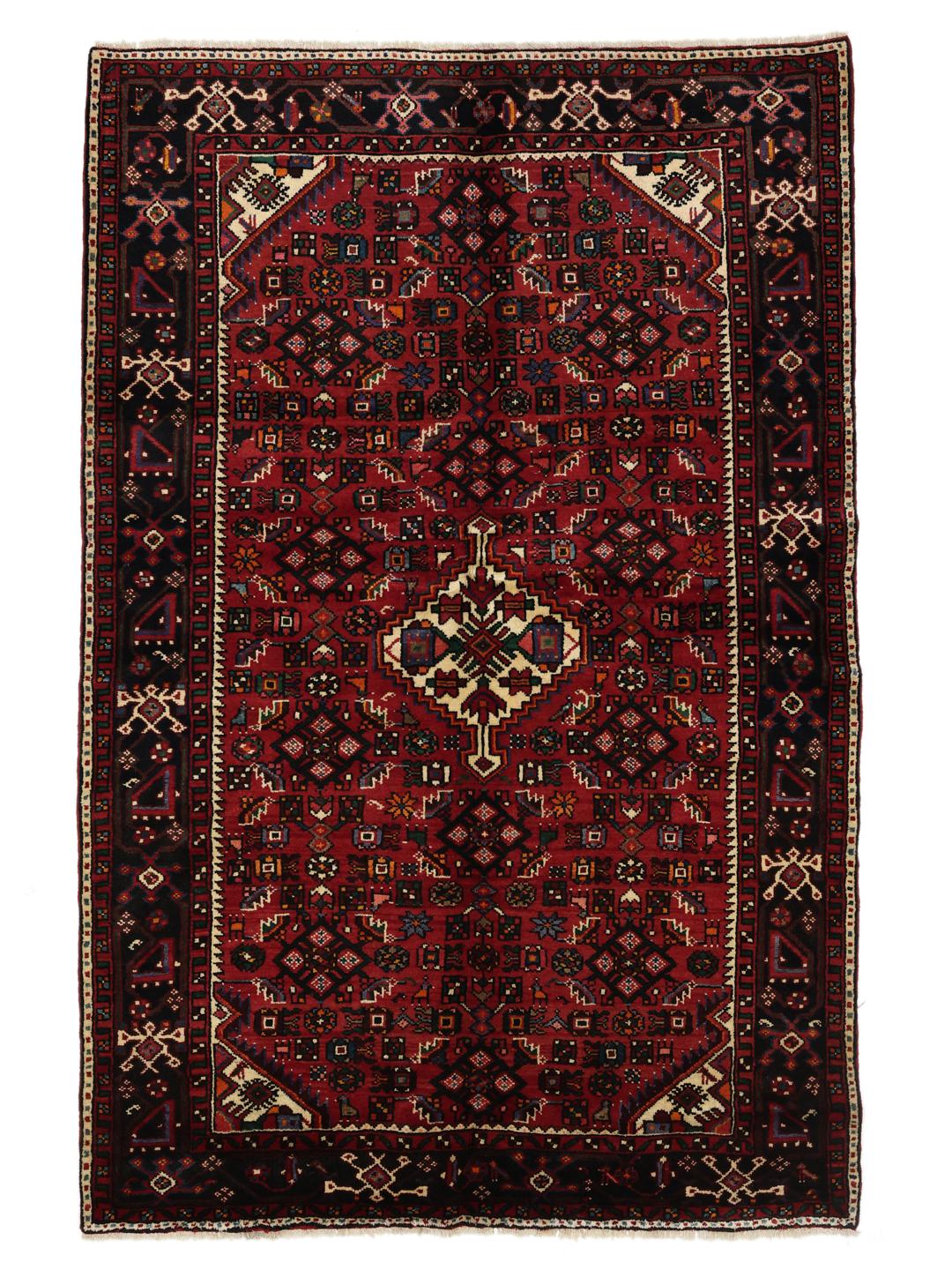
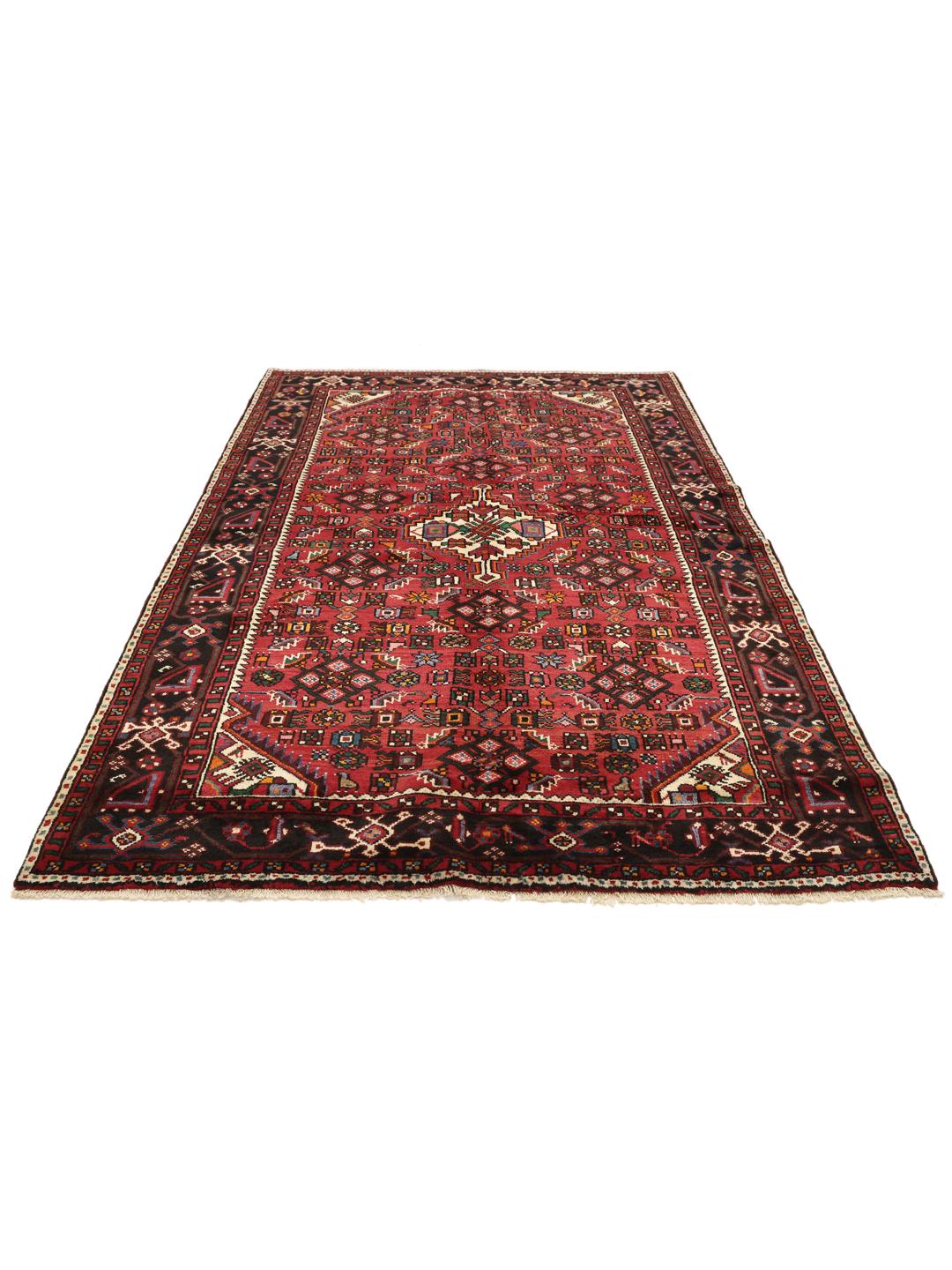
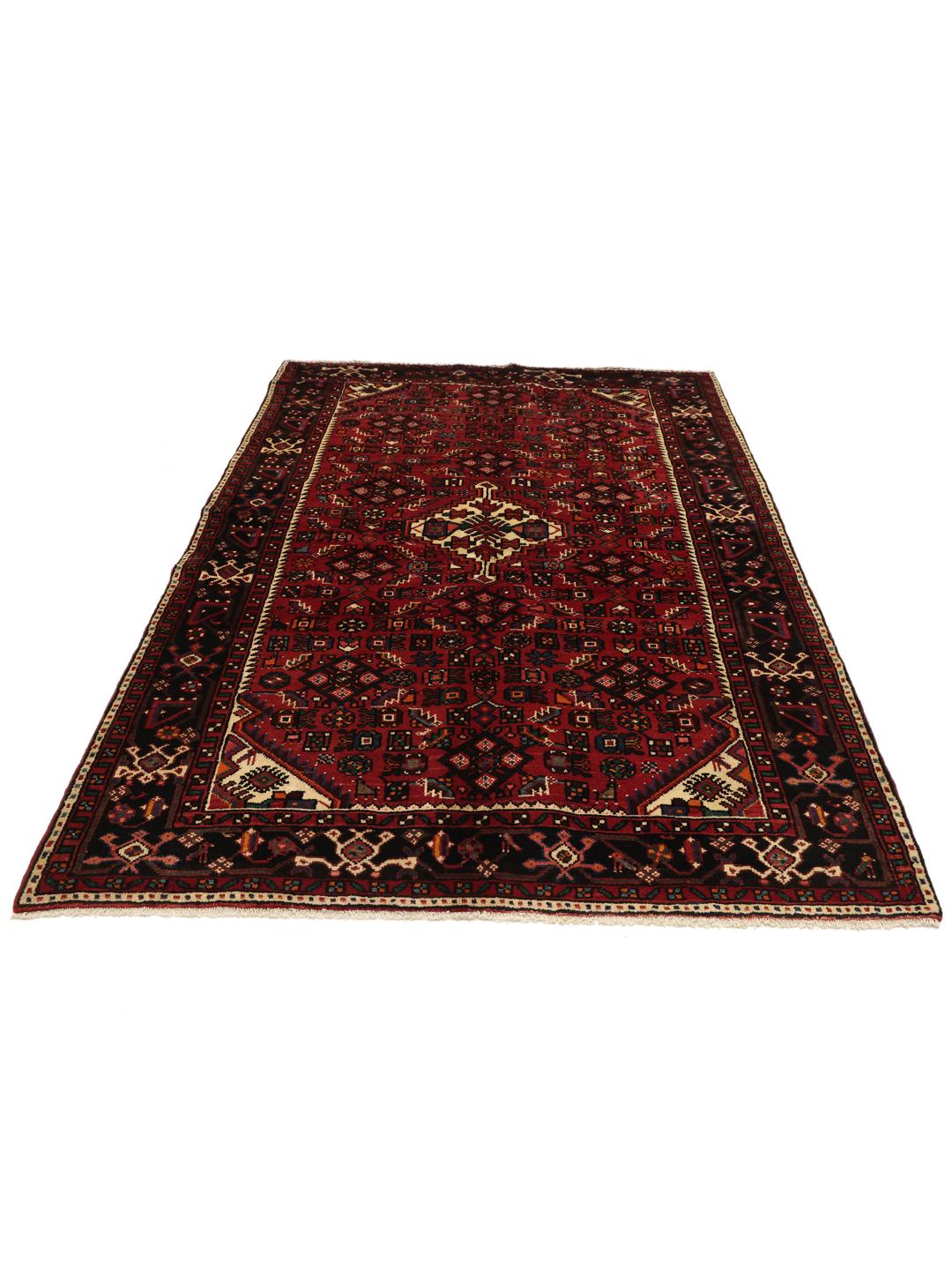
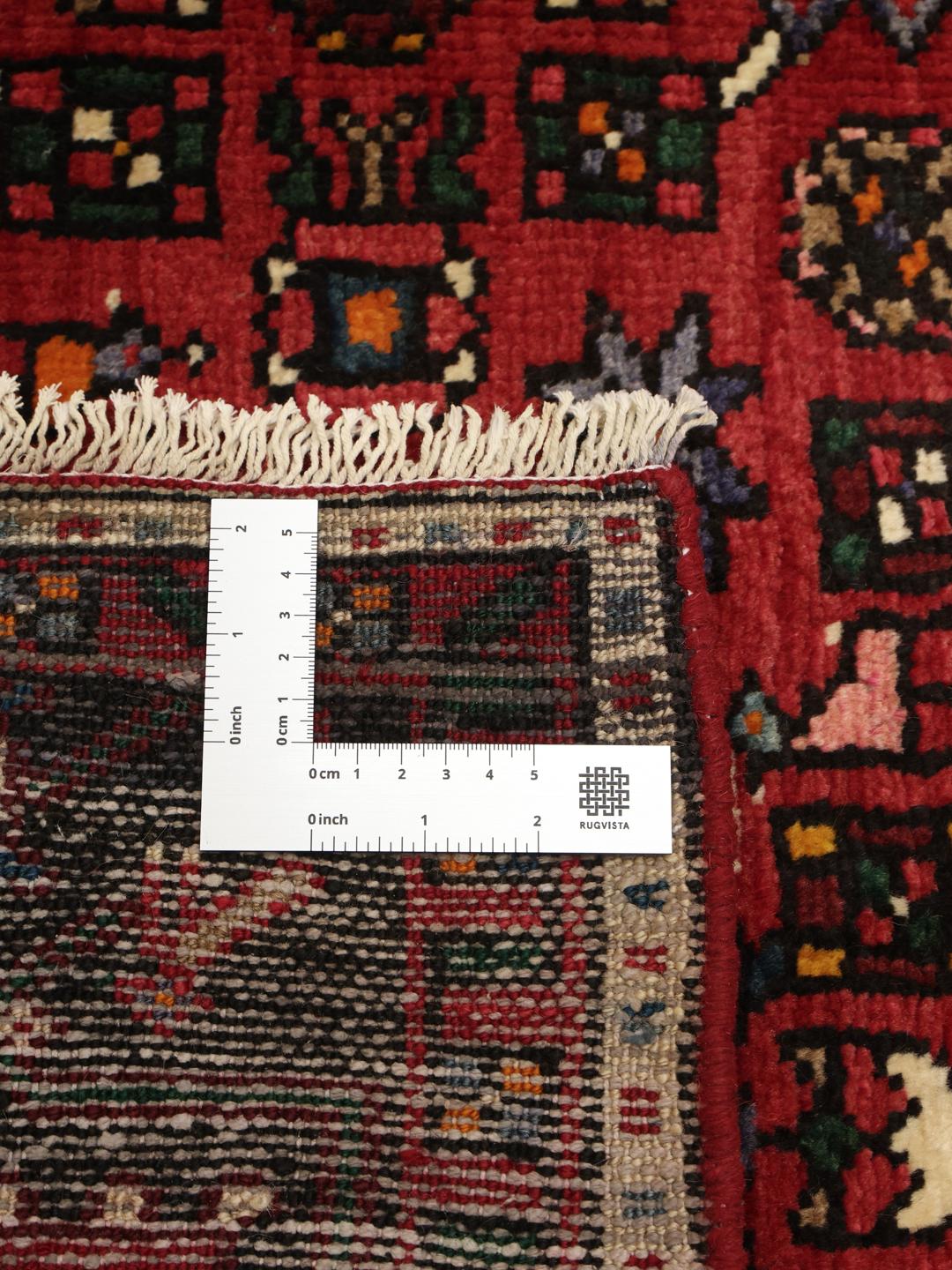
The Hamadan region, located in the western part of the Middle East, is one of the oldest and most significant centres for rug production in the world. The tradition here is deeply rooted in the daily lives of the local communities, where weaving has been passed down through generations as both a necessity and an artistic expression.
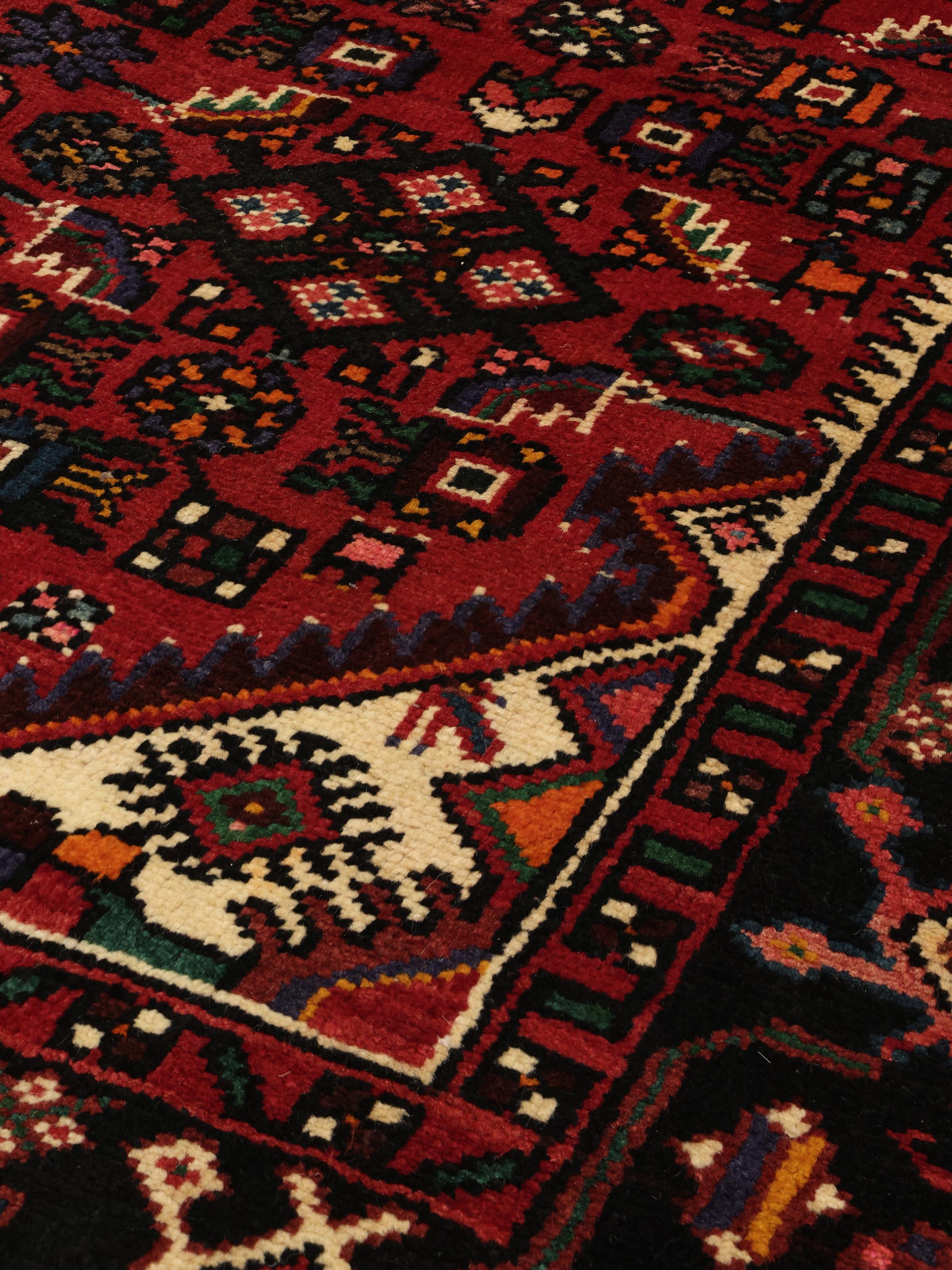
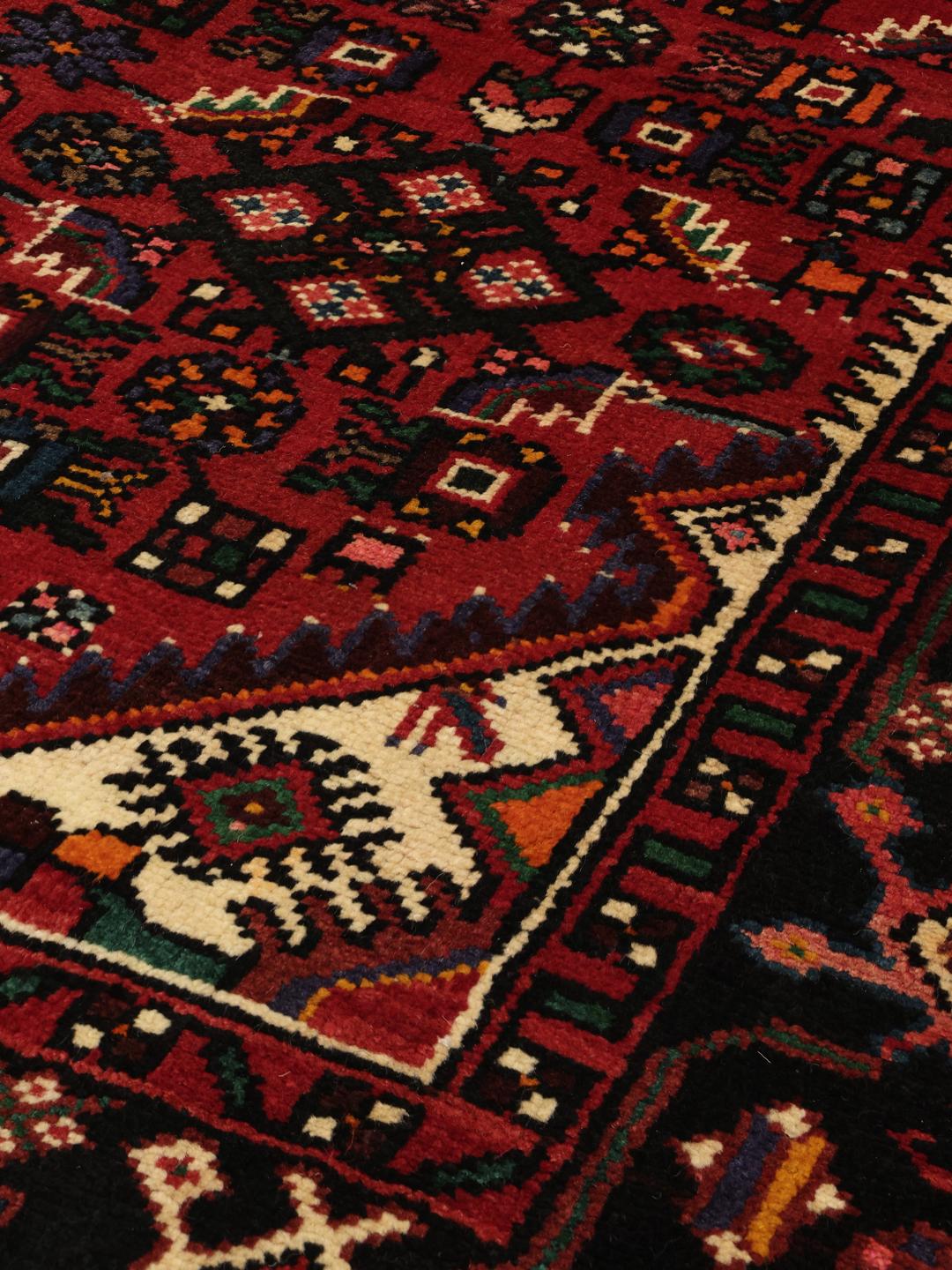
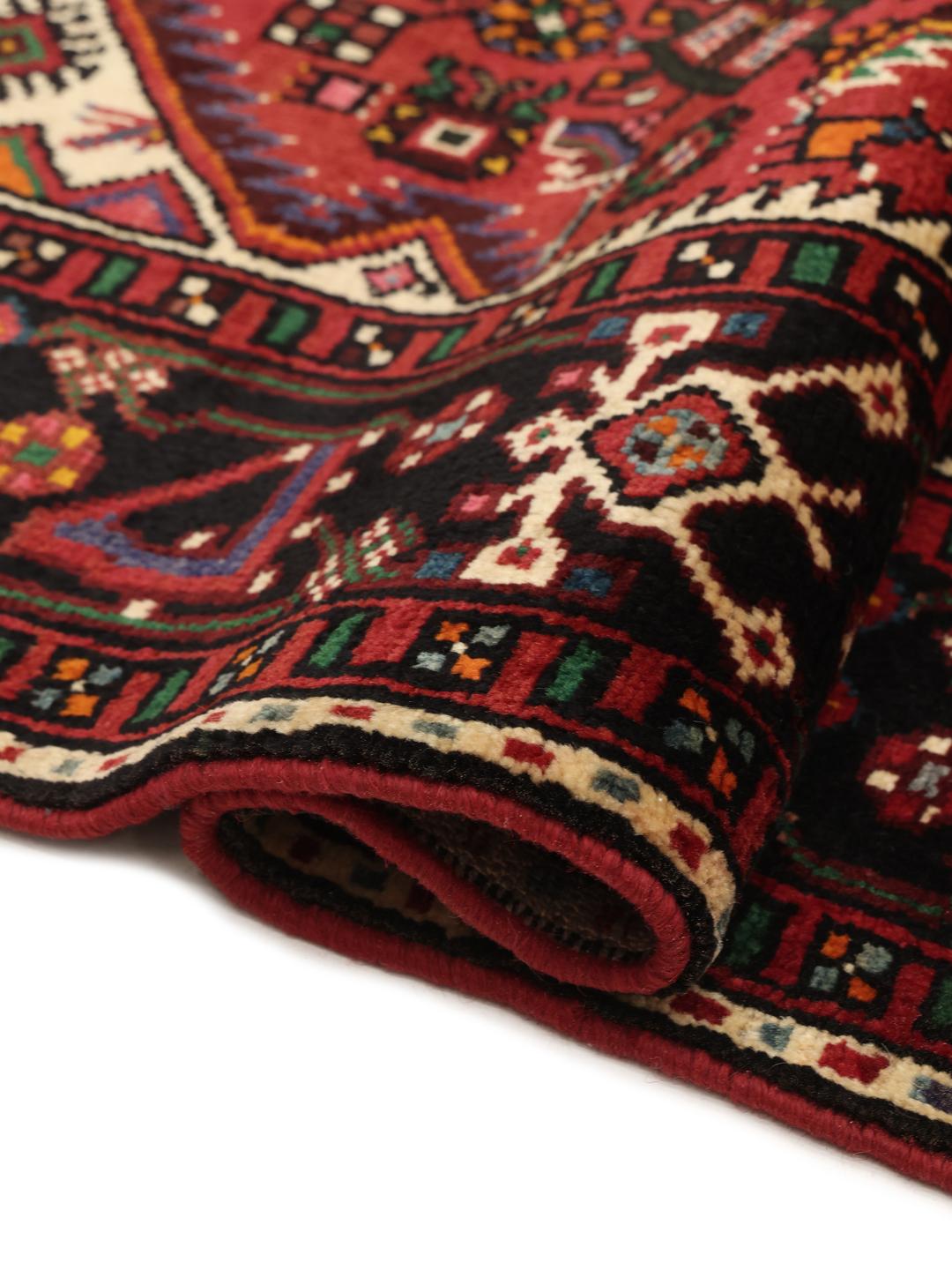
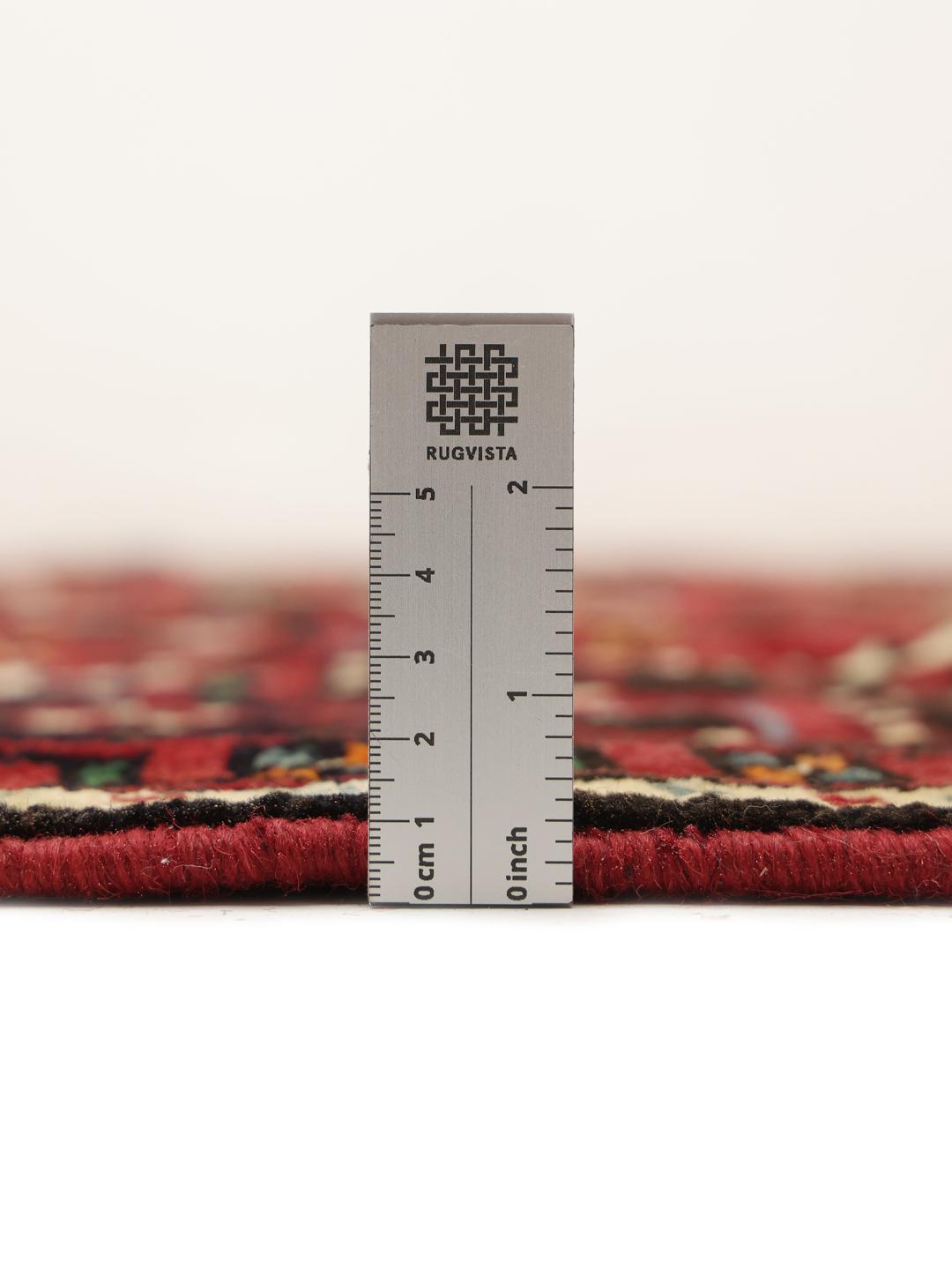
The term 'Hamadan' refers to a wide variety of rugs produced in the city itself and the hundreds of surrounding villages. These rugs are highly regarded for their robust construction, which often utilises a sturdy foundation to support a resilient wool pile. This combination is designed to handle the rigours of village life, making them some of the most reliable and long-lasting rugs available.
Visually, these rugs are celebrated for their diverse range of geometric designs and floral motifs. While central medallions are common, many Hamadan rugs feature repeating patterns or 'herati' designs that create a sophisticated, balanced look. The use of rich, deep colours, particularly deep reds and blues, is a hallmark of the style, often contrasted against dark borders that frame the composition.
Collecting a Hamadan rug is an investment in a living tradition. Because these pieces are made in small batches in village workshops rather than large factories, they carry a sense of authenticity and human touch that is increasingly rare. Owning one means connecting with a legacy of craftsmanship that has survived for centuries, bringing a piece of cultural heritage into your own home.