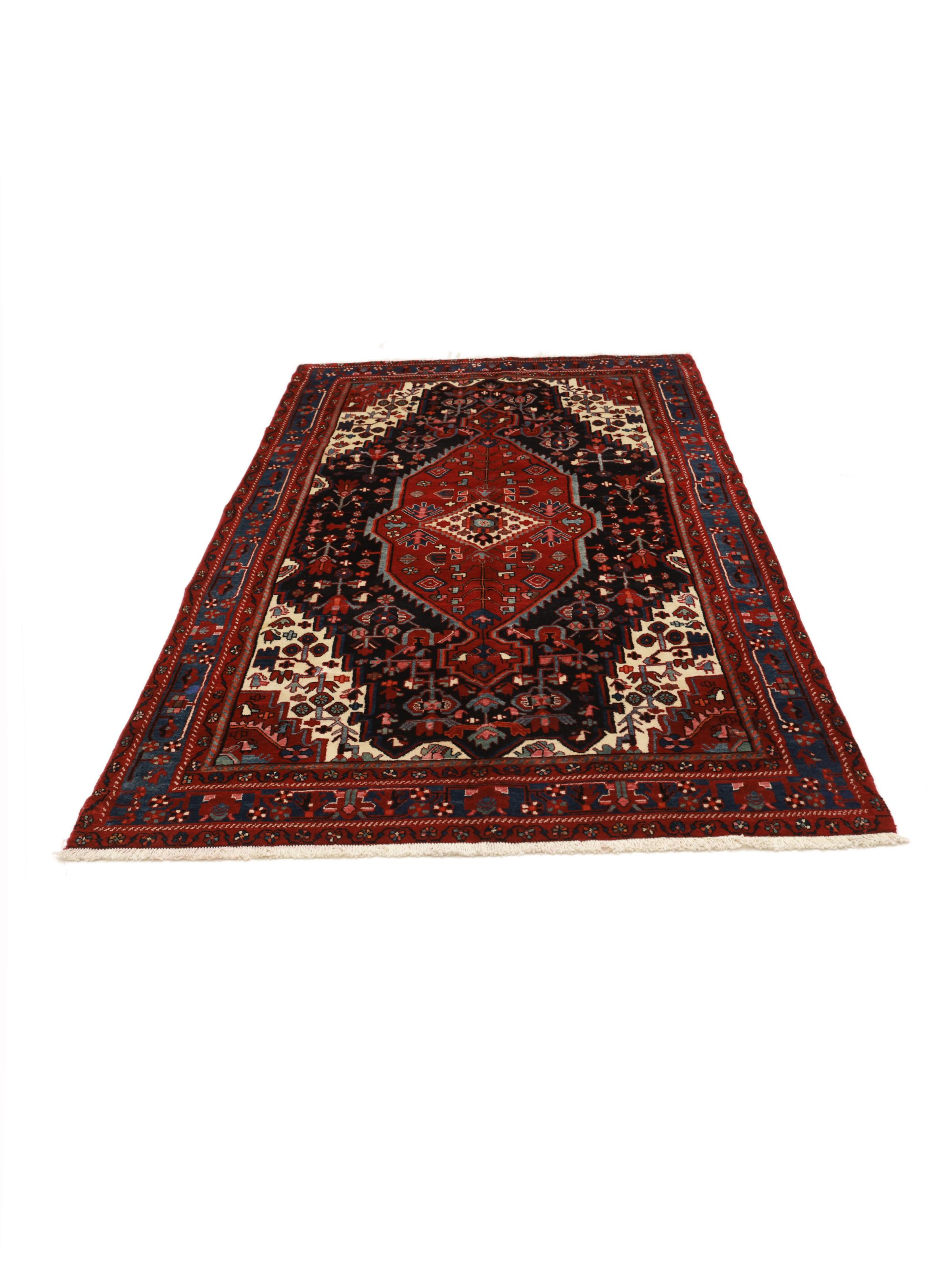
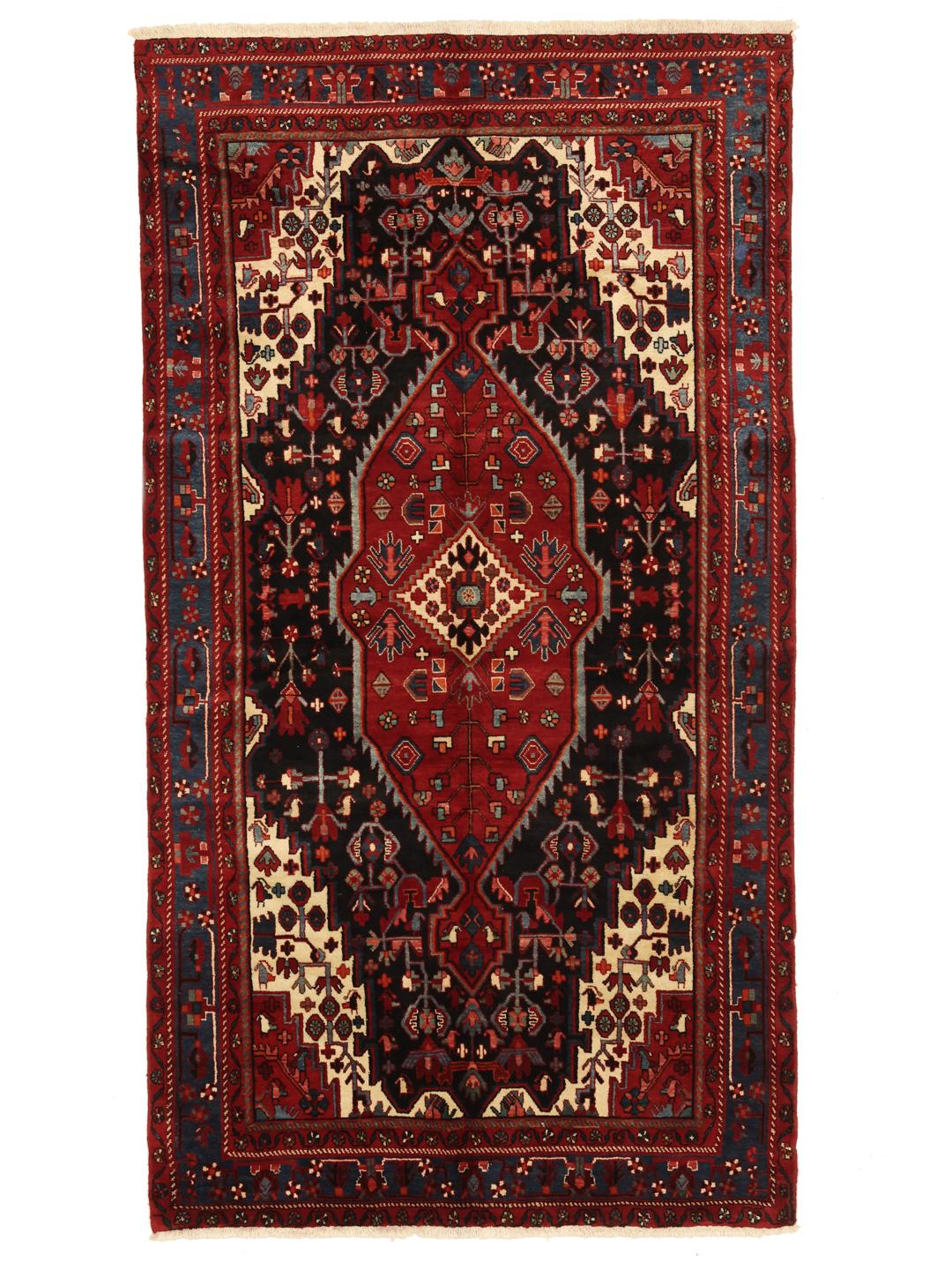
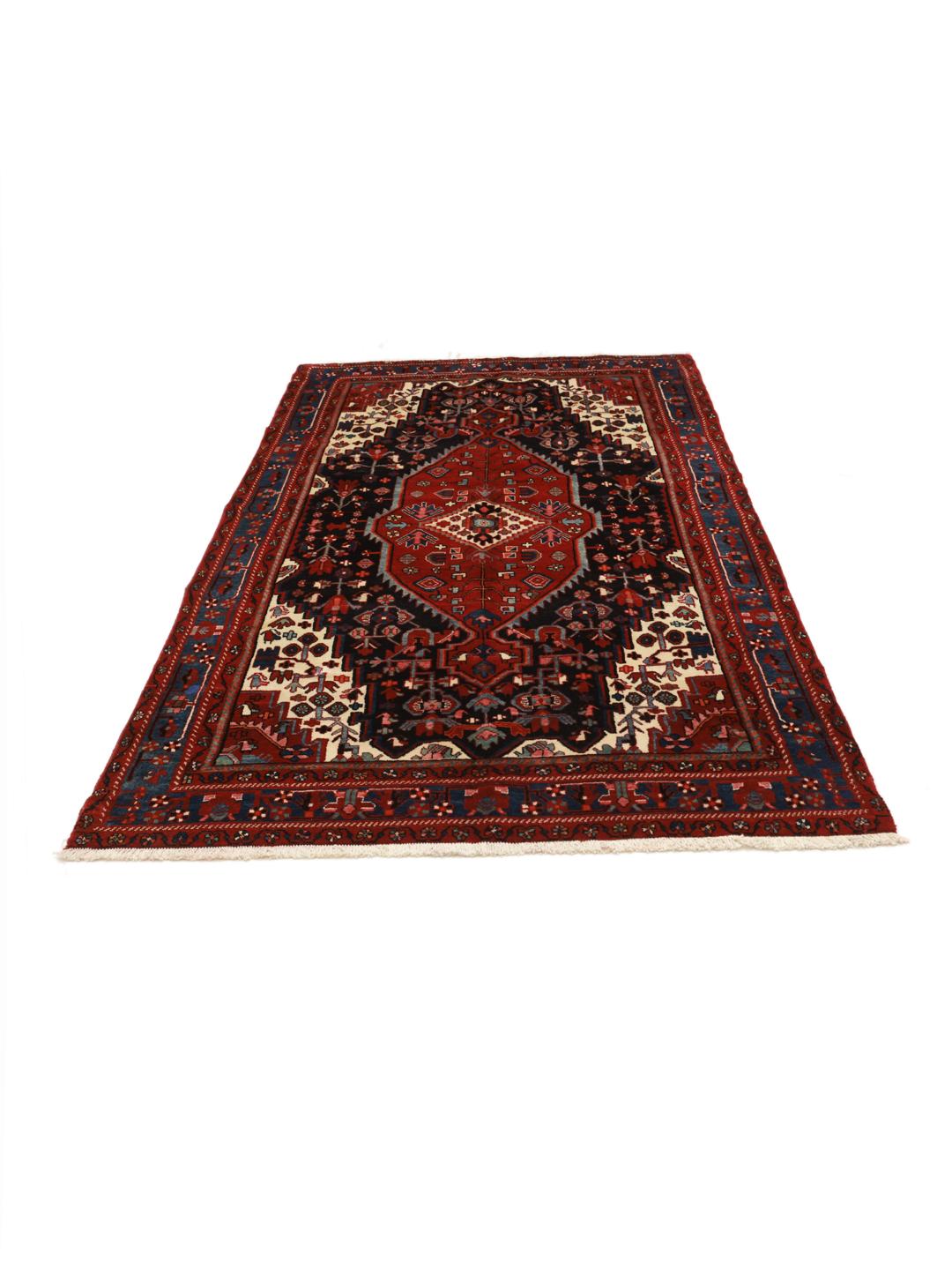
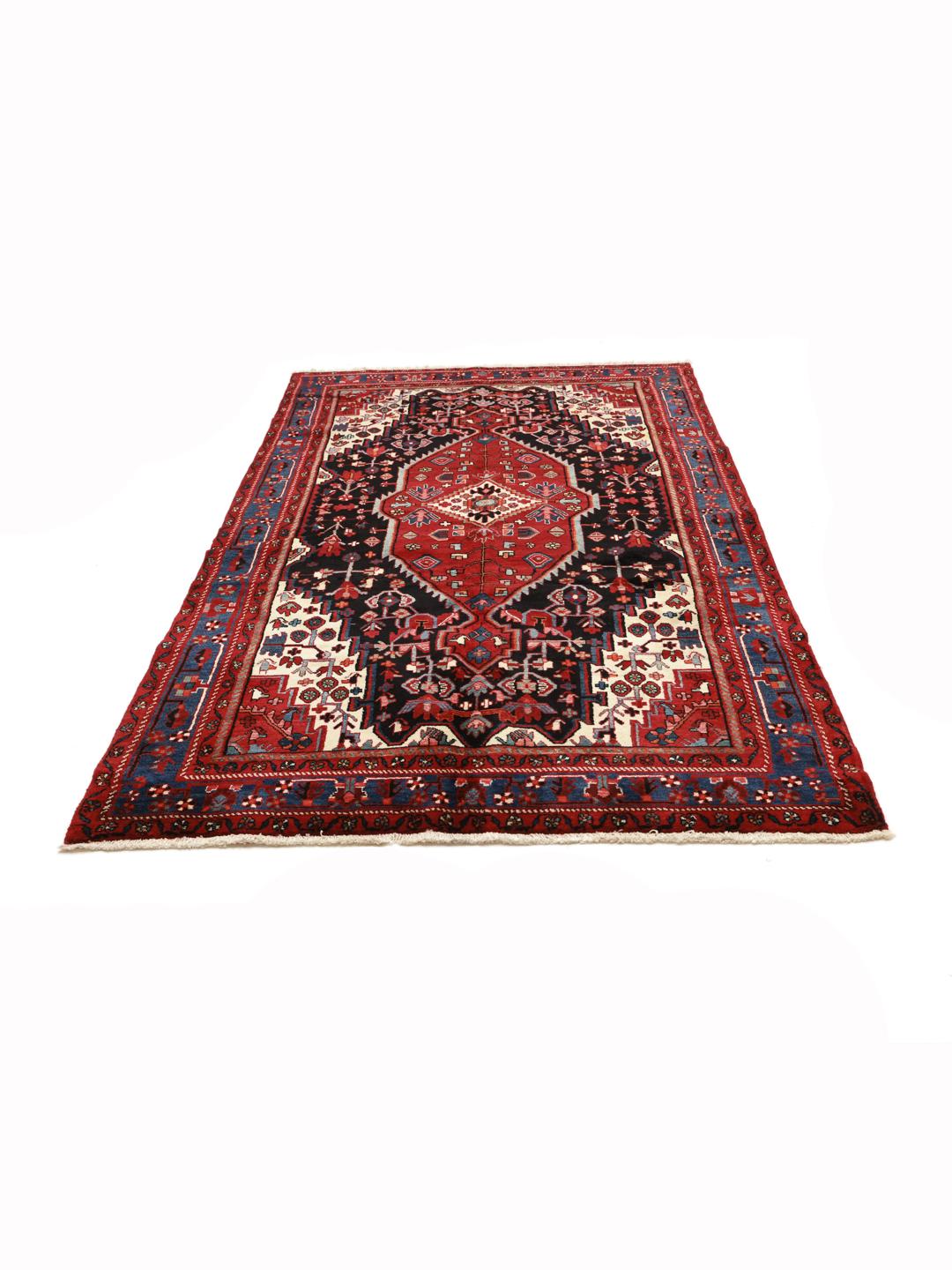
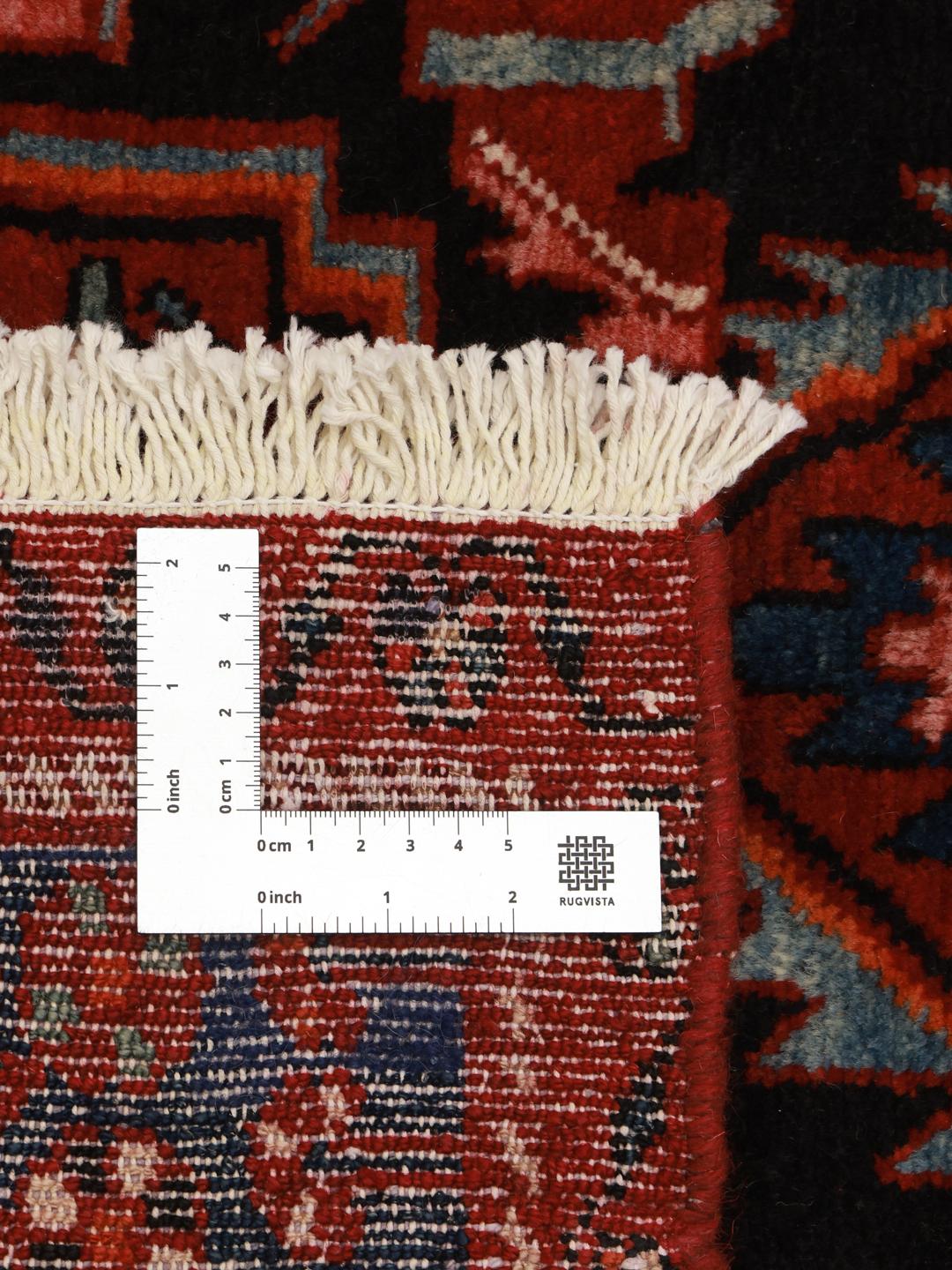
The Hamadan rug takes its name from one of the oldest cities in the Middle East, a historic hub located on the ancient trade routes. For centuries, the villages surrounding this region have developed a distinct weaving identity, characterised by a vast array of geometric motifs and a robust, reliable construction that has made them highly sought after by collectors and homeowners alike.
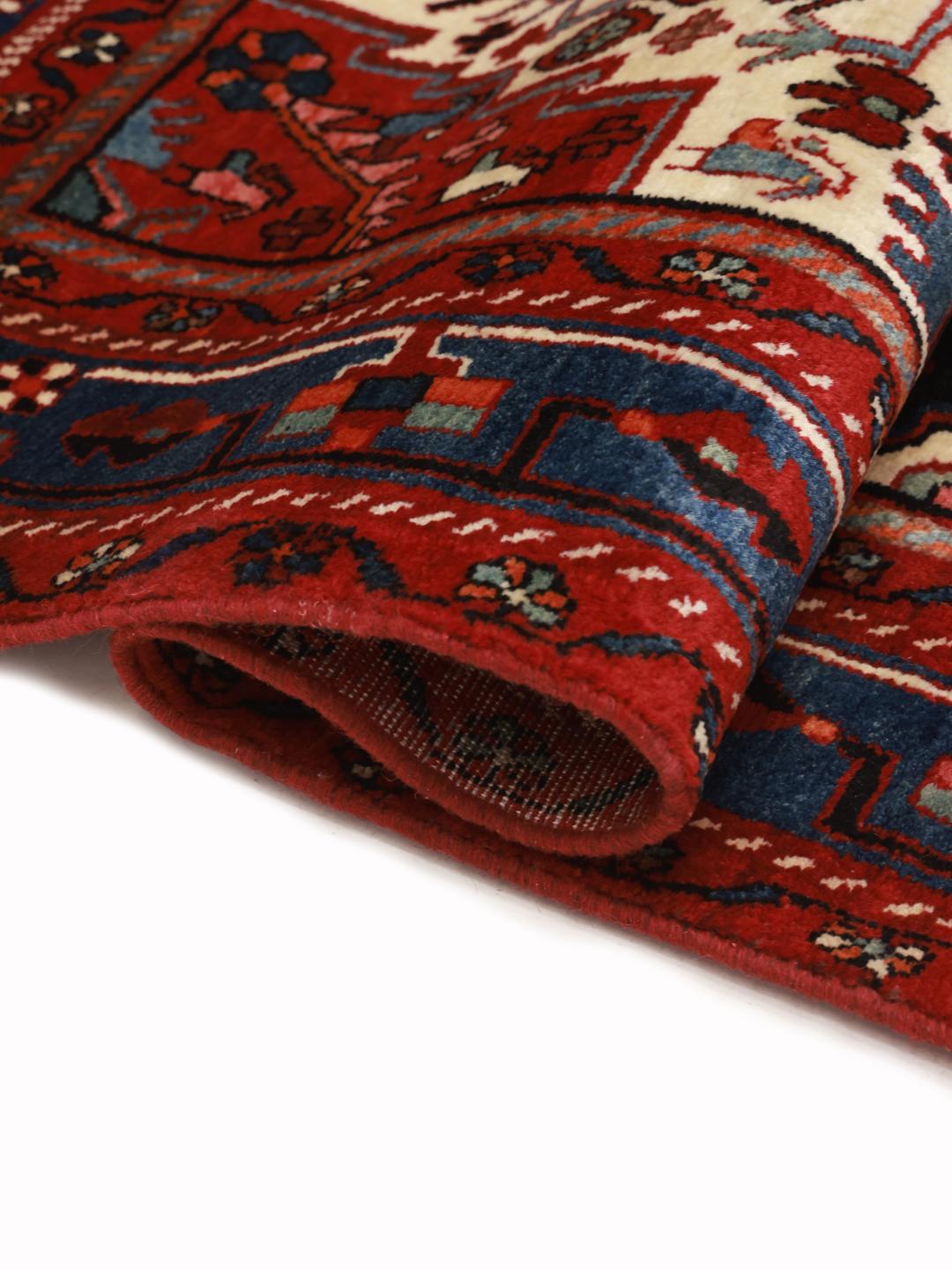
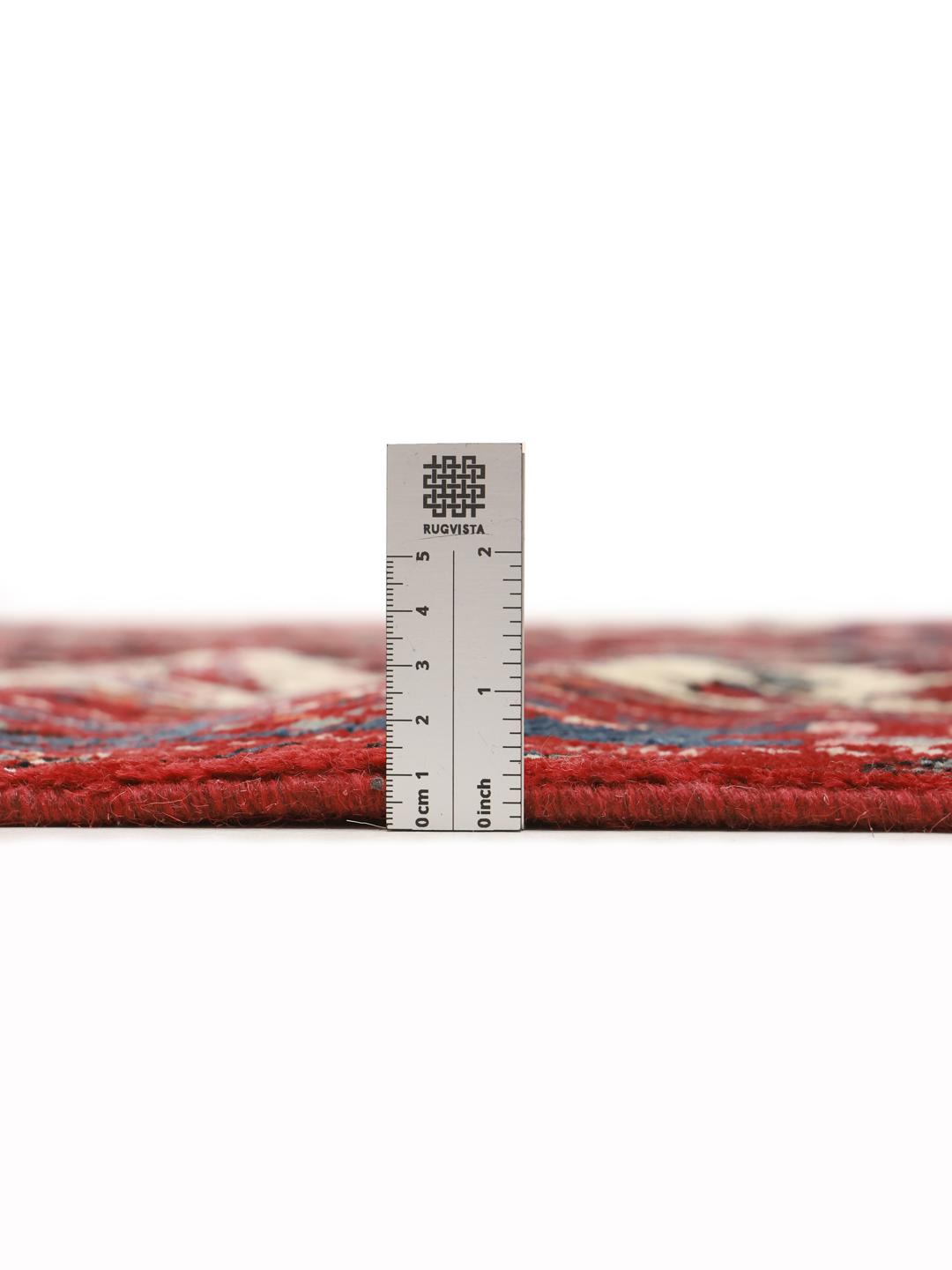
These rugs are typically defined by their sturdy, village-style construction, which often utilises a high-quality wool pile. The term Hamadan encompasses a wide variety of designs, as each village and weaving family brings their own local traditions to the loom. This diversity is what makes the category so fascinating, as it allows for a broad spectrum of creative expression within a historically grounded framework.
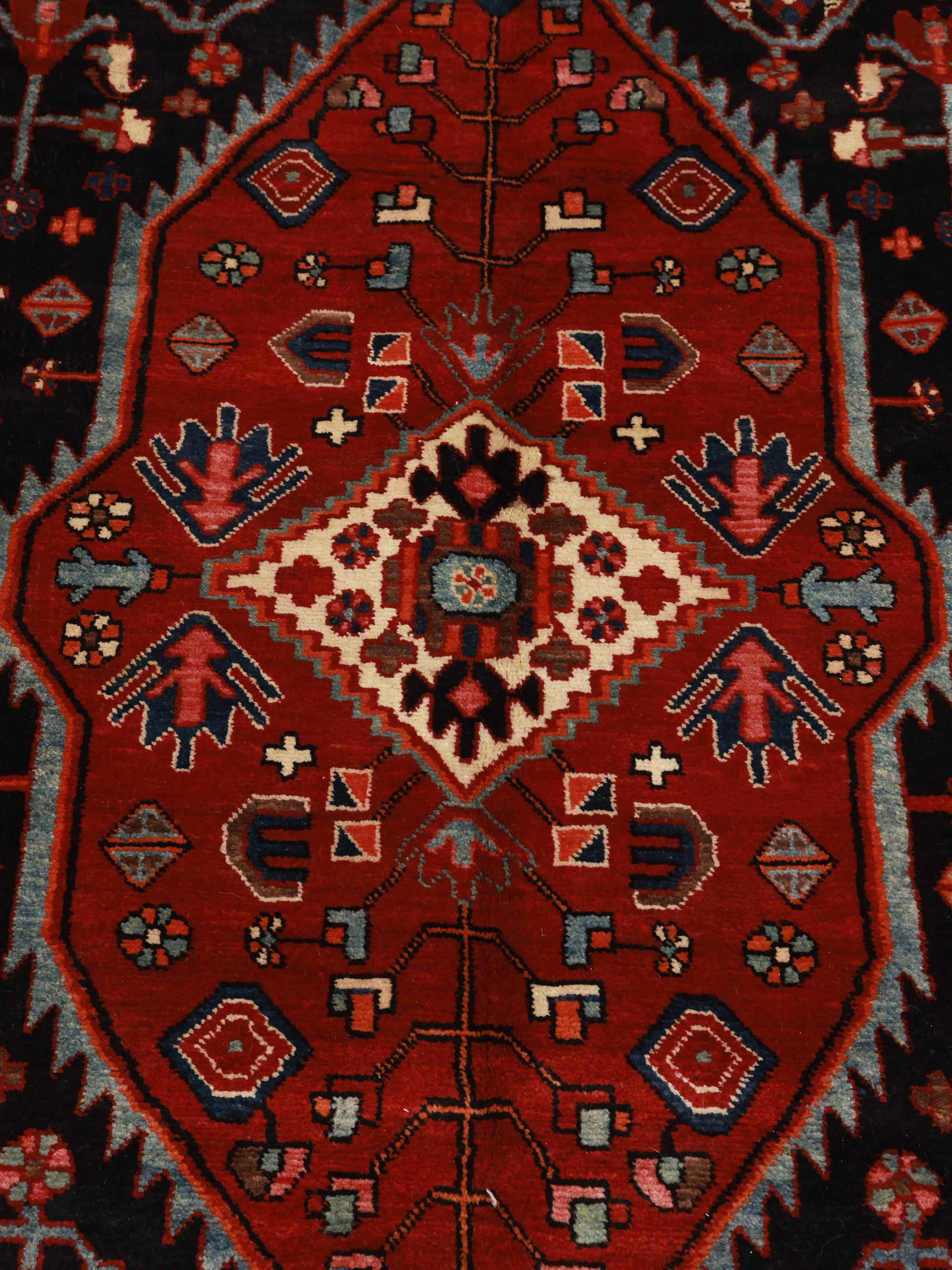
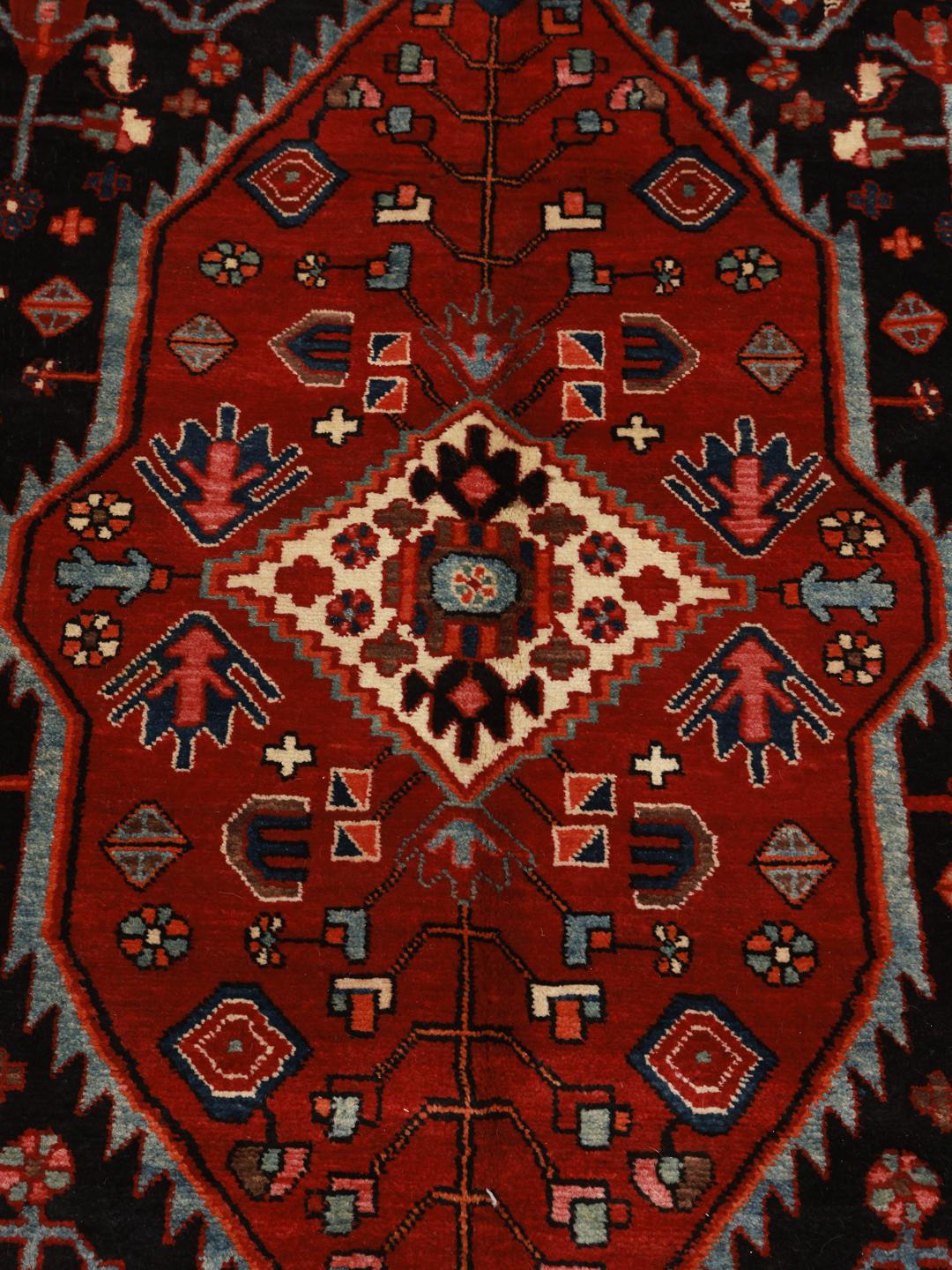
Visually, Hamadan rugs are famous for their bold, rhythmic use of geometric patterns and stylised floral motifs. Many feature a central medallion, often diamond-shaped or hexagonal, surrounded by a field of intricate, repeating elements. The colour palettes are traditionally rich, often drawing on deep reds and dark blues to create a striking contrast against the dark, moody backgrounds that give these rugs their signature look.
Owning a Hamadan rug is a way to preserve a piece of living history. These rugs are valued not only for their aesthetic beauty but for the skill and cultural heritage they represent. Because they are hand-crafted by local artisans using traditional methods, each rug serves as a testament to the enduring nature of Middle Eastern textile traditions, offering a sense of history that mass-produced décor simply cannot provide.