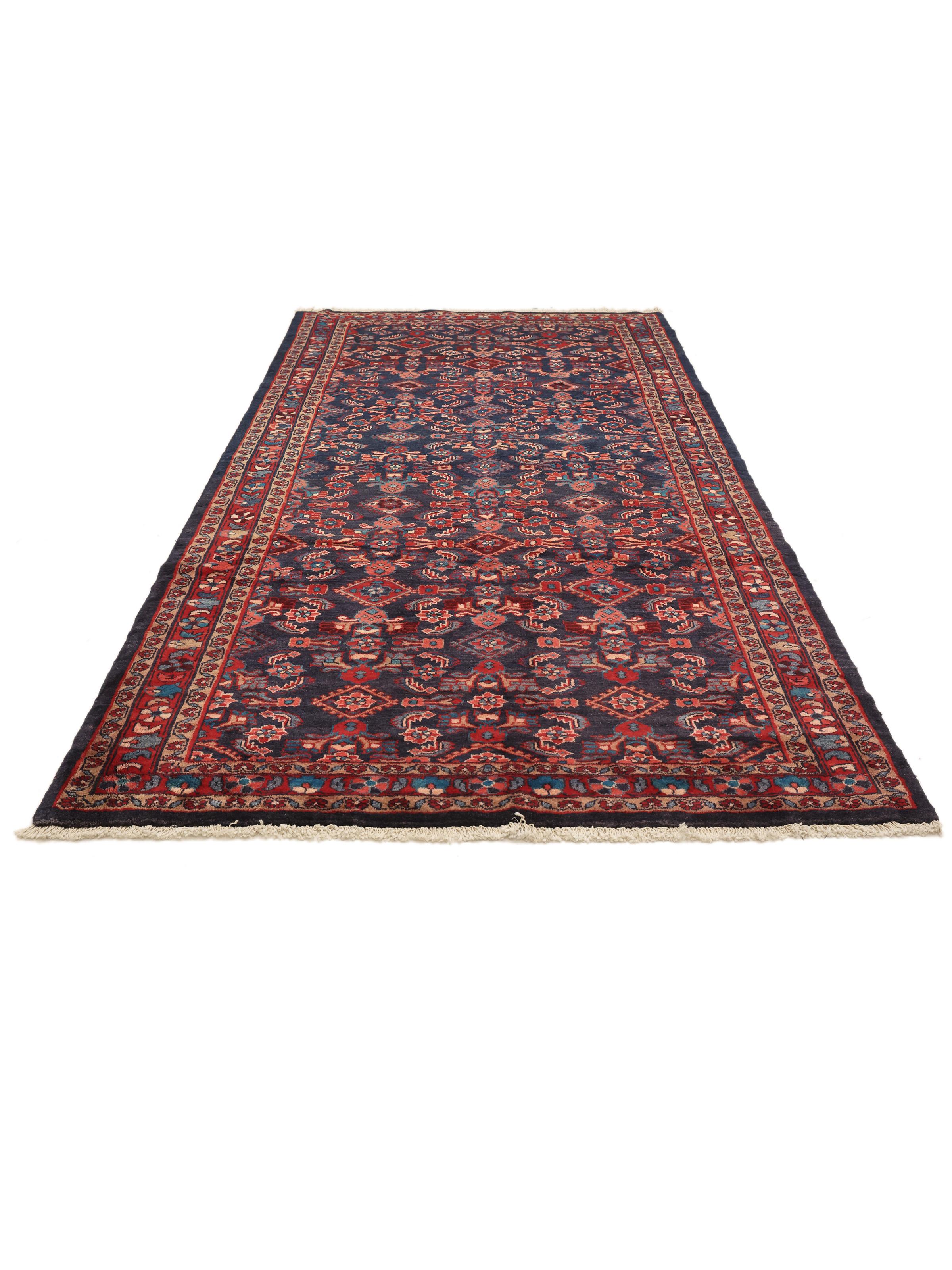
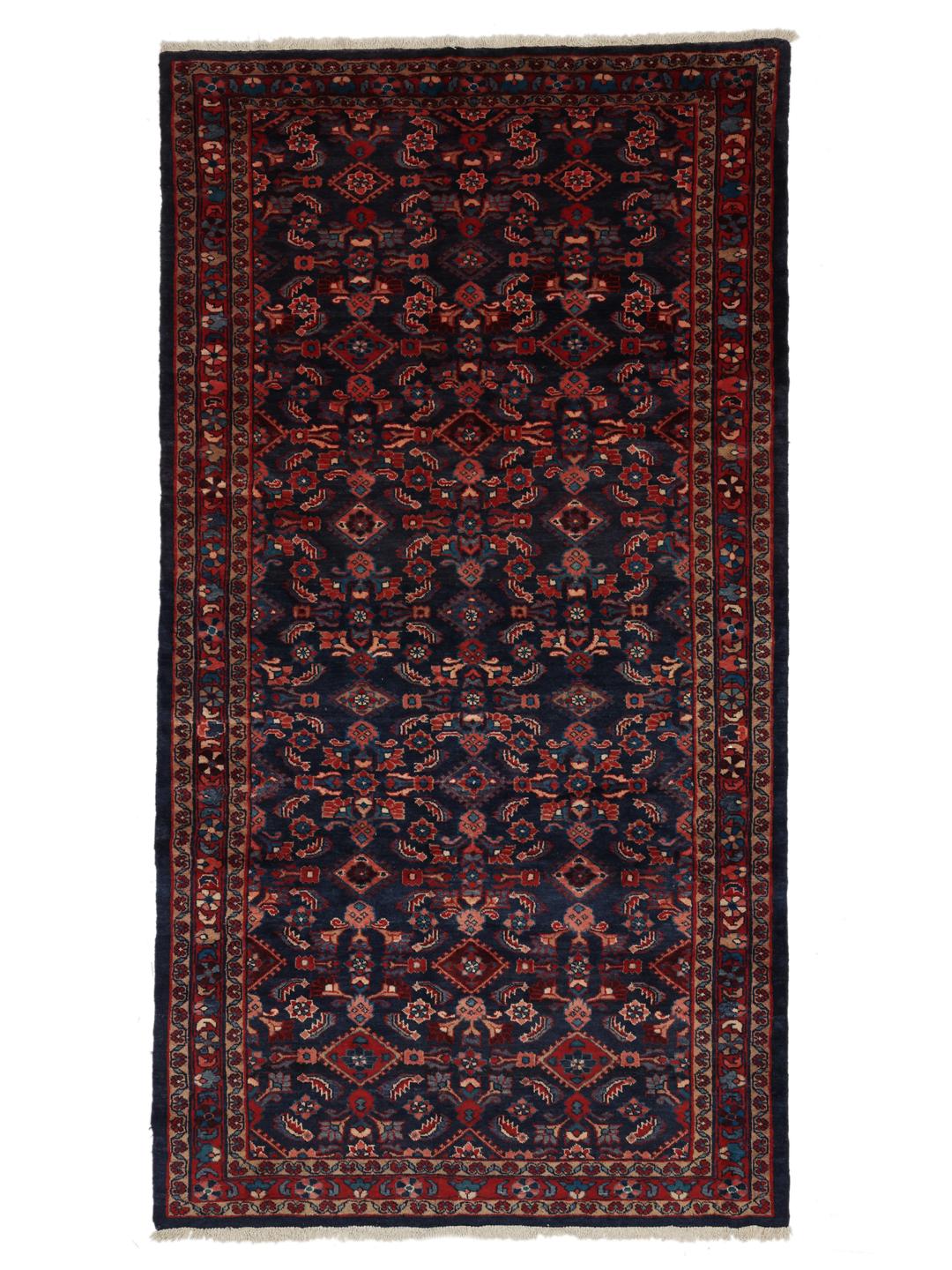
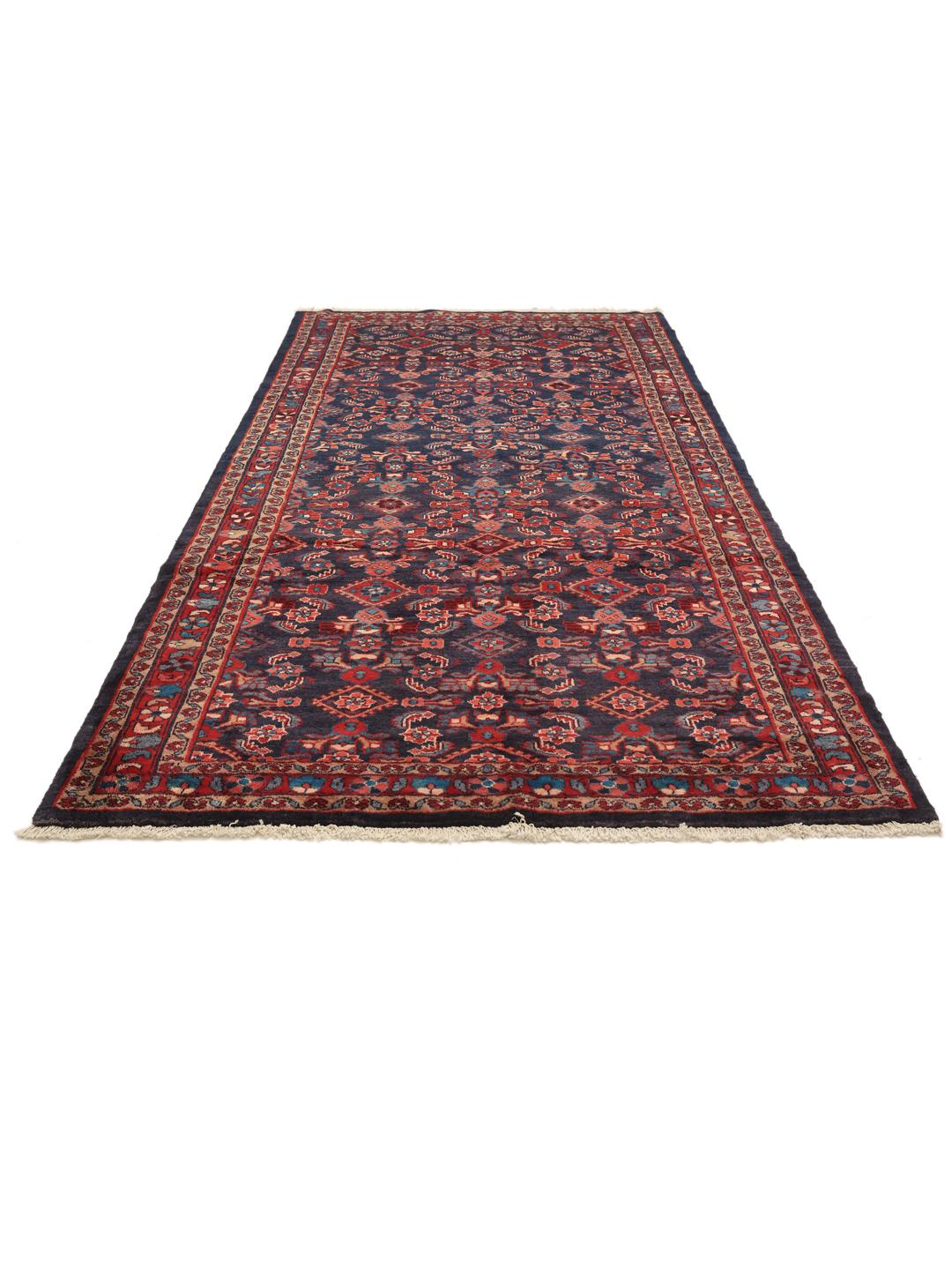
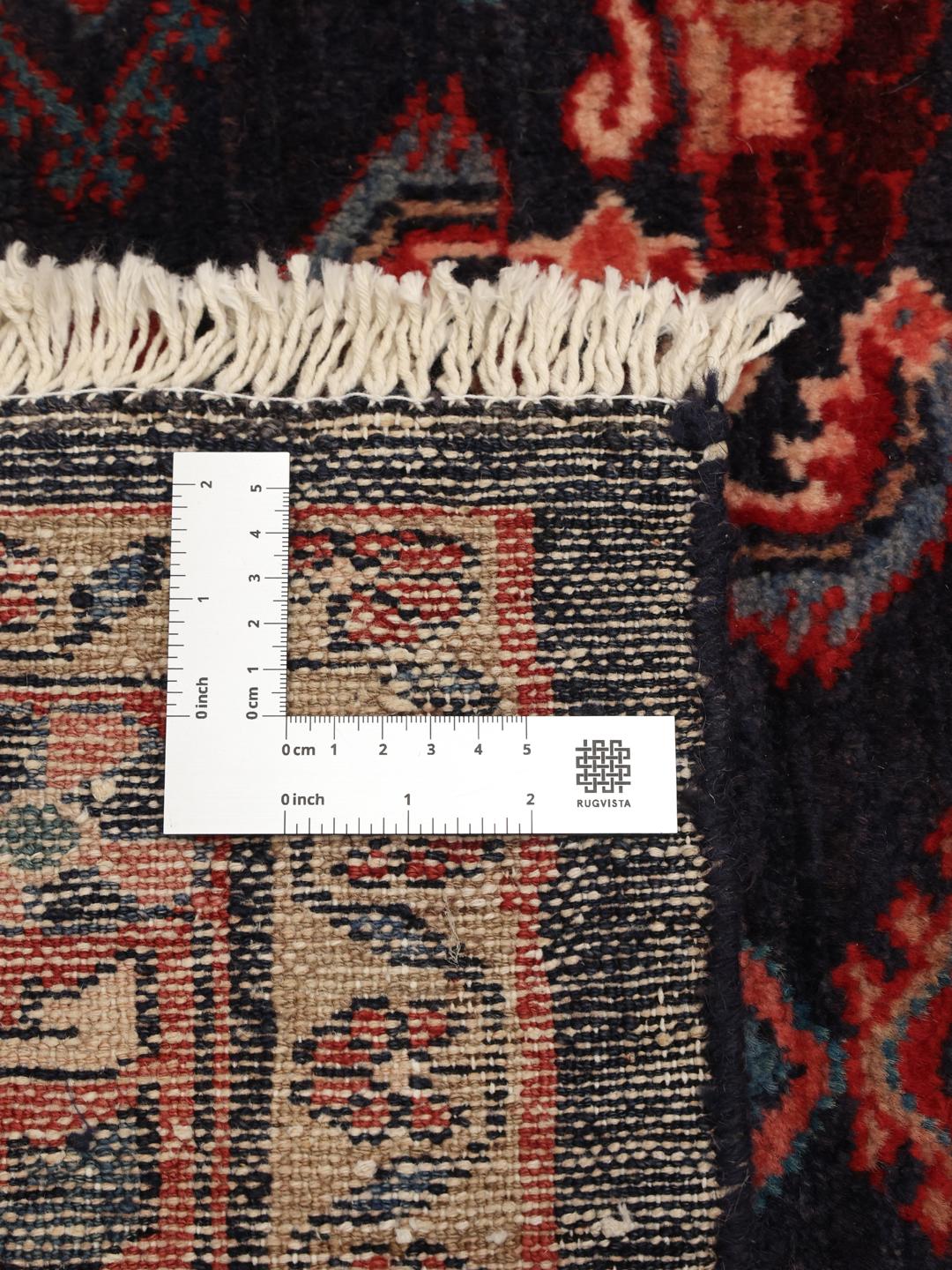
Hamadan rugs originate from one of the oldest cities in the world, located in the mountainous region of the Middle East. This area has long been a hub for weaving, acting as a collection and distribution centre for the surrounding villages. Each village in the region often develops its own distinct interpretation of classic motifs, resulting in a diverse and rich tradition of rug production that has evolved over centuries.
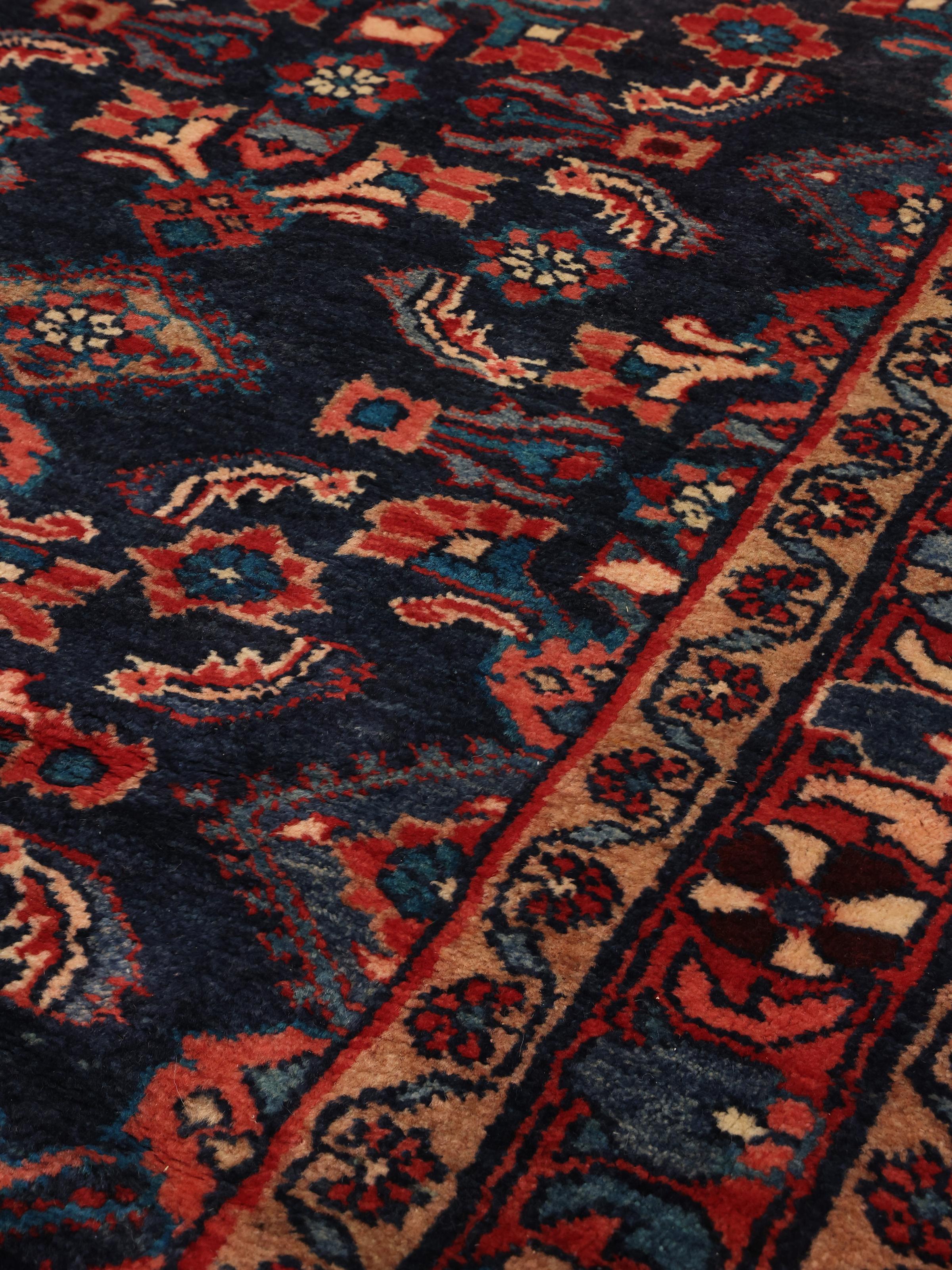
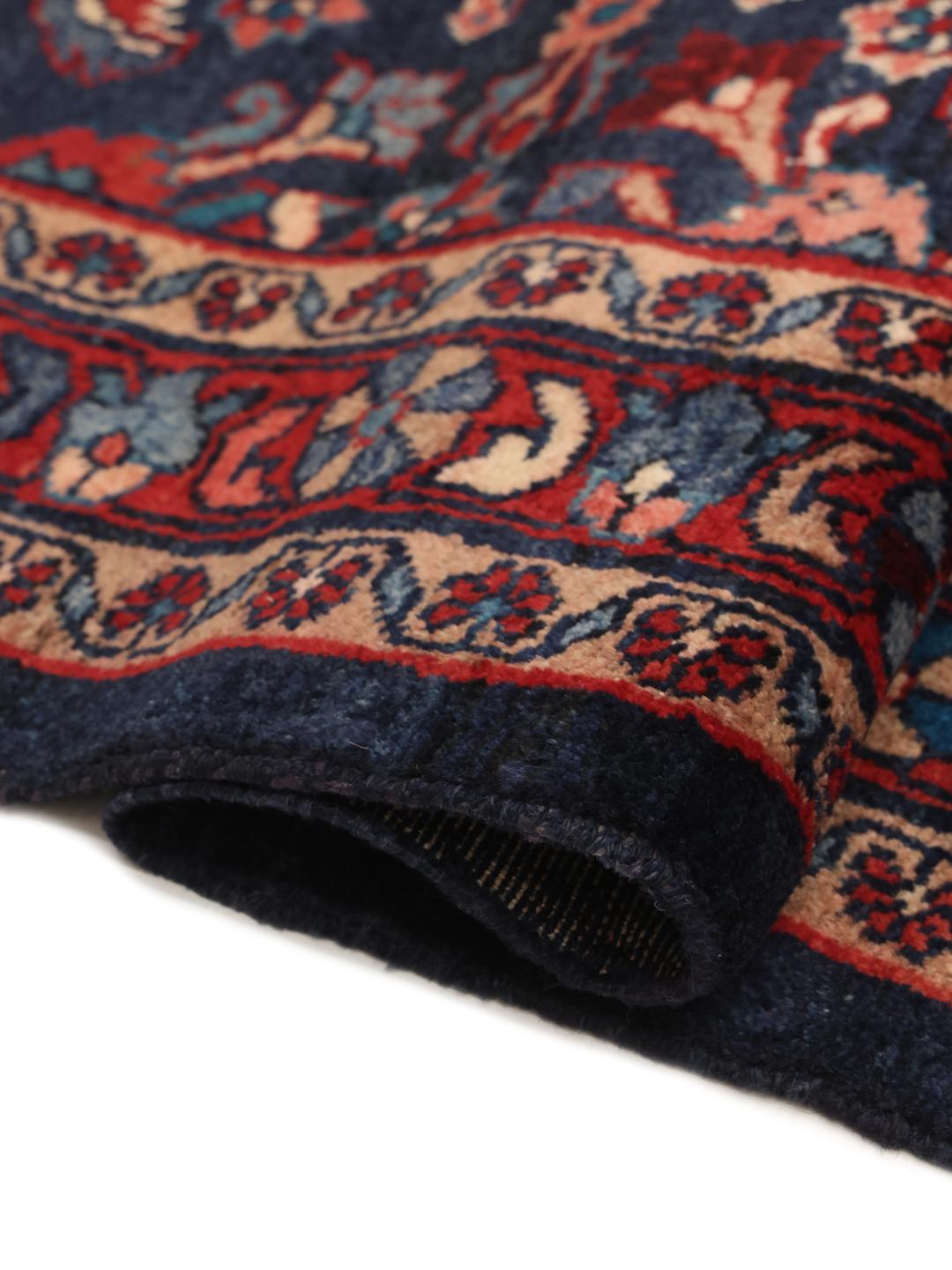
The term Hamadan refers to a wide variety of rugs produced in this region, which are known for their sturdy construction and use of high-quality wool. These rugs are typically characterised by their durability, making them an ideal choice for households that value both aesthetic appeal and practical performance. The skill required to produce such consistent results across various village workshops is a hallmark of this storied weaving tradition.
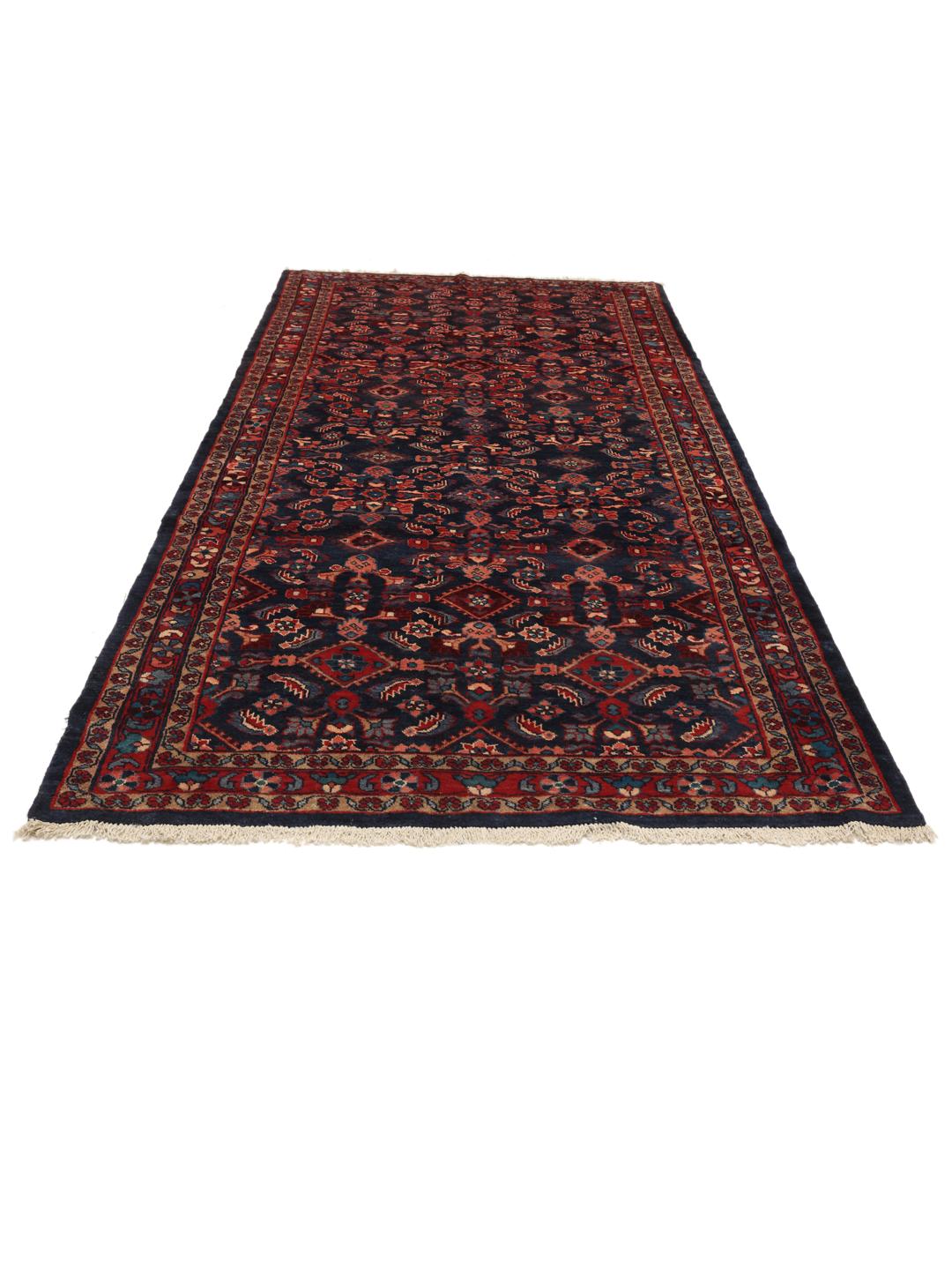
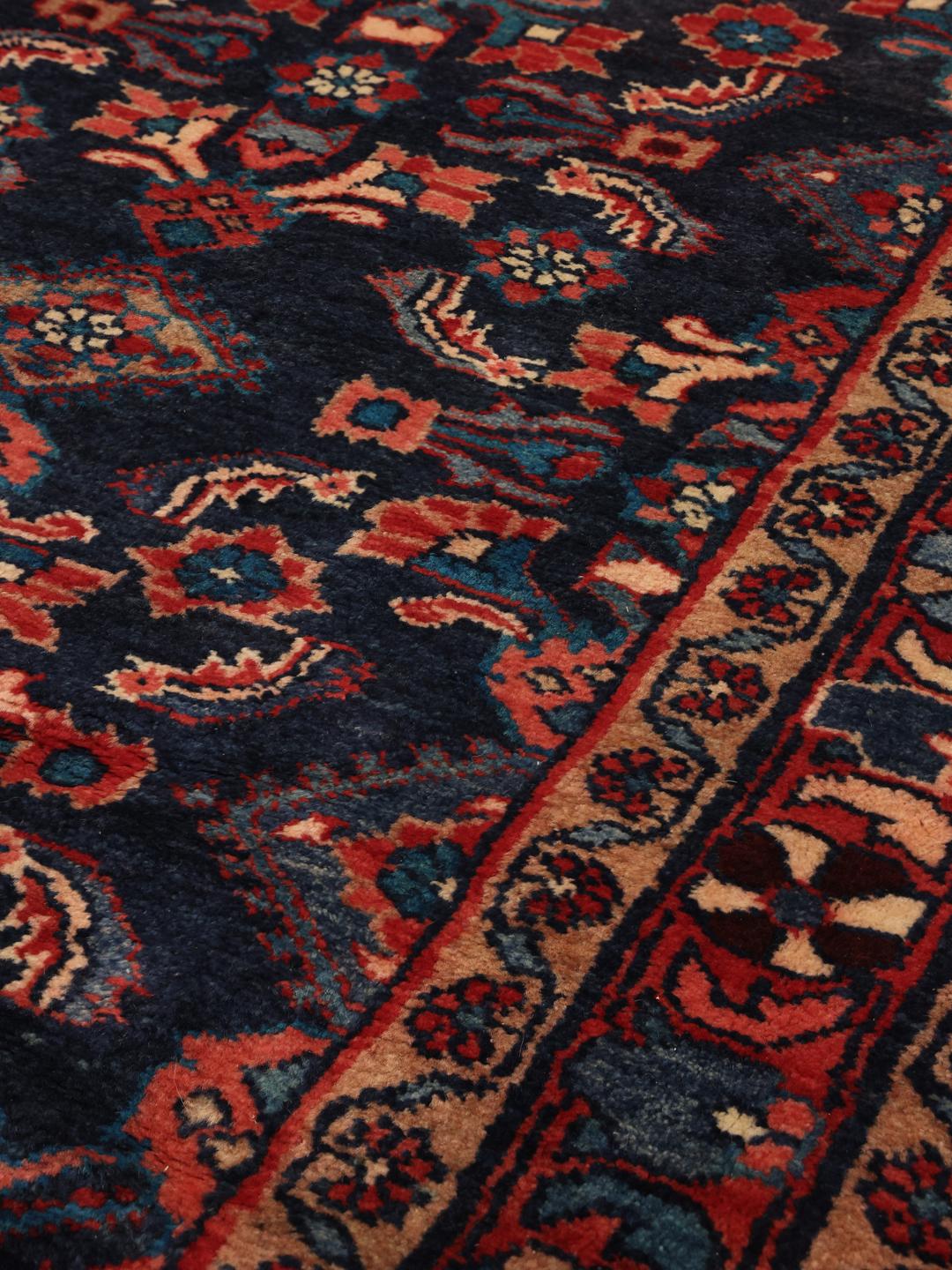
Design-wise, these rugs frequently feature a central medallion surrounded by a field of smaller, repeating floral or geometric motifs. The borders are often formal and well-defined, providing a balanced frame for the central artwork. While red and blue tones are traditional, the specific colour palette found in this piece showcases the artisan's ability to blend deep, moody hues into a harmonious and balanced composition.
Collecting a Hamadan rug is a way to connect with a long, continuous history of craftsmanship. These pieces are valued for their authenticity and the personal touch of the weaver, which is absent in mass-produced alternatives. By choosing this rug, you are preserving a cultural legacy and adding a piece of genuine history to your living environment.