Hamadan rugs originate from one of the oldest cities in the Middle East, a historic hub located on the ancient trade routes. The weaving tradition in this region is deeply rooted in local culture, where designs often reflect the surrounding landscape and the specific heritage of the nomadic and village communities that have called this area home for centuries.
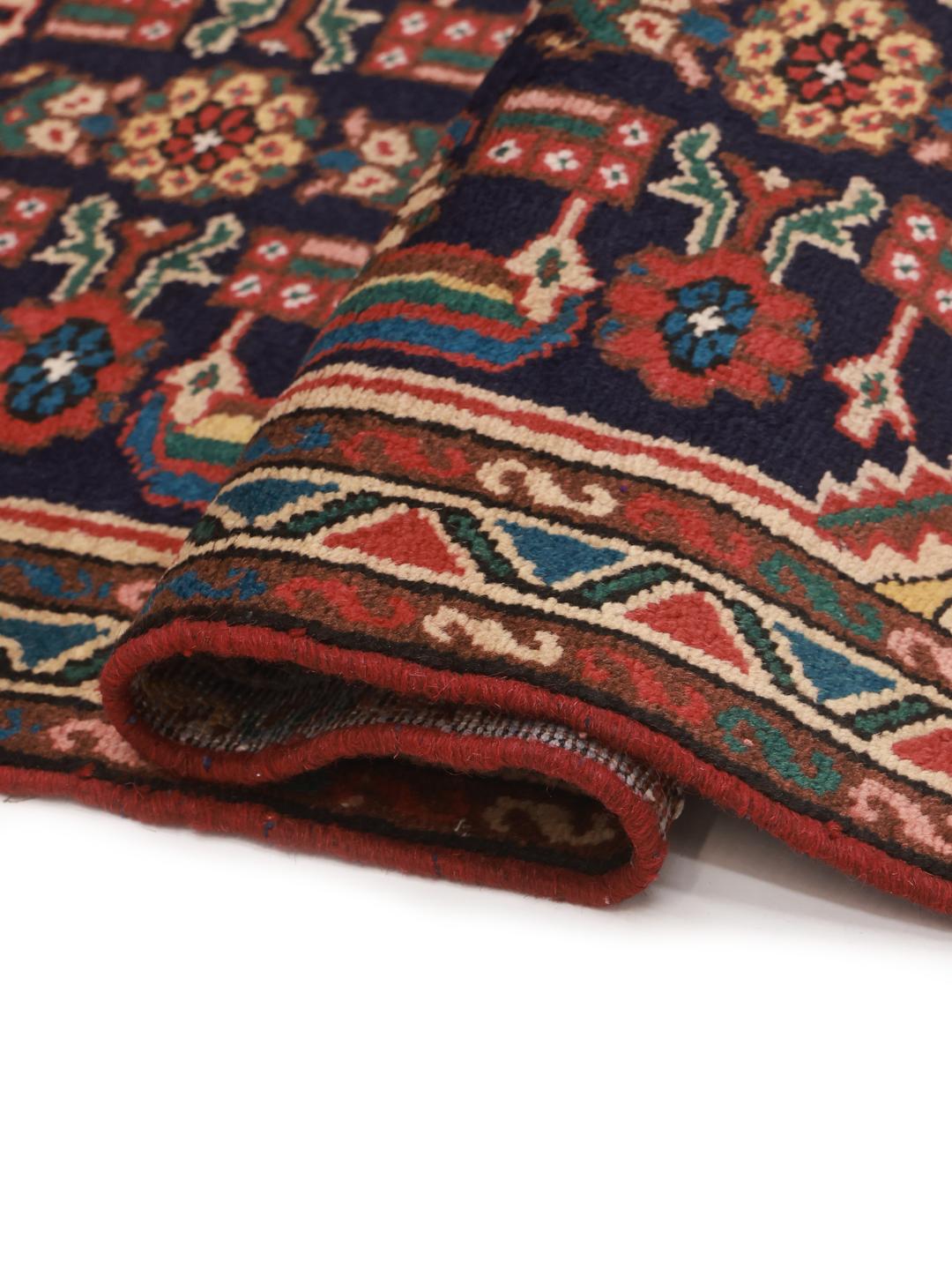
The term Hamadan refers not just to a single style, but to a diverse family of rugs produced in hundreds of villages surrounding the city. These rugs are renowned for their variety, yet they share a common commitment to using high-quality local materials, often featuring a foundation that ensures the rug remains flat and stable over many years of use.
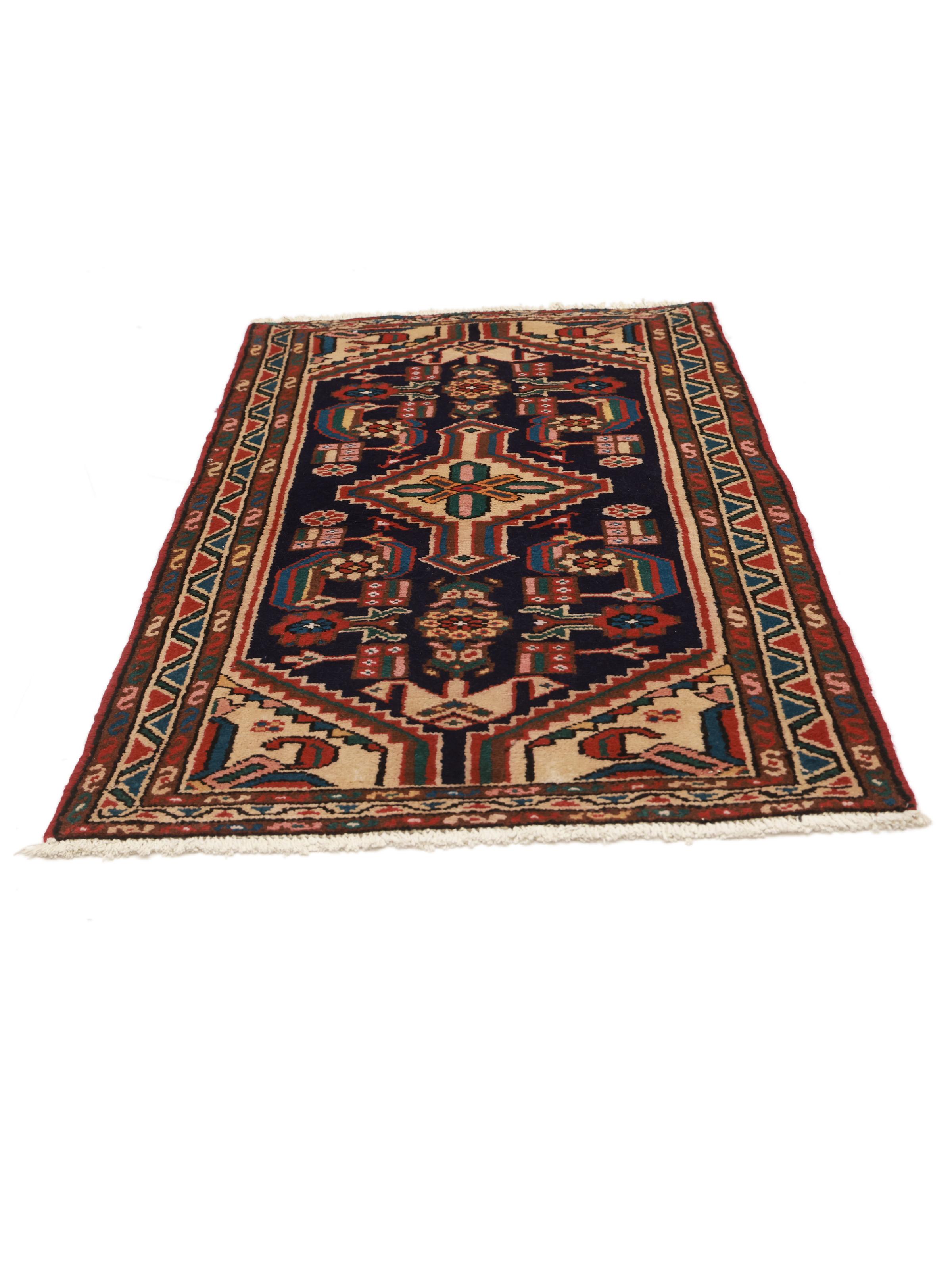
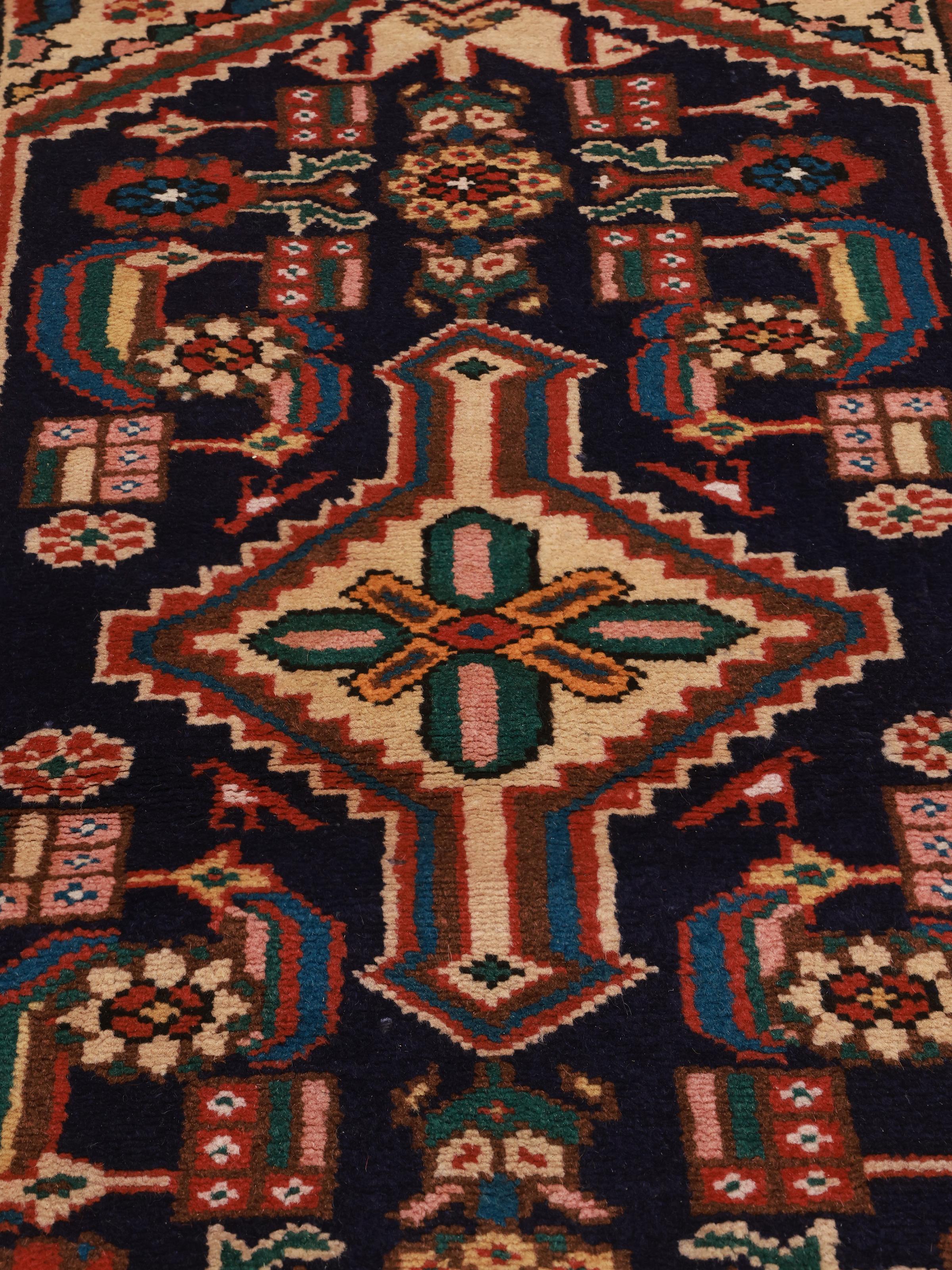
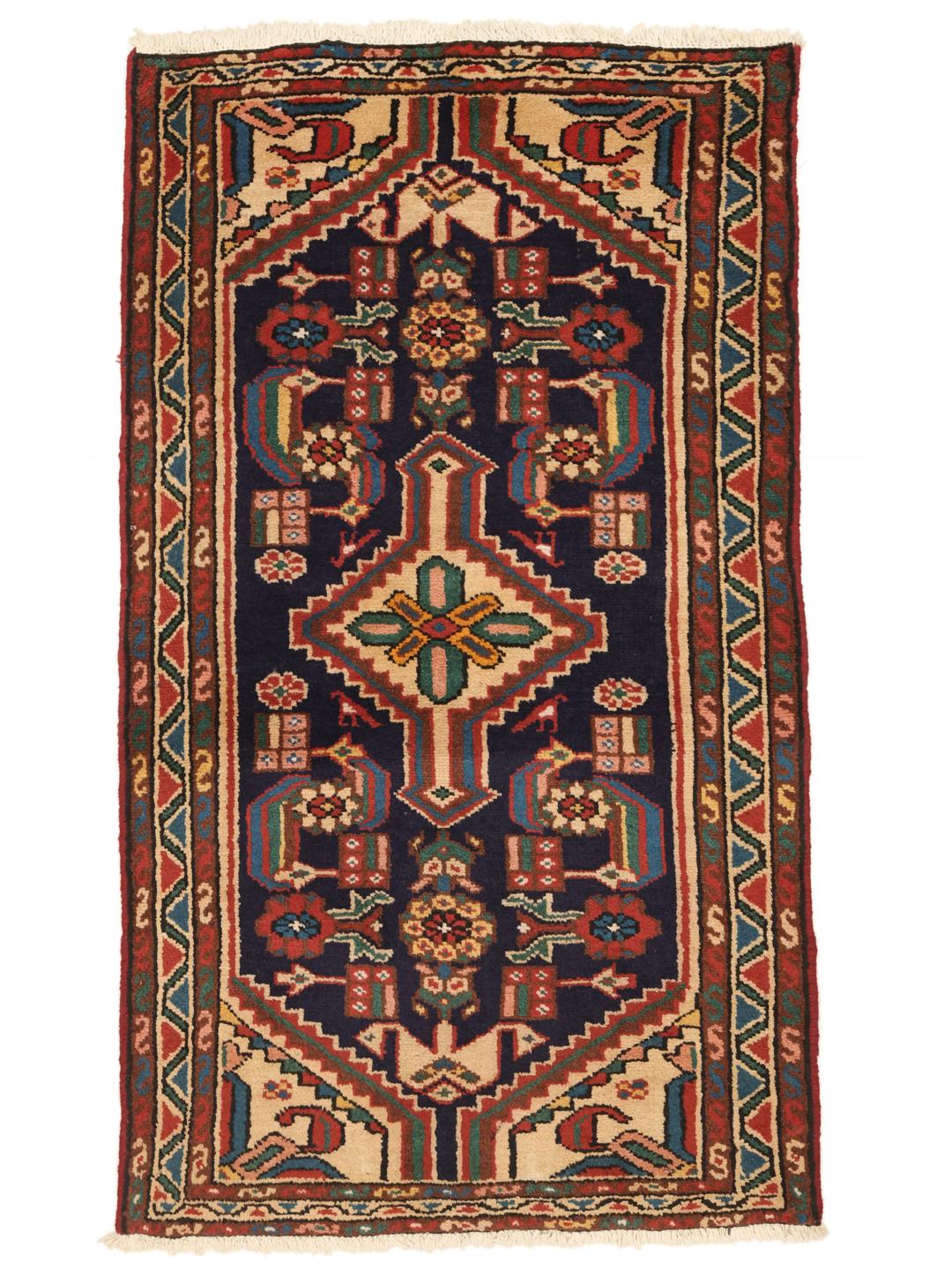
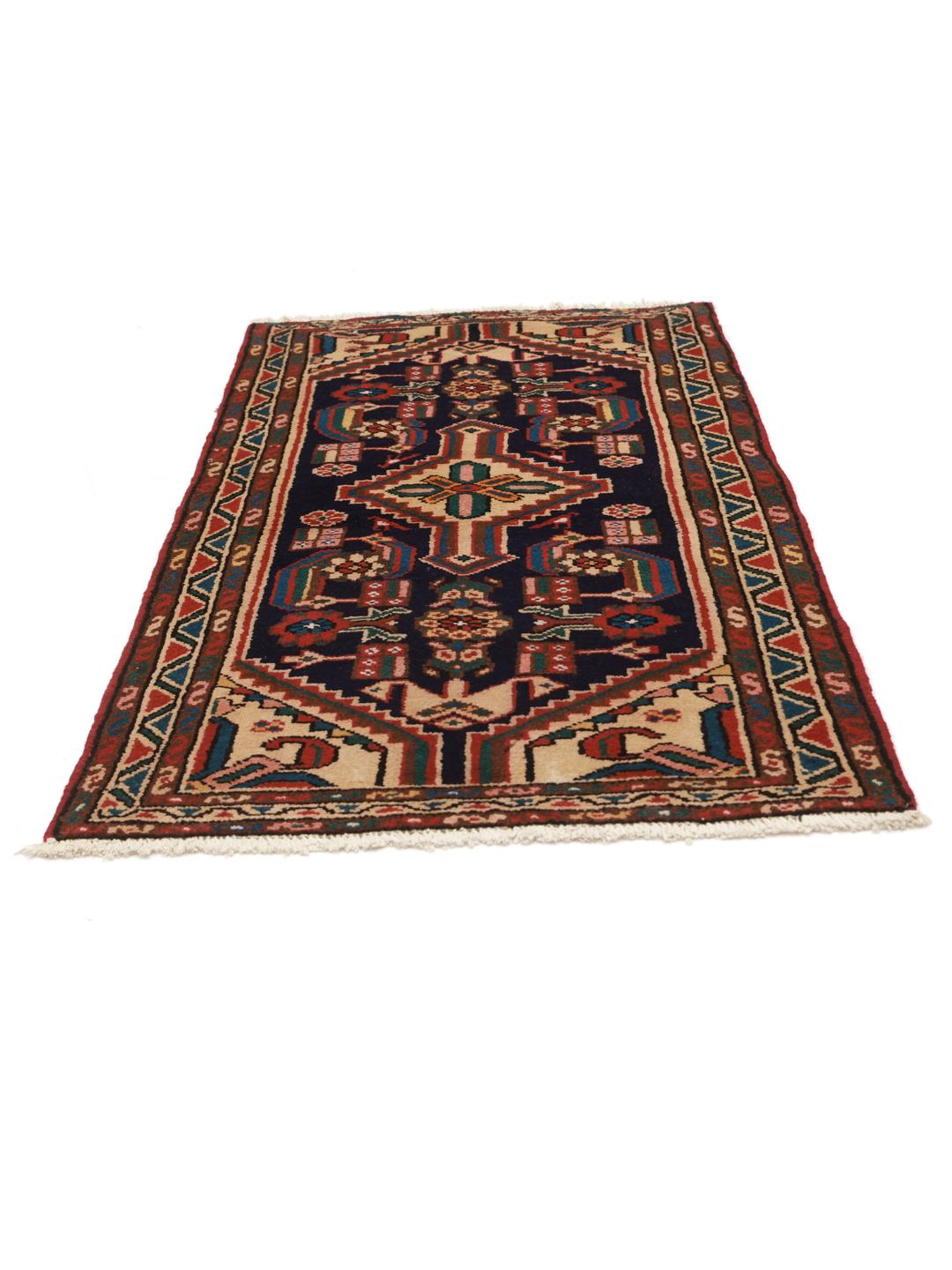
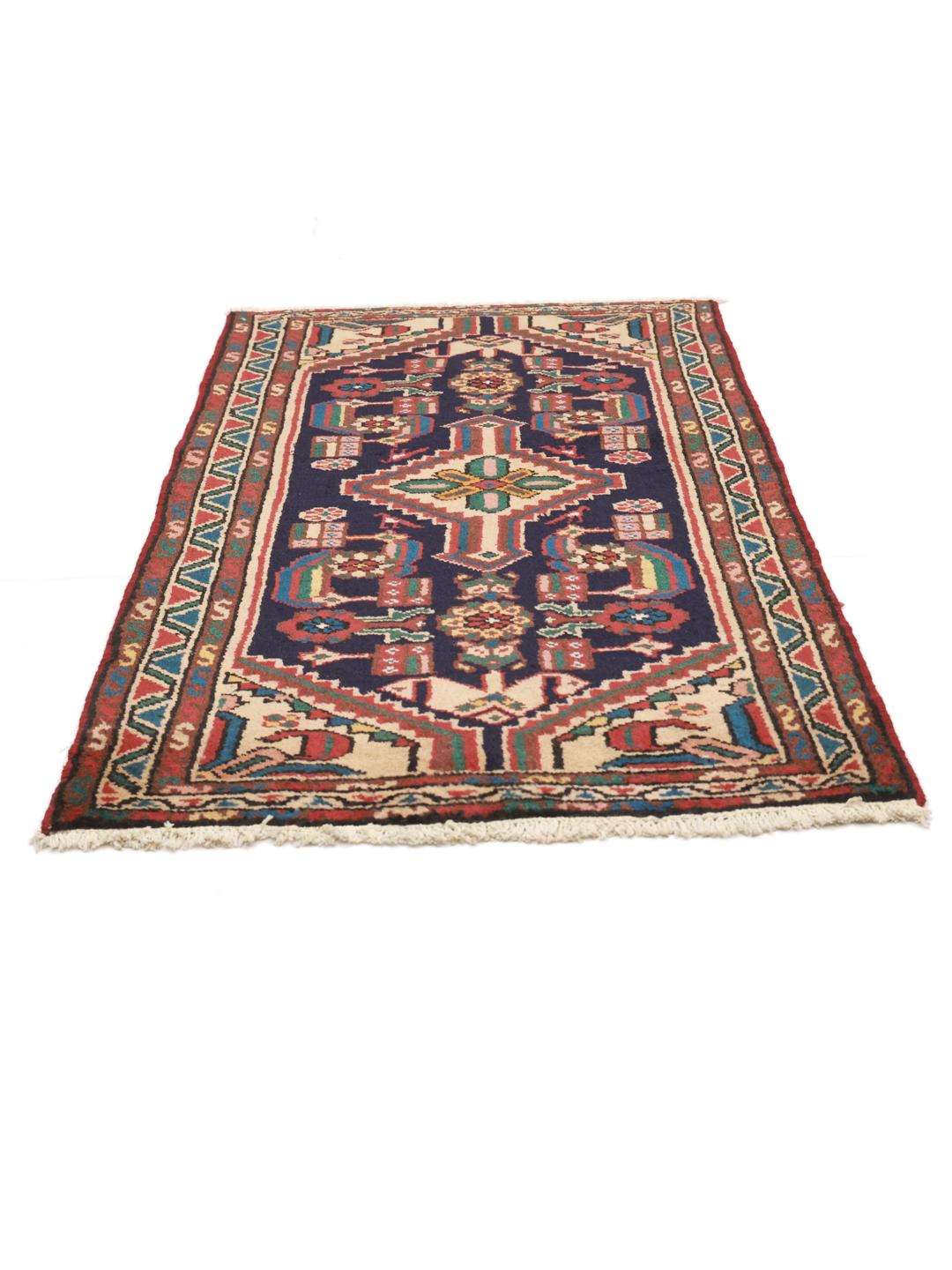
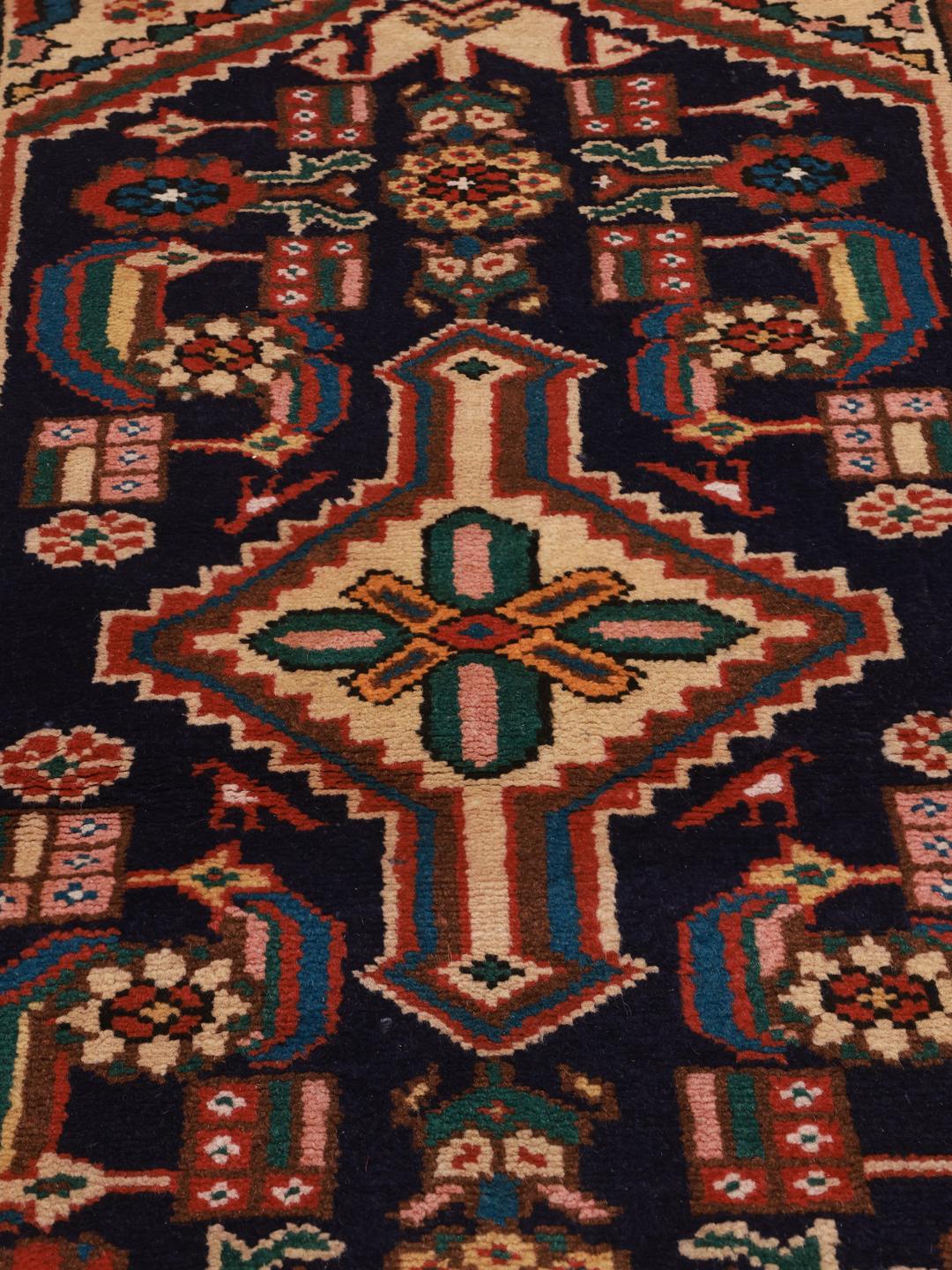
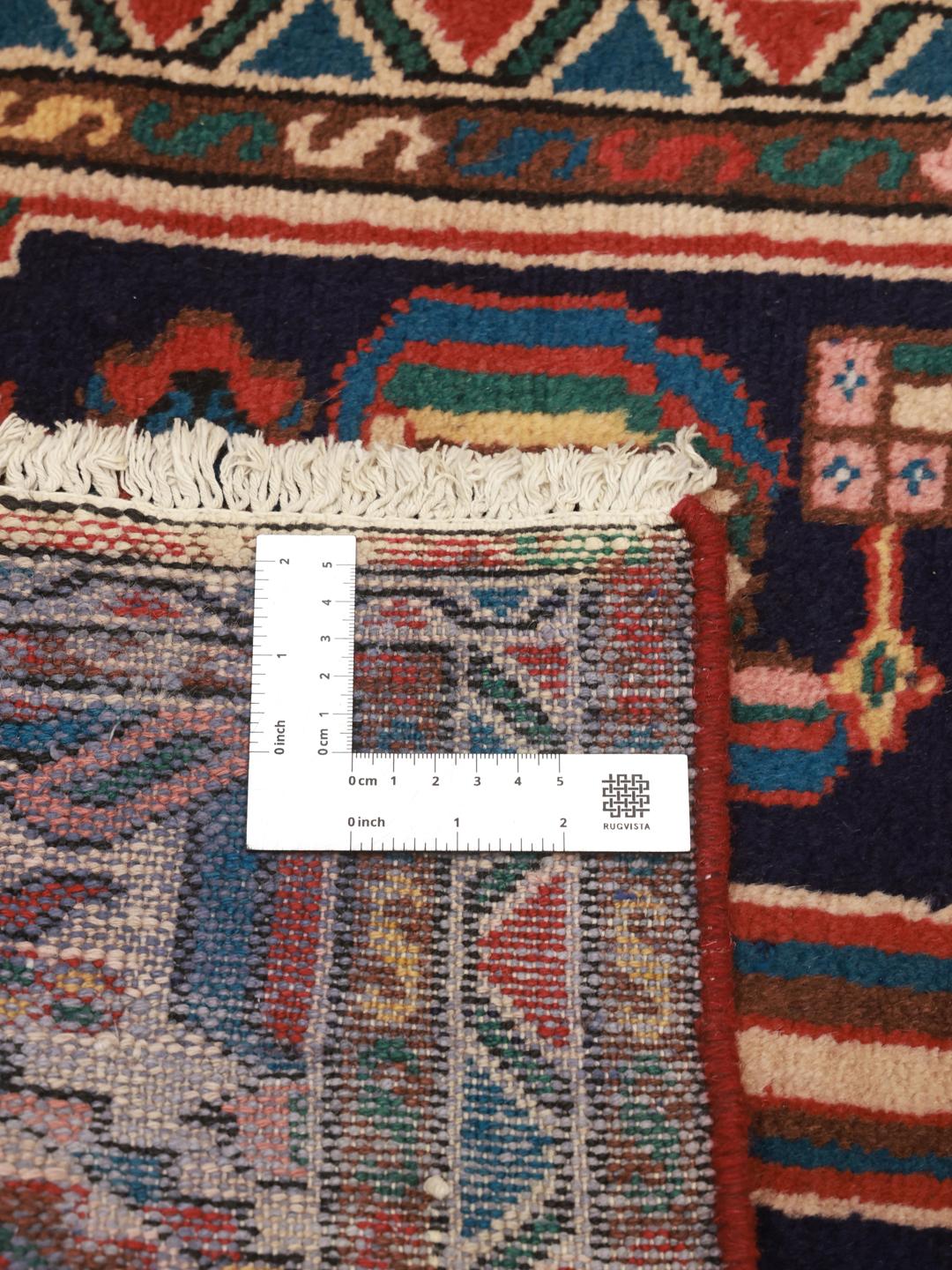
Visually, these rugs are defined by their bold, often geometric, design language. You will frequently find central medallions, repeating floral motifs, or intricate tribal patterns that tell a story of regional identity. This particular piece showcases a striking balance between its dark, saturated field and the vibrant, contrasting colours used in its central motifs.
Collecting a Hamadan rug is an investment in cultural heritage. These pieces are valued for their authenticity and the way they bridge the gap between ancient craft and modern living. Owning one allows you to participate in a long-standing tradition of beauty, skill, and enduring quality that connects your home to a wider history of human creativity.