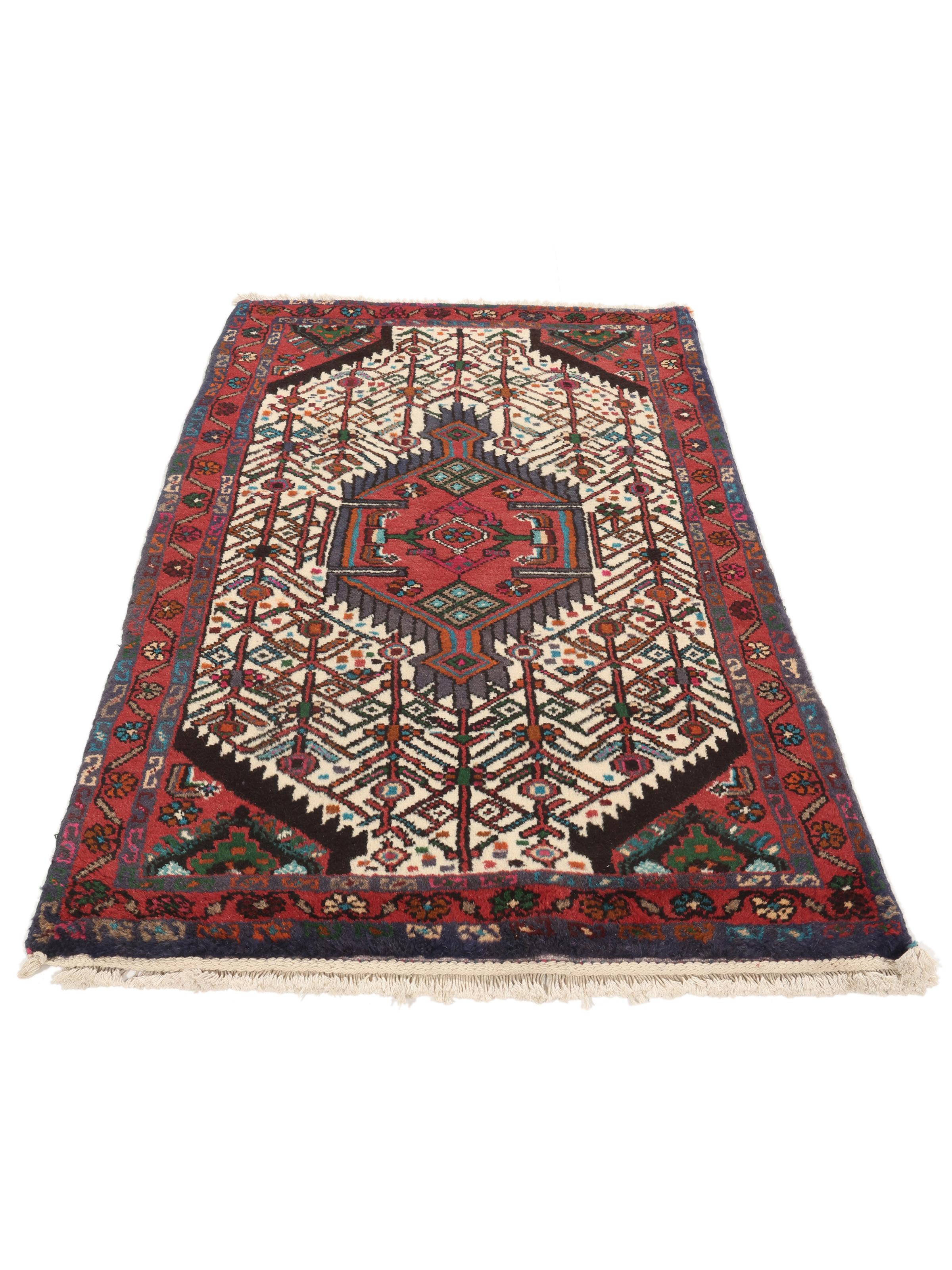
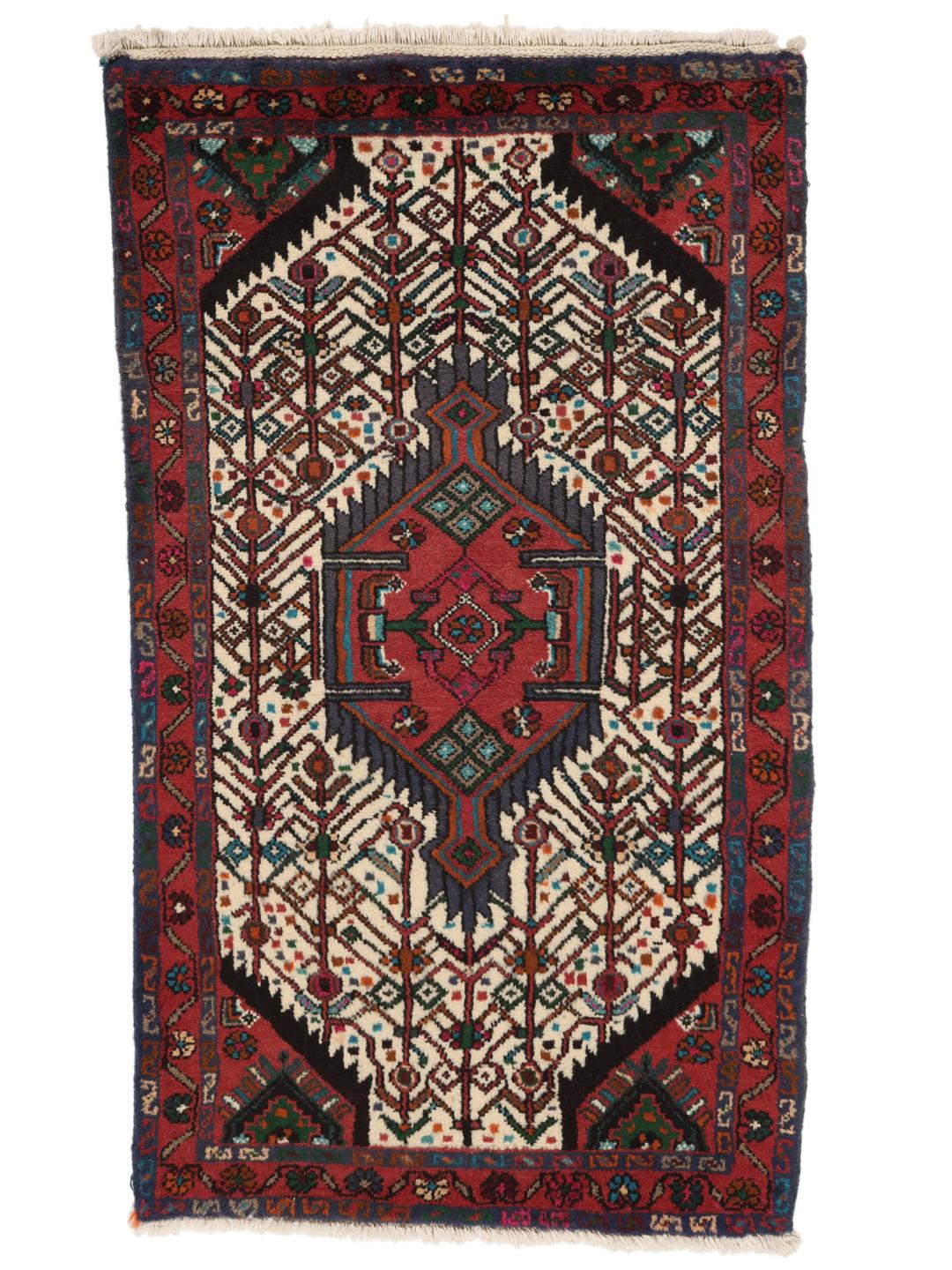
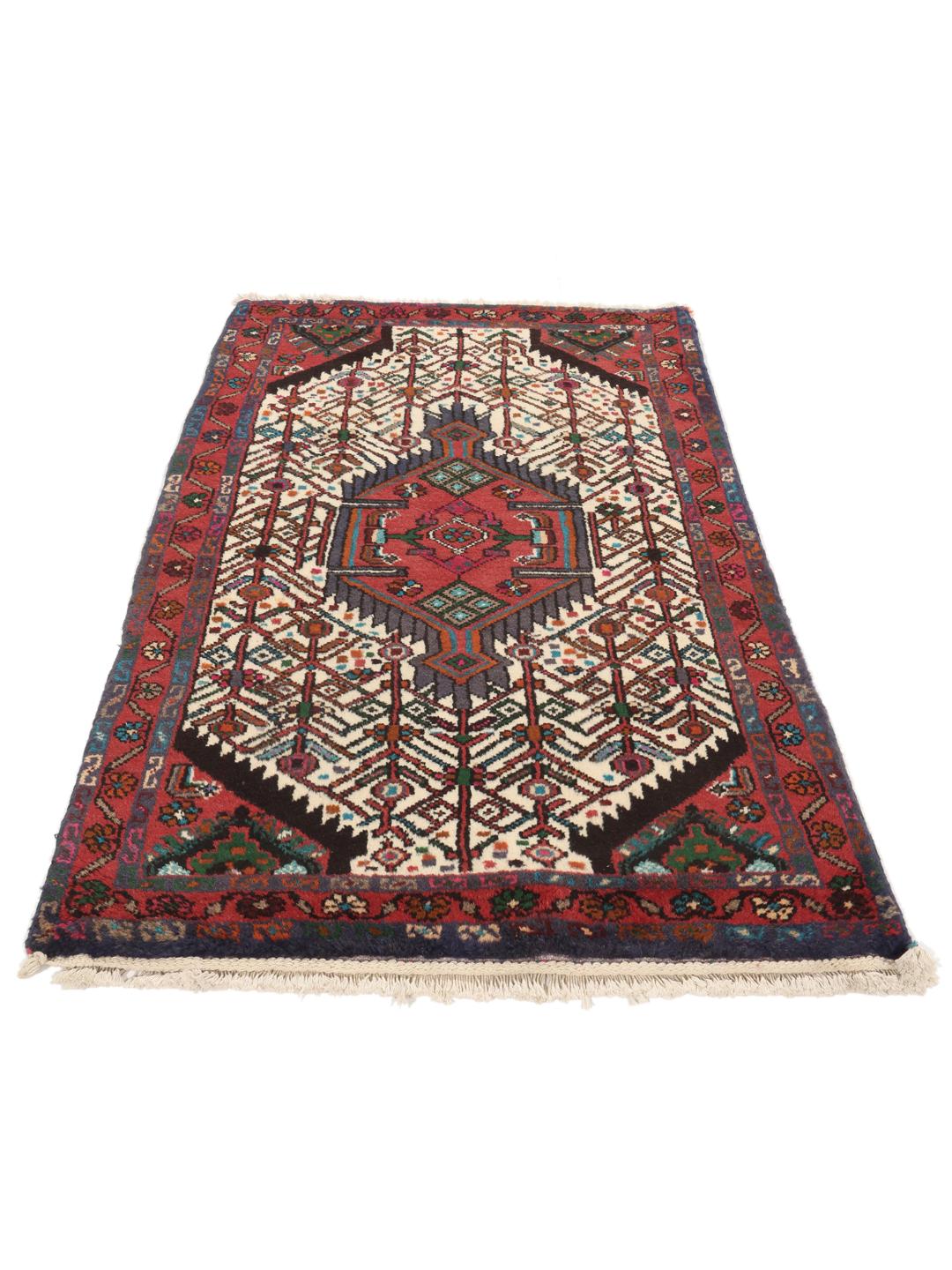
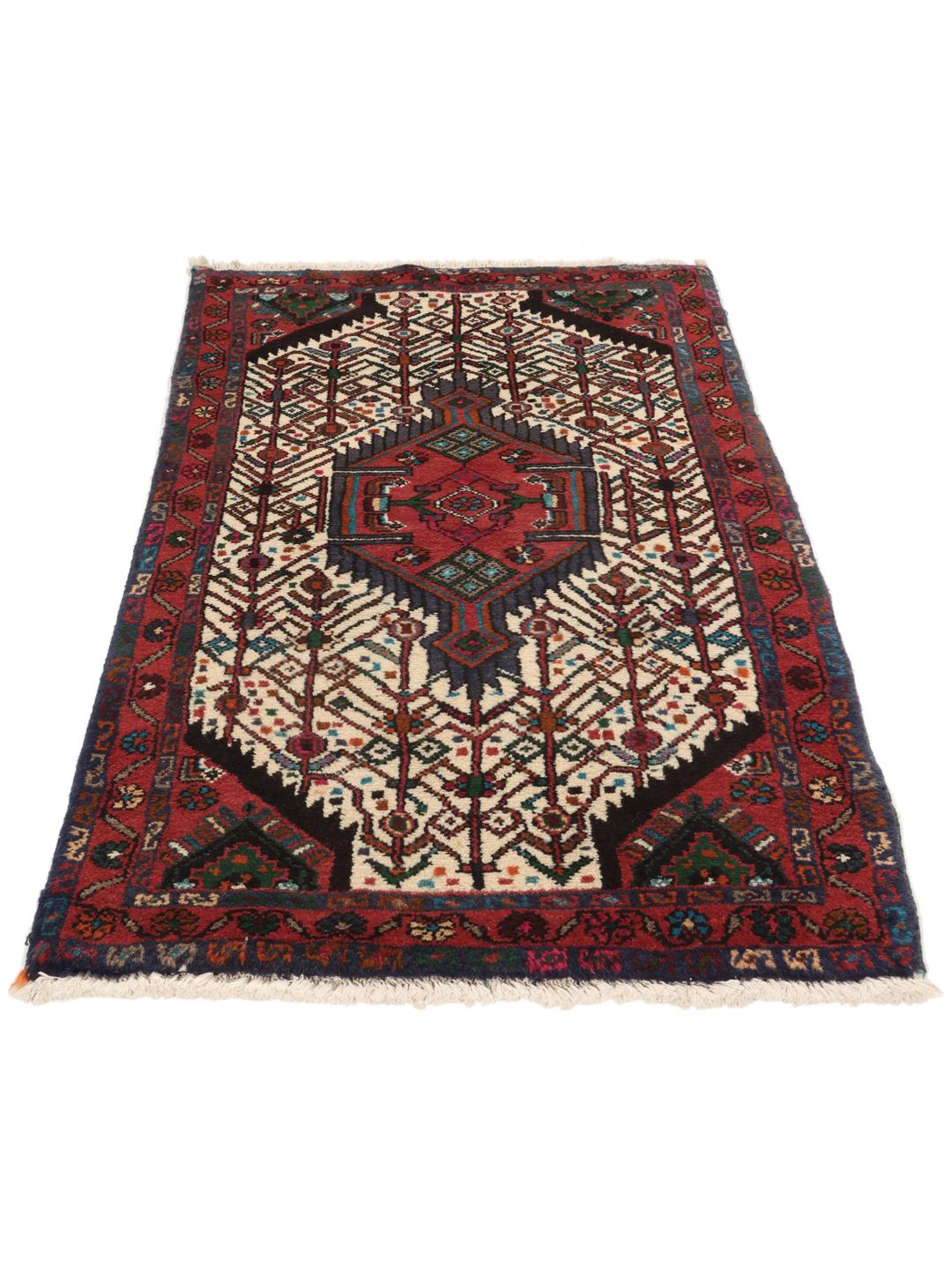
Hamadan rugs take their name from one of the oldest cities in the world, located in the western part of the Middle East. This region has been a major hub for rug weaving for centuries, with hundreds of surrounding villages contributing to a vast range of styles and patterns. The diversity of the Hamadan tradition is its greatest strength, as it draws on the unique creative expressions of various rural communities.
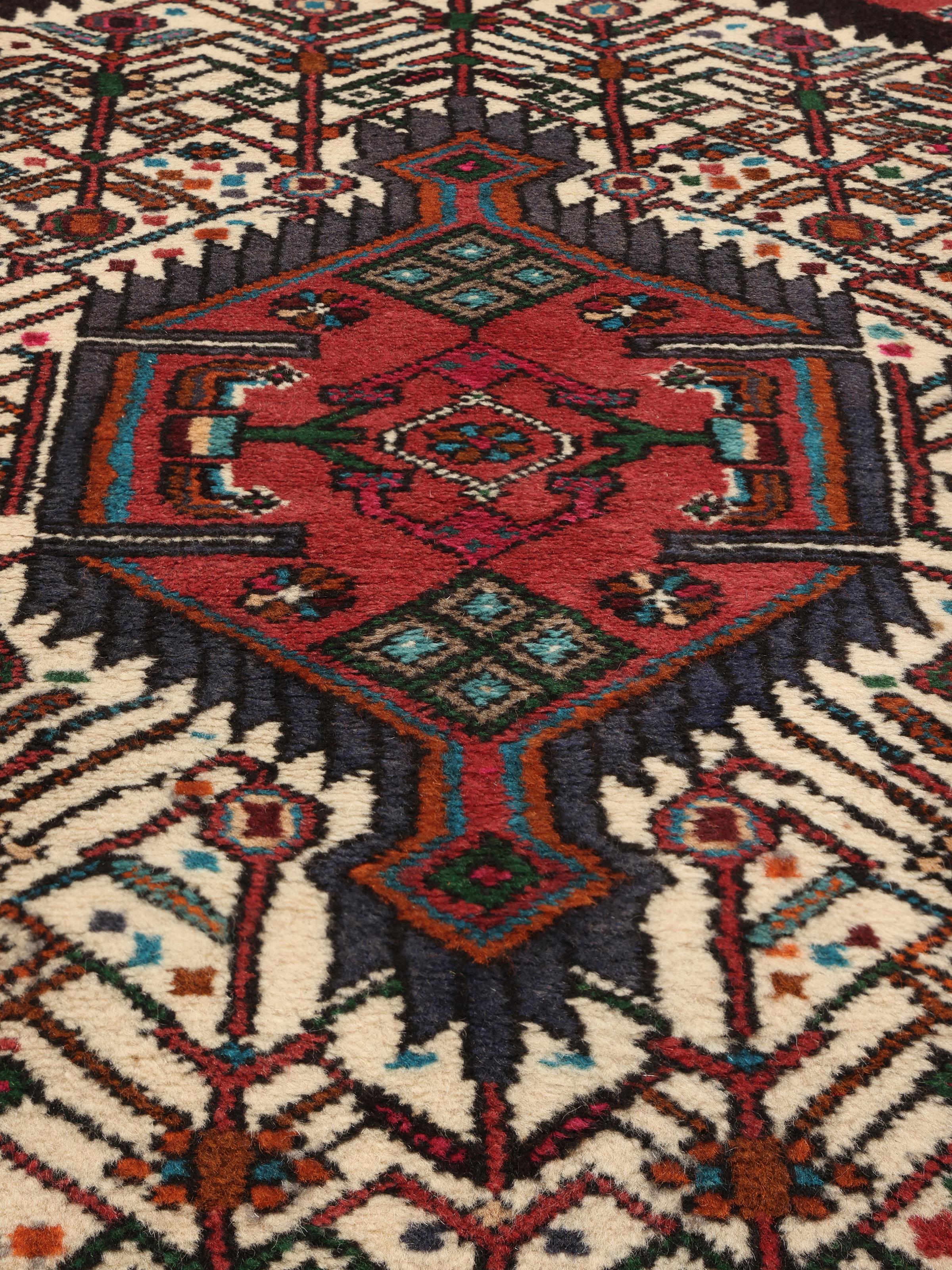
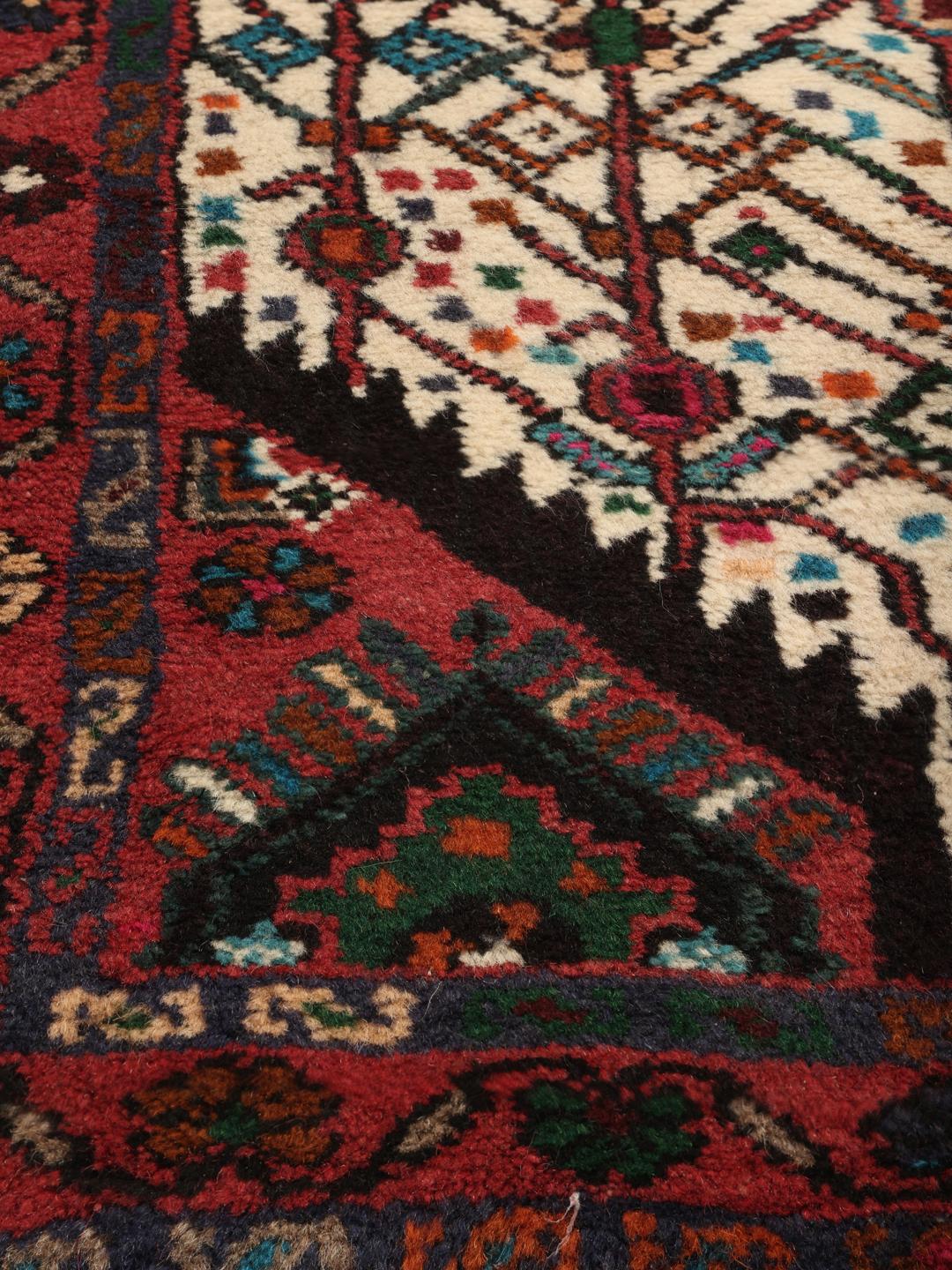
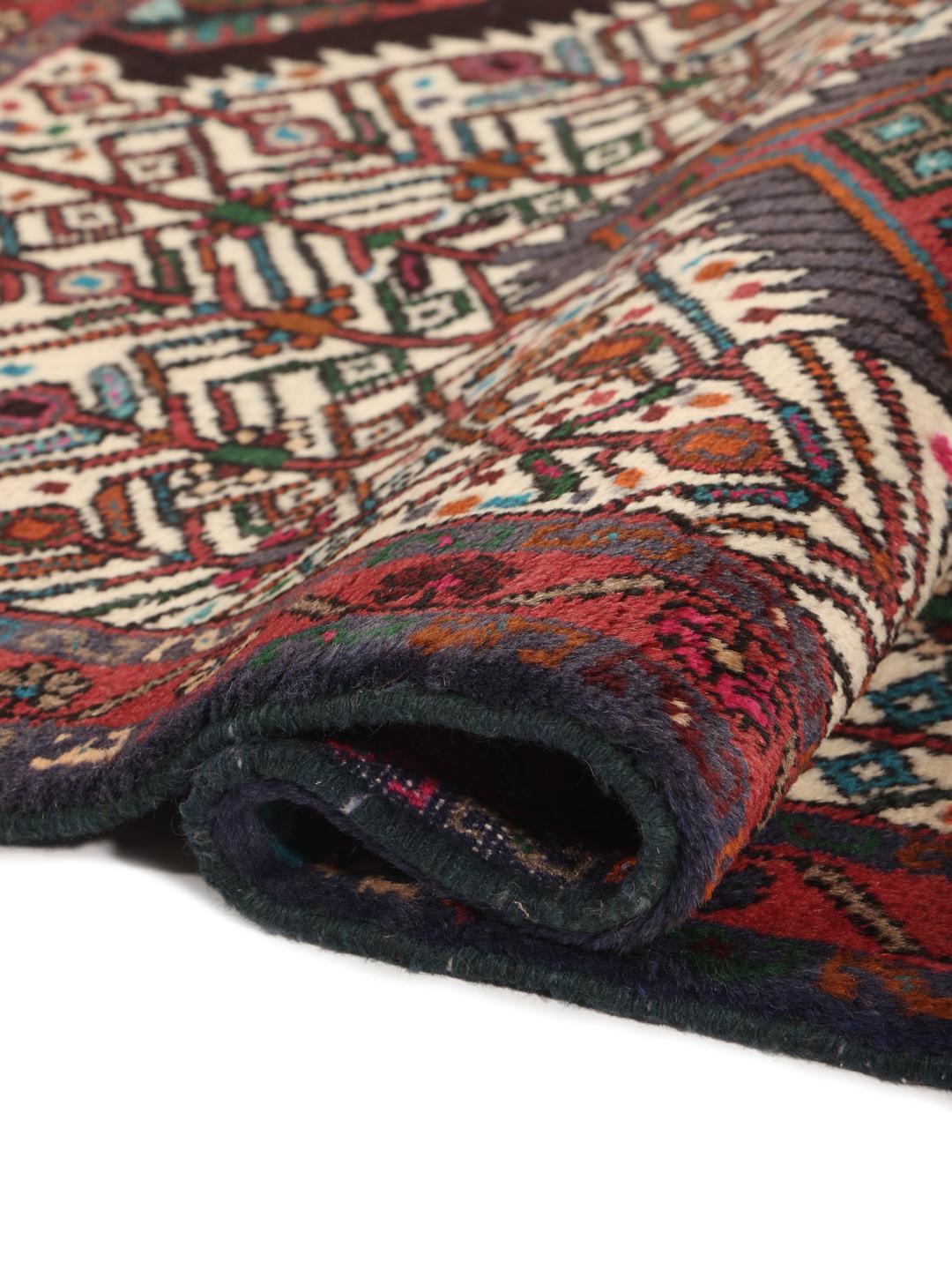
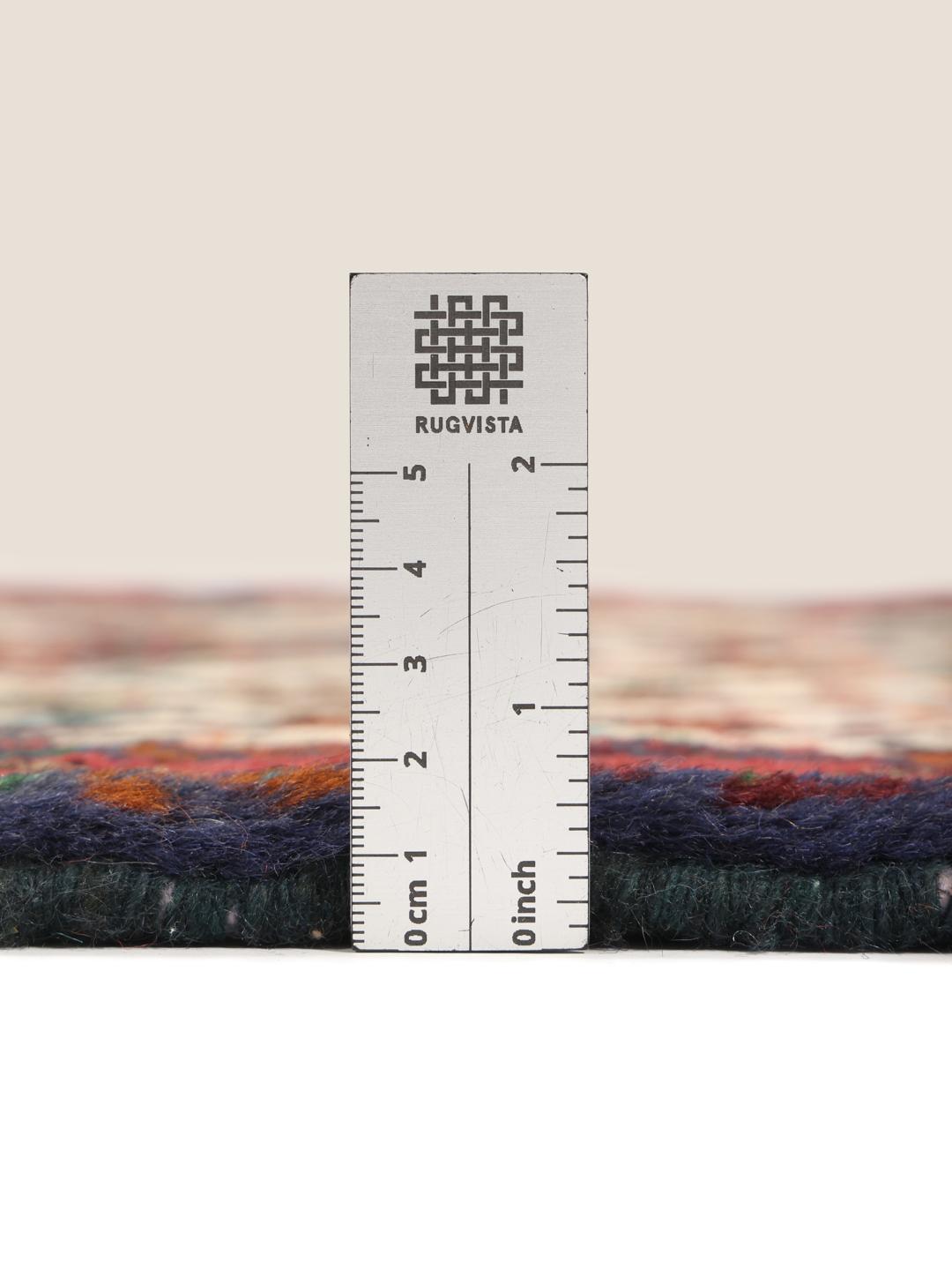
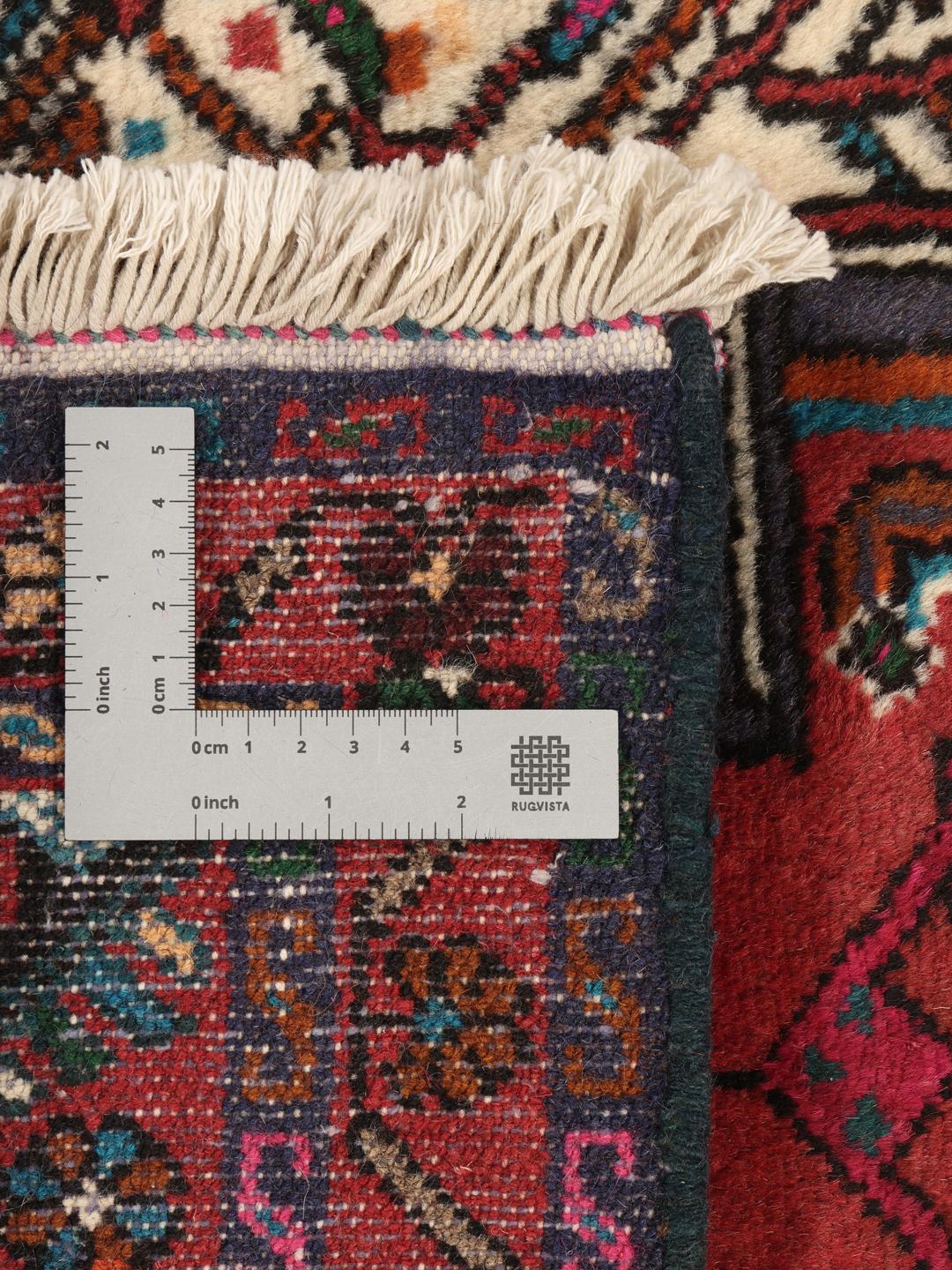
Technically, the weaving of these rugs is a testament to the versatility of regional artisans. They often utilise a sturdy foundation that supports a durable Wool pile, which is essential for rugs intended for everyday use. The knowledge of these techniques has been passed down through generations, ensuring that the structural integrity of the rug is as important as its aesthetic appeal.
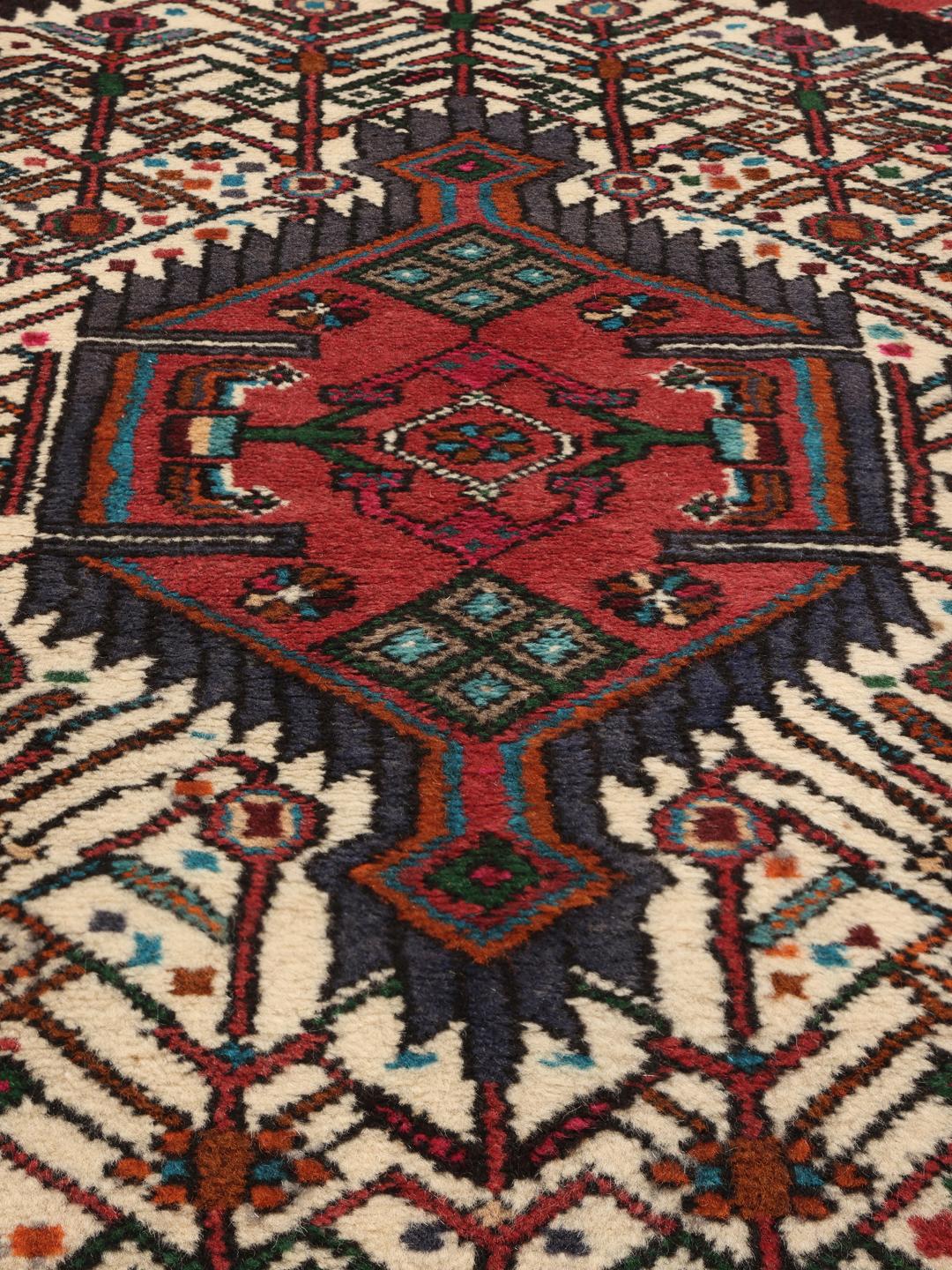
Signature design elements of the Hamadan tradition often feature geometric motifs and central medallions, sometimes arranged in repeating patterns across the field. While traditional floral and tribal influences are common, each weaver often adds personal variations, making every rug a unique reflection of their skill. The use of vibrant, natural-inspired colours is a hallmark that gives these pieces their iconic look.
Owning a Hamadan rug is more than just a home decor choice; it is an acquisition of cultural heritage. These pieces are highly valued by collectors for their authenticity and the human story behind every knot. They represent a connection to a rich history of craftsmanship that continues to thrive in modern homes, offering a blend of traditional beauty and lasting quality.