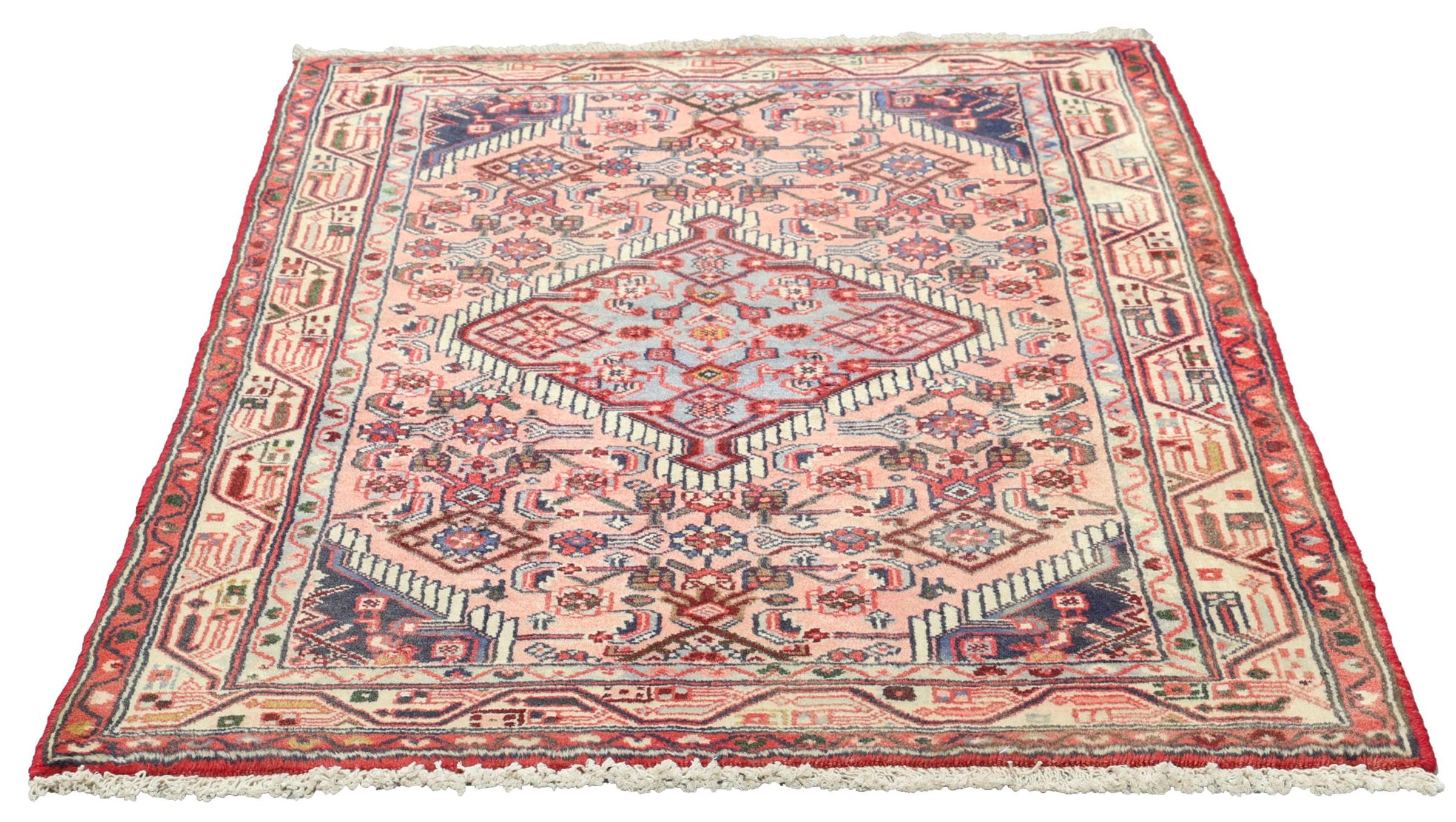
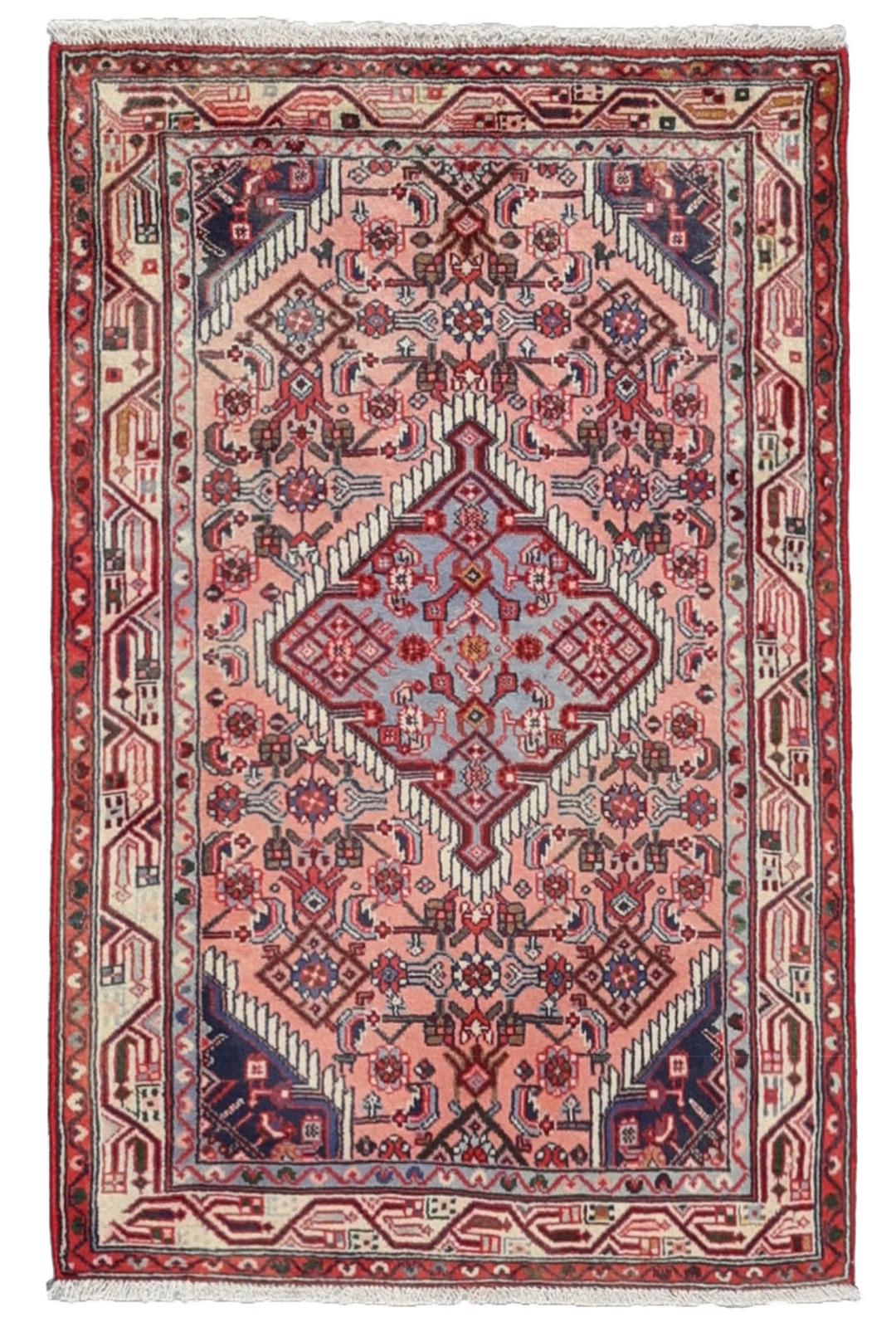
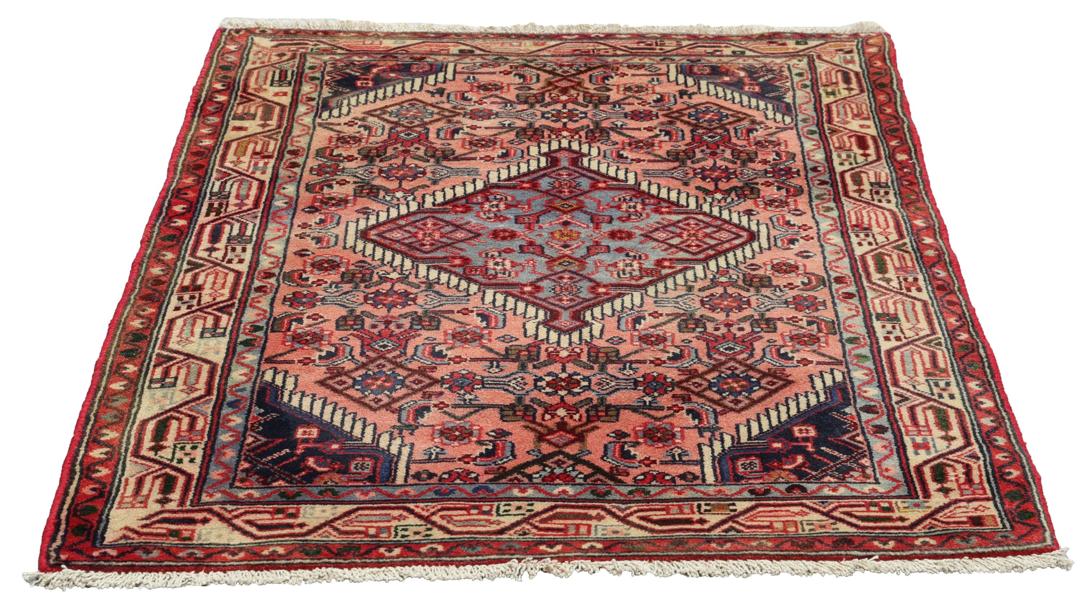
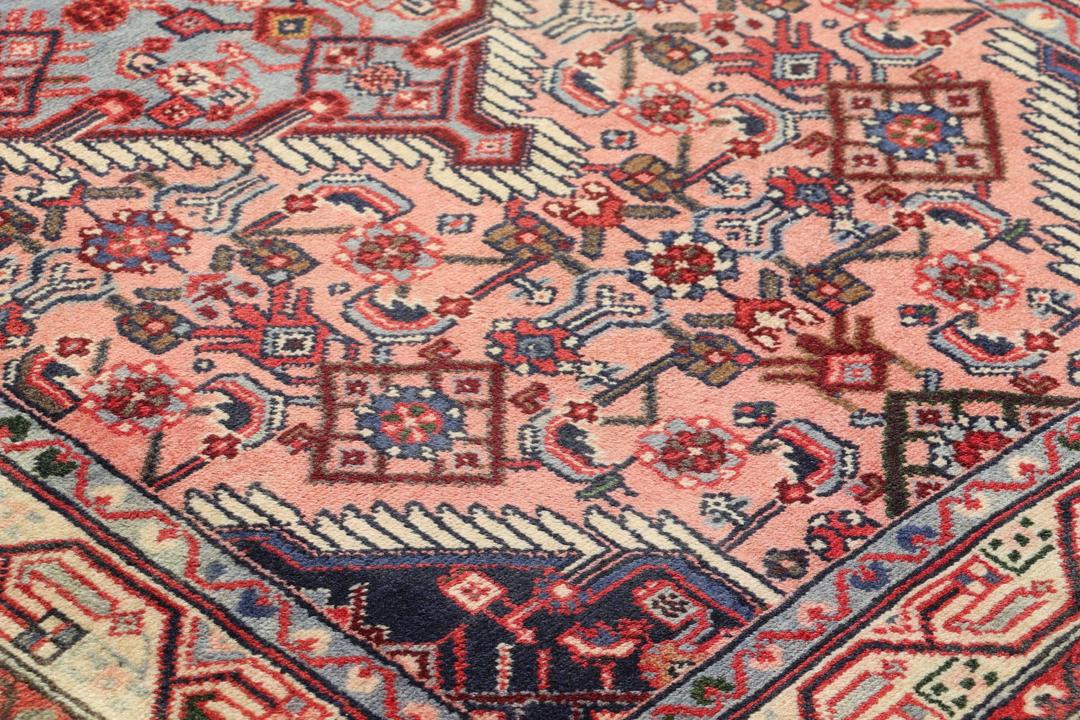
Hamadan rugs originate from one of the oldest cities in the Middle Eastern region, a historical hub that has served as a centre for textile production for centuries. The tradition of weaving in this area is deeply embedded in the local culture, with designs often passed down through generations of families. These rugs are renowned for their ability to blend regional tribal motifs with more formal, structured layouts, resulting in a look that is both rustic and sophisticated.
The term Hamadan refers to a wide variety of rugs produced in the city and its surrounding villages. This diversity is what makes the category so fascinating, as it encompasses a vast range of geometric patterns and colour palettes. The craftsmanship relies on the use of high-quality wool, which is prized for its durability and its ability to hold rich, natural dyes, ensuring that the vibrancy of the rug is maintained throughout its lifespan.
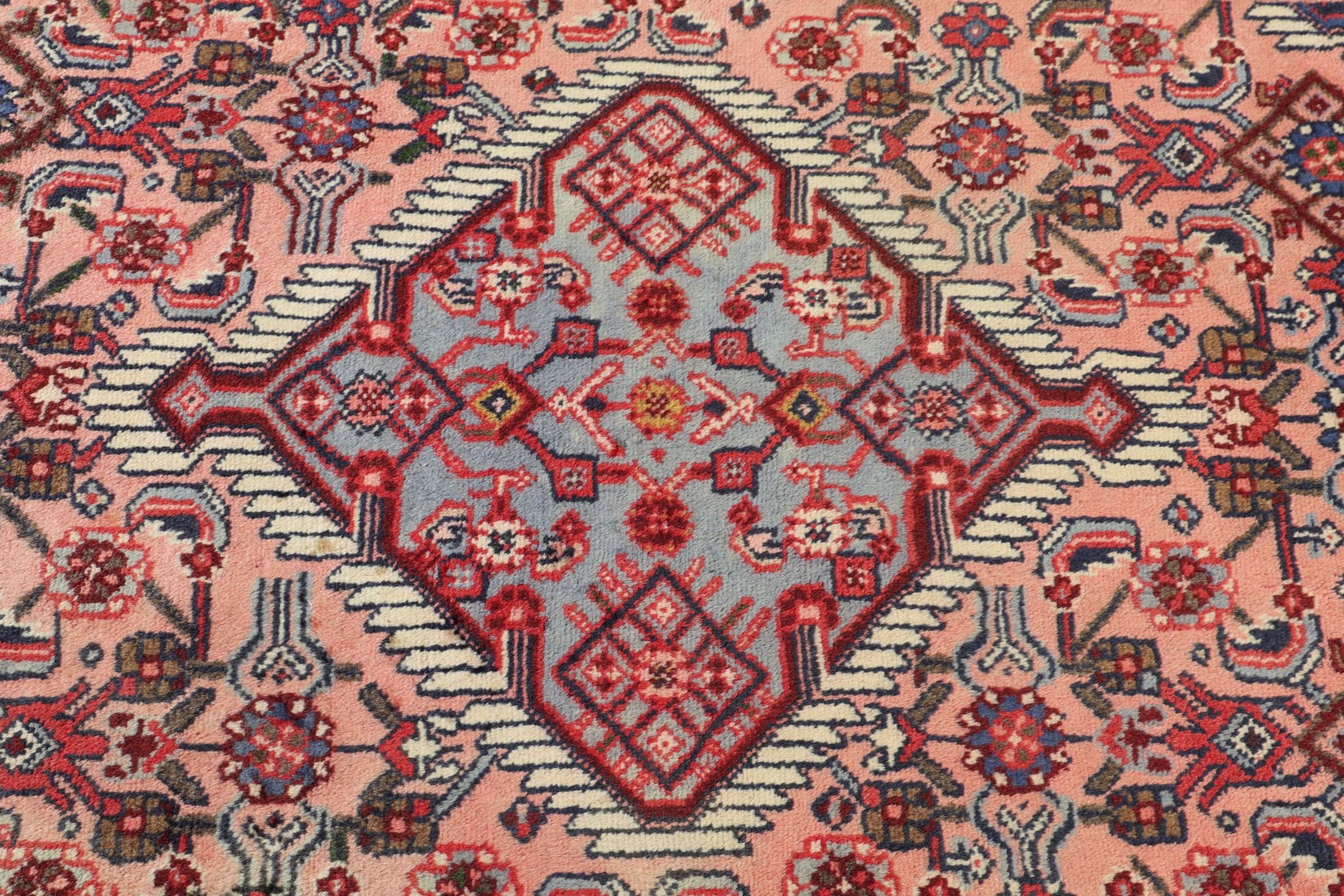
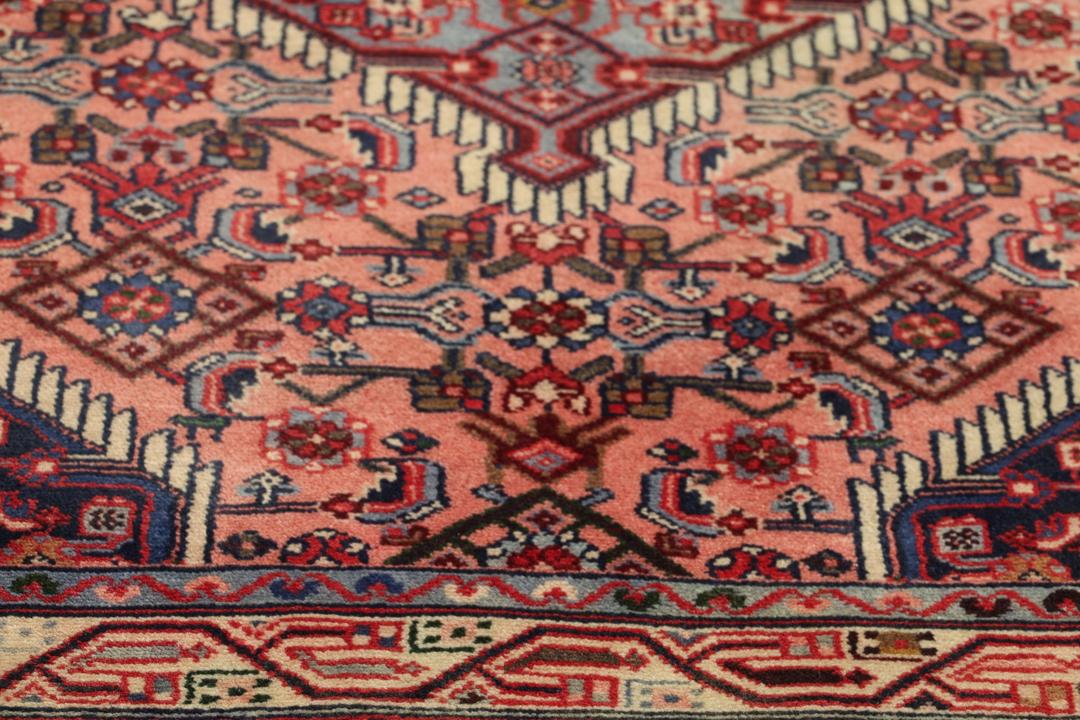
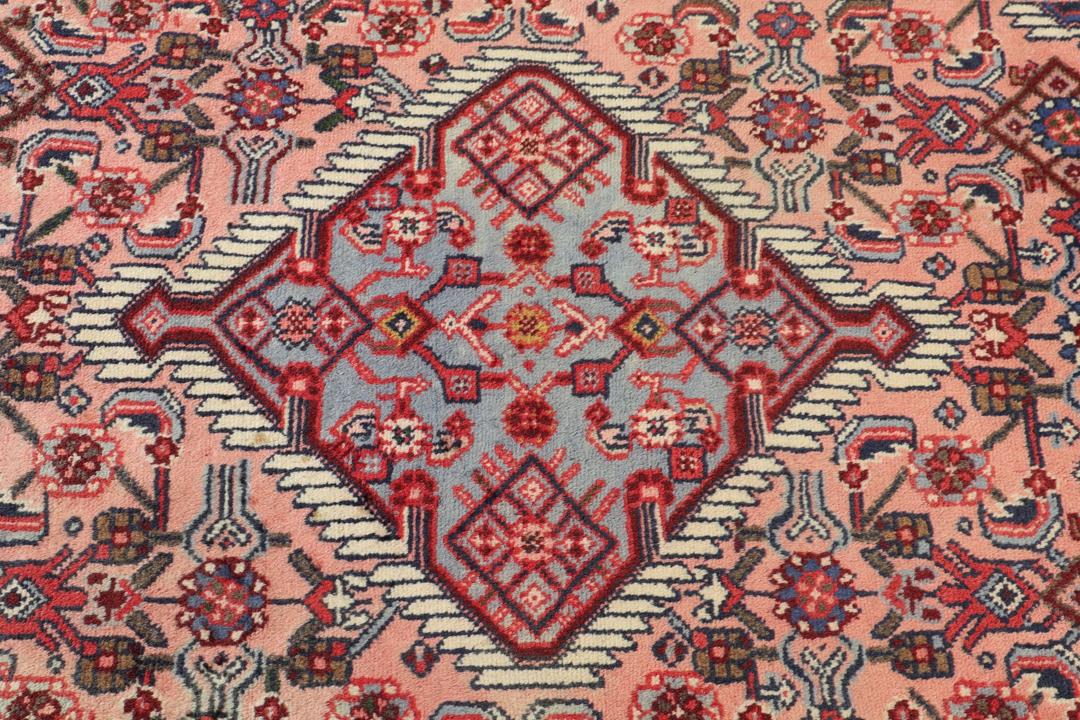
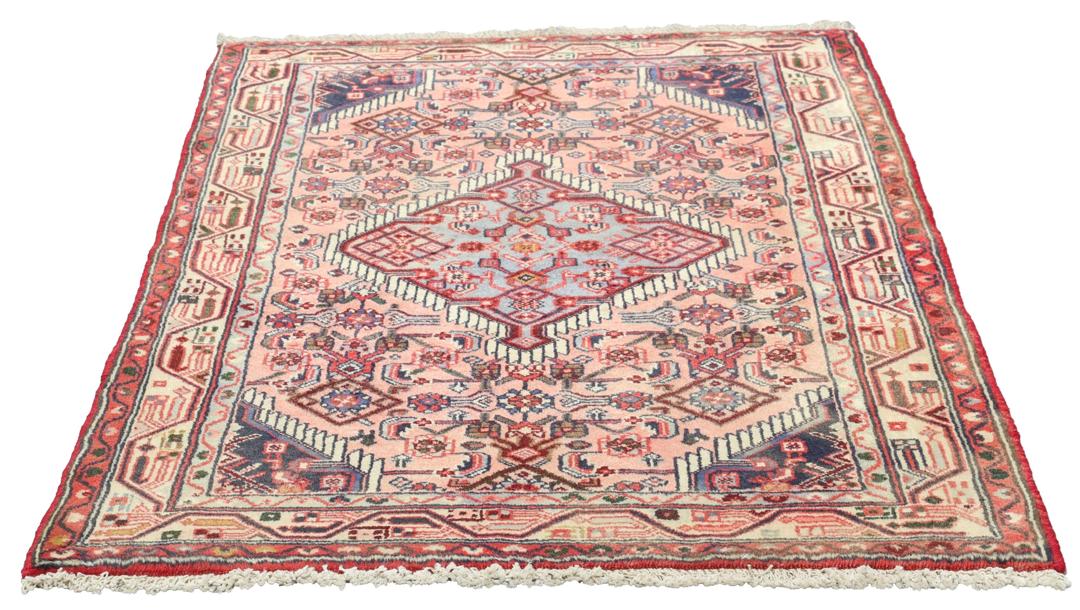
Signature elements of these rugs often include a central medallion surrounded by repeating floral or geometric motifs, reflecting the artistic heritage of the region. You will frequently find intricate borders that frame the field, providing a balanced and harmonious composition. The use of specific colours, such as deep reds and earthy blues, is a hallmark of this tradition, creating a visual depth that draws the eye and anchors a room's design.
Collecting a Hamadan rug is an opportunity to own a piece of cultural history. These rugs are highly valued not just for their aesthetic beauty, but for the skill and heritage they represent. By bringing one into your home, you are continuing a legacy of craftsmanship that has survived for generations, supporting the preservation of a timeless art form that celebrates the human touch in every fibre.