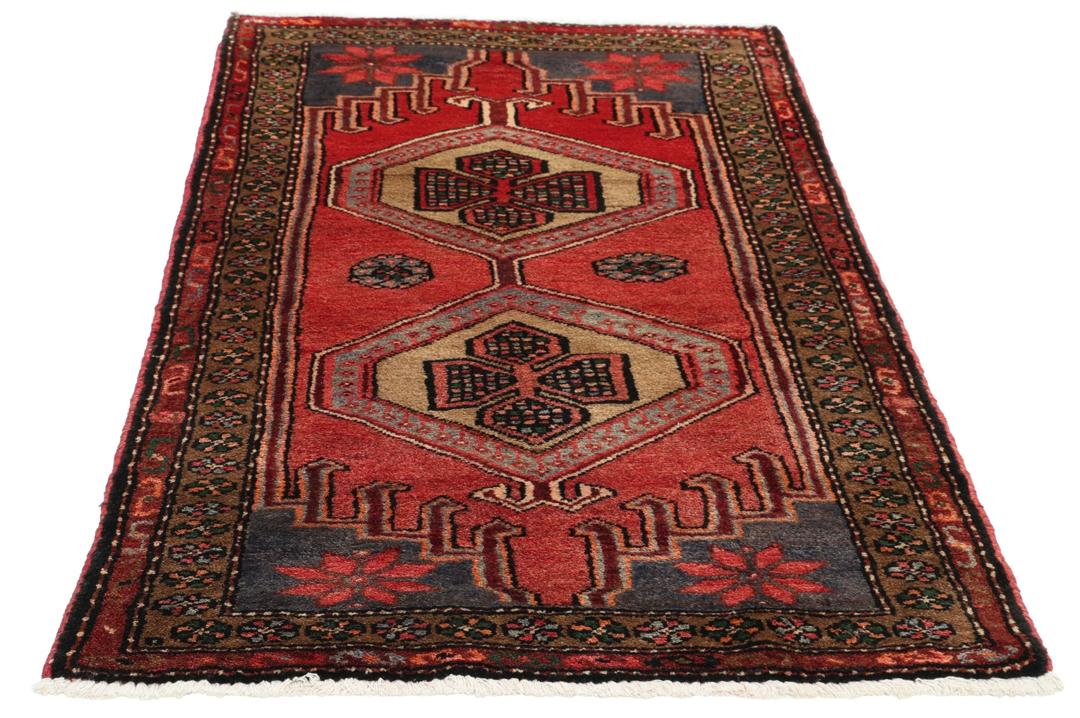
The Hamadan region, located in the mountainous western part of the Middle East, is one of the oldest and most prolific rug-weaving centres in the world. Rugs from this area are celebrated for their incredible diversity, as they are produced in hundreds of surrounding villages, each contributing unique variations to the local style.
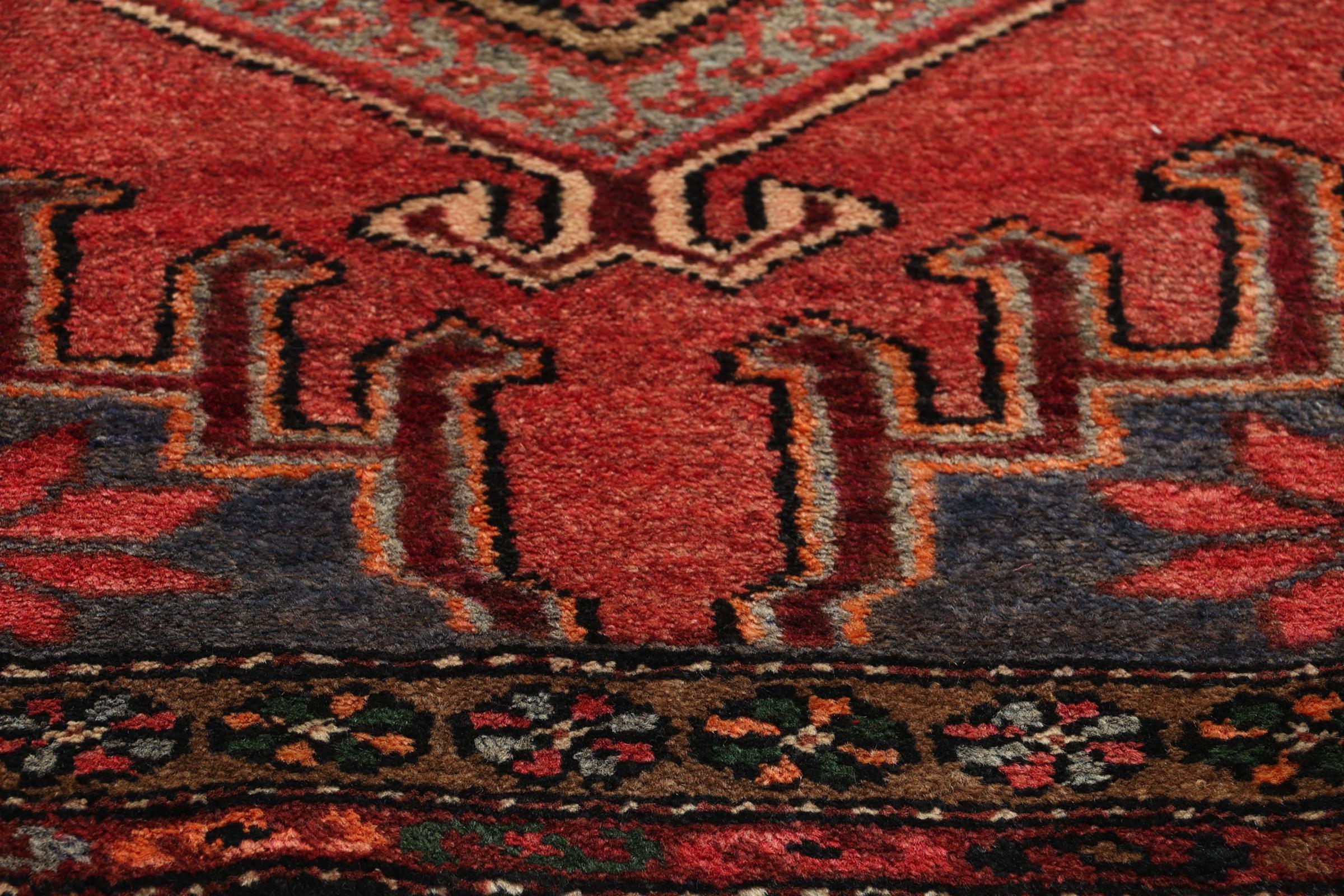
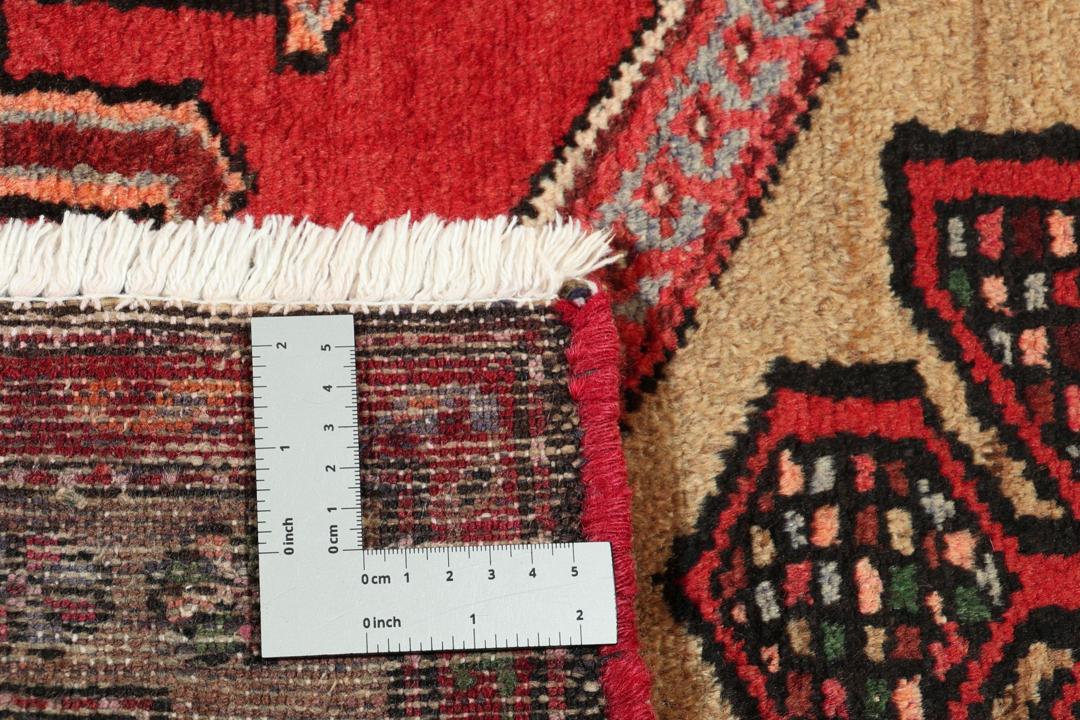
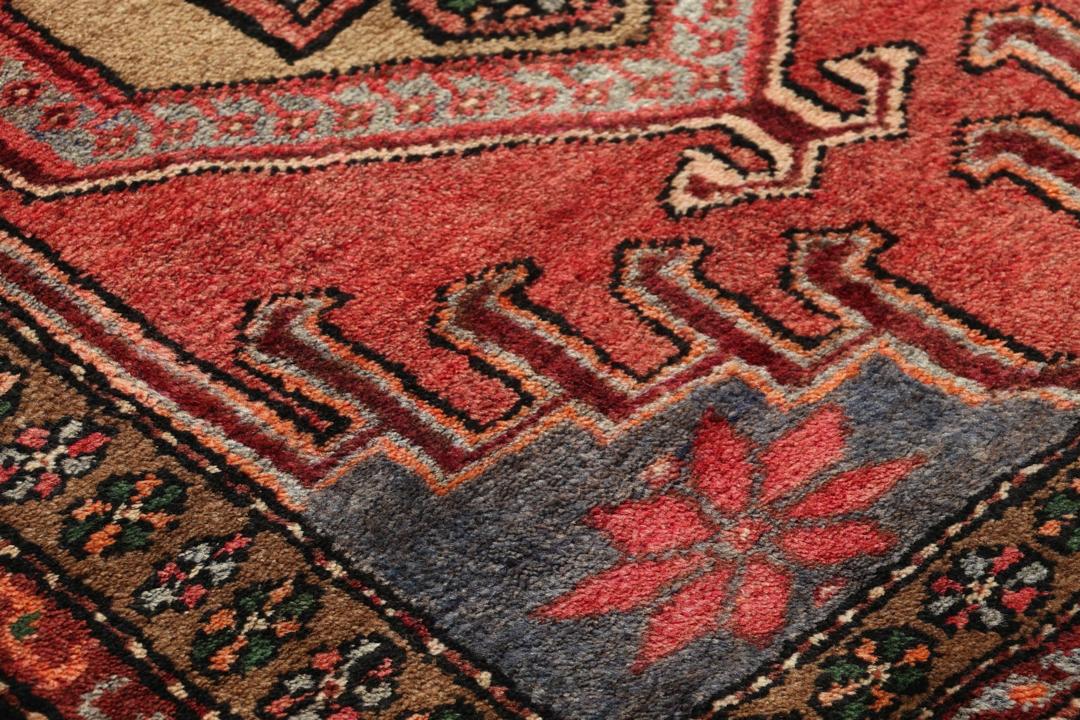
Historically, weavers in this region have relied on local resources, often using high-quality, durable Wool sourced from sheep grazing in the nearby high-altitude pastures. This material is prized for its natural lanolin content, which gives the finished rug a subtle, healthy sheen and makes it naturally resistant to dirt and wear.
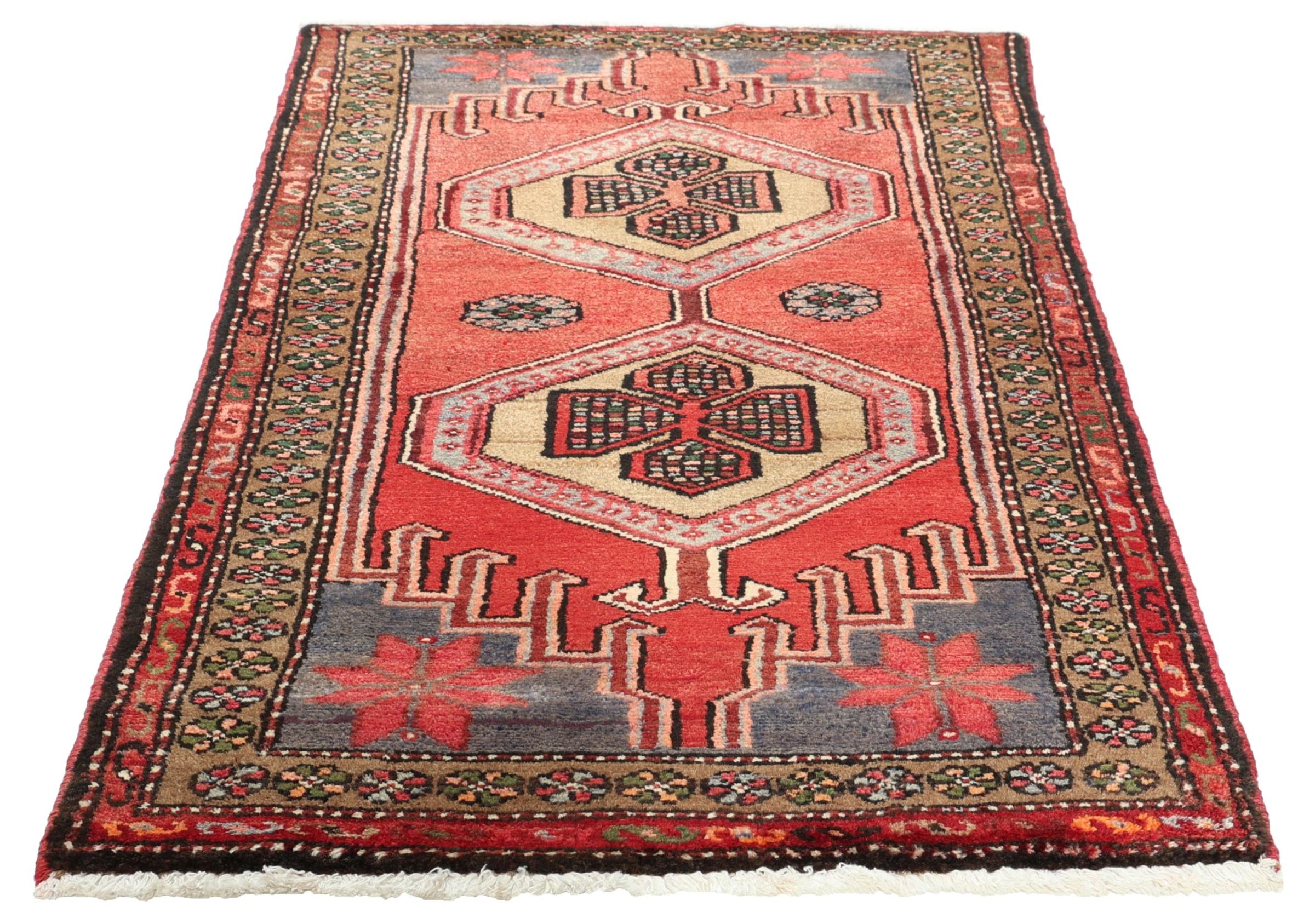
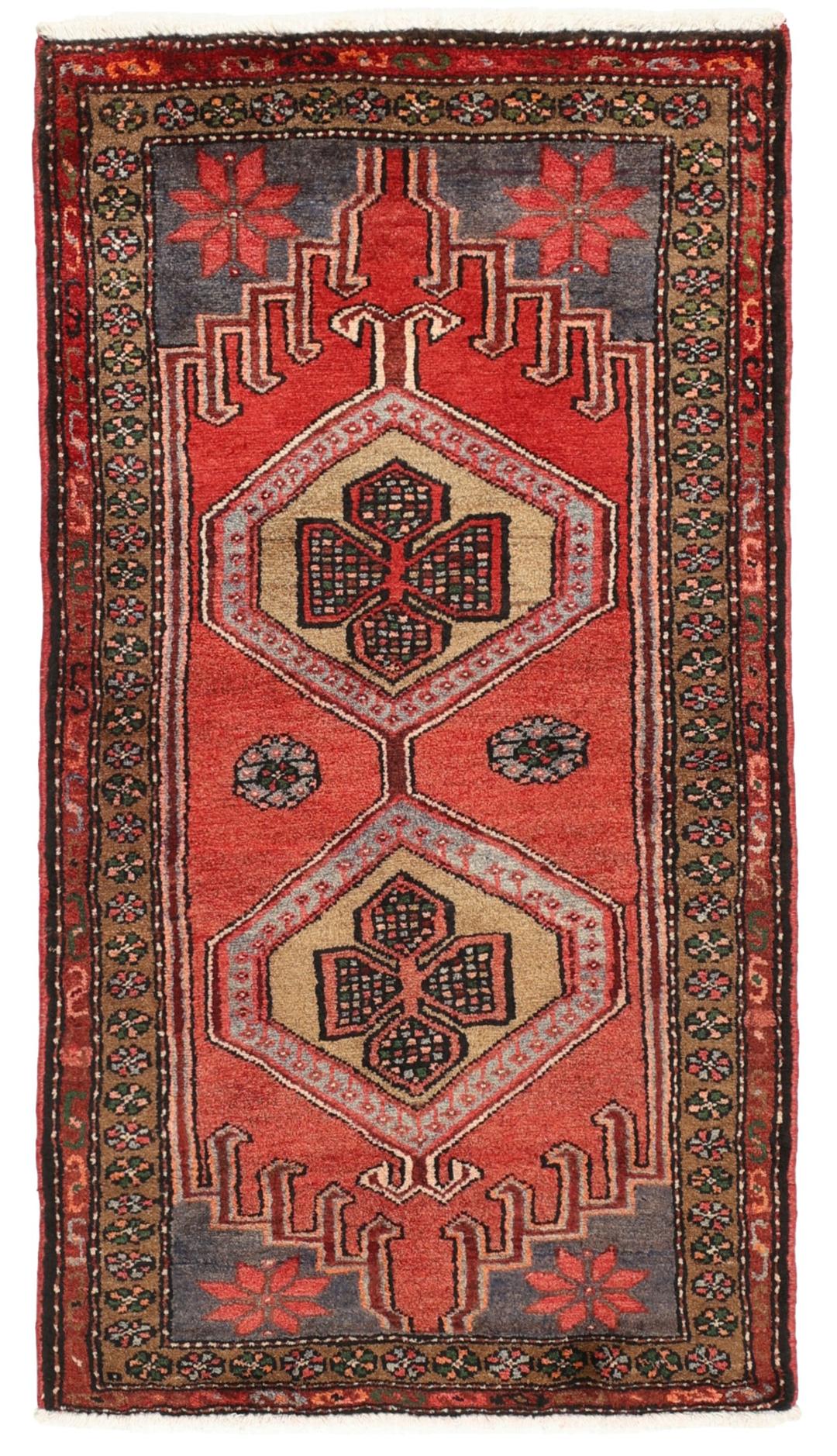
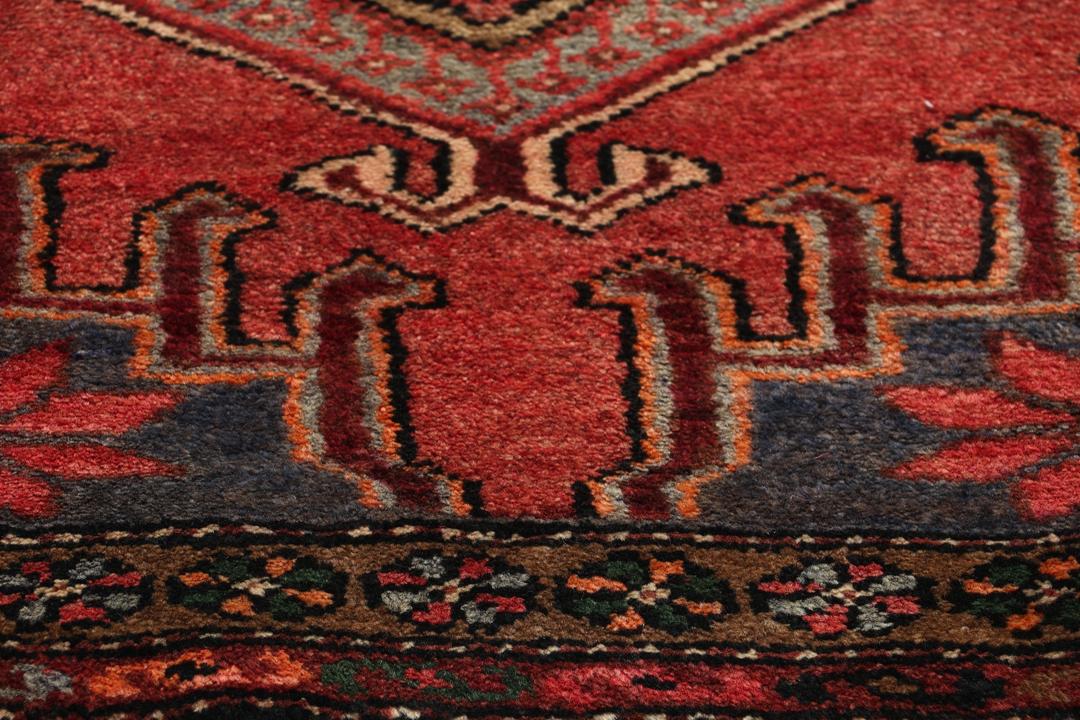
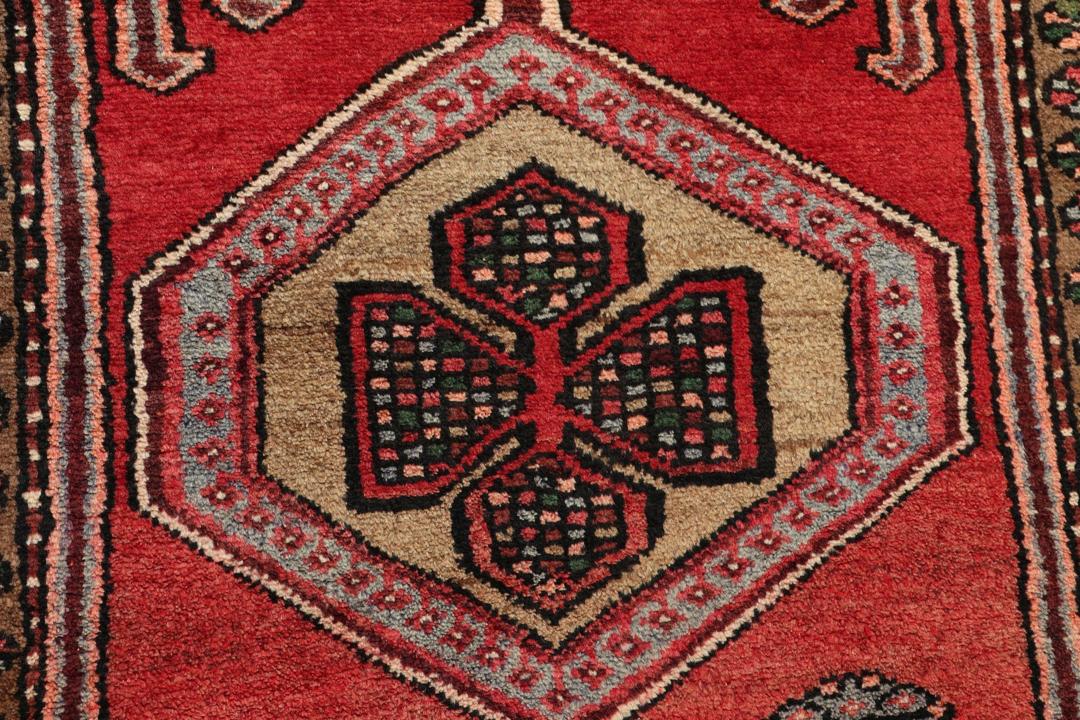
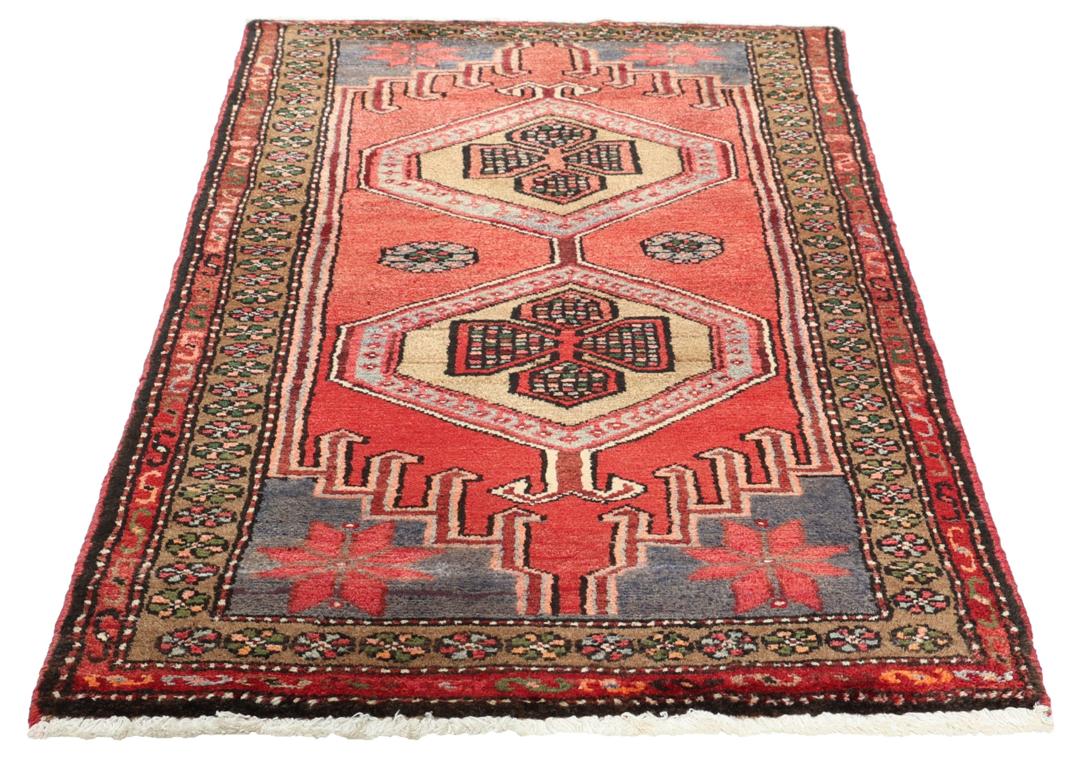
Visually, these rugs are defined by their bold geometric designs and the frequent use of central medallions, often surrounded by small, stylized floral motifs or repeating boteh patterns. While red is a classic and highly sought-after colour in this tradition, the use of earthy tones and deep blues provides a grounding contrast that makes these rugs highly adaptable to many different home environments.
To own a piece of this tradition is to possess a tangible link to a centuries-old craft. These rugs are highly valued by collectors not just for their aesthetic beauty, but for the skill they represent. They serve as a testament to the endurance of rural weaving traditions, where functional floor coverings are transformed into enduring works of art.