Hamadan rugs originate from one of the oldest cities in the Middle East, a historic hub that has served as a central trading point for centuries. The tradition of weaving in this region is deeply rooted in local village life, where households have passed down specific weaving methods through generations, creating a recognisable and beloved regional style.
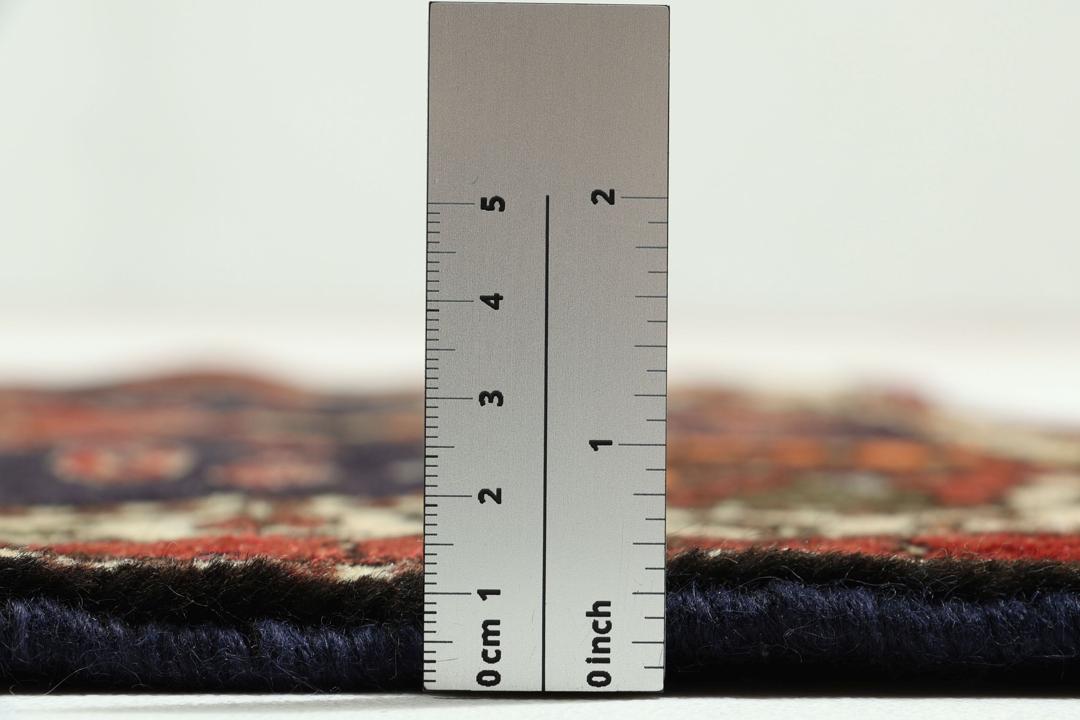
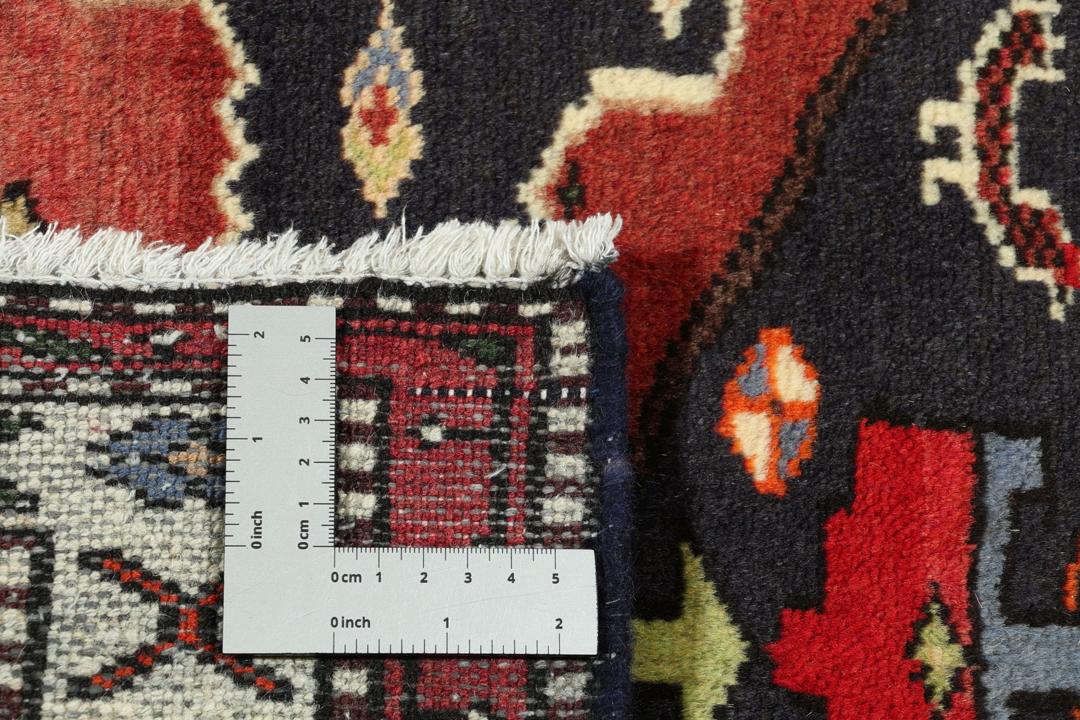
The term Hamadan encompasses a vast variety of rugs, all sharing a common spirit of regional authenticity. These rugs are known for their sturdy construction, often utilising a foundation that provides a firm, reliable base. The use of Wool, sourced locally, contributes to the natural resilience and soft texture that collectors have come to admire over the years.
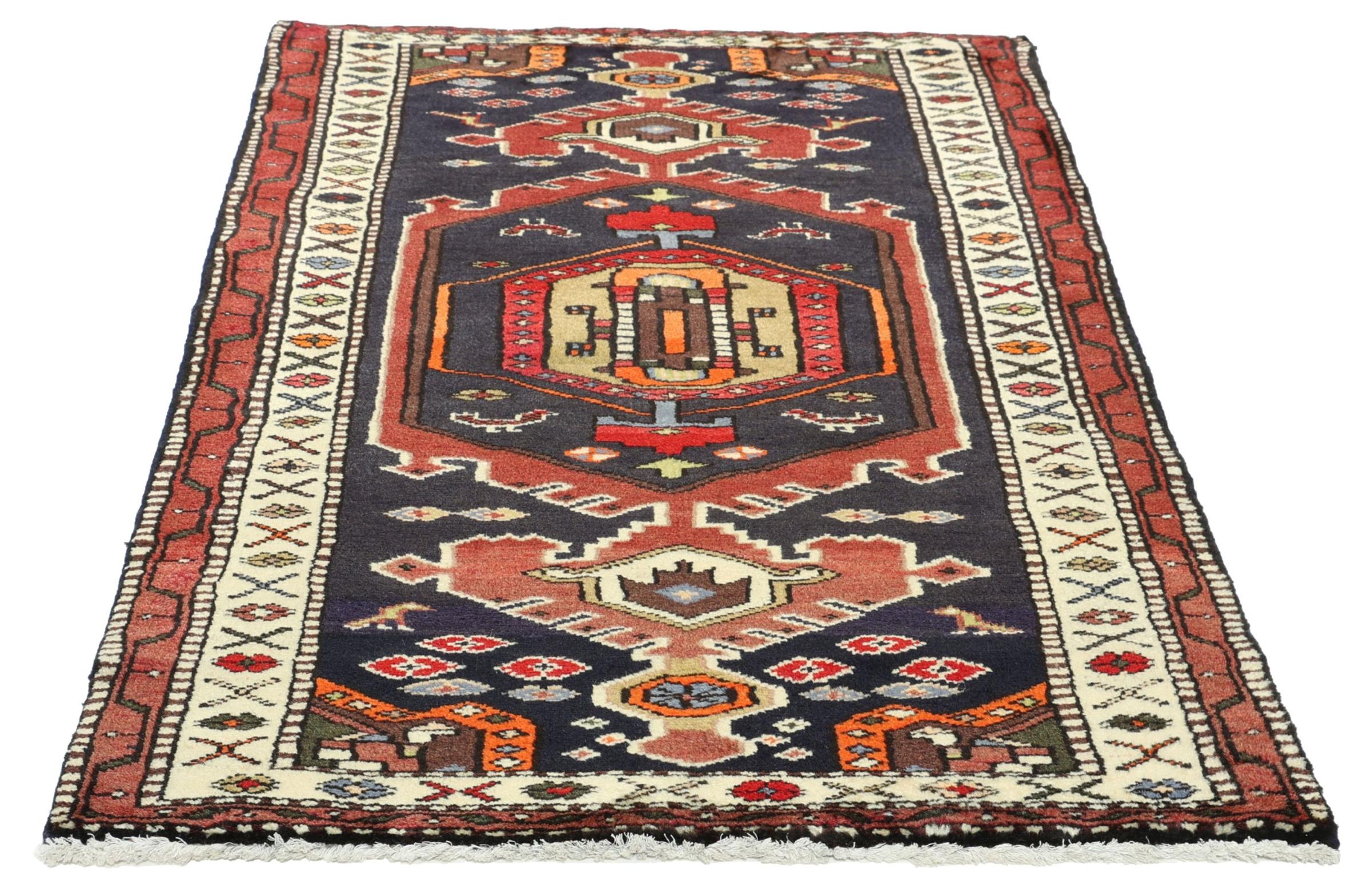
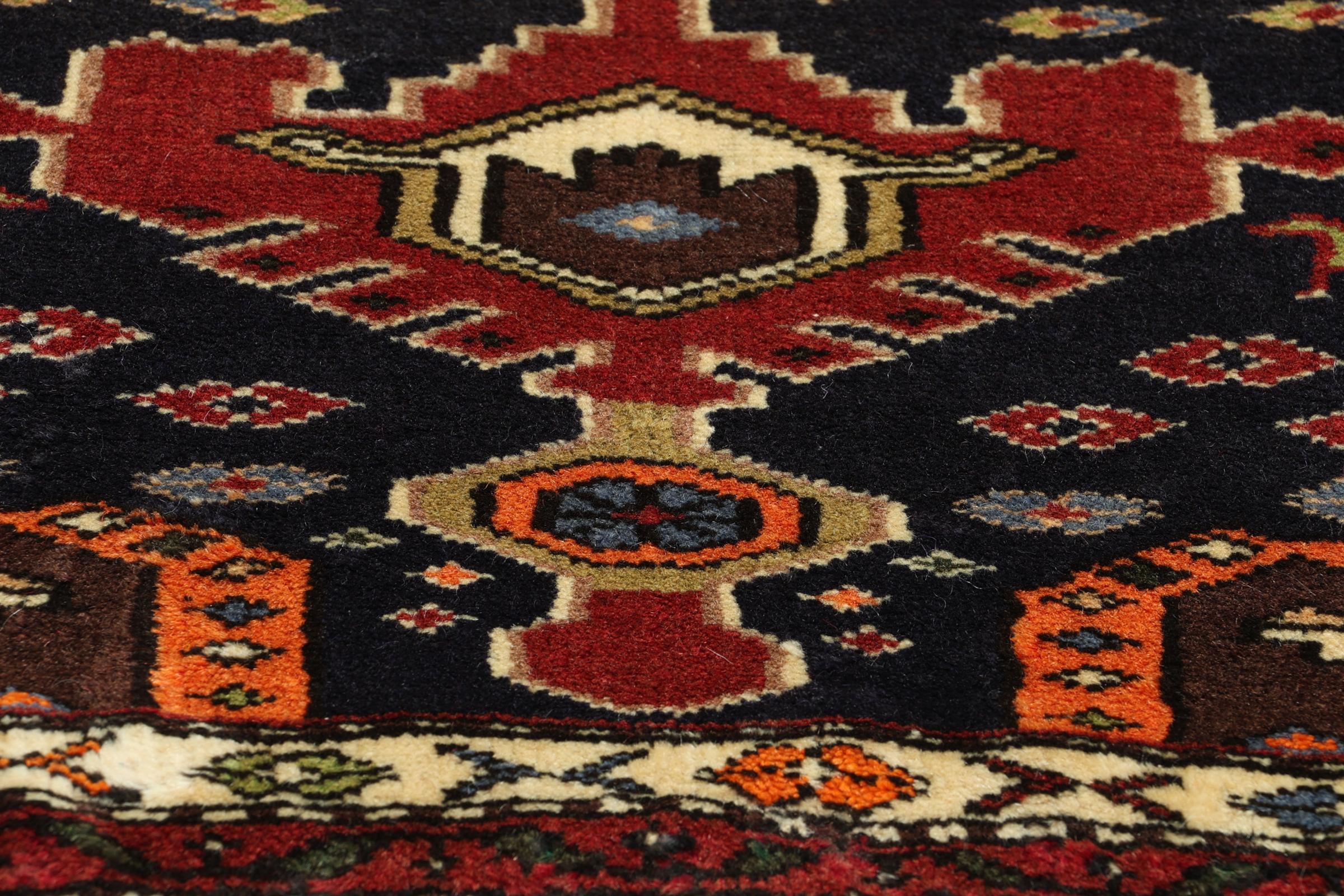
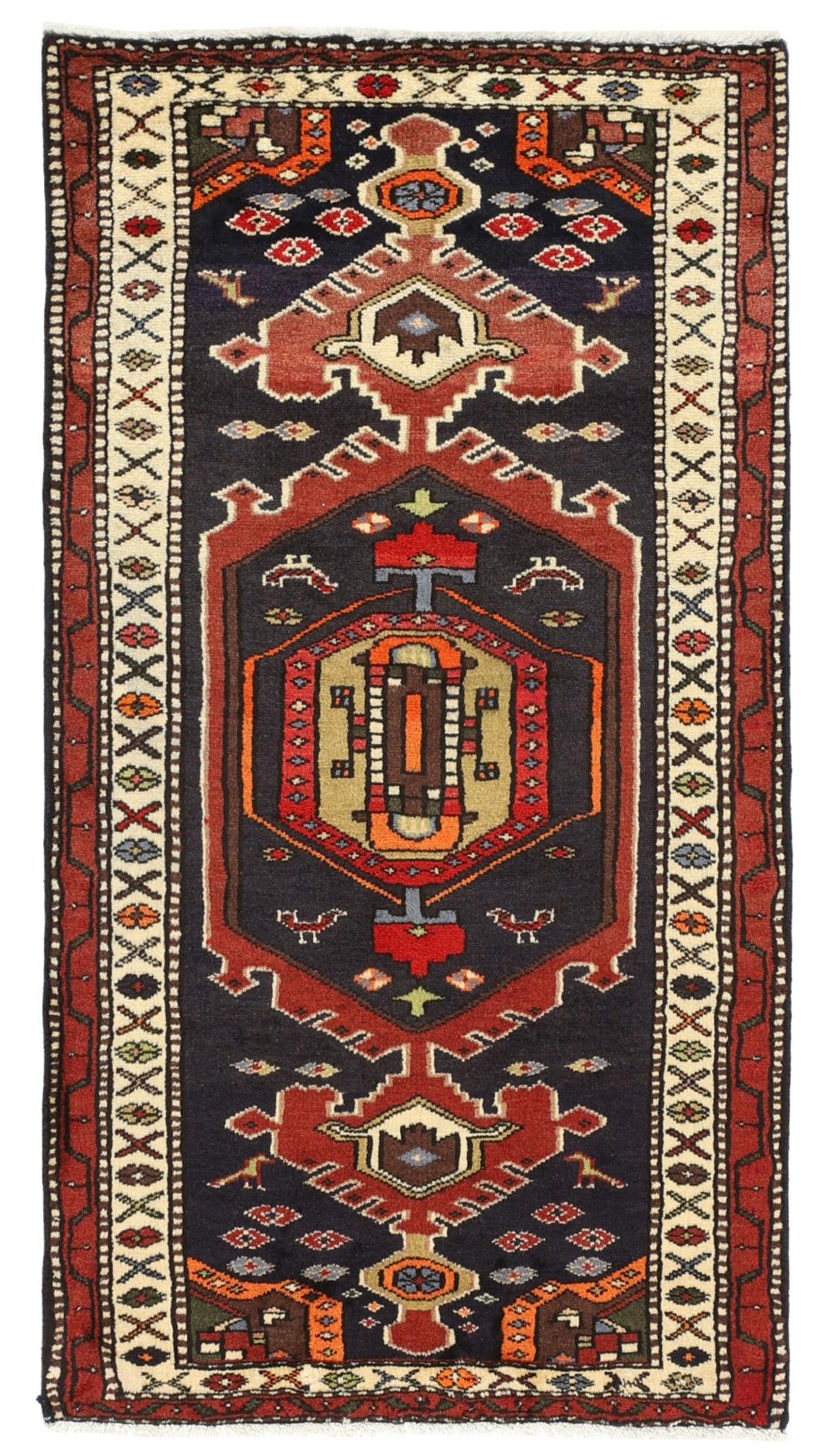
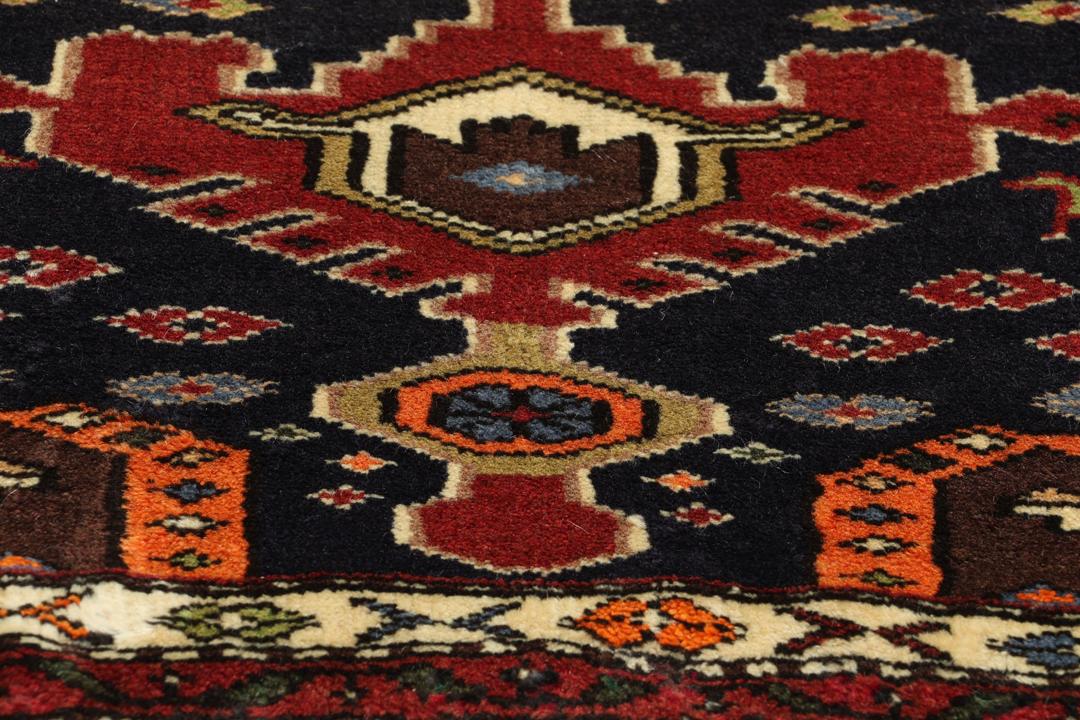
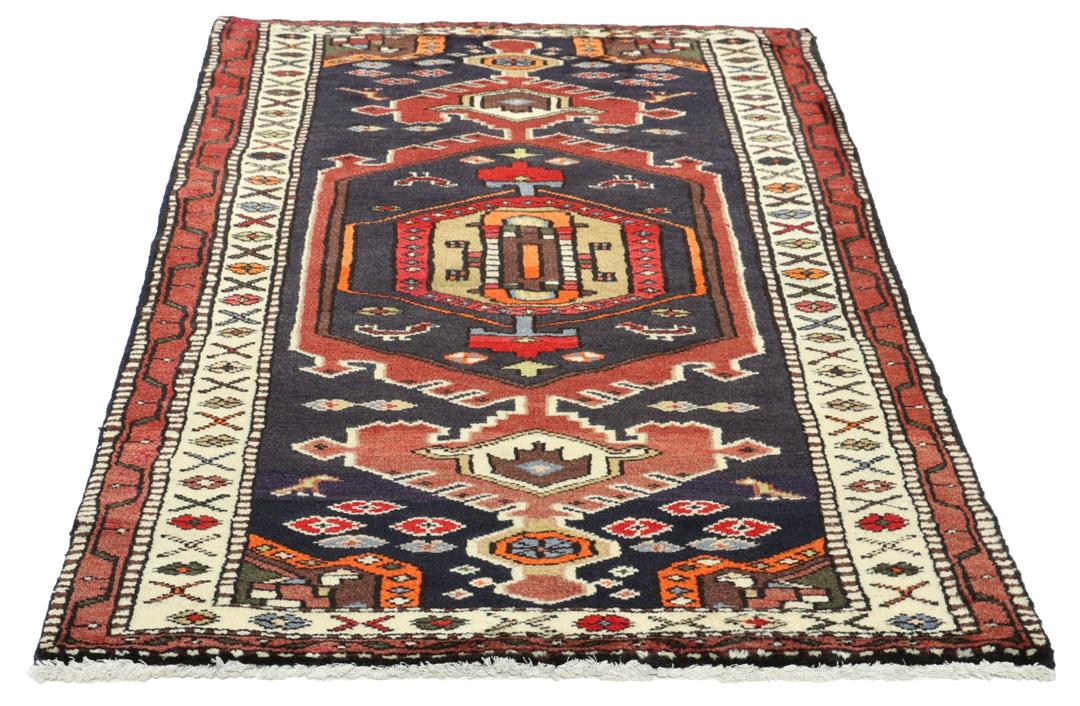
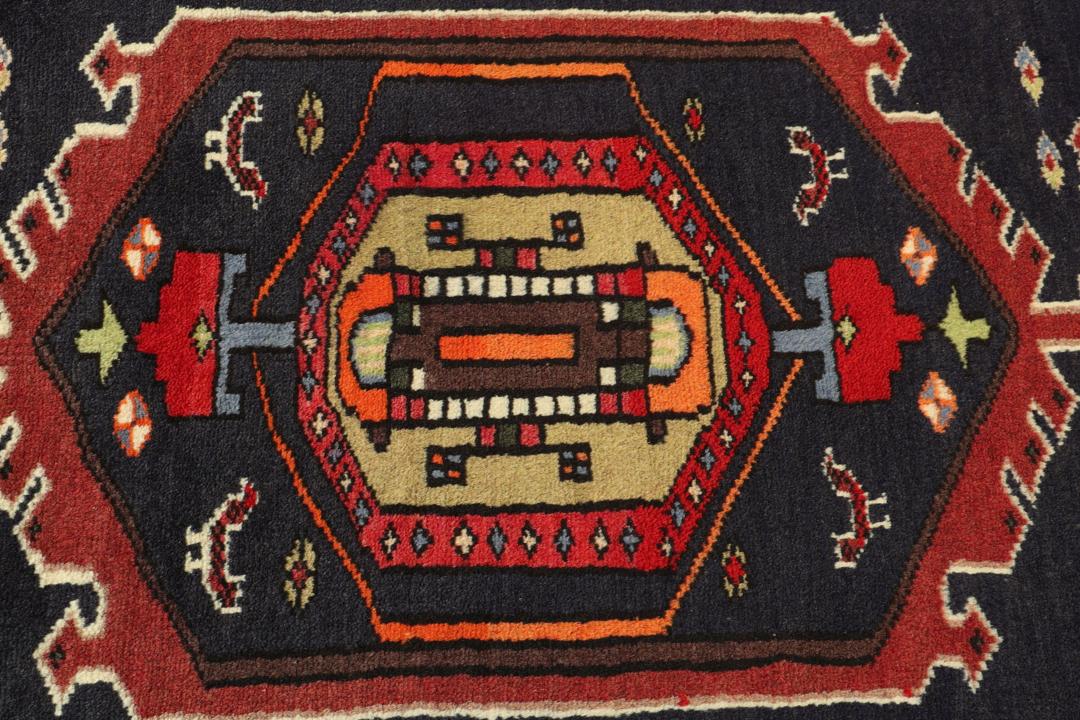
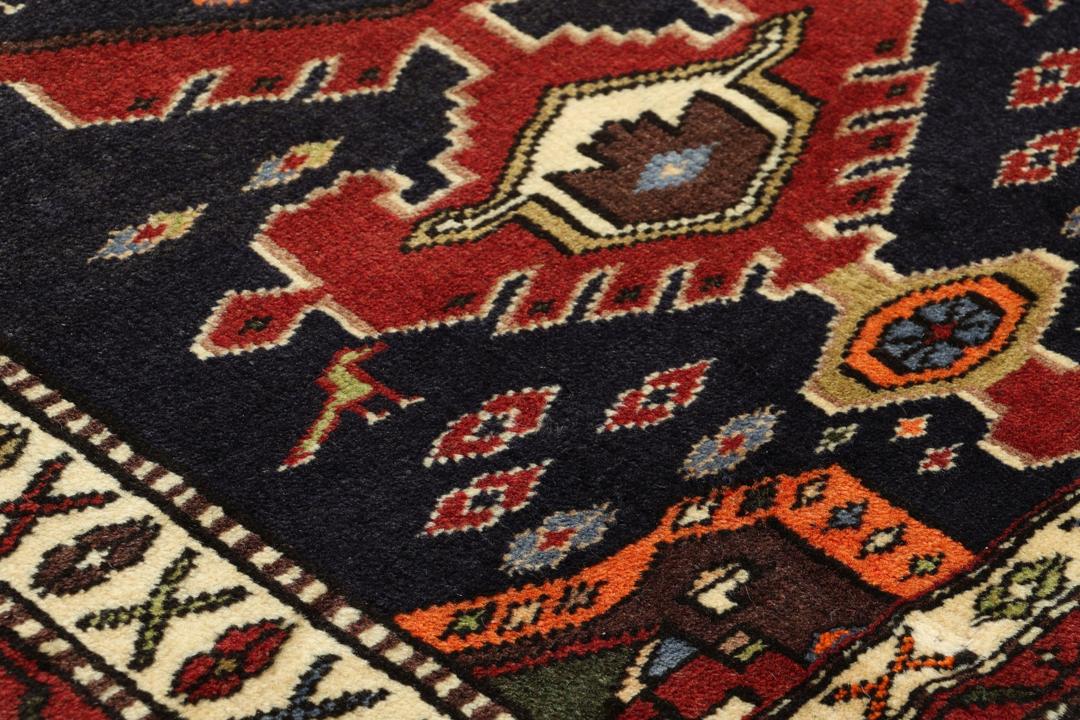
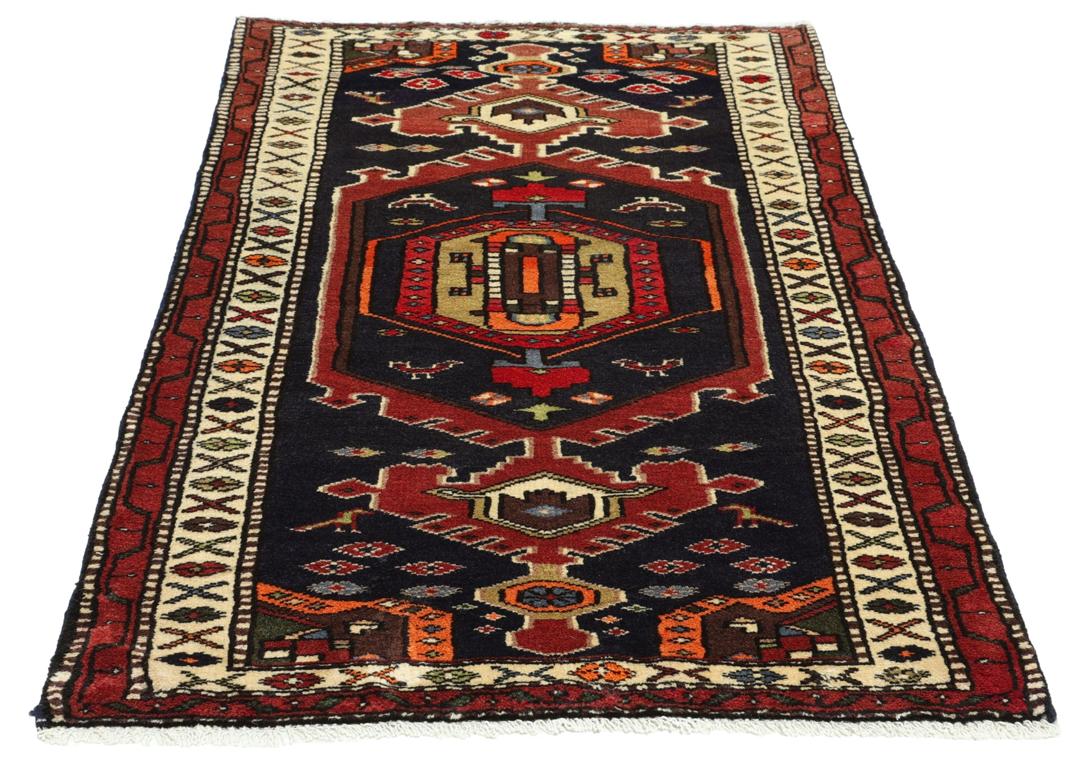
Visually, these rugs are celebrated for their bold geometric patterns and often feature a central medallion, as seen in this piece. The motifs are deeply symbolic, drawing from ancient tribal influences that tell stories through shapes and colours. The use of deep, resonant colours is a hallmark of the tradition, often contrasting with lighter tones to create a balanced, striking appearance.
Owning a Hamadan rug is an investment in cultural heritage. Because they are not mass-produced, each rug represents the specific aesthetic choices and skill level of the weaver. Collectors value these pieces for their honesty and the glimpse they provide into a centuries-old craft that continues to thrive in the modern home.