The Hamadan region in the Middle East has long been celebrated as one of the most prolific and diverse centres for rug weaving. Historically, the area served as a major hub for trade, allowing local weavers to draw inspiration from a wide variety of nomadic and village traditions. This heritage is reflected in the sheer variety of designs that emerge from the region, ranging from simple geometric shapes to highly complex, stylized floral compositions.
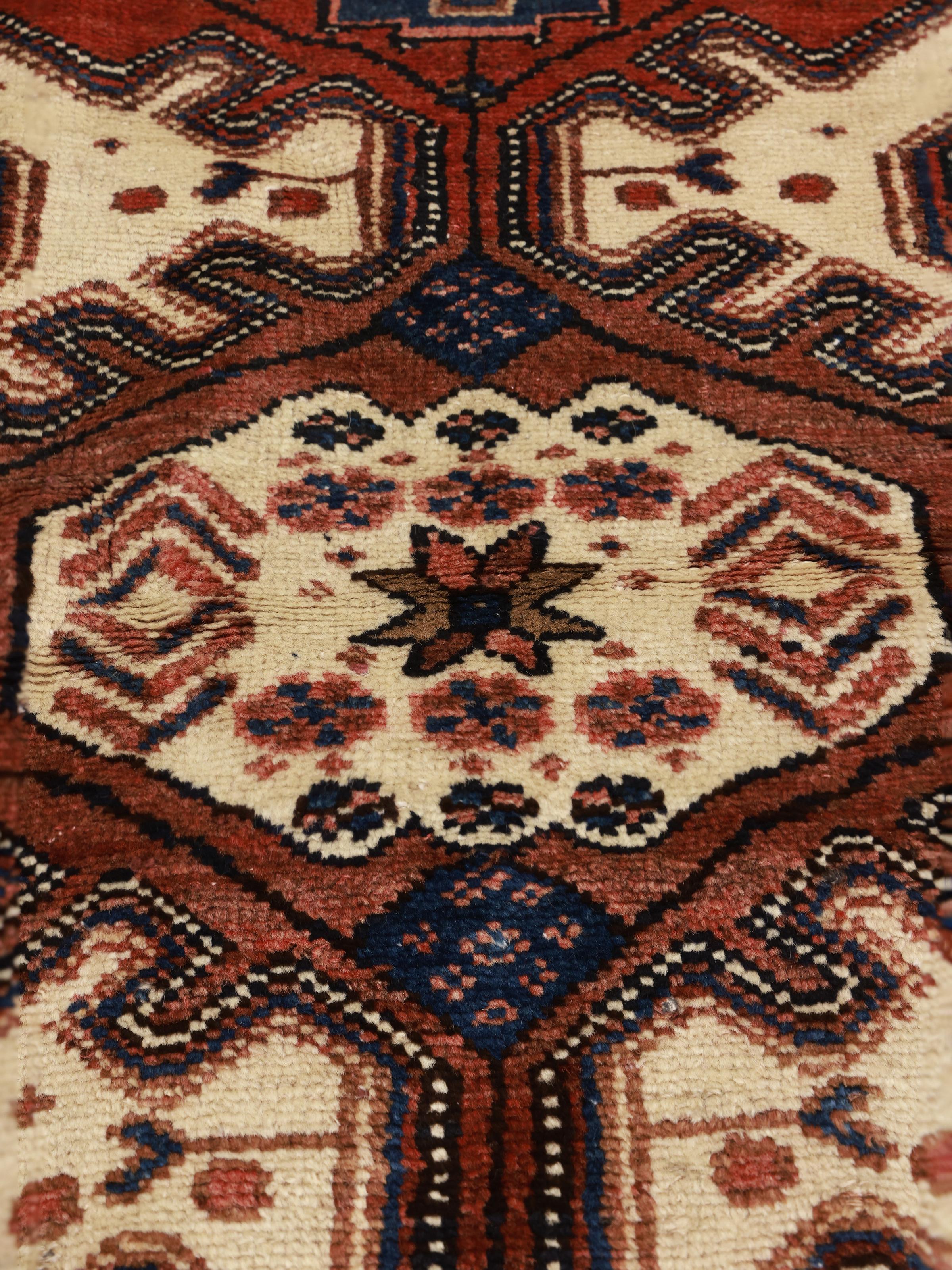
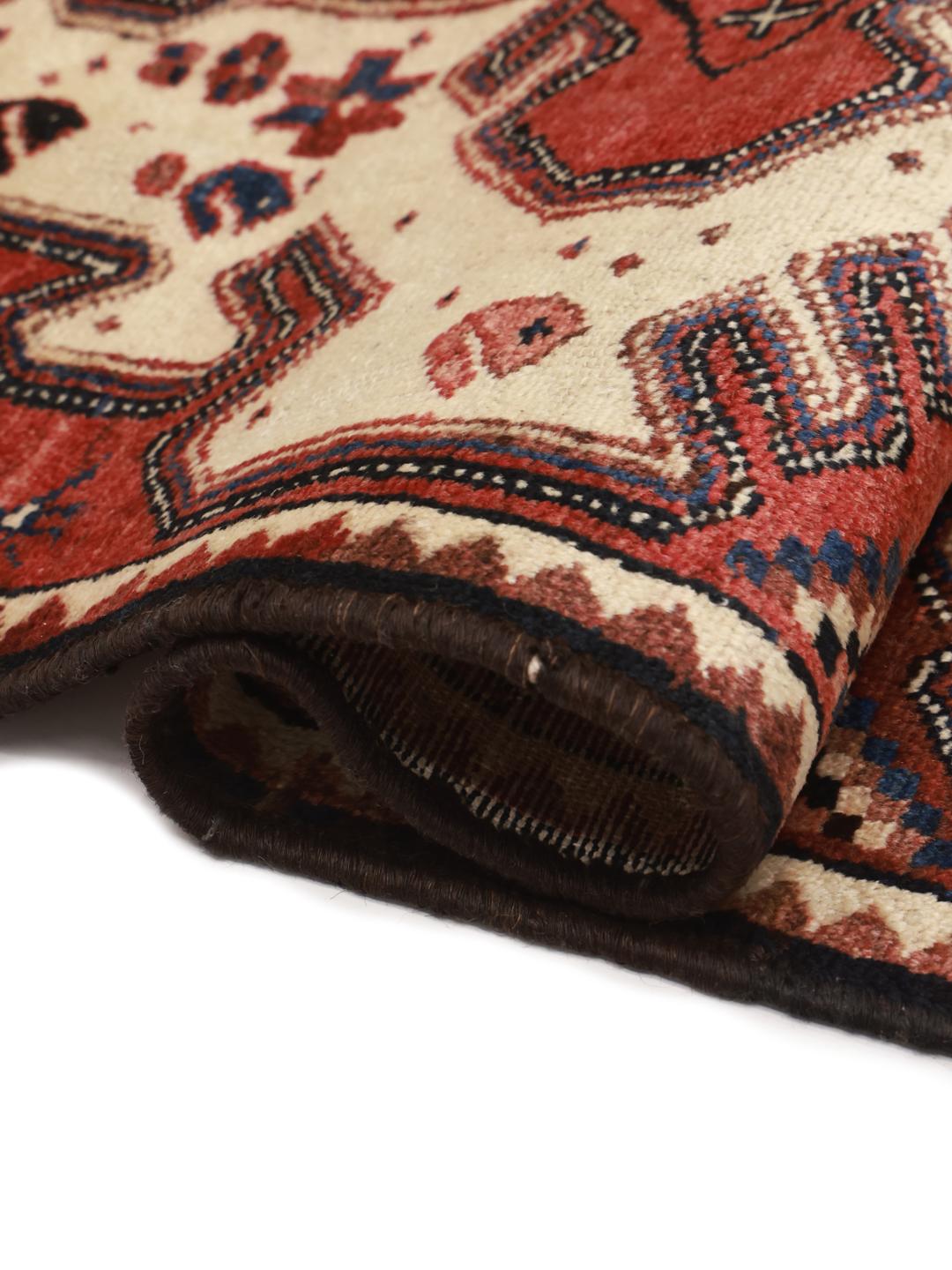
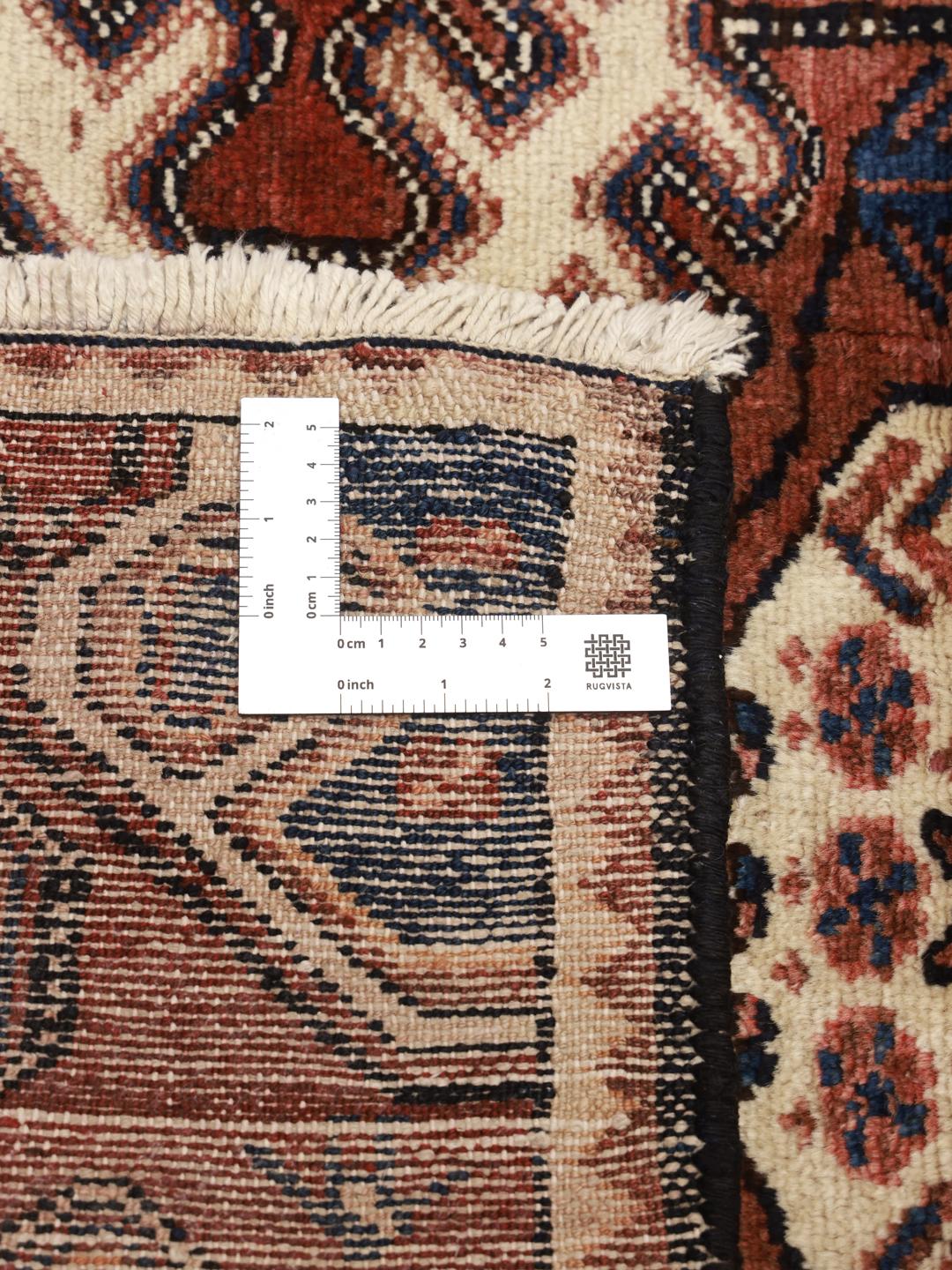
Technically, the term Hamadan refers to a wide range of rugs produced in the city and its surrounding villages. These rugs are known for their sturdy construction and the use of high-quality wool, often sourced from local mountain flocks. The craft is deeply communal, with techniques passed down through generations, ensuring that the distinct look and feel of these rugs have remained consistent while allowing for individual artistic flair.
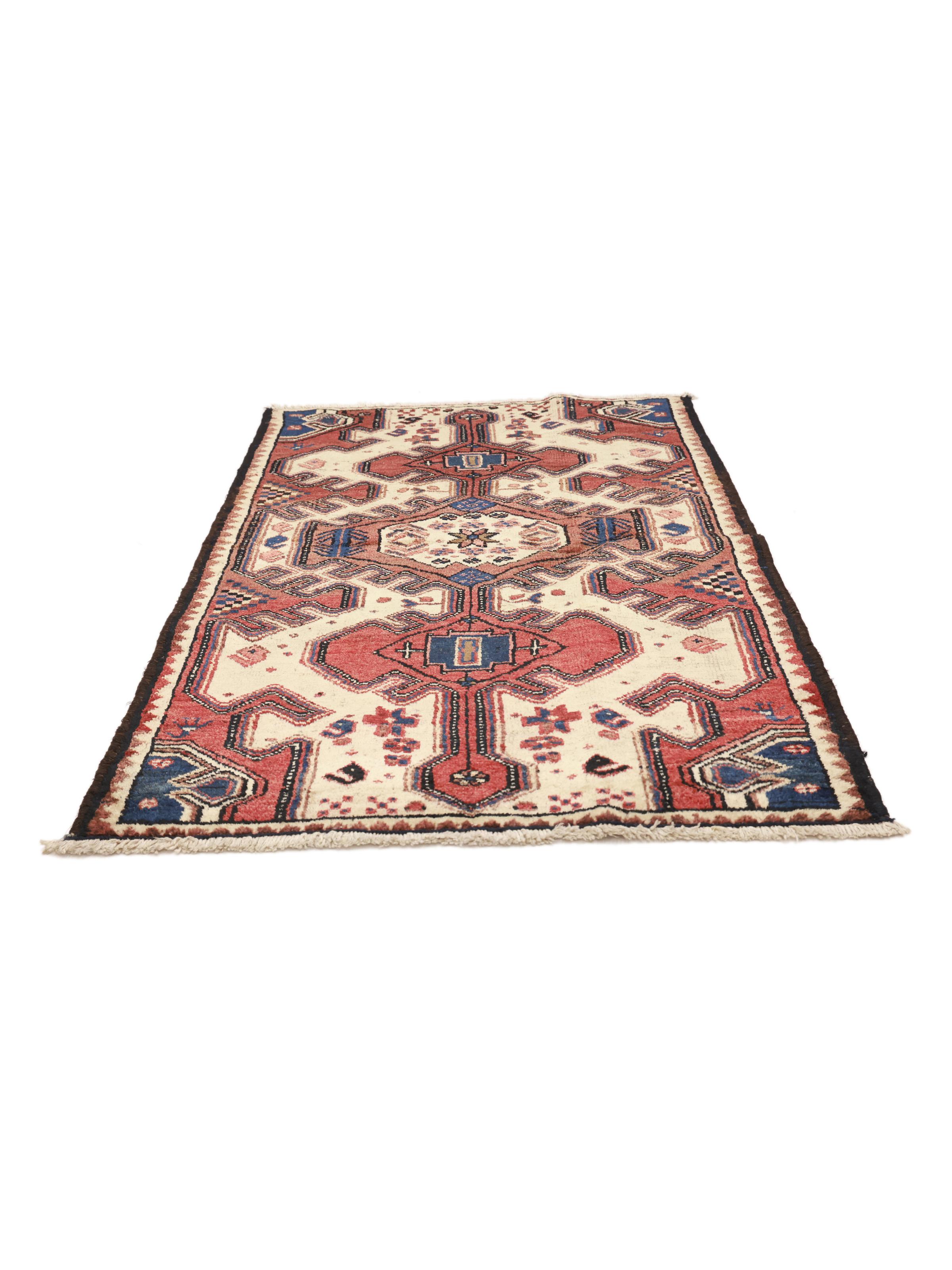
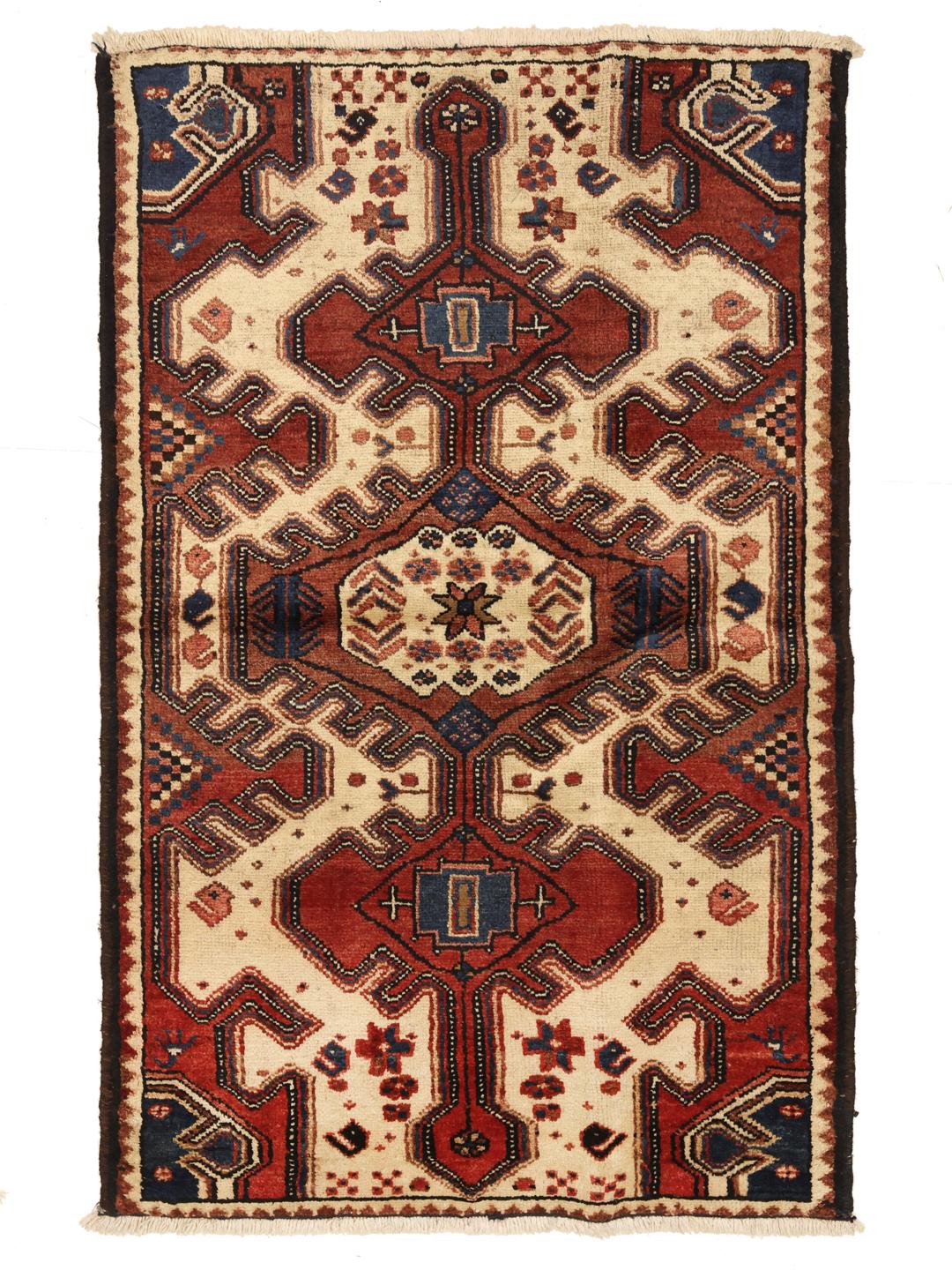
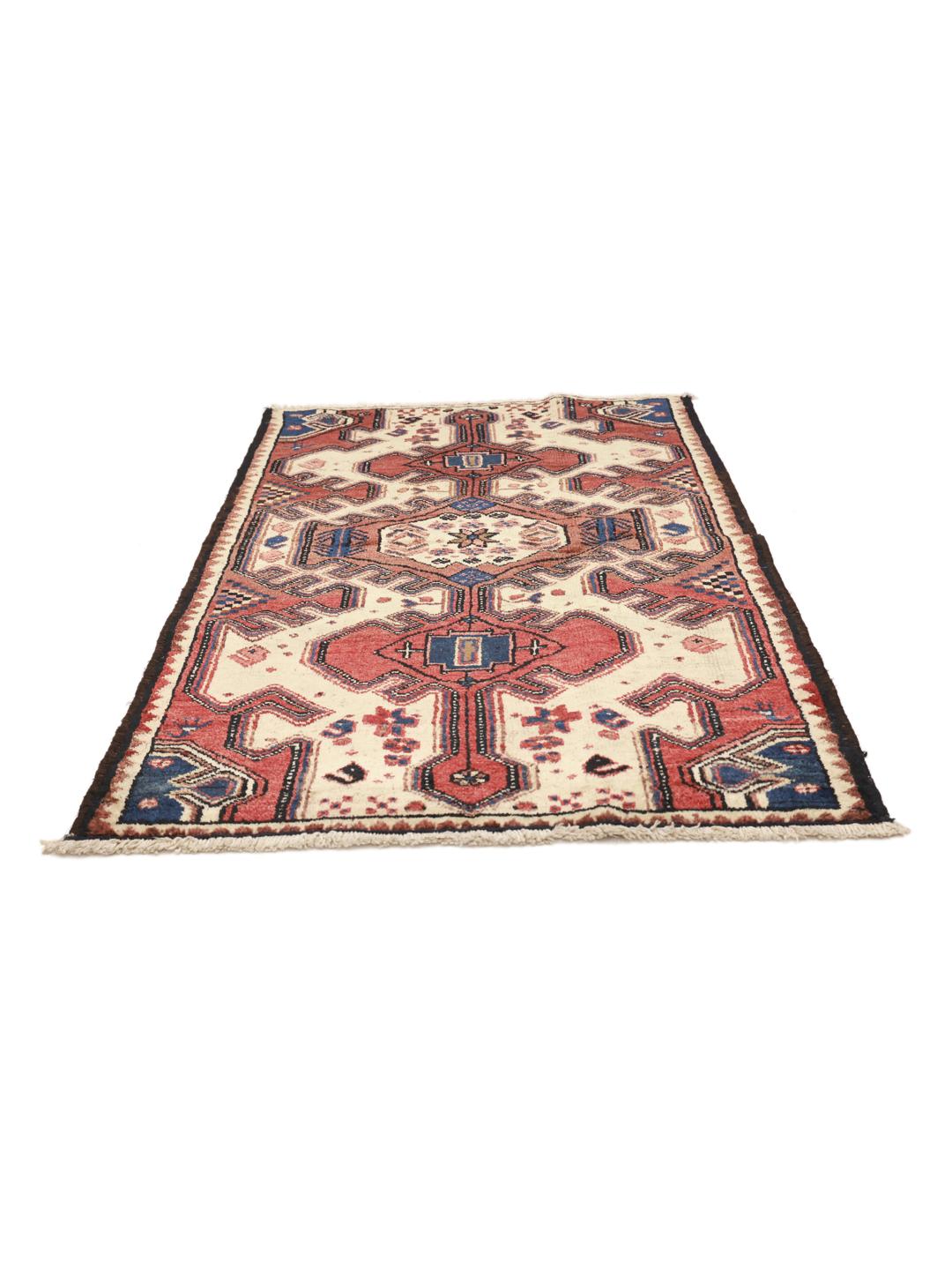
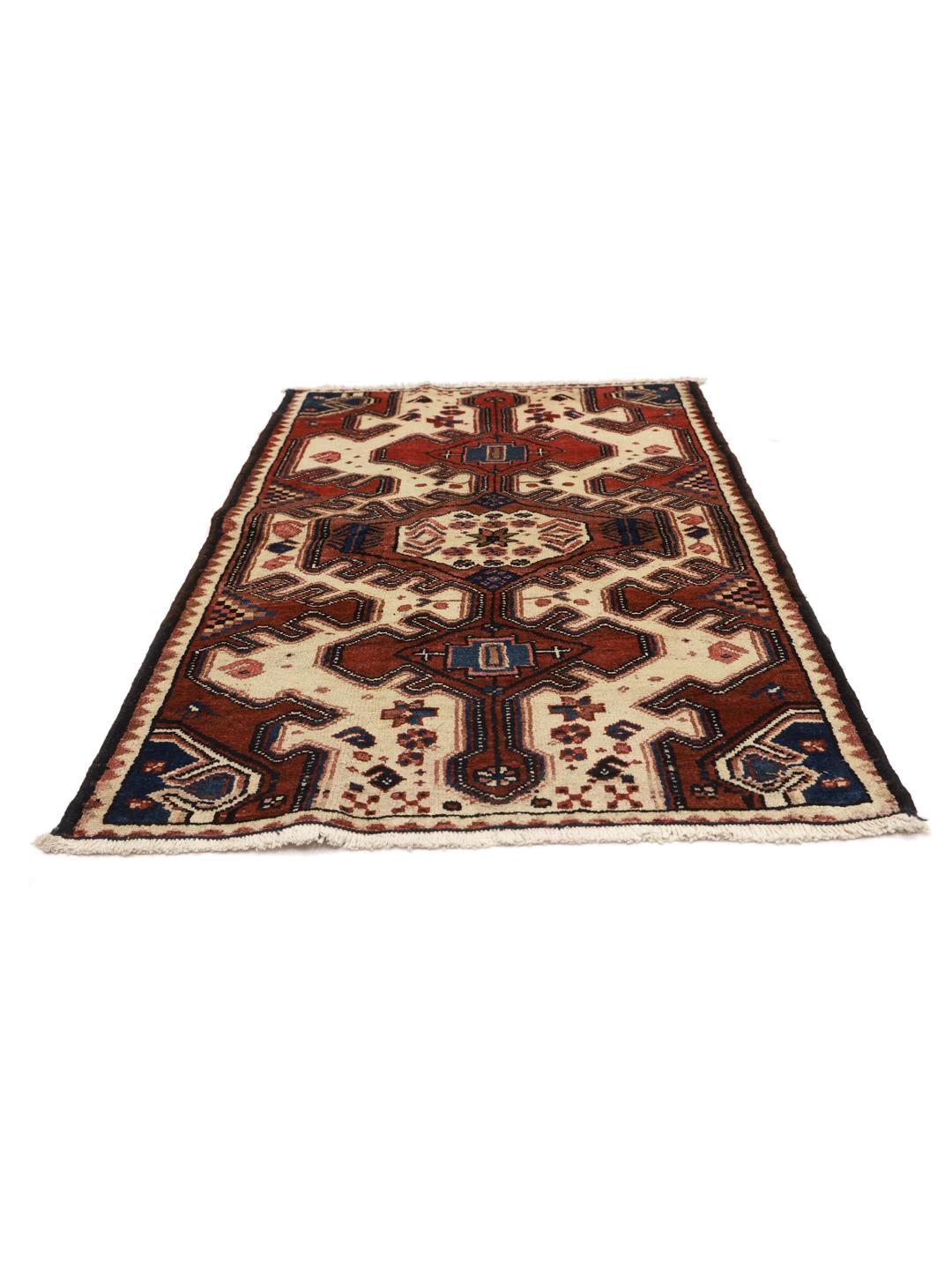
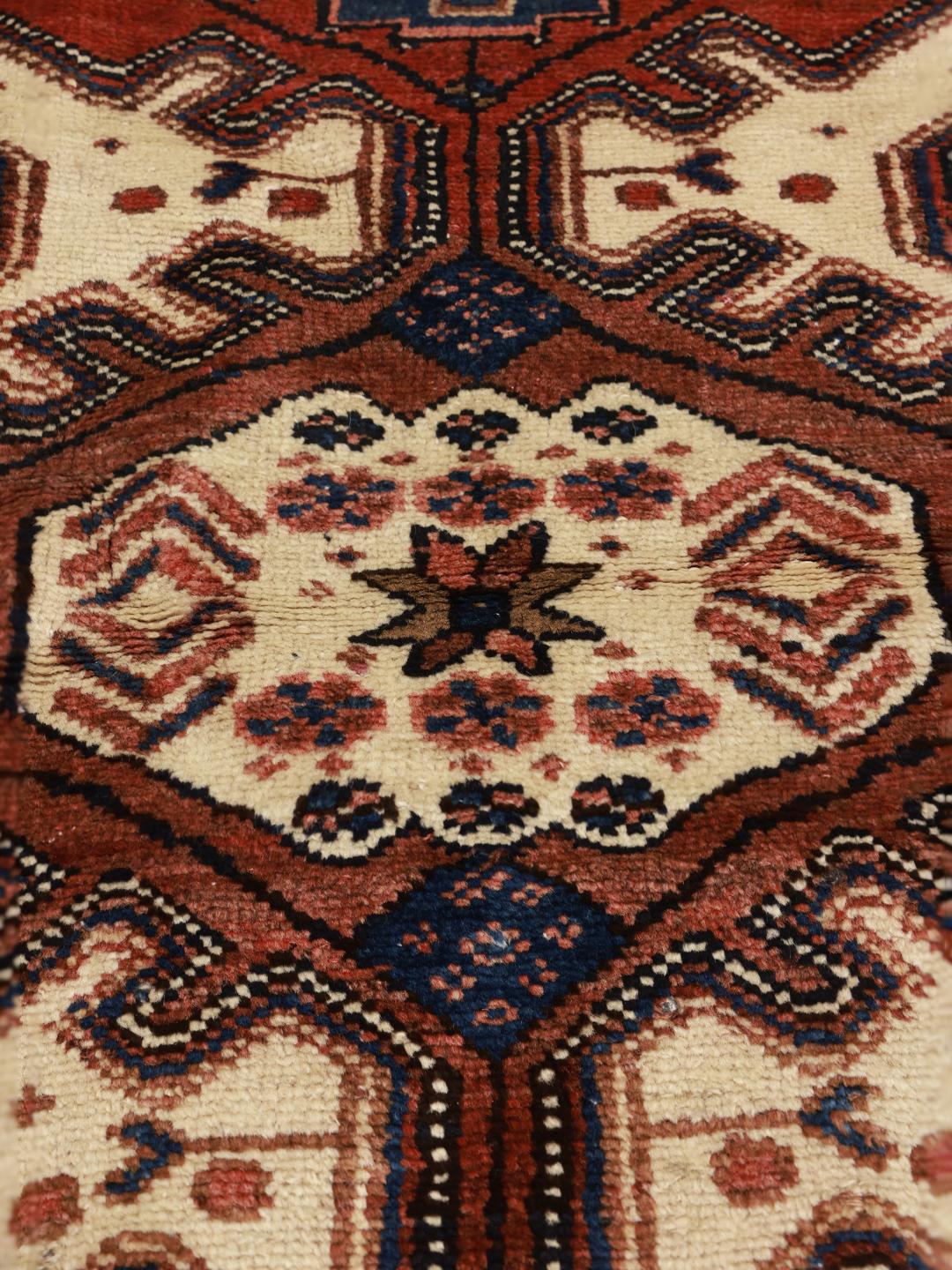
Signature design elements for this tradition often include a central medallion, though the interpretation of this motif can vary wildly from one weaver to the next. You will frequently find repeating geometric patterns and bold, angular borders that frame the composition. The use of natural, earthy palettes is traditional, though many pieces incorporate vibrant contrasts, such as deep reds and blues, to highlight the clarity of the design.
Owning a piece from this tradition is an opportunity to connect with a centuries-old craft that values human touch over uniformity. These rugs are highly prized by collectors and homeowners alike for their ability to bridge the gap between historical artistry and functional modern living. By acquiring this rug, you are preserving a legacy of skill, ensuring that the ancient craft of the Middle East continues to be appreciated in contemporary homes.