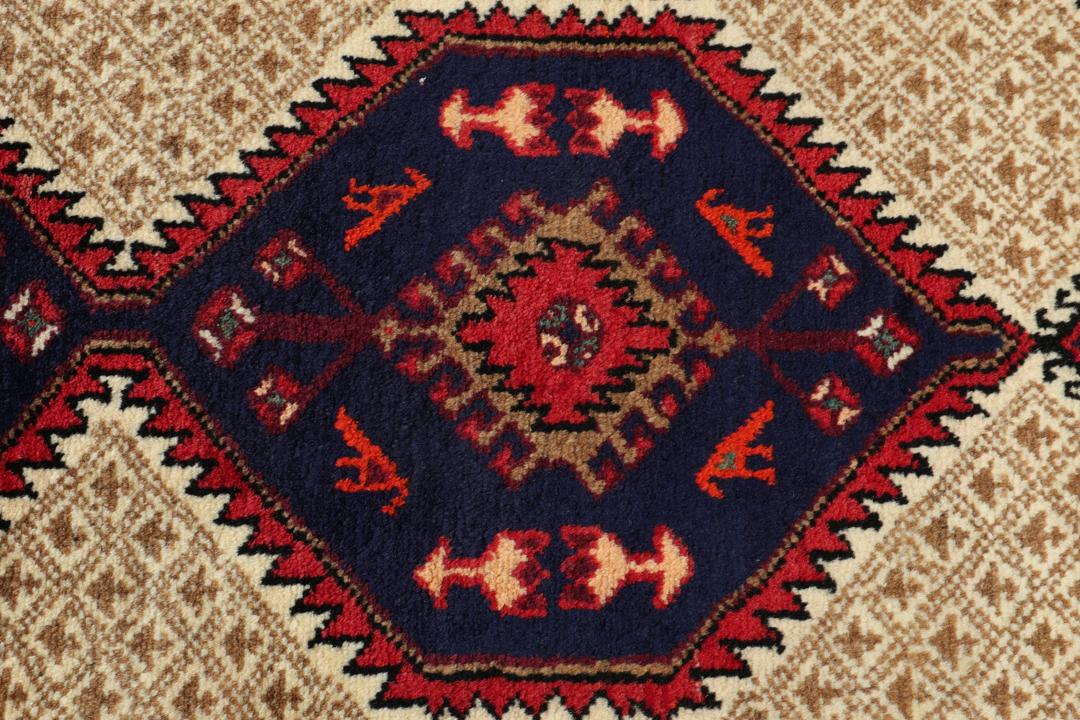
Hamadan rugs originate from one of the oldest cities in the Middle East, a region with a deep-rooted history in textile production. For centuries, the area around the city of Hamadan has served as a central hub for village weavers, each bringing their own distinct family traditions and regional influences to the loom.
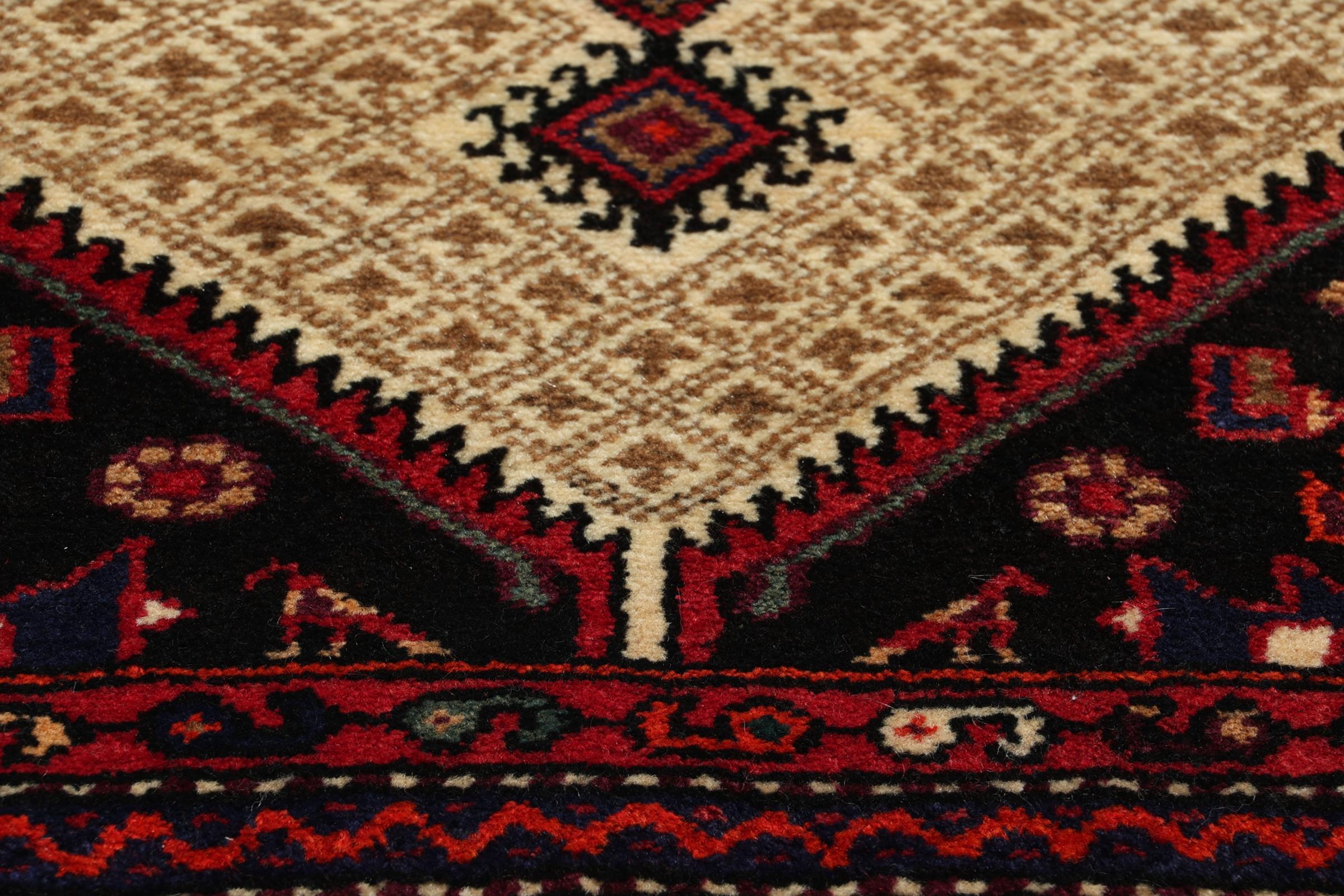
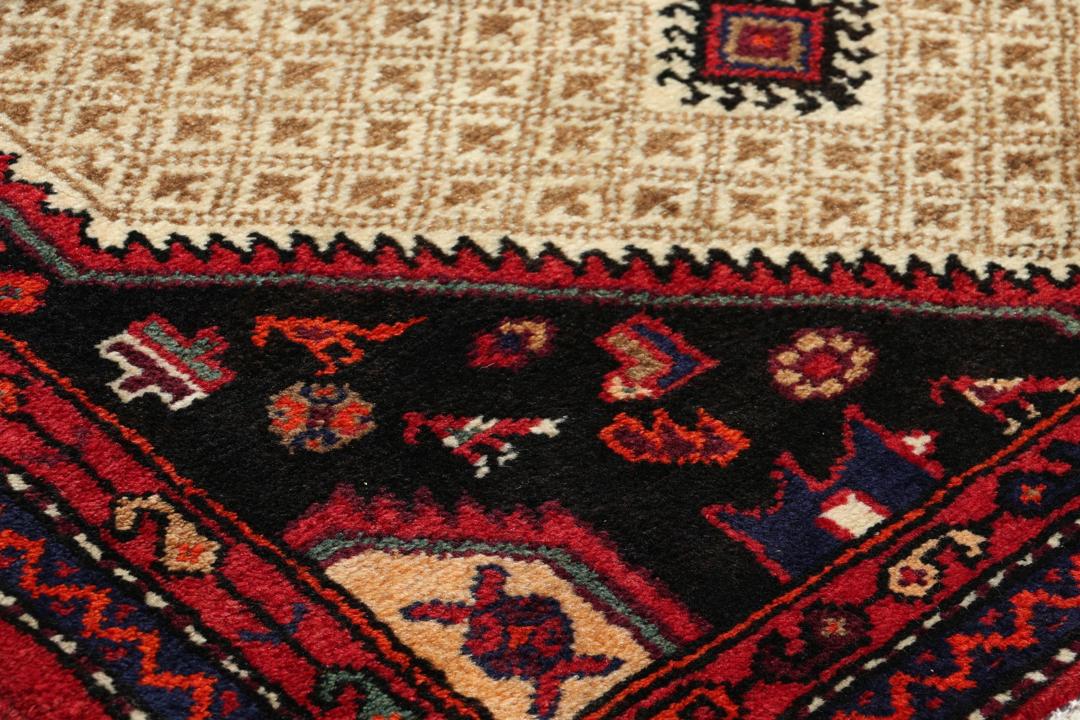
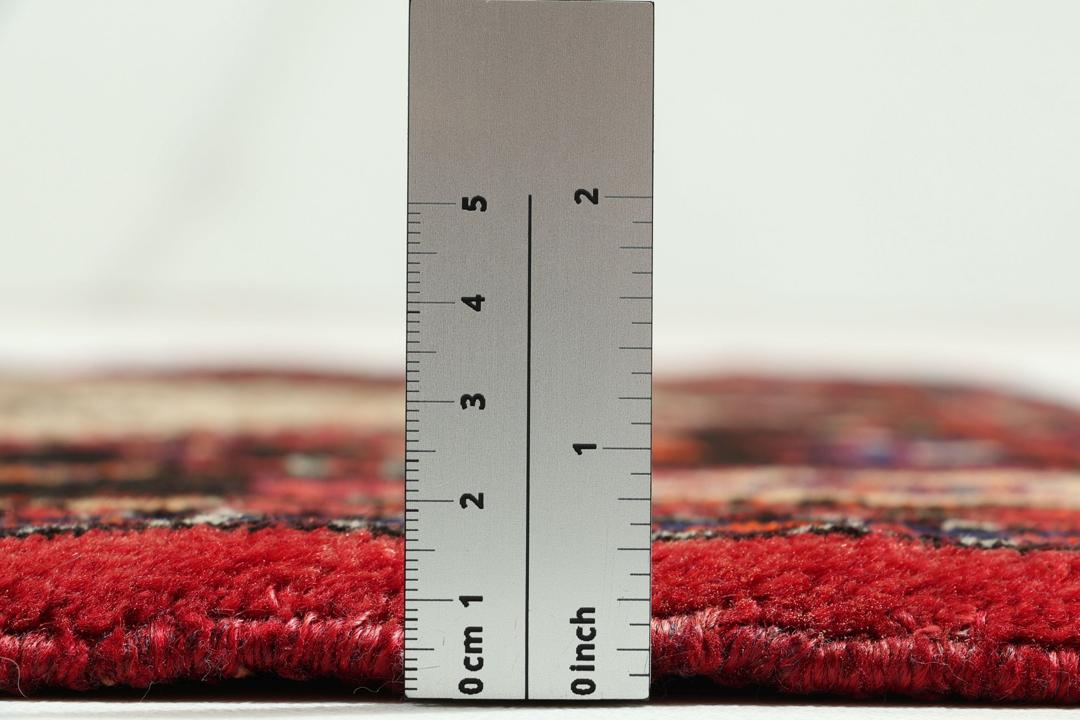
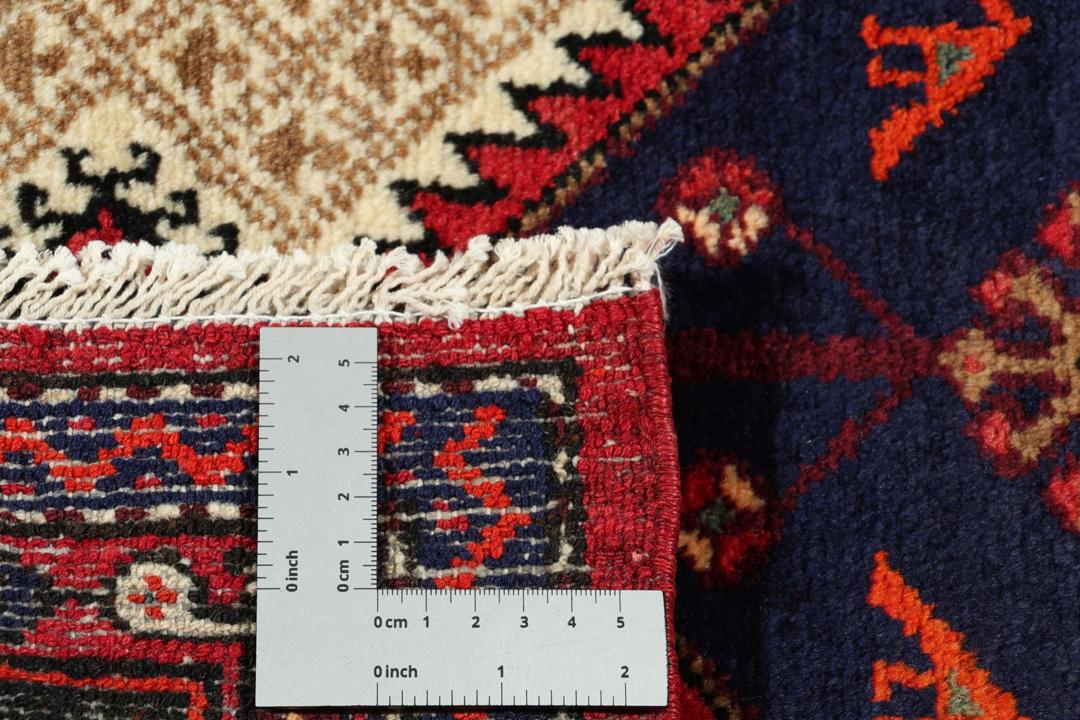
The term Hamadan refers to a broad collection of styles, but they are united by their use of sturdy, high-quality Wool. The construction typically involves a single-weft technique, which results in a supple yet durable rug. This traditional approach to building the foundation is what gives these rugs their signature resilience and long-lasting quality.
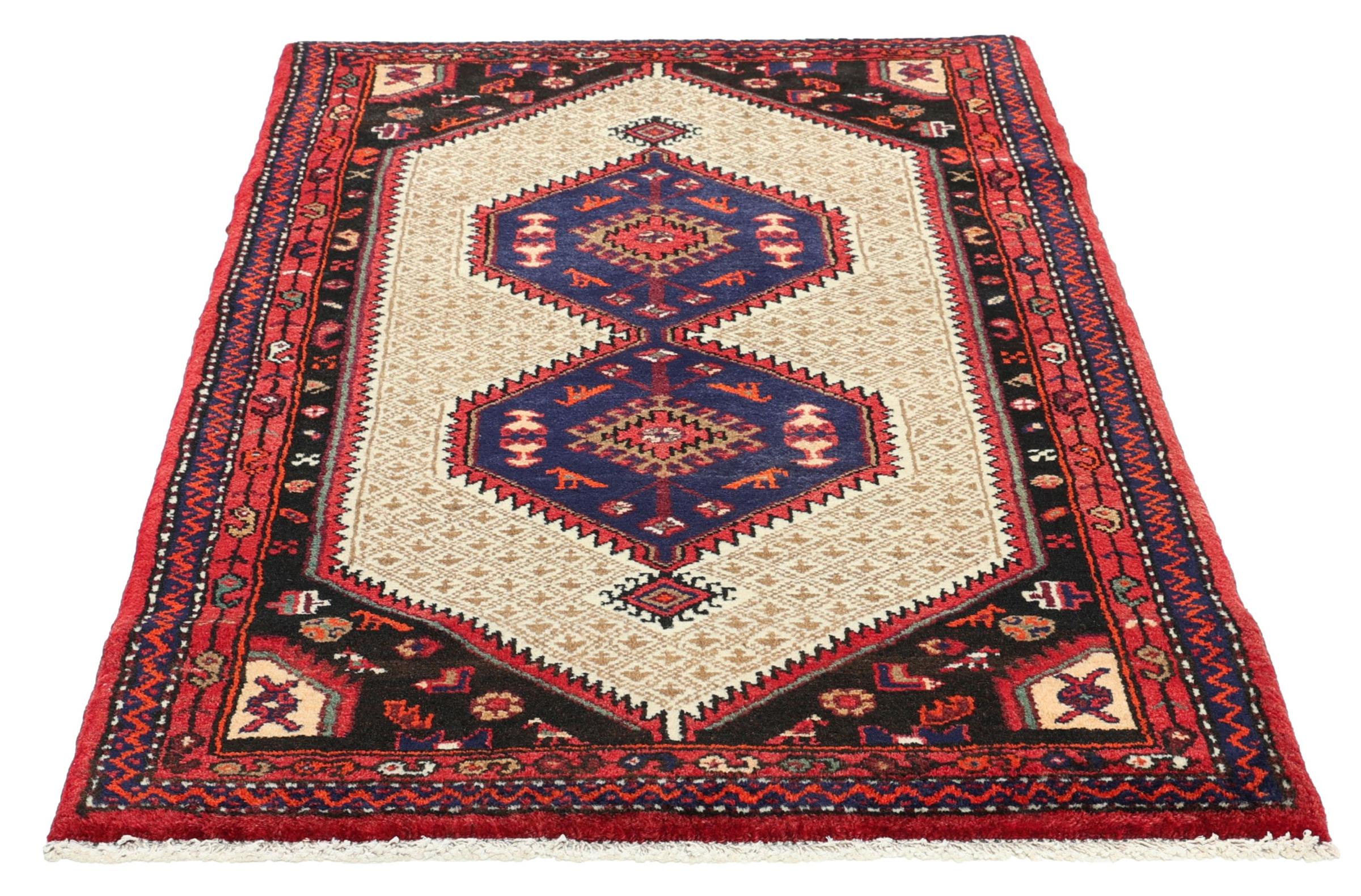
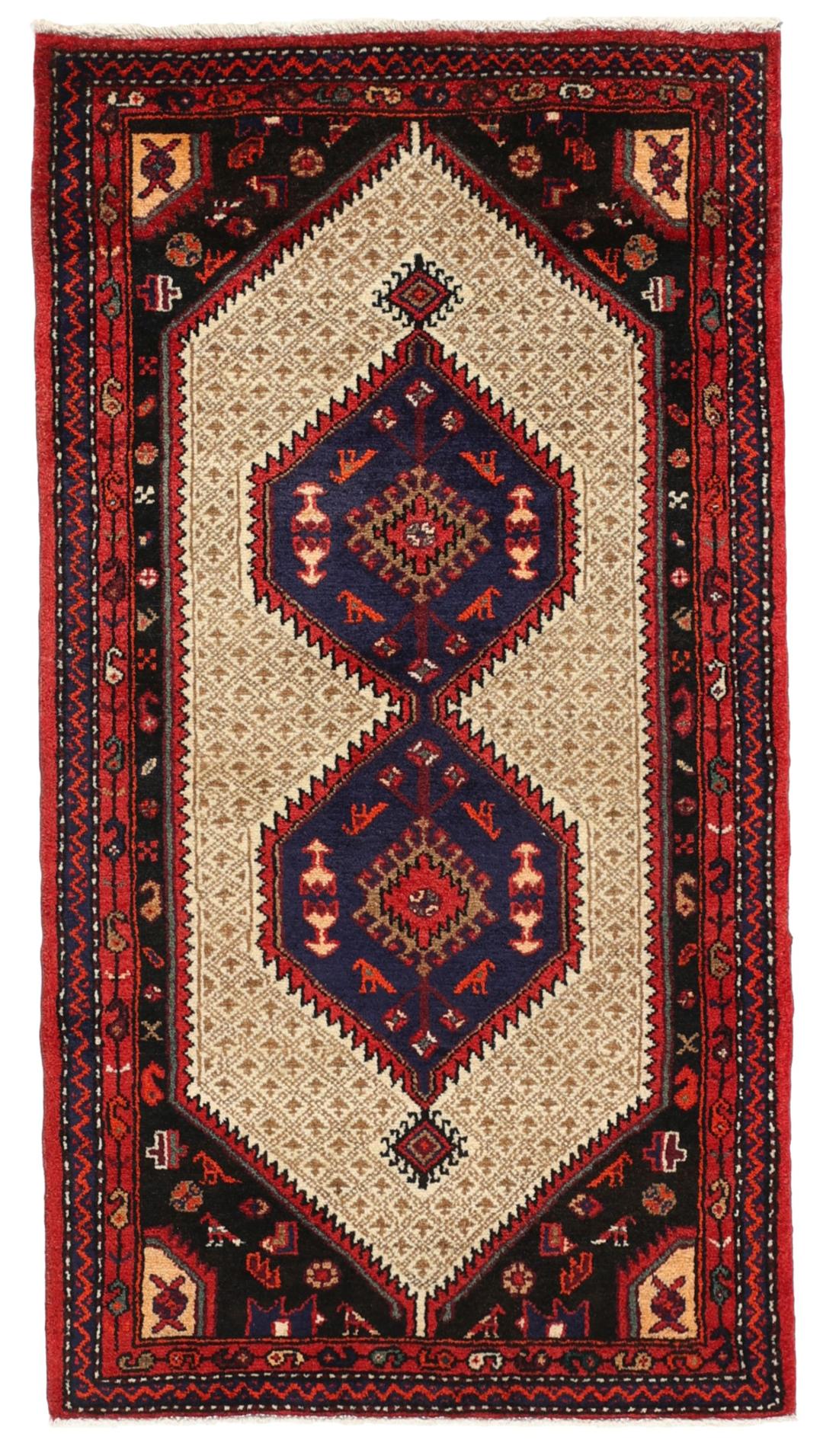
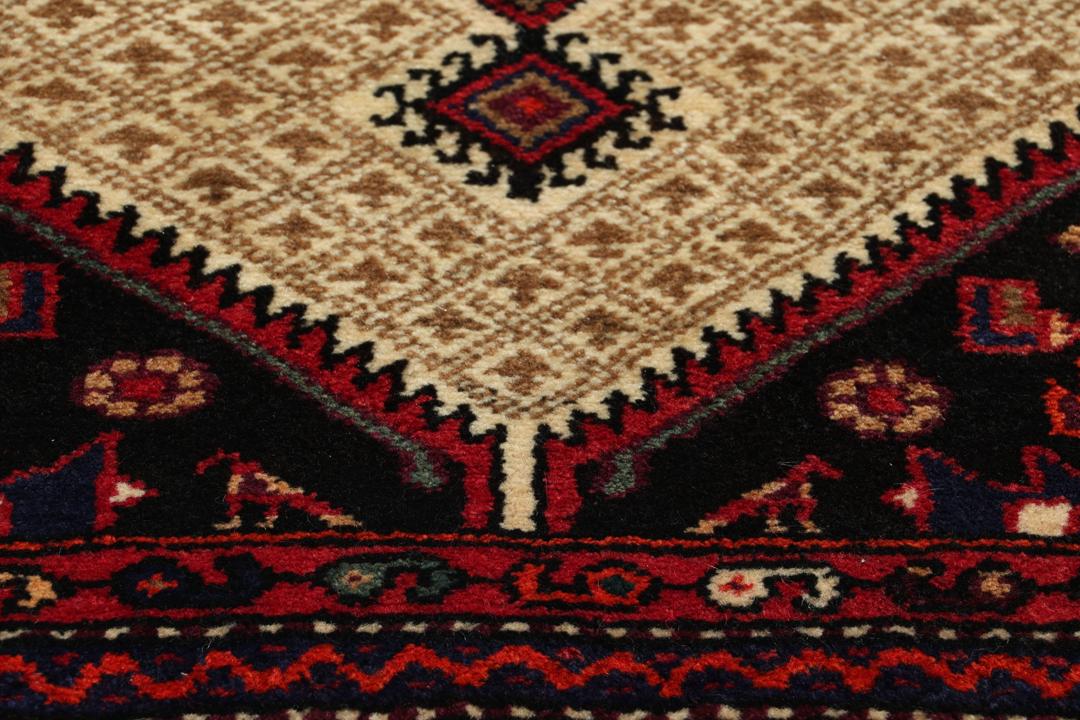
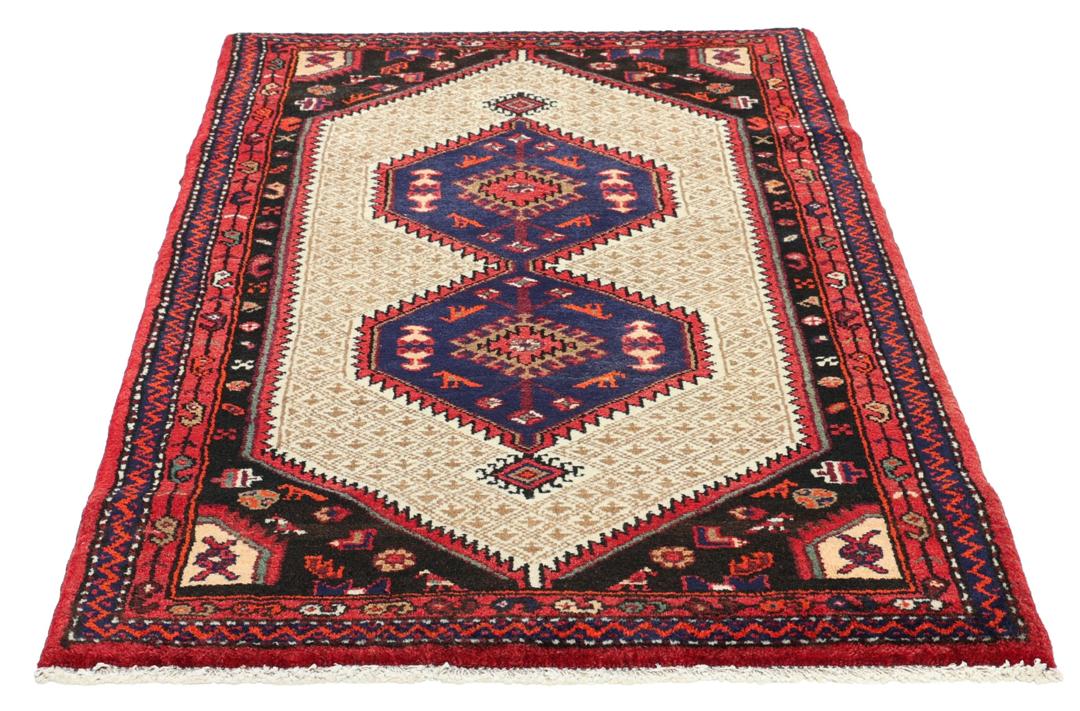
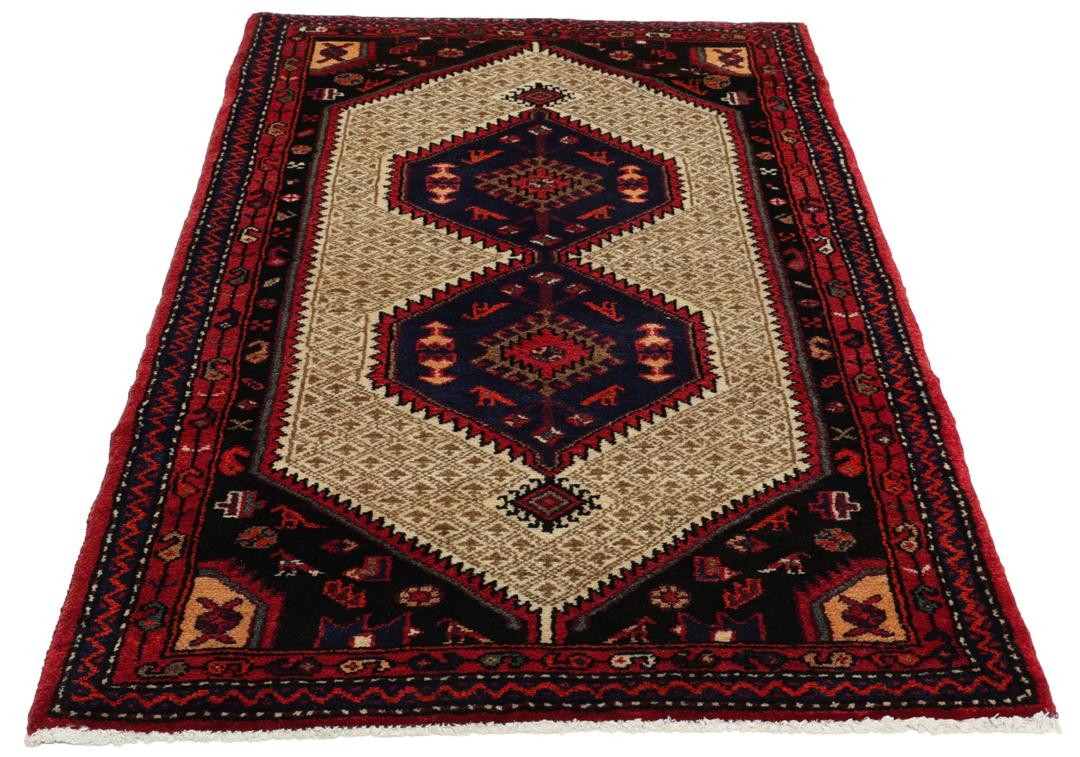
Visually, these rugs are often defined by their geometric flair, frequently incorporating central medallions, repetitive floral motifs, or the iconic 'Herati' pattern. While they draw from a deep well of traditional design, the specific arrangement of these elements can vary wildly, making every piece a unique expression of the weaver's personal vision and local heritage.
Collecting a Hamadan rug is a way of preserving a piece of cultural history. These rugs are highly valued for their authenticity and the skill required to produce them. By bringing one into your home, you are not just choosing a floor covering, but a piece of heritage that carries the stories and dedication of the artisans who created it.