Hamadan rugs take their name from one of the oldest cities in the world, located in the mountainous region of the Middle East. For centuries, this area has served as a vital hub for caravan trade, allowing weavers to exchange ideas, motifs, and techniques with travellers moving along ancient routes.
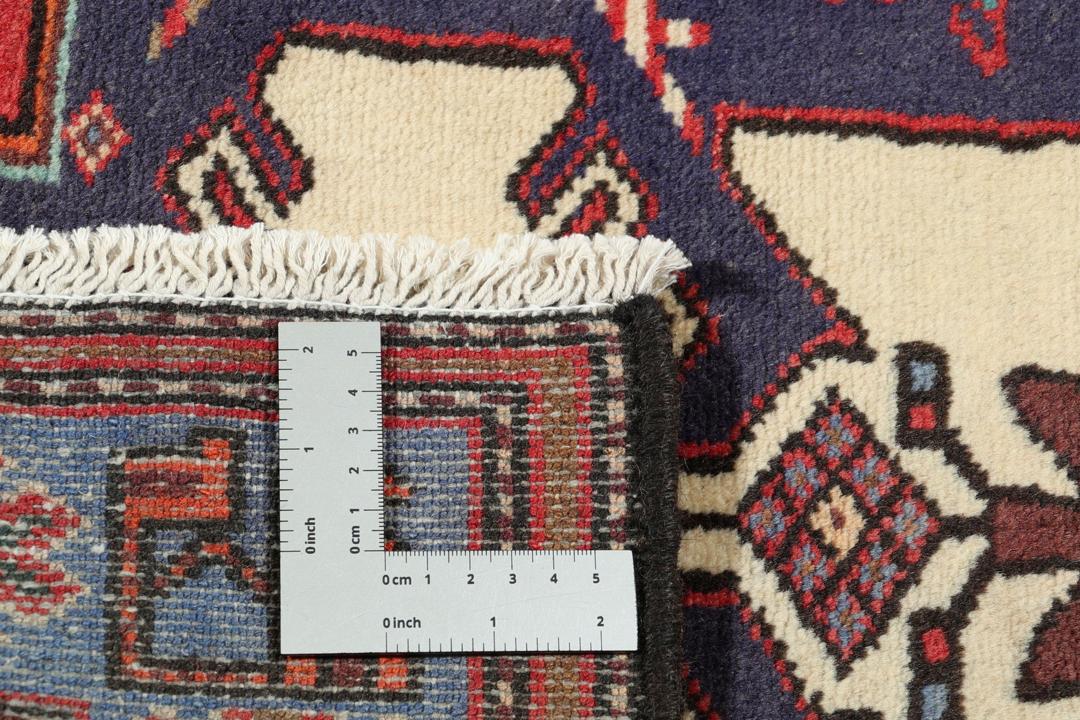
The production of these rugs is deeply rooted in local traditions, where families pass down specific weaving skills through generations. The use of wool is central to this craft, chosen for its ability to take vibrant natural dyes and for its natural durability, which is essential for rugs intended for everyday domestic use.
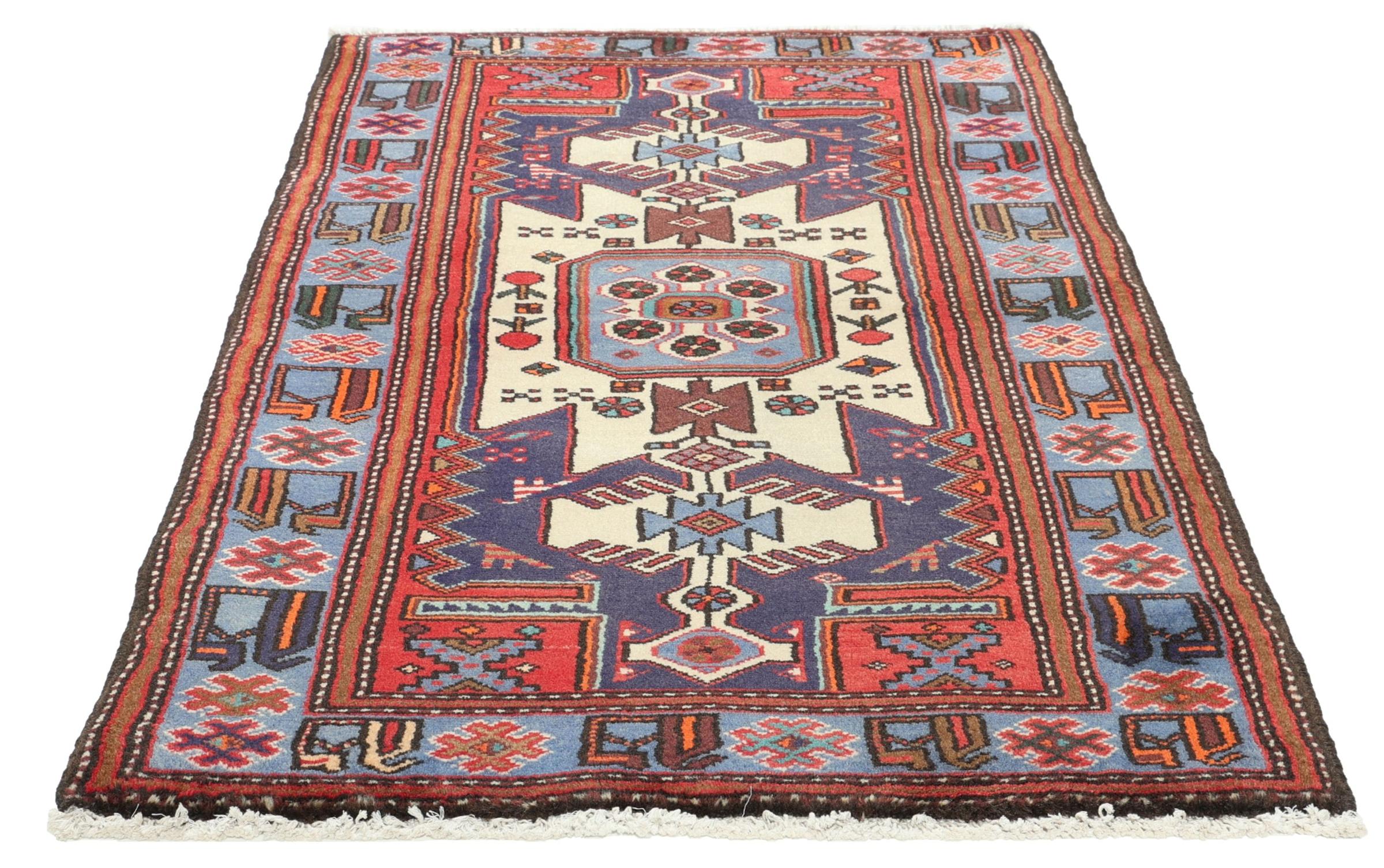
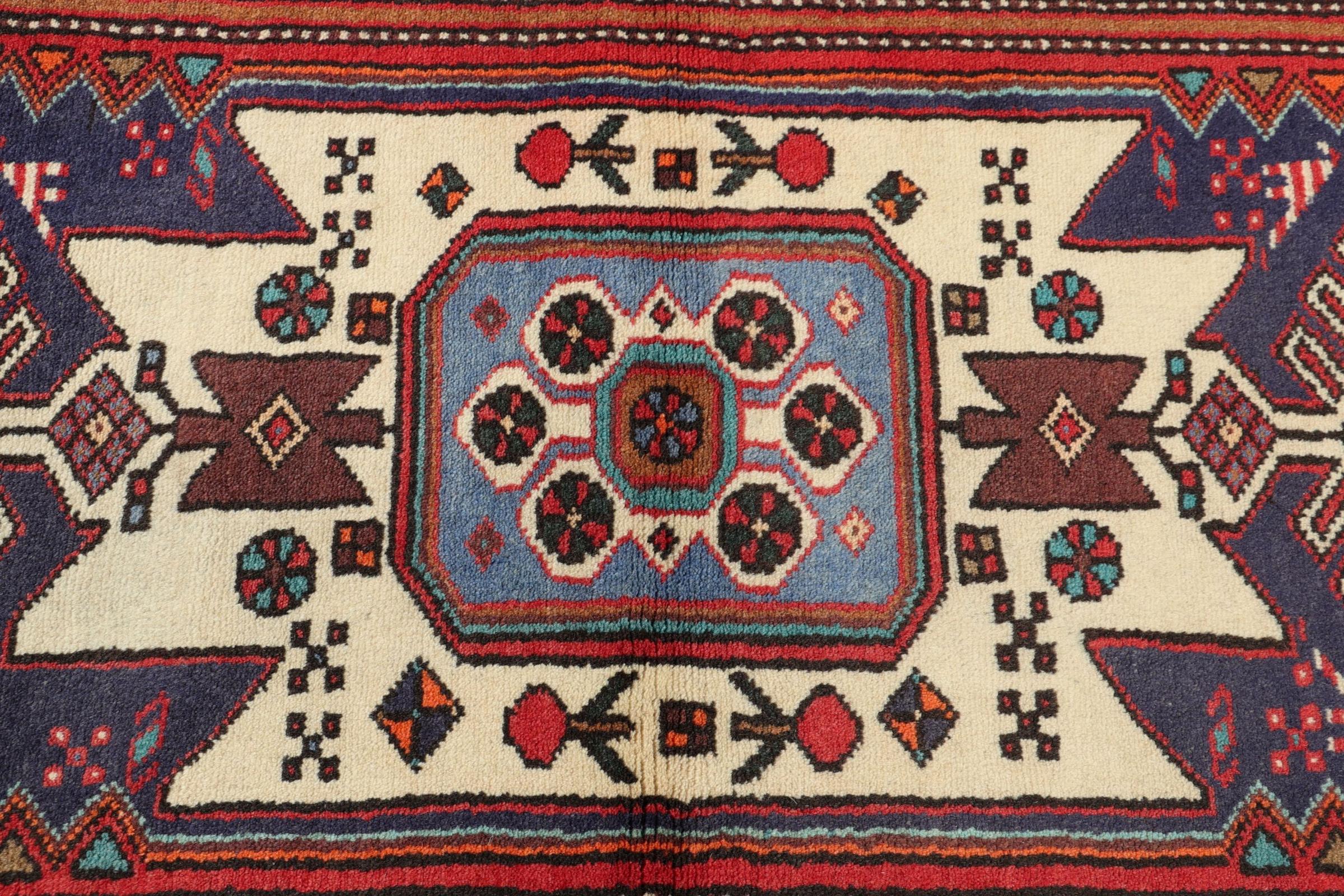
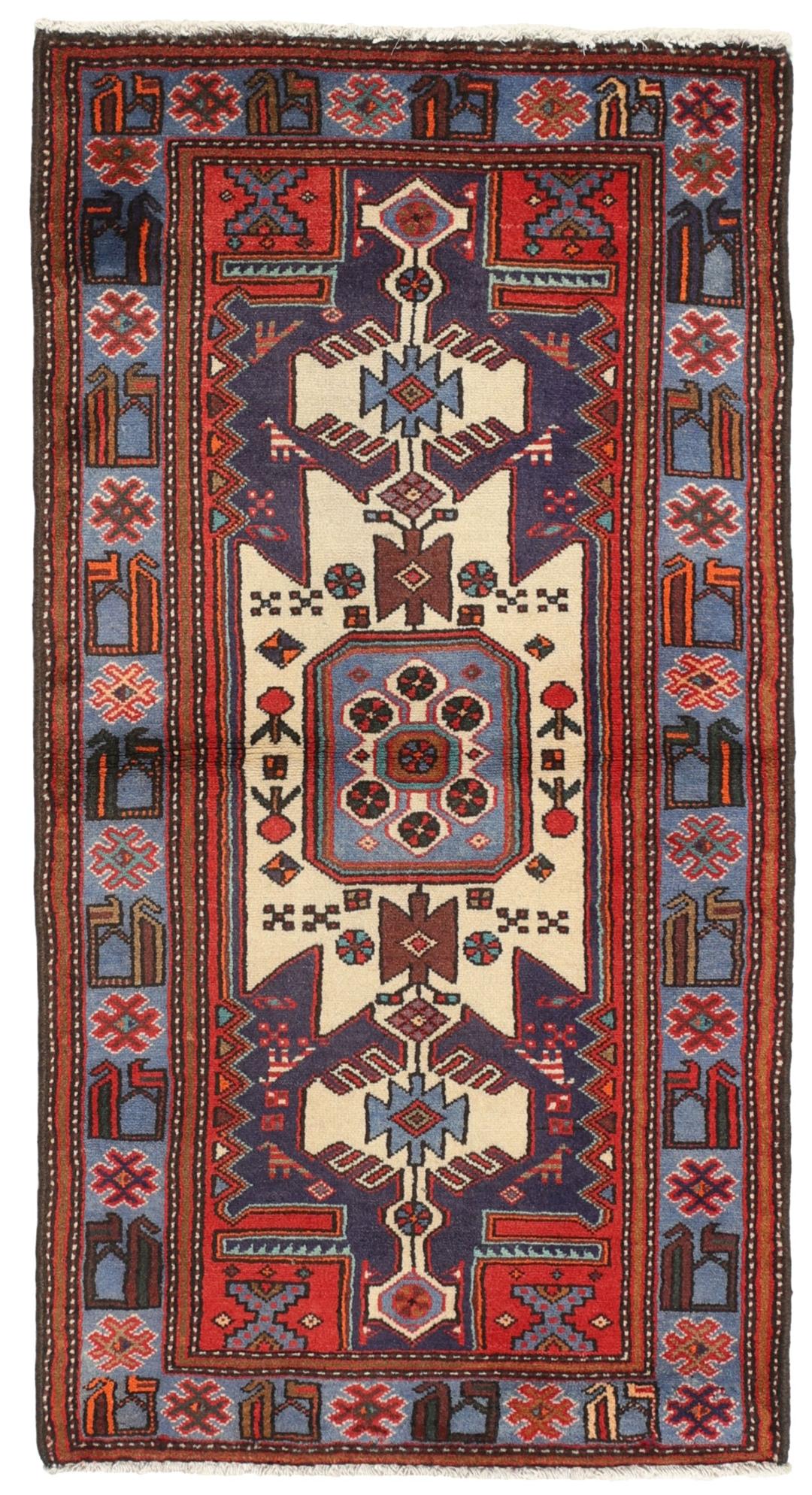
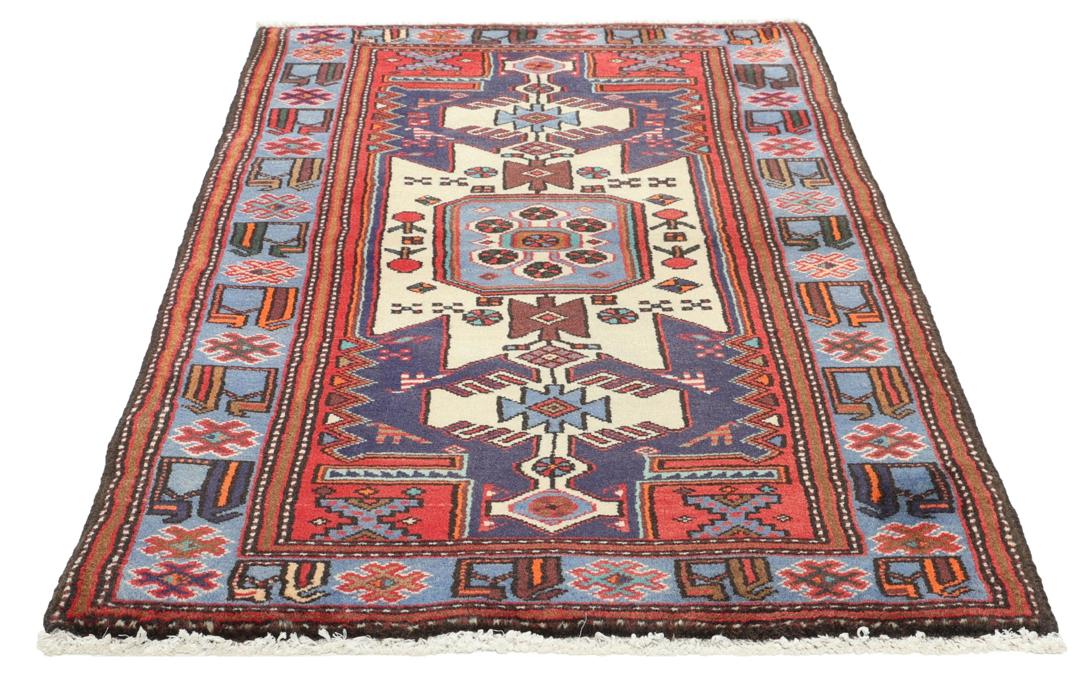
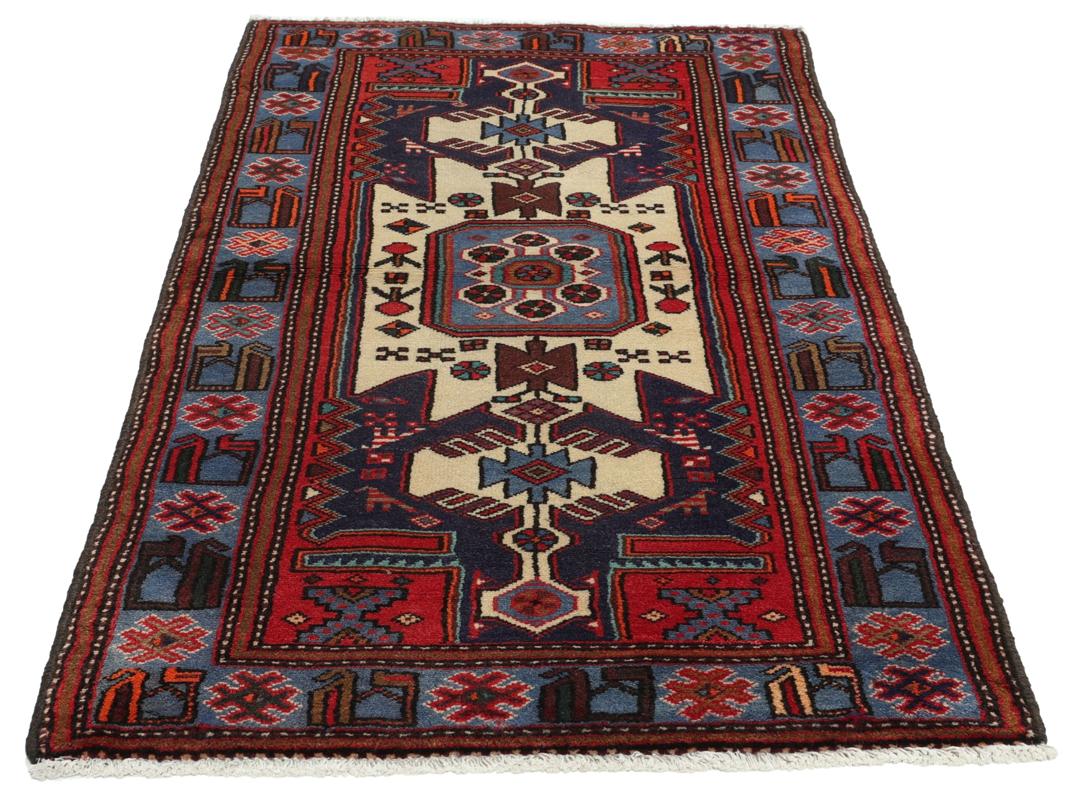
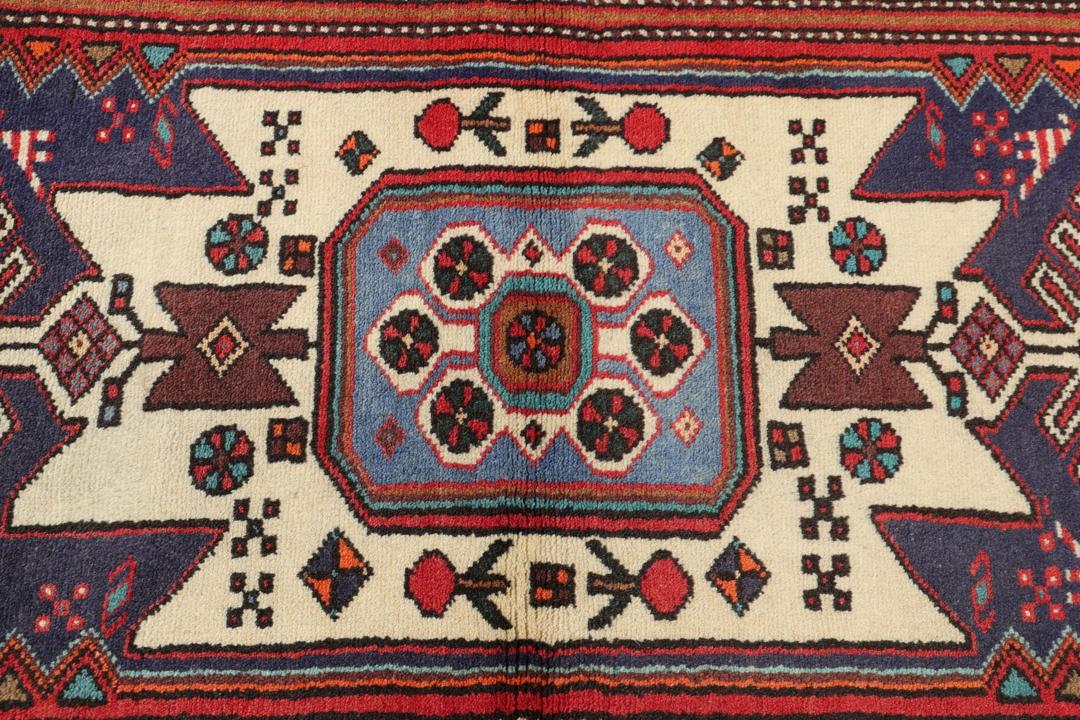
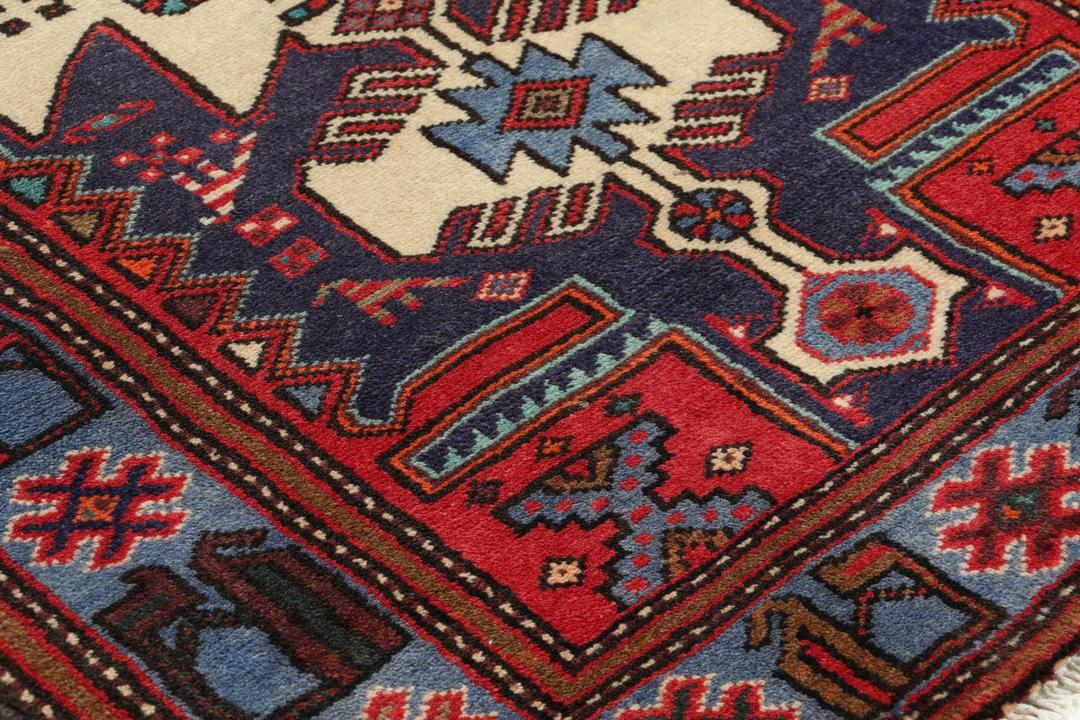
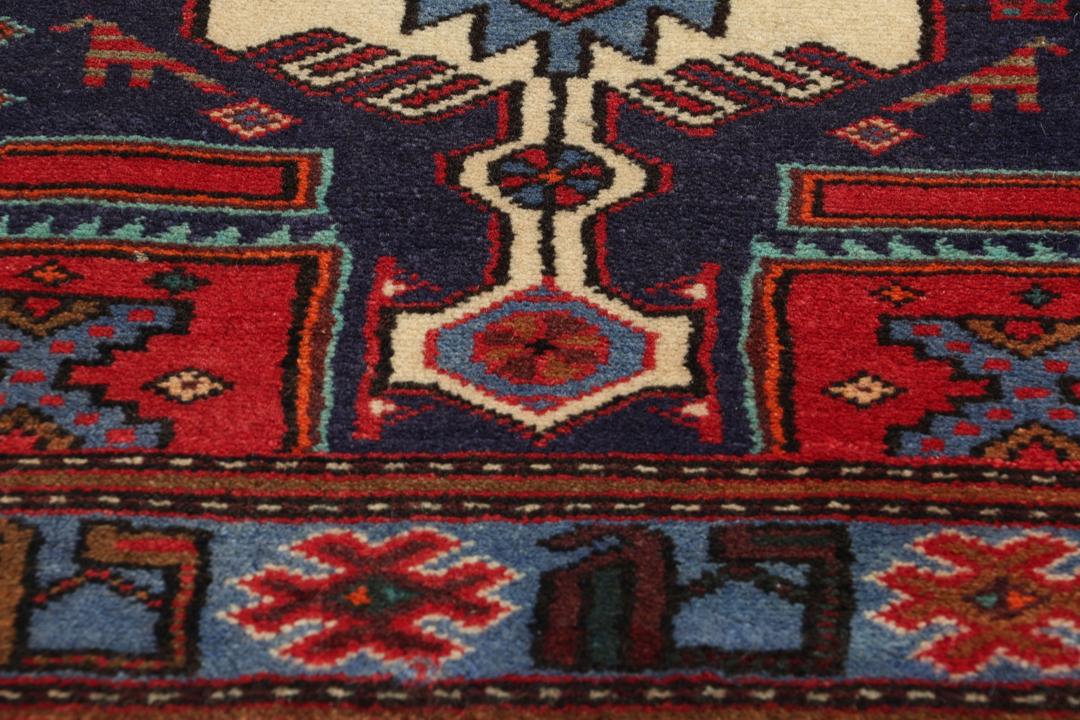
Visually, Hamadan rugs are celebrated for their bold geometric patterns and vibrant colour palettes. You will often find central medallions surrounded by diverse motifs, including stylised flowers, tribal symbols, and intricate borders. This rug showcases these classic design elements, with a layout that balances symmetry with the artistic freedom characteristic of nomadic and village weaving traditions.
Owning a Hamadan rug is an investment in cultural heritage. Because they are produced in small village workshops rather than large factories, each rug carries the distinct signature of its maker. Collectors value these pieces for their authenticity, the story they tell through their patterns, and the enduring quality that only comes from dedicated, handmade work.