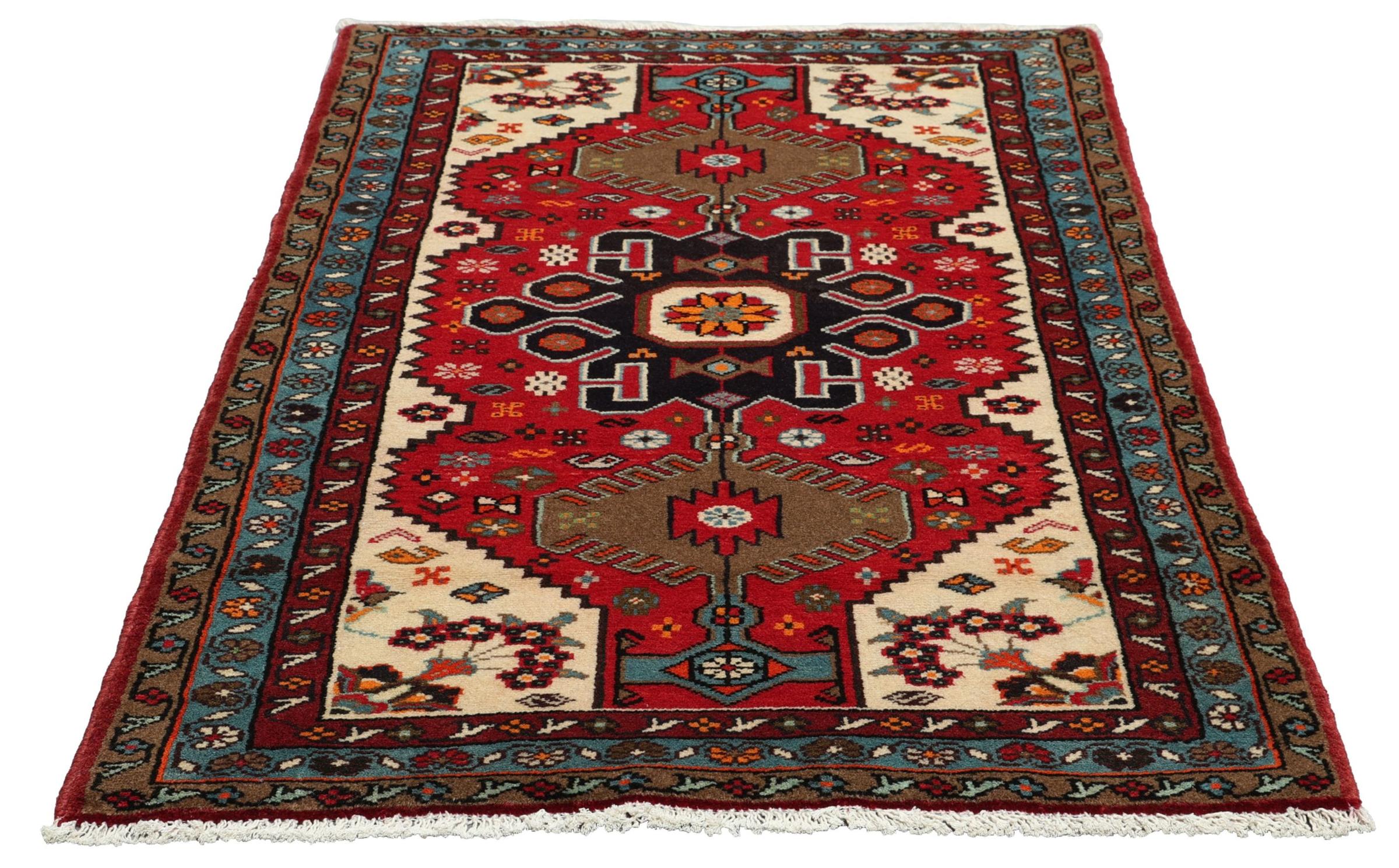
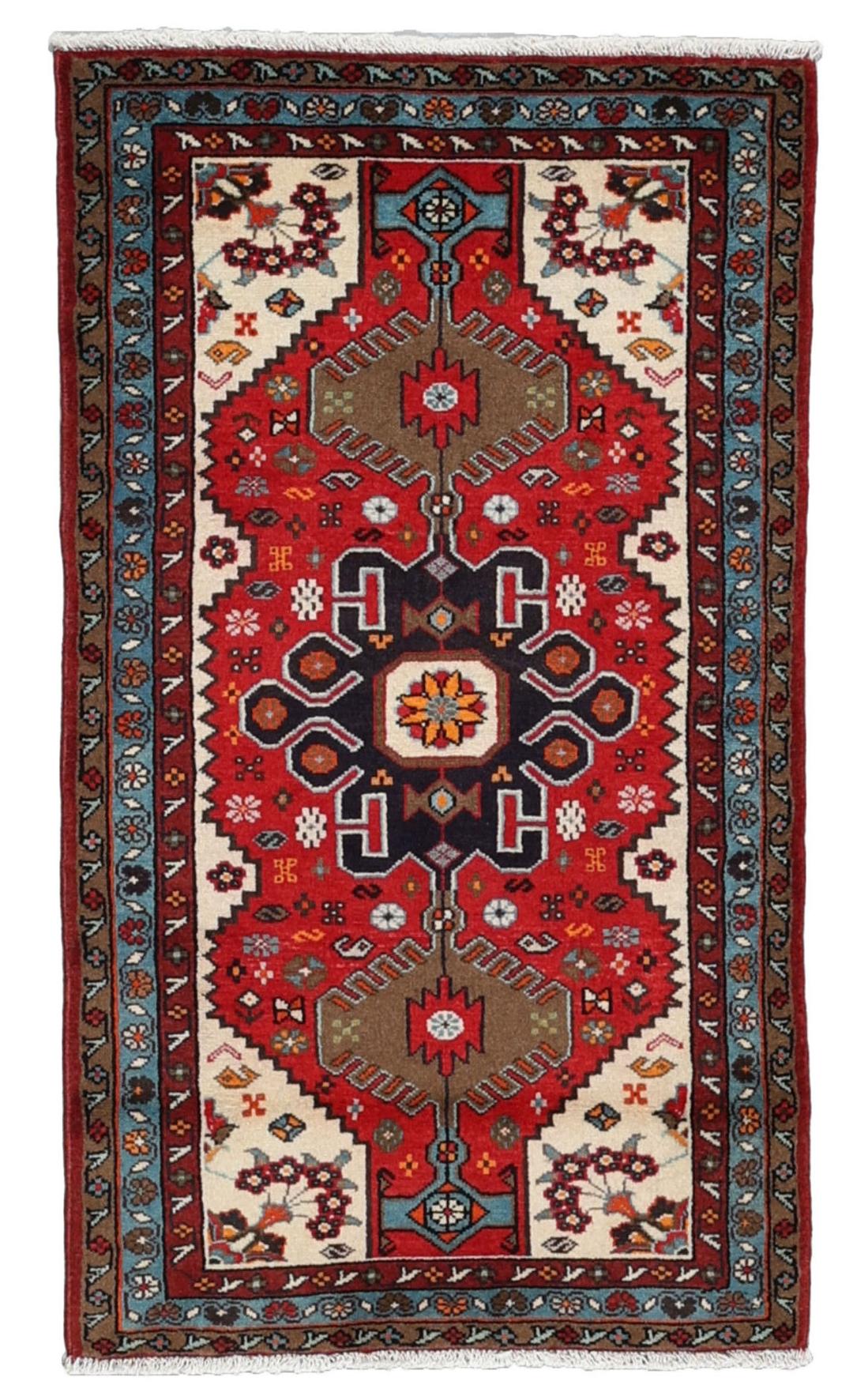
Hamadan rugs originate from one of the oldest cities in the Middle East, a region with a deep-rooted tradition of rug weaving that stretches back centuries. Located in the western part of the region, the city of Hamadan serves as a commercial hub for hundreds of surrounding villages, each contributing its own variations to the broader Hamadan style.
The term Hamadan refers to a vast category of rugs, which are known for their diversity in pattern but consistency in quality. These rugs are typically crafted using Wool, which is valued for its durability and ability to hold vibrant dyes over time. The foundation often uses sturdy materials to ensure that the rug remains stable and retains its shape even after years of use.
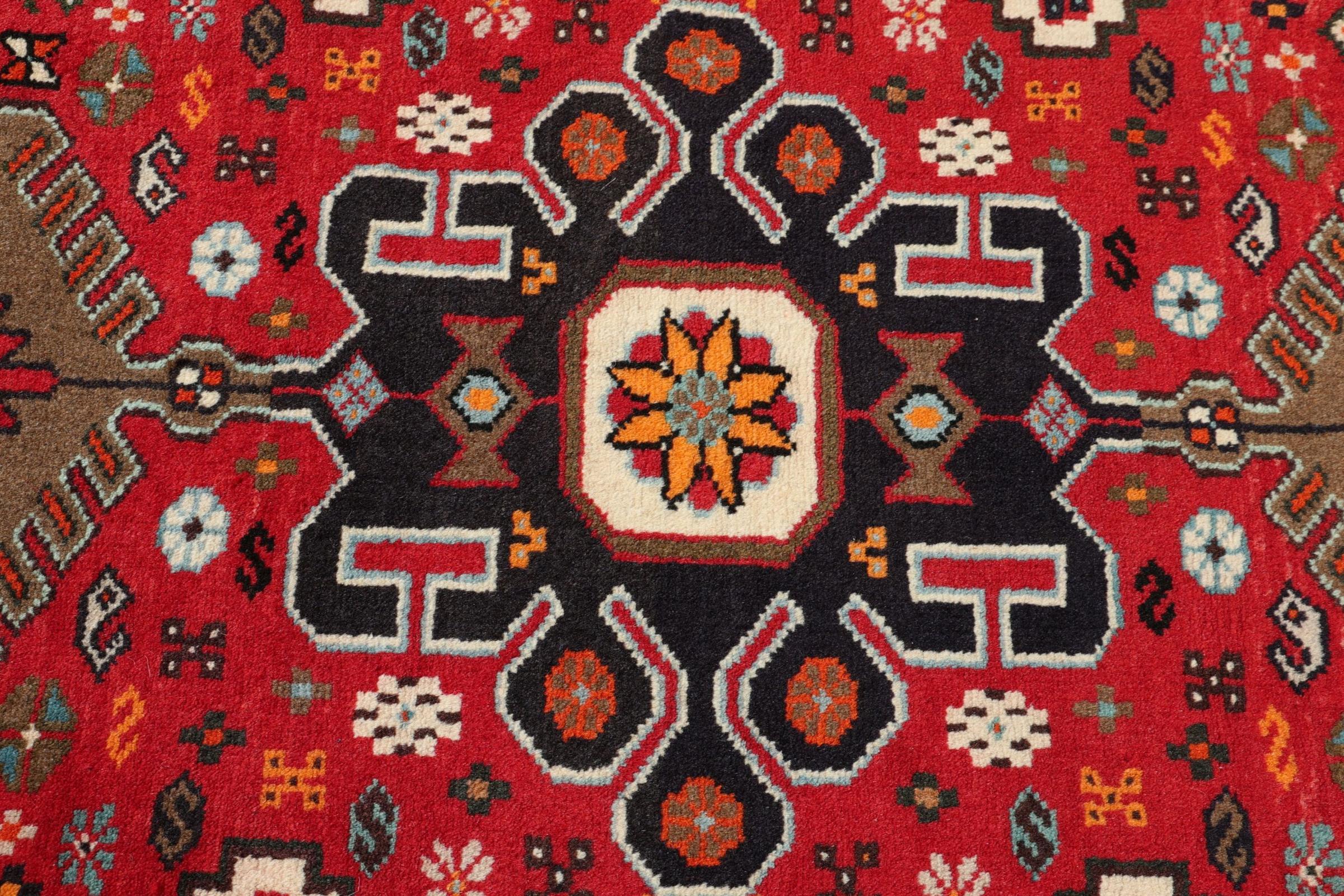
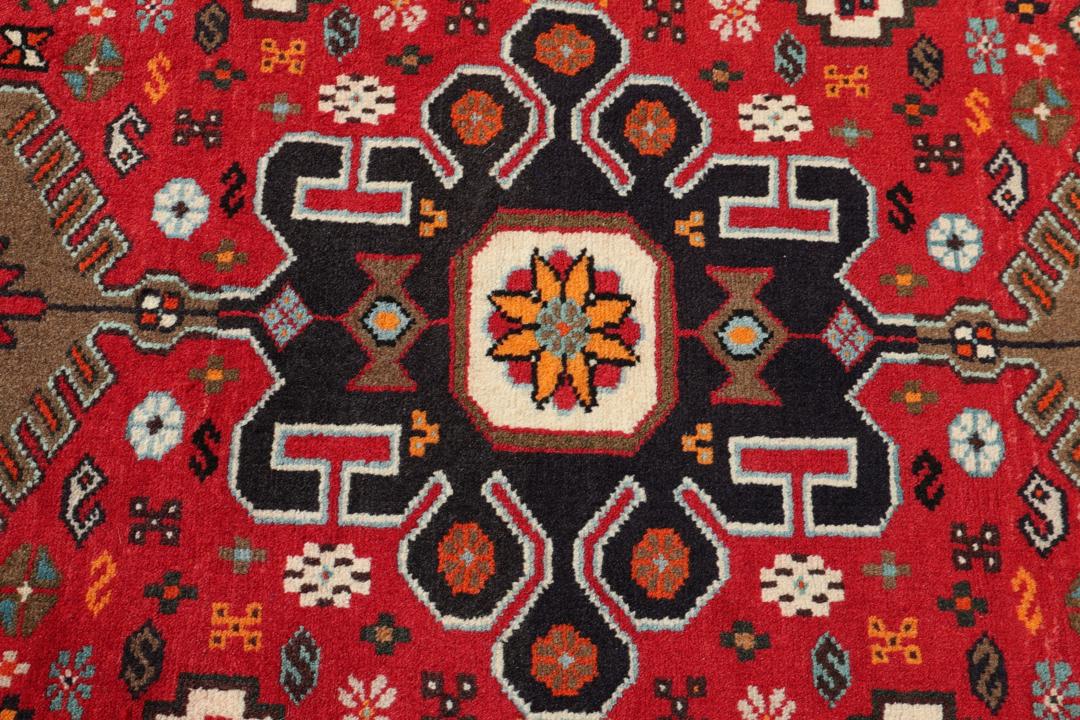
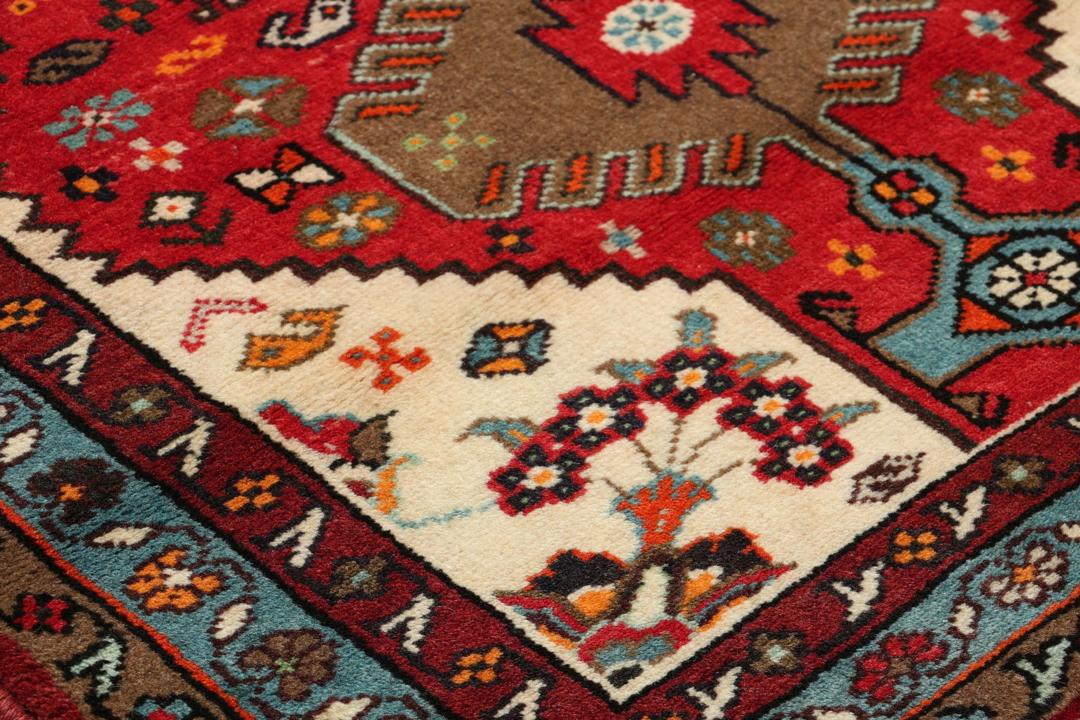
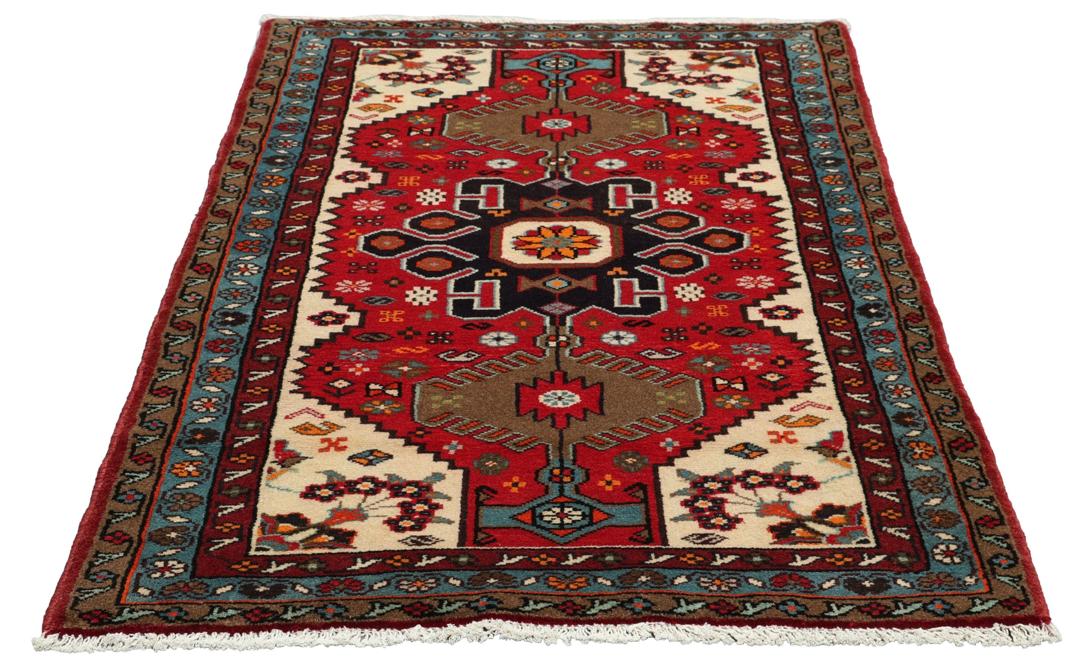
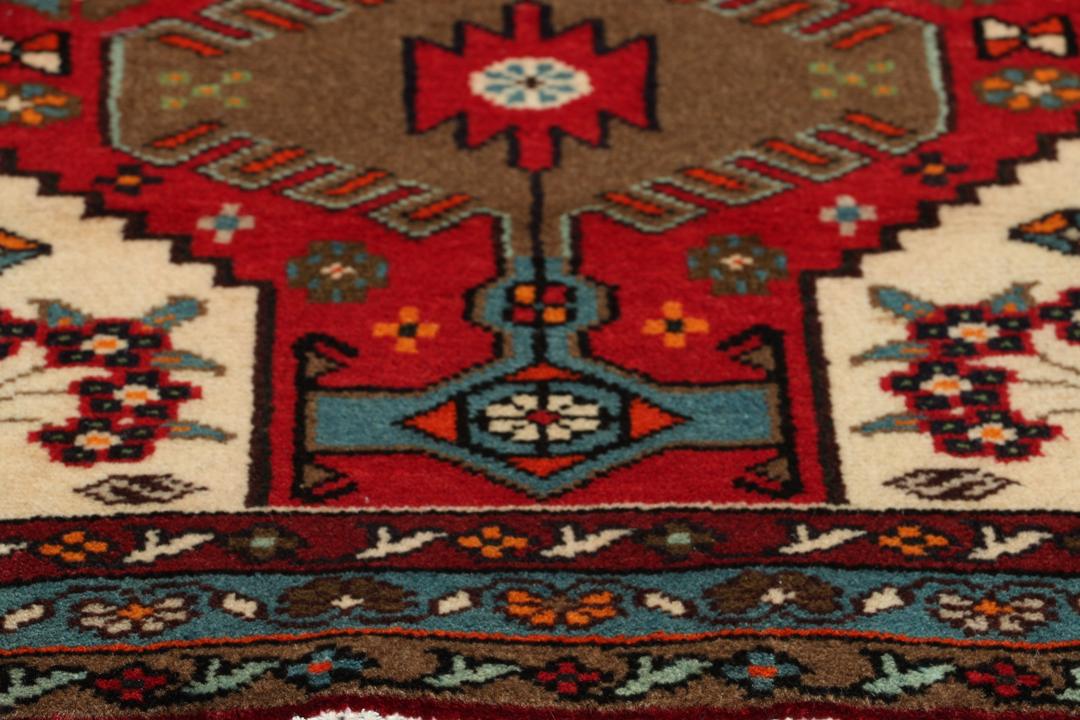
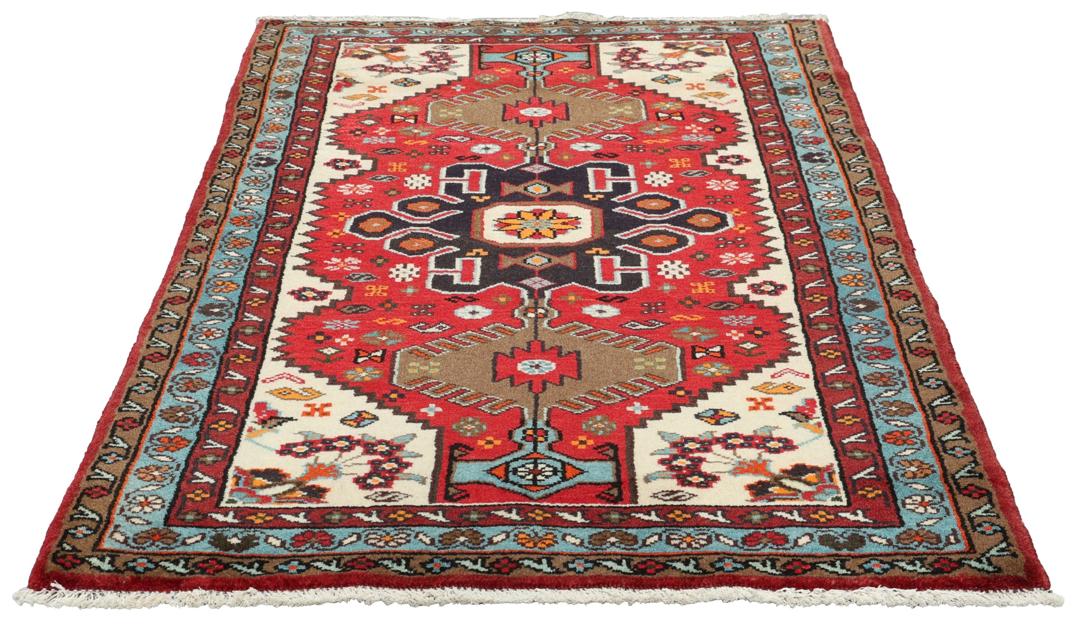
Visually, these rugs are often characterised by bold geometric medallions and intricate floral or tribal motifs. The borders are usually well-defined, framing the central field to create a sense of harmony. It is common to see a variety of warm, earthy tones alongside deep reds and blues, which are achieved through traditional dyeing methods that emphasise depth and variation.
Collecting a Hamadan rug is a way of preserving a piece of cultural heritage. Because they are woven in both urban workshops and smaller village settings, they represent a wide spectrum of regional artistry. Owning one means holding a piece of history that reflects the skill, environment, and traditions of the people who have kept this craft alive for generations.