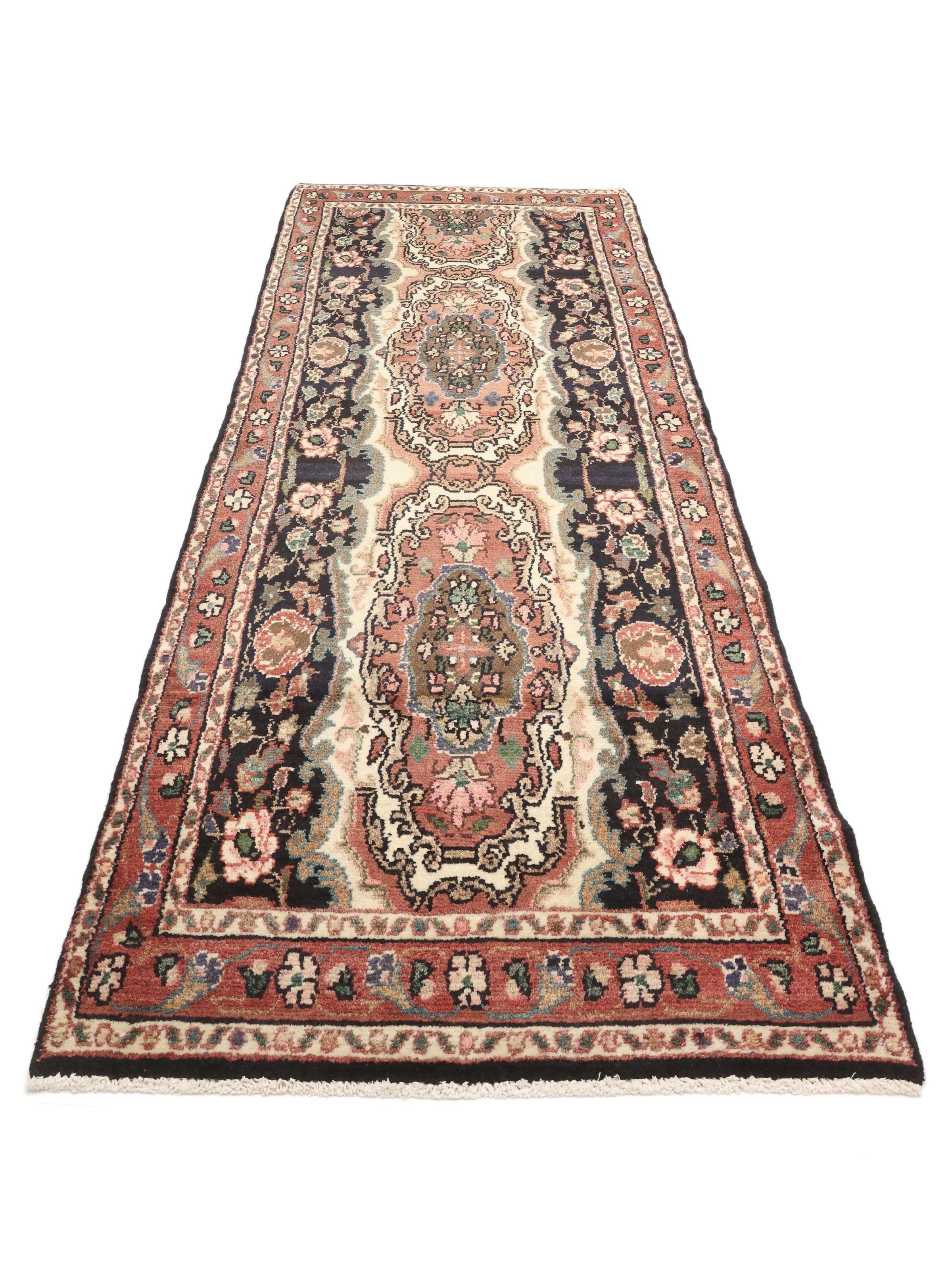
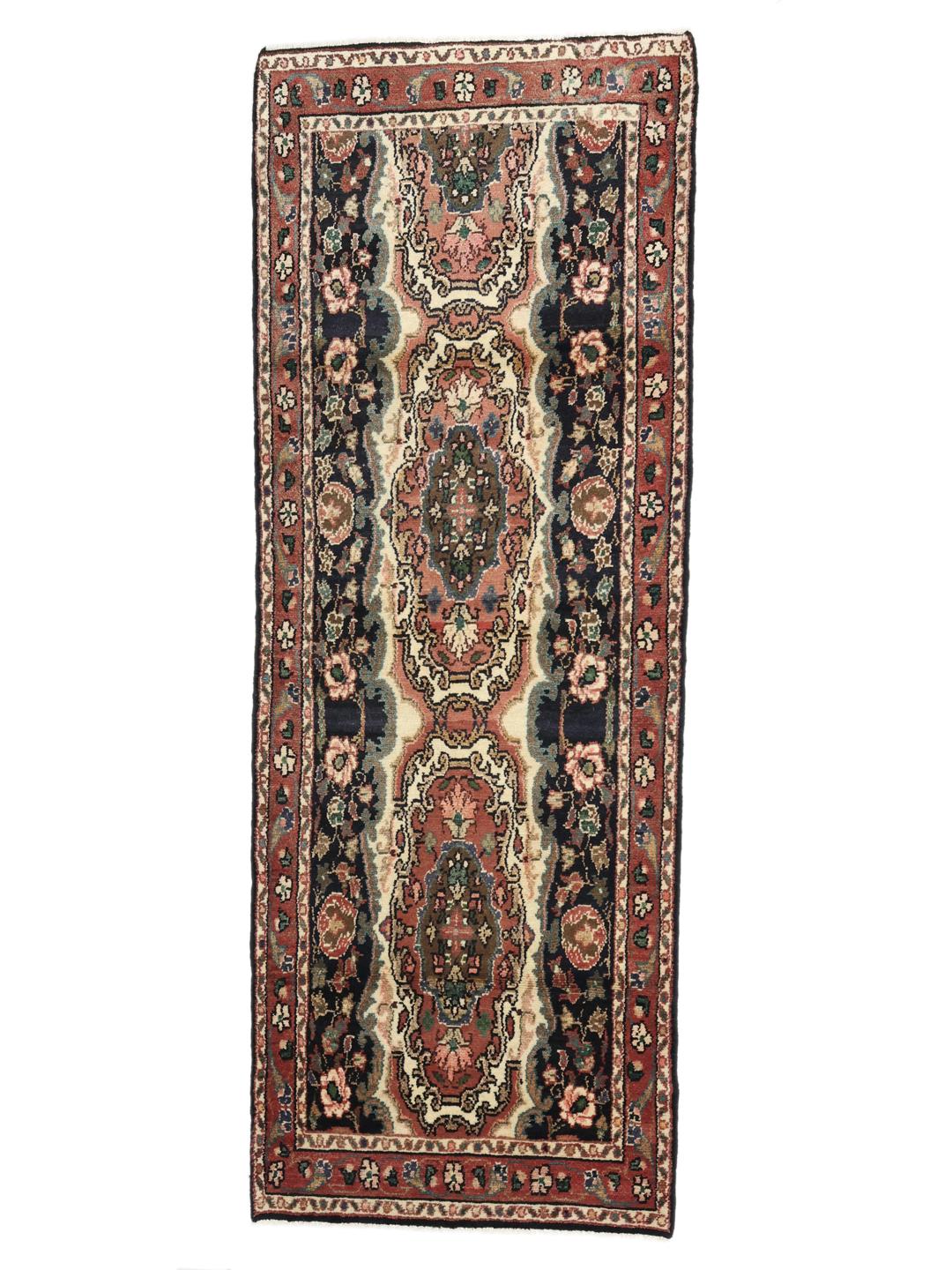
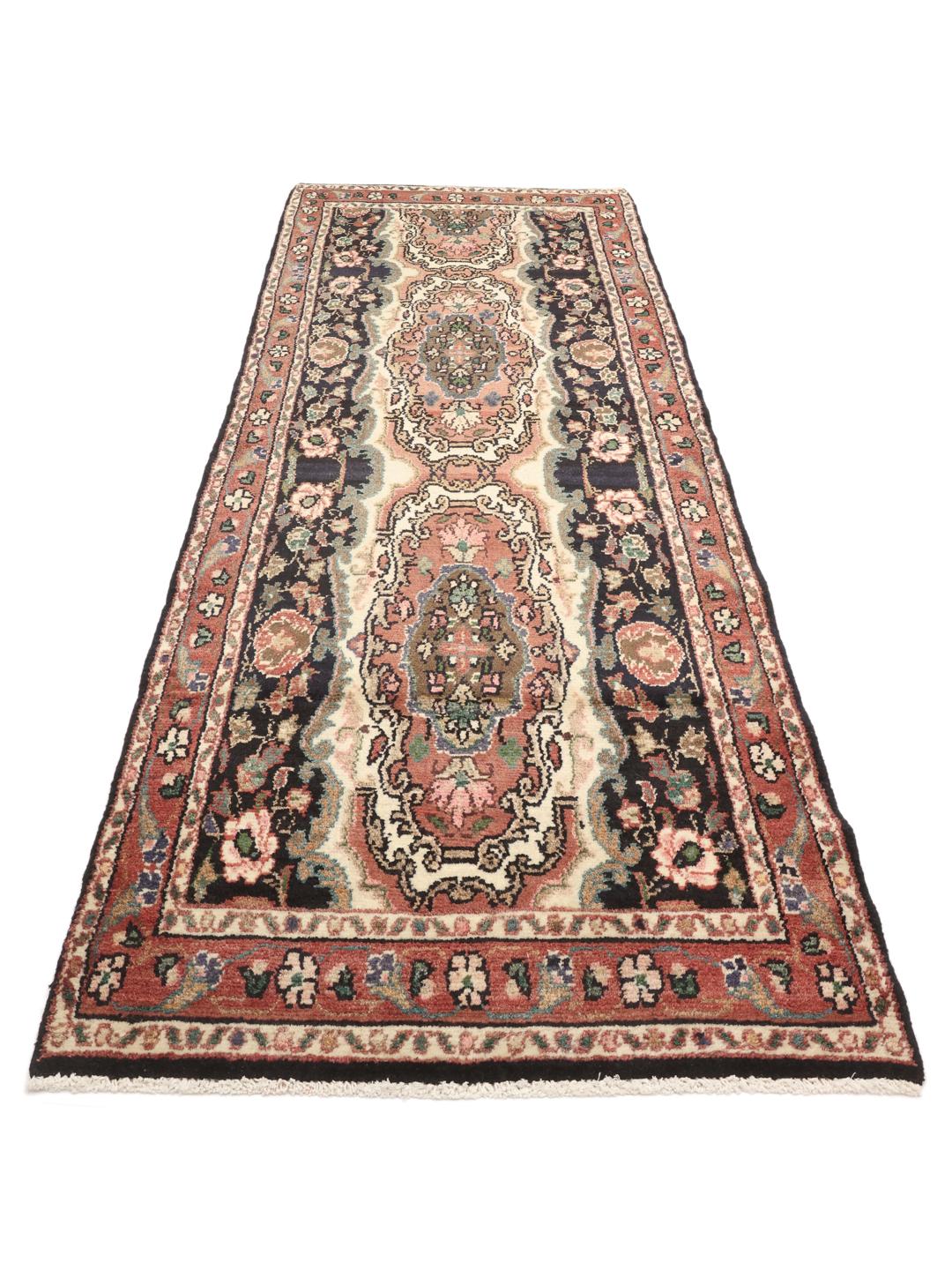
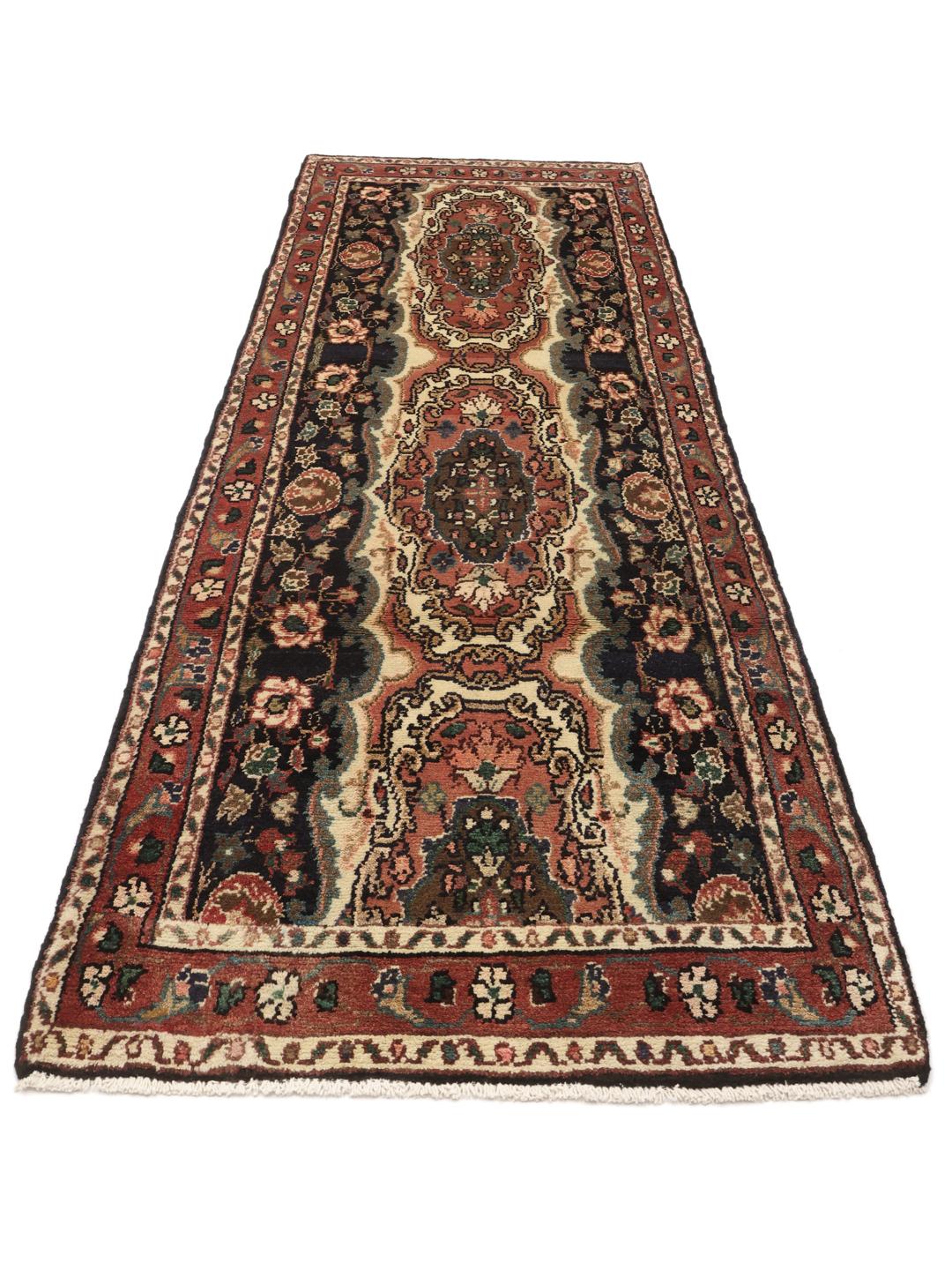
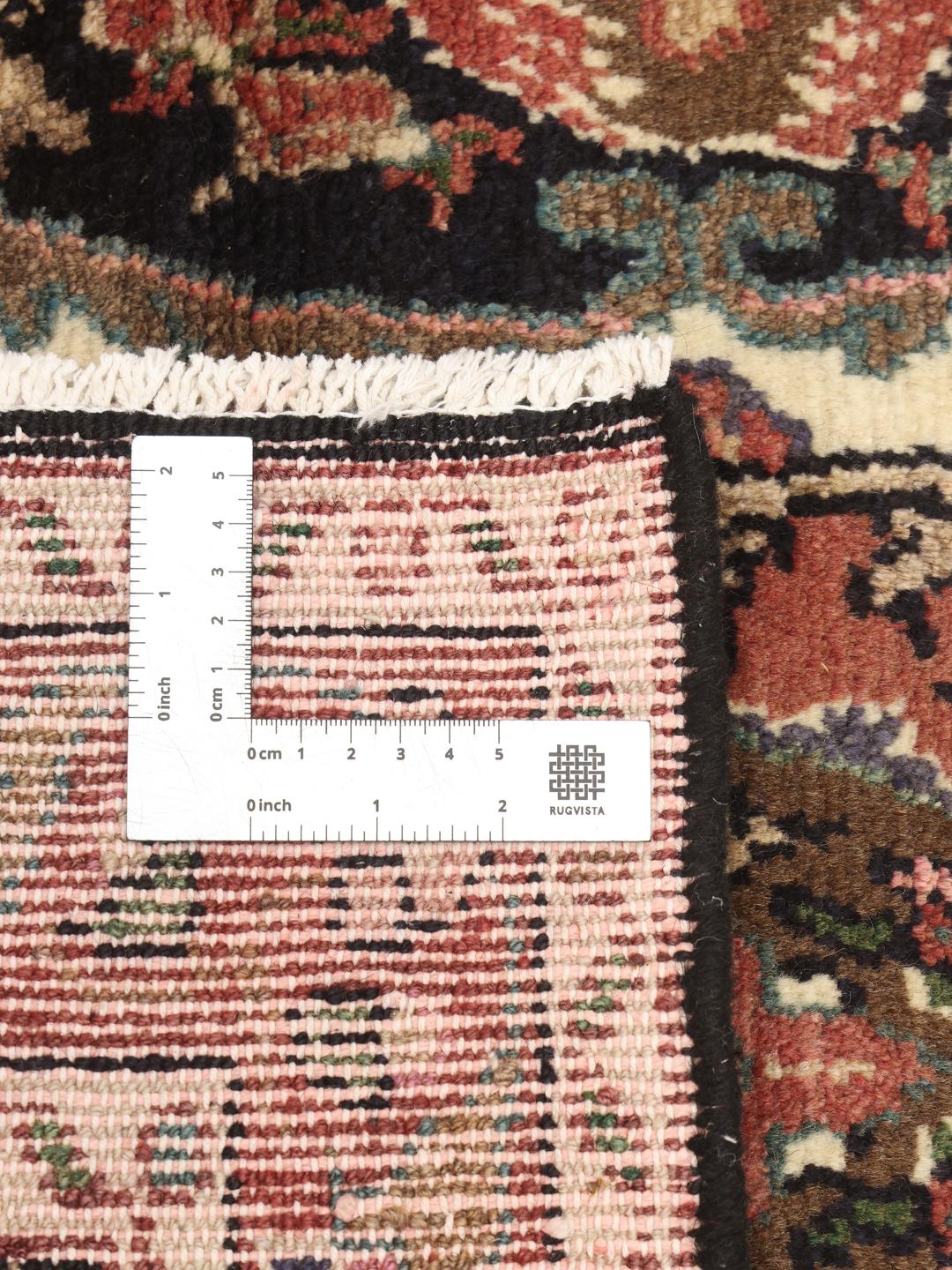
Hamadan rugs originate from one of the oldest cities in the Middle East, a historic hub located in the western part of the region. This area has been a centre for weaving for centuries, and the rugs produced here are renowned for their variety, as they are traditionally woven in hundreds of surrounding villages, each contributing its own local interpretation to the craft.
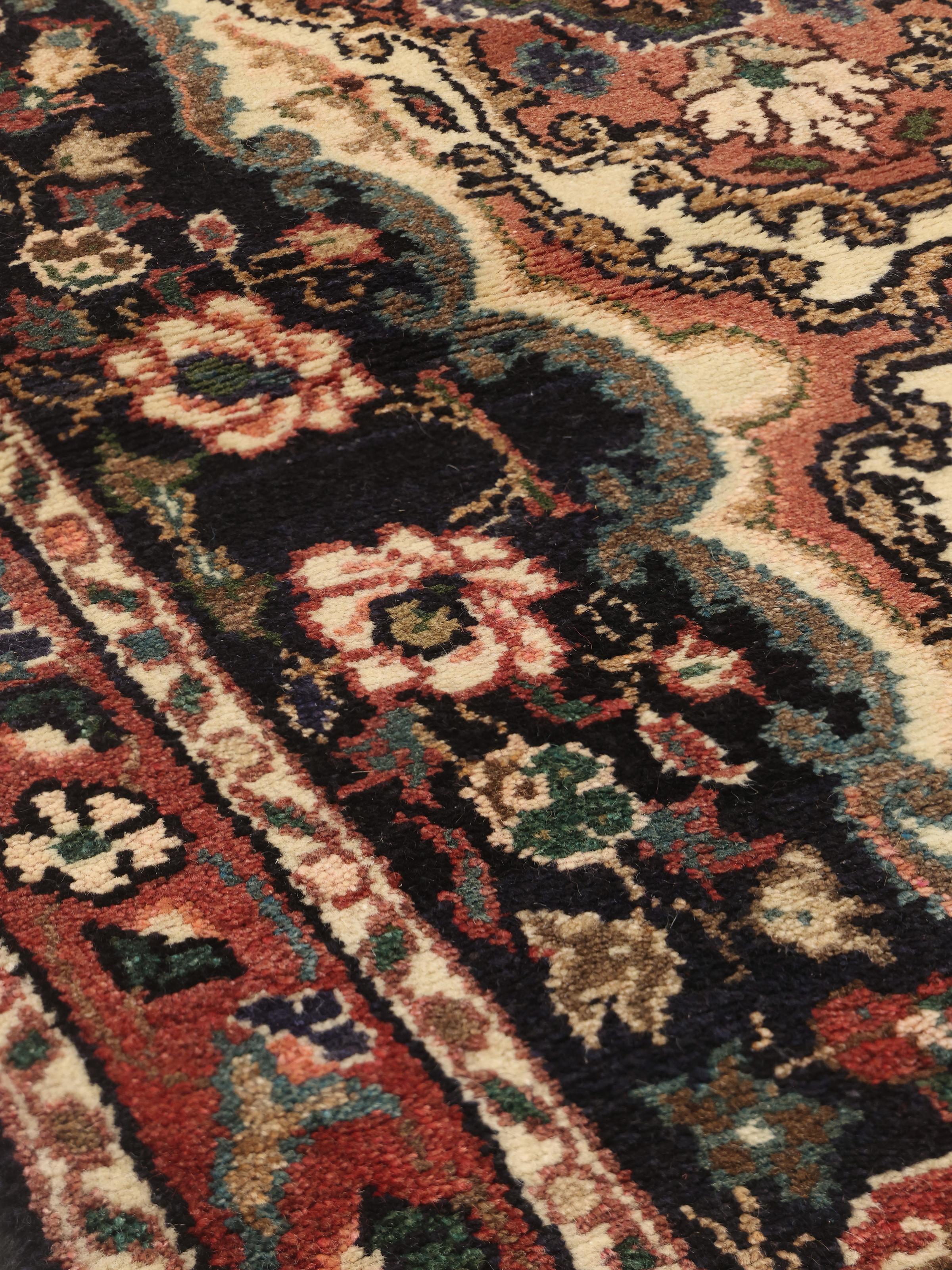
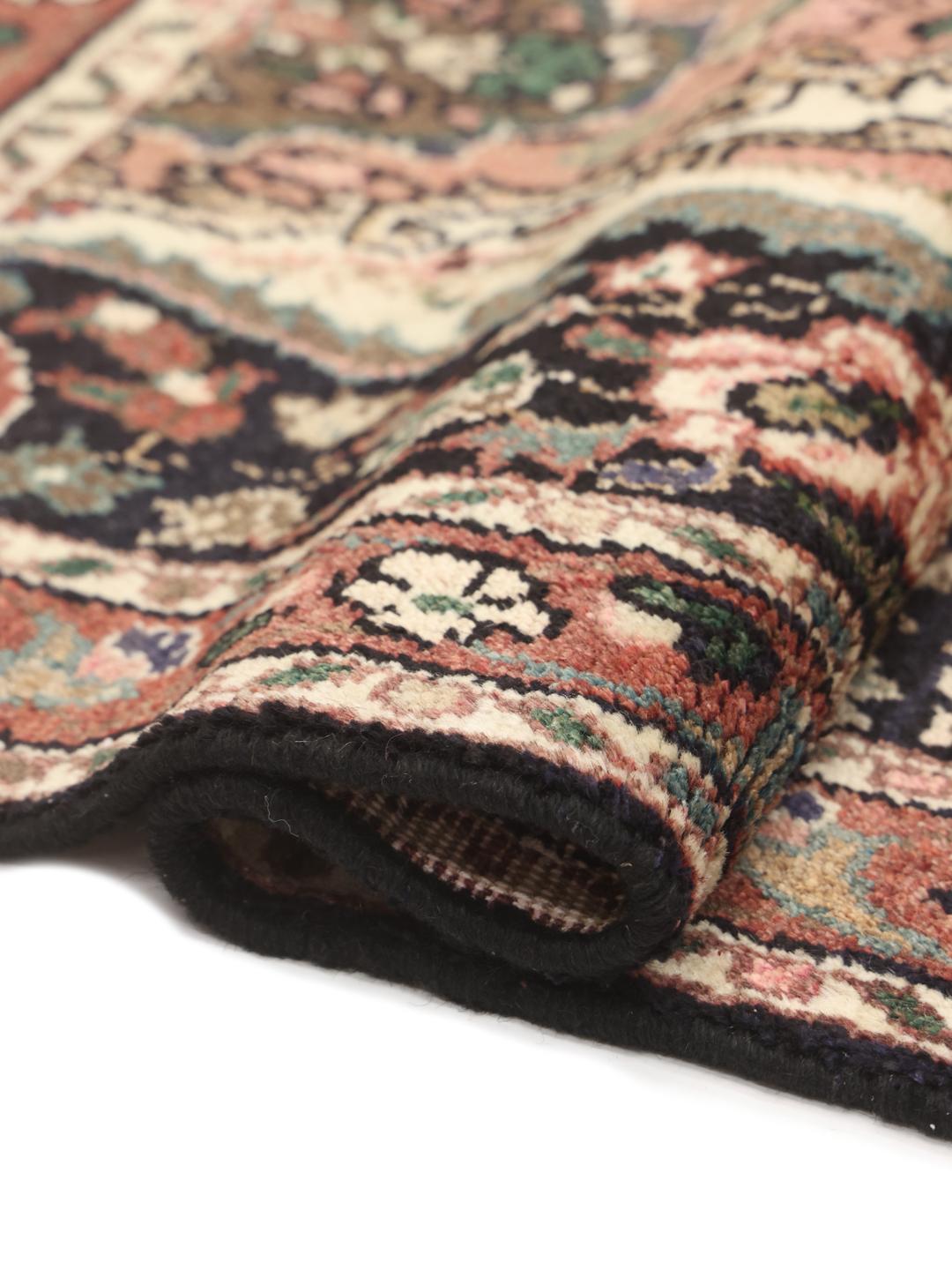
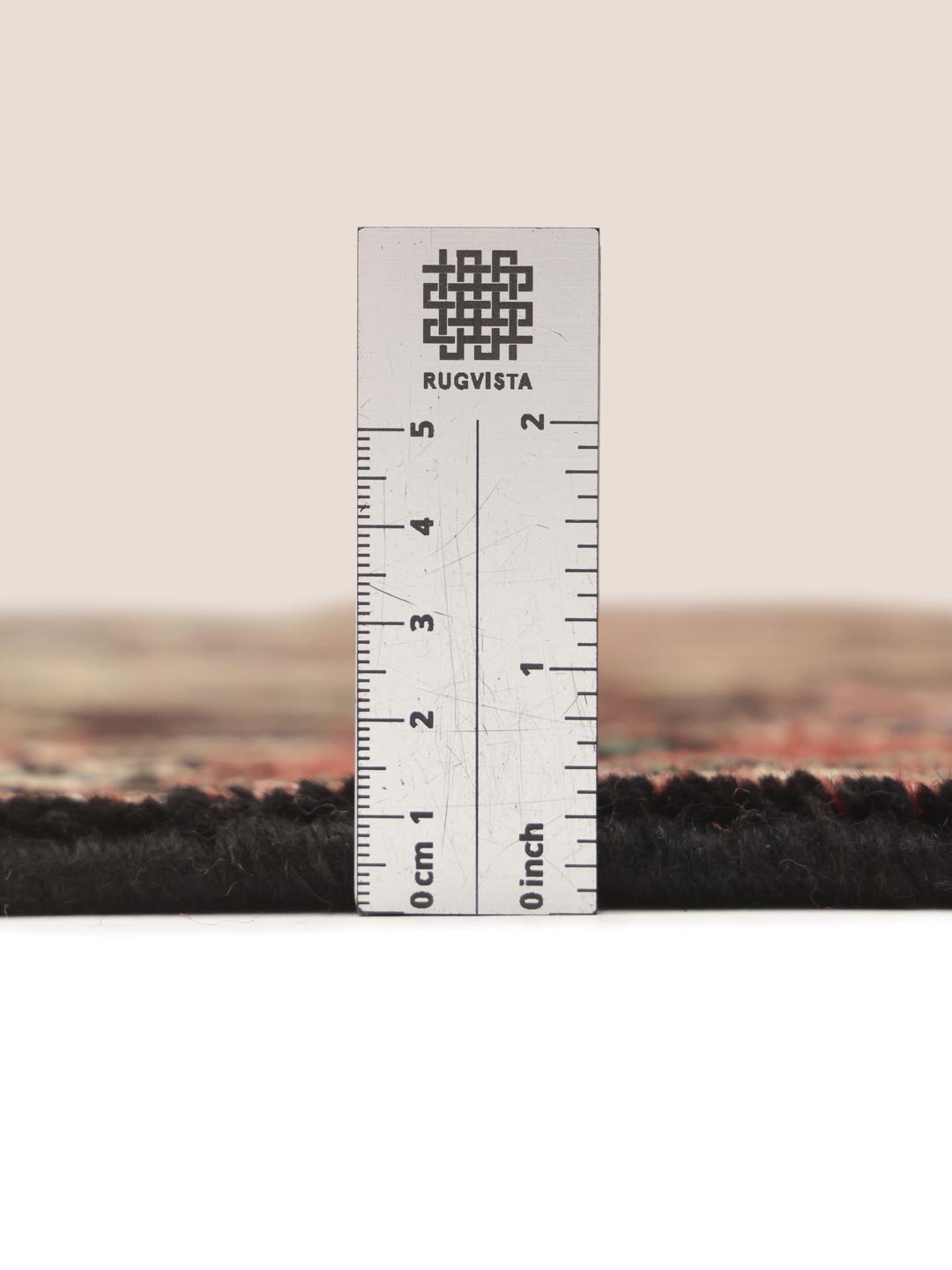
The technical term 'Hamadan' encompasses a wide range of designs, but they are unified by their sturdy construction and the use of high-quality, locally sourced Wool. The weaving technique involves creating a robust foundation that allows these rugs to withstand the rigors of daily life, making them prized for both their beauty and their longevity.
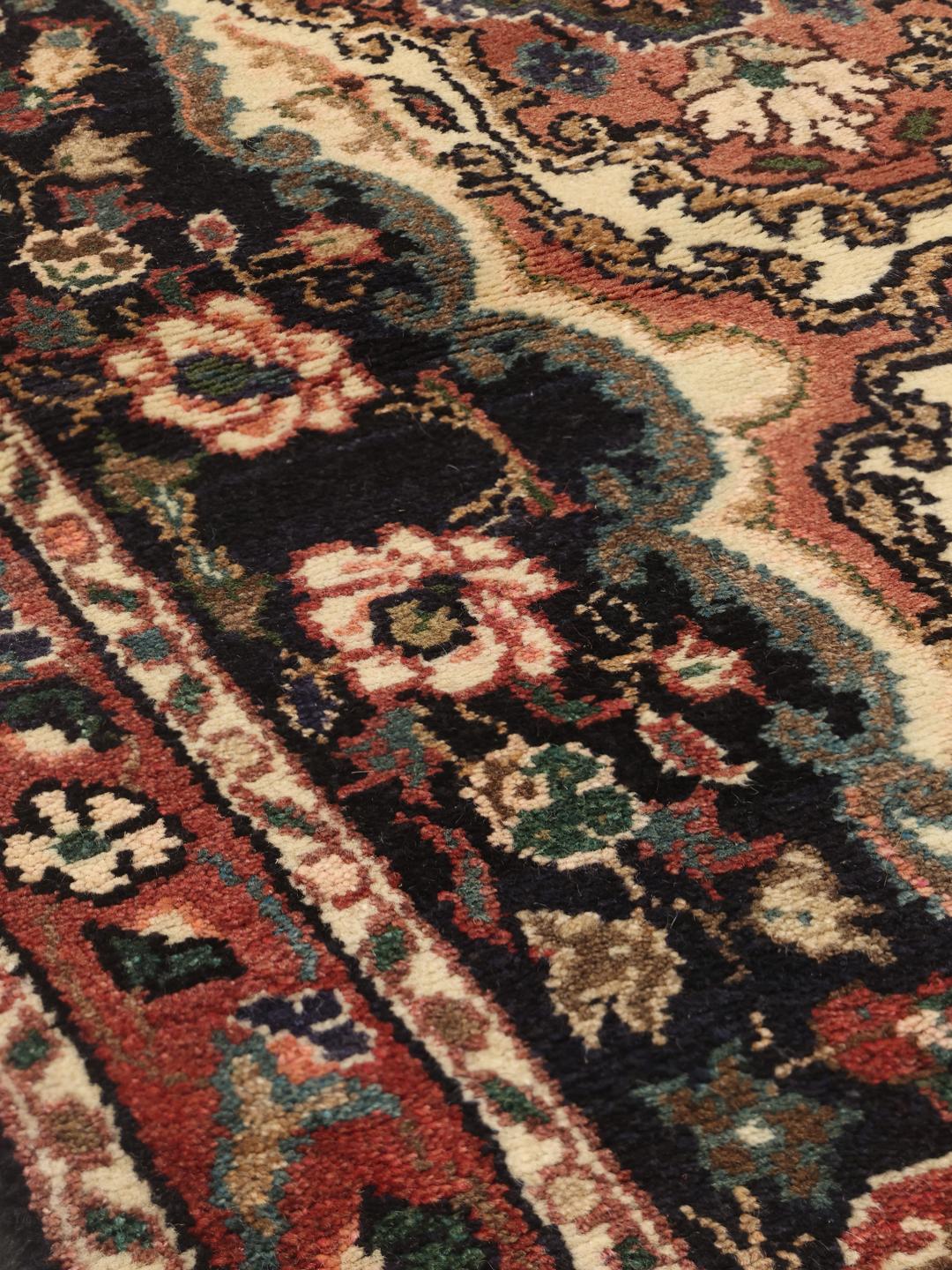
Visually, these rugs often feature geometric interpretations of floral motifs and central medallions, which are frequently set against bold, contrasting backgrounds. The borders are typically well-defined, often showcasing repeating patterns that frame the field and draw the eye toward the centre of the rug.
Collecting a rug from this tradition is an investment in cultural heritage. Because they are often produced in smaller village settings, they retain a sense of authenticity that is increasingly rare in modern decor. Owning one means participating in a legacy of craft that has been passed down through generations of skilled weavers.