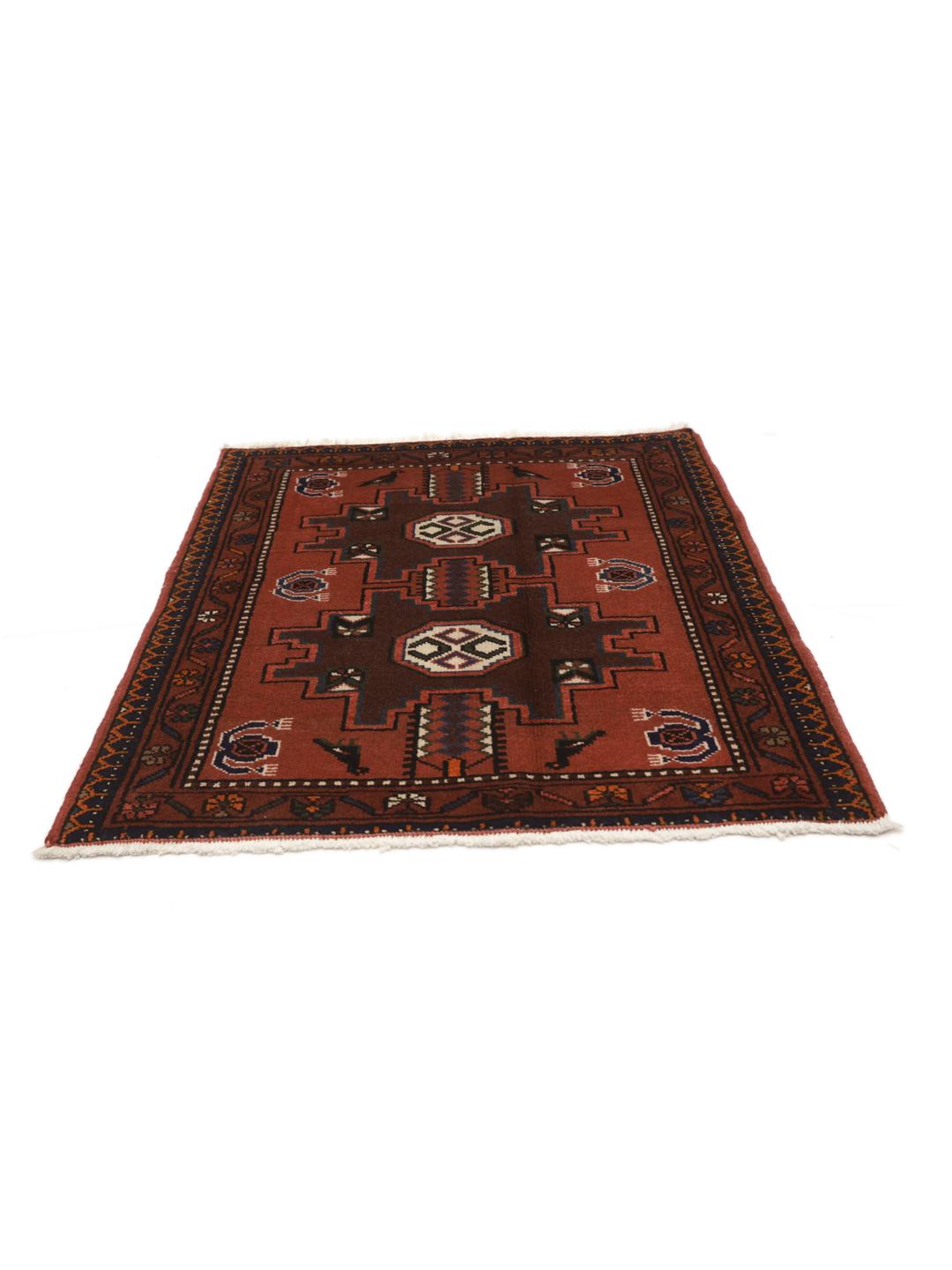
Hamadan rugs hail from one of the oldest cities in the Middle East, a region with a deep-rooted history in textile production. Located in the west, this city acts as a major hub where various surrounding villages bring their unique weaving styles to market. This diverse influx of creativity has allowed Hamadan rugs to evolve into a broad category that encompasses many different village traditions under one umbrella.
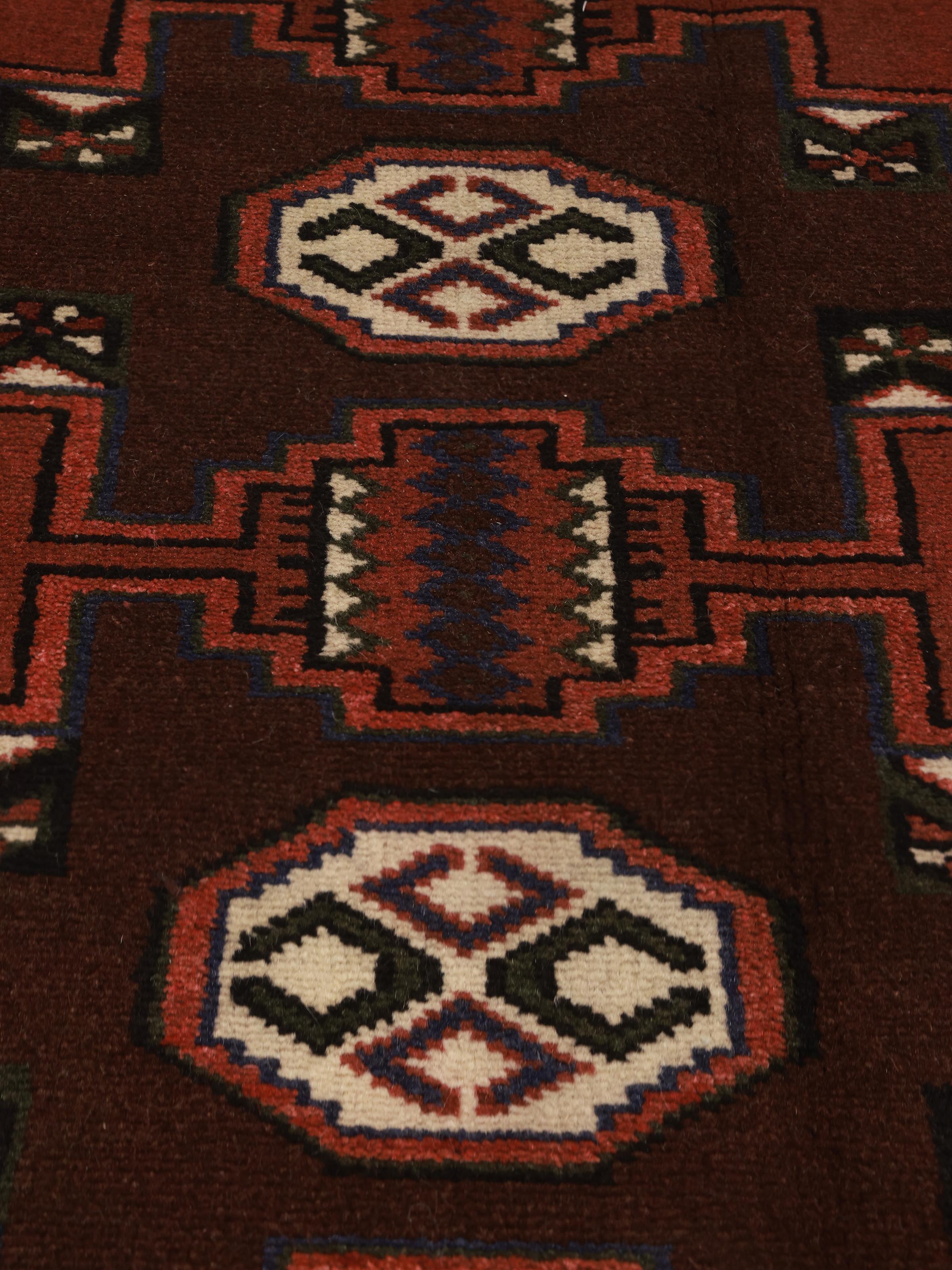
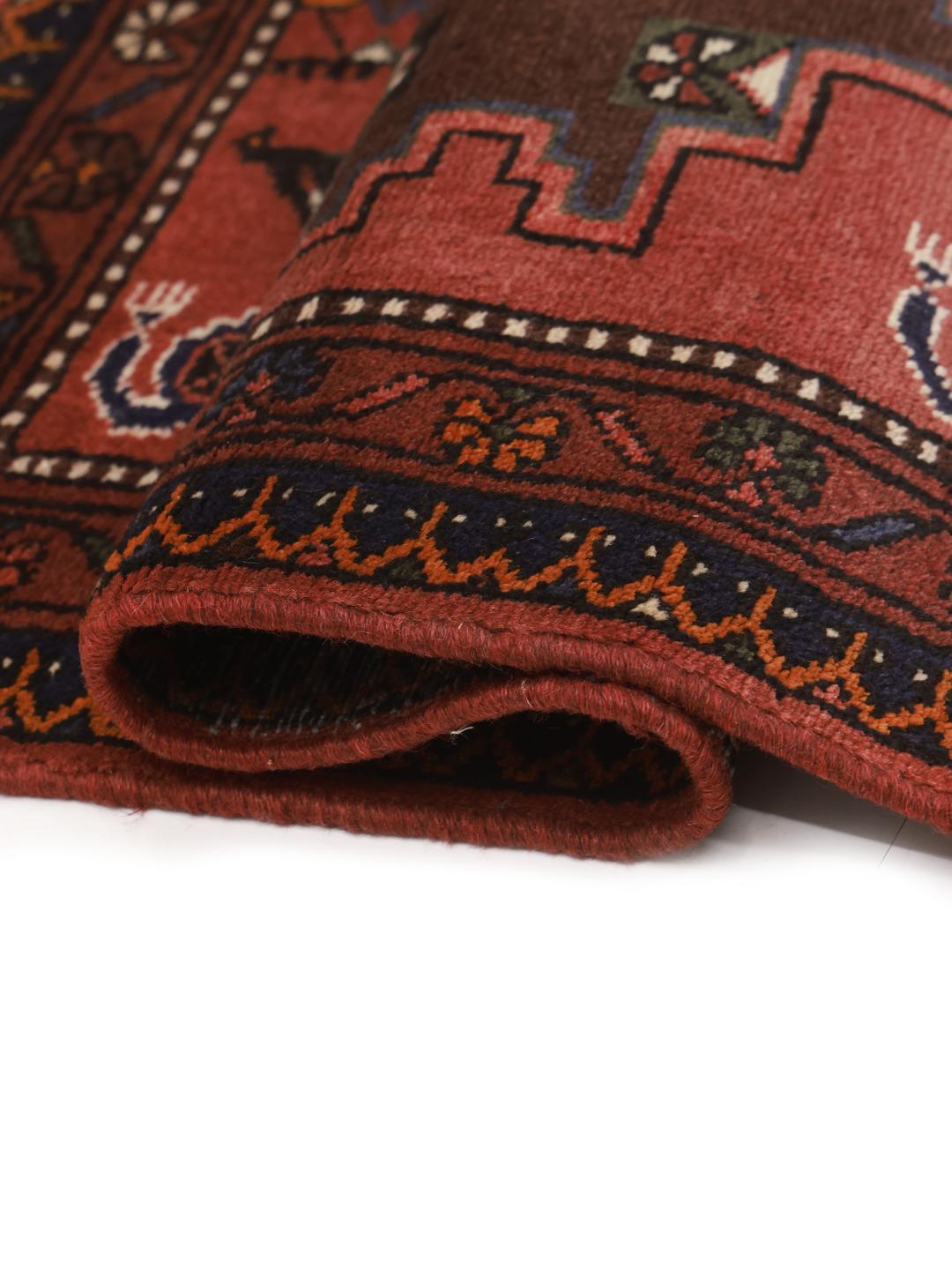
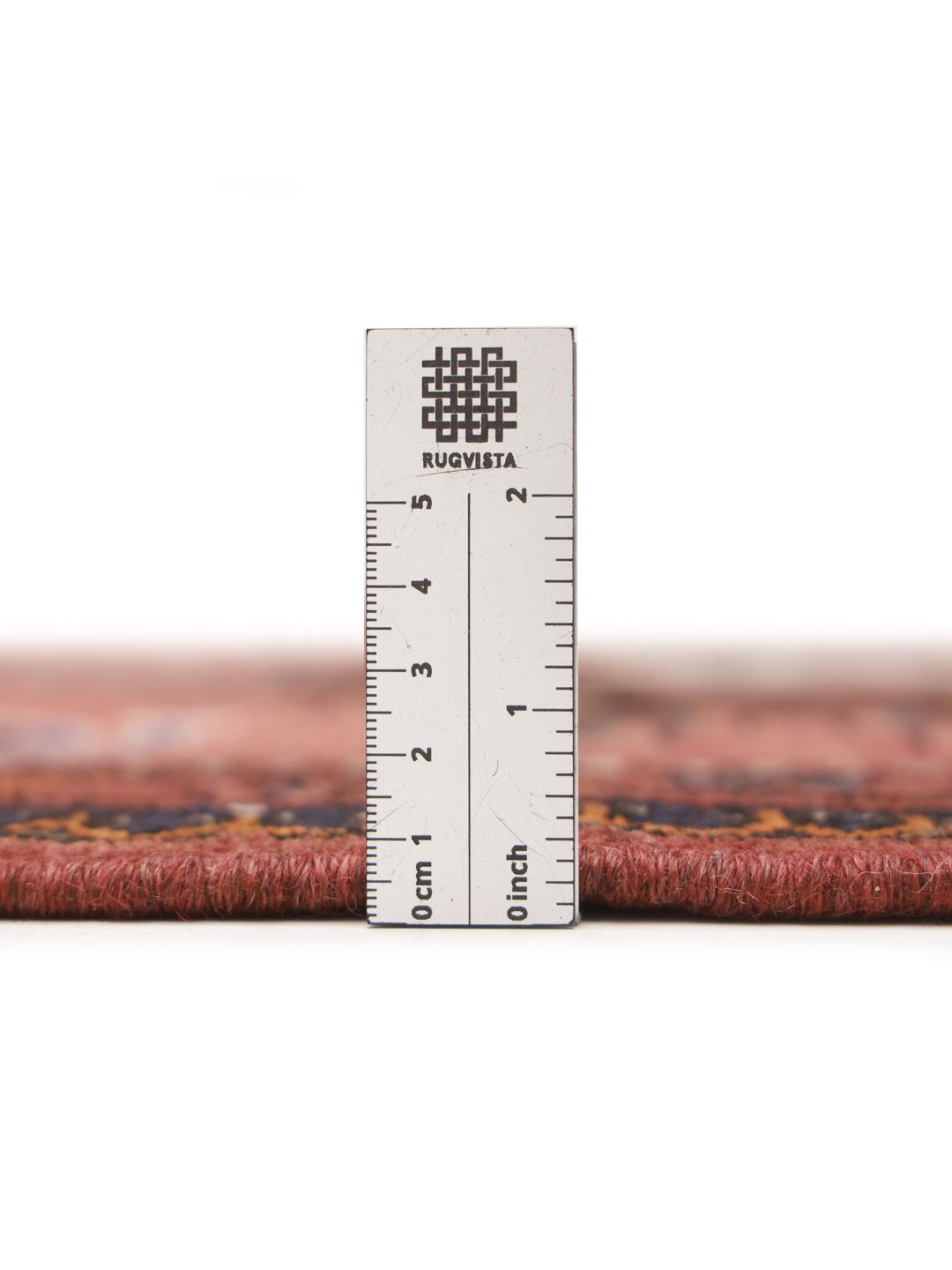
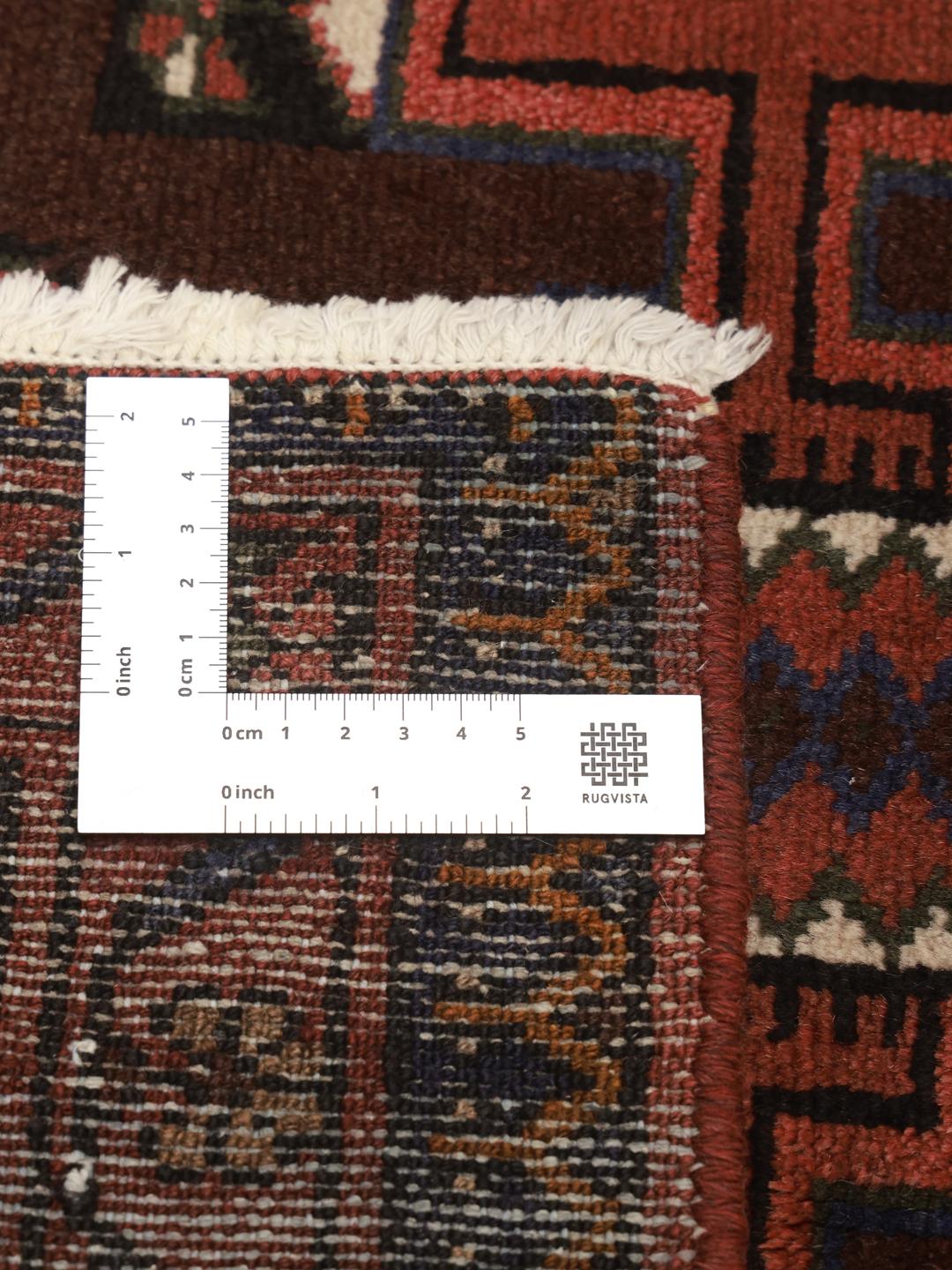
The craft of these rugs is defined by a sturdy construction that prioritises longevity. Historically, these pieces were designed to be functional, everyday items that could handle the demands of a busy household. This focus on durability means that the weave is tight and the foundation is strong, ensuring that the intricate patterns remain sharp and clear even after generations of use.
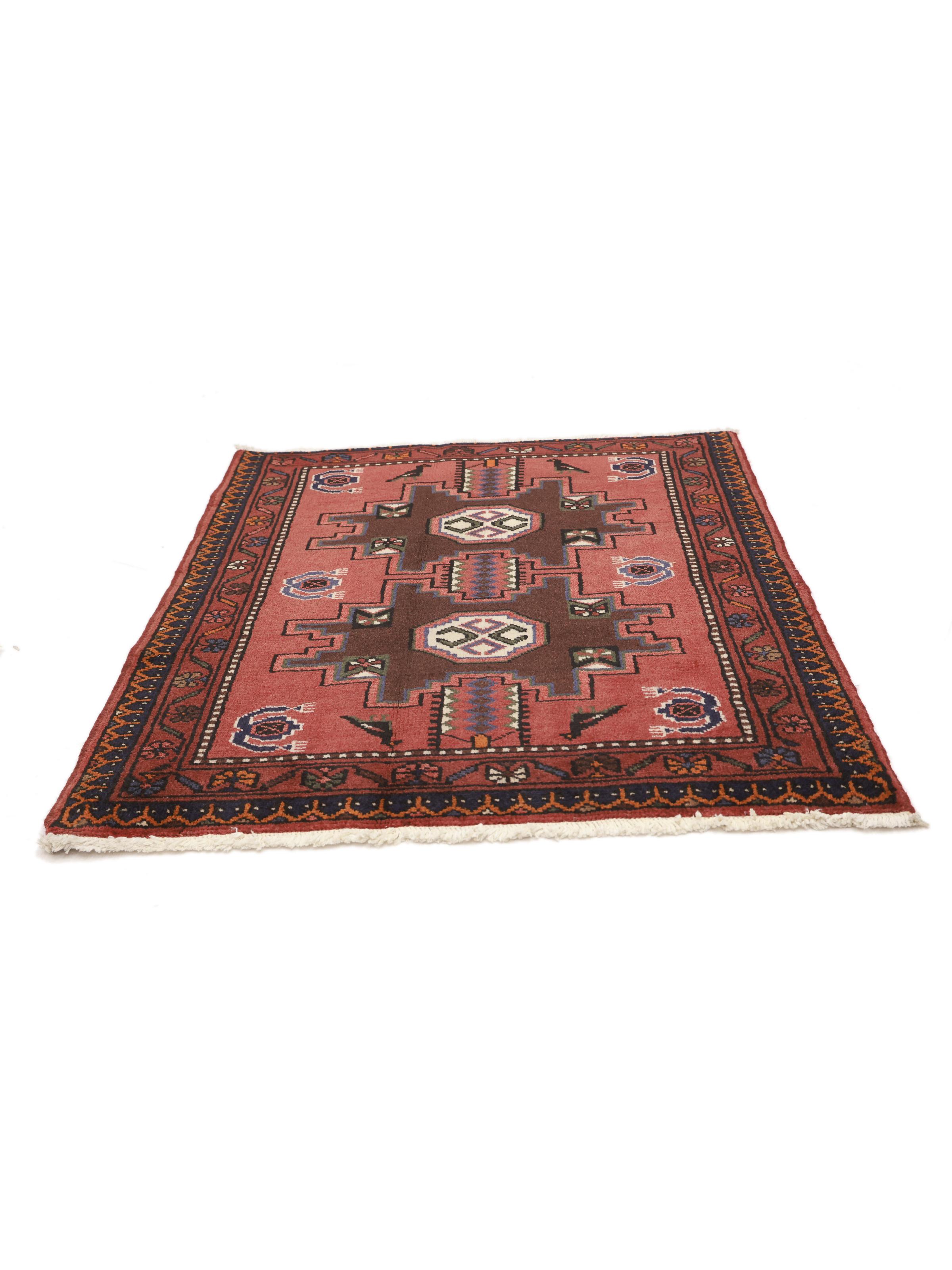
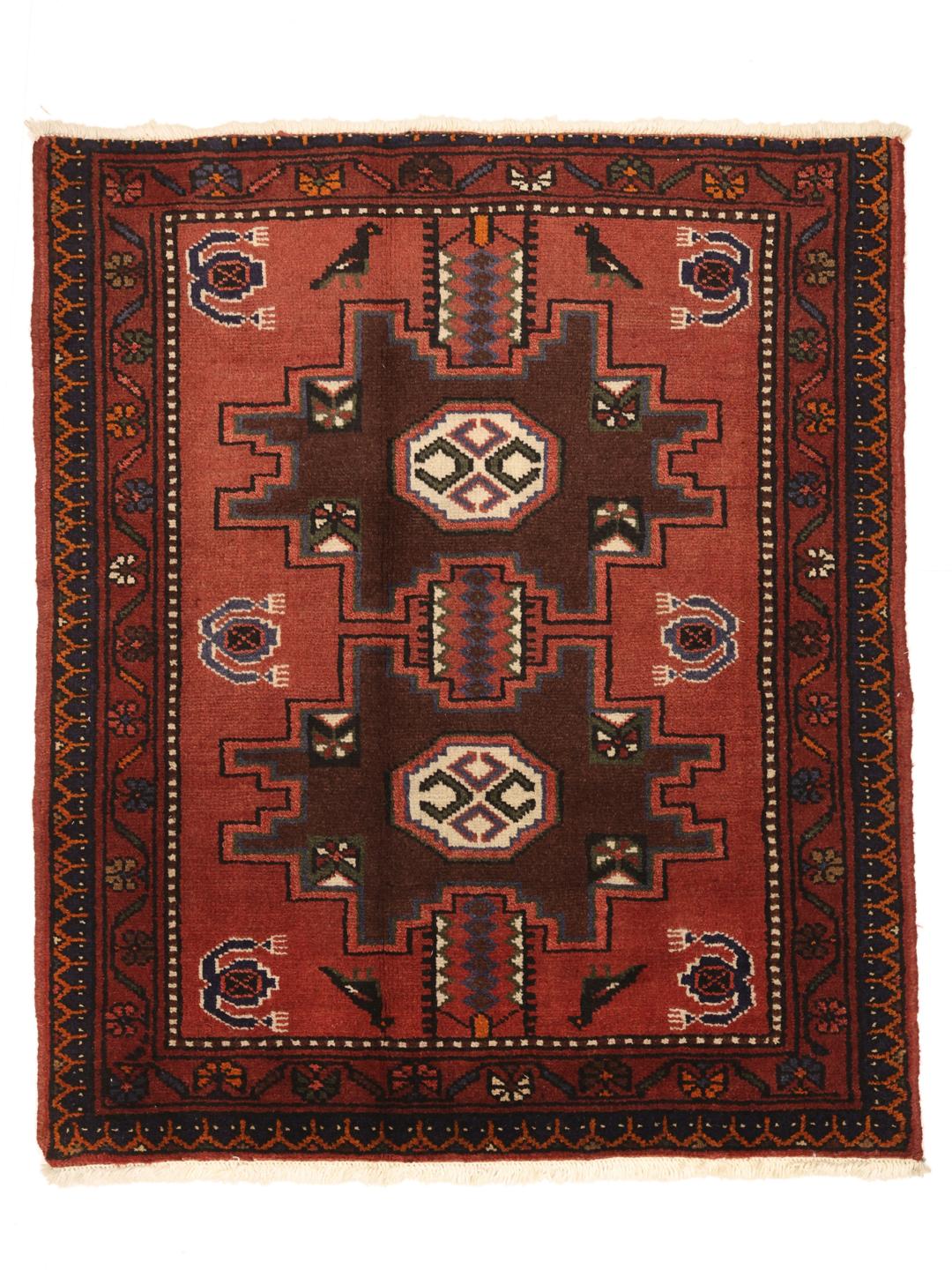
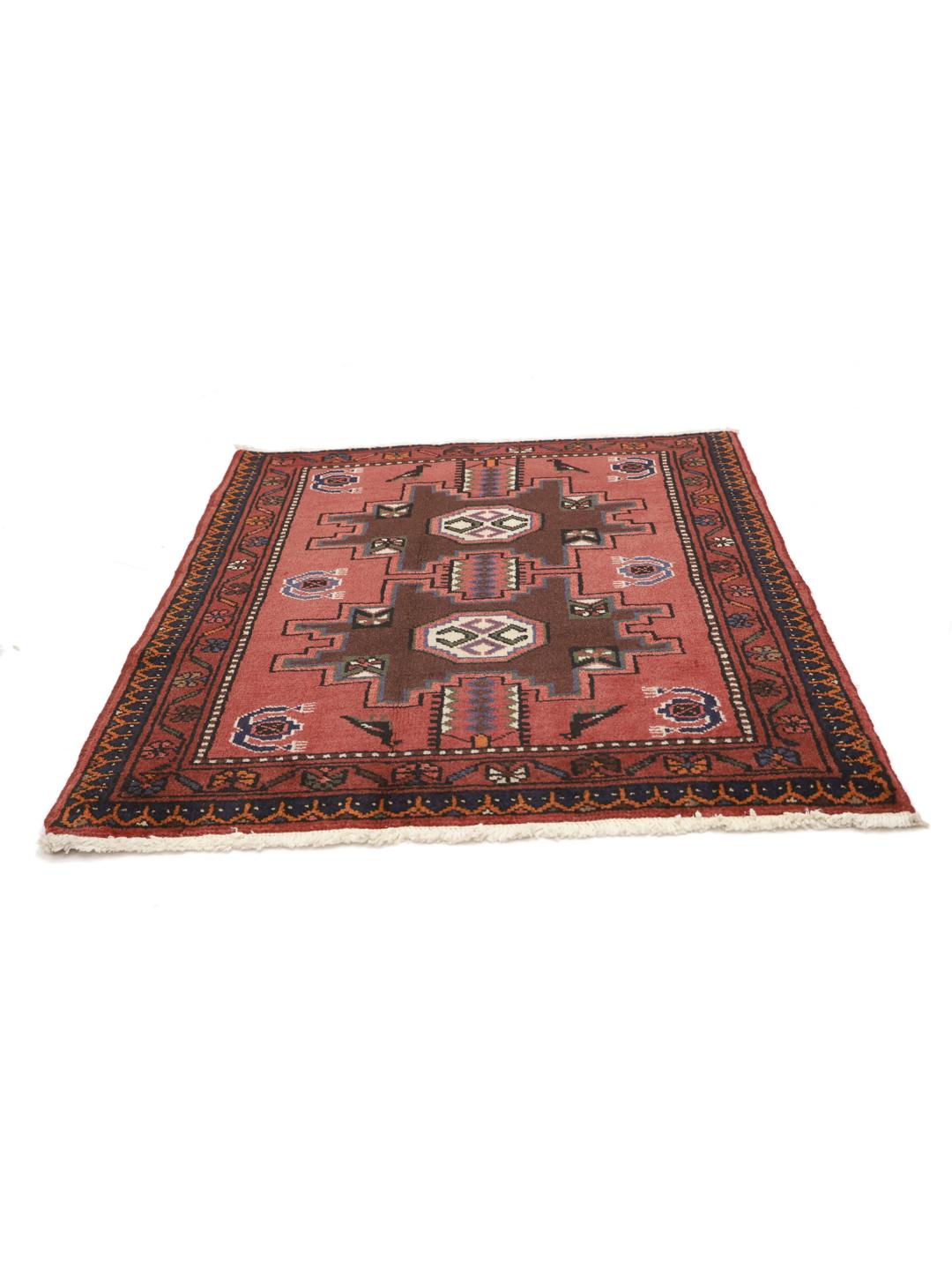
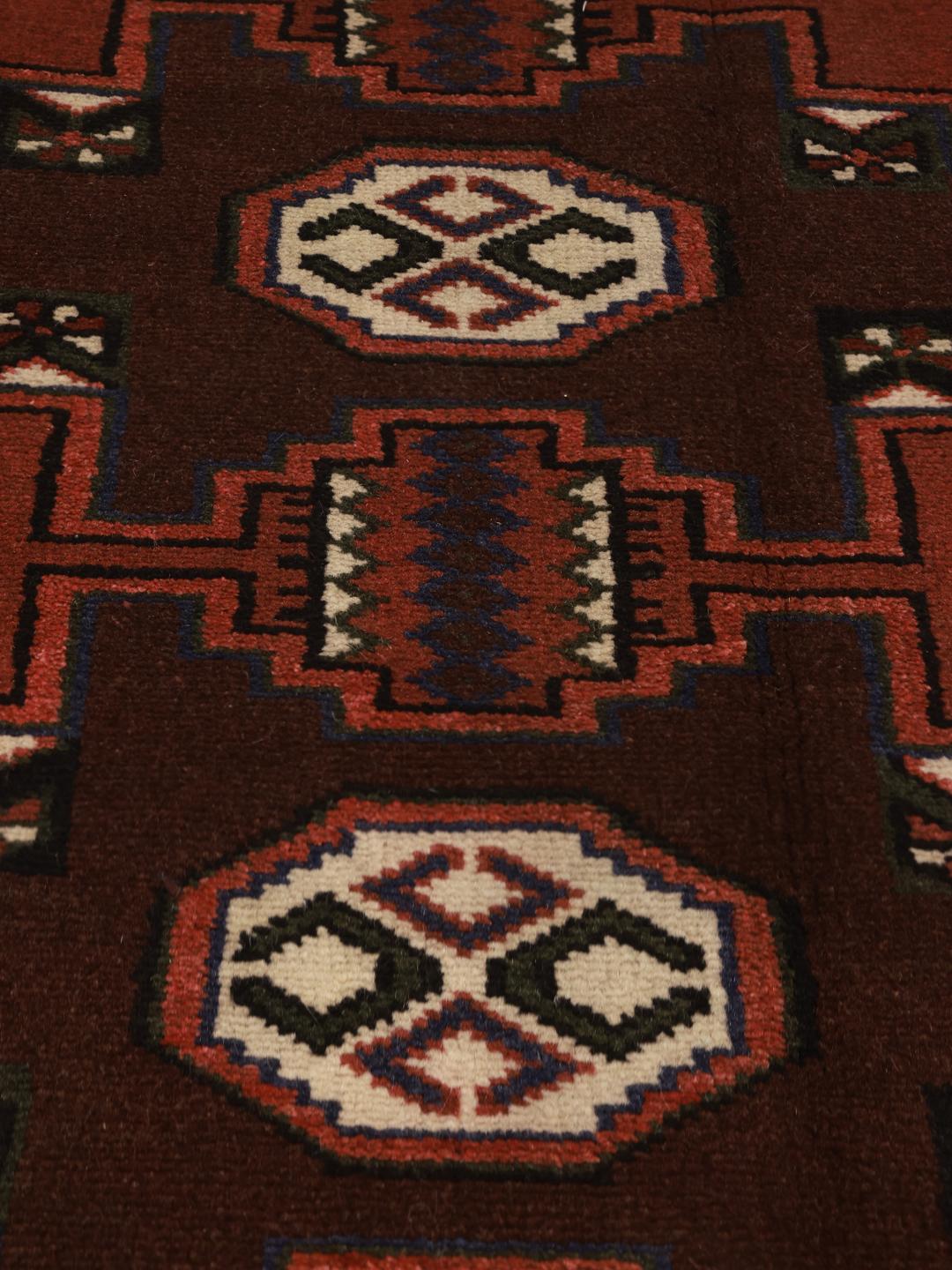
Design-wise, these rugs are famous for their geometric interpretations of floral motifs and central medallions. While there is great variety, many feature bold, angular patterns that reflect the aesthetic heritage of the local weavers. The use of natural dyes and rich, earthy colour palettes—often dominated by deep reds and browns—gives these rugs an unmistakable warmth and depth.
Collecting a Hamadan rug is a way to connect with a living tradition that spans centuries. These rugs are highly valued for their authentic, non-industrial character, representing the skill of families who have passed their weaving knowledge down through generations. By adding one to your home, you are preserving a piece of cultural history that values human touch over mass production.