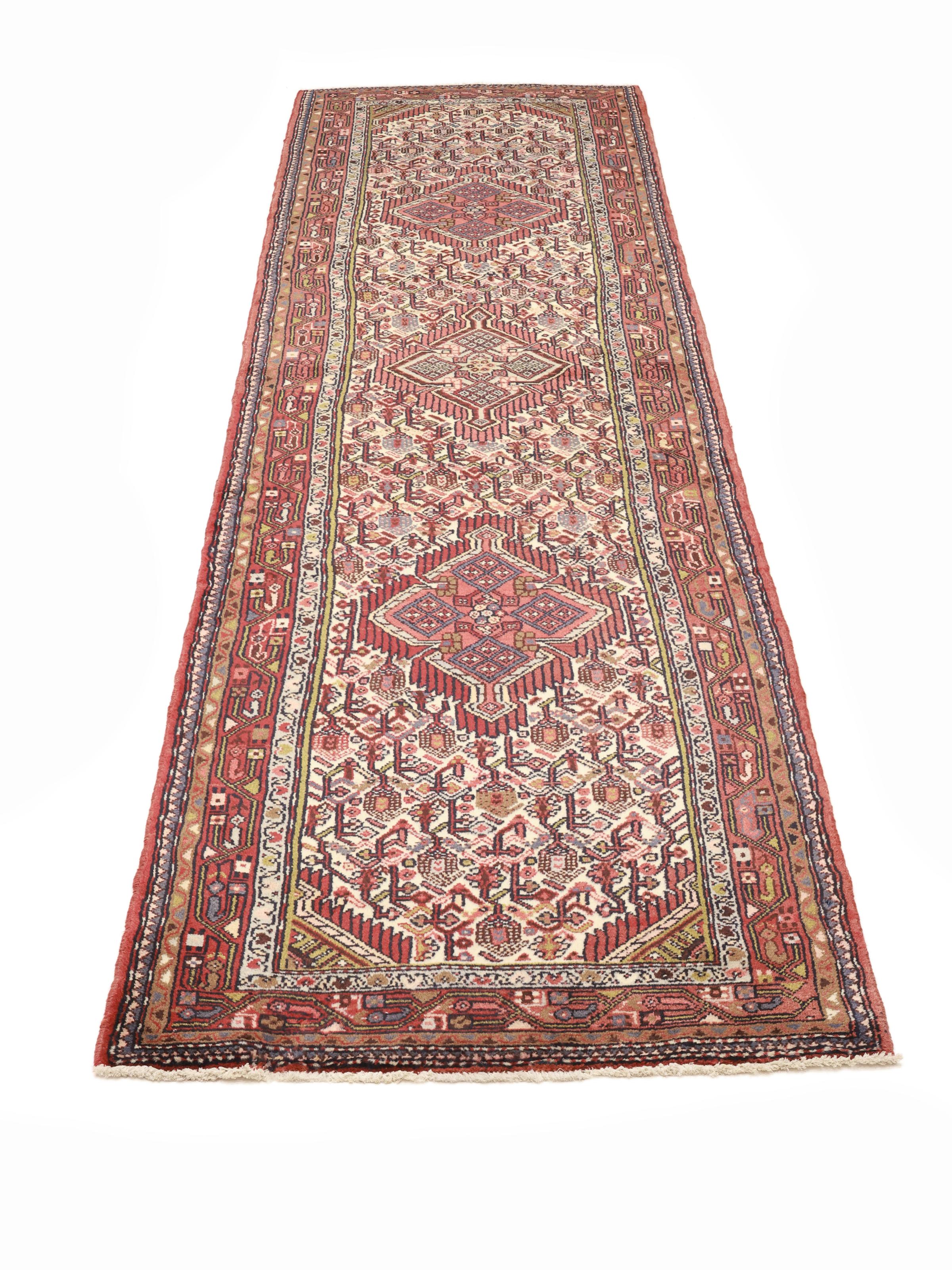
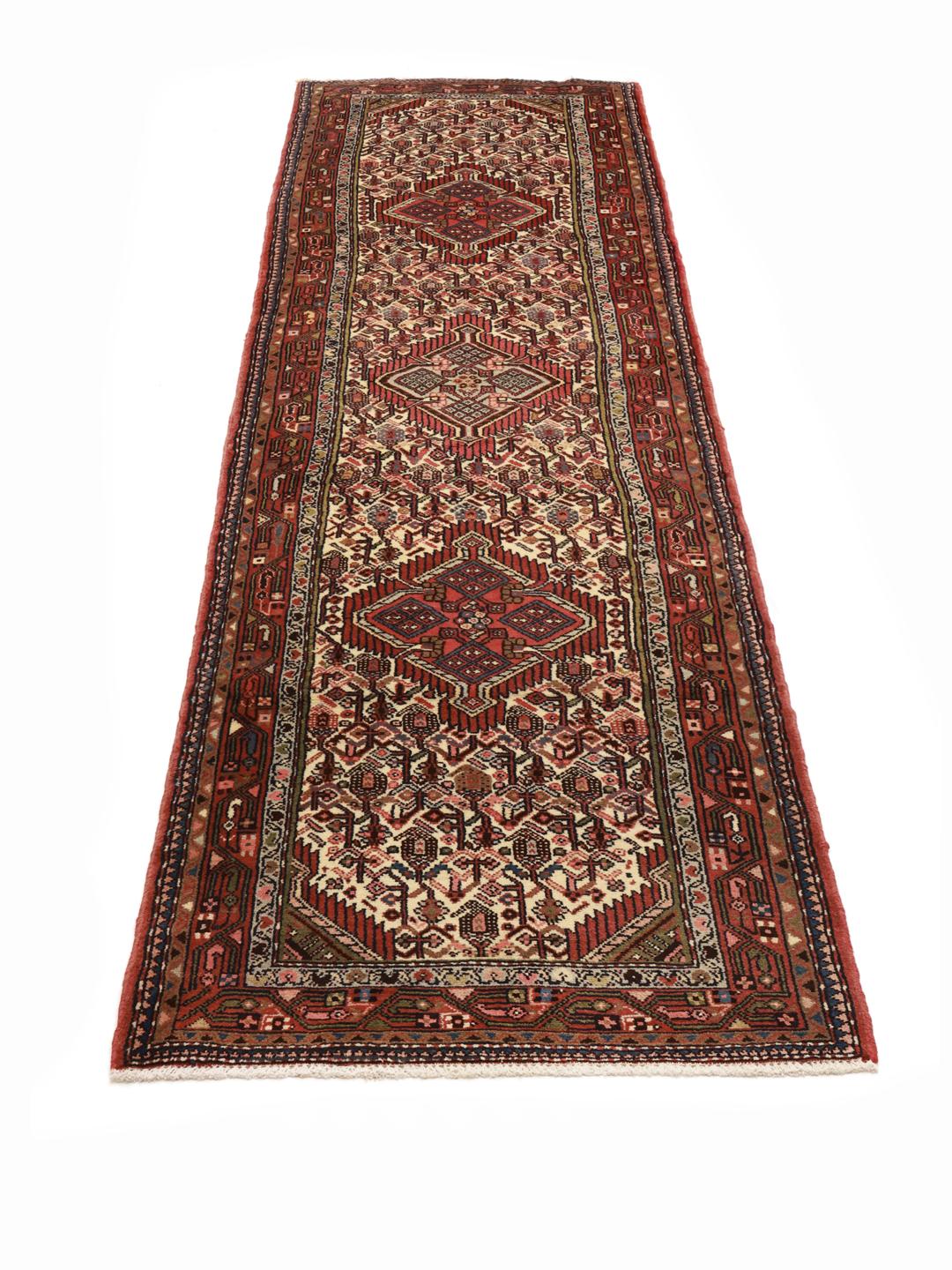
Hamadan rugs take their name from one of the oldest cities in the Middle Eastern region, a historical hub that has served as a central trading point for centuries. This city acts as a collection centre for hundreds of surrounding villages, each contributing its own unique flair to the broader Hamadan tradition.
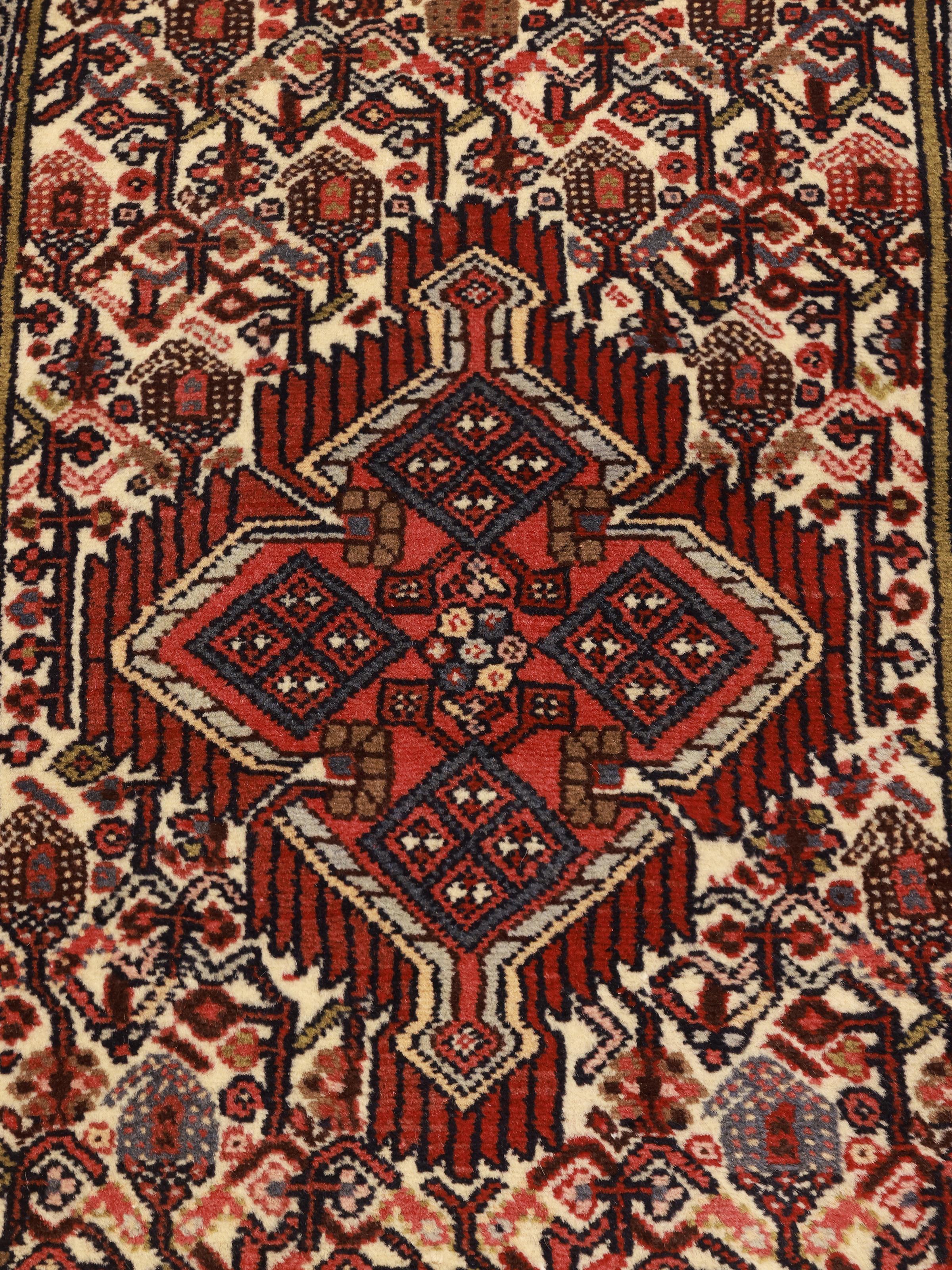
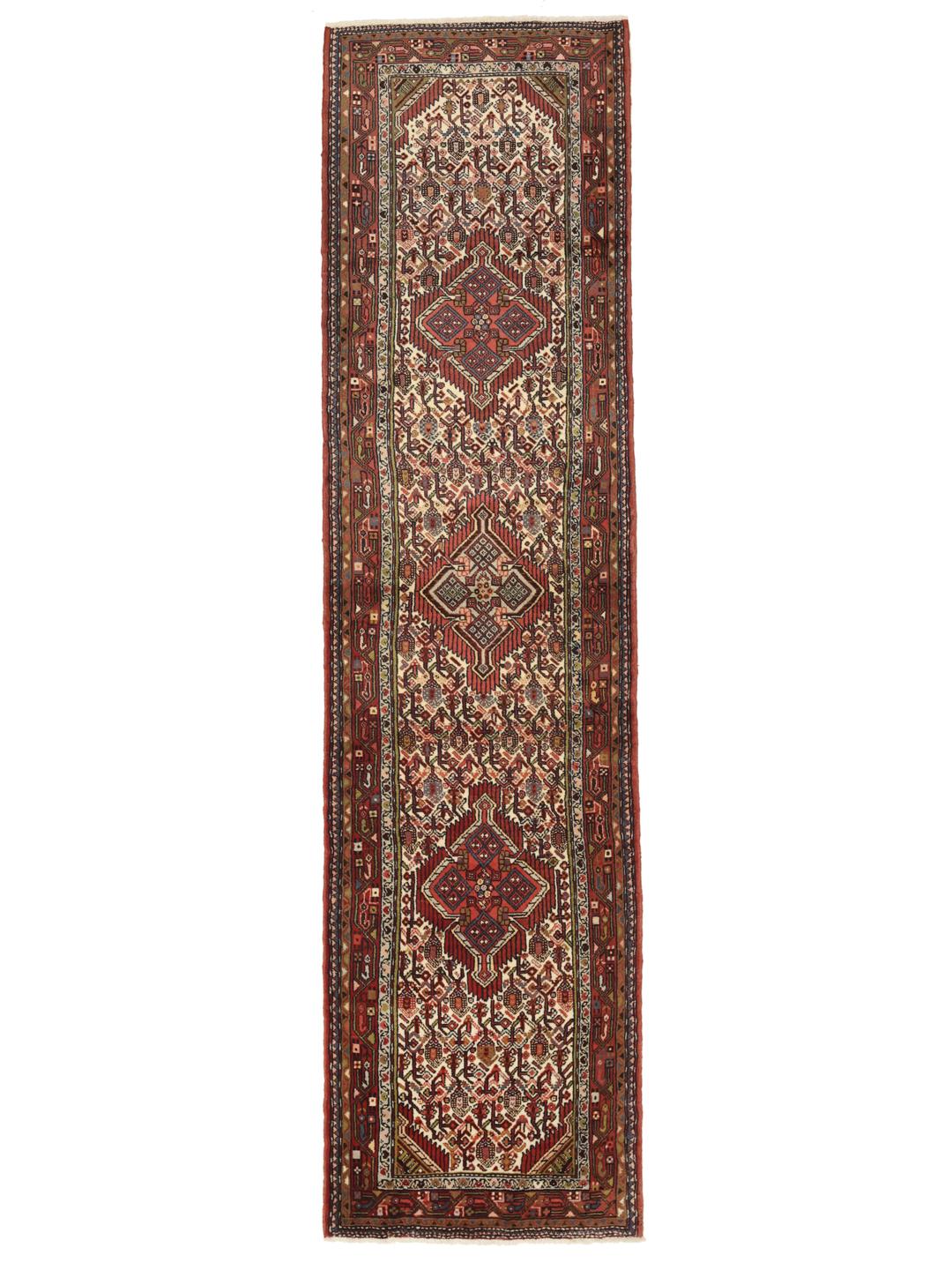
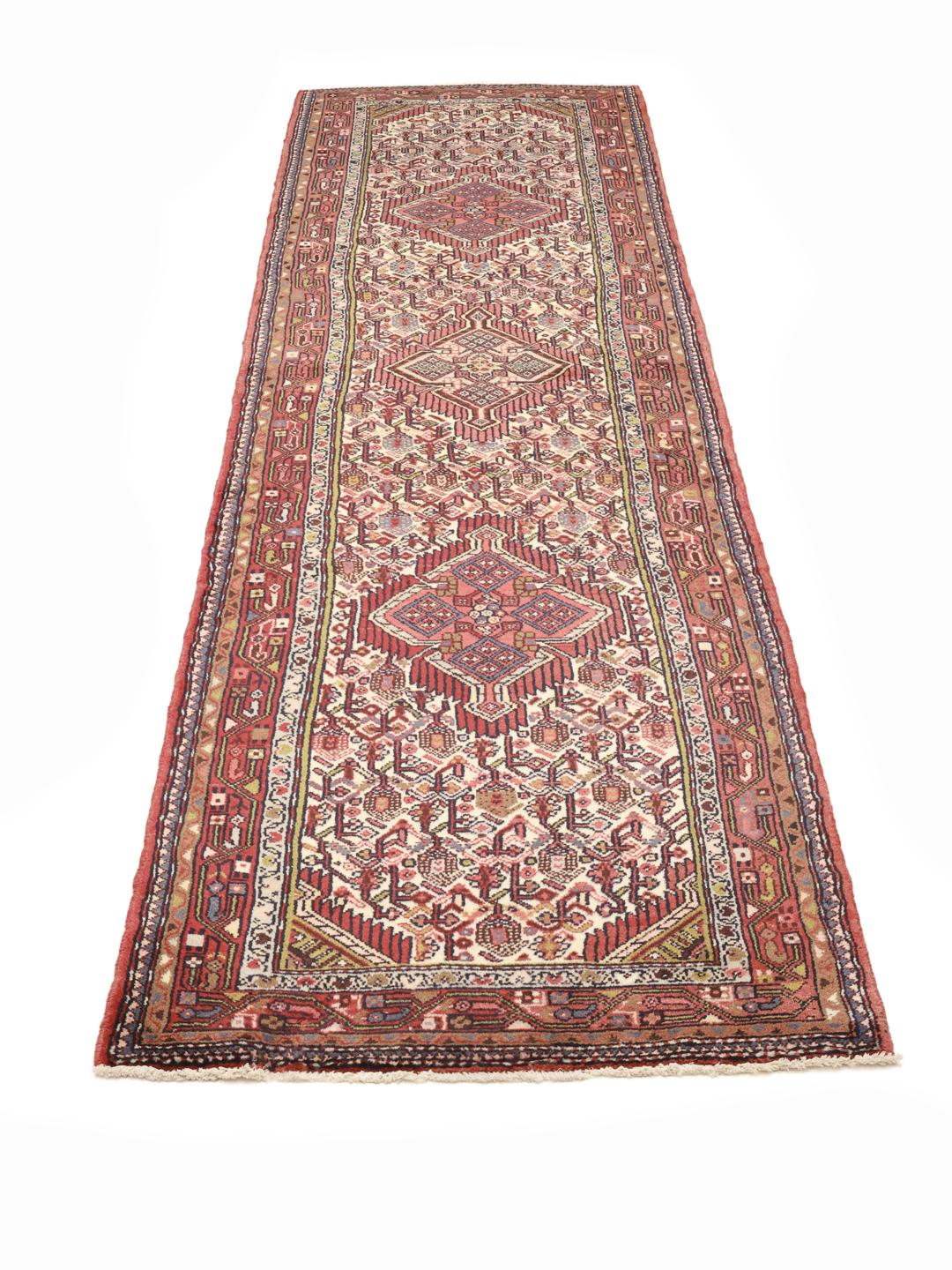
The term 'Hamadan' refers to a diverse collection of village and nomadic weaving styles rather than a single, uniform design. This diversity allows for a wide array of artistic expression, ranging from bold, large-scale geometric shapes to more intricate, repetitive floral motifs, all tied together by the rugged, high-quality wool sourced from the local highlands.
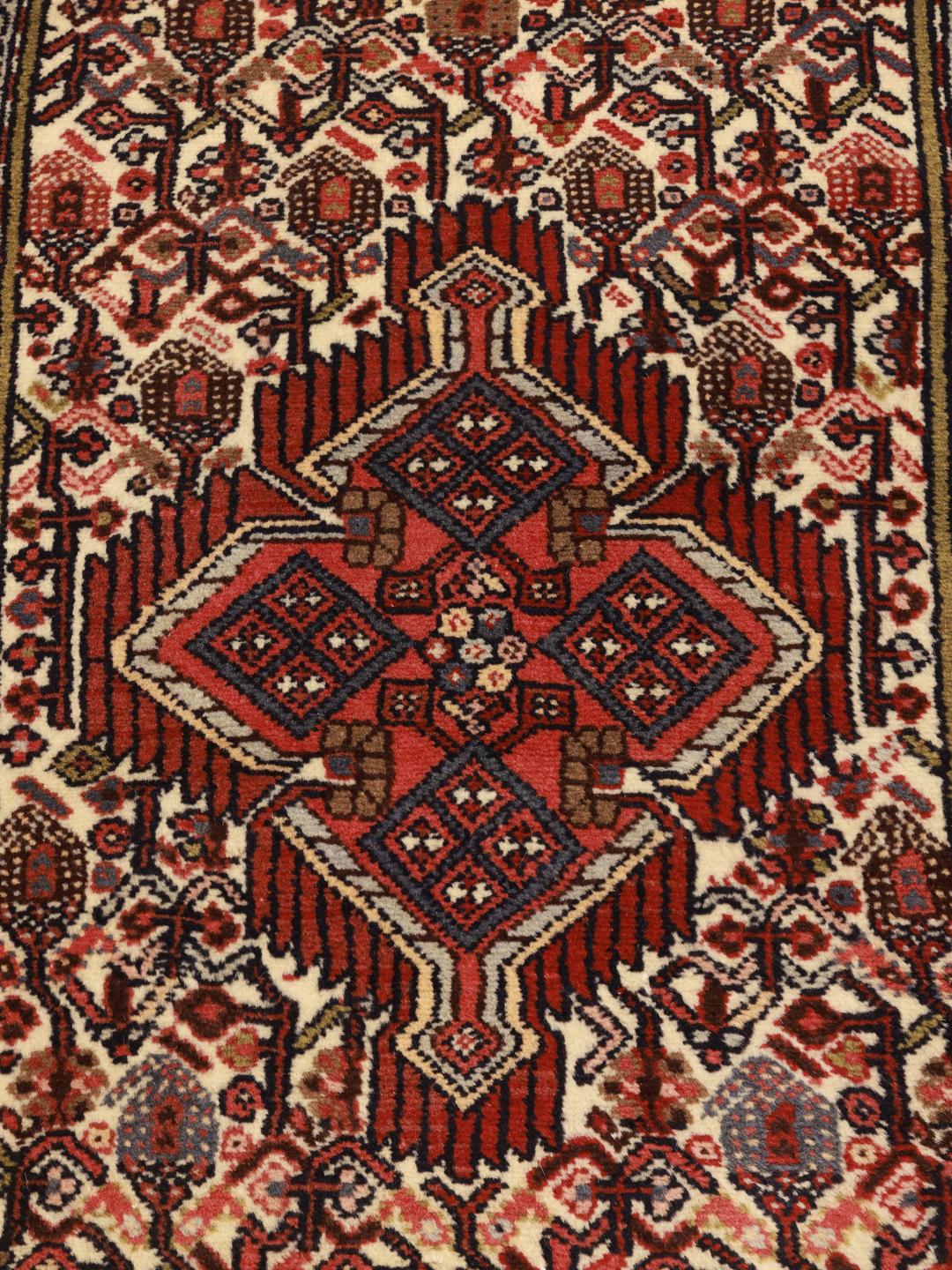
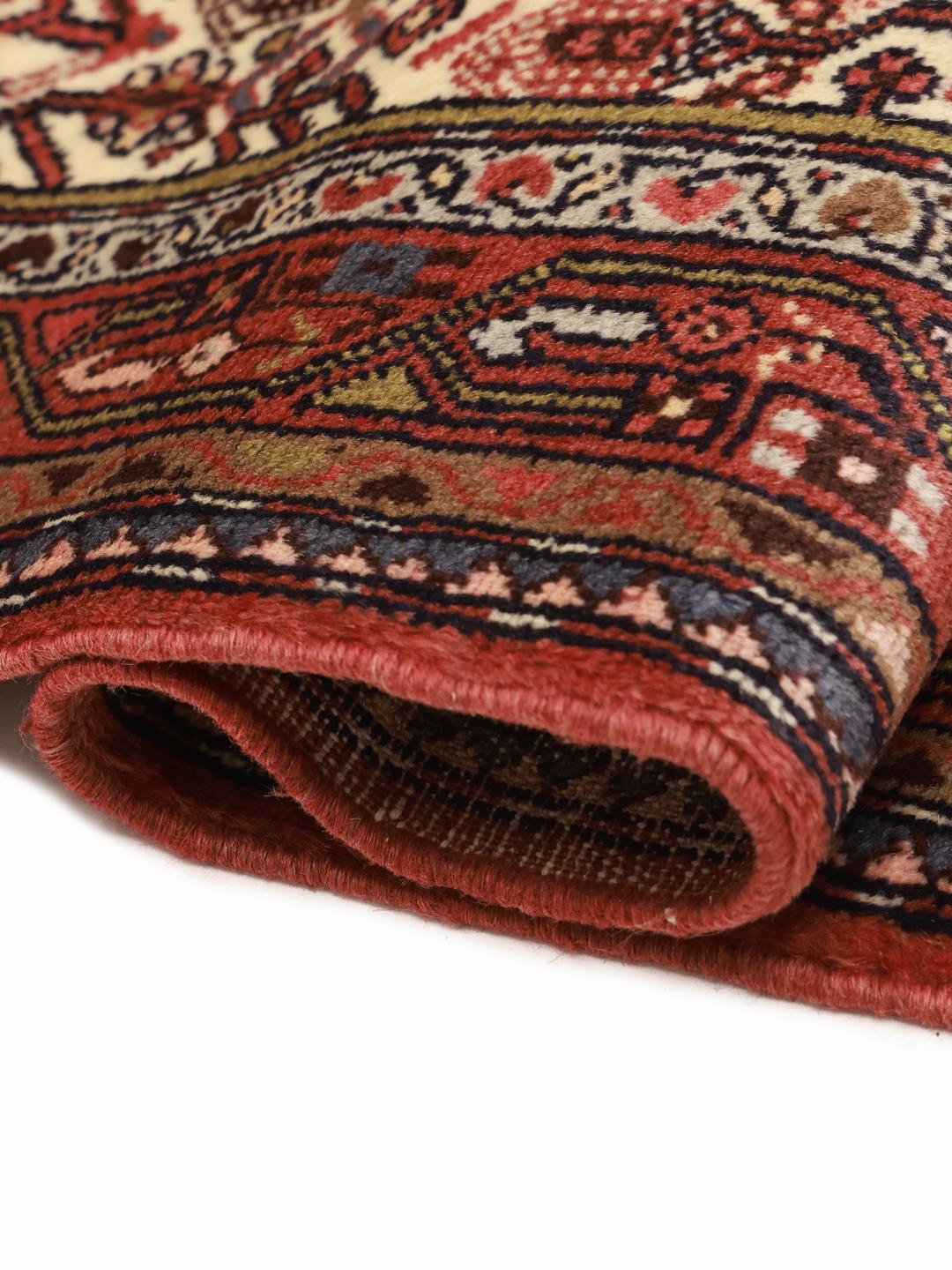
Signature elements of these rugs often include a central medallion or an all-over pattern of repeating motifs, frequently framed by sturdy, ornate borders. The colour palettes are traditionally derived from natural dyes, favouring warm, earthy tones like deep reds, rich browns, and soft creams that age beautifully and gain character over time.
Owning a Hamadan rug is an investment in a living heritage. These pieces are highly valued by collectors and enthusiasts for their authentic, non-industrial nature and the way they reflect the specific cultural landscapes of their origin. They represent a connection to a centuries-old craft that prioritises human skill and regional identity over modern mass production.