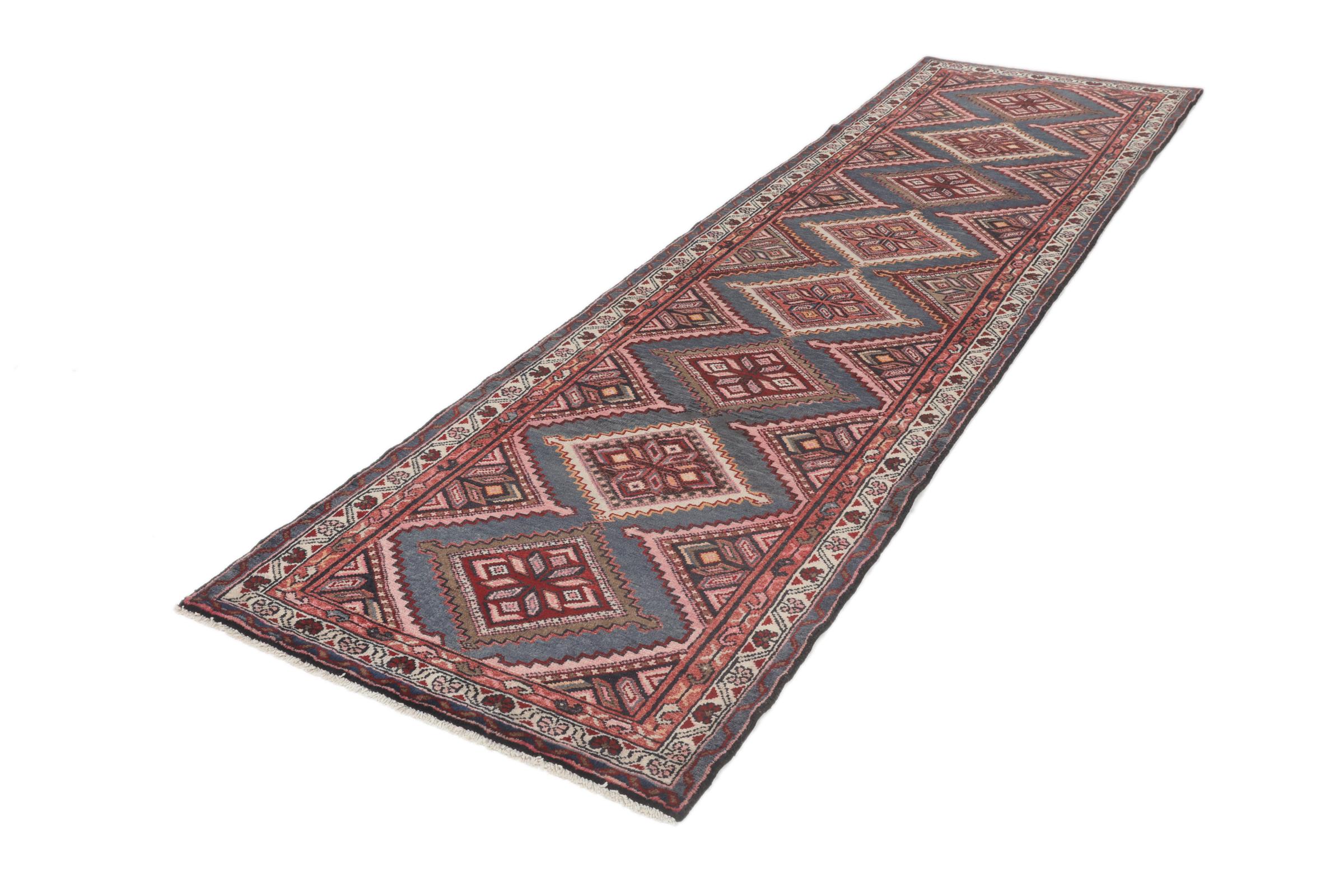
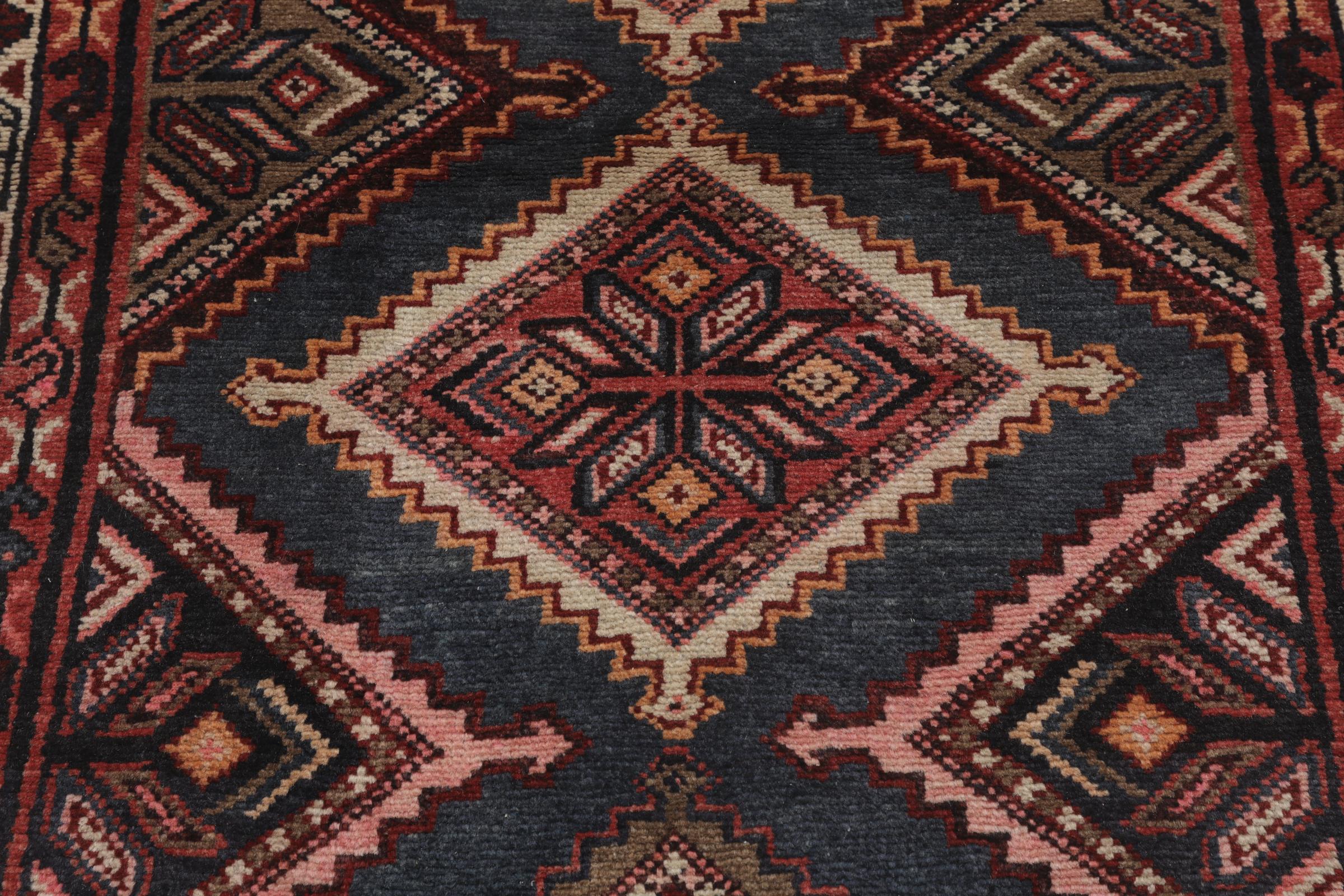
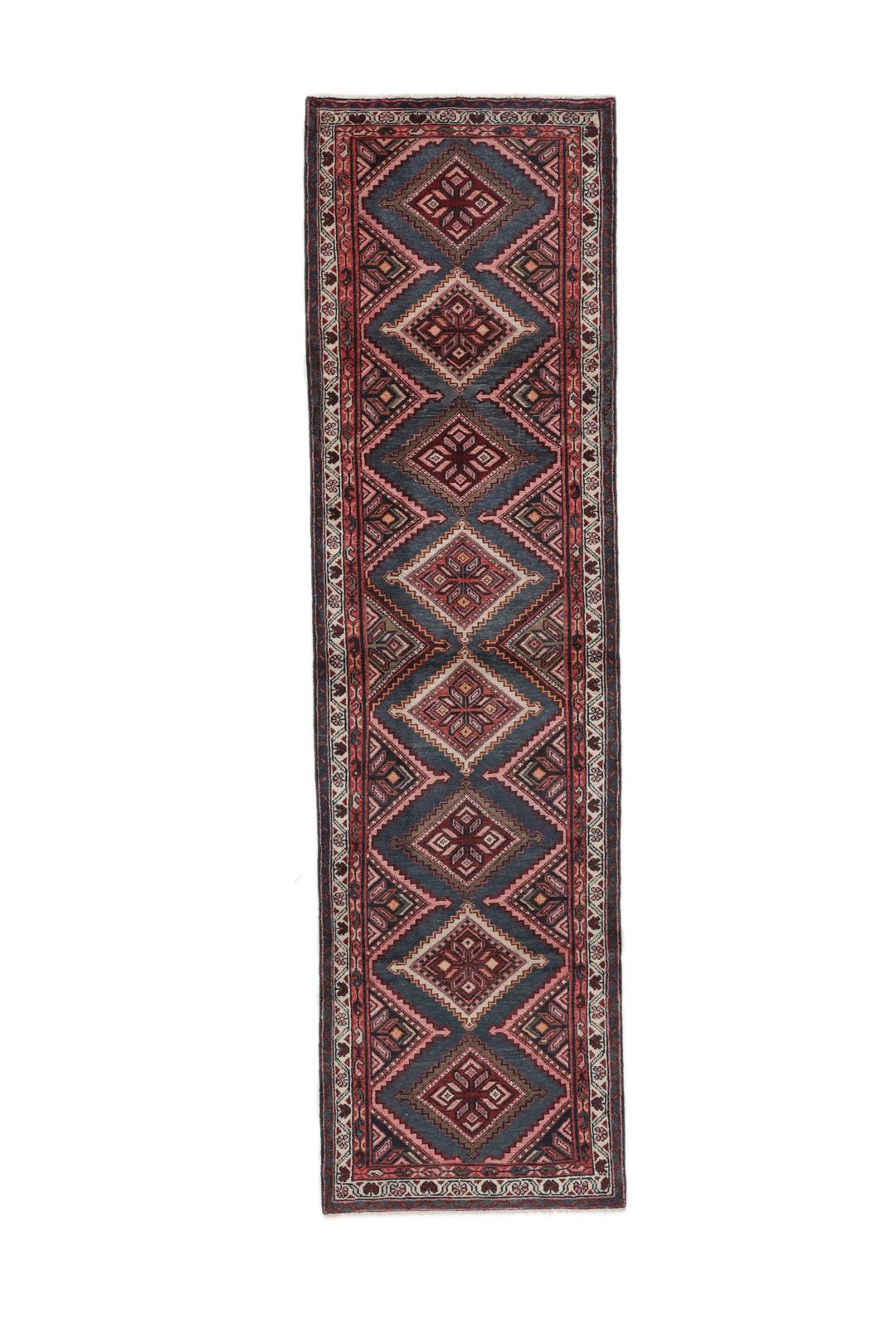
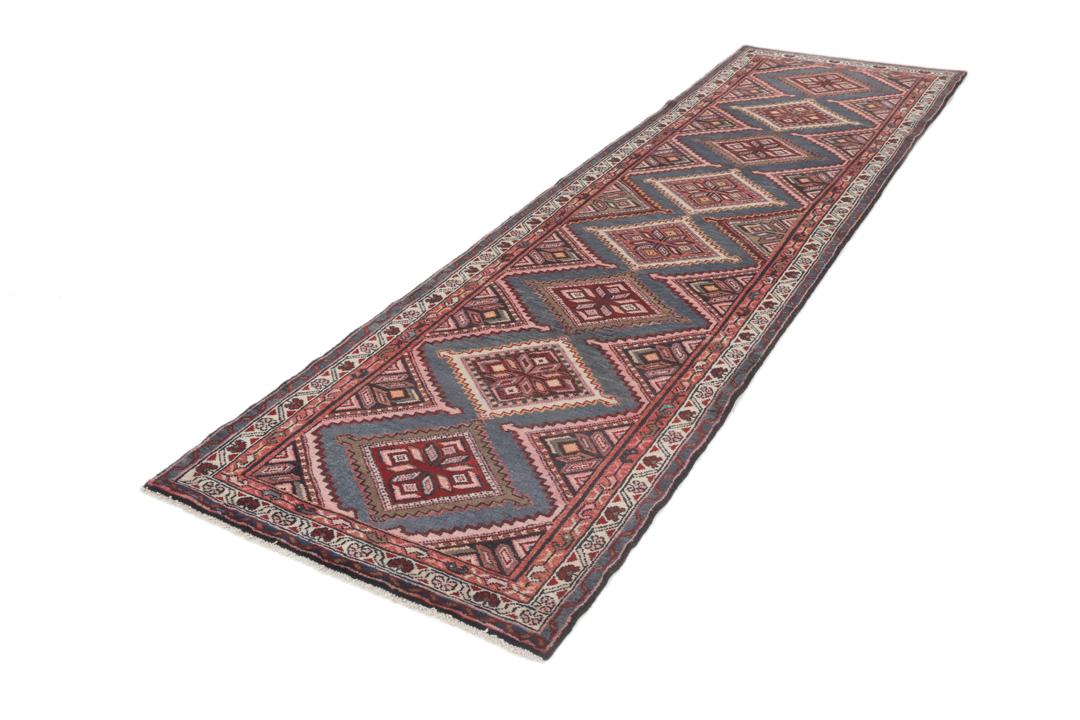
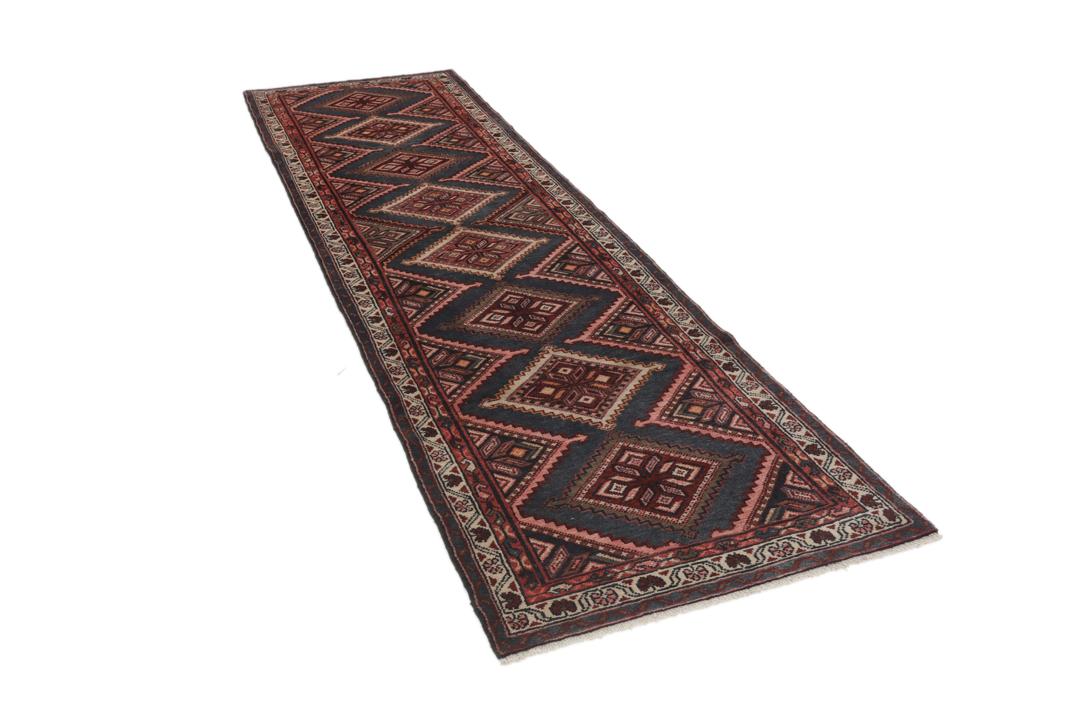
Hamadan rugs take their name from one of the oldest cities in the Middle East, located in a region that has been a centre for textile production for centuries. Historically, the area is known for its diverse weaving output, where individual villages often developed their own unique variations of classic patterns, making every rug from this region a reflection of local heritage and skill.
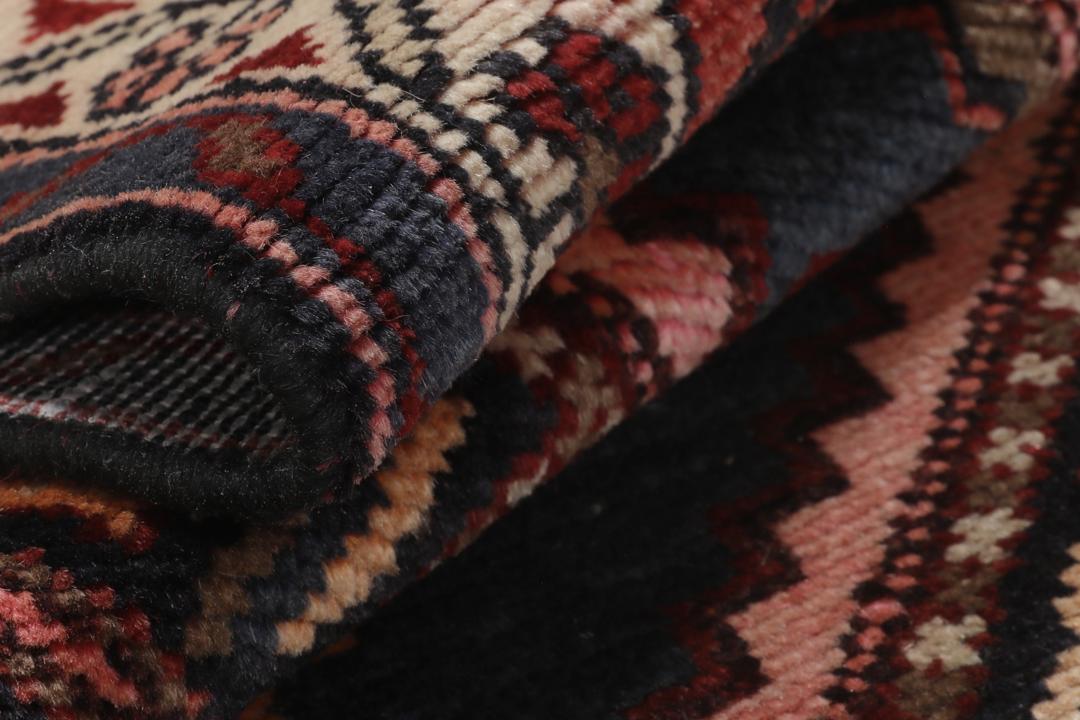
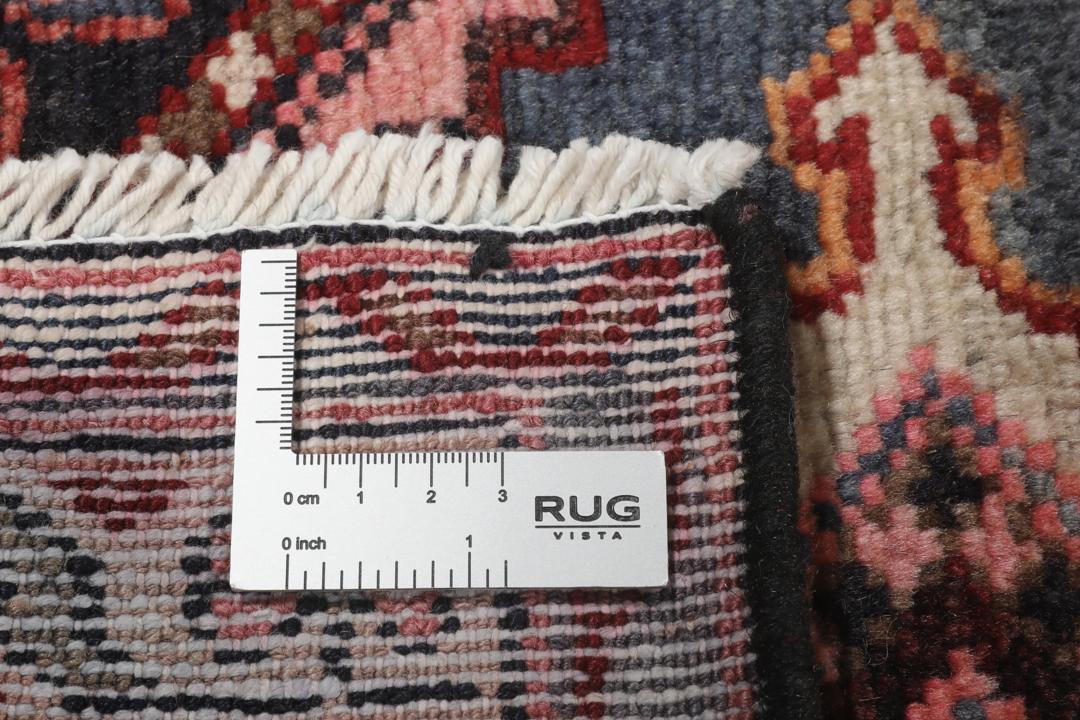
The term Hamadan generally refers to a wide variety of styles, but the consistent thread is the use of high-quality materials and a robust, durable construction. These rugs are often recognised for their geometric patterns, which are deeply influenced by tribal design traditions that have been passed down through generations of weavers.
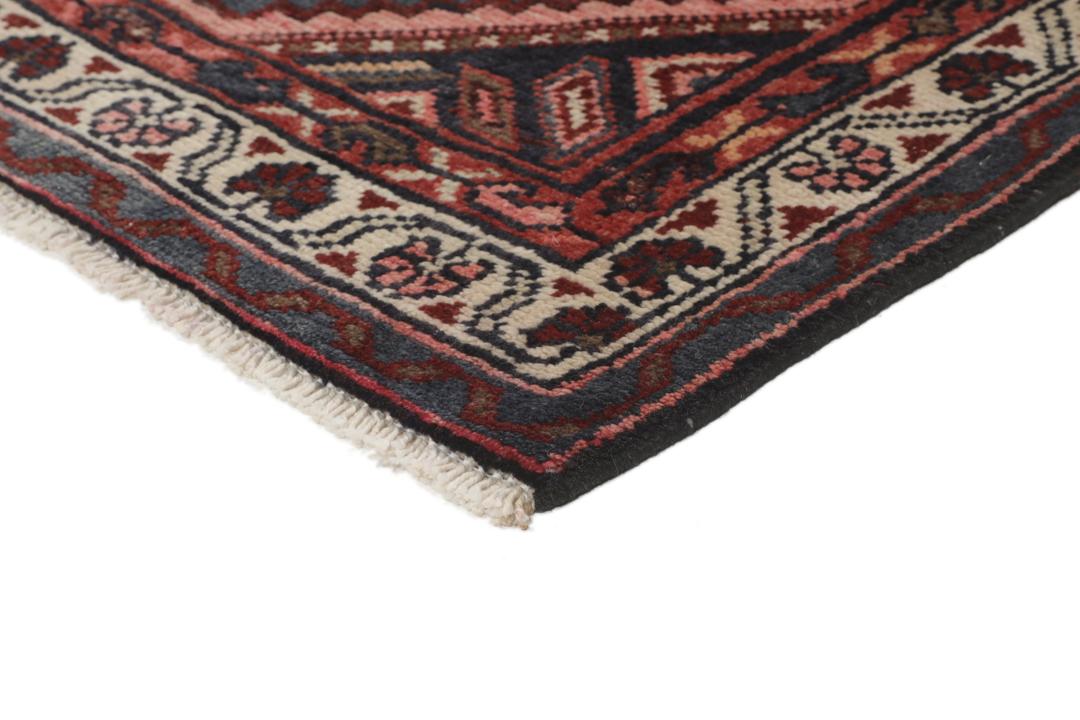
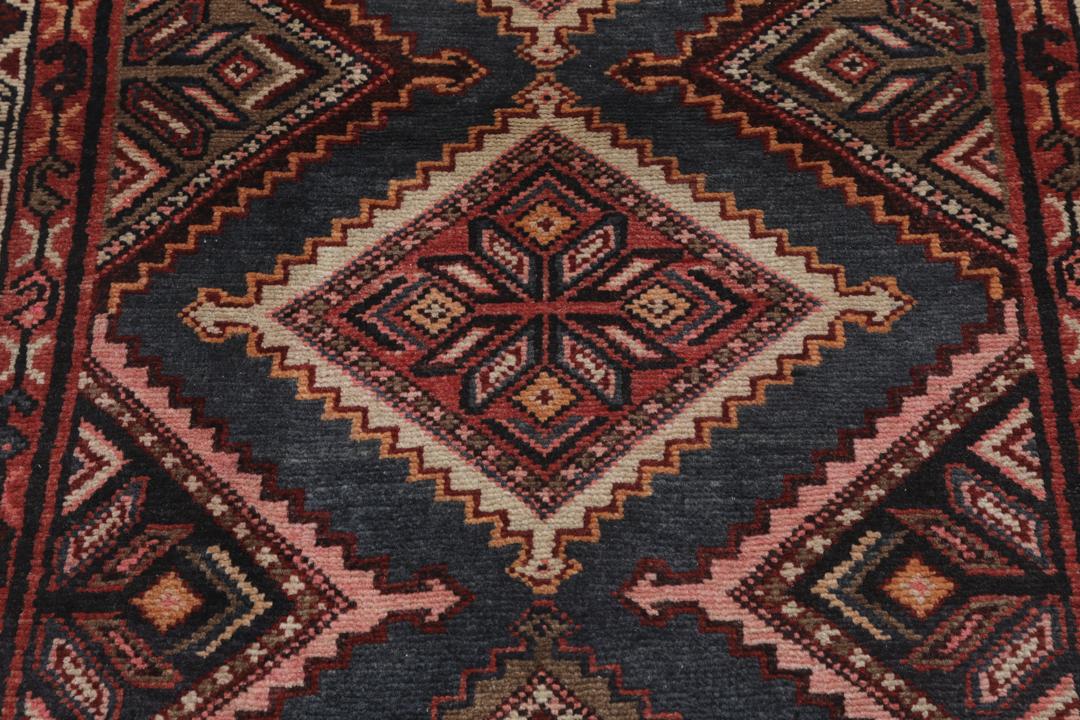
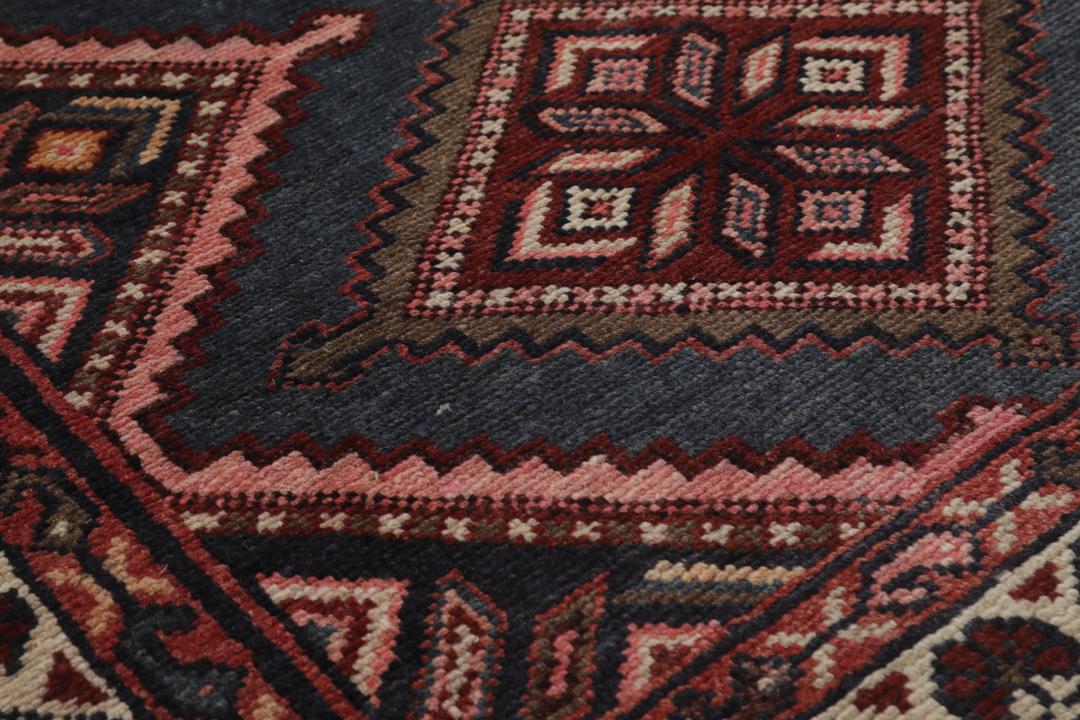
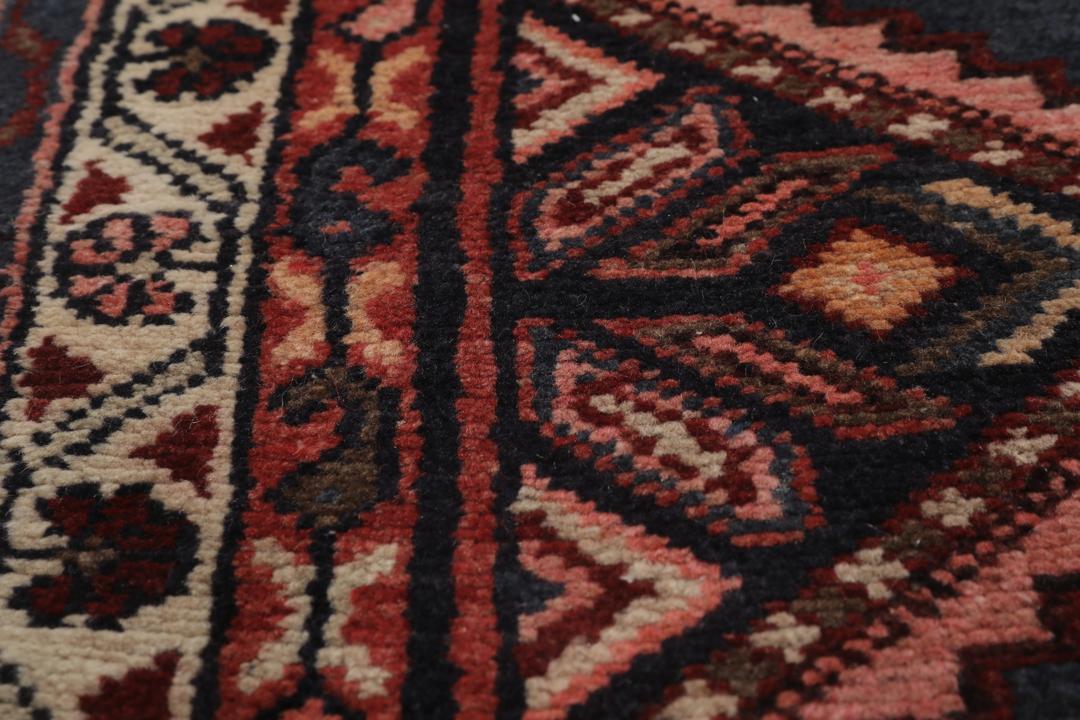
Common design elements in these rugs include central medallions, repeating geometric motifs, and intricate borders that frame the composition. The use of deep, rich colours is a hallmark of the tradition, often derived from natural sources that create a vibrant yet grounded aesthetic, perfectly suited for adding warmth to a home.
Collectors value these rugs for their authenticity and the human effort embedded in every strand. Owning a piece from this tradition is an opportunity to connect with a long-standing craft history, ensuring that the rug serves as both a functional floor covering and a significant cultural artifact within your living space.