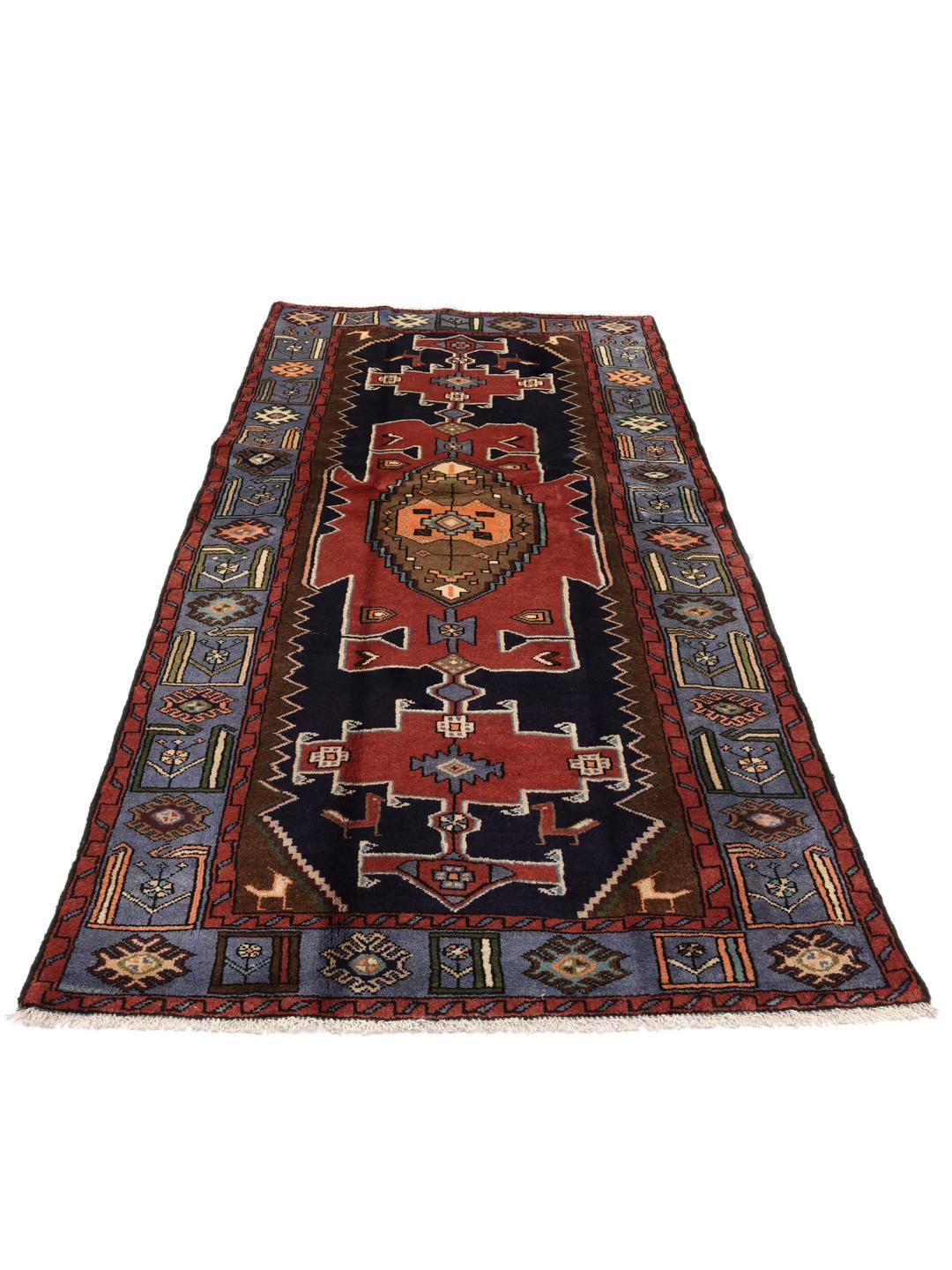
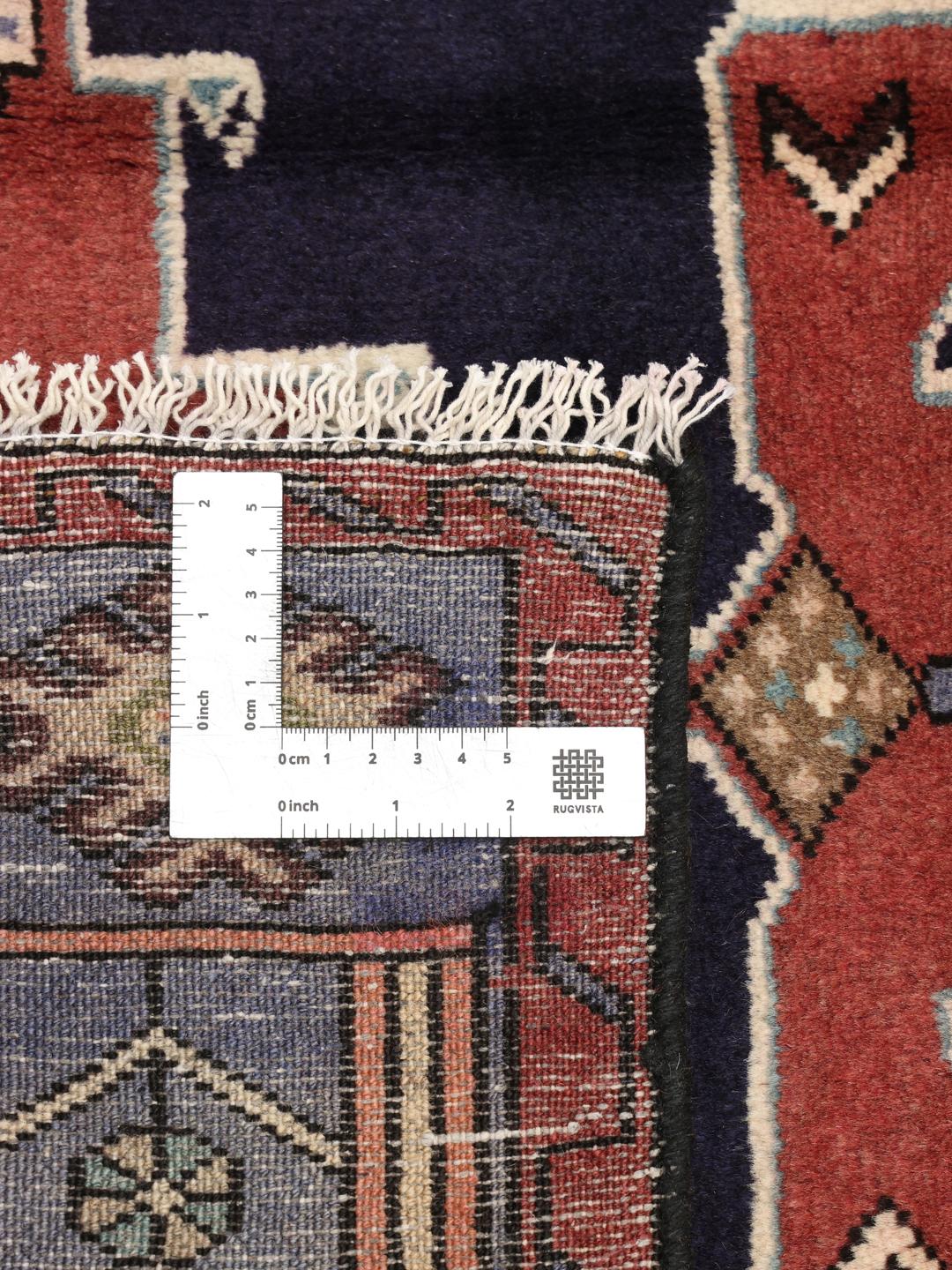
Hamadan rugs take their name from one of the oldest cities in the world, located in the mountainous region of the Middle East. For centuries, this area has been a vital hub for weaving, serving as a collection point for the diverse styles of the surrounding nomadic tribes and village workshops. This central location has allowed Hamadan weavers to synthesise a wide array of regional influences into a distinct and recognisable aesthetic.
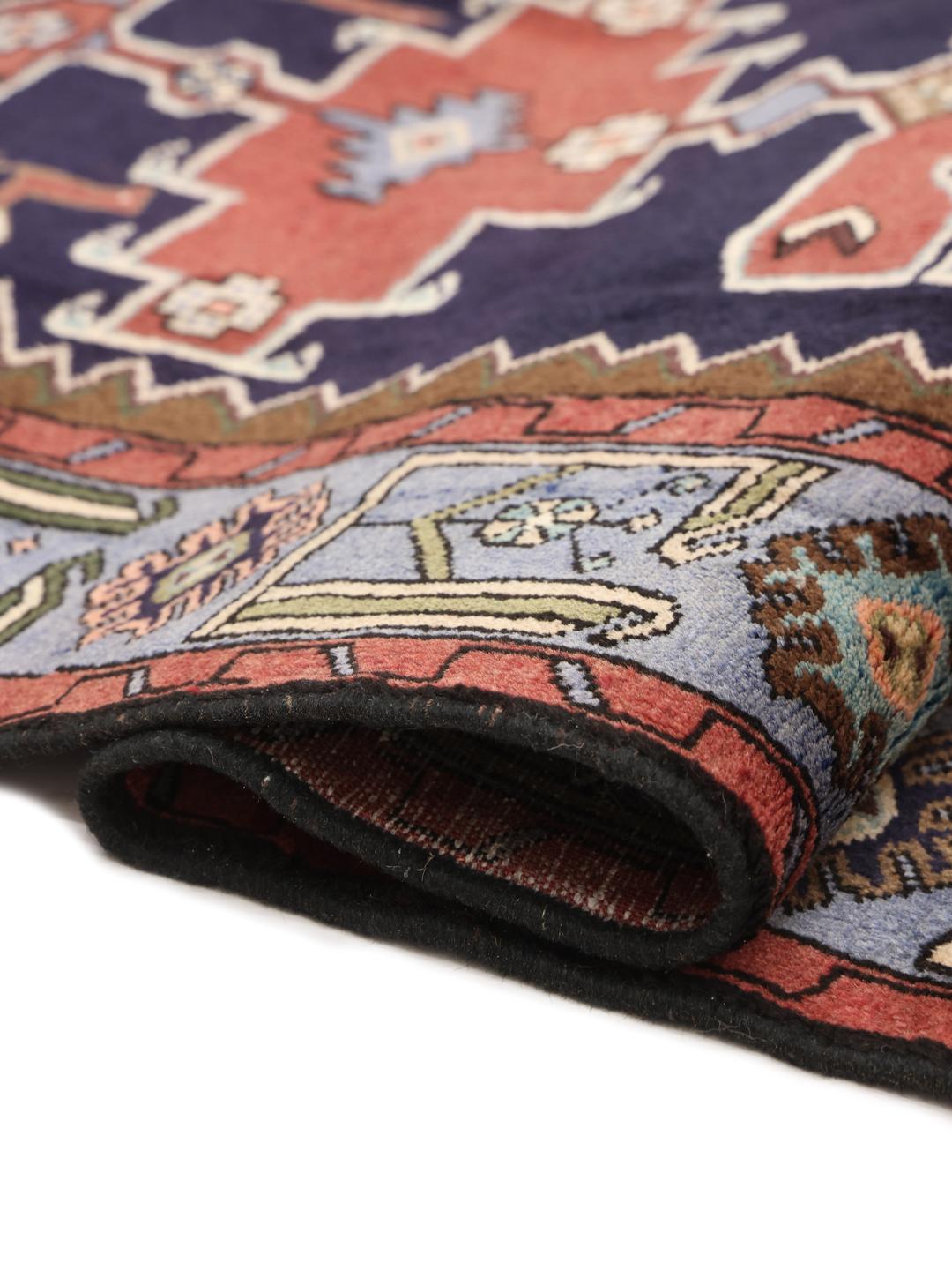
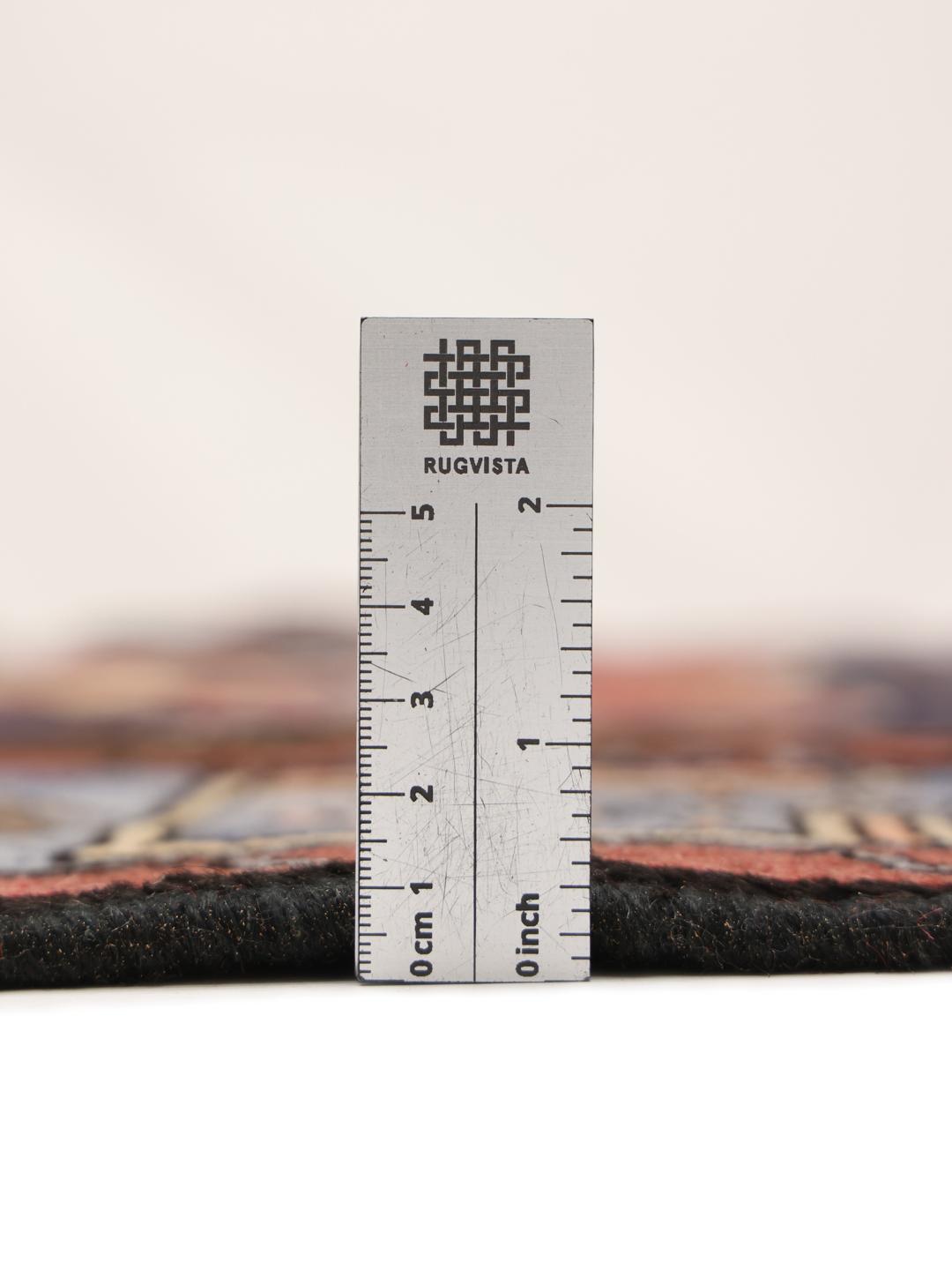
The term Hamadan often refers to a broad family of rugs, characterised by their sturdy construction and diverse use of geometric motifs. These pieces are traditionally crafted with a focus on longevity, utilising high-quality local wool and a foundation that is designed to withstand the rigours of daily life. The result is a rug that is as practical as it is beautiful, reflecting the resourceful spirit of its origin.
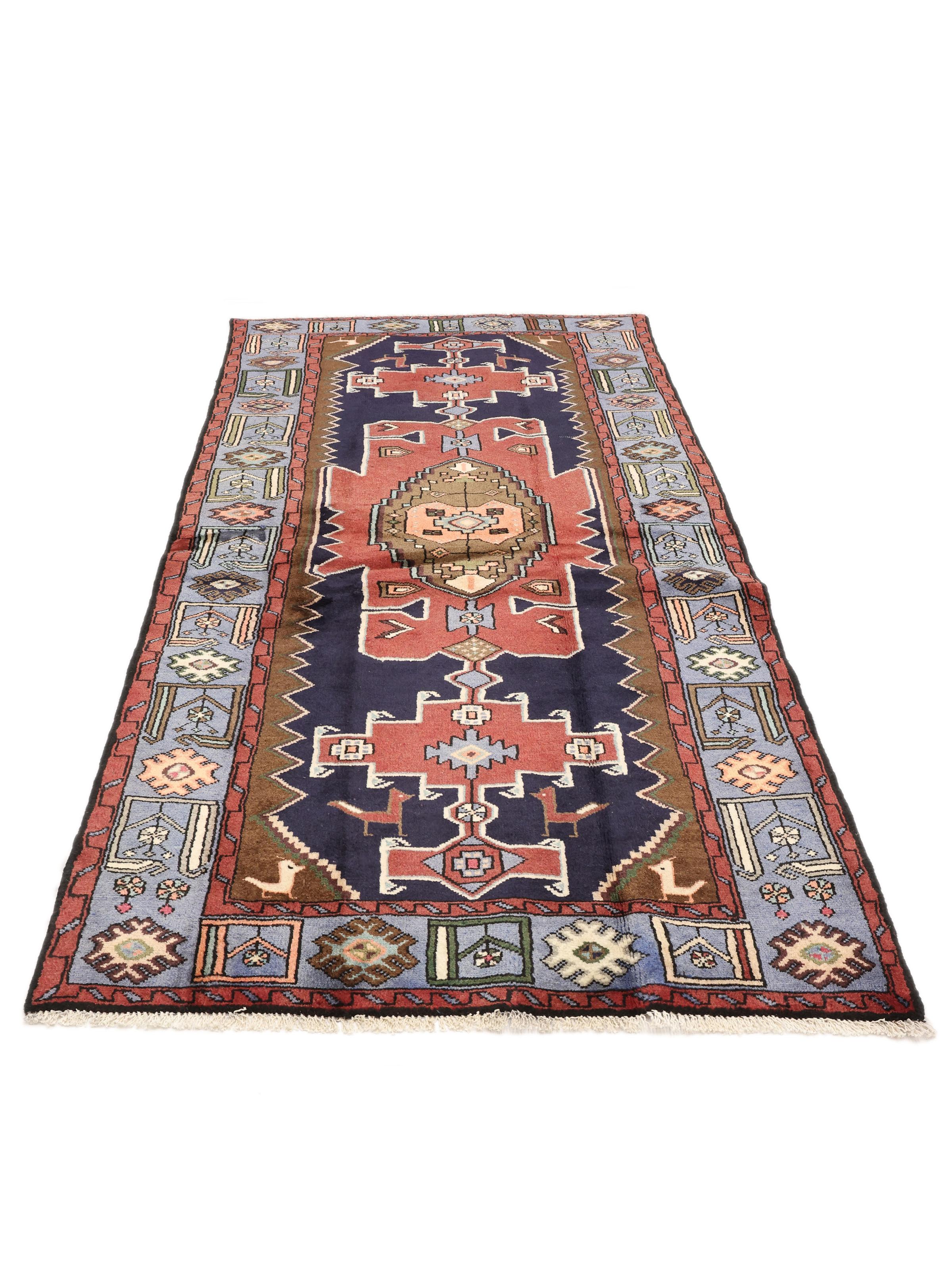
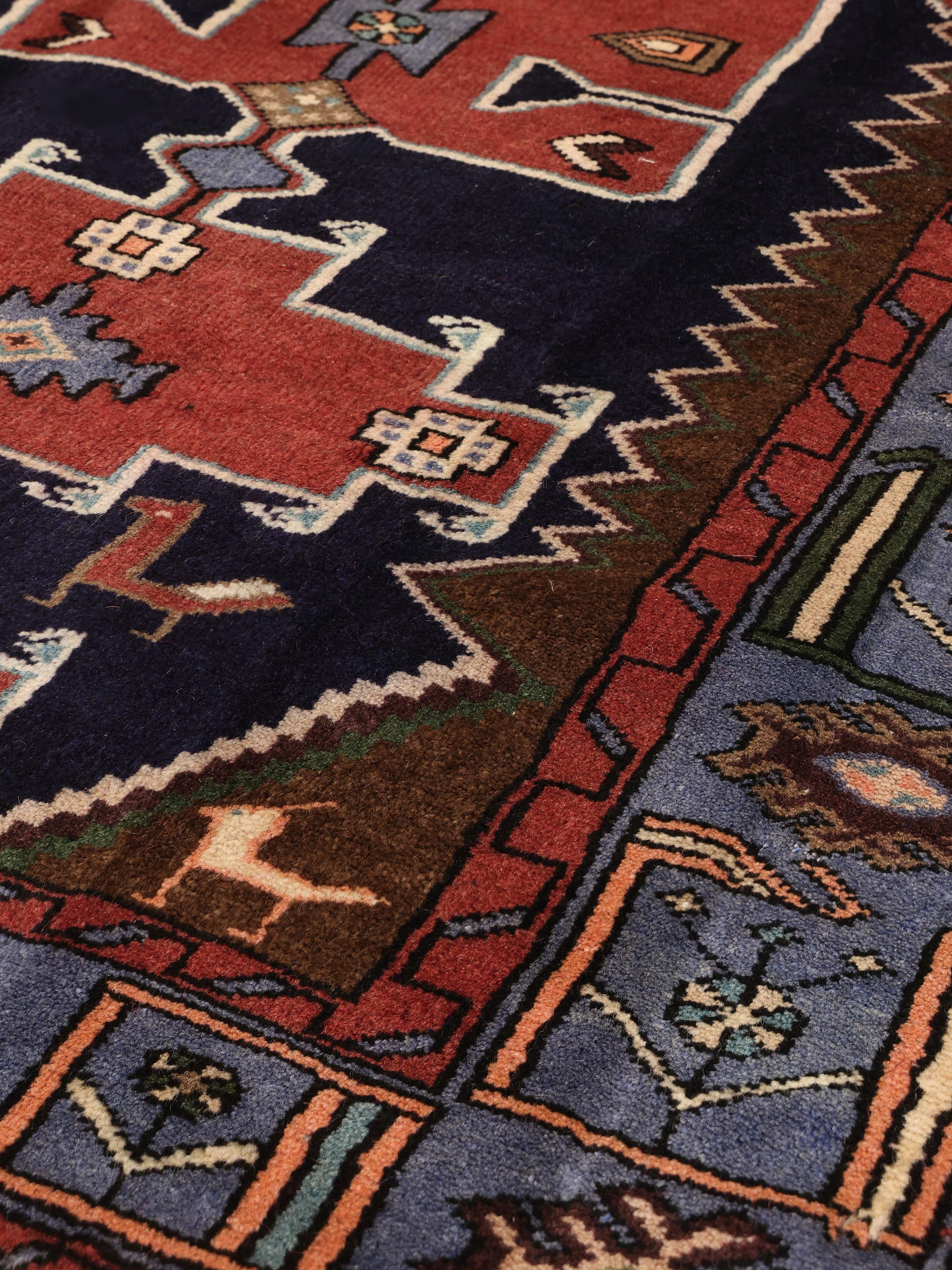
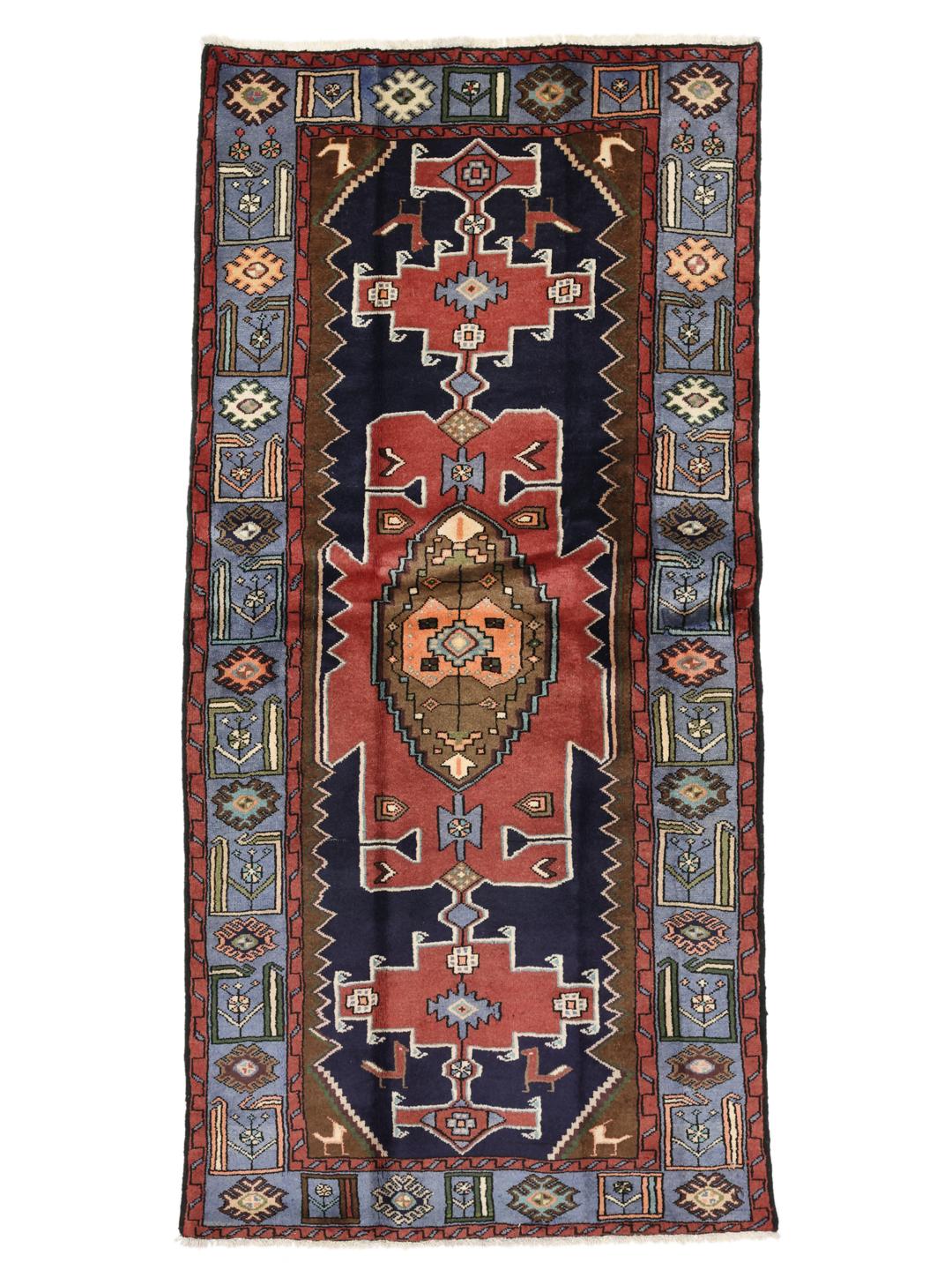
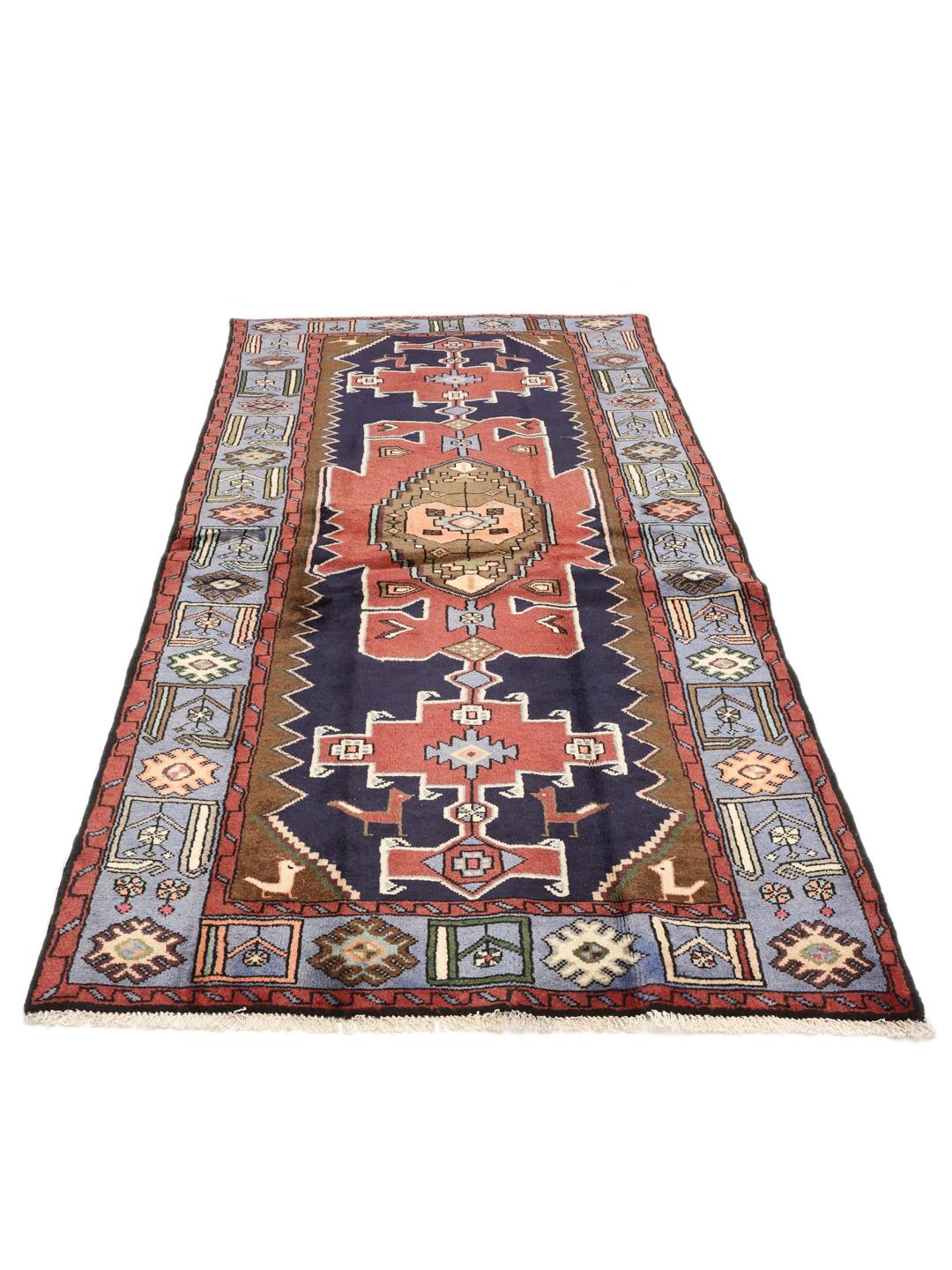
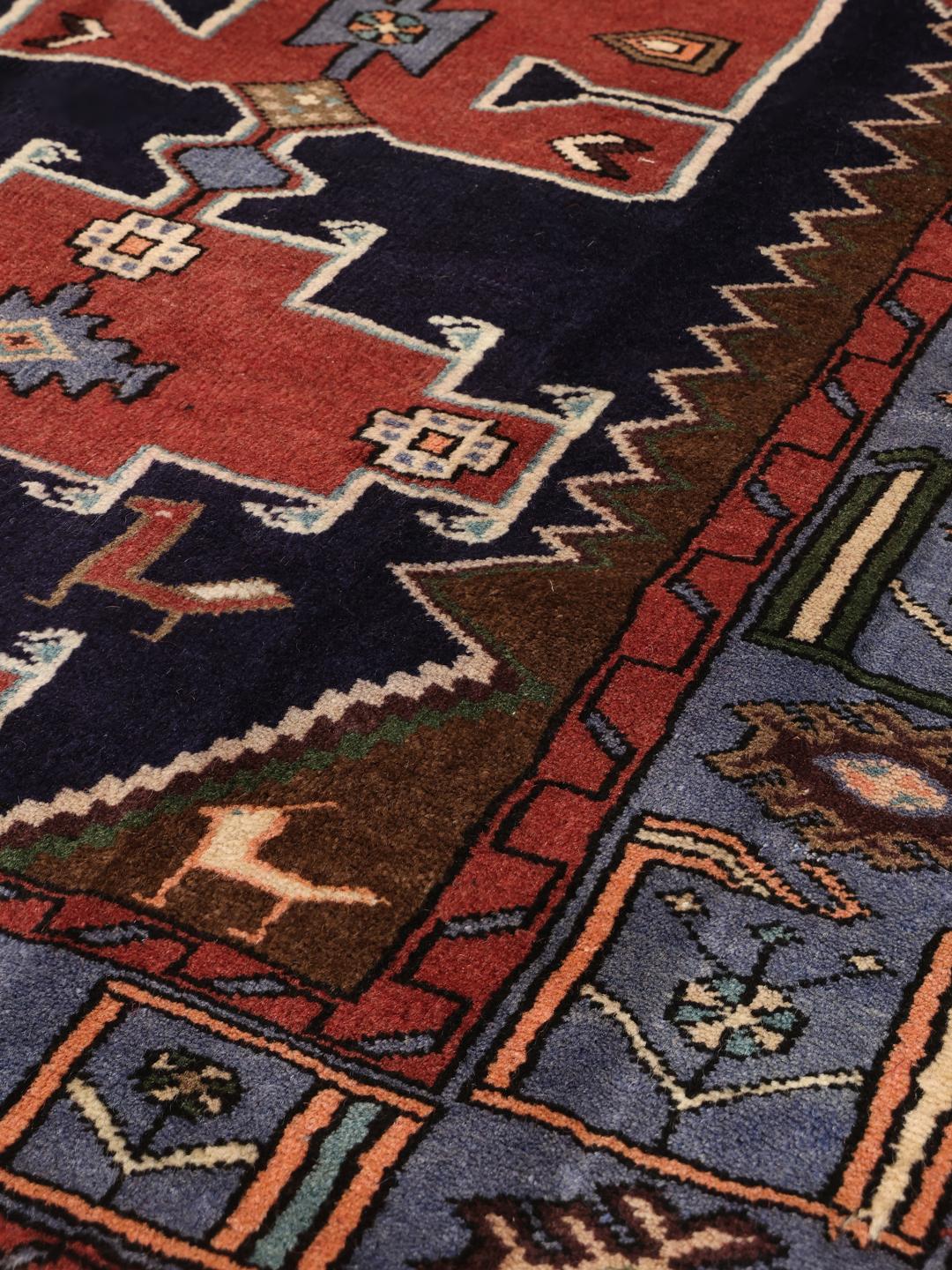
Visually, these rugs are celebrated for their bold, often angular designs. Central medallions, latch-hook corners, and intricate floral or geometric borders are hallmarks of the style. The colour palettes are typically warm and earthy, often utilising deep blues and rich reds that have been derived from natural dye traditions. Each rug tells a story through these motifs, with patterns often passed down through generations of families.
Owning a Hamadan rug is an opportunity to connect with a deep heritage of craft. These pieces are highly valued by collectors for their authenticity and the human element present in every thread. By choosing a unique rug from this tradition, you are preserving a legacy of skill and cultural expression that remains a cornerstone of Middle Eastern textile artistry.