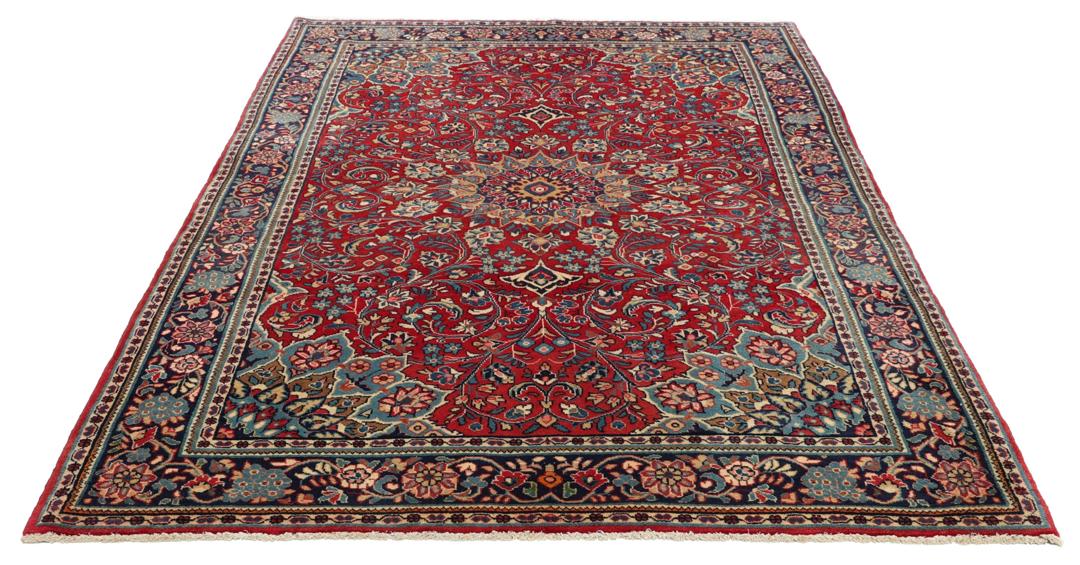
The Hamedan region, located in the western part of the Middle East, is home to one of the most prolific and historically significant rug-weaving traditions in the world. Situated near the ancient city of Ecbatana, this area has been a hub for textile production for centuries, drawing on a diverse tapestry of local tribal and village influences.
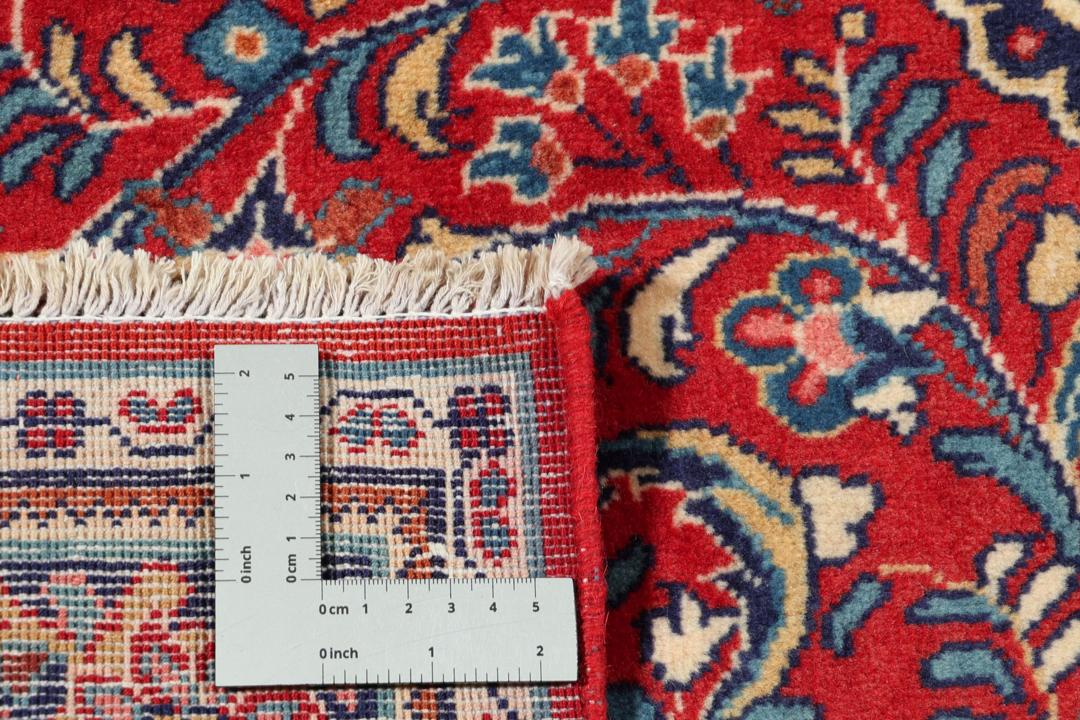
Technically, Hamedan rugs are celebrated for their robust construction and the use of high-quality, locally sourced Wool. The term Hamedan is often used as a blanket description for a wide variety of village-made rugs from the surrounding district, each reflecting the specific motifs and colour palettes preferred by the weavers in individual mountain villages.
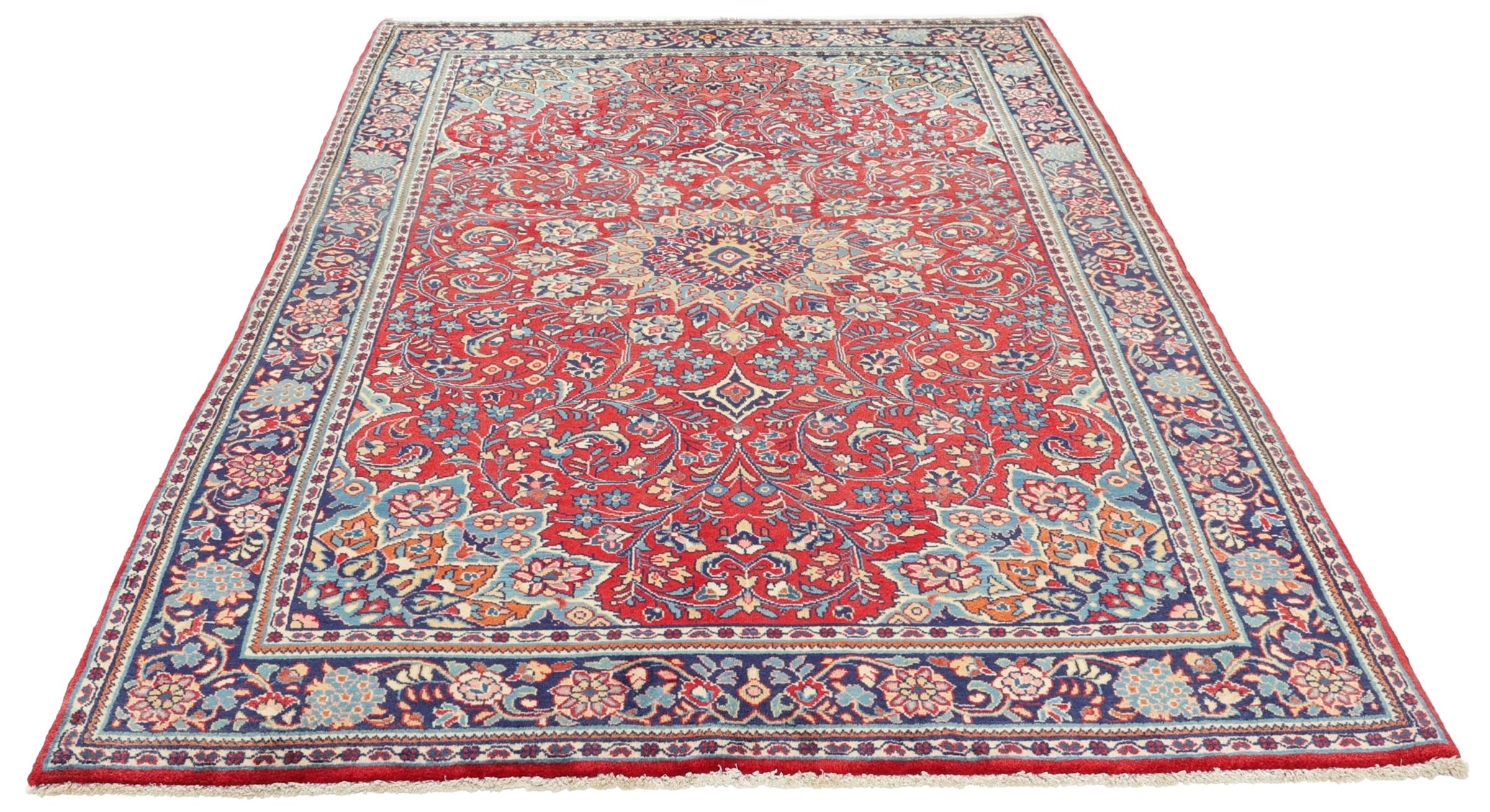
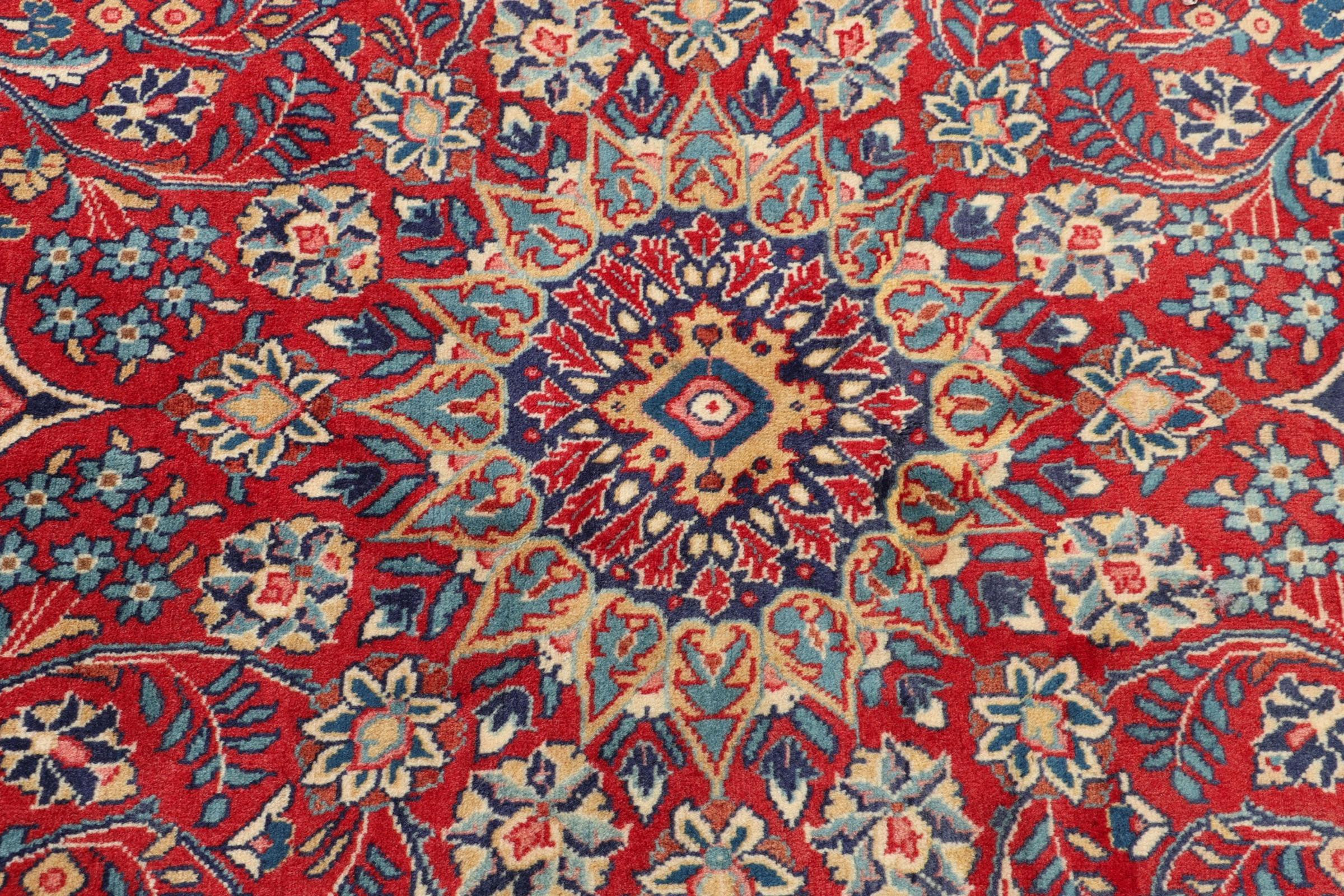
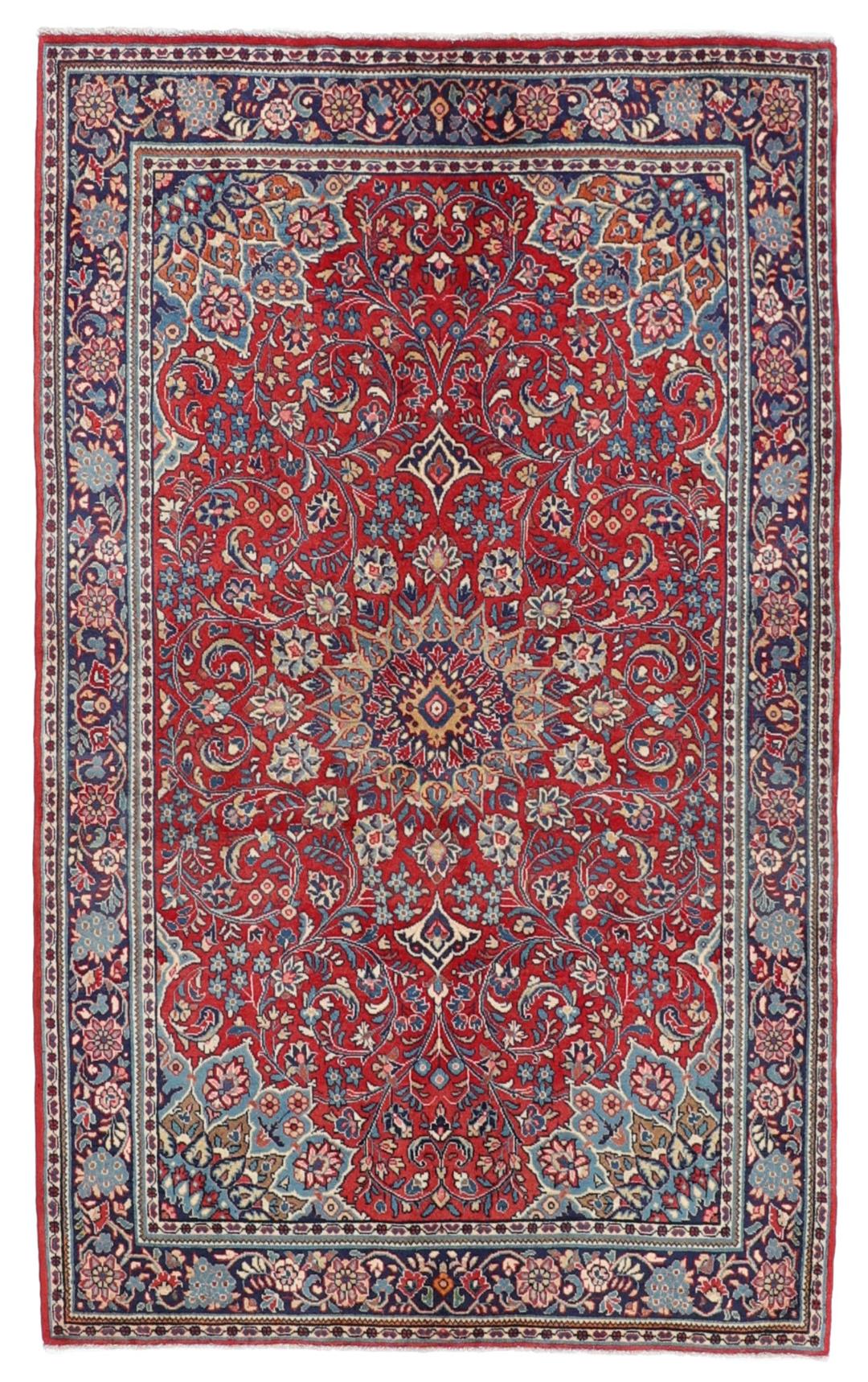
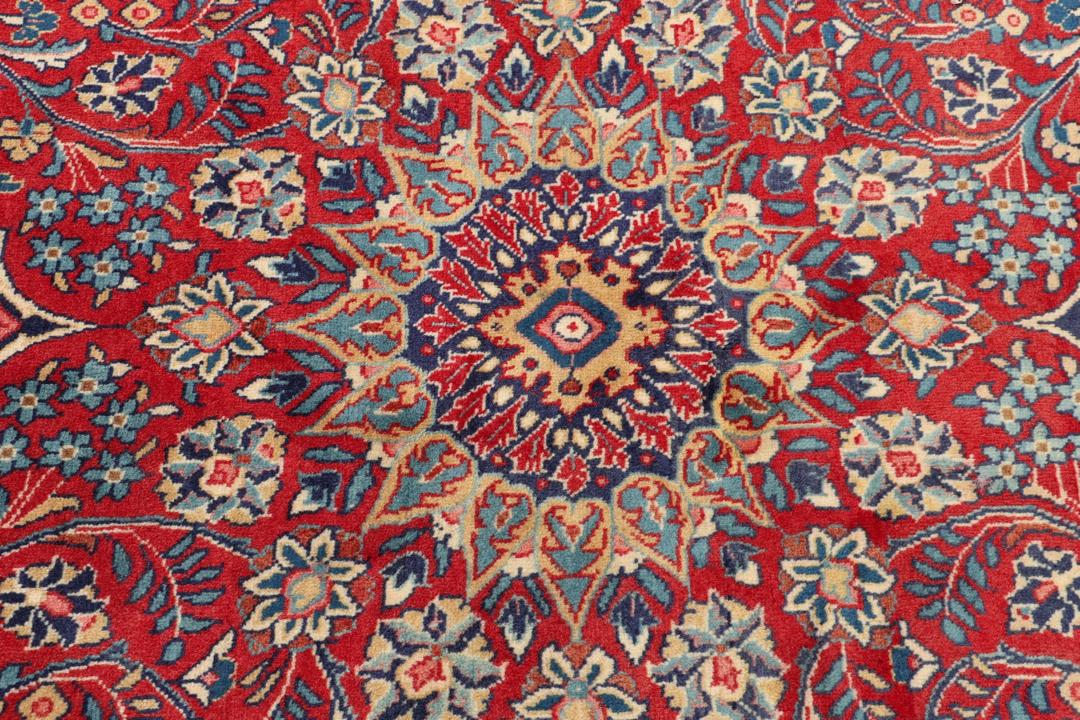
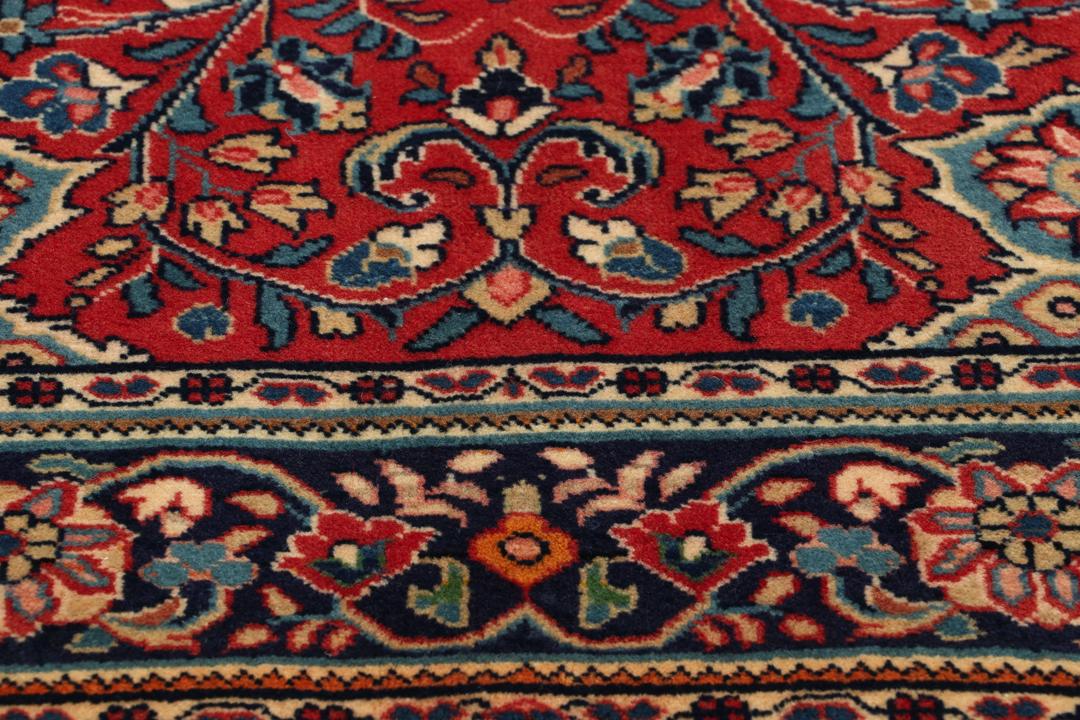
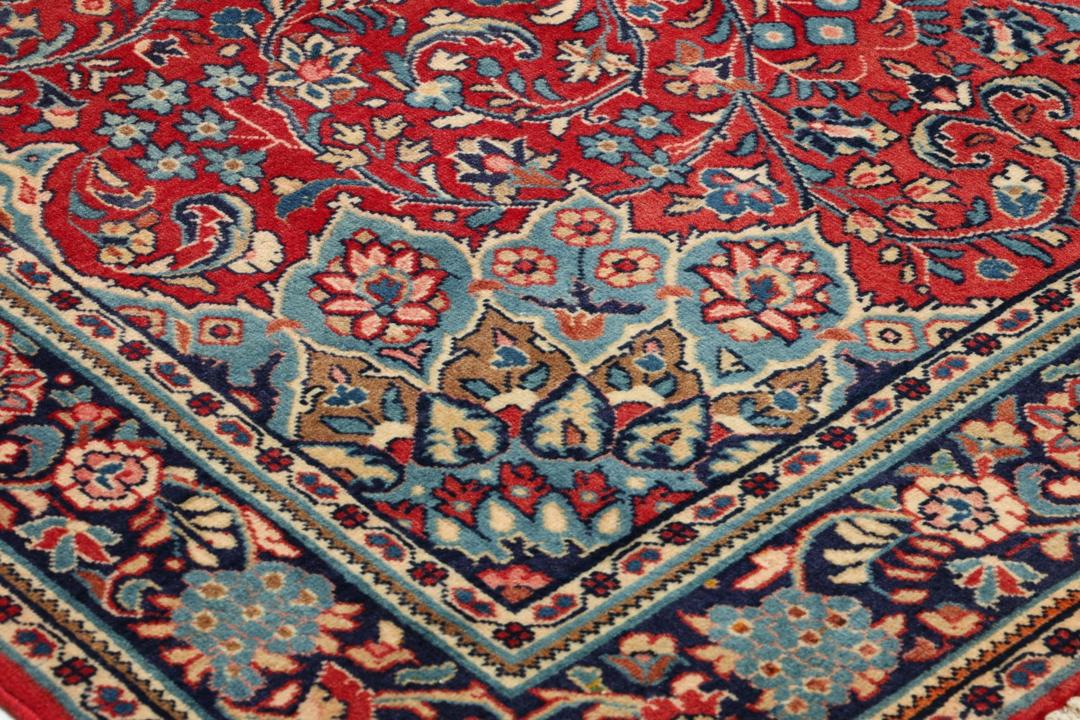
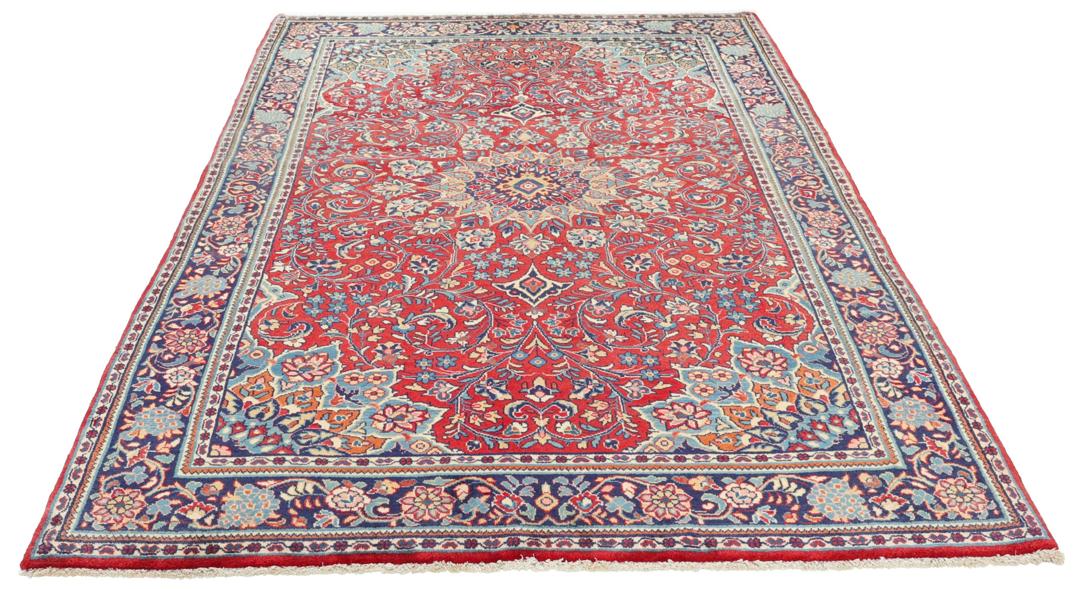
Visually, these rugs are often defined by their bold, central medallion designs and intricate floral fillers, which are frequently rendered in deep, earthy reds and vibrant blues. The borders are typically formal and well-proportioned, serving to frame the field and provide a sense of balance to the complex, repeating patterns.
Collectors value Hamedan rugs for their authenticity and the way they bridge the gap between functional floor coverings and artistic expression. Owning a piece from this tradition is an opportunity to connect with a long-standing cultural heritage, where every knot reflects the skill and artistic vision of the person who created it.